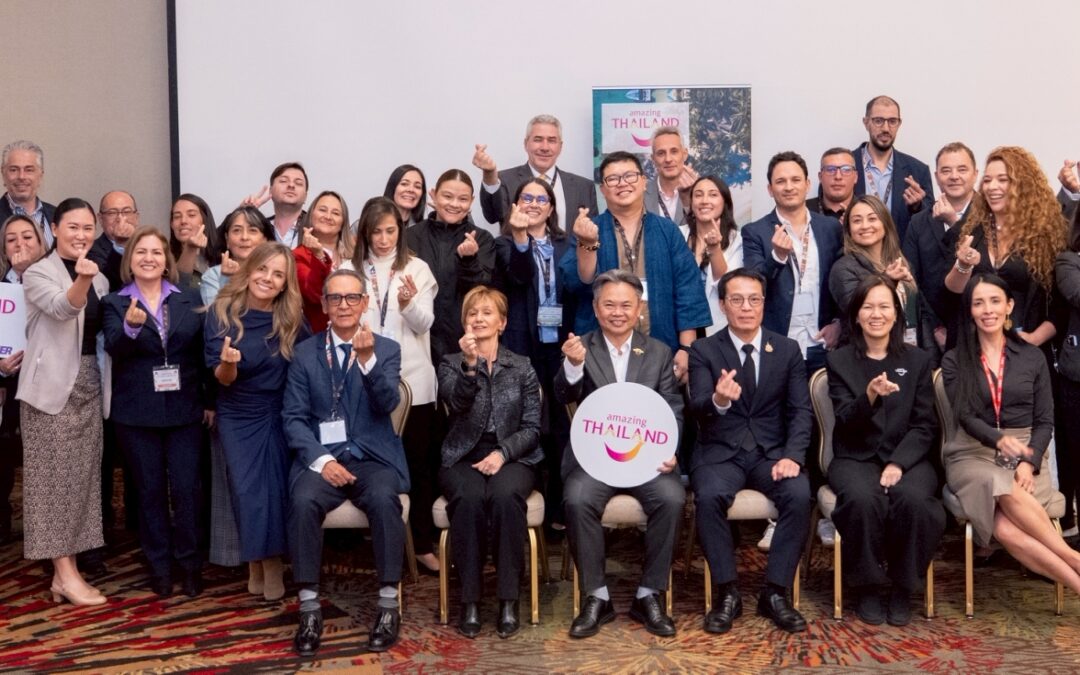
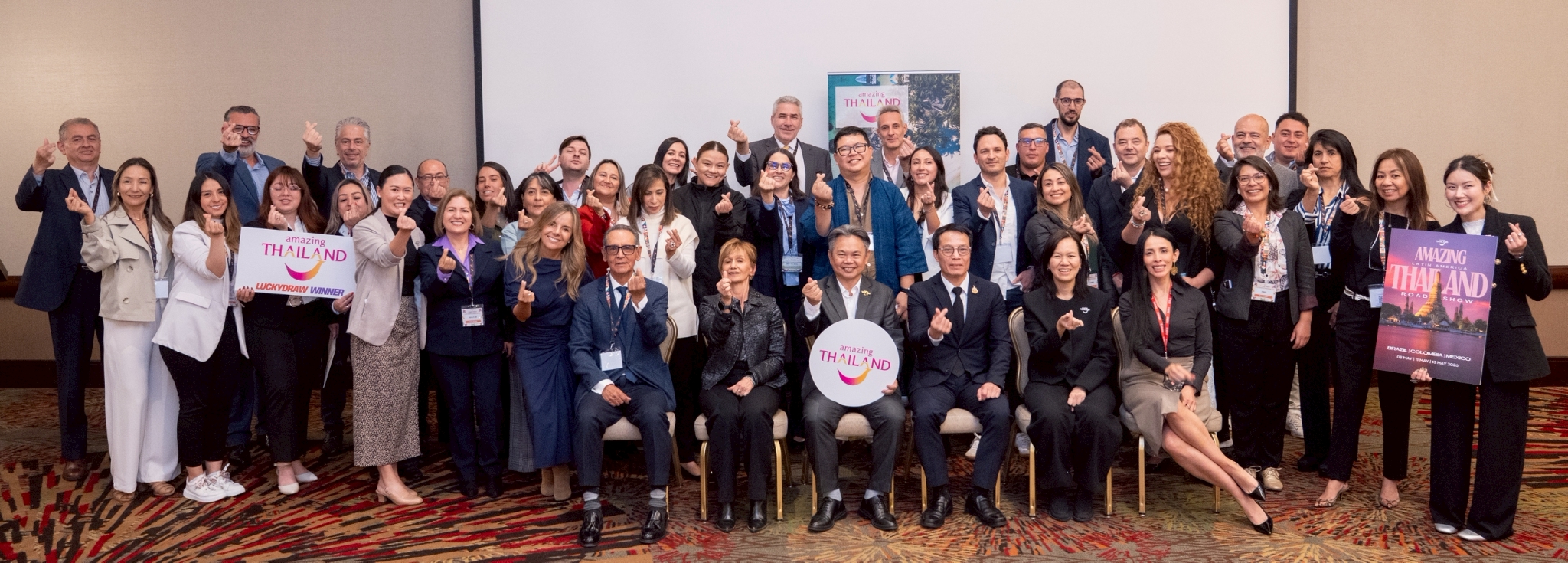
Thailand’s latest long-haul tourism push gives Bangkok property buyers another confidence signal to interpret carefully. The Tourism Authority of Thailand reported that the Amazing Thailand Latin America Roadshow 2026 connected Thai tourism suppliers with travel companies in Sao Paulo, Bogota and Mexico City from 8 to 13 May 2026.
Thailand is working to expand long-haul visibility in emerging source markets beyond Asia.
TAT said the programme brought together 11 Thai tourism suppliers and 85 travel companies, generating 487 pre-scheduled business meetings. The campaign aligned with Thailand’s 2026 communication direction, “Healing is the New Luxury”, and its “Value over Volume” strategy for quality long-haul growth.
For property buyers, this does not mean Latin American arrivals will directly drive Bangkok condo prices. The point is broader: Thailand continues to market itself as a premium, wellness, culture and experience-led destination to more distant source markets. That helps support Bangkok’s global visibility, hotel economy, medical and wellness positioning, and the perception of Thailand as an internationally connected base.
Connectivity was part of the roadshow message as well. TAT said Ethiopian Airlines joined the Sao Paulo event, while Emirates participated in Bogota and Mexico City, reinforcing available routes between Latin America and Thailand through major global hubs. For Bangkok, that matters because ease of arrival shapes repeat visitation, inspection trips and confidence in holding a property from overseas.
Why long-haul tourism matters
Bangkok is not only a local housing market. It is the main gateway to Thailand for business visitors, leisure travellers, medical tourists, regional families and expatriates. When Thailand builds recognition in long-haul markets, Bangkok benefits first because it provides international airport access, hotels, private healthcare, retail, dining, culture and onward travel connections.
TAT’s update said Thailand welcomed 221,824 visitors from Latin America in 2025, up from 134,800 in 2024. Brazil was the largest source market with 70,103 visitors, followed by Mexico with 50,144, Argentina with 28,058 and Colombia with 27,301. From 1 January to 30 April 2026, arrivals from Latin America reached 86,057, signalling continued momentum.
Trade meetings help convert destination awareness into future travel and business pipelines.
The property link is indirect but real
Foreign property demand rarely comes from one campaign. It builds from repeated exposure: a holiday, a hospital visit, a school search, a regional work assignment, a business event or a second-home conversation. Long-haul tourism marketing increases the number of people who understand Thailand well enough to consider spending more time here.
That matters for Bangkok because premium residential demand is linked to more than local wages. It is supported by international schools, private hospitals, hotels, restaurants, serviced apartments, flexible offices, airports and a deep lifestyle economy. Buyers looking at Sukhumvit, Silom, Sathorn, Chit Lom, Langsuan, Riverside and Rama IV should understand how those urban services sit inside a wider tourism and business ecosystem.
Do not overread the signal
A roadshow is a confidence signal, not a transaction guarantee. It does not replace due diligence on price, title, foreign quota, building management, rental evidence or resale depth. It also does not mean every district benefits equally. The property link is strongest where international visitors and residents already spend time: hotel districts, hospital corridors, central retail nodes, riverside luxury areas and well-connected BTS or MRT neighbourhoods.
Buyers should also separate tourism visibility from tenant demand. A visitor may become a repeat traveller without becoming a long-term tenant. A corporate tenant still needs employment, school, commute and budget reasons to lease a condo. The best investment cases combine macro confidence with unit-level evidence.
For Bangkok property buyers, international tourism promotion is a confidence layer, not a price forecast.
What foreign buyers can take from it
Thailand is broadening its quality-tourism audience beyond nearby Asian markets.
Bangkok remains the first city many long-haul travellers use to understand Thailand.
Premium residential districts benefit most when tourism, healthcare, retail and business services overlap.
Connectivity and visibility should support confidence, but never replace building-level due diligence.
Investor takeaway
The Latin America Roadshow adds to Bangkok’s global-city story. It reinforces Thailand’s effort to attract quality travellers and promote higher-value experiences, which can support the wider services economy around prime residential districts. For property buyers, the practical response is to treat tourism momentum as context and still buy only where price, building and district fundamentals are clear.
IBP can help overseas buyers connect Thailand tourism and economy signals with Bangkok condo due diligence. Read our Thailand economy updates or contact IBP Real Estate for a buyer consultation.
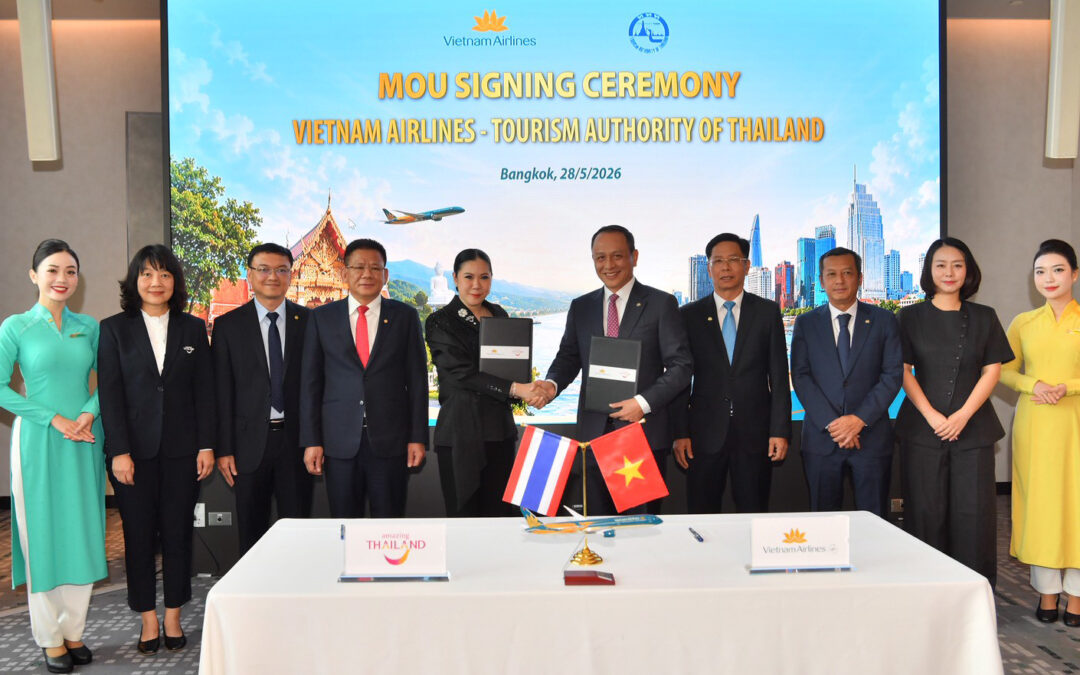
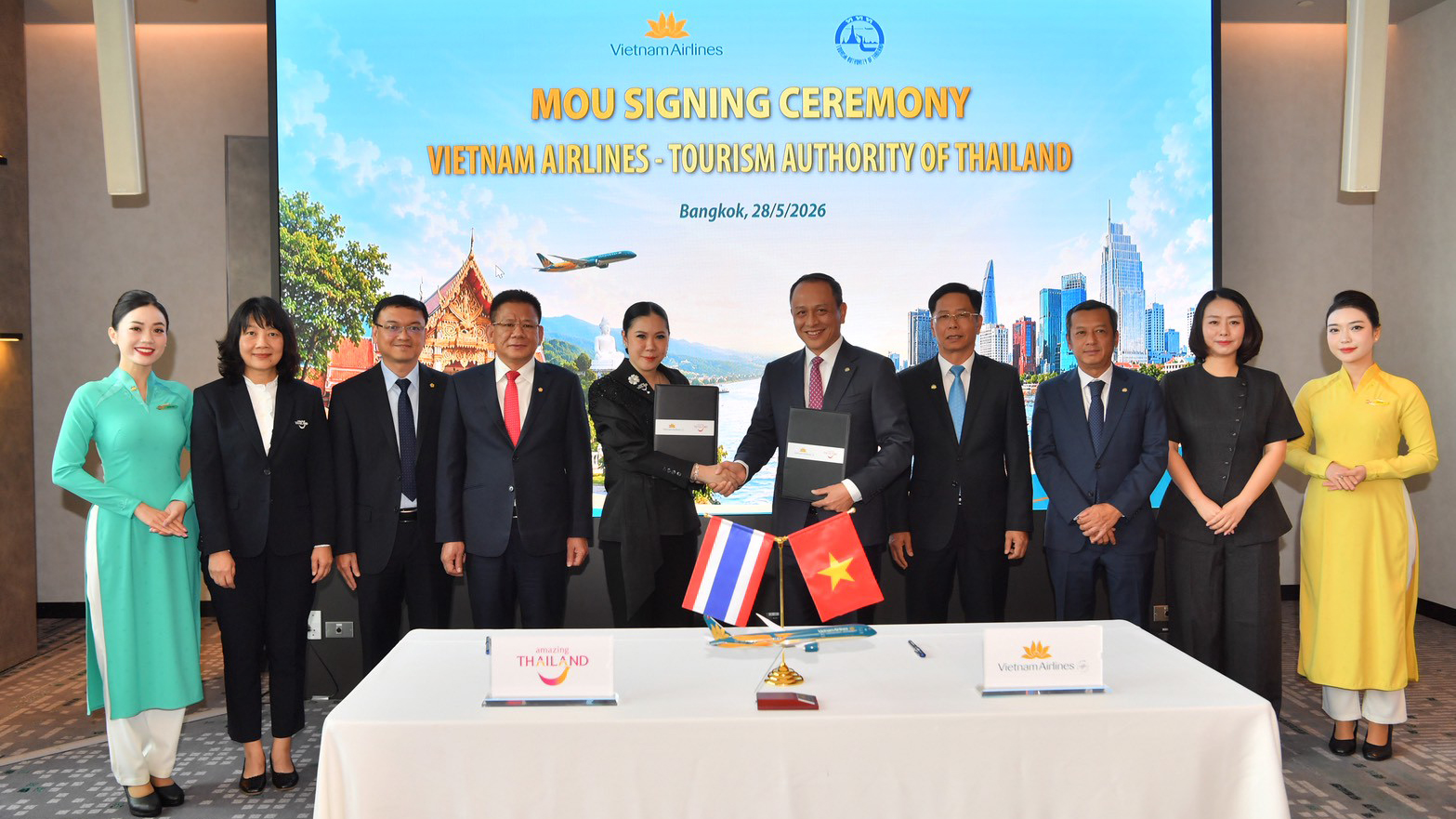
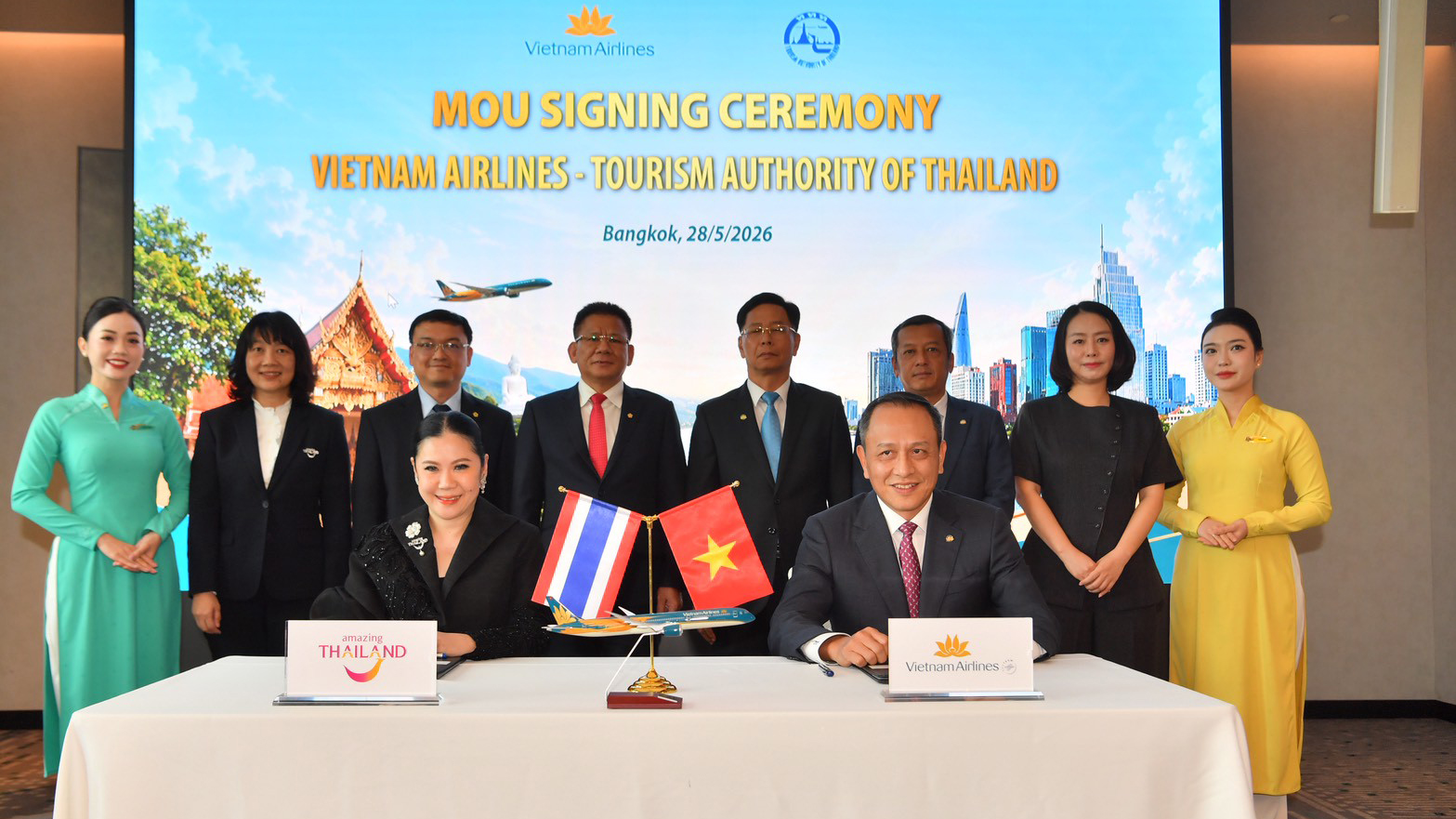
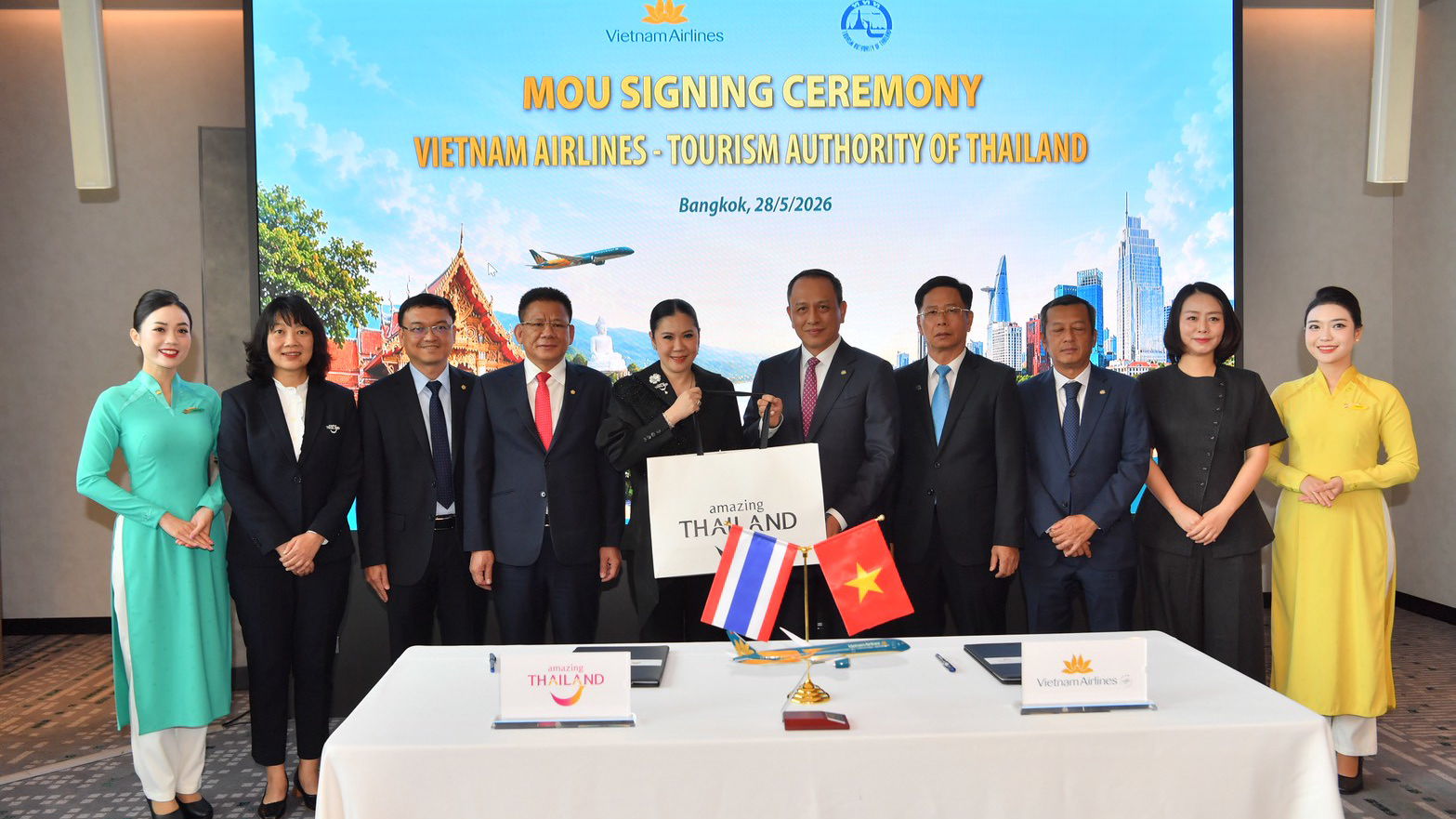
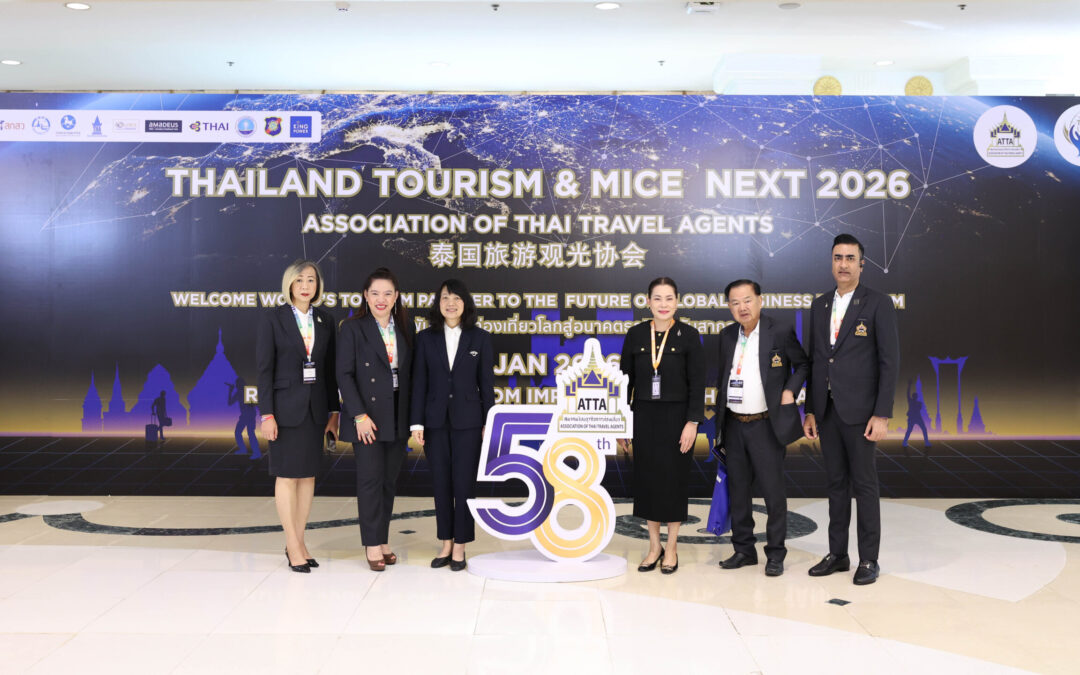
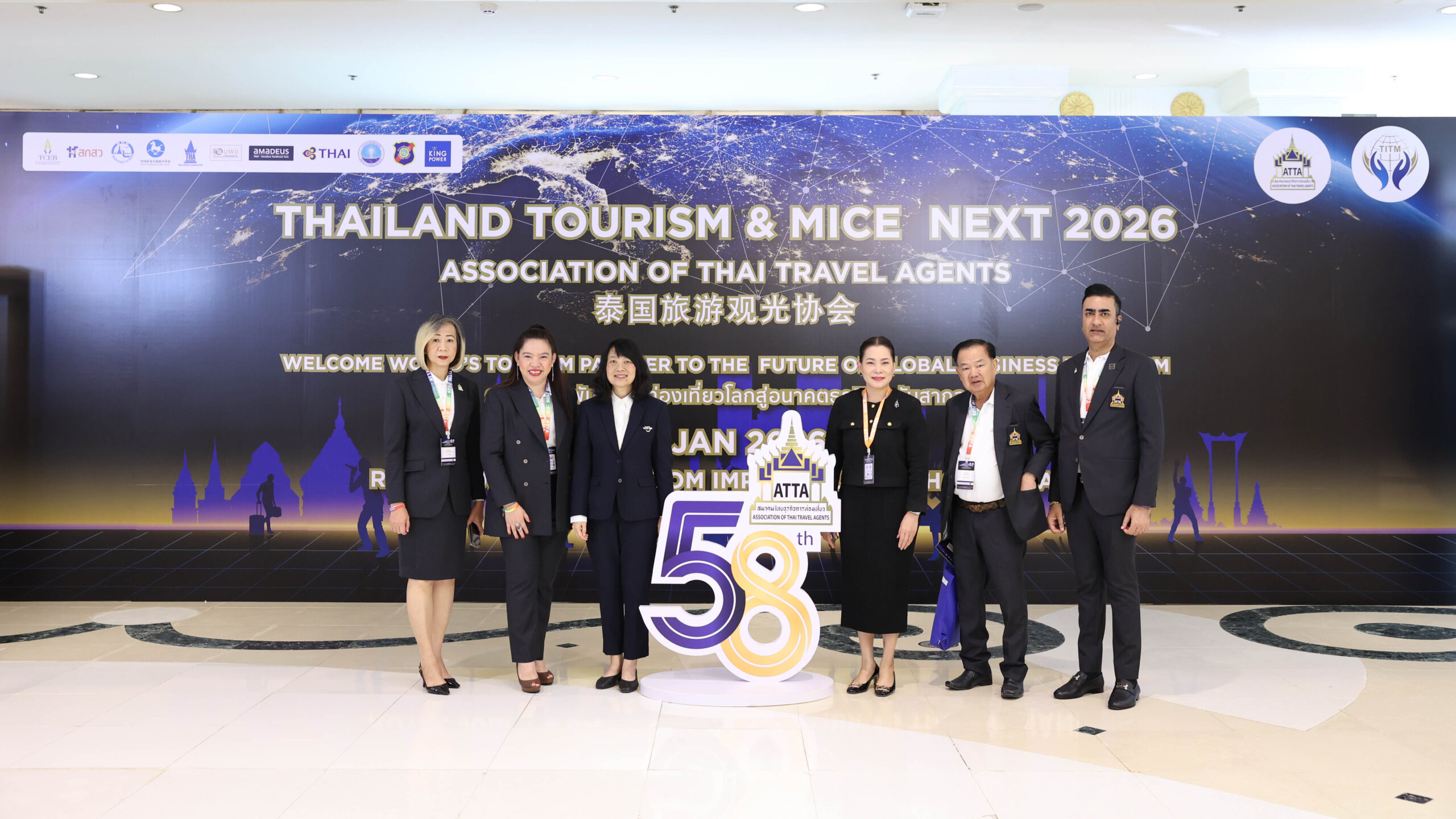
Thailand’s latest tourism cooperation with Vietnam Airlines is a useful confidence signal for foreign buyers watching Bangkok’s regional role. On 28 May 2026, the Tourism Authority of Thailand reported that it signed a memorandum of understanding with Vietnam Airlines during the official visit to Thailand of Viet Nam’s senior leadership from 27 to 29 May, as the two countries mark 50 years of diplomatic relations.
TAT and Vietnam Airlines signed an MOU during a high-level Thailand-Viet Nam engagement in Bangkok.
The MOU was signed in Bangkok by TAT Governor Thapanee Kiatphaibool and Vietnam Airlines President and Chief Executive Officer Le Hong Ha. TAT also reported that Vietnam Airlines signed separate MOUs with Airports of Thailand and the Thai Travel Agents Association. For property buyers, the importance is not only tourism volume. It is the direction of travel: Thailand is deepening ASEAN air access, business promotion and regional visitor pipelines around Bangkok as a gateway city.
A single airline agreement should not be treated as a property-price forecast. But connectivity matters. Foreign owners need cities that remain easy to reach, inspect, lease, manage and resell. Bangkok benefits when air, tourism, business and government links make Thailand more visible to regional travellers and investors.
What the MOU covers
According to TAT, the cooperation will coordinate route development and additional flight frequencies. Priority routes include Hanoi and Ho Chi Minh City to Bangkok, Da Nang to Bangkok, Ho Chi Minh City to Phuket and Hanoi to Chiang Mai. TAT also said Vietnam Airlines announced a new Ho Chi Minh City to Phuket service scheduled to begin on 2 July 2026 with four weekly flights.
The working framework also includes joint marketing, international tourism fairs, buyer engagement, promotional content, tourism workshops, familiarisation trips, media and influencer activities, official visits and market information exchange. A joint working group is expected to guide implementation. This is a practical commercial structure rather than only a ceremonial announcement.
The cooperation focuses on routes, joint promotion, buyer engagement and market information exchange.
Why ASEAN access helps Bangkok
Bangkok’s property appeal is partly local and partly regional. Locally, buyers look for transport, schools, healthcare, retail, culture and building quality. Regionally, they ask whether Bangkok works as a base for business travel, family visits, medical trips, leisure and corporate meetings. Stronger Thailand-Viet Nam travel links support that second layer.
Viet Nam is one of ASEAN’s most dynamic economies, with a rising middle class, active business travel and deepening corporate links across the region. When Thailand builds more convenient access and tourism cooperation with Viet Nam, Bangkok can gain as the main commercial and service hub. Hotels, serviced apartments, premium retail, medical providers, restaurants and transport nodes all form part of the same urban economy that supports prime residential demand.
Where buyers should look for the property link
The clearest property link is in districts that serve mobile regional residents and visitors: Sukhumvit, Asoke, Phrom Phong, Thonglor, Ploenchit, Chit Lom, Silom, Sathorn and selected riverside locations. These areas combine business access, BTS or MRT links, hotels, hospitals, schools, shopping and international dining. They are easier for a regional buyer or tenant to understand quickly.
Airport access also matters. A buyer planning frequent travel should test real journey times to Suvarnabhumi and Don Mueang at different hours, not only map distance. A premium condominium that is difficult to reach during peak travel times may feel less useful for a regional owner, even if the building itself is strong.
Bangkok’s role as a meeting point for regional business supports its wider property-confidence story.
How not to overread the signal
Connectivity is a confidence layer, not a substitute for due diligence. A foreign buyer should still check foreign quota, title, building management, common fees, rent evidence, resale liquidity and unit layout. Air access can support demand, but it will not fix an overpriced unit or a weak building.
Buyers should also distinguish between tourism demand and long-term tenant demand. A route or campaign may increase visitor familiarity with Thailand, but rental performance depends on expatriate employment, corporate budgets, school access, healthcare needs and neighbourhood convenience. The strongest investment case is where macro confidence and unit-level evidence point in the same direction.
Investor takeaway
The TAT-Vietnam Airlines MOU reinforces Bangkok’s position as a connected ASEAN gateway. It adds to the broader case for Bangkok as a property market tied to regional travel, business, healthcare and lifestyle demand. For foreign buyers, the practical response is to use connectivity as one filter, then buy only where the district and building fundamentals are clear.
IBP can help overseas buyers interpret Thailand economy and connectivity signals alongside Bangkok condo due diligence. Read our Thailand economy and investment updates or contact IBP Real Estate for a buyer consultation.
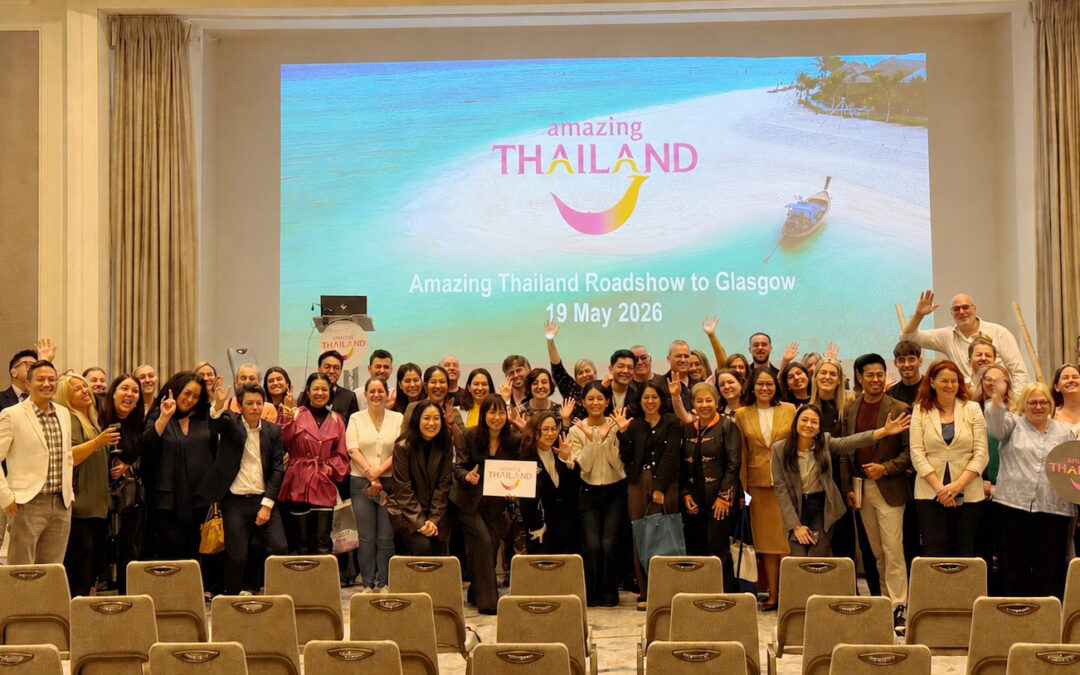
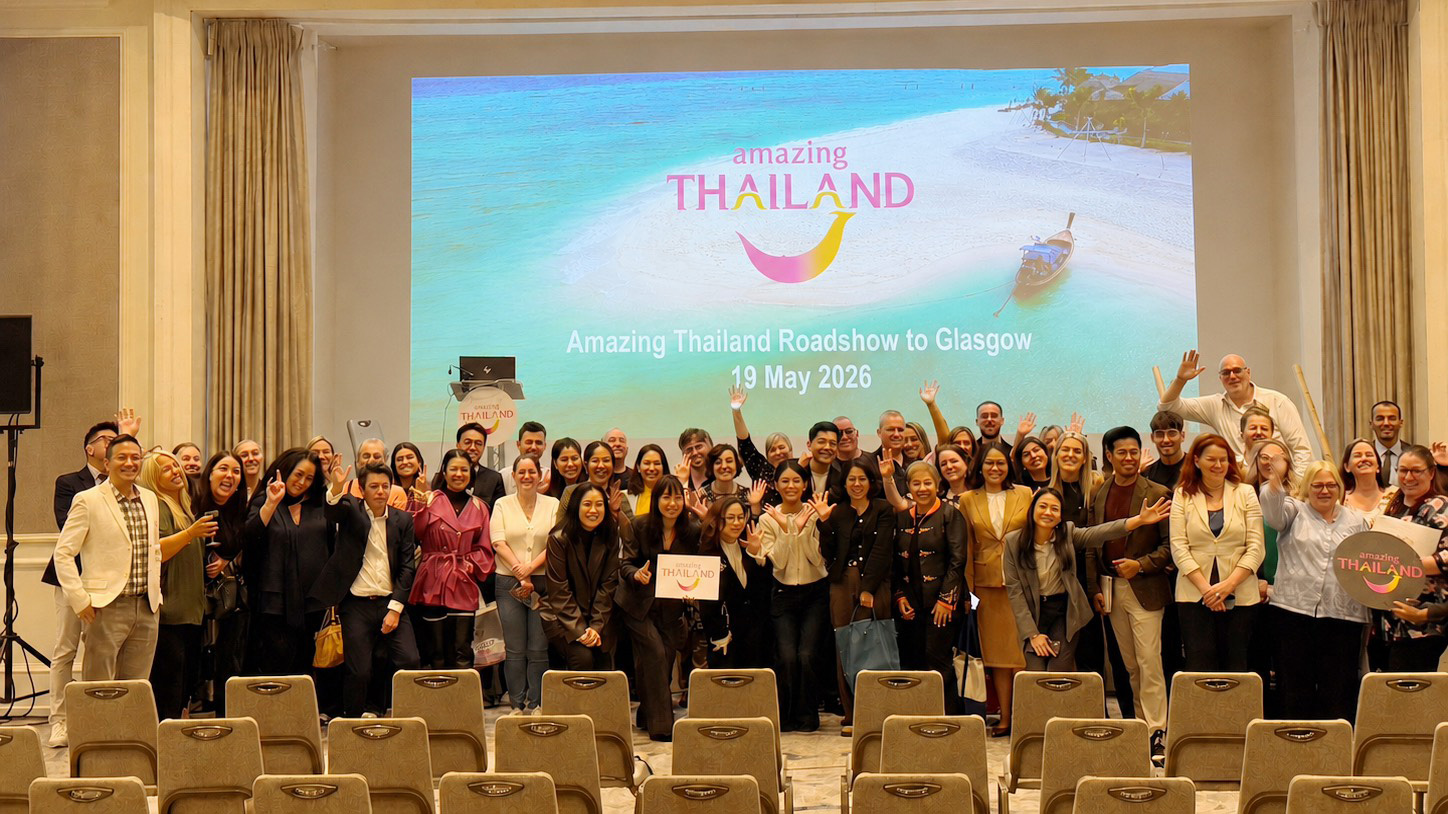
Thailand’s latest UK tourism push gives Bangkok property buyers a timely signal about long-haul confidence. On 27 May 2026, the Tourism Authority of Thailand reported that the Amazing Thailand Roadshow to UK 2026 was held from 19 to 21 May in Glasgow, Manchester and London, connecting Thai sellers with UK travel trade partners as Thailand builds demand from one of its key long-haul markets.
TAT used the UK roadshow to deepen trade links in Glasgow, Manchester and London.
The numbers are relevant because Bangkok property is not isolated from travel, air access and global familiarity. TAT said the roadshow brought together 19 Thai tourism sellers, including hotels and destination management companies from Bangkok, Krabi, Phuket and Surat Thani, with 218 UK travel trade representatives. The UK also remains among Thailand’s top 10 visitor markets, with more than one million UK visitors in 2025 and over 74.515 billion Baht in tourism revenue.
For foreign buyers, tourism data should not be read as a direct condo-price forecast. It is better viewed as confidence infrastructure. When Thailand is visible in a high-value long-haul market, and when air capacity supports repeat travel, Bangkok benefits as the national gateway for business, healthcare, education, hospitality and second-home decision-making.
Why the UK market matters
The UK is a mature travel market with long-standing links to Thailand. UK visitors often understand Bangkok beyond a single holiday stop: they may use it as a regional base, a medical and wellness hub, a retirement consideration, a family education route or a repeat lifestyle destination. That familiarity can support property interest among buyers who want a usable city home rather than a purely speculative asset.
TAT’s report also noted that UK travellers recorded an average stay of 14.18 nights and average trip expenditure of 60,000 to 70,000 Baht per person in 2025. Longer stays and higher spending are relevant to Bangkok because they support premium hotels, serviced apartments, healthcare, retail, dining and neighbourhood familiarity. These are the same liveability layers that help foreign buyers feel comfortable holding property.
Long-haul travel confidence matters for hotels, services, second homes and Bangkok’s international profile.
Air access supports confidence
TAT said five airlines currently operate direct services between the UK and Thailand: Thai Airways International, EVA Air, British Airways, Norse Atlantic Airways and TUI UK, with 35 weekly flights and more than 11,100 seats per week. British Airways’ year-round London Gatwick to Bangkok service from 31 March 2026 is expected to add nearly 60,000 seats this year, while Virgin Atlantic Airways has announced London Heathrow to Phuket flights for the 2026/2027 winter season.
Air access matters because second-home ownership and investment inspection both depend on practical travel. Buyers are more likely to revisit, inspect, furnish, lease and eventually resell a Bangkok asset if the city remains easy to reach. Direct and expanded services also reinforce Bangkok’s role as a premium international gateway rather than a niche property market.
Where the property link is strongest
The property link is strongest in districts that serve repeat visitors and internationally mobile residents: Sukhumvit, Sathorn, Silom, Ploenchit, Chit Lom, Phrom Phong, riverside Bangkok and selected healthcare or school corridors. These areas give foreign residents a clear daily life story through transport, restaurants, hospitals, malls, embassies, hotels and professional services.
A UK buyer should still make the same hard checks as any other foreign buyer: foreign quota, title status, building management, rent evidence, resale depth, transfer costs and banking documents. A favourable tourism signal does not rescue an overpriced or poorly managed unit.
How buyers should use the signal
The useful question is whether travel demand supports the buyer’s intended holding plan. A second-home buyer may value easy flights and familiar visitor services. A landlord may care more about expatriate tenants, relocation demand and neighbourhood convenience. A resale-focused buyer should ask whether the district is understood by both Thai and foreign purchasers, because the eventual exit audience may not match the first tenant audience.
Airline access and trade conversion can reinforce Thailand’s visibility among high-spending travellers.
Investor takeaway
The UK roadshow supports the broader case for Bangkok as a connected, recognisable and internationally relevant property market. It strengthens the confidence backdrop rather than replacing property due diligence. For buyers, the practical move is to use long-haul demand as a macro filter, then choose units based on district evidence and building quality.
Thailand’s latest tourism safety and quality push is not only a travel-industry story. It is also a confidence signal for Bangkok property buyers. On 25 May 2026, the TAT Newsroom reported a national drive to improve tourism safety and quality standards under the Trusted Thailand direction. For foreign buyers, the important question is how such policy attention affects Bangkok’s role as a place to visit, work, rent and live.
Tourism confidence is part of Bangkok’s wider appeal to foreign residents, investors and repeat visitors.
Property demand is rarely created by one campaign. It comes from repeated signals: air access, stable services, reliable transport, healthcare, schools, retail, hotels, culture, corporate activity and a city environment that visitors are willing to return to. Tourism safety and quality sit inside that larger confidence framework. When Thailand treats visitor trust as a national priority, Bangkok’s residential market can benefit indirectly.
This should be read carefully. A safety drive does not guarantee condo price growth or rental yield. It does, however, reinforce a theme that matters to foreign owners: Bangkok competes not only on price, but on ease of use. Buyers want a city where tenants arrive smoothly, families feel comfortable, business visitors can navigate services, and repeat travellers can imagine a longer stay.
Why tourism standards matter to property
Bangkok is a residential city, a business centre and a visitor gateway at the same time. Many foreign condo buyers first encounter the city as tourists or business travellers. Their first impressions are practical: airport arrival, hotel quality, street-level safety, transport, shopping, medical access, restaurant standards and how quickly problems are handled. Those impressions influence whether Bangkok feels investable.
A stronger tourism-quality agenda can also support the ecosystem around property. Hotels, malls, hospitals, wellness providers, restaurants, event venues, private transport operators and serviced apartments all depend on visitor confidence. When these sectors perform well, they help sustain employment, business travel and rental demand in the districts foreign buyers already watch.
Safety, service standards and coordination shape how international visitors judge Thailand.
The foreign-buyer lens
Foreign buyers should not treat tourism as separate from property. In Bangkok, tourism and residential demand overlap. A visitor may become a repeat renter, a remote worker, a retiree, a parent assessing schools, or an investor looking for a long-term base. Even if a buyer never plans short-term rental activity, the city’s visitor economy supports the amenities that make condominium living attractive.
This is particularly true in central and lifestyle districts. Sukhumvit, Silom-Sathorn, Rama IV, Chit Lom, Phloen Chit, Riverside and emerging mixed-use nodes all rely on a blend of local residents, expatriates, business travellers and tourists. Better visitor confidence can keep these districts active beyond office hours and support the retail and service depth that tenants value.
What buyers should watch next
The useful indicators are not slogans. Buyers should monitor arrival quality, airline connectivity, hotel occupancy, MICE activity, retail footfall, healthcare tourism, event calendars and the consistency of local services. If these indicators improve together, Bangkok’s liveability story becomes easier to explain. If one area weakens, buyers should ask whether the chosen district still has enough independent demand drivers.
For example, a condo near a hospital corridor may be supported by healthcare demand and family visits. A unit near a major mall may benefit from retail, dining and transport. A property near the CBD may depend more on office leasing and business travel. Tourism quality helps the whole city, but each asset still needs its own demand logic.
Confidence is built through coordination
Tourism safety is not only about policing. It involves information, complaint handling, transport reliability, standards, communication, hospitality training and coordination between public agencies and private operators. This matters to Bangkok property because the city is experienced through many small interactions. A foreign resident or tenant notices whether taxis, airports, clinics, malls, hotels and public spaces feel organised.
When those systems improve, Bangkok’s premium positioning becomes more credible. The city can offer more than affordability: it can offer connected urban living with strong private services and a deep lifestyle base. That is one reason foreign buyers compare Bangkok not only with other Thai cities, but with regional alternatives such as Singapore, Kuala Lumpur and Ho Chi Minh City.
A stronger visitor experience can reinforce Bangkok’s positioning as a liveable regional base.
What this does not change
Buyers still need discipline. A national tourism push does not make every condominium a good investment. Overpriced units, weak layouts, poor management, unclear foreign quota and unrealistic rental assumptions remain risks. A property should be judged by building quality, management, location, pricing, tenant audience and exit route.
The positive reading is broader. Thailand is continuing to invest policy attention in visitor trust, and Bangkok is the main gateway that translates that trust into residential, retail, healthcare and business demand. For a foreign buyer, that supports confidence in the city, but not blind confidence in any single asset.
How to use the signal
Use tourism-confidence news as part of a dashboard. Pair it with economic data, infrastructure delivery, district supply, developer behaviour and rent evidence. If several indicators point in the same direction, a buyer can underwrite with more conviction. If the only argument is a national campaign, the purchase case is incomplete.
Bangkok’s best property opportunities are usually found where macro confidence meets practical daily demand. IBP’s Thailand economy and investment news helps foreign buyers connect national signals to district-level property decisions before they commit capital.
Thailand’s April export data gives foreign buyers another reason to watch the wider economy behind Bangkok property. Reports citing the Trade Policy and Strategy Office under the Ministry of Commerce said exports in April 2026 were worth US$31.583 billion, or THB1.022354 trillion, up 23.1 percent year on year and marking a 22nd consecutive month of growth. That is a strong headline, but property buyers should read it carefully rather than automatically.
Export momentum supports confidence most when it connects to jobs, services and corporate activity.
Exports matter because they support company revenue, employment, logistics, business services and investor confidence. Bangkok is not an export factory city in a narrow sense, but it is the centre for headquarters, banks, legal advisers, logistics managers, consultants, retail groups, hospitals, hospitality companies and regional decision-makers. When trade is resilient, those service layers can support residential demand in selected districts.
At the same time, exports are only one part of the story. Xinhua’s report on the same official data noted that imports rose faster in the first four months of 2026, creating a trade deficit. For property buyers, the balanced reading is that Thailand still has external demand strengths, while costs, supply chains and currency conditions need monitoring.
Why export strength is relevant to Bangkok property
Foreign buyers often focus on tourism, infrastructure and condo prices. Export performance adds another lens. A country that sells goods and services into global markets can build deeper business confidence than one relying only on visitor spending. Stronger trade can support logistics, banking, industrial estates, business travel, serviced apartments and professional hiring.
Bangkok benefits indirectly from that activity. Executives may not live beside factories or ports, but they often base themselves near offices, schools, hospitals, embassies, retail and airports. That is why areas with strong transport and daily convenience can remain relevant even when the economic news is national rather than local.
Trade, travel and logistics all reinforce Bangkok’s role as Thailand’s international gateway.
What drove the latest attention
The April data drew attention because the growth rate was high and because the expansion extended a long monthly run. The Government Public Relations Department also reported that agricultural exports rebounded in April 2026 after eight months of decline, with fruit exports up 17.9 percent and durian, rambutan and lychee showing particularly strong increases. That adds a useful reminder that Thailand’s economy is not only tourism and property; it has food, agriculture, manufacturing and trade channels that foreign investors should understand.
For Bangkok property, the point is confidence and diversity. A buyer choosing a long-term Bangkok asset should prefer a city supported by several demand engines: tourism, healthcare, education, trade, finance, retail, technology, embassies and regional services. Export momentum can contribute to that broader platform.
Where the property link is strongest
The export-property link is strongest in districts that serve professionals, regional managers and internationally mobile households. Sathorn, Silom, Rama IV, Phrom Phong, Asoke, Ploenchit, Chit Lom, Bang Na and selected riverside areas can all benefit from different parts of the business ecosystem. The right district depends on whether the tenant base is office-led, school-led, healthcare-led, logistics-linked or lifestyle-led.
Buyers should avoid turning macro data into a blanket purchase signal. A weak building does not become strong because exports grew in one month. The unit still needs a realistic rent, good management, sensible common fees, credible resale demand and a price that can be defended against comparable options.
Macro confidence should still be translated into building-level rental and resale checks.
A practical buyer reading
Treat export growth as a confidence signal, not a guarantee of condo appreciation.
Watch whether trade momentum supports hiring, office demand and business travel.
Focus on districts with transport, schools, healthcare, retail and airport access.
Model rent after vacancy, fees and furnishing, even when the macro backdrop looks positive.
Track import costs and inflation pressure because they can affect household budgets and business margins.
Investor takeaway
Thailand’s April export performance supports a constructive view of the country’s economic base, especially when combined with Bangkok’s role as the national business and services hub. For foreign property buyers, the message is selective confidence: use the macro signal to frame the market, then let district evidence and building quality decide the purchase.
IBP can help foreign buyers connect Thailand economy news with Bangkok district and condominium selection. Read our Thailand economy and investment updates or contact IBP Real Estate for a buyer-focused market discussion.