A Bangkok condo can look sensible on paper and still feel uncomfortable if the owner has no reserve for ordinary holding costs. Foreign investors should not treat a cash reserve as a pessimistic add-on. It is part of owning property across borders, especially when rent, repairs, common fees, tax filings, insurance, currency conversion and resale timing may not line up neatly.
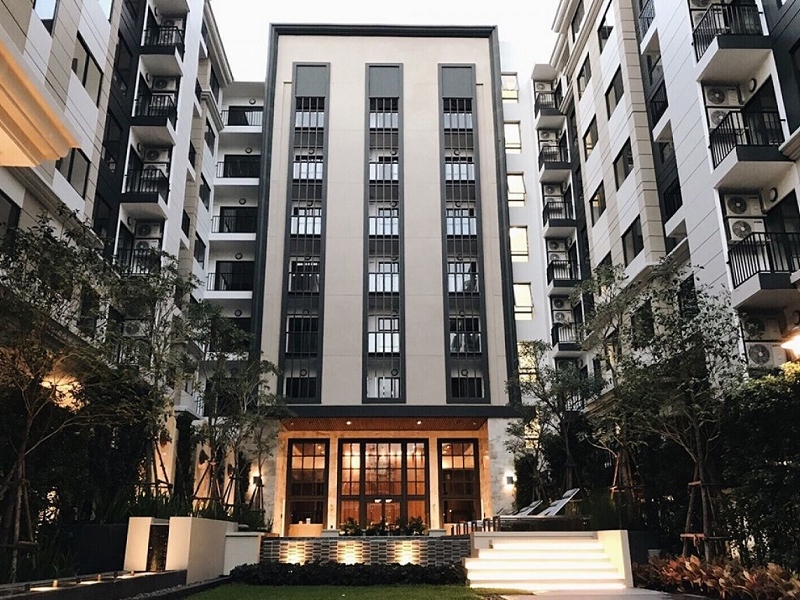
A cash reserve helps foreign investors hold a Bangkok condo through vacancy, repairs and timing surprises.
The purpose of a reserve is not to predict every cost. It is to prevent a manageable issue from becoming a forced decision. A landlord with cash available in Thailand can approve repairs, cover short vacancy, pay building charges and keep the unit presentable without rushing an international transfer or accepting a weak tenant simply because the next payment is due.
Why a reserve belongs in the investment case
Many buyers focus on purchase price, expected rent and potential resale value. Those figures matter, but they do not show the liquidity needed during ownership. A condo still has common fees, utility arrangements, insurance, cleaning, maintenance and management tasks when it is vacant. If the owner lives overseas, each small item can take longer to solve.
A reserve also gives the owner negotiating room. If a strong tenant asks for a minor improvement before signing, the landlord can decide based on return and retention, not immediate cash pressure. If a resale buyer asks for repairs, the owner can choose whether the request is reasonable. Cash flexibility protects decision quality.
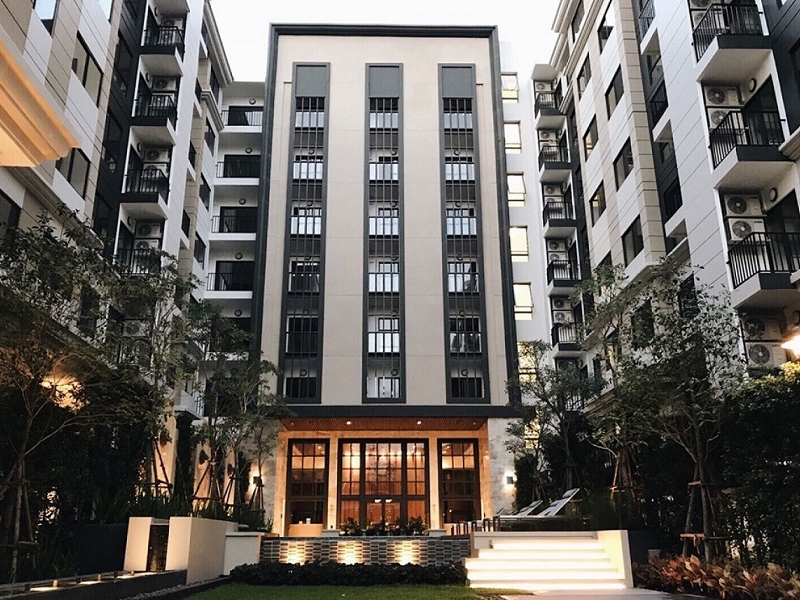
Building age, management quality and maintenance rhythm shape the reserve a landlord should keep.
Start with fixed local costs
The first layer is predictable. Common area fees, sinking fund obligations, internet, basic utilities, insurance, accounting support, property management and periodic cleaning should be listed before the purchase is finalised. The buyer should ask which costs are monthly, quarterly or annual, which can be paid online, and who will monitor notices from the juristic office.
Do not rely on a vague estimate. A foreign buyer should request current building information, recent invoices where available and clear handover notes from the seller or developer. If the condo will be rented, separate owner costs from tenant costs so the net return is not overstated.
Vacancy needs its own allowance
Even a good unit can sit empty between tenants. Cleaning, small repairs, repainting, marketing, viewings and price adjustment may be needed before the next lease. If the landlord expects every month to be occupied, the investment case is too fragile. A reserve should allow the owner to wait for a suitable tenant instead of accepting a poor fit.
Vacancy planning is especially important in buildings with many similar units. When tenants have choice, owners may need to refresh furniture, improve photography, adjust rent or respond faster than competing landlords. A small reserve can help the unit stay competitive without changing the whole investment thesis.
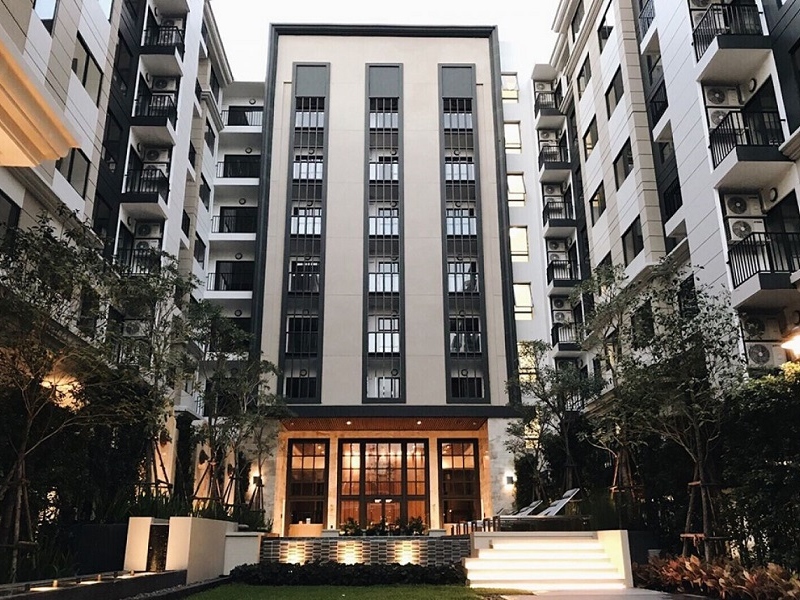
Foreign owners should decide which costs will be covered locally and which may require overseas transfers.
Repairs are not always dramatic
Reserve planning should include modest repairs as well as larger surprises. Air-conditioning servicing, appliance replacement, leaking fittings, door hardware, curtains, mattress wear, paint touch-ups and balcony issues are normal parts of ownership. None is unusual, but each can disrupt leasing if the owner has no budget or no authorised representative.
Buyers should also consider the building’s age and maintenance culture. A newer building may still need warranty follow-up and fit-out correction. An older building may have more predictable routines but more wear. Either can work, provided the reserve matches the property rather than a generic assumption.
Currency timing can create pressure
Foreign owners often think in a home currency but pay Bangkok costs in Thai baht. If funds must be transferred from overseas each time a cost appears, the owner is exposed to timing, bank process and exchange-rate discomfort. A Thai baht reserve can reduce that friction. It also keeps property decisions separate from short-term currency movements.
The owner should decide how much rent will remain in Thailand and how much will be converted or remitted. A landlord who converts every payment immediately may later need to send money back for a repair. A landlord who keeps a sensible local balance can run the unit more smoothly.
Stress-test before buying
Before committing, test a simple downside case. Assume a period without rent, a repair bill, one furnishing refresh, management costs and a slower resale process. Then ask whether the investment still feels manageable. If the answer depends on perfect occupancy and no unexpected costs, the purchase may be too tight for an overseas owner.
This exercise should be done before signing, not after the first vacancy. The best time to plan a reserve is when the buyer still has the option to choose a different unit, lower the bid, increase the budget or delay the purchase.
Investor checklist
List fixed building, utility, insurance and management costs.
Allow for vacancy, cleaning and marketing between tenants.
Keep a practical repair and furnishing reserve in Thai baht.
Confirm who can approve urgent works while the owner is overseas.
Separate home-currency return expectations from local cash needs.
Retest the reserve before resale, when repairs and presentation may matter.
Buyer takeaway
A Bangkok condo cash reserve is not wasted capital. It is the buffer that lets a foreign owner make calm decisions while renting, holding or selling. The strongest investment case is one where the unit still works after realistic vacancy, maintenance and currency timing are included.
IBP helps foreign buyers compare Bangkok condos by net return, tenant demand, building quality and exit strategy. Read more in our investment analysis archive or contact IBP Real Estate for a buyer brief.
Foreign owners usually think about bringing money into Thailand when they buy a Bangkok condo. They should think just as carefully about taking sale proceeds out when they eventually sell. Repatriation is not a last-minute task. It depends on a clean ownership file, bank records, sale documents and coordination between the owner, broker, lawyer, bank and buyer.
A clean resale file helps foreign owners prepare bank, transfer and tax conversations before completion.
This guide is a practical checklist, not legal or tax advice. Rules and bank procedures can vary, and each owner should confirm the exact process with their adviser and Thai bank before signing a sale agreement. The goal is to make the exit process predictable rather than rushed.
Start with the original purchase file
The most important sale-proceeds file often begins on the day the owner bought the condo. Foreign buyers should keep the title deed copy, sale and purchase agreement, land-office transfer documents, bank inward-remittance evidence, foreign-exchange transaction forms where issued, receipts, mortgage records if any, tax documents and correspondence with the bank.
When the owner later sells, the bank may need to understand how funds originally entered Thailand and how the sale proceeds relate to the property. If the file is incomplete, the owner may still be able to solve the issue, but it can take time. Starting early is easier than searching for old paperwork after a buyer has already set a transfer date.
Sale-proceeds planning should include the original inward remittance file and the outward-transfer process.
Confirm the bank process before listing
Before marketing the condo, contact the Thai bank that will handle the proceeds. Ask what documents it normally requires for outward remittance after a foreign-owned condominium sale. Ask whether the proceeds must pass through a specific account, whether the account holder’s name must match the title deed, what identification documents are needed and how long outward transfer processing usually takes.
Owners who live overseas should also ask whether they can complete any part of the process remotely. Some banks may require in-person steps, updated signatures or specific authorisations. If a representative will act for the owner, check the power of attorney format and whether it needs notarisation, legalisation or Thai translation.
Prepare the resale documents
A clean resale file helps both the sale and the remittance. Owners should prepare the title deed copy, passport copy, ownership registration details, unit address, sale agreement, buyer details, tax and fee estimates, juristic office clearance documents, utility settlement evidence and any mortgage release documents if relevant.
The exact list depends on the transaction. A lawyer or experienced broker should coordinate the land-office and bank requirements so the sale price, transfer date, tax handling and bank transfer steps are consistent. Do not assume the buyer’s preferred completion structure automatically suits the foreign seller’s remittance plan.
Exit planning starts before listing, because the buyer, bank, land office and building records all need to align.
Check tax and fee timing
Foreign sellers should understand which taxes and transfer costs will be paid at completion and which records they will receive. The net amount available for outward transfer is not the headline sale price. It is the amount left after agreed fees, taxes, agent commission, mortgage settlement, repairs, utility balances and any other closing items.
Because tax treatment can depend on the owner, holding period and transaction facts, sellers should get advice before agreeing the net proceeds they expect. A simple sale price can become confusing if the owner has not budgeted for deductions or if responsibility for costs is unclear in the sale agreement.
Power of attorney needs careful handling
Many overseas owners cannot travel to Bangkok for every step. A power of attorney can help, but it must be handled precisely. The owner should confirm who is authorised to sign the sale agreement, attend the land office, deal with the juristic office, receive documents, settle utilities and communicate with the bank. Different tasks may require different wording.
Do not give broad authority casually. Use a trusted representative and keep the authorisation aligned with the transaction. If the bank requires separate forms, prepare them early. A sale can be delayed when the land-office document is ready but the bank authorisation is not.
Coordinate currency conversion
Once sale proceeds are available, the owner should decide whether to hold Thai baht temporarily or convert immediately. That decision depends on personal needs, exchange-rate comfort and bank process. Sellers should avoid making the conversion decision under pressure on transfer day unless they have already considered the options.
Owners should also confirm the receiving overseas account details, beneficiary name, intermediary bank information where needed and any reporting requirements in their home country. A typo in international transfer details can create unnecessary delays.
Seller checklist
Locate the original inward-remittance and purchase documents.
Ask the Thai bank for outward-remittance requirements before listing.
Confirm whether the owner must be present or can use a representative.
Align the sale agreement with tax, fee and bank requirements.
Prepare juristic office clearance, utilities and keycard handover records.
Review the net proceeds after all deductions, not only the sale price.
Check overseas receiving-account details before completion.
Buyer takeaway
Thai condo sale proceeds repatriation is easiest when the owner prepares before the resale starts. Keep the original money trail, speak to the bank early, use a careful power of attorney when needed and make sure the sale documents support the outward-transfer plan. A clean exit file protects the seller’s time and reduces avoidable completion stress.
IBP helps foreign owners plan Bangkok condo purchases, rentals and exits with practical documentation in mind. Explore our resale and exit strategy guides or contact IBP Real Estate for a resale consultation.
Bangkok condo investors often ask what a unit might be worth when they sell. That question is useful, but it is incomplete. A future resale price will depend not only on the unit’s quality, but also on how many similar units a buyer can compare it with at the same time.
Resale competition should be tested before an investor relies on a future exit price.
Resale competition is therefore a practical risk check. A foreign investor should ask: if I list this condo in three, five or seven years, what else will a buyer see beside it? If the answer is many similar units in the same building, nearby buildings and newer projects, the exit strategy needs to be more conservative.
Why resale competition matters
A Bangkok condo can be well located and still face a difficult exit if it looks interchangeable. Buyers compare quickly online. They notice floor, view, furniture, layout, building age, asking price, transfer readiness, common-area condition and the number of listings available in the same tower. When many units look alike, price often becomes the easiest way to compete.
Investors should not assume that a strong rental location automatically creates a strong resale market. Tenant demand and buyer demand overlap, but they are not identical. A tenant may accept a compact unit for one year because it is convenient. A buyer may be more selective because they are committing capital and thinking about future resale.
Start inside the same building
The first resale competitor is usually the same building. Before buying, check how many similar units are being marketed, how long they appear to have been listed, and whether sellers are clustering around the same asking price. If a building has many near-identical one-bedroom units, a future buyer may have little reason to choose yours unless it has a better position, view, condition or price.
A building’s management, age, facilities and competing listings can all shape resale depth.
Floor and stack can help, but only when the premium is sensible. A high floor, corner unit, better orientation, clearer view, quieter side or larger balcony may create differentiation. The buyer should still ask whether the current purchase price already captures that advantage. Paying too much for a small difference can remove the resale benefit.
Compare nearby buildings
Future buyers will not only compare within one building. They will look across the district. A resale unit in a mature building may compete with newer projects, older larger units, branded residences, low-rise options and buildings closer to rail. The investor should map the competing set before purchase, not only at sale time.
This is especially important in districts with heavy condominium supply. A unit near rail or offices can still face pressure if several buildings offer similar layouts and facilities. Investors should ask what makes the target property easier to explain: a better walk, stronger management, larger usable area, lower total cost, more durable view, or clearer tenant profile.
Layout is a resale filter
Many Bangkok condos compete on size and headline room count, but resale buyers eventually judge usability. A one-bedroom with a proper work corner, storage, natural light and efficient circulation may compete better than a slightly larger unit with wasted corridor space. A two-bedroom unit with a usable second bedroom can be more defensible than one that looks like a study renamed as a bedroom.
Layout and unit type matter because future buyers compare alternatives quickly.
Foreign investors should test the floor plan as a future buyer would. Where does luggage go? Can two people eat comfortably? Is there a real desk position? Does the bedroom fit normal furniture? Is the balcony useful? Can the air-conditioning cool the living area efficiently? These details affect both tenant satisfaction and resale confidence.
Building management can widen or narrow demand
A well-managed building gives future buyers comfort. Clean common areas, reliable lifts, sensible security, good parcel handling, maintained facilities and clear juristic communication all support resale. A tired building can make even a renovated unit harder to sell because buyers worry about common fees, future repairs and resident quality.
Investors should inspect the building like a resident. Look at the lobby, corridors, car park, rubbish areas, gym, pool, noticeboards and staff interaction. Ask about upcoming works, common fees and any visible maintenance issues. A building with a calm management story is easier to defend in resale conversations.
Do not ignore new supply
New projects can change the resale conversation. A completed resale unit may offer better value, immediate occupation and a proven building, but a new launch may offer fresh facilities, developer promotions and stronger marketing. Foreign buyers should compare the target resale unit against likely new-build alternatives in the same broad budget.
The issue is not whether new supply is always better. It is not. The issue is whether the resale unit has a reason to remain relevant. Mature locations, larger layouts, lower entry price, better views or proven rental records can all help. Without a clear advantage, the resale unit may need a deeper discount to attract attention.
How investors can price the risk
A simple approach is to underwrite the exit at more than one price. Model a base case where the unit sells at a realistic comparable level, a softer case where competition forces a discount, and a delayed case where the unit takes longer to sell. Include selling costs, vacancy, common fees and any refresh budget needed before listing.
This exercise prevents the buyer from relying on a single optimistic exit number. It also clarifies the entry price. If the investment only works when the unit sells quickly at a premium to many similar units, the margin of safety is thin.
Investor checklist
Count similar listings in the same building before buying.
Compare nearby buildings in the same budget and tenant profile.
Check whether the unit has a genuine layout, view or position advantage.
Inspect common areas and juristic management as resale factors.
Test how newer projects could compete with the exit story.
Model a slower or discounted resale case before committing.
Buyer takeaway
Bangkok condo resale competition is one of the most useful checks for foreign investors. A good purchase should have a clear reason to stand out when future buyers compare alternatives. If that reason is weak, the buyer should demand a better entry price or choose a more defensible unit.
IBP helps foreign buyers compare Bangkok condos by demand, resale depth and exit strategy. Read more in our resale and exit strategy guides or contact IBP Real Estate for a buyer shortlist.
Foreign buyers often ask whether a Bangkok condominium is a good investment before asking a more practical question: how long do they need to hold it for the purchase to make sense? The holding period changes almost every part of the calculation. It affects how much a buyer can absorb in transfer costs, furnishing, vacancy, repairs, currency movement and eventual resale costs.
A realistic holding period helps foreign buyers connect entry price with rental and resale risk.
Bangkok can be attractive because it offers international schools, private hospitals, strong hospitality, mass transit, regional airport connectivity and a deep pool of condominium stock at price points below many comparable global cities. Those strengths support long-term confidence, but they do not remove the need for an exit plan. A buyer who might sell in two years should assess the unit differently from a buyer who can hold for seven to ten years.
A holding-period lens is useful because it slows down impulsive buying. Instead of asking only whether a building feels premium today, the buyer asks whether the asset can survive a weaker rental year, a competing resale listing, a change in exchange rate or a future period when buyers are more selective.
Short holds need stronger entry discipline
A short holding period leaves less time for the asset to absorb buying and selling friction. Even if official transfer costs are manageable, the owner may still face agent commission, furniture, repainting, repairs, vacancy, management fees and currency conversion spread. If the entry price is too high, there may not be enough time for rent or capital movement to compensate.
This is why overseas buyers who expect flexibility should avoid relying on a quick resale premium. They should look for completed buildings with visible demand, sensible layouts, clean management records and pricing that can be explained against actual alternatives. A speculative off-plan purchase may still work for some buyers, but it needs a different risk budget and a clearer reason to expect future demand.
Building quality, management and buyer depth matter more as the planned hold becomes shorter.
Medium holds reward practical buildings
A medium holding period gives a buyer more time to stabilise the asset. This is where Bangkok often becomes more interesting for foreign owners. A well-located unit can be rented, improved, refinanced in the owner’s wider portfolio planning or kept as a personal-use base. The owner has time to wait for a better selling window instead of accepting the first bid during a quiet period.
For this type of buyer, the building needs to be easy to live in and easy to lease. Check lift performance, parking, juristic communication, gym and pool maintenance, parcel handling, lobby access, noise control, shuttle services where relevant and the quality of nearby daily amenities. These ordinary details influence tenant retention and owner satisfaction more than brochure language.
Long holds can accept more lifestyle weight
A long holding period allows lifestyle value to matter more. If the buyer will use the condo during family holidays, medical visits, school searches or seasonal stays, the property may deliver value beyond rent. A district that feels emotionally right can make the owner more willing to maintain and hold the unit through weaker market cycles.
That does not mean paying any price for a view or address. It means the buyer can weigh personal use, district familiarity and future family flexibility alongside rental yield. Long-hold buyers should still ask whether the building will age well, whether common fees are sufficient, whether the sinking fund is credible and whether future resale buyers will understand the location.
Exit audience is the key test
Every Bangkok condo has a likely exit audience. Some units are easiest to sell to Thai owner-occupiers. Some appeal to regional families who want schools and hospitals. Some suit expatriate tenants first and investors second. Some rely mainly on foreign lifestyle buyers who know a particular branded or riverside address. A buyer should identify that audience before purchase.
The narrower the exit audience, the more conservative the entry price should be. Very large units, unusual layouts, highly personalised interiors, weak views, dated facilities or buildings far from mass transit may still suit the right owner, but they can need a longer selling period. A liquid investment should be easy to explain in one minute: location, building, layout, rent logic and future buyer profile.
A unit should work as a holdable asset before buyers assume a smooth resale.
Model the hold before negotiating
Before paying a reservation fee, prepare three scenarios. The base case should assume normal rent, normal vacancy and a sale only when market conditions are acceptable. The downside case should assume a longer vacancy, a modest rent discount, repairs and a slower resale. The personal-use case should include the value of stays that replace hotel costs or improve family convenience.
This exercise gives the buyer a negotiation anchor. If the unit only works with aggressive rent growth or a fast capital gain, the offer should reflect that risk. If the unit works even with conservative assumptions, the buyer can move with more confidence.
Holding-period checklist
Decide whether the expected hold is under three years, three to seven years, or longer.
Compare the purchase price with completed resale evidence where available.
Identify the likely future buyer and tenant audience before paying a deposit.
Model vacancy, repairs, management fees, tax, selling costs and currency movement.
Check whether the building will remain competitive as newer projects open nearby.
Keep enough liquidity to wait for a sensible selling window instead of forcing a sale.
Investor takeaway
Bangkok property can be attractive for foreign buyers who value city depth, regional access and a liveable ownership base. The investment case is strongest when the buyer matches the unit to a realistic holding period. A good purchase is not only a beautiful condo. It is an asset the owner can hold comfortably, rent sensibly and sell to a clear audience when the time is right.
IBP can help overseas buyers compare Bangkok districts, resale depth and rental assumptions before committing capital. Read our investment analysis guides or contact IBP Real Estate for a buyer-focused consultation.
Foreign buyers often plan carefully for a Bangkok condominium purchase, but spend less time planning the exit. That can create avoidable stress when it is time to sell, transfer the unit and move sale proceeds out of Thailand. A resale can be straightforward when the ownership file is clean, the buyer’s payment route is clear and the owner has spoken to the bank before transfer day.
A clean resale file makes the transfer and outward-remittance process easier to manage.
This checklist is for foreign individual owners selling a Bangkok condominium. It is not legal or tax advice. Every sale should be checked against the owner’s title, tax position, mortgage status, marital status, power of attorney arrangements and bank requirements. The practical point is simple: repatriation is easiest when it is prepared before the sale contract is signed.
Start with the original purchase file
The first step is to find the documents from the original purchase. These may include the sale and purchase agreement, title deed copy, Land Department transfer receipt, tax receipts, foreign exchange transaction evidence, bank credit advice, payment receipts, passport copies used at transfer, and any power of attorney used at the time. If the unit was bought through a developer, keep the developer payment schedule and final transfer statement as well.
The foreign exchange evidence is especially important. When a foreigner buys a Thai condominium in foreign quota, the Land Department normally expects foreign-currency remittance evidence at purchase. When the owner later sells, banks may ask for evidence showing how the funds originally entered Thailand before processing outward remittance of sale proceeds. Requirements can vary by bank and account history, so do not assume the old file is optional.
Check title, quota and juristic records
Before listing, confirm the exact name on the title deed, the unit number, registered area, ownership share, mortgage status and any encumbrances. Ask the juristic office what documents they will need for transfer day and whether there are unpaid common fees, sinking fund items, utility charges, parking stickers, access cards or renovation approvals to settle.
A seller should also ask for the building’s process for issuing the debt-free letter. Without the required building clearance, the Land Department transfer can be delayed. If the owner lives overseas, the timeline for couriered documents and notarised or legalised powers of attorney should be started early.
Inspection records help sellers close unit-condition questions before transfer day.
Write the payment route into the sale contract
The sale contract should identify the deposit, balance payment, transfer date, currency, receiving account, responsibility for transfer fees and taxes, and what happens if either party misses the date. If the seller expects to remit funds overseas after completion, the contract should support a clean paper trail. Avoid informal payment arrangements that make it difficult to show the source and purpose of funds later.
Some buyers pay from a Thai account, while others bring funds from overseas. Some sellers receive funds directly, while others use a lawyer or escrow-like structure where available. The right structure depends on the buyer, seller, bank and timing. What matters is that the seller can explain the chain: buyer payment, Land Department transfer, tax and fee deductions, net sale proceeds and outward remittance request.
Prepare for transfer day costs
Transfer day is not only about signing the title deed. The parties must settle official fees, withholding tax, specific business tax where applicable, stamp duty where applicable, agent commission if due, legal fees and any building-related charges. The exact allocation should be agreed in writing before transfer day.
Foreign sellers should ask their adviser to estimate the cost range before accepting an offer. A headline sale price can look strong, but the net proceeds may be lower after taxes, fees, commission, repairs and currency conversion. If the owner has a Thai mortgage, the bank release process must be coordinated with the buyer’s payment and the Land Department appointment.
Speak to the bank before completion
Do not wait until after the sale to ask the bank how outward remittance will work. Contact the bank that will receive the sale proceeds and ask what documents it expects for an international transfer. Commonly requested items may include passport, bank forms, sale contract, Land Department transfer documents, tax receipts, original inward-remittance evidence, proof of ownership and details of the overseas receiving account.
Banks may also ask about the purpose of remittance, relationship between accounts and supporting documents for anti-money-laundering checks. If the seller’s passport has changed since purchase, keep old and new passport records. If the seller cannot be present in Thailand, confirm whether the bank will accept instructions under power of attorney and what format is required.
Owners should prepare the building, juristic and banking steps before accepting a buyer.
Currency timing and evidence
The seller may need to decide whether to convert baht immediately or wait. Currency timing is an investment decision and should not be left to administrative panic. Consider the expected transfer date, bank processing time, exchange spread, daily remittance limits, receiving-bank charges and tax reporting obligations in the seller’s home country.
Keep copies of every document generated after sale: the final sale contract, transfer receipt, tax receipts, buyer payment evidence, bank remittance application, exchange confirmation and overseas receipt. This file may be useful for future tax filings, banking queries or proof of funds for another property purchase.
Common mistakes to avoid
Accepting a buyer deposit before checking title, debt-free letter timing and mortgage release steps.
Assuming any Thai bank will remit sale proceeds without the original purchase file.
Letting the contract stay vague on payment account, transfer date and fee allocation.
Forgetting that an overseas owner may need notarised or legalised documents.
Ignoring small building charges, access cards, utilities and repair promises until transfer week.
Planning the exchange rate only after net proceeds are already sitting in baht.
Seller takeaway
A successful Bangkok condo exit is not only about finding a buyer. It is about proving ownership, completing transfer, settling taxes and moving funds in a documented way. The earlier a foreign owner prepares the resale and bank file, the less likely the sale will be delayed by paperwork.
IBP can help foreign owners plan resale strategy, prepare unit documentation and coordinate Bangkok sale steps with trusted legal and banking support. Read our resale and exit strategy guides or contact IBP Real Estate for a resale consultation.