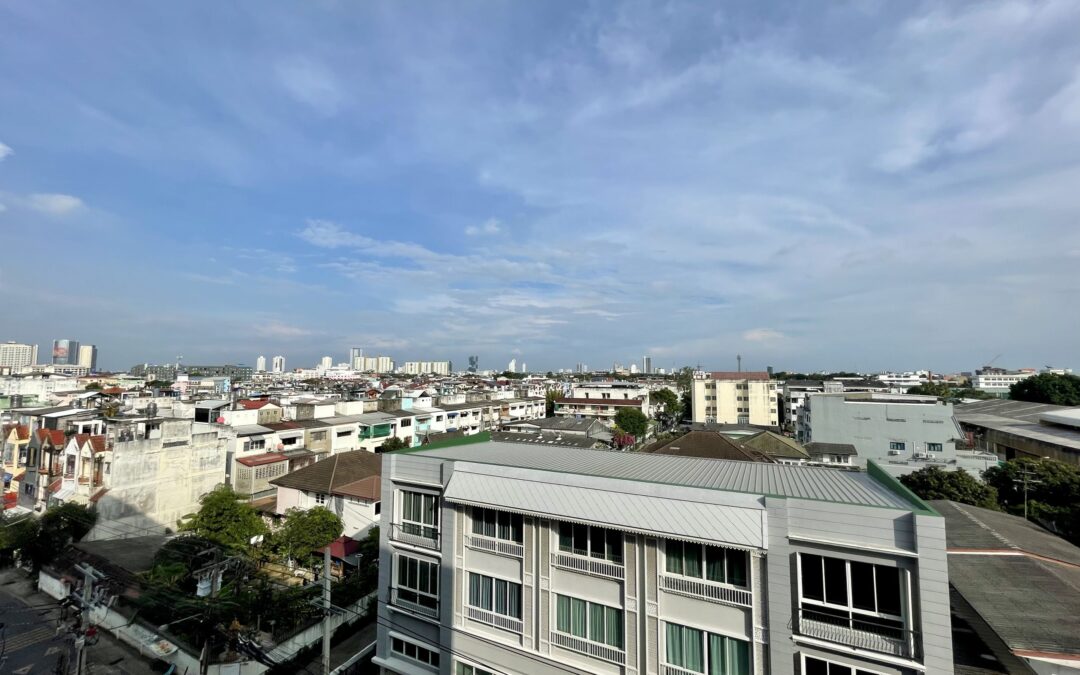
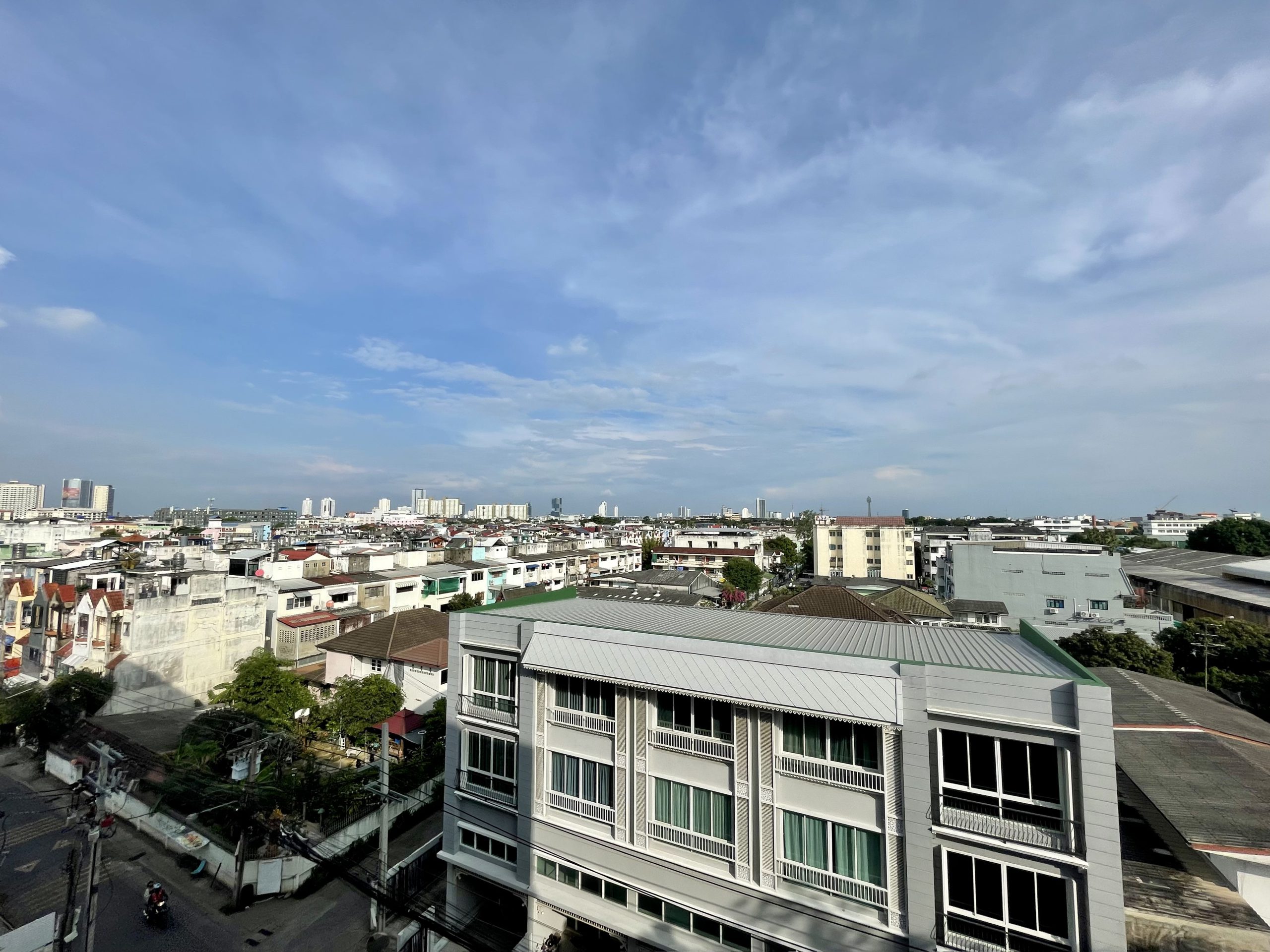
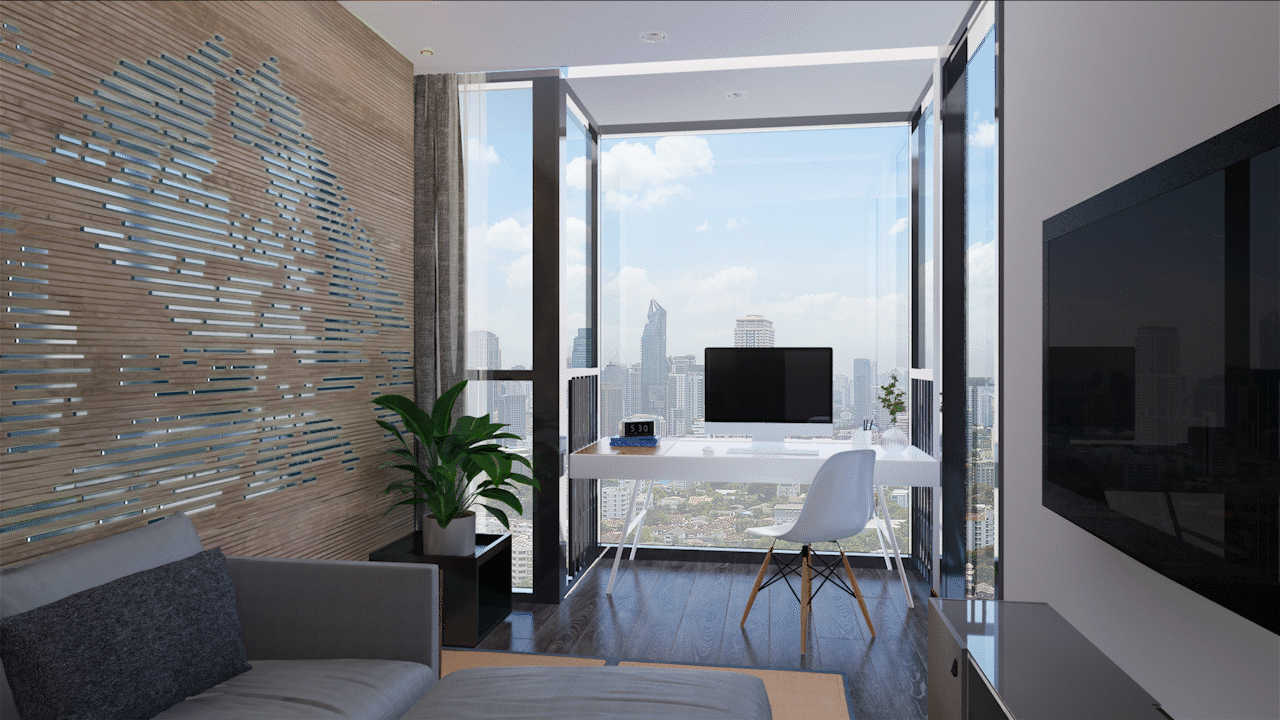
A Bangkok condo balcony can look generous in photographs yet prove too hot, wet, noisy or exposed for regular use. Expat buyers should assess it as part of the home rather than as decorative floor area, checking climate, safety, privacy, building rules and maintenance.
A balcony should be judged in Bangkok’s real heat, rain, wind and neighbouring context.
The right balcony depends on the resident. One person may want morning coffee and plants; another needs a utility zone or values only the outlook. Investors should also consider whether the space adds useful tenant appeal or creates an area that is difficult to maintain.
Measure usable space
Record the clear depth and width after allowing for doors, drains, air-conditioning equipment, railings and maintenance access. A balcony may appear large on a plan but accommodate little once circulation and door swing are considered.
If furniture matters, mark its dimensions and leave safe movement around it. Do not assume built-in seating, screens or storage can be added. Facade elements and visible alterations are commonly controlled by condominium rules and require confirmation.
Visit at different times
Orientation changes how the balcony feels. Morning and afternoon sun, reflected heat, prevailing rain and seasonal wind can all affect comfort. Visit at the time the resident expects to use the space and return after rain if possible.
Check whether shade comes from the building design, an overhang or a neighbouring tower. Temporary shade can disappear if nearby land changes, while deep overhangs may reduce daylight inside the unit. Balcony and interior light should be assessed together.
Depth, drainage, door clearance and shade determine whether outdoor space is genuinely usable.
Inspect drainage and waterproofing clues
Look for ponding, staining, cracked finishes, loose tiles, blocked drains and sealant failure around doors and thresholds. Ask how rainwater leaves the balcony and whether overflow paths could affect the unit below. Do not obstruct drains with furniture or planters.
Water marks do not diagnose the cause on their own. A professional inspection can help distinguish maintenance needs from a larger waterproofing or facade issue. Review how the juristic person manages shared exterior repairs and what is treated as an owner’s responsibility.
Check doors, levels and indoor impact
Open and close the balcony door with permission. Inspect locks, tracks, seals and the threshold. Consider whether wind-driven rain, dust or insects enter the living area and whether curtains or furniture block access.
The balcony should not compromise air-conditioning efficiency or make the interior difficult to furnish. If equipment is installed outside, listen for vibration and check that technicians can reach it safely without moving everything through the home.
An attractive outlook can improve daily enjoyment, but buyers should also investigate future obstruction and maintenance.
Treat safety as non-negotiable
Check railing condition, height, gaps, climbable elements and any changes made by a previous owner. Families with children and residents with pets need specialist advice on the exact risk. Never rely on improvised netting or screens without building approval and safe installation.
High-rise wind can move light furniture, pots and unsecured objects. Buyers should ask what the rules require during storms and whether anything may be attached to railings or the facade. A visually attractive setup is not worthwhile if it creates danger for residents or people below.
Listen and look beyond the view
A broad outlook may come with expressway, rail, construction or entertainment noise. Stand outside long enough to hear the normal background and sudden peaks. Then close the door and assess how much reaches the bedroom and living space.
Look down as well as outward. Service areas, car parks, loading zones and neighbouring balconies affect privacy and sound. Ask what can be built on adjacent plots and have a professional investigate planning and ownership information where the outlook is central to the purchase decision.
Understand permitted uses
Confirm the condominium’s current rules on plants, drying clothes, smoking, cooking, pets, storage, satellite equipment, screens and exterior furniture. Rules vary by building and can change through proper governance. A use seen on another balcony is not proof that it is permitted.
Also check whether the balcony is part of the unit’s registered area and how it is treated in the documents and sale calculation. Your lawyer can explain the transaction papers; the juristic office can explain current operating rules.
Plan plants for Bangkok conditions
Plants can add shade and enjoyment, but species, containers, drainage and wind exposure matter. Heavy pots may create load or movement concerns, while water runoff can affect neighbours. Choose a restrained arrangement that leaves drains and maintenance routes clear.
Consider how plants will be watered during travel and whether leaves or soil can blow from the balcony. Building management may have specific restrictions. A simple, well-maintained setup is usually more sustainable than a dense garden that depends on constant care.
Consider rental and resale appeal
For an investor, a balcony adds value only when the target tenant can use or appreciate it. A shaded, well-proportioned balcony may widen appeal, while an exposed ledge beside noisy equipment may add little despite being included in the floor area.
Keep maintenance and approval records for any permitted work. Avoid highly personal additions that narrow the next resident’s options. Buyers comparing units should price the balcony according to practical benefit, not simply its photographed view.
Balcony viewing checklist
Measure clear usable depth and door swing.
Visit during sun, rain and evening conditions.
Inspect drains, thresholds, tiles and staining.
Check railings, wind exposure and child or pet risk.
Listen for traffic, rail, equipment and venue noise.
Investigate neighbouring plots and privacy.
Confirm building rules for every intended use.
Compare practical benefit with the price paid.
A well-designed balcony can make Bangkok condo life more enjoyable, but only when it works safely in the city’s real climate and building context. Browse IBP’s expat living guides and district guides, or contact IBP Real Estate for a lifestyle-led property shortlist.
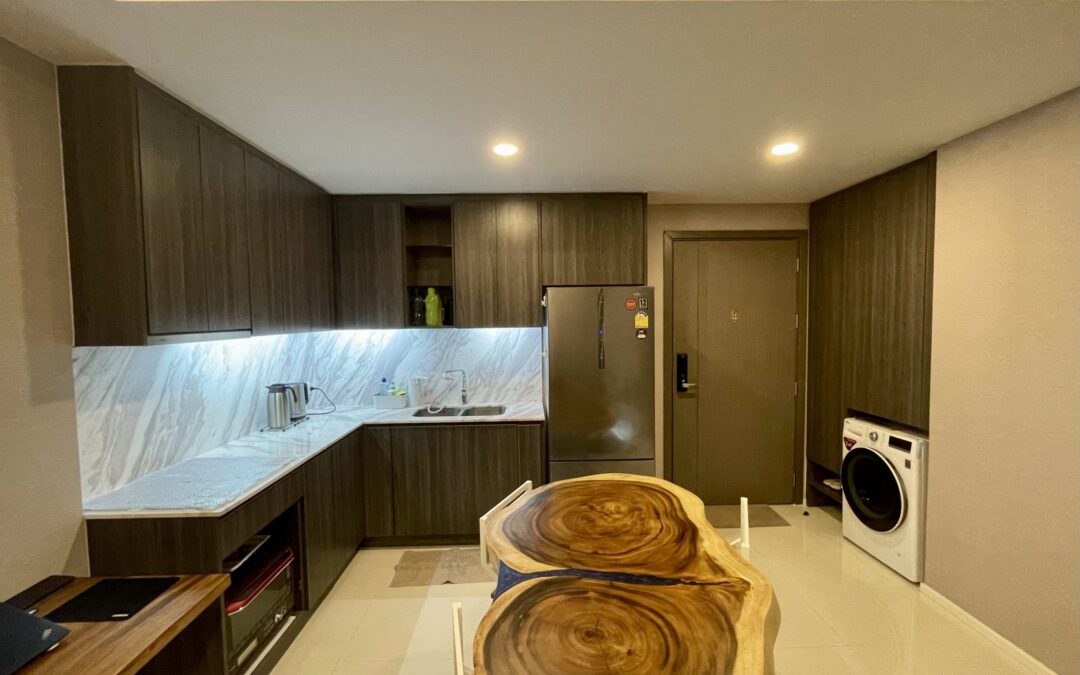
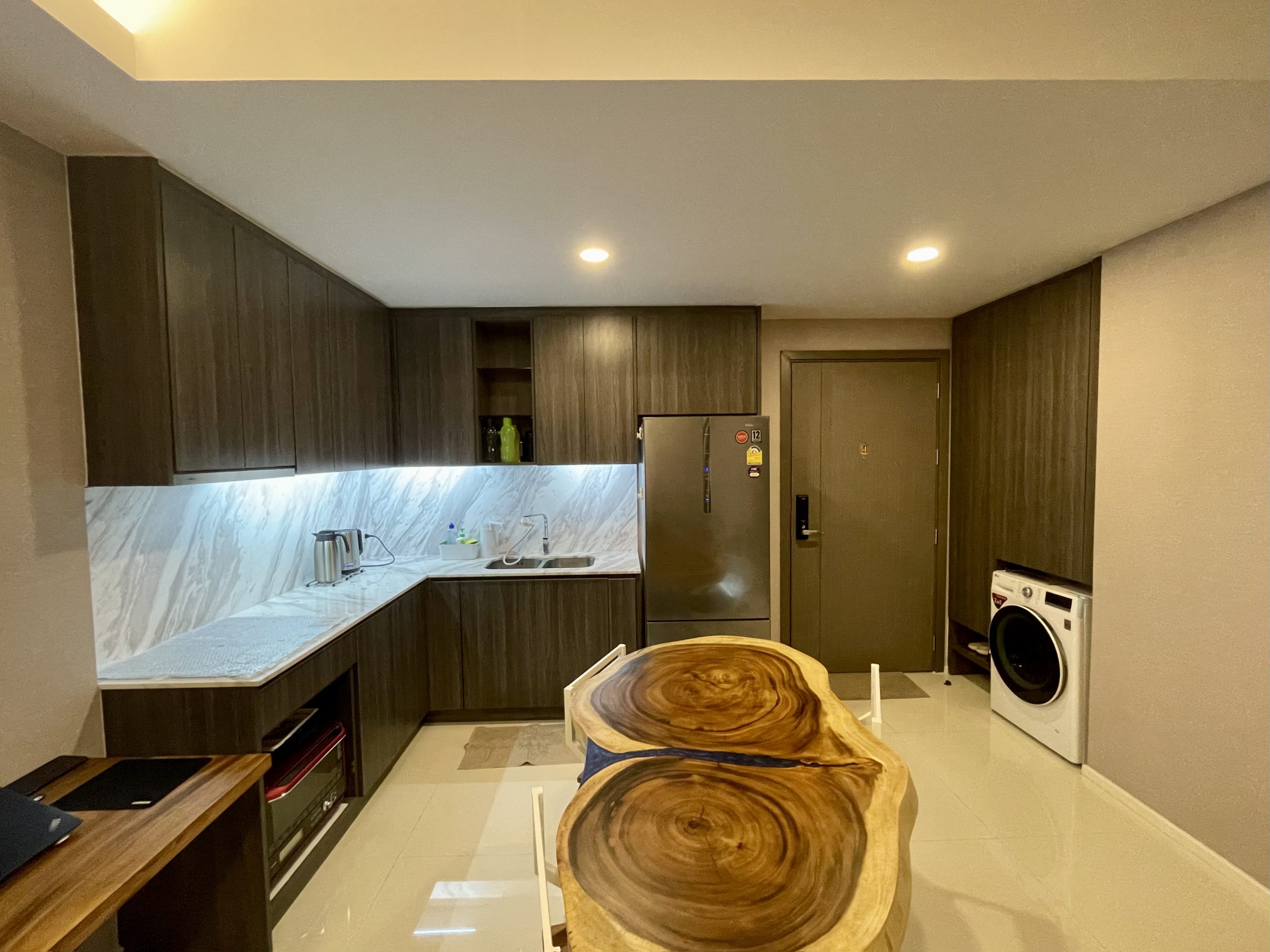
A Bangkok condo kitchen can be a beautiful backdrop and still be frustrating to use. Expat buyers should look beyond cabinet colour and appliance brands to ventilation, worktop space, storage, electrical capacity, cleaning and the way food actually fits into their Bangkok routine.
A kitchen should be judged by the resident’s real cooking and dining routine, not only by styling.
The right kitchen depends on the resident. Someone who mainly reheats food needs a different layout from a family cooking every day. An investor also needs to consider future tenants: a compact kitchen can be perfectly suitable when it is honest, robust and matched to the likely audience.
Start with the cooking brief
List how often the resident cooks, which appliances they use and whether meals are simple, aromatic, high-heat or prepared for several people. Check whether the kitchen must support baking, coffee equipment, a large refrigerator, water filtration or storage for imported ingredients. A clear brief stops buyers from paying for decorative features they will not use.
Also consider dining. A breakfast counter may suit one resident but become awkward for a couple working from home or a family hosting friends. Measure the table, chairs and circulation rather than trusting wide-angle photography.
Test ventilation carefully
Look at whether the kitchen is open to the living room or enclosed, where the hood vents and whether windows can be used safely. Switch on the extraction system with permission and listen to it. A hood that is too noisy may be ignored; one that only recirculates air may perform differently from an externally ducted system.
Check odour paths to bedrooms, curtains and air-conditioning returns. Buyers planning frequent high-heat or aromatic cooking may prefer an enclosed kitchen, balcony utility zone or stronger verified extraction. Any alteration to ducts, facade openings or services should be approved through the building’s proper process.
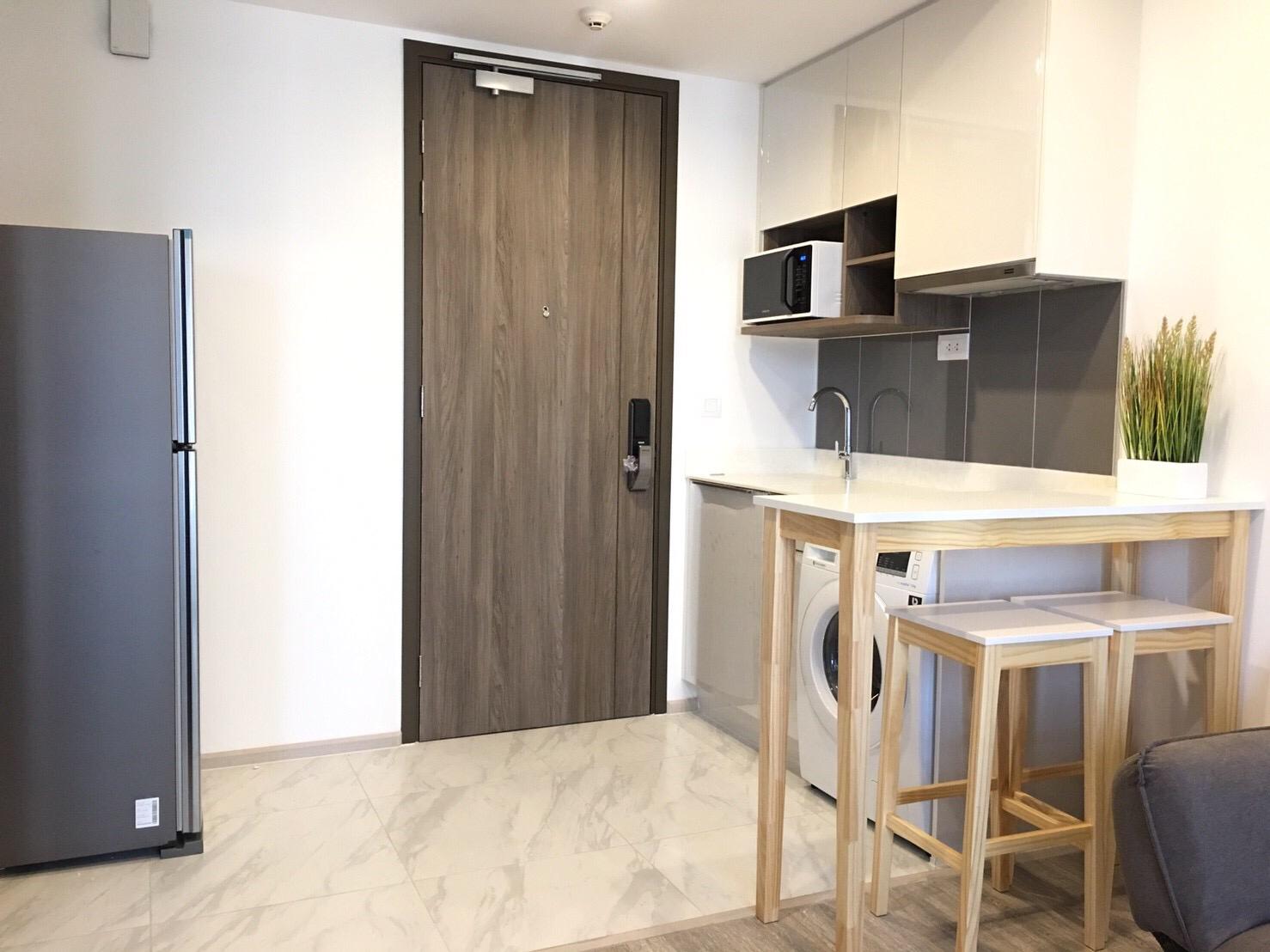
Storage, worktop depth, electrical capacity and appliance access determine how usable a compact kitchen feels.
Measure worktop and storage
Compact kitchens often lose usable worktop to a sink, hob, drying rack and small appliances. Place the expected coffee machine, kettle, rice cooker or preparation board on the plan and see what remains. Check drawer depth, corner access, overhead cabinets and space for bins, cleaning products and dry food.
Open doors and drawers with permission. Confirm that they do not collide with appliances or the main circulation route. Tall residents should check worktop and hood height, while families may care about child access and secure storage. Good design uses a small footprint efficiently without making every task sequential.
Inspect appliances as equipment
Record what is included in the sale or lease, including model, approximate age and visible condition. Open the refrigerator, oven, microwave and dishwasher where present. Check ventilation clearances and whether appliances can be removed for repair without dismantling the entire cabinet run.
Ask who services the brands in Bangkok and whether manuals or warranties remain. Imported premium equipment can be attractive but expensive or slow to repair. For a rental unit, robust, familiar appliances may be more valuable than a complicated specification the target tenant does not need.
Check power, water and drainage
Count accessible sockets and consider the load from appliances that may run together. Do not add high-load equipment or move electrical points without qualified advice and any required building approval. Look for staining, swollen cabinets, poor sealant, slow drainage and evidence of leaks around sinks and appliances.
Confirm hot-water arrangements where relevant and check access to shut-off valves. A practical kitchen allows maintenance without damaging finished joinery. In an older unit, a professional inspection can help assess concealed services and the consequences of previous alterations.
Shared facilities can add flexibility, but buyers should confirm booking, cleaning and guest rules.
Understand gas and building rules
Do not assume a preferred cooking fuel is permitted. Ask the juristic office for current rules on gas, extraction, fire safety, balcony equipment, deliveries and renovation. The rules can differ by building and may be more restrictive than the resident expects from another country.
If a condominium provides a shared cooking or dining facility, inspect how it is booked, cleaned and supervised. Ask about guest limits, charges and operating hours. Shared space can add flexibility for occasional larger meals, but it should not be treated as a substitute for a missing facility unless access is reliable.
Connect the kitchen to Bangkok food life
Part of Bangkok’s liveability is choice. Residents can combine home cooking with markets, supermarkets, food courts, restaurants and delivery. Map where groceries actually come from, how heavy shopping reaches the unit and whether parcels or food deliveries are easy to collect.
A smaller kitchen may work well when daily food options are excellent and the resident cooks lightly. A family or keen cook may value a larger refrigerator, pantry and enclosed preparation area more than an extra decorative amenity. The neighbourhood and the kitchen should be assessed together.
Consider tenants and resale
For investors, the kitchen should match the unit’s likely audience. A studio aimed at a single professional needs clean storage, a usable refrigerator and simple maintenance. A two- or three-bedroom home may be judged more critically on worktop, ventilation, dining and family storage.
Avoid highly personal alterations that reduce flexibility or are difficult to reverse. Keep approval records, appliance details and renovation invoices. A future tenant or buyer can assess the property more confidently when the kitchen is maintained and its equipment is clearly documented.
Kitchen viewing checklist
Define the resident’s real cooking routine.
Test extraction and odour paths.
Measure clear worktop and dining circulation.
Open storage and appliance doors.
Check included equipment and service access.
Inspect water, drainage and visible sealant.
Confirm power and building restrictions.
Map groceries, deliveries and waste disposal.
A well-matched kitchen can make Bangkok condo life more comfortable and sustainable, while a poor one creates friction every day. Browse IBP’s expat living guides and district guides, or contact IBP Real Estate for a lifestyle-focused property shortlist.
Bangkok green space is not only a weekend amenity. For a long-stay resident, access to a park, shaded route or smaller pocket of planting can change how often it feels comfortable to walk, exercise, meet friends or take a break from a high-rise home. Foreign condo buyers should therefore assess green space as part of everyday liveability, not as a decorative map feature.
Major parks can add exercise, shade and a calmer rhythm to high-density city living.
Major parks such as Lumphini, Benchakitti and Suan Luang Rama IX offer distinctive experiences, but proximity alone does not settle the property decision. Entrances, crossings, opening times, heat, rain, traffic and the route from the lobby all affect whether a resident will actually use a space. A smaller local park reached easily may add more daily value than a famous park requiring an awkward journey.
Begin with the routine you want
Define what green space needs to do for you. A runner may value a continuous loop and early access. A family may look for play areas, toilets, seating and a route suitable for a pushchair. An older resident may prioritise shade, level paths and easy taxi pickup. A dog owner must check applicable rules rather than assume every open area is pet-friendly.
Write down frequency as well as purpose. A park used five mornings a week should be tested like a commute. A destination visited once a month can justify a longer trip. This distinction prevents buyers from paying a large location premium for an amenity that does not fit their real schedule.
Walk from the condo to the entrance
Property listings often measure distance to the edge of a park. Residents need an entrance they can use. Walk the complete route and note major roads, footbridges, junction waits, pavement condition, shade, lighting and drainage. Repeat the journey when traffic is busy and consider how it feels after dark.
Check whether the route works both ways when tired, carrying shopping or returning in rain. If a taxi or motorcycle ride is normally required, include that friction in the decision. The best green-space access is the one a resident can use consistently without turning a simple walk into a logistical exercise.
Usable access depends on entrances, crossings, opening times and the journey from the condominium.
Compare large parks with local greenery
Large parks can provide long routes, varied landscapes and a stronger sense of separation from the city. They may support running, cycling, group exercise and weekend gatherings. Their scale can also make nearby districts attractive to residents who want urban convenience without giving up outdoor time.
Local parks, canalside paths, landscaped setbacks and quiet tree-lined streets play a different role. They can support a short evening walk, children’s outdoor time or a calmer route to shops. Buyers should map several layers of green space rather than letting one landmark dominate the entire location assessment.
Inspect the condo’s own outdoor provision
A well-designed garden, terrace or pool deck can complement public space, especially during very hot or wet weather. Look at usable shade, seating, airflow, noise, maintenance and whether the area feels overcrowded at peak times. A photograph taken immediately after completion may not show how planting and surfaces have aged.
Ask how outdoor areas are maintained and whether major work is planned. Review common fees and the building’s financial position because extensive landscaping and water features require ongoing care. An attractive garden adds value only when management can sustain it.
Larger destination parks may reward a longer trip, while small local spaces can support daily routines.
Test comfort across Bangkok’s seasons
Green-space routines change with heat, heavy rain and air-quality conditions. Buyers should consider early-morning and evening access, sheltered alternatives and how the building supports indoor exercise when outdoor plans are uncomfortable. Keep expectations realistic: a nearby park does not remove the need to monitor conditions and adjust activity.
Observe water, mosquitoes, slippery surfaces and drainage after rain. Check the route during the season in which you are viewing, then ask how it changes at other times. A covered connection, convenient lift and practical lobby can be as important as the park itself when weather changes quickly.
Green space can widen the resident audience
For an investor, credible access to outdoor space may appeal to professionals, couples, families and longer-stay residents. It can make a compact unit feel more liveable because recreation is not limited to the condominium amenities. The benefit should be demonstrated through the actual route and neighbourhood rather than described with a vague claim of being near nature.
Do not assume a park view will remain open or that every tenant will pay a premium. Check orientation, heat, noise, surrounding land and competing units. A well-managed building with an easy entrance route may lease more defensibly than a higher-priced unit whose main selling point is a distant view.
Use green space to compare districts
When two condos meet the basic budget and transport brief, compare the complete liveability network: public parks, small open spaces, walkable errands, healthcare, food, culture and social life. Bangkok’s premium appeal comes from combining these choices, not from any single amenity.
A central buyer may value Lumphini or Benchakitti access alongside rail and office districts. A buyer farther east may prefer a larger home and planned trips to Suan Luang Rama IX. Neither is universally better. The right balance depends on how often the resident travels centrally, how much private space they need and what they enjoy doing outdoors.
Green-space viewing checklist
Identify the exact entrance and opening arrangements.
Walk the full route at the times you expect to use it.
Check crossings, shade, lighting and drainage.
Match facilities to running, family or mobility needs.
Assess smaller local spaces as well as major parks.
Inspect the condo’s gardens and maintenance quality.
Plan indoor alternatives for heat, rain and poor air.
Verify current rules directly before relying on a facility.
Green space rarely decides a purchase on its own, but it can make Bangkok condo life healthier, calmer and easier to sustain over many years. IBP helps foreign buyers compare homes by transport, neighbourhood and long-stay practicality. Browse our expat living guides and district guides, or contact IBP Real Estate for a lifestyle-focused shortlist.
Bangkok’s liveability for foreign buyers is often discussed through parks, malls, hospitals and transport. For many modern expats, one more layer matters: the workday ecosystem. Coworking spaces, cafes, quiet lobbies, delivery access, gyms, grocery runs and short commutes can decide whether a condo feels usable for remote work, hybrid employment or a part-time Bangkok base.
A useful workday setting can make a Bangkok condo more comfortable for owners and tenants.
This does not mean every buyer needs a fashionable cafe downstairs. It means a purchase should be tested against the buyer’s weekly routine. A building that photographs well may feel awkward if the owner cannot take calls, collect parcels, grab lunch, meet a client, reach the BTS or find a quiet place to work when contractors are inside the unit.
For landlords, workday liveability can also support tenant appeal. Bangkok tenants increasingly compare buildings by how they function during ordinary days, not only by pool views or lobby design. A unit near the right everyday services can be easier to rent and easier to keep occupied.
Why workday routines affect property choice
Foreign buyers often visit Bangkok during a compressed viewing trip. They may see several properties, eat at destination restaurants and move around with an agent. That can hide the routine test. After purchase, life becomes more ordinary: morning coffee, online meetings, parcel deliveries, gym sessions, school pickup, supermarket trips, rainy-season taxis and evening meals.
A good Bangkok condo location reduces friction in those moments. The strongest neighbourhoods offer a mix of places to work, eat, exercise, shop and move. Phrom Phong, Thonglor, Ekkamai, Asoke, Ari, Chit Lom, Sathorn, Silom and Rama IV each offer different versions of this ecosystem. The right choice depends on the household’s work style, budget and transport needs.
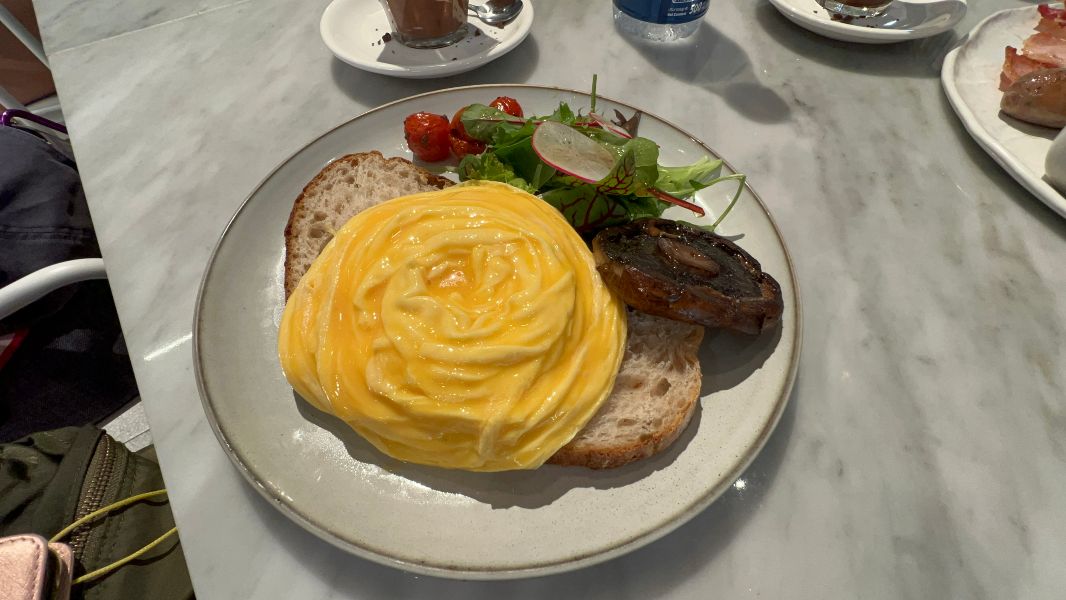
Cafe and lunch options are part of the everyday infrastructure that helps a neighbourhood work.
Building coworking versus neighbourhood coworking
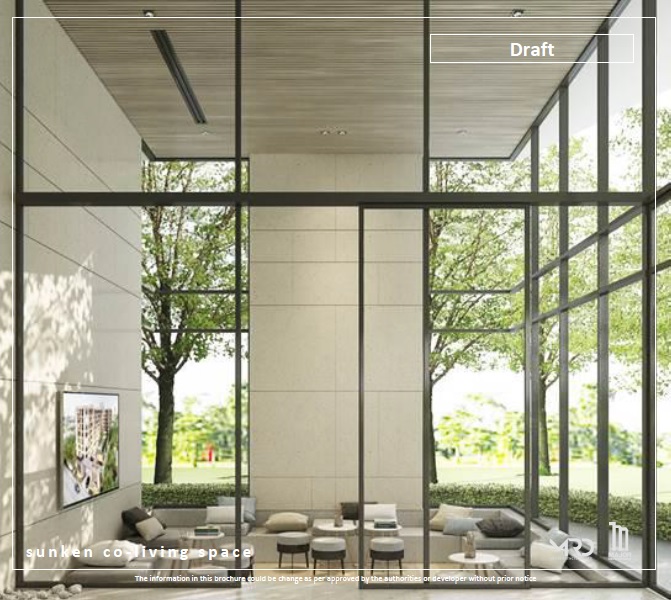
Some newer condominiums include coworking rooms, lounges, meeting pods or library-style spaces. These are valuable only when they are quiet, bookable, well maintained and sized for the resident population. A beautiful lounge can become difficult to use if there are too few seats, weak Wi-Fi, no call privacy or unclear rules.
Neighbourhood coworking is a separate advantage. A nearby serviced office, hotel lounge, cafe or flexible workspace gives owners an escape route when the unit is noisy, being cleaned or occupied by visiting family. Remote workers should test walking routes, noise, power sockets, seating comfort, internet reliability and whether the venue remains usable in the afternoon.
Cafe access is practical, not decorative
Cafe access matters because it creates flexibility. It helps with quick breakfasts, informal meetings, work breaks and weekend routines. But buyers should look beyond trendiness. A useful cafe neighbourhood has opening hours that match real life, seating that does not feel temporary, rain-friendly access, delivery options and enough variety that residents do not depend on one venue.
Food access should also include simple lunch and dinner choices. A district with only premium restaurants can be exciting, but day-to-day living is easier when local meals, supermarkets, bakeries, casual restaurants and international options sit close together. This is one reason mixed-use and retail-connected districts often feel easier for new expats.
Delivery, lobby and parcel management
Bangkok’s delivery culture is convenient, but the building must handle it well. Ask how food delivery, parcels, ride-hailing and visitors are managed. A crowded lobby or confusing access process can frustrate tenants and residents. For landlords, delivery and parcel rules should be explained before move-in so tenants do not clash with security or juristic staff.
Buyers should also check lift capacity, loading areas, parking, motorcycle access and whether drivers can stop safely nearby. These small details affect daily comfort, especially during rain or heavy traffic.
The best condo location supports ordinary weekday movement, not only weekend lifestyle.
How to inspect a workday neighbourhood
Visit on a weekday morning, lunch period and rainy evening, not only on a weekend.
Test the walk from building lobby to BTS, MRT, cafes, supermarket and main road.
Check whether building workspaces are quiet, bookable and actually used by residents.
Look for practical lunch, grocery and delivery options, not only destination dining.
Ask security how parcels, food delivery, guests and ride-hailing pickups are handled.
Compare the routine with likely tenant profiles if the unit will be rented out.
Buyer takeaway
Coworking and cafe access may sound like lifestyle detail, but it is really a liveability test. Bangkok works best for expat owners when the condo, building and neighbourhood make ordinary workdays simple. The easier the routine, the more likely the property will be used, leased and recommended.
IBP can help foreign buyers compare Bangkok neighbourhoods by daily routine, tenant demand and ownership practicality. Read our expat living guides or contact IBP Real Estate for a lifestyle-led property shortlist.