Air quality is part of Bangkok liveability, but it cannot be judged from one viewing or a fixed reputation attached to a district. Conditions change by day, season, weather and nearby activity. A condo buyer therefore needs a repeatable way to read official information and assess how the building manages the indoor environment.
Air quality varies over time, so buyers should combine official monitoring with repeat visits and building checks.
The goal is not to declare one neighbourhood permanently clean or unsuitable. It is to understand exposure, household sensitivity and practical choices. Anyone with asthma, heart or lung disease, pregnancy concerns or other medical questions should follow official health advice and consult a qualified clinician.
Begin with official monitoring
Use Thailand’s official air-quality services and Bangkok’s city information before relying on a social-media screenshot or a single commercial sensor. Check the time, station location, pollutant and averaging period. A reading from another part of the city may not describe the street outside the condo.
Follow conditions over several weeks and across the times the household is active. This creates a better picture than viewing only on a clear afternoon. Save the official channels that residents will use after moving, because air quality is an ongoing routine rather than a one-time property check.
Visit the micro-location repeatedly
Walk the building’s frontage, side streets and route to rail. Note idling traffic, bus stops, loading bays, construction, open-air cooking, generators and the distance from major roads. These observations do not replace monitoring, but they help explain local conditions and daily patterns.
Visit in the morning and evening, on a weekday and after rain if practical. Check whether the lobby doors remain open, where vehicles wait and how air moves through common areas. A higher floor or park view should not be assumed to guarantee a particular indoor reading.
Window seals, ventilation, air-conditioning maintenance and filtration influence the indoor experience.
Inspect the unit as an air system
Check window and balcony-door seals, visible gaps, odours, dampness, mould and the condition of air-conditioning units. Ask whether the system recirculates indoor air, introduces outside air or operates differently by room. A technician can explain the exact equipment and safe maintenance requirements.
Look at the kitchen hood and bathroom exhaust. Ask where they discharge and whether unwanted smells travel between units or corridors. Indoor air can also be affected by smoking, cleaning products, new furniture, pets, cooking and moisture, so an outdoor reading is only one part of comfort.
Ask how the building is managed
The condominium juristic person should be able to explain air-conditioning maintenance in common areas, cleaning schedules, smoking rules, renovation controls and the response to construction dust. Inspect lift lobbies, corridors, gyms and children’s rooms for ventilation, odour and visible maintenance.
Ask how filters are serviced and whether replacement records exist for central systems. Do not assume that a premium lobby means the hidden equipment is well maintained. Building management quality affects whether procedures continue after the sales gallery closes.
Evaluate filtration carefully
Portable air cleaners may be useful for some households, but equipment should be matched to room size, airflow and the pollutants of concern. Check independently verified specifications, replacement-filter availability, noise and electricity use. A device that is too loud to run at night may not support the intended routine.
Air-conditioning filters and particle-removal filters do different jobs. Do not force an unsuitable filter into equipment or block necessary ventilation. Ask a qualified specialist where needed, and follow manufacturer instructions for cleaning and replacement.
Residents can adapt exercise and travel plans using current official readings and health advice.
Plan daily routines around current conditions
Residents can use current readings and official advice to decide when to exercise outdoors, open windows or adjust travel. A building near a park may still offer valuable recreation, but the time and intensity of activity can be adapted when conditions are poor.
Consider the whole journey. A comfortable indoor unit may be undermined by a long exposed walk beside traffic. Covered access, reliable rail, a safe taxi pickup and indoor exercise options can make an air-quality-aware routine easier without giving up urban convenience.
Think about children, older residents and pets
Different household members may have different needs and activity patterns. Families should inspect school transport, play spaces and the route to parks. Older residents may value close healthcare and indoor walking options. Pet owners should examine outdoor access and building rules.
A buyer should not make health assumptions for another person. Use a clinician’s advice for individual concerns and make sure the home supports that advice in practical ways, including space for equipment, easy filter changes and a manageable daily route.
Include air quality in rental and resale thinking
Tenants increasingly ask about window seals, filtration, smoking rules and nearby construction. An investor should answer with accurate building and unit information rather than promising clean air. Well-maintained systems and clear records can strengthen confidence, but they do not create a guaranteed rent premium.
At resale, buyers will compare the whole living experience: location, transport, noise, heat, air, management and cost. Good air-quality preparation is one component of a resilient unit, not a substitute for layout, price or building health.
Air-quality viewing checklist
Track official readings across different days and times.
Walk the exact street, station route and vehicle pickup area.
Inspect windows, doors, dampness, odours and air-conditioning.
Ask about common-area ventilation and filter maintenance.
Review smoking, renovation and construction-dust procedures.
Match any air cleaner to the room and household need.
Plan outdoor exercise and travel using current official advice.
Liveability takeaway
A Bangkok air quality guide should help buyers make measured decisions, not create fear or false certainty. Bangkok remains highly liveable for many foreign residents because of its transport, healthcare, food, culture and services. The right condo adds a well-managed indoor environment and practical routines to those city advantages.
Foreign buyers planning a Bangkok condo viewing trip should treat arrival administration as part of the purchase process. Flights, hotel bookings and property appointments are obvious. Immigration forms, passport validity, address details and entry purpose are just as practical because mistakes can disrupt a short trip and compress the time available for inspections.
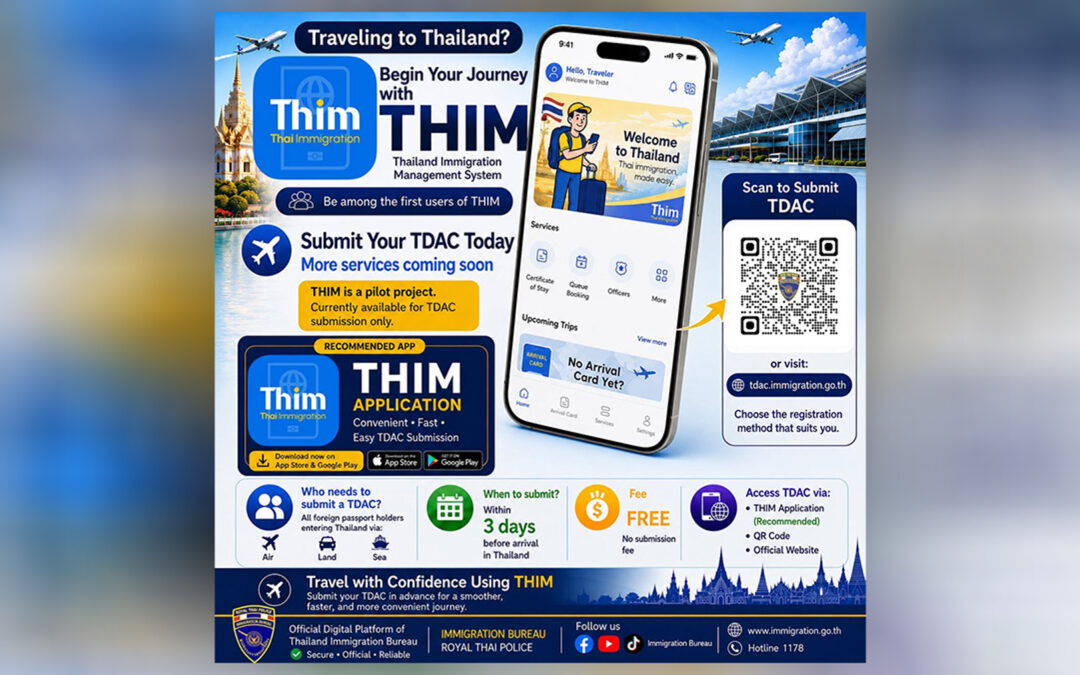
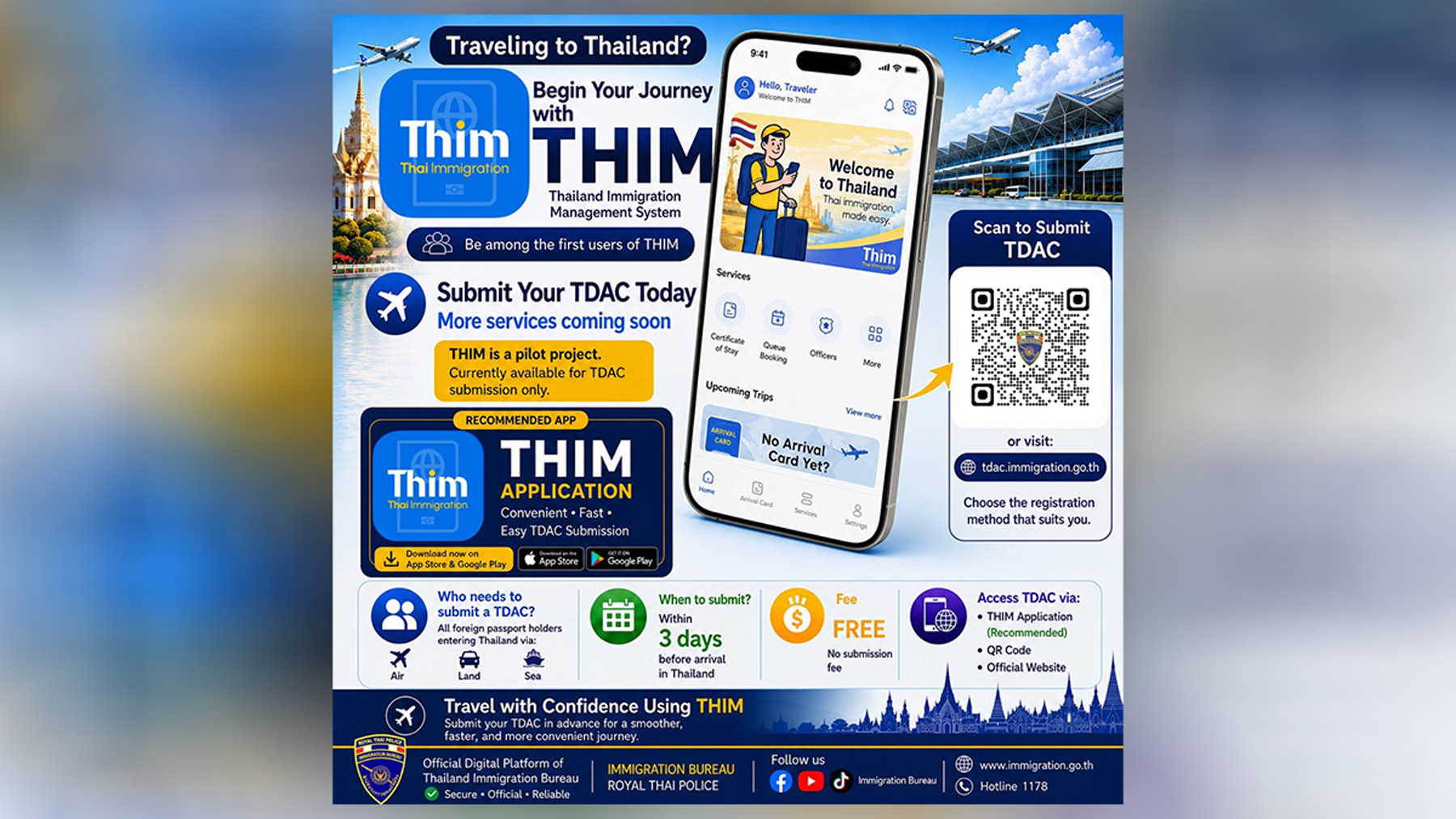
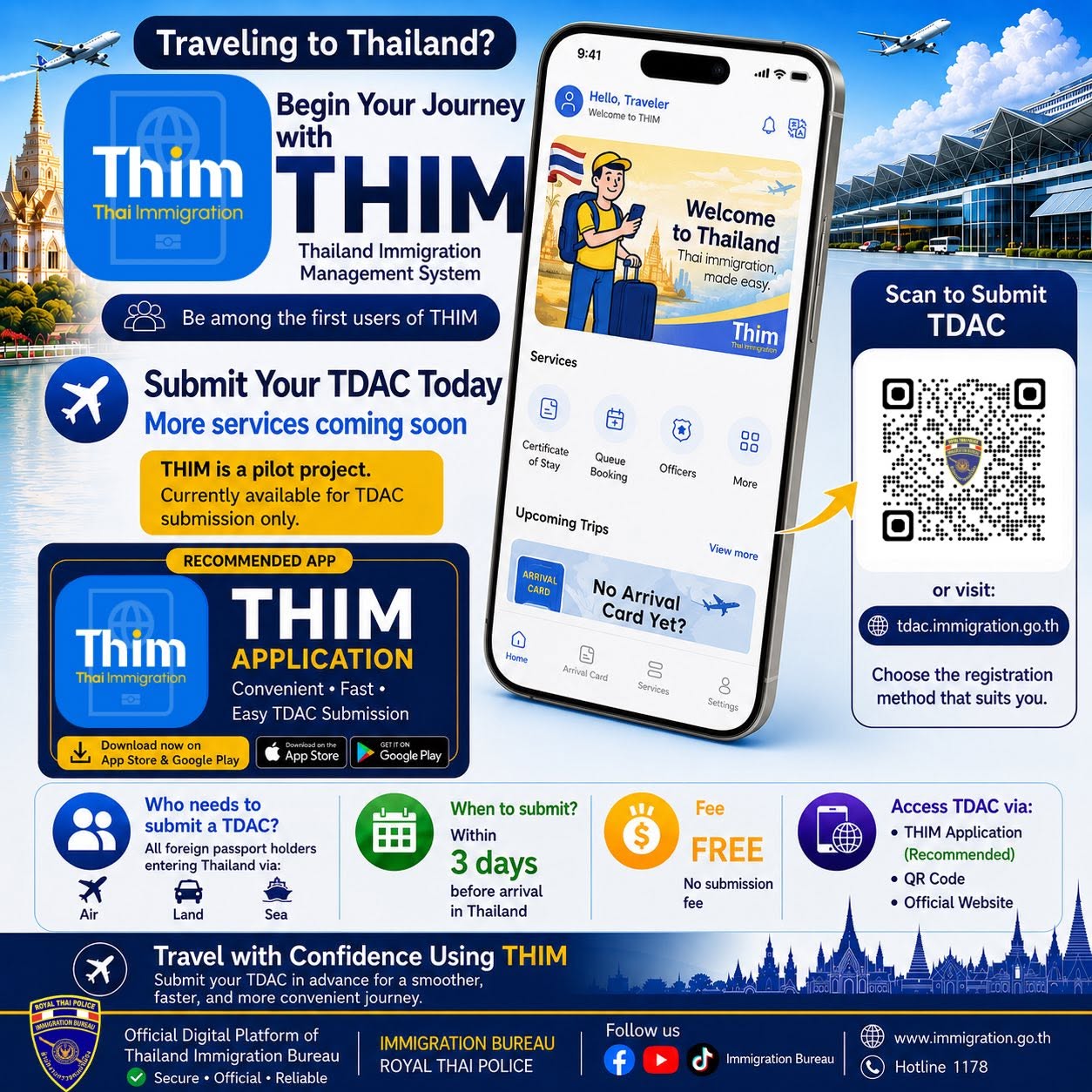
On 11 June 2026, TAT advised that pilot access had opened for the Thailand Immigration Management application, or THIM. The app is being developed to streamline traveller registration and support future services for foreign nationals. For condo buyers, the important point is measured: THIM may become useful, but the current Thailand Digital Arrival Card requirement still needs to be handled correctly.
THIM is relevant to buyers because viewing trips depend on smooth arrival and accurate traveller details.
What changed and what did not
The current TAT advisory says THIM pilot access is available ahead of an expected full launch in August 2026. During the pilot phase, travellers should continue to complete the Thailand Digital Arrival Card, or TDAC, as required by the Immigration Bureau. THIM is optional at this stage and does not replace TDAC.
That distinction matters for buyers who are reading travel updates quickly. Do not assume a new app removes existing arrival-card obligations. Before travel, use the official current channel for TDAC, keep screenshots or confirmations where appropriate, and check airline, airport and Immigration Bureau instructions close to departure.
The same discipline applies to every administrative detail in a viewing trip. A buyer who is in Bangkok for three or four days may have only a narrow window for unit inspections, bank meetings, lawyer appointments and document signing. Avoidable arrival confusion can cost a full day.
Prepare address and trip details before you fly
THIM is described as allowing travellers to record passport details by taking a passport photo, then complete accommodation details in Thailand, travel information and purpose of entry in line with TDAC arrival information. This is not only a technology step. It is a reminder to prepare your trip file before leaving home.
For a viewing trip, keep the hotel or serviced-apartment name, address, phone number, booking dates and passport details in one place. If you will split time between Bangkok and another province, make sure your arrival details are accurate for the first stay. If plans change, follow the latest official instructions rather than relying on old screenshots or social media summaries.
Buyers travelling with family should also plan group details. TAT said THIM is expected to support group registration for up to 10 travellers at one time. That may be useful for families or small groups, but each traveller still needs correct passport and travel information. One organised folder is better than collecting details at the airport queue.
Buyers should keep passport, travel, accommodation and purpose-of-entry details consistent.
Use arrival admin to improve the property schedule
A property viewing trip should have a clear sequence. The first day is often best kept lighter, with district familiarisation, hotel check-in and one or two lower-pressure viewings. The second and third days can handle serious inspections, price comparisons, legal questions and return visits. Departure day should not be overloaded with decisions that need documents or bank evidence.
If digital arrival tools reduce friction, the benefit is not just a shorter queue. It is more usable time in Bangkok. That time should be spent walking routes from the building to BTS or MRT, testing taxi access, visiting nearby hospitals or schools if relevant, checking groceries and seeing the neighbourhood at different times of day.
Do not treat arrival efficiency as a reason to rush the purchase. A smoother trip should create more time for due diligence, not less. Foreign buyers still need to confirm foreign quota, title, debt-free letter, transfer timetable, payment evidence and legal review before placing meaningful funds at risk.
Passport and airport details still matter
Thailand’s wider move toward digital traveller services also highlights basic passport discipline. A separate TAT visitor-information update on automated passport channels at Phuket International Airport reminded travellers to follow eligibility rules, airport signage and officer instructions. Different airport systems can have different practical requirements, so buyers should not assume every checkpoint works the same way.
Before flying, check passport validity, name spelling on tickets, visa or exemption status, arrival-card instructions and airline requirements. If you are entering Thailand for repeated property trips, keep a record of entries and exits. If your trip involves long-stay plans, retirement, work, family relocation or education, get appropriate immigration advice before relying on a short-stay entry pattern.
Property buyers sometimes blur travel planning and residence planning. Viewing condos is not the same as securing the right long-stay status. The legal route for living in Thailand should be assessed separately from the purchase decision.
Digital arrival tools can reduce friction, but travellers still need to follow officer instructions and current rules.
A practical viewing-trip checklist
Before departure, prepare passport scans, hotel details, flight information, TDAC confirmation, property shortlist, appointment schedule, agent contact, lawyer contact, budget limits and questions for each building. Keep a separate note of the units you are not willing to buy, so excitement during the trip does not push you into weak compromises.
During the trip, photograph routes, lobby condition, parking, lift waiting times, corridor condition, views at different hours, noise, nearby construction and convenience stores. Ask for juristic-person documents and ownership checks early, not after emotional attachment forms. If a unit looks promising, arrange a second viewing before negotiation.
After the trip, compare the shortlist calmly. The best viewing trip does not always end with a reservation. Sometimes the correct outcome is a clearer brief, a better district choice and a decision to wait for the right resale or new-launch opportunity.
Buyer takeaway
THIM is a useful travel-administration development to watch, but buyers should not confuse pilot access with a complete change in entry requirements. For now, plan around TDAC, official instructions, accurate accommodation details and a viewing schedule that gives due diligence enough time.
For many foreign buyers, the Foreign Exchange Transaction evidence is the least glamorous part of a Bangkok condominium purchase. It is also one of the most important. Thailand’s government guidance explains that foreigners may own condominium units within the legal foreign ownership limit, and that the money used for purchase must be transferred from a foreign bank to a Thai bank with receipts and bank certificates. In practice, buyers and advisers often refer to this evidence as an FET form or bank confirmation.
The payment trail should be planned before the buyer sends funds into Thailand.
The purpose is simple: the Land Department needs to see that the foreign buyer is using qualifying foreign-source funds for the condominium purchase. If the funds trail is confused, incomplete or in the wrong name, transfer can become stressful at exactly the wrong moment. Good planning keeps the legal route clean and gives future buyers, lawyers and banks a transaction file that makes sense.
What the FET evidence is for
Foreigners are generally restricted from owning Thai land directly, but they can own condominium units within the permitted foreign quota of a registered condominium building. The foreign-buyer route usually depends on showing that the purchase money entered Thailand as foreign currency and was properly documented by a Thai bank. That evidence supports the Land Department registration.
Different banks may use different document names or internal processes. The buyer should not assume that a normal international transfer receipt from the sending bank is enough. The critical document is usually issued by the receiving Thai bank or supported by that bank’s confirmation letter. Buyers should coordinate the wording, account name and purpose before the transfer is made.
Why timing matters
Many problems start because the buyer sends money first and asks questions later. The receiving bank may need the buyer’s passport details, sale contract, unit information and purpose of transfer. If the funds arrive through an intermediary, in Thai baht, from a third-party account, through multiple small transfers or under unclear wording, the documentation can become harder to align with the Land Department file.
The safest approach is to ask the receiving bank, developer, lawyer and agent what wording is required before sending funds. The transfer instruction should normally identify the buyer and the purpose of buying a specific condominium unit. The final wording should be checked by the professional handling the transfer because banks and land offices may apply practical requirements differently.
Foreign freehold ownership depends on quota, title transfer documents and acceptable funds evidence.
Common mistakes foreign buyers make
Using the wrong sender or receiver name
A transfer from a parent, spouse, company or unrelated third party may be workable in some circumstances, but it needs planning. If the buyer’s passport name does not appear clearly in the bank documentation, the transfer officer may ask additional questions. When family funds or company funds are involved, get legal advice before sending money.
Letting a service convert before funds reach Thailand
Some remittance services can be convenient for smaller payments, but the buyer must confirm whether the Thai bank can issue the required foreign-exchange evidence. If the money arrives as local baht without the right supporting trail, the Land Department file may be weaker. Convenience should not override transfer registration requirements.
Splitting payments without a record plan
Stage payments, deposits and balances are normal. The problem is when each payment has different wording, different senders or incomplete documentation. Keep a schedule of every payment, receipt, bank document and contract reference.
Assuming the agent will fix it later
A good agent can coordinate, but the money trail belongs to the buyer. Do not outsource the understanding entirely. Ask for copies, check names and keep originals or certified documents where required.
A simple pre-transfer checklist
Confirm the unit is eligible for foreign freehold transfer and that foreign quota is available.
Ask the receiving Thai bank what document it can issue for the exact transfer route.
Use the buyer’s passport name consistently across contract, bank and Land Department documents.
State the purpose of transfer as a condominium purchase with the project and unit reference where possible.
Keep copies of the sale contract, payment schedule, bank receipts and FET or confirmation documents.
Check whether each deposit and balance payment needs separate evidence.
A clean remittance file helps the Land Department transfer match the buyer, unit and payment purpose.
What to ask before reservation
Before paying a reservation fee, ask whether the seller or developer has handled foreign transfers recently, which Thai bank account will receive the funds, what name appears on the account, whether the unit is in foreign quota and who will prepare the Land Department transfer file. These questions are practical, not confrontational. A serious seller should expect them.
For resale units, the buyer should also ask whether the seller has a debt-free letter process, juristic confirmation of foreign quota, title deed copy and tax estimate. The FET evidence is only one part of transfer readiness. The broader file should show that the unit can move from seller to buyer cleanly.
Why this protects resale value
A clean payment trail is useful beyond the first purchase. When the buyer eventually sells, lawyers and future buyers may ask how the unit was acquired. Good documentation supports confidence and reduces avoidable friction. It can also help when repatriating sale proceeds, depending on bank requirements and the buyer’s situation.
Foreign ownership in Bangkok is workable when handled carefully. The legal path is familiar, but it is document-led. The buyer who treats remittance evidence as a core part of due diligence is less likely to face last-minute transfer surprises.
IBP can help overseas buyers organise a transfer checklist before funds are sent. Read more in our foreign buyer guides or contact IBP Real Estate for purchase coordination.