Thailand’s policy-rate cycle is not a simple buy signal for Bangkok condominiums. It is a liquidity signal. Foreign buyers, especially cash buyers, may not need a Thai mortgage, but they still buy into a market shaped by Thai bank lending, developer financing, domestic buyer confidence, seller urgency and the cost of holding unsold stock.
The Bank of Thailand’s Monetary Policy Committee cut the policy rate by 0.25 percentage points to 1.00% on 29 April 2026. The decision came with a cautious view of the economy, credit quality and external risk. For Bangkok condo buyers, the practical question is how to translate that macro information into offer discipline, timing and risk control.
Interest-rate context affects liquidity, but the buyer decision still has to work at building and unit level.
Why the policy rate matters even for cash buyers
A foreign cash buyer might assume Thai interest rates do not matter. That is only partly true. The buyer may not borrow locally, but the seller, developer, Thai buyer pool and competing landlords often do. When domestic credit is tight or cautious, some Thai buyers delay purchases, some sellers become more realistic, and some developers use promotions to convert inventory into cash. That can create negotiation room for a buyer who has clean funds, correct foreign-exchange evidence and a clear transfer plan.
The rate itself is not the full story. The BOT’s April decision noted concerns around credit quality, especially for small businesses and some retail borrowers. In property terms, that means buyers should watch not only headline interest rates but also bank approval behaviour, transfer rates, mortgage rejection stories and developer inventory strategies.
What the April 2026 macro backdrop adds
In its April 2026 economic conditions release, the BOT described private consumption as subdued compared with the previous month and said foreign tourist arrivals and receipts declined after a temporary acceleration before measures related to cross-border tensions. It also reported that private investment improved in some machinery and equipment categories, while merchandise exports rose in several sectors including electronics and automotive goods.
That mixed picture is important. Bangkok property confidence is supported by Thailand’s long-term role in tourism, services, manufacturing, logistics and regional business. But the near-term mood is not uniformly strong. Buyers should therefore avoid assuming that every district, building and unit benefits equally from lower rates or broader recovery hopes.
A softer credit cycle can change seller urgency, domestic buyer depth and negotiation room.
How to adjust your buying strategy
1. Separate macro confidence from unit evidence
A lower policy rate can support sentiment, but it cannot fix a poor layout, weak building management or unrealistic asking price. Before treating a unit as good value, compare recent resale evidence, achievable rent, vacancy risk, common fees, upcoming repairs, foreign quota and future buyer depth. The rate cycle is context, not due diligence.
2. Ask whether the seller is liquidity-sensitive
In a cautious credit cycle, some sellers are more motivated than others. An owner with a vacant unit, an upcoming transfer deadline, a loan, multiple competing listings or a slow resale history may accept a cleaner offer. A cash buyer should not simply ask for a discount. The better approach is to present certainty: proof of funds, realistic transfer timing, clear legal process and a narrow set of conditions.
3. Compare new-launch incentives with resale discounts
Developers may respond to softer demand with furniture packages, fee support, payment schedules or limited-time incentives. Resale sellers may respond with direct price reductions. Compare the net price after incentives and costs, not the brochure price. A resale discount can be stronger if the building is proven and the unit is ready to lease. A new-launch incentive can be attractive if the project has genuine scarcity and the completion risk is acceptable.
Foreign buyers should model rates, rent, vacancy, cash timing and resale liquidity together.
A practical stress test for 2026 buyers
Build three scenarios before offering. The base case assumes the target rent, a normal vacancy period and ordinary holding costs. The cautious case assumes a longer vacancy, a lower renewal rent and minor repairs. The stress case assumes slower resale, a discount to exit and extra time to find a tenant. If the unit only works in the base case, the rate-cut story is not enough.
Cash timing should also be modelled. A foreign buyer needs correct overseas remittance evidence for a freehold condominium transfer. If the buyer waits for a stronger exchange rate, they may lose the unit. If they transfer too early without a clear purchase sequence, they may create administrative friction. The best buying strategy links offer timing, lawyer review, remittance evidence and transfer date.
Where the opportunity may be
The most useful opportunities in a cautious rate environment are often specific rather than broad. Look for completed buildings with motivated sellers, strong juristic-person management, clear tenant profiles and asking prices that can be defended against both rent and resale evidence. Avoid buying a weak unit simply because the market mood feels softer.
For luxury stock, rate cuts may help sentiment, but the buyer pool can remain selective. Premium buyers pay for scarcity, service, view, address, privacy and convenience. If those elements are missing, a lower policy rate will not create lasting value.
Buyer takeaway
Thailand’s 1.00% policy rate gives foreign buyers a useful lens on liquidity and negotiation, not a guarantee of returns. The strongest Bangkok condo strategy in 2026 is to combine macro patience with precise unit-level evidence: rent, vacancy, condition, quota, costs and exit.
IBP Real Estate can prepare a buyer-side offer range and holding-cost model before you negotiate. Continue with our investment analysis and resale strategy articles for more practical checks.
A Bangkok condo price gap is not automatically a bargain. It is a clue that needs to be explained. In 2026, foreign buyers will see new-launch prices, resale asking prices, developer promotions, older-building discounts and rent evidence moving at different speeds. The opportunity is real only when the gap is supported by liquidity, tenant demand and a sensible exit route.
The right question is not simply whether one unit is cheaper than another. It is why the price difference exists. A lower price may reflect weaker views, older common areas, higher renovation costs, a larger supply of competing units, limited foreign quota, poor tenant demand or an owner who needs a fast sale. A higher price may reflect a stronger address, newer specification, better building management or simply an optimistic seller.
A Bangkok condo price gap should be tested against district demand, building quality and resale depth.
Why price gaps are more visible in 2026
CBRE reported that Bangkok’s condominium market had a slow start to 2026, with only 12 new project launches in the first quarter and buyers taking longer to decide. That cautious mood makes comparison more important. When buyers slow down, sellers and developers have to compete for attention, and headline prices can become less useful than the full package of discounts, transfer terms, furnishing and post-purchase costs.
At the same time, CBRE’s 2026 outlook pointed to more new launches in the luxury and super-luxury condominium segments, supported by a 93% sales rate for existing supply, and expected downtown asking-price growth of up to 15% year on year. That does not mean every premium unit deserves a premium. It means buyers need to separate scarce, well-located stock from units that are merely priced as luxury.
New launch price versus resale evidence
A new-launch unit often includes presentation value: fresh design, staged sales galleries, payment plans, warranties and a cleaner ownership story. A resale unit offers different evidence: existing building management, actual common-area condition, current rental competition, juristic-person budgets, occupied units and real view corridors. Both can be attractive, but they should not be compared only by price per square metre.
Foreign buyers should adjust for what is missing. A resale unit may need furniture replacement, repainting, appliance upgrades or a more realistic rent target. A new launch may carry construction timing risk, future supply risk and uncertainty about the final tenant profile. A price gap is useful only after those adjustments are made.
Comparable evidence is strongest when it narrows the field to similar buildings, views and age profiles.
The four checks before calling it value
1. Is the location demand proven?
Start with tenant and buyer depth. BTS and MRT access still matter, but not every station-adjacent unit has the same pool. Compare the building with realistic alternatives in the same micro-market: walk time, footpath comfort, supermarket access, office access, hospital access, school access and night-time taxi convenience. A cheaper unit in a less practical pocket may remain cheaper when you sell.
2. Is the building ageing well?
Building condition can explain a discount more honestly than any seller narrative. Inspect lifts, corridors, facade condition, lobby service, parking, pool, gym, waste areas, security process and delivery handling. Read AGM minutes and juristic-person budgets where available. An older building with strong management may be a better buy than a newer building with weak upkeep, but the evidence has to be checked.
3. Does the rent support the price?
Do not rely on advertised rents. Ask for achieved leases, likely vacancy period, tenant profile, furnishing standard and agent feedback. A unit that looks cheap against sale comparables can still be expensive if the rent has limited upside or if the tenant pool is thin. The best price-gap opportunities usually have both a sensible entry price and a believable rental story.
4. Can another buyer understand the same value later?
Resale is where many price-gap arguments fail. A foreign buyer may be comfortable with an unusual layout, a deep soi, a low floor or a building with limited facilities. Future buyers may not agree. Before making an offer, ask whether the same value case can be explained in one clear paragraph to a future buyer: better space, better location, better rent, better condition or better scarcity.
The best offer price is built from rent, holding cost, liquidity and future buyer appeal.
How to build an offer range
A disciplined offer range starts with the best comparable resale evidence, then adjusts for unit condition, view, floor, orientation, furniture, transfer costs, common fees and expected vacancy. It should also include a walk-away price. If the deal only works because rent is assumed at the top of the market, the price gap is not strong enough.
For off-plan and newly completed stock, compare the net price after all incentives, not the headline price. Ask how much of the discount is real cash value, how much is furniture, and how much depends on transfer timing or payment terms. A foreign buyer wiring funds from overseas should also confirm the remittance and foreign quota sequence before committing.
Where the opportunity may sit
In a cautious market, value may appear in completed buildings where an owner wants liquidity, in larger units that need a narrower buyer pool, or in older prime buildings with strong land locations but tired interiors. Newer luxury projects can still work, especially where scarcity and service quality are genuine, but buyers should prove the exit case rather than accept a prestige address as enough.
The point is not to chase the largest discount. It is to buy the most explainable discount. A small reduction on a highly liquid unit can be safer than a large discount on a unit that will be hard to lease or resell.
Buyer takeaway
Bangkok remains attractive because it combines liveability, regional connectivity, established private services and a deep condominium culture. In 2026, the smarter opportunity is not broad market timing. It is careful selection: finding a price gap that survives rent checks, building checks and resale checks.
IBP Real Estate can prepare a buyer-side comparable set and offer range before you negotiate. Continue with our Bangkok investment analysis and resale strategy guides for more practical due diligence.
Vacancy risk is the part of a Bangkok condo investment that is easiest to underestimate. A buyer may check headline yield, building reputation and asking price, then assume rent will begin quickly after transfer. In practice, vacancy is where the spreadsheet meets the real tenant market: viewings, furnishing, agent response, competing units, price reductions and the first renewal conversation.
For foreign buyers in 2026, the issue is not whether Bangkok remains attractive. The city still has strong lifestyle pull, regional connectivity, established hospitals, international schools, malls, offices and a deep rental culture. The more useful question is narrower: can this specific unit find the right tenant at the rent required, within a vacancy period the owner can afford?
Vacancy risk starts with the depth of tenant demand around the building, not only the rent advertised online.
Why vacancy deserves its own model
A quoted gross yield can look tidy because it assumes rent is received every month. Vacancy breaks that assumption. One empty month, one unfurnished repair period or one tenant who negotiates a lower renewal can change the annual return materially, especially after common fees, agent commission, maintenance, insurance and tax are included.
Vacancy also behaves differently by micro-location. A compact one-bedroom near a proven BTS station may have steady demand from young professionals, while a larger unit in the same district may depend on corporate budgets, families or diplomats. A riverfront or luxury unit may attract premium rent, but the tenant pool can be smaller and more sensitive to furnishing standard, view, building service and lease flexibility.
What the 2026 market context says
CBRE reported that Bangkok’s condominium market had a slow start to 2026, with only 12 new project launches in the first quarter and buyers taking longer to make decisions. That slower buyer rhythm matters to investors because it usually creates a more selective leasing environment too. Tenants can compare more carefully when local confidence is soft and competing units are visible.
The same Q1 report noted that Thailand recorded 9.3 million international arrivals in the quarter, while the Bank of Thailand projected more moderate full-year growth for 2026. For landlords, that mixed backdrop is important. Tourism and international movement support Bangkok’s liveability story, but rental demand still has to be proven at building level. A foreign owner should not treat broad city confidence as a substitute for a conservative vacancy allowance.
Building quality, access and management can change the vacancy profile more than a district average.
The checks that matter before buying
Start with tenant source. Ask who is likely to rent the unit: local professional, expatriate employee, medical traveller, embassy household, student, remote worker, regional executive or relocating family. Each group has different expectations on lease length, furnishing, internet, parking, pet rules, school access, hospital access, public transport and building service.
Then test competing stock. Do not compare only asking rent in the same district. Compare similar floor height, view, layout, furniture level, building age, walking distance and current availability inside the same project and nearby alternatives. If ten similar units are already listed, the landlord may need either sharper pricing or a better presentation plan.
Vacancy questions for the shortlist
How many directly comparable units are available in the same building today?
What rent has actually been achieved recently, not just advertised?
Does the unit need furnishing, appliance replacement or repainting before it can be marketed?
How long did the last similar unit sit empty before lease signing?
Will the building rules support the intended tenant, including pets, family use, corporate leases or work-from-home needs?
Can the owner cover three empty months without needing a rushed discount?
A simple vacancy stress test
A practical model should include three scenarios. The base case assumes a realistic rent, one normal leasing commission and a short gap between tenants. The cautious case assumes one to two additional empty months, a minor repair budget and a renewal at a slightly lower rent. The stress case assumes a longer vacancy, a more expensive furnishing refresh and the need to reduce rent to meet the market.
This does not make the investment pessimistic. It prevents a buyer from relying on perfect occupancy. If the property still works after a reasonable vacancy stress test, the buyer can negotiate with more confidence. If it only works when every month is occupied at a top-of-market rent, the buyer is relying on a narrow outcome.
A unit should be tested against real tenant use, holding cost and resale depth before the offer is final.
How to reduce the risk
The best vacancy protection is bought before transfer. Choose a building with strong management, clean common areas, reliable lifts, practical drop-off, clear delivery handling and a tenant profile that matches the unit. Choose a layout that photographs well and works naturally for the likely renter. Avoid paying a premium for features that buyers like in a brochure but tenants rarely pay for in monthly rent.
After purchase, move quickly on presentation. Good photos, clear floor plans, working appliances, neutral furniture, accurate rent expectations and responsive agent communication matter. A well-prepared unit can still sit empty in a slow market, but poor preparation almost always makes the vacancy longer.
Buyer takeaway
Bangkok remains a compelling rental city for foreign owners, but rental income should be modelled with patience. In 2026, cautious buyers and selective tenants reward owners who understand the exact building, not only the broad district. Vacancy is not a reason to avoid Bangkok; it is a reason to buy with sharper evidence.
IBP Real Estate can prepare a rental evidence review, vacancy stress test and building-level comparison before you make an offer. Continue with our Bangkok investment analysis and rental market guides for more buyer-side checks.
Bangkok condominium buyers have more room to think in 2026, but that does not mean every unit is suddenly a bargain. The useful question is narrower: where does a foreign buyer have genuine negotiation leverage, and where is the seller still protected by scarcity, location or a strong rental story?
CBRE reported that the overall Bangkok condominium market had a slow start to 2026, with only 12 new project launches in the first quarter. It also noted that buyers remained cautious and were taking longer to make decisions amid a weak local economy, geopolitical tension and elevated oil prices. For a foreign buyer, that combination points to a more disciplined market: fewer rushed launches, more careful buyers and a wider gap between average stock and genuinely liquid stock.
Negotiation leverage starts with market context, not just the listed asking price.
What buyer leverage means in Bangkok
Leverage is not the same as asking for a discount. It is the evidence that allows a buyer to request better terms without weakening the deal. In Bangkok, that evidence usually comes from four places: comparable resale stock in the same building, unsold developer inventory nearby, rent evidence from similar layouts, and the seller’s timing pressure.
The first lesson for overseas buyers is to separate market-wide softness from unit-level quality. A well-managed freehold unit near a proven BTS or MRT station may still attract owner-occupiers and tenants even when the broader market is slower. A compromised unit with an awkward layout, weak view or high common-fee burden may deserve a sharper negotiation even if it sits inside a fashionable district.
Read the market before reading the listing
A slower launch environment can support buyer discipline because developers and agents have fewer fresh headlines to use as urgency. Yet the absence of abundant new supply in a specific micro-location can also protect prices for completed, well-located stock. Before making an offer, compare the target unit with active listings, recent asking-price reductions and the level of furnished competition in the same rental catchment.
CBRE’s 2026 outlook also pointed to more luxury and super-luxury condominium launches, supported by a high sales rate for existing supply in that segment. That matters because prime Bangkok is not one uniform market. Downtown branded or rare-address assets can behave differently from older mass-market buildings or outer-station projects. Foreign buyers should therefore avoid using a single headline to justify every negotiation.
Building-level evidence can be more useful than broad market averages when negotiating.
Where negotiation tends to be strongest
Foreign buyers often have the most leverage where the seller wants certainty. A cash buyer with clean foreign-exchange documentation, a realistic transfer date and a lawyer already appointed can be more attractive than a buyer who is still arranging finance or has unclear remittance evidence. The strongest offer is not always the highest offer; it is the offer most likely to complete without drama.
Leverage also improves when there is visible competition inside the same building. If several similar units are listed and none has moved for months, the buyer can ask why a specific unit deserves its premium. Floor height, view, renovation quality, parking rights, furniture condition and tenant status should be priced explicitly rather than treated as vague talking points.
Common leverage points to test
Whether the unit has been listed for a long period without a serious price adjustment.
Whether similar layouts in the same building are offered at lower net prices.
Whether rent evidence supports the seller’s claimed yield after common fees, vacancy and agent fees.
Whether the seller needs a fast transfer, a delayed transfer or a clean cash settlement.
Whether furniture, repairs, tax sharing or transfer-fee sharing can improve the economics without headline price movement.
Where buyers should be careful
Some discounts are expensive. A low headline price may hide high renovation needs, a weak tenant profile, poor sinking-fund discipline, excessive common fees or a building that is losing appeal against newer projects. A buyer who focuses only on price can inherit a unit that is harder to rent, harder to resell and more costly to hold.
This is especially important for buyers who plan to rent out the condo. A unit that is ten per cent cheaper than a stronger competitor is not necessarily better if it also suffers longer vacancy or attracts tenants who negotiate aggressively every renewal. In practice, the right negotiation target is the total risk-adjusted cost of ownership, not only the purchase price.
Foreign buyers should test layout, rentability and resale depth before agreeing final terms.
A practical offer structure
A sensible offer should state the price, deposit timing, intended transfer date, who pays which transfer-related costs, what furniture and appliances are included, and what documents must be satisfactory before the deposit becomes non-refundable. If the buyer is relying on foreign freehold ownership, the offer should also depend on receiving clear foreign-quota confirmation and acceptable foreign-exchange evidence from the receiving bank.
For resale units, ask for the title deed copy, house registration copy, juristic debt-free letter process, latest common-fee statement, sinking-fund position where available, AGM minutes if relevant, tenant agreement if occupied and a list of included items. For off-plan or developer stock, focus on payment schedule, construction progress, EIA status, defect process and refund language if conditions are not met.
What foreign buyers should do next
Bangkok’s 2026 market gives disciplined buyers space to compare, but it does not remove the need for local checks. Shortlist buildings by transport, tenant demand and management quality first. Then use comparable evidence to negotiate the specific unit. The best outcome is not a dramatic discount; it is a clean acquisition at a price that still works if rent is slower, resale takes longer or the buyer’s own plans change.
For a private shortlist, pricing review or negotiation brief, speak with IBP Real Estate before making a formal offer. A buyer-side review can help separate negotiable price from non-negotiable risk.
Foreign buyers often ask whether a Bangkok condominium is a good investment before asking a more practical question: how long do they need to hold it for the purchase to make sense? The holding period changes almost every part of the calculation. It affects how much a buyer can absorb in transfer costs, furnishing, vacancy, repairs, currency movement and eventual resale costs.
A realistic holding period helps foreign buyers connect entry price with rental and resale risk.
Bangkok can be attractive because it offers international schools, private hospitals, strong hospitality, mass transit, regional airport connectivity and a deep pool of condominium stock at price points below many comparable global cities. Those strengths support long-term confidence, but they do not remove the need for an exit plan. A buyer who might sell in two years should assess the unit differently from a buyer who can hold for seven to ten years.
A holding-period lens is useful because it slows down impulsive buying. Instead of asking only whether a building feels premium today, the buyer asks whether the asset can survive a weaker rental year, a competing resale listing, a change in exchange rate or a future period when buyers are more selective.
Short holds need stronger entry discipline
A short holding period leaves less time for the asset to absorb buying and selling friction. Even if official transfer costs are manageable, the owner may still face agent commission, furniture, repainting, repairs, vacancy, management fees and currency conversion spread. If the entry price is too high, there may not be enough time for rent or capital movement to compensate.
This is why overseas buyers who expect flexibility should avoid relying on a quick resale premium. They should look for completed buildings with visible demand, sensible layouts, clean management records and pricing that can be explained against actual alternatives. A speculative off-plan purchase may still work for some buyers, but it needs a different risk budget and a clearer reason to expect future demand.
Building quality, management and buyer depth matter more as the planned hold becomes shorter.
Medium holds reward practical buildings
A medium holding period gives a buyer more time to stabilise the asset. This is where Bangkok often becomes more interesting for foreign owners. A well-located unit can be rented, improved, refinanced in the owner’s wider portfolio planning or kept as a personal-use base. The owner has time to wait for a better selling window instead of accepting the first bid during a quiet period.
For this type of buyer, the building needs to be easy to live in and easy to lease. Check lift performance, parking, juristic communication, gym and pool maintenance, parcel handling, lobby access, noise control, shuttle services where relevant and the quality of nearby daily amenities. These ordinary details influence tenant retention and owner satisfaction more than brochure language.
Long holds can accept more lifestyle weight
A long holding period allows lifestyle value to matter more. If the buyer will use the condo during family holidays, medical visits, school searches or seasonal stays, the property may deliver value beyond rent. A district that feels emotionally right can make the owner more willing to maintain and hold the unit through weaker market cycles.
That does not mean paying any price for a view or address. It means the buyer can weigh personal use, district familiarity and future family flexibility alongside rental yield. Long-hold buyers should still ask whether the building will age well, whether common fees are sufficient, whether the sinking fund is credible and whether future resale buyers will understand the location.
Exit audience is the key test
Every Bangkok condo has a likely exit audience. Some units are easiest to sell to Thai owner-occupiers. Some appeal to regional families who want schools and hospitals. Some suit expatriate tenants first and investors second. Some rely mainly on foreign lifestyle buyers who know a particular branded or riverside address. A buyer should identify that audience before purchase.
The narrower the exit audience, the more conservative the entry price should be. Very large units, unusual layouts, highly personalised interiors, weak views, dated facilities or buildings far from mass transit may still suit the right owner, but they can need a longer selling period. A liquid investment should be easy to explain in one minute: location, building, layout, rent logic and future buyer profile.
A unit should work as a holdable asset before buyers assume a smooth resale.
Model the hold before negotiating
Before paying a reservation fee, prepare three scenarios. The base case should assume normal rent, normal vacancy and a sale only when market conditions are acceptable. The downside case should assume a longer vacancy, a modest rent discount, repairs and a slower resale. The personal-use case should include the value of stays that replace hotel costs or improve family convenience.
This exercise gives the buyer a negotiation anchor. If the unit only works with aggressive rent growth or a fast capital gain, the offer should reflect that risk. If the unit works even with conservative assumptions, the buyer can move with more confidence.
Holding-period checklist
Decide whether the expected hold is under three years, three to seven years, or longer.
Compare the purchase price with completed resale evidence where available.
Identify the likely future buyer and tenant audience before paying a deposit.
Model vacancy, repairs, management fees, tax, selling costs and currency movement.
Check whether the building will remain competitive as newer projects open nearby.
Keep enough liquidity to wait for a sensible selling window instead of forcing a sale.
Investor takeaway
Bangkok property can be attractive for foreign buyers who value city depth, regional access and a liveable ownership base. The investment case is strongest when the buyer matches the unit to a realistic holding period. A good purchase is not only a beautiful condo. It is an asset the owner can hold comfortably, rent sensibly and sell to a clear audience when the time is right.
IBP can help overseas buyers compare Bangkok districts, resale depth and rental assumptions before committing capital. Read our investment analysis guides or contact IBP Real Estate for a buyer-focused consultation.
Bangkok remains attractive to many overseas property buyers because it combines regional connectivity, private healthcare, international schools, retail depth, restaurants, serviced apartments and a large expatriate tenant base. None of those strengths removes the need for disciplined rent underwriting. In a selective market, the question is not only what a unit could rent for in a strong month. The question is whether the owner can hold it comfortably through vacancy, refresh costs and slower tenant decisions.
A rent buffer helps foreign buyers separate city confidence from unit-level cash flow.
The 2026 backdrop supports that careful approach. CBRE’s Bangkok overall figures for Q1 2026 described a slow start for the condominium market, with only 12 new project launches and buyers taking longer to decide. The same update noted that Thailand’s tourism sector improved in Q1, even though international arrivals of 9.3 million were 2.4 percent lower year on year. This is exactly the mixed environment where foreign buyers should be confident about Bangkok as a city, but conservative about individual rent assumptions.
Build the buffer before the yield
A headline gross yield can be useful for screening, but it is a weak basis for a purchase decision. Gross rent usually ignores vacancy, agent fees, furniture replacement, repairs, common fees, insurance, local taxes, management time, currency movement and the owner’s exit costs. A rent buffer forces the buyer to ask whether the unit still makes sense after those items are included.
For a foreign owner, the buffer should also include distance. If the owner lives overseas, small problems can become expensive because every repair, key handover, tenant viewing and document request needs local coordination. A slightly lower headline rent in a well-managed building may be better than a higher theoretical rent in a building where maintenance, juristic communication or tenant turnover is difficult.
Start with the tenant audience
The most important rent question is who will actually rent the unit. A one-bedroom near a mass-transit station may appeal to single professionals, regional executives or medical visitors. A two-bedroom near a school corridor may suit expatriate families. A branded or hotel-linked residence may attract a tenant who values service, privacy and building prestige. Each audience has different lease length, furniture expectations, budget tolerance and sensitivity to commute time.
Buyers should avoid averaging all Bangkok rents into one assumption. Sukhumvit, Silom, Sathorn, Langsuan, Rama IV, Riverside and emerging MRT districts behave differently. Even within the same district, a better stack, practical layout, parking, noise level, view protection and elevator efficiency can change tenant response. A rent buffer should be based on comparable units in the same building or very close competitors, not a citywide estimate.
Building management, tenant profile and competing supply can matter more than a headline rent figure.
Use a net cash-flow view
A conservative owner should model at least three cases. The base case uses a realistic rent and normal vacancy. The downside case assumes a longer vacant period, a rent reduction or an unexpected repair. The stress case asks whether the owner can hold the unit for a year without a tenant while still paying common fees, utilities, minor repairs and management costs.
This does not mean the buyer expects the stress case to happen. It means the buyer is not forced into a poor resale decision if the rental market softens temporarily. Foreign buyers who buy with cash often have more flexibility than leveraged local buyers, but cash still has an opportunity cost. The capital should be placed where the risk-adjusted holding experience is acceptable.
Vacancy is not the only leakage
Vacancy is the obvious gap, but owners often underestimate refresh costs. Bangkok tenants compare units quickly. A clean sofa, sensible mattress, working appliances, fresh curtains, reliable air-conditioning and responsive repairs can help a unit lease faster. A dated unit may need a lower rent or longer marketing period even if the building is well located.
Common fees and sinking fund items should also be checked before purchase. A building with ageing lifts, facade work, water systems or major facility repairs may need higher owner contributions. That does not automatically make it a bad investment, but it should be reflected in the rent buffer and resale plan.
Location premiums must earn themselves
Prime addresses can deserve a premium, but only when the tenant audience recognises the value. Being near BTS, MRT, a hospital, a school, an office cluster or a major retail node is useful when it reduces daily friction. A famous district name alone is not enough if the actual walk is awkward, the road floods, taxis cannot stop easily or the building is noisy.
Foreign buyers should visit at different times of day and test the route a tenant would use. The best rental units feel easy on an ordinary Tuesday, not only attractive during a weekend viewing. That practical test is especially important in a year when buyers and tenants are both more selective.
A practical rent model should include vacancy, refresh costs and conservative resale timing.
Investor checklist
Compare rent against recent listings in the same building and nearby competing buildings.
Model base, downside and stress cases before negotiating the purchase price.
Check common fees, sinking fund history, likely repairs and juristic communication quality.
Budget for furniture refresh, appliance replacement and professional management.
Match unit size and furnishing to a clear tenant audience.
Treat tourism, office and lifestyle momentum as context, not a guarantee of rent.
Investor takeaway
Bangkok still offers a strong lifestyle and services platform for foreign owners. The safer approach in 2026 is to buy only when the rent buffer, building evidence and tenant audience are clear. A unit that can be held patiently is better than one that depends on optimistic rent growth from day one.
IBP can help overseas buyers compare Bangkok buildings by rent evidence, ownership costs and resale depth before capital is committed. Read our investment analysis guides or contact IBP Real Estate for a buyer consultation.
Common fees and sinking funds rarely decide whether a Bangkok condo is attractive on their own, but they can change the quality of an investment very quickly. For a foreign buyer, they sit between the headline price and the real holding cost. A unit that looks efficient on price per square metre may be less efficient once monthly building charges, repair reserves and future capital works are included.
Common fees should be tested against rental demand and long-term building quality.
Why common fees belong in the investment model
Many overseas buyers first compare location, unit size, view and price. Those are important, but common fees are the recurring cost that keeps the asset functioning after completion. They pay for security, cleaning, lift maintenance, lighting, landscape care, shared facilities, management staff and the juristic office. In a building with pools, gyms, lounges, co-working areas, shuttle services or extensive gardens, the fee can represent a meaningful annual cost even before tax, insurance, repairs and agency expenses are considered.
The practical question is not whether a fee is high or low in isolation. The better question is whether the fee matches the building promise and the tenant pool. A premium tower with deep facilities, strong maintenance and a capable juristic team may justify a higher charge if it protects rental appeal and resale confidence. A building with underfunded operations may look cheaper each month but can become less competitive as common areas age.
Separate monthly fees from sinking funds
Foreign buyers should separate day-to-day common fees from sinking fund contributions. Monthly common fees support regular operations. Sinking funds, or similar reserve contributions, are intended for larger building needs such as major repairs, equipment replacement and long-cycle capital works. New projects often collect an initial fund at transfer, while older buildings may ask owners to approve additional contributions if reserves are thin.
This matters because a resale unit can look attractively priced while carrying an underfunded future. Before making an offer, ask for the latest juristic financial statements, AGM minutes, owner notices and information on known repair plans. If a large facade, lift, waterproofing or mechanical system project is already being discussed, the buyer should understand whether reserves are sufficient and whether special owner contributions are likely.
Building age, facilities and juristic management all shape owner costs.
How fees affect rental yield
Rental yield should be calculated after owner costs, not just against the gross rent. Common fees are usually borne by the owner in Bangkok condo leases, although lease structures can vary. This means the same advertised rent may produce different net outcomes across two buildings of similar price. A unit in a highly serviced project may rent well, but the investor should test whether the rent premium is enough to absorb the higher running cost.
For long-term tenants, building quality is often visible in daily routines. Reliable lifts, responsive security, clean corridors, well-kept facilities and clear parcel management can support renewals. If the fee is being spent well, it can reduce vacancy and make the unit easier to defend against competing stock. If the fee is not translating into visible upkeep, it becomes a drag on performance.
Investors comparing units can use the approach in IBP’s Bangkok rental yield guide and then add a separate holding-cost line for common fees, owner maintenance, insurance, agency renewals and vacancy allowance. The aim is not to chase the lowest fee. It is to understand the net return after the building has been properly funded.
What to review before signing
Start with the official fee schedule in the sale documents or resale pack. Check whether the quoted charge is per square metre, per unit or based on another formula. Confirm when the fee starts, how it is invoiced, whether it is payable monthly or annually, and what penalties apply if it is late. For a resale, ask whether the seller has paid all outstanding juristic charges up to transfer.
Then review the building’s decision-making record. AGM minutes can show owner disputes, planned works, insurance questions, budget pressures and quorum issues. A well-run building usually keeps owners informed and explains why fees change. A building that avoids communication or postpones necessary repairs may be storing up cost for future owners.
Unit size and ownership period change how common area costs are felt.
Older buildings need a different lens
Older Bangkok condos can offer larger layouts, stronger locations and attractive resale prices. They also require a sharper review of reserves and repair history. Lifts, pipes, air-conditioning systems in common areas, car-park systems, fire safety equipment and facade works all become more relevant over time. A well-managed older building can be a sound purchase, but the buyer should not treat a low common fee as a bonus unless the reserves and maintenance record support it.
In some cases, a fee increase is a positive sign. If owners agree to fund necessary upgrades, the building may be protecting long-term value. The risk is a building that holds fees too low for too long, then faces large catch-up costs or visible decline. Foreign owners who live abroad should pay particular attention because they may not see early signs of deterioration until a tenant leaves or a resale inspection exposes them.
A simple investor checklist
Before committing, ask for the current fee schedule, sinking fund position, recent AGM minutes, insurance summary, major repair plan, arrears position and any owner notices about special assessments. Confirm whether the seller has unpaid charges and whether the juristic office can issue a debt-free confirmation before transfer. If buying off-plan, ask how the first-year budget is formed and when owner-controlled budgeting begins.
This review fits naturally alongside the IBP Bangkok condo due diligence checklist. A foreign buyer does not need to become a building accountant, but they should know whether the building is funded well enough to protect the lifestyle and rental proposition being marketed.
Bottom line for foreign buyers
Common fees are not just an expense line. They are evidence of how a building is run and how future buyers or tenants may judge it. A transparent, adequately funded project can support confidence, especially for an overseas owner who relies on professional management. A weak budget can turn a good-looking purchase into a difficult hold.
If you are comparing Bangkok condos for investment, ask IBP to review common fees, sinking fund exposure and rental assumptions together. The strongest purchase is usually the one where location, building quality and recurring costs all make sense at the same time.
Bangkok condominium buyers often compare price per square metre first. It feels objective, easy to rank and useful across different buildings. For foreign buyers, it is a helpful starting point, but it can also mislead. A unit can look cheap per square metre while still being difficult to rent, hard to furnish, too large for the active tenant pool or too expensive for the next resale buyer.
Price per square metre is useful only when it is tested against total budget, rentability and exit depth.
The more practical question is total ticket. How much capital is tied up, how much rent can the unit realistically command, how many future buyers can afford the same ticket, and how much friction will appear at exit? In a selective Bangkok market, those questions matter more than a simple ranking of baht per square metre.
Recent market outlooks support this more careful approach. CBRE’s 2026 Thailand outlook points to more activity in luxury and super-luxury condominiums, while its Q1 2026 Bangkok figures described a slower start to the overall condominium market, with cautious buyers taking longer to decide. For overseas buyers, that combination means high-quality assets can still command attention, but weak pricing logic is less forgiving.
Why price per square metre still matters
Price per square metre helps buyers compare similar products in similar districts. It can show whether a new launch is asking a large premium over completed resale stock, whether a refurbished unit is priced above its building, or whether a larger unit is being discounted because the buyer pool is narrower. It is also useful when comparing Bangkok with other cities, because it gives a broad sense of capital intensity.
However, the number should be used inside a tight comparison set. A small Sukhumvit unit beside BTS, a large riverfront residence, a low-rise city-fringe condo and a branded luxury residence should not be ranked as if they were interchangeable. Each serves a different owner, tenant and future buyer.
A lower price per square metre can still be expensive if the total ticket narrows the resale audience.
Why total ticket can be more important
Total ticket decides liquidity. A 40 square metre unit at a high price per square metre may still be easier to sell if the final price sits inside a deep buyer budget. A 150 square metre unit may look cheaper per square metre but require a much smaller audience: families, senior executives, owner-occupiers or wealthy second-home buyers.
That does not make larger units unattractive. Some Bangkok buyers prefer space, privacy and long-term liveability. The risk is assuming that a discounted price per square metre automatically creates value. If the final ticket is high, the buyer must ask whether rents, building quality, view, management and location are strong enough to justify tying up more capital.
Rentability is not the same as size
Tenants pay for daily function. A compact unit with good storage, natural light, a proper work area and quick station access may rent faster than a larger unit with awkward corners, poor furniture planning or a difficult commute. Foreign landlords should look at the renter’s decision, not only the owner’s spreadsheet.
For one-bedroom units, the key checks are bed size, sofa space, work-from-home practicality, washing machine position, kitchen ventilation and whether the balcony is usable. For two- and three-bedroom units, check bedroom proportions, bathroom count, maid or storage space, parking, school access and whether the building attracts family tenants or mostly singles.
Layout efficiency often matters more to tenants than headline size.
Resale depth by ticket band
A foreign buyer should ask who the likely resale buyer will be. Below certain ticket bands, the pool may include Thai end-users, local investors, expatriates already living in Bangkok and regional buyers. At higher tickets, the pool may shift towards wealthy owner-occupiers, family offices, lifestyle buyers and people comparing Bangkok with Singapore, Hong Kong, Dubai or Tokyo.
The resale story should be simple. A future buyer should quickly understand why the unit deserves its price: station access, freehold title, clear view, branded service, rare size, strong building management, limited supply or a specific lifestyle district. If the explanation depends only on a low price per square metre, it may not be enough.
How to compare two shortlisted units
Compare price per square metre only against similar buildings and similar age profiles.
Model the total ticket after transfer costs, common fees, furnishing, repairs and vacancy.
Ask whether the rent per month fits the tenant pool for that district.
Check whether a larger unit has efficient usable space or just more corridor and dead area.
Review completed resale evidence, not only active listings.
Decide whether the exit audience is broad, narrow, local, foreign or mostly investor-led.
Where foreign buyers should be cautious
Be cautious when a unit is large for its district, when the building is investor-heavy, when common fees are high relative to rent, or when the floor plan makes furnishing difficult. Also be careful with projects where new-launch pricing is far above completed alternatives nearby unless the difference is justified by location, specification, services or scarcity.
A low entry price can still be useful if the building is well managed and the rent is realistic. A high price can still be rational if the asset is genuinely rare. The point is to identify what the buyer is being paid for: income, lifestyle, scarcity, future resale depth or simply a discount that may exist for a reason.
Investor takeaway
Bangkok remains attractive for many foreign buyers because it combines international services, transport, healthcare, lifestyle depth and relatively accessible condominium ownership. But the best purchase is not always the unit with the lowest price per square metre. It is the unit where total ticket, rentability, ownership documents and future resale audience fit together.
IBP can help overseas buyers compare Bangkok condominiums by price, layout, rent evidence and exit logic before reserving a unit. Read our investment analysis guides or contact IBP Real Estate for a buyer-focused shortlist.
Bangkok property buyers have a new Q1 2026 data point to read carefully. The Real Estate Information Center of Government Housing Bank reported that nationwide residential transfers rose in the first quarter, helped by policy support and still-active housing demand. The headline is constructive, but the details are more useful for foreign condominium buyers than the headline alone.
Q1 transfer data gives foreign buyers a market signal, but building and district evidence still matter most.
REIC-linked reporting put nationwide Q1 2026 property transfers at 72,583 units, up 11.2 percent year on year, with total value at 187,182 million baht, up 3.1 percent. In Bangkok, transfer units rose 11.1 percent year on year to 17,746 units, but transfer value fell 4.5 percent to 64,952 million baht. That split matters. It suggests that activity improved, while pricing power and product mix remained under pressure.
For foreign buyers, this is not a simple green light or red light. It is a reminder that Bangkok is a broad, segmented market. Some buildings and districts can still attract resilient demand, while weaker stock may need deeper negotiation, longer holding periods or more realistic rent assumptions.
Volume recovery does not mean every price is firm
A rise in transfers shows that transactions are happening. It does not prove that sellers have regained full pricing power. In Bangkok, the Q1 unit increase alongside a lower total value points to buyers becoming more price sensitive, more active in lower ticket bands or more selective about what they are willing to pay for.
That is useful for overseas buyers who are comparing new launches, completed stock and resale opportunities. A developer sales gallery may emphasise scarcity and future upside. A resale seller may point to location and replacement cost. The transfer data says buyers should ask a more practical question: what is actually clearing in this price band, and at what discount to optimistic asking prices?
Bangkok transfer volume improved in Q1, while value signals remained more selective.
Foreign condominium demand remains important
The foreign condominium data was softer. REIC-linked reporting said foreign condominium transfers in Q1 2026 reached 3,241 units, down 17.3 percent year on year, with value at 13,464 million baht, down 17.9 percent. Foreign buyers still represented 13.6 percent of total condominium transfers by unit and 23.9 percent by value. Bangkok held the highest foreign market value at 6,138 million baht, equal to 45.6 percent of the foreign condominium market value reported.
That combination is important. Foreign demand contracted, but it did not disappear. Overseas buyers remain a meaningful part of the condominium market, especially in value terms. This supports Bangkok’s role as Thailand’s deepest urban foreign-buyer market, but it also reinforces the need to avoid overpaying on the assumption that international demand will absorb every unit later.
What this means for foreign buyers
The strongest message is price discipline. Buyers should not treat weak sentiment as a reason to chase every bargain, and they should not treat a Q1 volume rebound as proof that any central Bangkok condo will perform well. The right response is to combine macro data with building-level evidence.
A foreign buyer should compare recent transactions where available, realistic rental evidence, competing listings, days on market, foreign quota availability, common fees, unit condition and likely resale audience. For new launches, check whether the price premium is justified by location, specification, completion risk, developer delivery record and future supply nearby.
The Q1 data also supports a cash-flow approach. If values are not rising broadly, the hold period becomes more important. Buyers should model vacancy, management fees, repair reserves, taxes, selling costs and currency movement. A unit that only works with fast capital growth is less attractive in a selective market than a unit that can be held comfortably.
Where buyers should be more conservative
Be cautious with units that depend on a narrow resale audience: very large layouts without clear family demand, highly personalised renovations, small units in buildings with heavy investor ownership, or projects where asking prices are far above completed resale evidence. Also be careful when foreign quota is tight but the premium for quota is not matched by rent or resale depth.
Bangkok still has strong long-term attractions for foreign buyers: regional connectivity, healthcare, schools, shopping, business services, lifestyle depth and a large rental market. Those strengths do not remove the need for careful entry pricing. In a market where volume and value send different signals, the best investors separate city confidence from unit discipline.
Foreign buyers should translate market data into unit-level price, rental and resale assumptions.
Buyer checklist
Compare the asking price with completed resale evidence, not only competing listings.
Check whether rent assumptions survive a vacancy and repair reserve.
Confirm foreign quota and transfer documents before paying a large deposit.
Review common fees, sinking fund obligations and likely building repairs.
Ask whether the future resale audience is local, foreign, investor-led or owner-occupier.
Use Q1 data as context, then make the decision building by building.
Investor takeaway
Bangkok’s Q1 2026 transfer data is constructive but selective. More units changed hands, yet Bangkok transfer value softened and foreign condominium transfers contracted. For foreign buyers, that points to a market where negotiation, due diligence and cash-flow modelling matter more than headline confidence.
IBP can help overseas buyers compare Bangkok districts, completed resale evidence and foreign-quota availability before committing capital. Read our investment analysis guides or contact IBP Real Estate for a buyer-focused consultation.
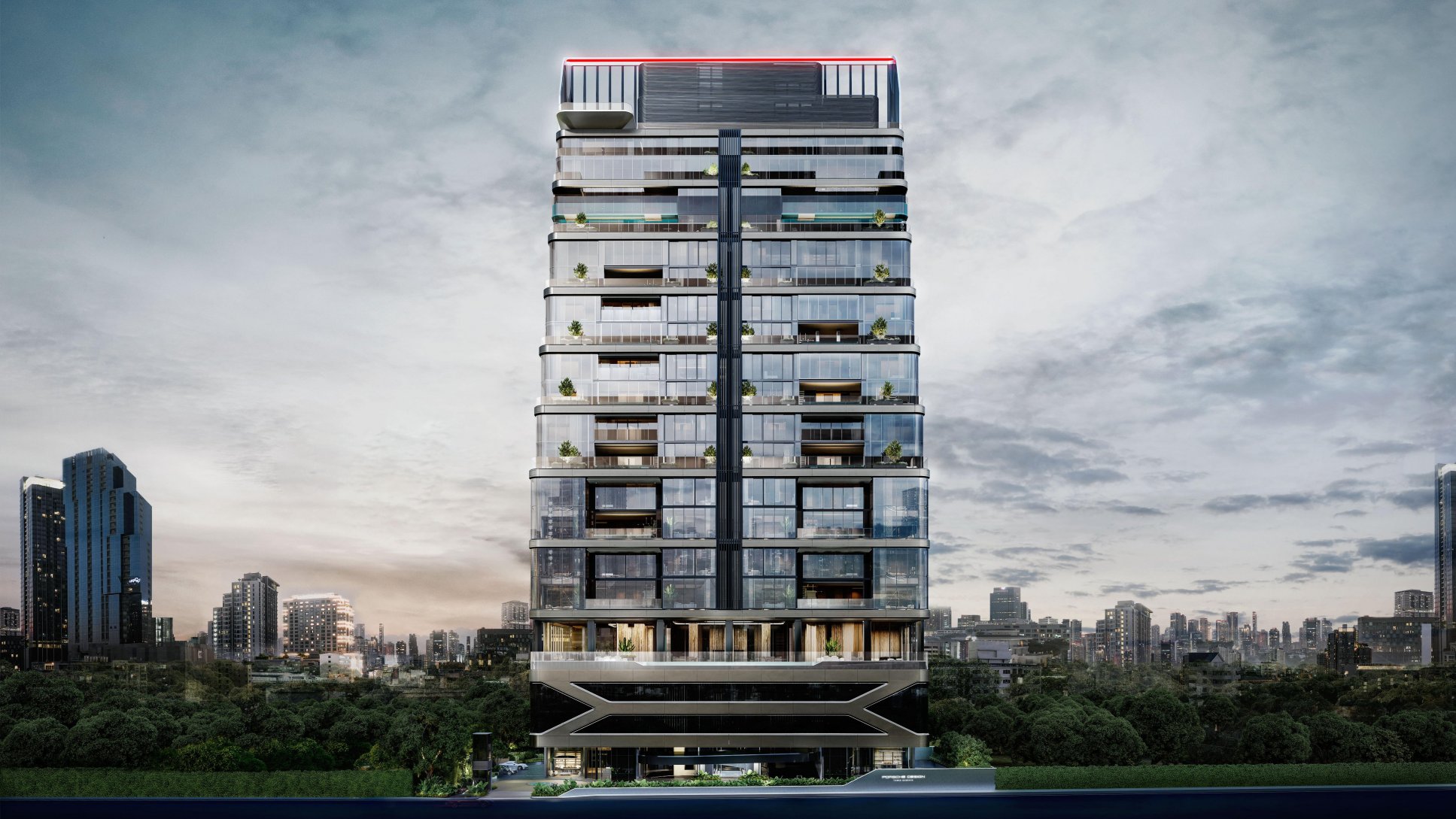
Bangkok branded residences are attractive to many foreign buyers because they combine recognisable names, managed living, strong design narratives and a sense of global familiarity. For an overseas investor, that can reduce uncertainty. A buyer who understands Mandarin Oriental, Ritz-Carlton, Porsche Design, Banyan Tree, Kempinski or similar hospitality-led brands may feel more comfortable evaluating a Bangkok residence than an unfamiliar standalone condominium.
A hotel or lifestyle brand can support buyer confidence, but the premium still needs unit-level underwriting.
The investment question is not whether a brand is impressive. It is whether the premium paid for that brand is supported by rent evidence, owner-use value, service quality, building scarcity and a believable resale audience. Bangkok has enough branded and ultra-luxury stock for buyers to compare rather than buy only from emotion.
JLL’s 2026 Thailand real estate outlook described a more selective market in which growth opportunities remain present but are increasingly concentrated in assets aligned with long-term demand drivers. That is a useful lens for branded residences. The best examples can sit inside that flight to quality, but the weakest investment cases can simply be expensive units with a strong logo.
What the premium is meant to buy
A branded residence premium usually reflects several layers. The first is location: most high-end branded projects are in central, riverside or embassy-adjacent districts where land is scarce and daily life is easy for international residents. The second is design and finishing, often with a stronger focus on lobbies, arrival experience, wellness, private lifts, concierge areas and view corridors.
The third layer is service. Depending on the project, this may include concierge support, housekeeping options, hotel privileges, owner events, valet, engineering support, food and beverage links or membership-style benefits. The fourth layer is identity. A globally recognised brand can make a property easier to explain to a foreign spouse, adviser, tenant or future buyer.
Those benefits matter, but they are not equal across every project. A genuine service platform with consistent delivery is different from a licence agreement that mostly appears in marketing. Buyers should ask exactly what the brand manages, what the juristic person manages, what is optional, what is included in common fees and what happens if brand standards change over time.
Branded residences should be compared by location, management, service model and future resale audience.
How to test rental value
Rental underwriting should start with the likely tenant. Some branded residences fit corporate executives, diplomatic families, high-net-worth retirees, regional business owners or buyers using the unit part-time. Others are more owner-occupier products where rental evidence may be thin. A strong rent story should be supported by comparable leases, not only by the assumption that a brand will automatically command more rent.
Foreign landlords should compare the branded unit against nearby luxury non-branded condominiums with similar size, view, furniture and transport access. If the branded premium is 25 percent but the achievable rent premium is only 10 percent, the buyer needs another reason to pay the difference. That reason might be personal use, scarcity, long holding horizon or confidence in resale, but it should be explicit.
Vacancy also deserves conservative modelling. Premium tenants can be selective and may wait for the right layout or view. A beautiful branded unit with awkward furniture, weak kitchen storage or limited parking can underperform a simpler building that better matches the tenant pool.
Service costs and common fees
The service layer that makes a branded residence feel premium can also increase holding costs. Buyers should review monthly common fees, sinking fund obligations, optional service charges, repair responsibilities, insurance, parking costs, hotel-benefit terms and any restrictions on leasing. A higher fee is not automatically negative if it preserves the building and tenant appeal, but it must be built into the yield and resale model.
Ask whether facilities are exclusive to residents, shared with a hotel, open to members or used for events. Shared facilities can be valuable if managed well, but they may also affect privacy, operating costs and the feel of daily living. Buyers should walk the building at different times and ask current residents or agents how the service experience works after handover, not only during a sales tour.
Resale depth matters more than the logo
The resale audience for a branded residence is usually narrower than for a well-priced mass luxury condominium. The next buyer must value the brand, the address, the size and the total ownership cost. That does not make resale weak, but it means pricing discipline at entry is essential. A buyer who overpays for a trophy address may need a long holding period before the market catches up.
Resale evidence should be checked by building and by competing district. Look at completed transaction history where available, asking-price reductions, time on market, foreign quota position, nearby new launches and whether brokers can identify active buyers for that exact price band. The more specialised the unit, the more important it is to know the exit audience before purchase.
The more distinctive the concept, the more carefully buyers should test long-term demand.
What to ask before paying the premium
What services are included, optional or subject to separate charges?
How does the common-fee level compare with nearby luxury buildings?
Is there evidence that tenants pay more for this brand in this location?
Does the unit layout suit the target tenant or future resale buyer?
How much of the premium is location, design, scarcity, brand, view or furniture?
What happens to owner privileges if the hotel or brand relationship changes?
Is foreign quota available and will it remain available at transfer?
Investor takeaway
Bangkok branded residences can be compelling assets for foreign buyers who value clarity, service and global positioning. The strongest cases combine a proven address, durable building management, practical layouts and a brand that genuinely improves daily life. The weakest cases rely on prestige without enough rent or resale support.
IBP can help buyers compare branded Bangkok residences against non-branded luxury alternatives by price, lease evidence and exit logic. Read our investment analysis articles or contact IBP Real Estate for a buyer-focused shortlist.
Thailand’s residential credit cycle is sending a more nuanced signal than a simple recovery headline. REIC reported that new housing loans nationwide reached 121,557 million baht in the first quarter of 2026, up 11.1% from a year earlier. That matters for Bangkok condominium buyers because mortgage availability influences local demand, developer confidence, resale liquidity and the tone of negotiations, even when a foreign buyer is paying in cash.
Mortgage lending can improve sentiment, but investors should still judge Bangkok condos building by building.
The headline should still be read carefully. A stronger lending quarter does not mean every condominium segment is improving at the same speed. REIC also described the wider market as still fragile, with energy costs, inflation pressure and weaker purchasing power keeping some buyers cautious. For foreign investors, the useful takeaway is not to assume that Bangkok is suddenly a broad seller’s market. It is to understand where improved credit can support activity and where discipline is still needed.
Why mortgage lending affects foreign buyers
Foreigners buying Bangkok condos are often less dependent on Thai mortgages than local buyers. Many use overseas funds, savings, family capital or finance arranged outside Thailand. Even so, domestic lending matters because the local buyer pool sets part of the resale and transfer environment. If Thai buyers struggle to borrow, developers may slow launches, sellers may accept longer negotiation, and completed stock may clear more slowly.
When banks begin lending a little more actively, that can help remove some pressure from the market. Local buyers can move, developers can recycle inventory, and resale owners may feel less trapped. But foreign buyers should not confuse a better credit reading with proof that a specific unit is liquid. Liquidity still depends on location, layout, building management, price, tenant demand and future supply nearby.
A broader credit cycle may support transactions, but it does not rescue weak buildings or poor layouts.
The credit signal is supportive, not decisive
REIC also noted that outstanding housing loans stood around 5.13 trillion baht, up 2.4%. That shows the housing finance base remains large, but it also explains why banks remain selective. A market with meaningful outstanding debt can improve gradually while lenders still examine borrower quality, income stability and collateral carefully. In Bangkok condos, this selectivity is one reason well-priced, completed, easy-to-understand units can attract attention while weaker stock sits longer.
The Bank of Thailand’s Q1 2026 banking-sector brief adds useful context. It described the banking system as resilient, with strong capital, provisions and liquidity, while noting that some households and SMEs still face tight conditions. For property investors, that is a reminder to separate system resilience from household affordability. A stable bank sector helps confidence, but affordability still decides whether ordinary buyers can transact.
It also affects the due-diligence timetable. If local credit is improving but still selective, sellers may become more confident before actual transaction evidence fully follows. Foreign buyers should therefore keep written offer conditions, valuation checks and remittance preparation organised. Speed is useful only when the buyer already knows the building, the competing stock and the likely exit audience.
What this means for bargaining
Foreign cash buyers should avoid assuming that cash alone guarantees a discount. In some buildings, sellers with good units and low holding costs will wait. In others, especially where inventory is deep or the owner needs liquidity, a clean cash offer with proper documents can still be persuasive. The credit environment changes the tone, not the need for evidence.
A practical approach is to ask three questions before offering. First, how many comparable units are actually available in the same building and immediate area? Second, how quickly have realistic listings moved in the last six to twelve months? Third, is the seller’s price supported by rent evidence, recent transfer values and the building’s condition? If those answers are weak, improved mortgage data should not push a buyer into overpaying.
Foreign buyers should connect market signals with unit planning, tenant depth and resale evidence.
Where the opportunity is selective
Better lending conditions can support mid-market and upgrader demand, but foreign investors usually need a narrower lens. The strongest Bangkok condo opportunities are still likely to be buildings with clear tenant demand, sensible common fees, good transport access, practical layouts and a management record that supports long-term ownership. A cheaper price in a difficult building is not automatically a better investment.
REIC’s 2026 transfer forecast also keeps expectations grounded. The data cited a nationwide housing transfer forecast of 312,814 units, down 1.1%, and transfer value of 845,235 million baht, down 2.3%. In other words, the market may be stabilising rather than surging. For buyers, that can be a useful environment if they are patient and evidence-led.
Checklist for foreign buyers
Use mortgage data as a market-temperature check, not as proof of a specific investment case.
Compare asking prices with completed resale evidence, not only developer list prices.
Model rent, vacancy, common fees, repairs, agent fees and resale timing conservatively.
Check whether local buyers can reasonably afford the same product if you need to resell.
Prefer buildings where management quality and unit planning support owner use as well as rental demand.
Buyer takeaway
The Q1 lending improvement is encouraging because it suggests the market has more movement than it did during the tightest credit period. But Bangkok remains a selective market. Foreign buyers should use the data to negotiate with more confidence, not to lower their standards. The best purchases will still be those where price, building quality, legal readiness and realistic exit demand line up.
IBP can help foreign buyers compare Bangkok condo options using resale evidence, rent assumptions and building-level due diligence. Read more in our investment analysis archive or contact IBP Real Estate for a buyer brief.
Bangkok’s high-end residential market is giving foreign buyers a useful but selective signal in 2026: rents can remain resilient even when capital values are under pressure. JLL’s Q1 2026 Bangkok residential commentary reported that central business area luxury condo rents rose 0.3 percent quarter on quarter and 5.1 percent year on year, while capital values fell 1.3 percent quarter on quarter. That combination pushed market yields slightly higher to 5.4 percent in Q1.
Luxury rental demand is strongest where transport, office, lifestyle and school access overlap.
This does not mean every Bangkok luxury condominium is suddenly a yield bargain. It means buyers should separate the rent story from the resale story, then test both against the actual building, unit and tenant audience. A unit can rent well but still face slow resale if the purchase price is too ambitious. Another unit can have moderate rent but stronger exit logic because the location, layout and building condition are easier for future buyers to understand.
The practical reading for overseas investors is disciplined optimism. Bangkok remains a liveable, globally connected city with deep expatriate, business, healthcare, education and lifestyle demand. But the market is not rewarding careless buying. The best opportunities are likely to be in buildings where rental evidence is real, incentives are transparent and pricing already reflects softer buyer sentiment.
What the Q1 rent signal shows
JLL described demand as bottoming out and gradually recovering in Q1 2026, helped by discounts on existing projects in Thonglor and Phrom Phong. The firm also noted strong foreign-buyer interest in new launches, with some projects nearing foreign quota. That matters because foreign quota is not just a legal point; it can be a demand indicator in projects that genuinely attract overseas buyers.
At the same time, JLL reported that inventory clearance continued to pressure both primary and resale condo markets. For investors, the message is that rental demand and capital growth are not moving in a straight line. Tenants may still want flexibility and high-quality locations, while buyers remain cautious about price, completion pipeline, global conditions and local purchasing power.
Why rents can hold when prices soften
Rental demand can be more immediate than purchase demand. A family relocating for work may need a home near school and office within weeks. A regional executive may choose a serviced, well-managed condominium rather than commit capital to a purchase. A tenant testing Bangkok before buying may prefer a premium lease with flexibility. These groups can support rents even while buyers negotiate harder on purchase prices.
This is especially true in prime areas where daily life is efficient. Phrom Phong, Thonglor, Asoke, Ploenchit, Chit Lom, Silom, Sathorn and selected riverside addresses each serve different tenant pools. The strongest locations are not only fashionable; they solve daily problems such as commuting, schooling, hospital access, grocery routines, dining, airport links and weekend lifestyle.
Building quality and management decide whether a rent signal becomes a practical investment case.
What buyers should still check
A market yield is an average, not a promise. Foreign buyers should build a unit-level model with realistic rent, vacancy, agent fees, common fees, sinking fund exposure, furniture replacement, repairs, insurance, transfer costs and resale assumptions. A headline rent can disappear quickly if the unit needs expensive furnishing, sits vacant between leases or competes with many similar units in the same tower.
Buyers should also ask whether the rent is supported by actual signed leases or only by asking prices. The more comparable evidence an owner can collect before purchase, the safer the underwriting. Useful evidence includes same-building rents, renewal behaviour, tenant profile, lease length, furnishing quality, floor level, view, parking, pet rules and whether the building attracts corporate or individual tenants.
The two-bedroom lesson
JLL noted that two-bedroom units in the 60 to 100 sq.m. range gained strong interest from end buyers in recent launches. This is worth attention because it points to practical use. Compact luxury one-bedroom units can be easy to rent in the right location, but two-bedroom units may serve couples, small families, work-from-home tenants and executives who want a guest room or office. That wider use case can support both rental and resale demand when the layout is efficient.
Foreign buyers should not assume bigger is always better. Large units have a narrower tenant pool and higher absolute holding costs. The better test is whether the unit size, room count and monthly rent align with a clear tenant audience. If a two-bedroom has a weak second room, poor storage or an awkward kitchen, its size advantage may not translate into better demand.
How to read new supply
JLL reported that two luxury projects totalling 315 units completed in Q1, bringing total stock to 73,885 units, and expected about 1,000 units to complete in 2026 with presales nearing 84 percent. New supply can help tenants by adding choice, and it can pressure older buildings that have not maintained standards. It can also support buyer confidence when developers focus on proven districts rather than speculative locations.
For an overseas investor, new supply should be mapped against the target tenant. If several new premium buildings are completing in the same rental catchment, tenants may demand better furniture, sharper pricing or stronger facilities. If a completed building has lower entry pricing but strong management and location, the resale unit may still compete well.
A rent-led purchase still needs conservative vacancy, furnishing and resale assumptions.
A buyer checklist for 2026
Model rent from signed or recently achieved leases, not only advertised asking prices.
Compare same-building and nearby units by size, view, furnishing, floor and lease length.
Stress test vacancy, agent fees, repairs, furniture replacement and common fees.
Check foreign quota, title status and whether the building attracts repeat expatriate demand.
Treat price discounts as useful only when they improve both yield and resale logic.
Avoid overpaying for a view, brand or facility package that tenants will not price highly.
Investor takeaway
Bangkok luxury condo rents in Q1 2026 suggest that the tenant base remains selective but alive. Softer capital values can create room for better entry pricing, yet the safest investor response is not to chase yield in isolation. It is to buy a unit that can rent, hold and resell through several market conditions.
IBP can help foreign buyers compare Bangkok luxury condos by rent evidence, building quality and exit demand before reserving. Read our investment analysis guides or contact IBP Real Estate for a buyer-focused shortlist.