
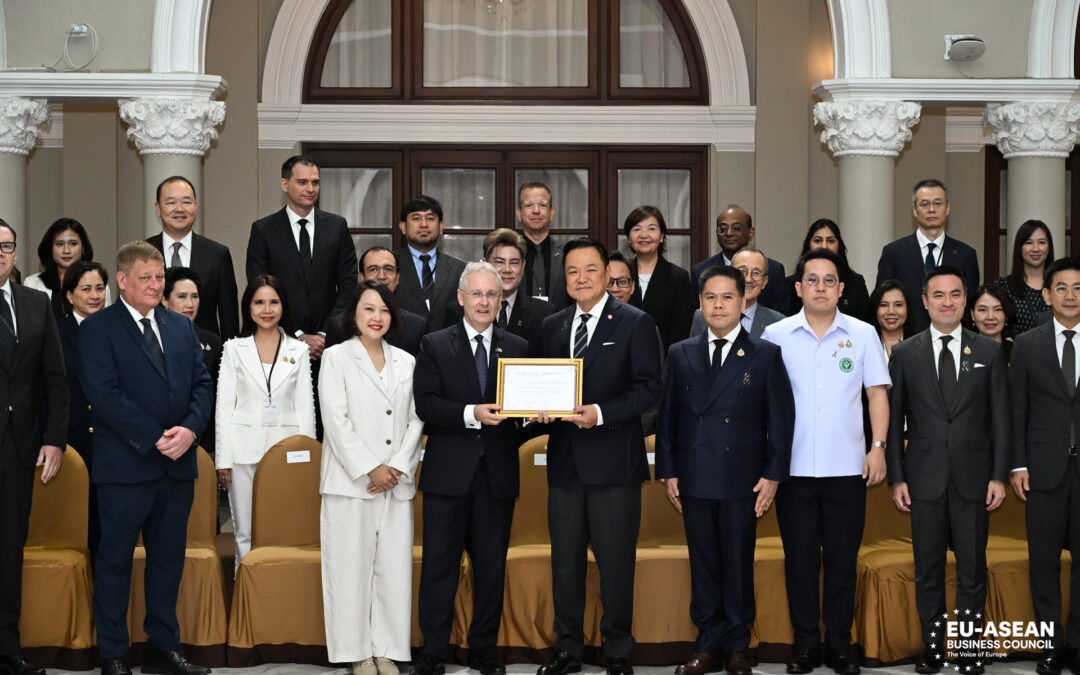
Thailand’s engagement with European business leaders intensified in Bangkok in mid-July 2026. The meetings matter to property investors because sustained corporate activity can influence skilled employment, executive mobility and confidence in Bangkok as a regional operating base.
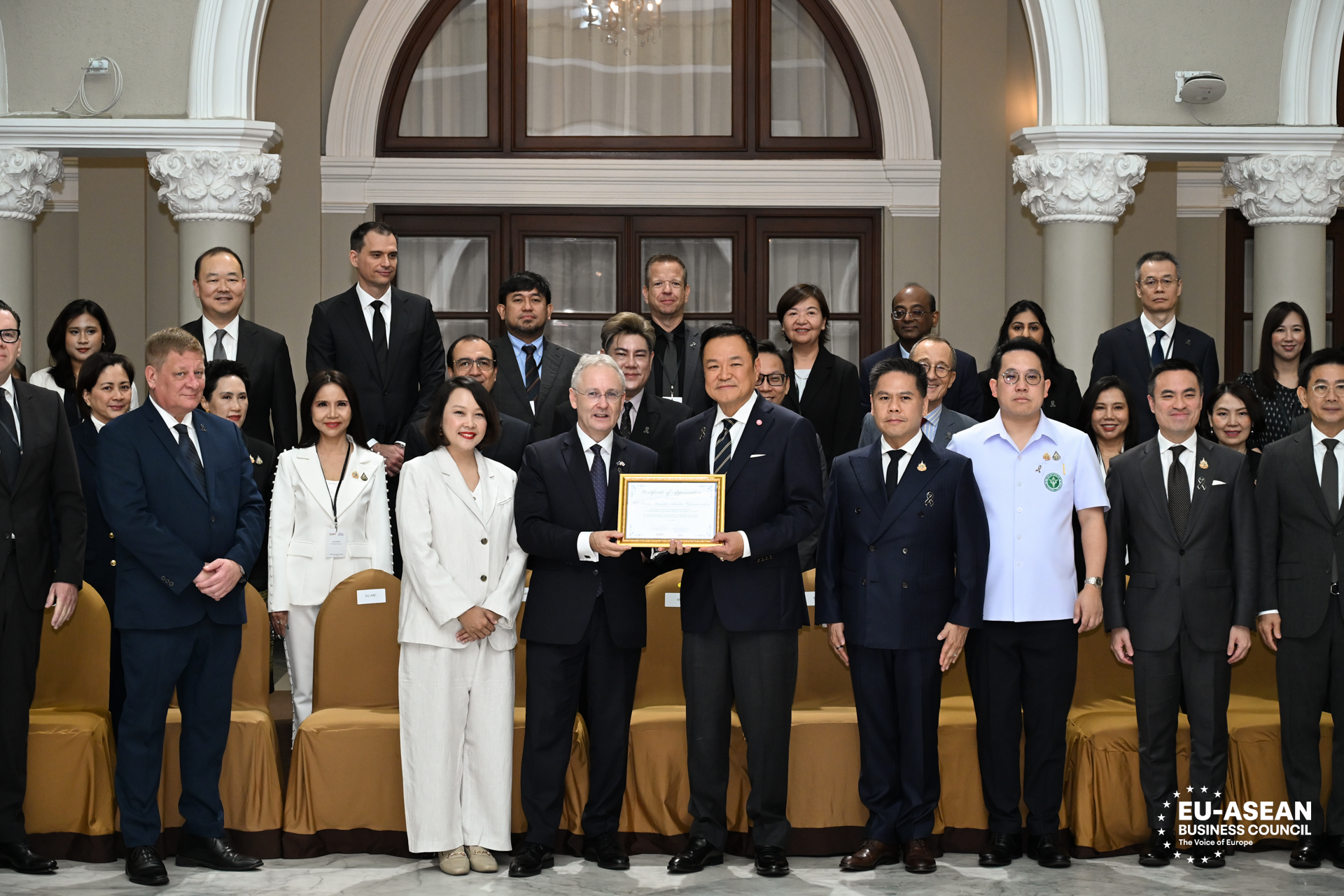
That connection should be treated carefully. A policy meeting does not create immediate condo demand, and an active trade negotiation is not a completed agreement. The useful signal is that government and business are discussing the practical conditions needed for longer-term investment.
What happened in Bangkok
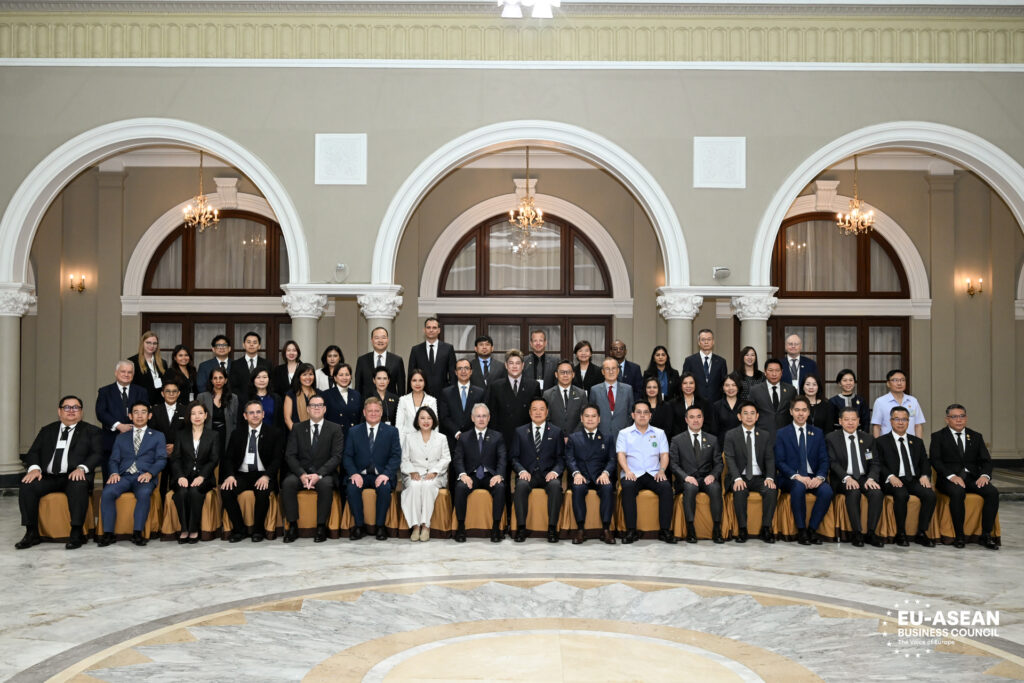
On 16 July, Thailand’s Prime Minister met executives from more than 40 European companies, according to the government’s official account. The meeting formed part of a three-day EU-ASEAN Business Council mission to Bangkok involving senior Thai officials and European corporate representatives.
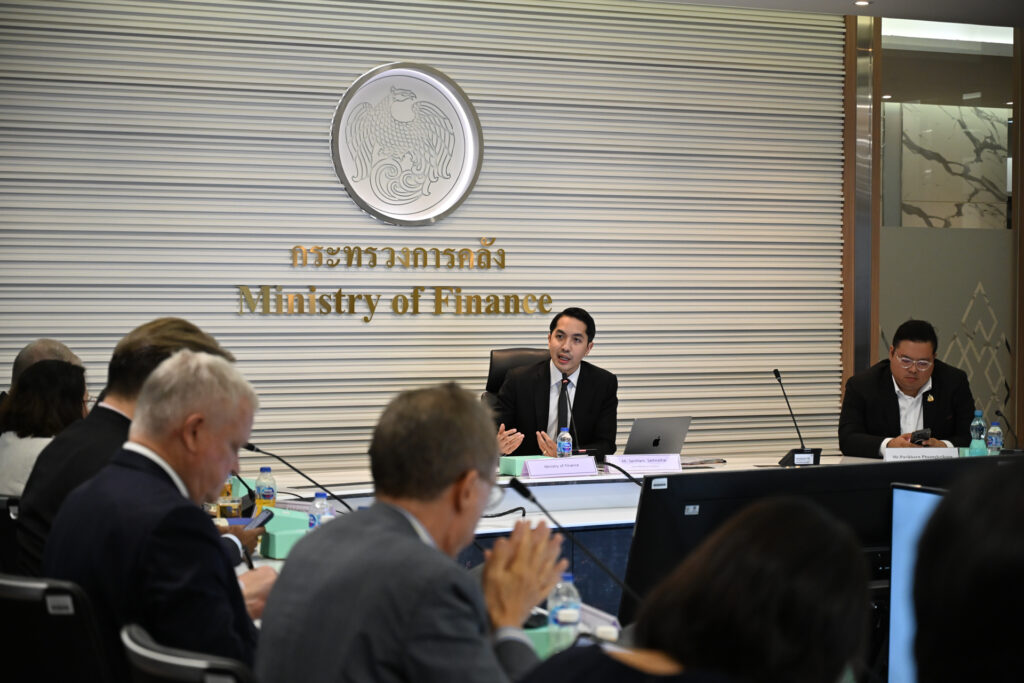
The discussions covered trade, investment and the business environment. European participants represented areas including manufacturing, healthcare, consumer industries, financial services and the digital economy. The delegation also held meetings touching on customs, energy, public health, commerce and monetary policy.
FTA momentum is one part of the story
Both Thai officials and European business representatives expressed support for progress on the Thailand-EU Free Trade Agreement. The EU Council was still describing negotiations with Thailand as ongoing at its May 2026 trade meeting, so investors should not treat the July dialogue as completion.
The business case extends beyond tariffs. Participants highlighted market access, customs efficiency, investment protection and cooperation in green and digital activity. Those operating details can influence whether companies expand teams, add facilities or deepen regional functions in Thailand.
Thailand presented an investment reform agenda
The government’s account highlighted digital infrastructure, artificial intelligence, clean energy, transport and logistics. It also referred to the Thailand FastPass programme, OECD accession and a plan to update outdated laws and regulations.
For investors, implementation matters more than the length of the agenda. Useful future evidence would include clearer procedures, project approvals turning into operating activity, local hiring, training, supplier contracts and expansion by established companies.
Why Bangkok remains central
Bangkok concentrates corporate headquarters, professional services, embassies, international schools, private healthcare, air links and a large urban labour market. When international businesses assess Thailand, many decision-makers and specialist teams pass through or base themselves in the capital.
This can support diverse housing needs, from centrally located rental condos to larger homes suited to relocating families. Demand is not uniform. Office location, travel policy, assignment length, school choices and employer budgets determine which districts and buildings benefit.
Green and digital investment can reshape demand
European businesses emphasised low-carbon manufacturing, digital infrastructure, healthcare, life sciences, sustainable food systems and resilient supply chains during the mission. Growth in these areas can add technical, managerial and professional roles across Thailand.
Some employees may live near established Bangkok business districts; others may prioritise airport or motorway access to industrial locations. Investors should map real workplace patterns instead of assuming that every new project creates demand in the city centre.
Signals foreign property buyers can monitor
- Concrete progress in the Thailand-EU negotiation process.
- Published regulatory changes and faster operating approvals.
- New European regional offices or expanded local teams.
- Hiring in digital, healthcare, engineering and professional services.
- Office take-up and relocation activity in relevant Bangkok districts.
- Residential leasing evidence from comparable units.
- Infrastructure delivery that improves real commuting patterns.
These indicators should be reviewed as a sequence. A memorandum or meeting may be followed by approvals, capital expenditure, recruitment and only later by sustained housing demand. Property decisions made before that chain is visible require a wider margin of safety.
The July meetings strengthen the evidence that Thailand is actively courting high-quality international business and listening to operational concerns. They do not guarantee an investment outcome or a property cycle. For condo buyers, the disciplined approach is to connect national policy with observed company activity and building-level rental evidence.
Follow IBP’s Thailand economy and investment coverage and Bangkok property analysis, or contact IBP Real Estate to discuss districts linked to durable employment demand.