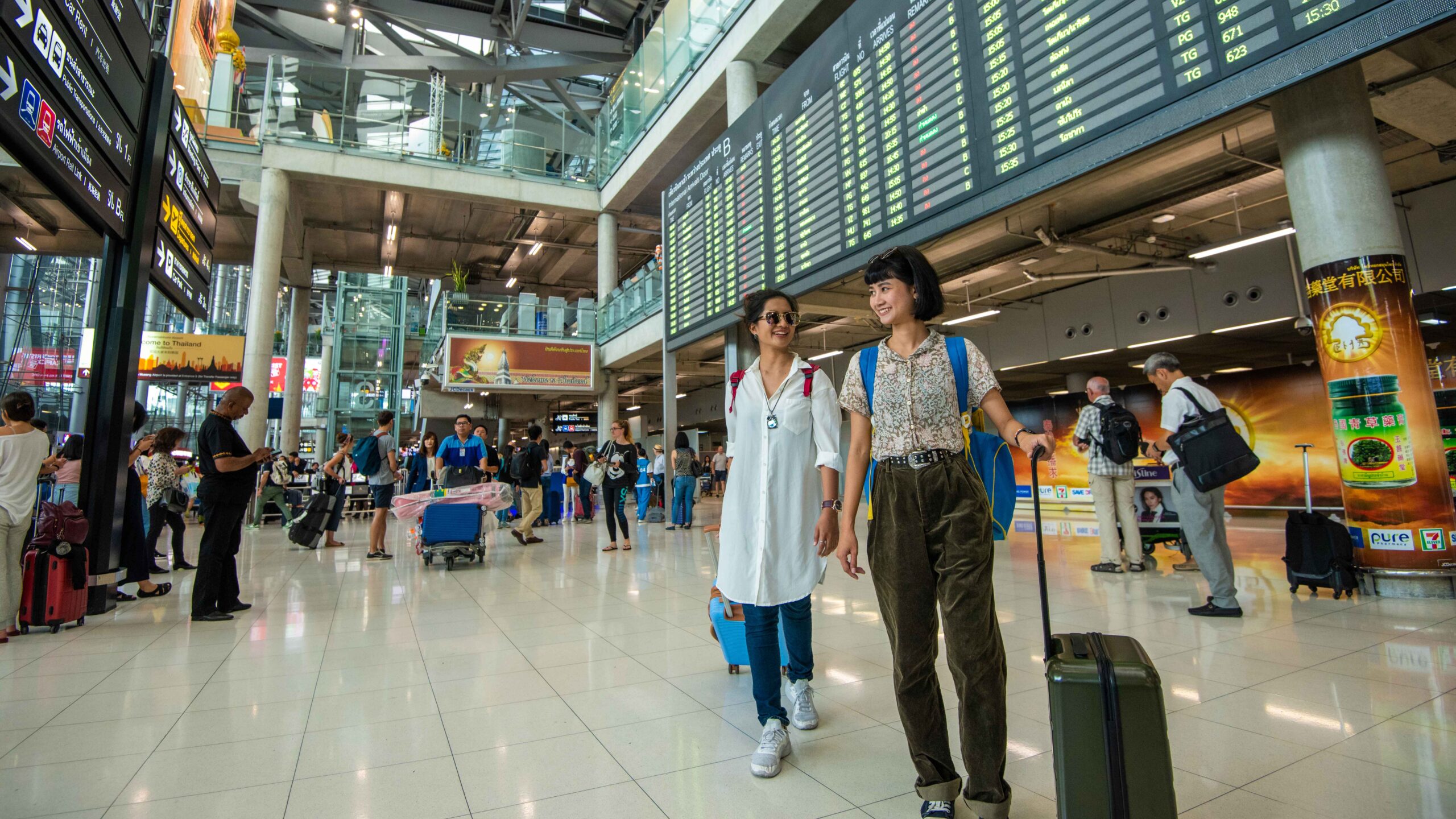
Bangkok property confidence is built partly on local demand, and partly on how easily the city connects with the world. That is why the planned LOT Polish Airlines Warsaw-Bangkok service is worth noting for foreign buyers. It adds another direct long-haul route into Bangkok and strengthens Thailand’s visibility in Central Europe.
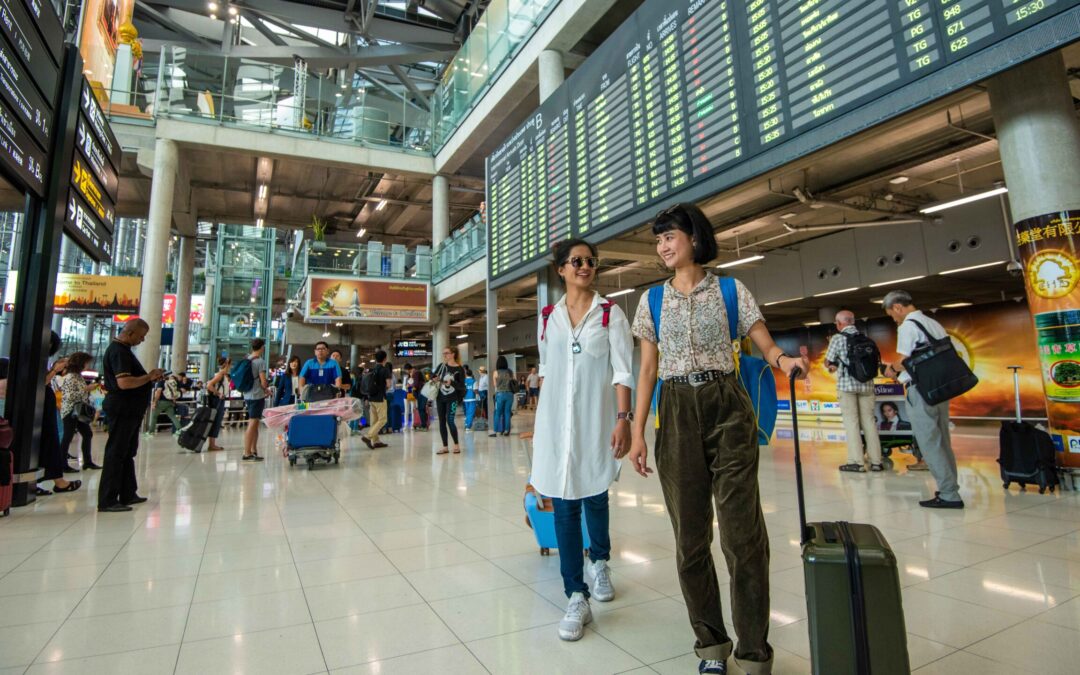
TAT positioned the Warsaw-Bangkok service as a new direct gateway from Central Europe to Thailand.
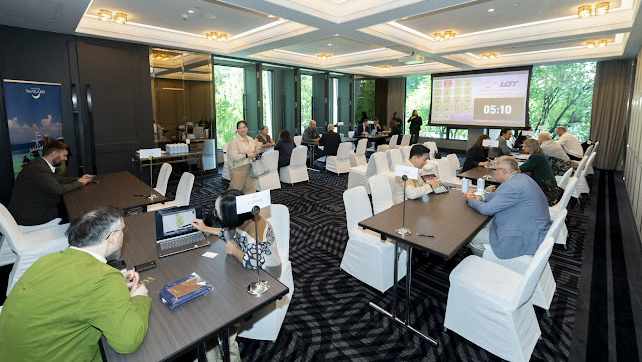
The Tourism Authority of Thailand reported that its TAT x LOT Polish Airlines familiarisation trip and Tabletop Sale in Bangkok on 25 May 2026 connected Thai tourism suppliers with Polish travel partners ahead of LOT Polish Airlines’ inaugural direct Warsaw-Bangkok service on 7 October 2026.
According to TAT, the route will launch with three weekly flights and increase to five weekly frequencies from 26 October 2026 through the winter 2026/2027 season. The route is expected to use Boeing 787 Dreamliner aircraft with 252 seats and a flight time of approximately 10 hours and 20 minutes.
Why this matters to Bangkok
A new direct European service does not directly push condominium prices higher. The effect is broader. Direct access makes Bangkok easier to visit, inspect, revisit and use as a second-home or regional base. It reduces friction for travellers who might otherwise connect through other European or Middle Eastern hubs.
This matters because Bangkok’s property appeal to foreigners is not only about ownership law or price. It is also about confidence in the city’s role as a gateway. A city with more direct routes can support tourism, hotels, medical visits, education trips, business events, family travel and recurring inspection journeys for prospective buyers.
Trade programmes help turn new air links into travel demand and market readiness.
The Poland demand signal
TAT described Poland as one of Thailand’s rising European markets. It said Thailand welcomed 237,570 Polish visitors in 2025, up 31.46 percent from 2024. From 1 January to 18 May 2026, Polish arrivals reached 137,772, up 17.08 percent from the same period in 2025.
TAT also said the new direct Warsaw-Bangkok route is expected to generate approximately 47,000 visitors and 3.196 billion baht in tourism revenue during winter 2026/2027, with continued growth forecast for winter 2027/2028. These are tourism figures, not property forecasts, but they show why Thailand is investing attention in the Central European market.
How foreign buyers should interpret it
The property link is strongest in districts that already serve international users. Sukhumvit, Chit Lom, Langsuan, Sathorn, Silom, Riverside, Rama IV and selected hospital or school corridors benefit from the wider ecosystem of hotels, restaurants, serviced apartments, private healthcare, shopping and business services.
A buyer from Europe may begin with a holiday or family trip, then return for healthcare, remote work, school checks or an investment viewing. Direct flights make that repeat behaviour easier. For landlords, the route may add to the wider pool of long-stay visitors and executives who need well-managed rental homes, though actual leasing demand still depends on price, location and unit quality.
Do not mistake connectivity for a guarantee
Air access is a support signal, not a substitute for due diligence. A poorly priced unit in a weak building will not become a good investment because a new route launches. Buyers still need to verify foreign quota, title documents, common fees, building management, rent evidence, resale comparables and realistic holding costs.
The strongest Bangkok purchases combine macro confidence with daily usefulness. That means clear transport, good building management, practical layouts, reasonable total ticket, credible tenant demand and an exit story that future buyers can understand quickly.
For property buyers, air access supports confidence but does not replace building-level due diligence.
Investor takeaway
The Warsaw-Bangkok route improves Thailand’s direct long-haul access from Central Europe.
Polish visitor growth adds another quality-tourism signal for Bangkok service economy.
Prime districts benefit most when air access, hotels, healthcare, retail and business services overlap.
Foreign buyers should treat the route as confidence context, not a price forecast.
Bangkok’s global connectivity remains one of the reasons foreign buyers keep the city on their shortlist. The LOT Polish Airlines route reinforces that story. The buyer’s job is to translate that confidence into a disciplined property decision, not to overpay for a broad macro narrative.
IBP can help overseas buyers connect Thailand economy and connectivity news with Bangkok condominium due diligence. Read our Thailand economy updates or contact IBP Real Estate for a buyer consultation.
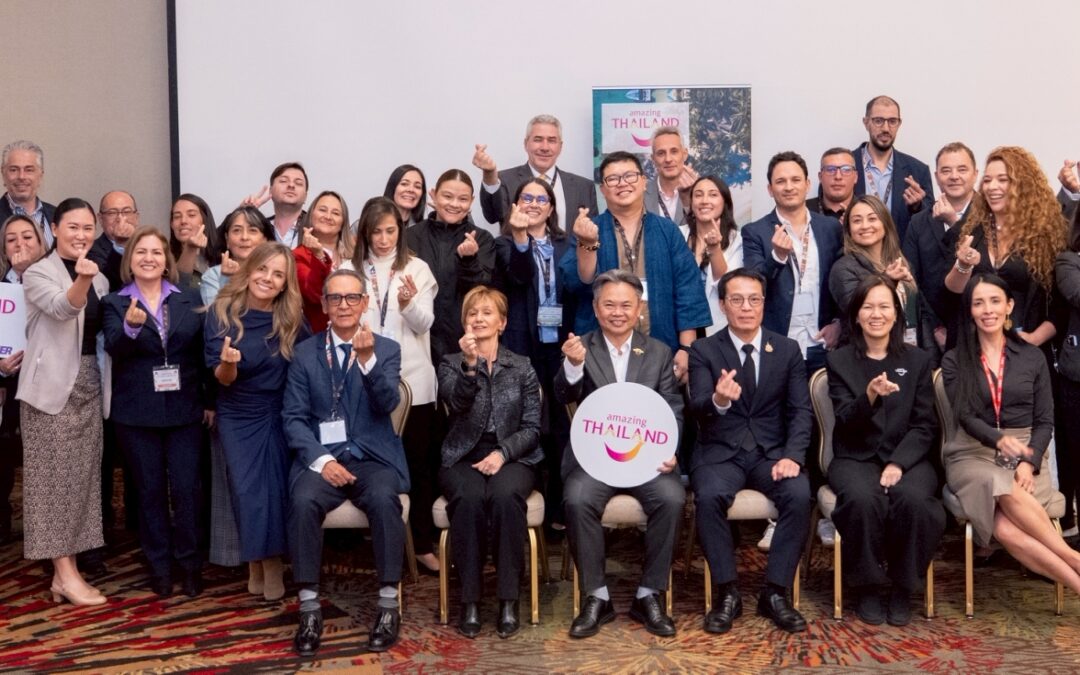
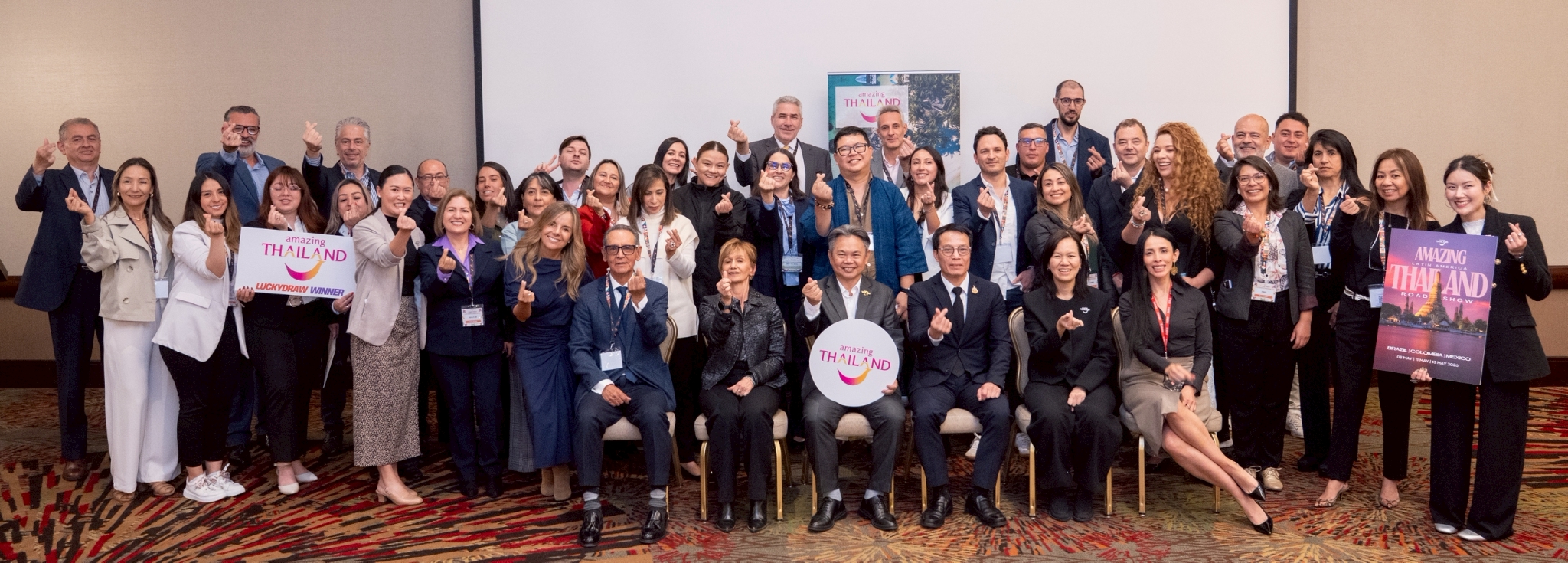
Thailand’s latest long-haul tourism push gives Bangkok property buyers another confidence signal to interpret carefully. The Tourism Authority of Thailand reported that the Amazing Thailand Latin America Roadshow 2026 connected Thai tourism suppliers with travel companies in Sao Paulo, Bogota and Mexico City from 8 to 13 May 2026.
Thailand is working to expand long-haul visibility in emerging source markets beyond Asia.
TAT said the programme brought together 11 Thai tourism suppliers and 85 travel companies, generating 487 pre-scheduled business meetings. The campaign aligned with Thailand’s 2026 communication direction, “Healing is the New Luxury”, and its “Value over Volume” strategy for quality long-haul growth.
For property buyers, this does not mean Latin American arrivals will directly drive Bangkok condo prices. The point is broader: Thailand continues to market itself as a premium, wellness, culture and experience-led destination to more distant source markets. That helps support Bangkok’s global visibility, hotel economy, medical and wellness positioning, and the perception of Thailand as an internationally connected base.
Connectivity was part of the roadshow message as well. TAT said Ethiopian Airlines joined the Sao Paulo event, while Emirates participated in Bogota and Mexico City, reinforcing available routes between Latin America and Thailand through major global hubs. For Bangkok, that matters because ease of arrival shapes repeat visitation, inspection trips and confidence in holding a property from overseas.
Why long-haul tourism matters
Bangkok is not only a local housing market. It is the main gateway to Thailand for business visitors, leisure travellers, medical tourists, regional families and expatriates. When Thailand builds recognition in long-haul markets, Bangkok benefits first because it provides international airport access, hotels, private healthcare, retail, dining, culture and onward travel connections.
TAT’s update said Thailand welcomed 221,824 visitors from Latin America in 2025, up from 134,800 in 2024. Brazil was the largest source market with 70,103 visitors, followed by Mexico with 50,144, Argentina with 28,058 and Colombia with 27,301. From 1 January to 30 April 2026, arrivals from Latin America reached 86,057, signalling continued momentum.
Trade meetings help convert destination awareness into future travel and business pipelines.
The property link is indirect but real
Foreign property demand rarely comes from one campaign. It builds from repeated exposure: a holiday, a hospital visit, a school search, a regional work assignment, a business event or a second-home conversation. Long-haul tourism marketing increases the number of people who understand Thailand well enough to consider spending more time here.
That matters for Bangkok because premium residential demand is linked to more than local wages. It is supported by international schools, private hospitals, hotels, restaurants, serviced apartments, flexible offices, airports and a deep lifestyle economy. Buyers looking at Sukhumvit, Silom, Sathorn, Chit Lom, Langsuan, Riverside and Rama IV should understand how those urban services sit inside a wider tourism and business ecosystem.
Do not overread the signal
A roadshow is a confidence signal, not a transaction guarantee. It does not replace due diligence on price, title, foreign quota, building management, rental evidence or resale depth. It also does not mean every district benefits equally. The property link is strongest where international visitors and residents already spend time: hotel districts, hospital corridors, central retail nodes, riverside luxury areas and well-connected BTS or MRT neighbourhoods.
Buyers should also separate tourism visibility from tenant demand. A visitor may become a repeat traveller without becoming a long-term tenant. A corporate tenant still needs employment, school, commute and budget reasons to lease a condo. The best investment cases combine macro confidence with unit-level evidence.
For Bangkok property buyers, international tourism promotion is a confidence layer, not a price forecast.
What foreign buyers can take from it
Thailand is broadening its quality-tourism audience beyond nearby Asian markets.
Bangkok remains the first city many long-haul travellers use to understand Thailand.
Premium residential districts benefit most when tourism, healthcare, retail and business services overlap.
Connectivity and visibility should support confidence, but never replace building-level due diligence.
Investor takeaway
The Latin America Roadshow adds to Bangkok’s global-city story. It reinforces Thailand’s effort to attract quality travellers and promote higher-value experiences, which can support the wider services economy around prime residential districts. For property buyers, the practical response is to treat tourism momentum as context and still buy only where price, building and district fundamentals are clear.
IBP can help overseas buyers connect Thailand tourism and economy signals with Bangkok condo due diligence. Read our Thailand economy updates or contact IBP Real Estate for a buyer consultation.
Thailands tourism direction for 2026 is increasingly framed around value rather than raw visitor volume. For foreign buyers considering Bangkok property, that shift matters because high-quality travel can support a more durable demand base: longer stays, stronger spending, medical and wellness trips, business events, culture-led visits and repeat regional travel.
Thailand is steering its tourism strategy toward higher-quality, value-led travel.
The Tourism Authority of Thailand reported that the country recorded 9.31 million international arrivals in the first quarter of 2026. China remained the largest visitor market with 1.49 million travellers, followed by Malaysia, Russia, India and South Korea. TAT also projected approximately 30 to 34 million international arrivals for 2026 and total tourism revenue of about 2.58 trillion baht.
Why value-led tourism is different from crowd counting
For property, the most useful question is not only how many people arrive. It is who arrives, why they come, how long they stay and what level of accommodation and lifestyle they require. A visitor who comes for a medical programme, executive meeting, family school search or wellness stay can have a different city footprint from a short budget trip.
Bangkok benefits from this because it is the countrys main airport, business, healthcare, retail and hospitality hub. Even when visitors continue to Phuket, Chiang Mai or Samui, many pass through Bangkok. Some return for repeat visits, part-time living or investment scouting. That is why tourism confidence can become a residential property signal, especially in districts with transport, hospitals, hotels, malls and serviced-living options.
What it means for rental demand
A value-over-volume strategy should not be read as a promise of higher rents. It is better understood as a demand-quality indicator. Owners still need the right unit, price, location and management. But a city that attracts international patients, executives, families and culture-led travellers may have more layers of rental demand than a city dependent on one narrow visitor group.
Quality tourism is relevant to Bangkok property because long-stay and premium visitors support deeper city demand.
This is particularly relevant for well-connected condominiums near Sukhumvit, Silom, Sathorn, Rama IV, riverside hospitality clusters and medical hubs. Tenants in these areas may include relocation families, consultants, airline and hospitality executives, wellness visitors and business owners who want flexible city access. The best units for this audience are not always the biggest; they are the ones that make a stay efficient.
Confidence, branding and the premium city effect
TATs emphasis on safety, quality, reliability and wellbeing is also part of Bangkoks global positioning. Foreign property buyers usually compare Bangkok with other Asian cities on cost, lifestyle, healthcare, schools, connectivity and ease of ownership. A tourism brand built around confidence can reinforce the idea that Bangkok is a liveable base, not only a place to visit.
This is why premium retail, healthcare, dining, hotel and event infrastructure matter to property investors. They create everyday reasons for people with international budgets to spend time in the city. That can support both owner-occupier appeal and rental liquidity, provided the specific condominium is well selected.
The nuance is that value-led tourism may concentrate benefits in better-managed locations rather than lift every asset equally. Buildings close to transport, hospitals, embassies, retail and hospitality clusters are more likely to convert visitor confidence into residential interest. Peripheral or poorly maintained units may see little benefit even when national tourism revenue is strong.
How buyers should use this signal
Use the tourism strategy as background, not as a substitute for asset due diligence. Buyers should still test building quality, common fees, rent comparables, tenant profile, resale depth and currency exposure. A strong national tourism narrative does not rescue a poor unit in a weak building.
A diversified tourism base can help support Bangkoks role as the countrys main global gateway.
Foreign buyers should also watch how hotels, airlines, medical providers and event venues respond through the year. When these operators add capacity, renovate, hire or launch higher-value services, it can strengthen the case for nearby residential districts. When demand softens, it may show up first in hotel rates and serviced-apartment leasing before condominium owners feel it.
The better use is to identify districts where tourism, business and residential demand overlap. IBP can help buyers compare these overlaps through the Thailand Economy & Investment News archive and a Bangkok property search built around realistic tenant demand.
Thailand tourism policy is not only a hotel story. For Bangkok property buyers, tourism influences aviation capacity, retail sales, serviced residences, short-stay demand, restaurant spending, wellness investment and the confidence global companies have in Bangkok as a regional base.
In 2026, the Tourism Authority of Thailand is emphasising quality-led growth rather than simple arrival volume. TATs January 2026 Thailand Tourism Next announcement set a target of up to three trillion baht in total tourism revenue, while its April update reaffirmed a value-over-volume direction focused on high-value experiences, market diversification, safety, reliability and wellbeing.
This matters to foreign buyers because Bangkok is the main gateway, corporate meeting point and premium lifestyle showcase for Thailand. A stronger, better-managed tourism economy can support the citys property ecosystem even when the direct buyer is purchasing a condominium for long-term living rather than tourist rental.
TAT has reaffirmed a 2026 tourism strategy focused on value, quality and resilience. Image: TAT Newsroom.
From recovery to quality growth
TATs 2026 message is that Thailand wants to move beyond recovery and compete on value. That is important because high-volume tourism can fill rooms but still pressure infrastructure and margins. Value-led tourism aims for better spending, stronger experiences and more resilient demand across different source markets.
For Bangkok, this supports the premium end of the city. International visitors who come for wellness, dining, shopping, medical services, meetings and culture are more likely to spend in central districts. That spending helps sustain malls, restaurants, hotels, private clinics, transport services and lifestyle venues that also make Bangkok more liveable for residents.
A foreign condominium buyer should not convert tourism targets into a guaranteed yield. The connection is indirect. The better question is whether tourism policy supports the everyday ecosystem around the districts where tenants and owners want to live.
Why Bangkok benefits first
Bangkok captures a large share of national visibility because many travellers arrive through the capital, stay before onward trips, attend meetings, visit hospitals, shop, dine or use the city as a base for regional travel. Even buyers focused on long-term ownership benefit from this connectivity.
A globally connected city tends to have deeper rental demand. Expatriates, consultants, airline and hospitality staff, regional executives, medical visitors, education-related families and digital-sector workers all interact with the same urban infrastructure. Better tourism services can improve the citys reputation and make relocation feel less risky.
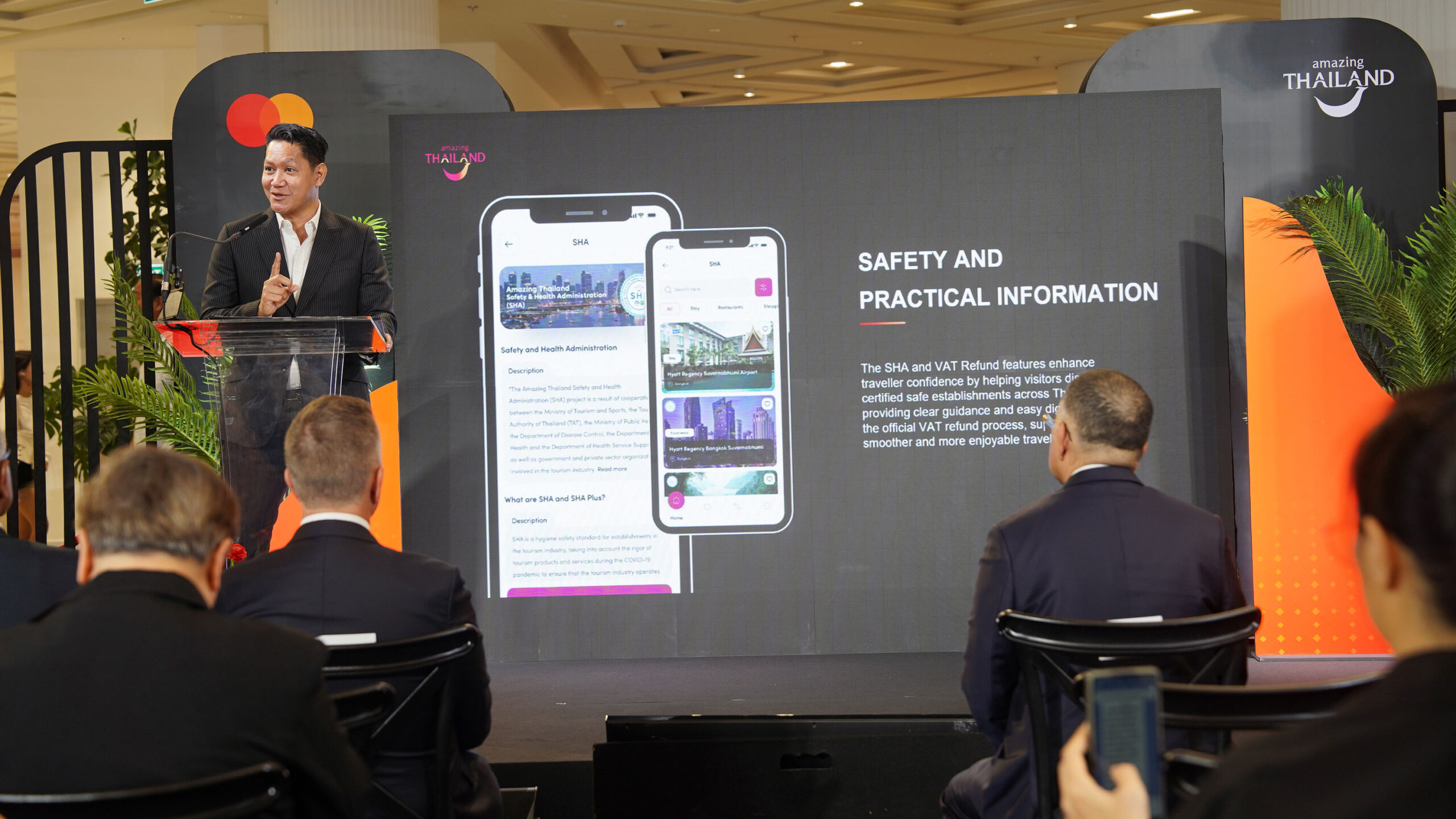
TATs digital initiatives, including the enhanced Amazing Thailand app launched with Mastercard for public rollout in March 2026, also signal a push to make travel easier and more organised. For property buyers, small improvements in visitor experience can support the broader perception that Thailand is professionalising its premium tourism platform.
Thailand Tourism Next set a quality-led direction for tourism revenue and long-term competitiveness. Image: TAT Newsroom.
The property channels to watch
The first channel is hospitality. A healthier tourism market supports hotels, serviced apartments and branded residences. That can lift expectations for service quality in nearby luxury condominiums and strengthen demand in districts with hotel, retail and office clusters.
The second channel is retail and dining. Bangkoks leading malls and lifestyle districts rely on both residents and visitors. When tourism spend is stronger, retail landlords and operators have more reason to invest in tenant mix, events and upgrades. This improves liveability for condominium owners in surrounding areas.
The third channel is corporate confidence. Tourism and MICE activity keep Bangkok visible to regional decision makers. Business travel, conferences and airline connectivity make it easier for companies to choose Bangkok for teams, sales offices or regional functions. That, in turn, supports professional tenant demand.
Risks foreign buyers should keep in view
Tourism is cyclical. Exchange rates, airline capacity, regional competition, safety perception, geopolitics and economic conditions can all affect arrivals and spending. Buyers should avoid investment cases that depend on aggressive short-stay income or constant visitor growth.
Regulation also matters. Condominium buildings have their own rules, and many juristic persons restrict hotel-like short stays. A foreign buyer who wants rental income should focus on legal long-term leasing unless the property structure clearly supports another model.
The durable takeaway is broader: tourism supports Bangkoks city quality, but a sound property purchase still depends on location, legal structure, building management, price and tenant fit.
Digital visitor services are part of Thailands effort to improve the travel experience. Image: TAT Newsroom.
What this means for a 2026 buyer
TATs value-led strategy is positive background for Bangkok property because it supports the citys premium infrastructure and international appeal. It strengthens the case for districts with hotels, hospitals, malls, parks, offices and mass transit rather than isolated projects that depend on one narrow demand source.
For buyers comparing Bangkok condominiums in 2026, the tourism story should be used as a confidence filter, not a substitute for due diligence. Choose buildings that a real resident would want to live in during normal weeks, not only during peak travel seasons.
Invest Bangkok Property can help foreign buyers connect the macro story to practical district and building choices, including rental evidence, ownership structure and exit planning.