A Bangkok condo can be easy to rent in a strong location and still be difficult to manage if the tenant screening process is weak. Foreign owners often focus on headline rent, agent commission and furnishing cost, but the quality of the tenant is just as important. A poorly matched tenant can create unpaid bills, complaints from juristic management, avoidable repairs, deposit disputes and months of administrative friction for an owner who may be overseas.
Good tenant screening starts with clear records before keys are handed over.
Tenant screening in Bangkok does not need to be aggressive or intrusive. It should be practical, consistent and respectful. The aim is to confirm that the tenant can pay, understands the building rules, has a credible reason for renting the unit, and will use the property in a way that matches the lease. A calm process protects both sides because expectations are clear before money, keys and passport copies change hands.
Start with the tenant profile the unit actually suits
The screening process should begin before enquiries arrive. A studio near a BTS station may suit a single professional, a digital worker or a student with parental support. A two-bedroom near a school or hospital may suit a family. A high-end unit in a serviced building may fit an executive lease. If the advertisement is written for everyone, the owner may attract enquiries that are difficult to qualify.
Owners should decide the preferred lease length, occupancy limit, pet position, smoking position, work-from-home tolerance, utility payment method and building rule requirements in advance. This avoids emotional negotiation after a tenant has already expressed interest. It also helps the agent filter enquiries honestly rather than pushing every viewing towards a quick signature.
Documents to request
A landlord or appointed agent will usually need identification, contact details, employer or income context, lease party details and emergency contact information. For expatriate tenants, passport and visa status may be relevant to confirm identity and expected stay. For corporate leases, the company registration, authorised signatory and billing details should be checked. For Thai tenants, national ID and workplace context may be appropriate.
The key is proportionality. A landlord should collect only the information needed to assess the lease and manage the tenancy. Copies should be stored securely and shared only with parties who genuinely need them, such as the agent, property manager or building office when move-in registration requires it.
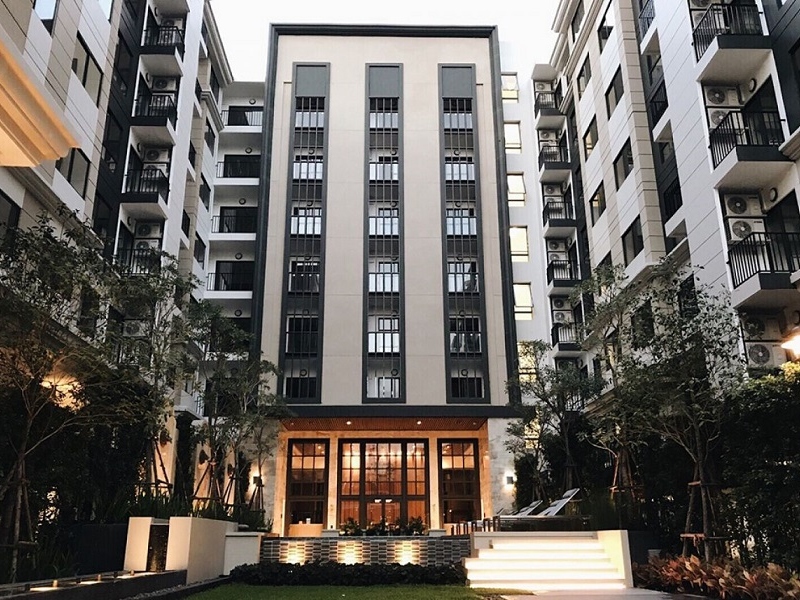
The building’s rules, resident mix and management style should shape the leasing process.
Questions that reveal fit
Who will live in the unit, and will anyone else hold keys?
What is the expected lease length and move-in date?
How will rent, utilities and internet be paid?
Does the tenant understand building rules on pets, smoking, noise and short-stay subletting?
Will the unit be used only as a residence?
Who handles urgent communication if the owner is overseas?
These questions are not designed to catch people out. They reveal whether the tenant’s routine fits the building. For example, a tenant who wants frequent visitors, late-night noise or short-stay guests may not suit a quiet residential condominium. A tenant with pets may be excellent, but only if the building allows pets and the lease clearly allocates cleaning and repair responsibility.
Protect the owner with a clear lease file
The lease file should include the signed rental contract, ID documents, payment receipts, inventory, meter readings, access-card count, key count, building rules and a move-in inspection record. If the tenant is paying a deposit and advance rent, the amounts and refund conditions should be explicit. Utility bills, internet contracts and cleaning obligations should not be left to memory.
Foreign owners should also think about tax and reporting records. Thailand’s Revenue Department explains that non-residents are subject to tax on income from Thailand. Owners should keep rental income, expense and withholding records in a form that an accountant can review. Tenant screening is therefore not only about behaviour. It also creates the paperwork trail needed for proper ownership management.
Warning signs to treat carefully
A high offer is not always a good offer. Owners should be cautious if a tenant wants to move in immediately without documents, avoids confirming who will live in the unit, resists building rules, asks to sublet, wants unusual payment channels, or pressures the landlord to ignore move-in procedures. None of these signs automatically proves bad intent, but they justify slower review.
Owners should also be careful with unusually short leases if the condominium prohibits daily or hotel-style letting. Many Bangkok juristic offices take short-stay misuse seriously because it affects resident security and building wear. A landlord who allows unauthorised short-stay use may face complaints, fines or difficulty with neighbours.
A detailed move-in record reduces disagreement when the lease ends.
Move-in and handover discipline
A proper handover should record the unit’s condition room by room. Photographs or video should cover walls, floors, furniture, appliances, air-conditioning units, bathroom fittings, kitchen counters, balcony, curtains, keys, access cards and meter readings. The tenant should acknowledge the record. This is the document both sides will return to when the lease ends.
Owners should set a repair communication process from day one. Minor maintenance, appliance failure, air-conditioning servicing and emergency access should be handled through a named agent or property manager. A tenant who knows who to contact is less likely to delay reporting a problem until it becomes expensive.
Buyer takeaway
For foreign investors, rental income is only valuable when it is reliable and manageable. Bangkok’s tenant pool is broad, but not every tenant fits every building or unit. Good screening protects yield by reducing vacancy, dispute and repair risk. It also makes the property easier to manage from overseas.
IBP can help overseas owners position a unit for the right tenant profile and compare expected rent against district evidence. Read more in our rental market guides or speak with IBP Real Estate before listing a property.
Foreign buyers often ask a simple question before buying a Bangkok condominium: what yield can I expect? The better question is more disciplined: what yield remains after the optimistic assumptions have been removed?
Bangkok condo yields should be tested district by district, not assumed from headline rent.
A headline gross yield can be useful for comparing districts, but it is not an investment decision on its own. Gross yield normally divides annual rent by purchase price. It may ignore vacancy, agent fees, furnishing, repairs, sinking fund contributions, common area fees, withholding tax, personal income tax, bank transfer costs, insurance and resale friction. Those items are not theoretical. They are the difference between a condo that looks attractive in a brochure and a unit that performs sensibly over several years.
CBRE’s 2026 Thailand real estate outlook points to a more selective market. It highlights continued luxury and super-luxury condominium launches, strong sales rates for existing downtown luxury supply and upward pressure on asking prices in some prime segments. That context is useful for foreign buyers because it confirms that Bangkok is not one uniform market. Premium districts can remain competitive while weaker buildings, tired interiors or over-supplied micro-locations still require caution.
Start with a conservative rent
The first stress test is rent. Do not underwrite a unit using only the highest advertised rent for a similar room. Ask what has actually leased in the same building, the same size range and the same condition. A renovated corner unit with a clear view is not comparable with a darker unit on a low floor. A building with a direct covered walk to rail can behave differently from one that needs a motorcycle ride in heavy rain.
For a first pass, foreign buyers should test at least three rent cases: an optimistic rent, a realistic rent and a defensive rent. The defensive rent is not a forecast of disaster. It is a way to see whether the investment still makes sense if the tenant takes longer to find, negotiates harder or demands furniture upgrades. If the deal only works at the optimistic rent, the buyer is not investing; they are hoping.
Vacancy changes the result quickly
Bangkok rental demand is real in the right places, especially near business districts, hospitals, universities, embassies, lifestyle retail, MRT and BTS nodes. Still, every landlord should assume some vacancy. A one-month vacancy each year reduces annual rent by more than eight per cent before any other cost is counted. A two-month vacancy can turn a thin return into a poor one.
Vacancy risk is not only about the wider market. It also comes from product fit. A unit that is too personalised, too sparsely furnished or difficult to maintain can sit longer. A building with slow juristic response, tired common areas or awkward access can lose tenants to a newer competitor. This is why investors should view the lobby, lifts, corridors, parking, rubbish areas and management office with the same seriousness as the unit itself.
Building age, common fees and management quality can change the real return profile.
Count ownership costs before tax
Common area fees and sinking funds should be included from the start. Some buyers treat them as small monthly details, but they are recurring costs that reduce net yield. Older buildings may also require special maintenance contributions. Newer buildings may have attractive facilities but higher operating costs. Neither is automatically wrong; the point is to compare the fee level with the rent that the building can realistically support.
Furnishing also matters. Bangkok tenants often expect a move-in-ready unit. A low-cost furniture package may reduce upfront spending, but weak furniture can raise repair calls and make listing photos less competitive. A premium fit-out can improve marketability, but it should still be measured against achievable rent. The best investment fit-out is durable, neutral and easy to replace, not simply expensive.
Include tax, agency and management assumptions
Foreign landlords should discuss rental income tax and withholding mechanics with a qualified adviser before relying on a net figure. Agent commission, tenant-finding fees and property management fees should also be modelled. If the owner lives overseas, some management cost is usually sensible. The alternative is relying on informal help when a tenant needs repairs, a key handover or a renewal negotiation.
A useful underwriting sheet should show gross yield, net yield before tax and net yield after estimated recurring costs. It should also show cash needed after purchase: furniture, appliances, small renovations, transfer-related costs and a maintenance reserve. This avoids the common mistake of comparing rent only with the purchase price while ignoring the capital still needed to make the unit rentable.
Stress-test the exit, not only the rent
Yield is only one part of the return. Foreign buyers should also ask who may buy the unit later. A building with clear title, healthy foreign quota, good juristic management and a recognised location will usually have a deeper resale audience than a building with confusing ownership records or poor maintenance. Resale liquidity can be more important than chasing a small extra percentage point of rent.
Exit stress testing means asking what happens if the buyer needs to sell in a slower market. Would the unit still appeal to another foreign buyer? Is the layout efficient? Are there too many identical units for sale in the same building? Is the district improving through transport, retail or office demand, or is it depending on a single story that may not materialise?
Tenant demand is strongest when a unit matches a real employment, lifestyle or mobility pattern.
A practical yield checklist
Use achieved rents from the same building wherever possible.
Run optimistic, realistic and defensive rent cases.
Assume vacancy, even in popular districts.
Include common fees, sinking funds, repairs, insurance and management.
Separate gross yield from net yield after realistic costs.
Check whether the unit has a clear resale audience.
Foreign buyers do not need to avoid Bangkok because yields require work. They need to buy with a clear model. Bangkok remains attractive because it offers international connectivity, livability, healthcare, dining, transport, tourism demand and a wide range of freehold condominium options. The opportunity is strongest when the unit, district and financial assumptions all support each other.
Buyer takeaway
A sensible Bangkok condo investment is not the one with the most exciting advertised yield. It is the one that still looks defensible after rent is reduced, vacancy is added, ownership costs are counted and the resale path is checked.
Bangkok’s hotel market is a useful lens for foreign condo investors in 2026, not because hotel rooms and condominiums are the same product, but because they respond to overlapping demand. International arrivals, conferences, medical travel, executive visits and long-stay leisure all influence the way visitors experience the city. Some of those visitors become tenants, second-home buyers or repeat Bangkok users.
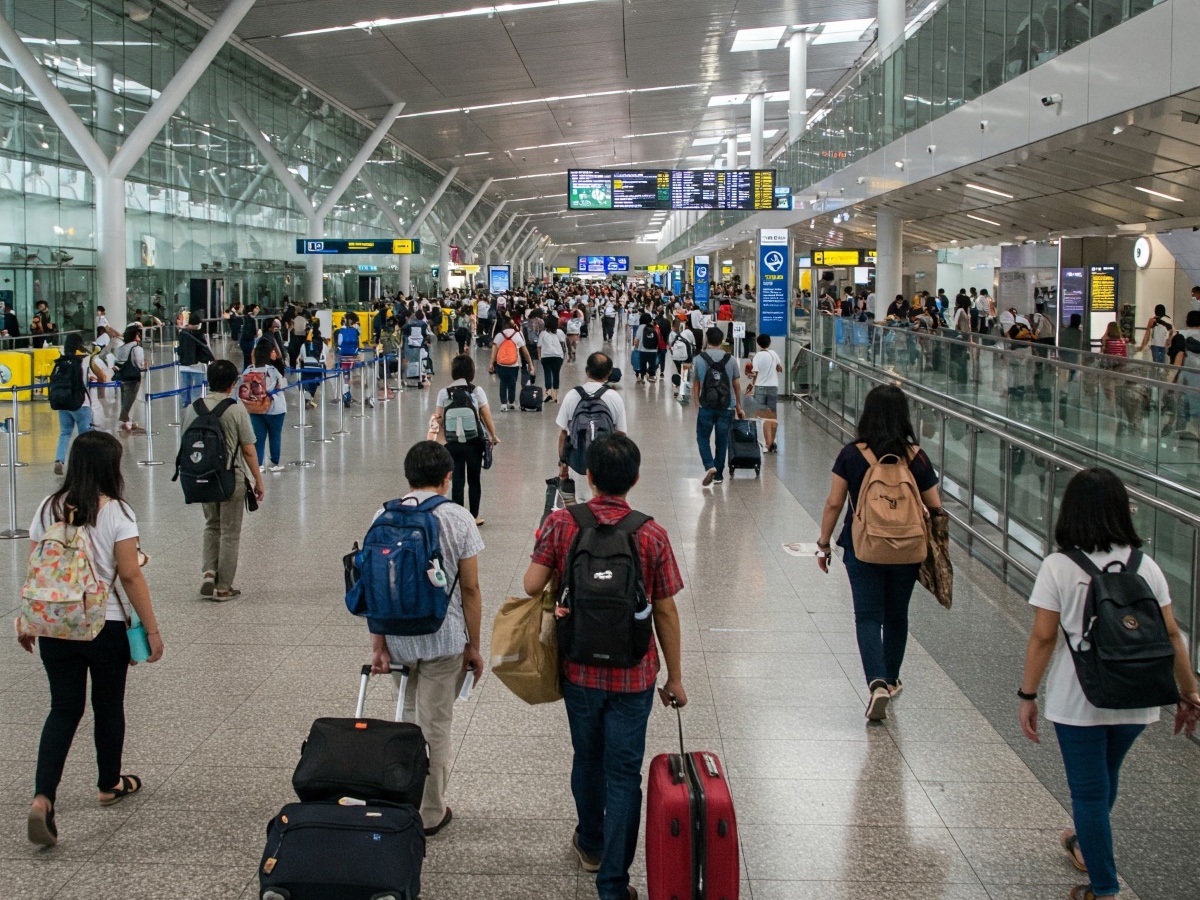
Travel demand is one part of Bangkok’s rental story, but investors still need building-level evidence.
CBRE’s 2026 Thailand Real Estate Market Outlook expects Bangkok to receive more than 4,300 new hotel keys in 2026, mainly in upscale and luxury segments. The same outlook projects hotel occupancy to rise by up to two percentage points and RevPAR by 3% to 4%, even as new supply raises competition. For condo buyers, the message is nuanced: demand is real, but it is also becoming more selective.
That selectivity matters. A strong tourism headline does not automatically support every rental unit. A studio in a weak building, an inconvenient soi or an oversupplied micro-location can still sit vacant. A well-managed one- or two-bedroom unit near business districts, hospitals, lifestyle retail or rail connections can benefit from a deeper pool of tenants who want a residential base rather than a hotel stay.
Why hotel supply matters to condo investors
Hotels are a visible expression of confidence in visitor demand. Developers and operators commit capital only when they believe Bangkok can attract guests at rates that make the project work. New upscale hotels can also improve a neighbourhood by adding restaurants, meeting rooms, wellness facilities and stronger street activity. Those additions may make nearby condos easier to understand for tenants and future buyers.
However, hotel growth also raises the service benchmark. Foreign condo landlords cannot assume that a furnished unit will compete well simply because hotels are busy. Tenants who arrive through business, medical or lifestyle channels often expect fast internet, clean management, practical kitchens, reliable air-conditioning, responsive juristic staff and easy access to food, transport and healthcare.
The demand pools to separate
Short business stays
A visitor attending meetings, trade events or regional management sessions may use a hotel for the first trip, then prefer a serviced apartment or condominium for longer assignments. Districts near Sukhumvit, Rama IV, Wireless Road, Sathorn, Phloen Chit, Asoke, Queen Sirikit National Convention Centre and major offices can benefit when the unit matches working routines.
Medical and wellness visitors
Bangkok’s private healthcare and wellness ecosystem brings repeat visitors who may need more space, privacy and routine than a hotel room provides. For this group, proximity to hospitals, pharmacies, supermarkets, taxis, food delivery and quiet building management can matter more than a fashionable address.
Lifestyle and second-home users
Some foreign buyers want a Bangkok base for part of the year. They may rent the unit when absent or hold it for personal use. Their decision is influenced by the same city strengths that support hotels: dining, retail, parks, healthcare, culture, airport connectivity and regional access.
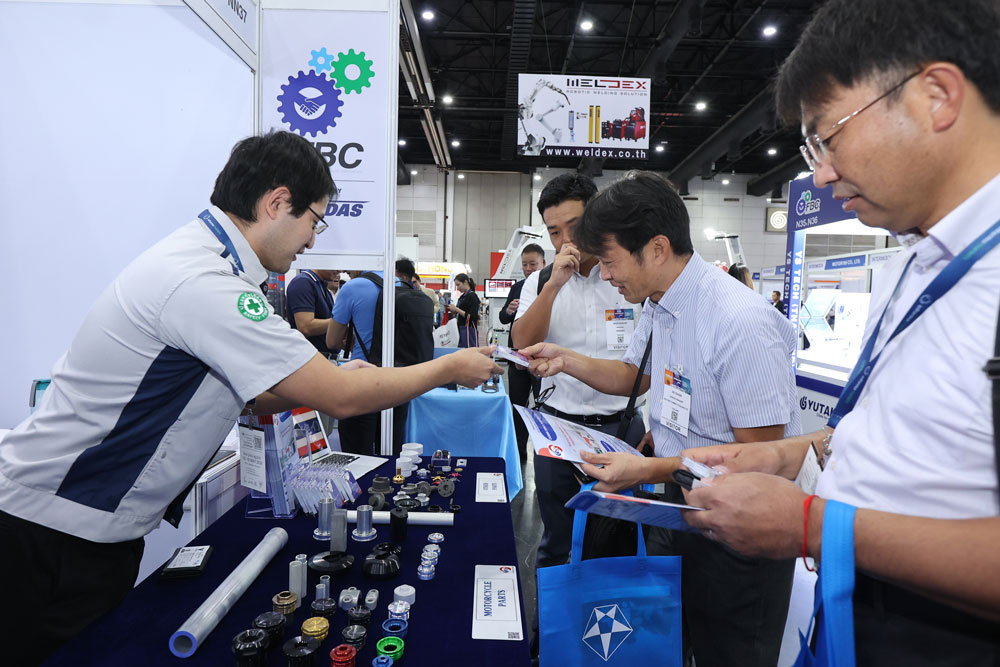
Corporate travel, MICE activity and executive relocation can support rental depth in the right districts.
What this means for district selection
Hospitality-led demand usually concentrates around places that are easy for non-residents to use. Phrom Phong, Thong Lo, Asoke, Phloen Chit, Chit Lom, Sathorn, Silom, Rama IV and riverside pockets have different rental logic, but they all offer recognisable anchors. Buyers should map these anchors before comparing prices.
A district with a famous mall or hotel is not enough. The walking route, station access, pavement condition, taxi flow, lift waiting time, noise, flood risk, juristic standards and surrounding tenant mix all affect real rental performance. The building has to serve a weekly routine, not only look strong in a brochure.
How to test a rental assumption
Compare achieved rents in the building, not only advertised rents in the district.
Check whether competing units are furnished to a similar standard.
Estimate vacancy and agent fees before calculating net yield.
Ask who the tenant is likely to be and why that tenant would choose this unit.
Review building rules for leases, pets, parking, renovations and short-stay restrictions.
The most common mistake is to use a hotel recovery story as a blanket rental forecast. Hotels can be busy while individual condo landlords struggle. The bridge between the two is specific: a tenant needs a reason to choose residential accommodation in that location, at that rent, with that service level.
The best rental units connect visitor demand to daily resident convenience, transport and management quality.
Where foreign buyers should be cautious
Hotel supply can also create competition for daily spending and labour. If a neighbourhood receives many new hotel rooms but limited resident infrastructure, it may feel busy without becoming better for long-stay tenants. Foreign buyers should avoid confusing visitor footfall with residential quality.
Another caution is management intensity. A rental condo is not passive if the owner lives overseas. Repairs, cleaning, tenant handover, deposit handling, tax records, insurance and juristic communication all require a local process. A prime unit can underperform when the landlord has no operating plan.
Buyer takeaway
Bangkok’s 2026 hotel pipeline supports a constructive view of the city’s visitor economy, but foreign condo investors should use it as a signal, not a promise. The more useful question is whether a chosen unit can convert Bangkok’s travel, corporate and lifestyle appeal into stable residential demand.
A strong Bangkok rental asset is usually easy to explain: good building, usable layout, sensible rent, clear tenant pool, clean ownership documents and a district that works in daily life. IBP can help foreign buyers compare rental evidence, ownership structure and district fit before purchase. Start with our rental market guides or contact IBP Real Estate for a buyer brief.