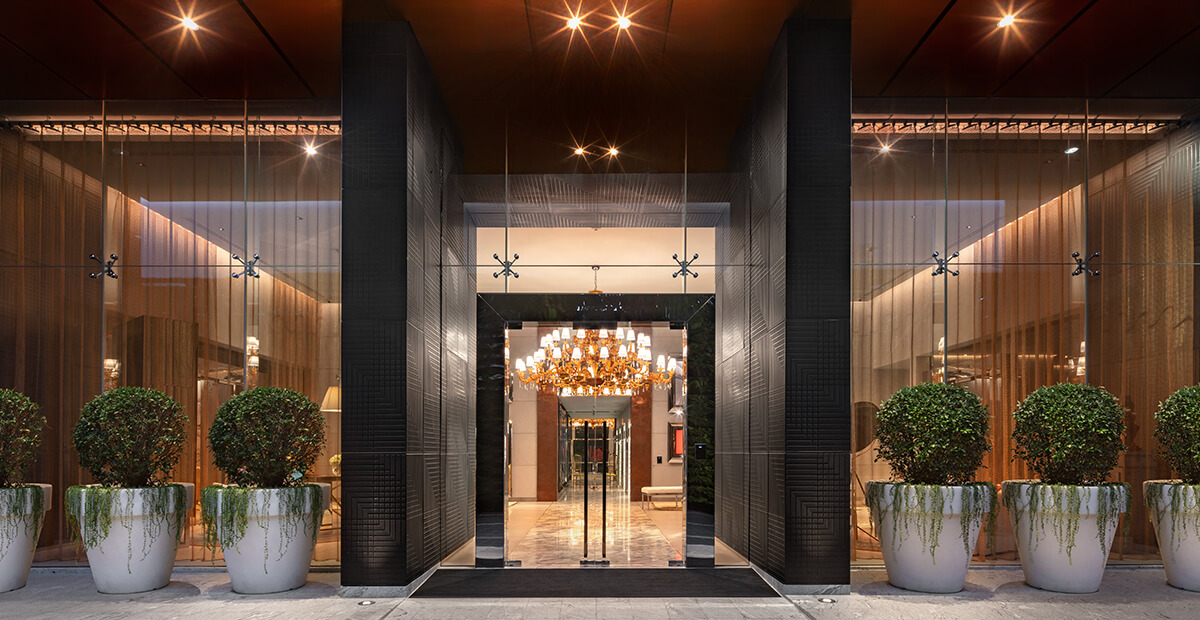
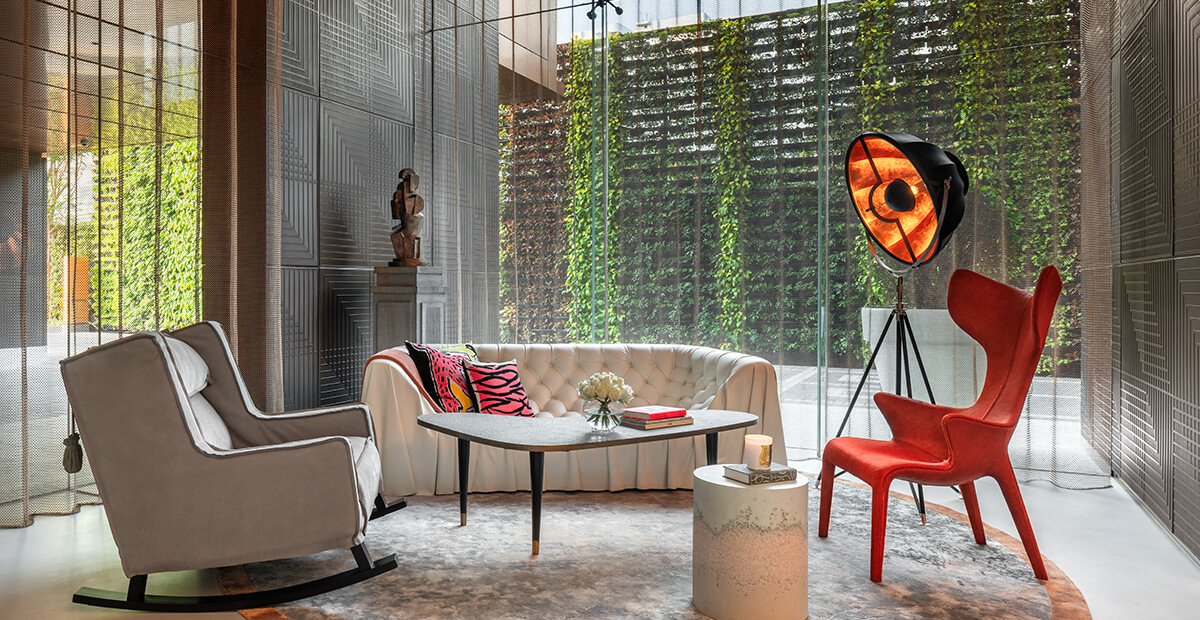
Branded residences and luxury condos in Bangkok can occupy the same premium streets, offer impressive amenities and target similar international buyers. The distinction is not simply that one carries a famous name. It lies in the operating model, service promise, contracts, ongoing cost and buyer audience.
A recognised hospitality brand can shape service expectations, but buyers still need to assess the residence as property.
A foreign buyer should compare both formats as long-term homes and assets rather than as showroom experiences. The stronger choice is the one whose location, unit, management and cost structure match the buyer’s actual use, holding period and exit strategy.
Define the product before comparing it
A branded residence usually operates under an agreement involving a hotel, hospitality, design or lifestyle brand. The brand may influence design standards, resident services, operating procedures and marketing. The exact role varies, so the name alone does not explain the product.
A luxury condominium can deliver premium architecture, large units, concierge-style staffing and extensive facilities without an international residential brand. Some are developed and managed by highly experienced Thai groups. Compare what is contractually and operationally provided rather than assuming one label guarantees superiority.
Understand who does what
Identify the developer, landowner, sales entity, condominium juristic person, property manager and brand operator. Ask how responsibilities change after completion and which organisation residents will deal with day to day. A strong launch team does not necessarily remain the long-term operating team.
For a branded project, have independent counsel review the agreements and disclosures relevant to the brand relationship. Understand its term, renewal arrangements, standards, fees and consequences if the relationship changes. Buyers should not assume a brand name remains attached forever under every circumstance.
Compare service you will actually use
Branded residences may offer hotel-informed concierge, housekeeping coordination, dining access, wellness support or other personalised services. Ask which services are included, which are charged separately, operating hours, booking rules and whether availability depends on an adjacent hotel.
A luxury condo may provide fewer named services but still offer efficient reception, security, engineering and resident support. For many owners, prompt maintenance and consistent management are more valuable than a long service menu. Rank services by realistic frequency of use.
Location, outlook and mixed-use connections can be as important as the brand attached to a residence.
Analyse recurring cost, not just purchase price
Request a clear schedule of common charges, reserve or sinking-fund contributions, service fees and pay-per-use items. Check how budgets can change and which facilities the residence is responsible for maintaining. Mixed-use shared areas require particular clarity.
Compare cost per year and over the intended holding period. A higher operating charge may be reasonable where staffing and service genuinely support the owner’s lifestyle and preserve the building, but it reduces net rental income and affects the pool of future buyers.
Study the exact unit
Premium shared spaces cannot correct an unsuitable home. Measure room proportions, furniture walls, storage, kitchen function, privacy, service access, laundry, lift journey and parking. Test light, heat, noise and the likelihood that the view remains protected.
Large branded residences may target owner-occupiers and long stays, while smaller luxury units may serve a broader leasing market. These are tendencies, not rules. Compare the exact floor plan with the household or tenant profile rather than relying on project positioning.
Test hotel and mixed-use relationships
An adjacent hotel, retail centre, office or park can add dining, security, convenience and destination value. It can also create traffic, events, shared access and operating complexity. Walk all routes between the residence, arrival areas, parking and public realm.
Ask which facilities are exclusive, shared or merely nearby. A marketing illustration can make separate components appear seamlessly connected. Legal rights, access rules, hours and future operating decisions determine how the relationship works after purchase.
Model rental fit carefully
A recognised brand can help an overseas tenant understand service expectations, yet rent still depends on unit size, location, supply, lease rules and affordability. Do not convert a brand premium automatically into a yield premium.
Check minimum lease terms, management requirements, furnishing standards, pet rules and any restrictions on rental activity. Estimate agency costs, vacancy, service charges, maintenance and replacement before comparing net outcomes with an unbranded luxury condo.
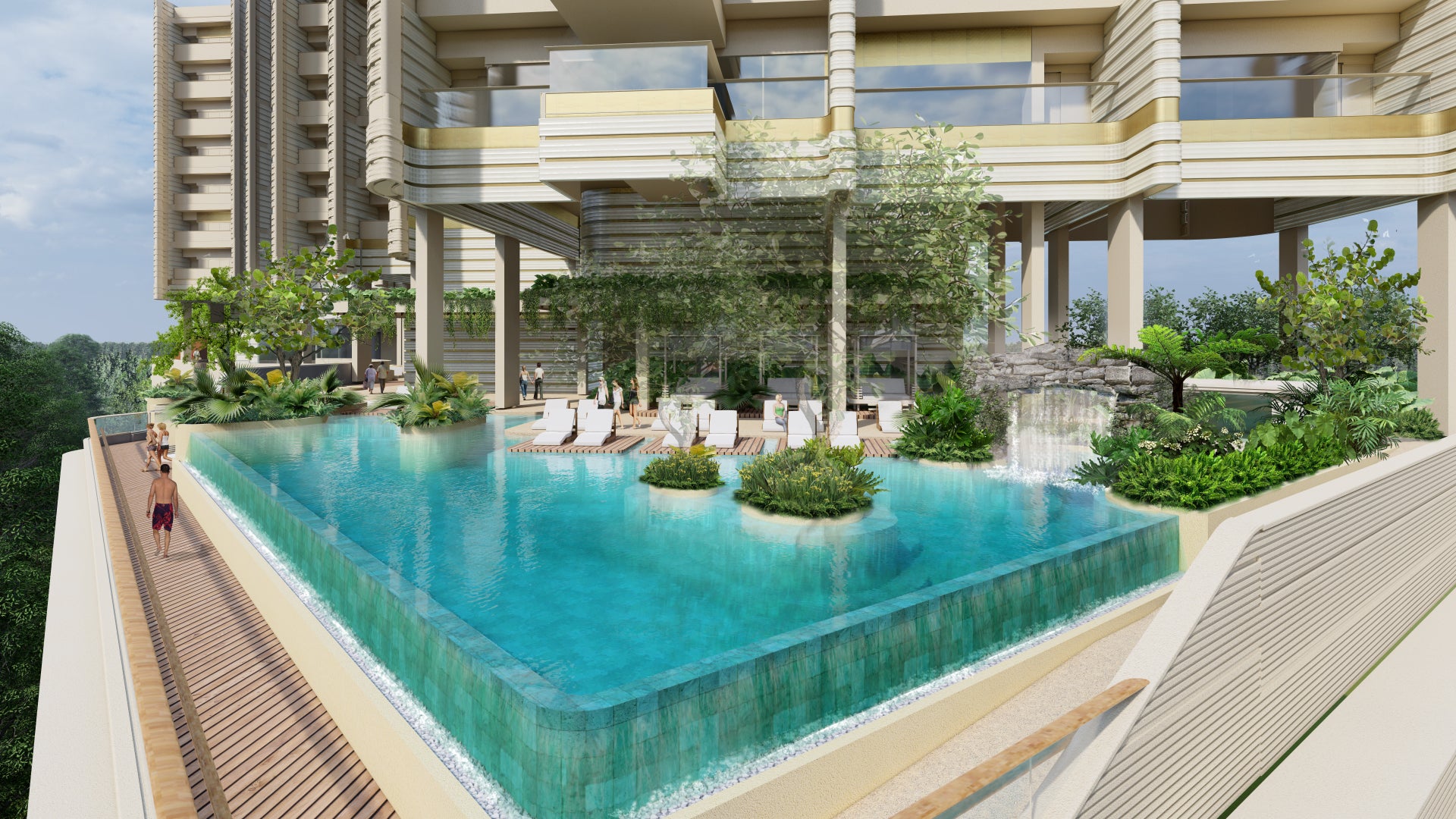
Wellness and hotel-style amenities need to be tested against actual use, operating cost and long-term maintenance.
Plan for resale from the start
Ask who is likely to buy the unit later. A distinctive branded residence may appeal to a focused international and domestic luxury audience, while a well-located luxury condo may have a broader pool. Neither is automatically more liquid.
Review competing inventory, developer-held units, future phases and the number of similar layouts. Consider how a buyer will judge the building after the launch period: management quality, condition, resident experience and transparent operating cost become more important than early publicity.
Review the brand and developer separately
The hospitality or lifestyle brand and the property developer contribute different capabilities. Research the developer’s completion record, build quality, defect handling and after-sales process. Separately, understand the brand’s experience in residences and the scope of its role in Bangkok.
Independent legal, tax, technical and financial review remains necessary in both formats. A global name does not replace title, foreign-quota, contract, remittance or physical checks, and an established local luxury developer should be assessed with the same discipline.
Comparison checklist
Identify every party and its long-term role.
Read the terms governing the brand relationship.
Price included and optional services separately.
Compare recurring charges over the full holding period.
Inspect the exact unit and access routes.
Clarify shared and exclusive mixed-use facilities.
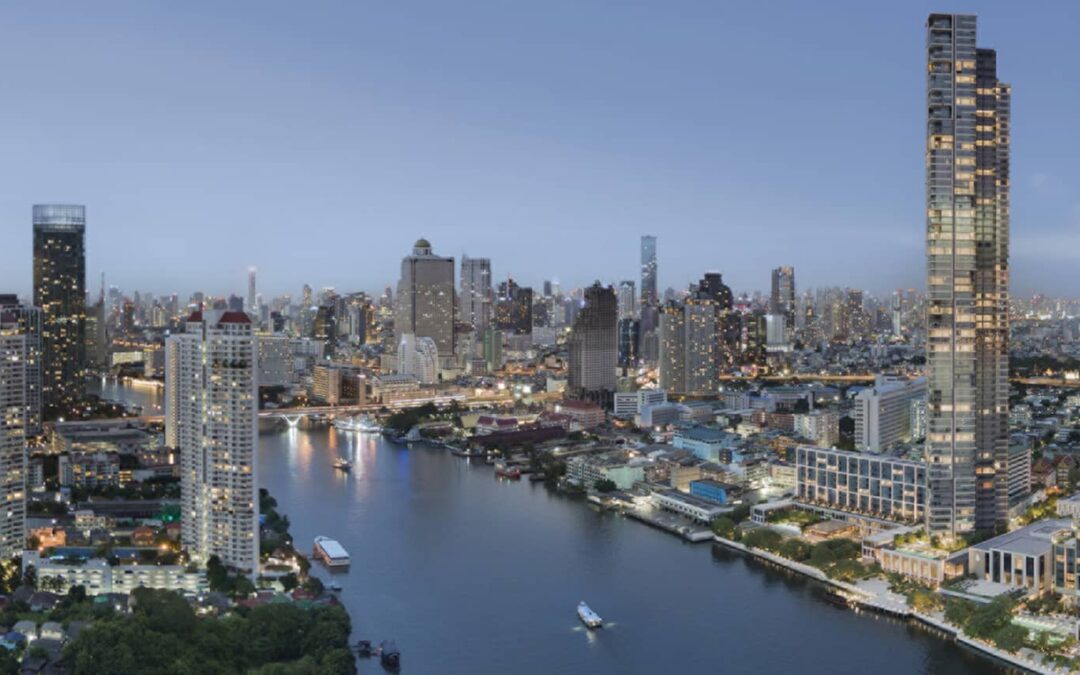
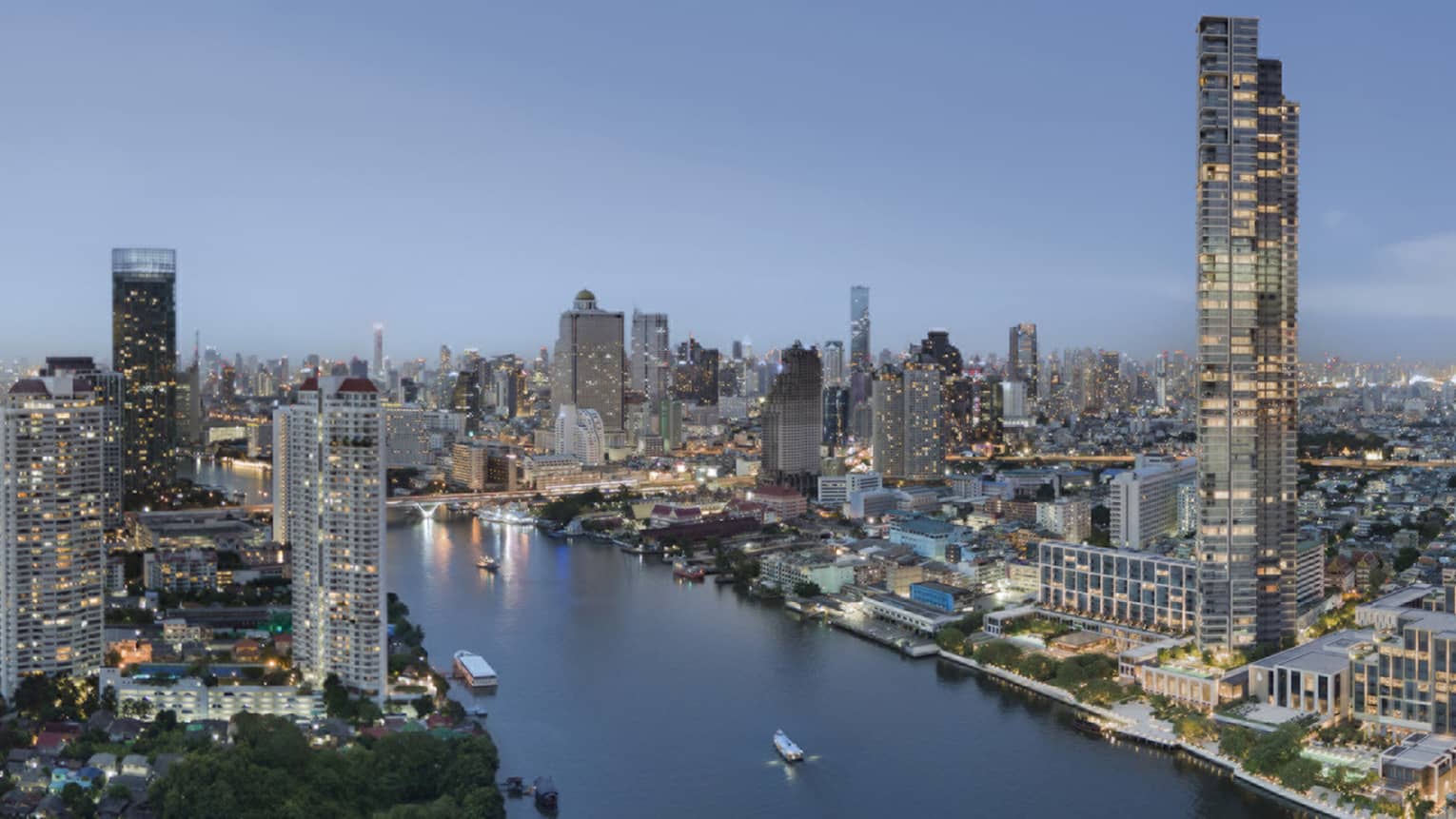
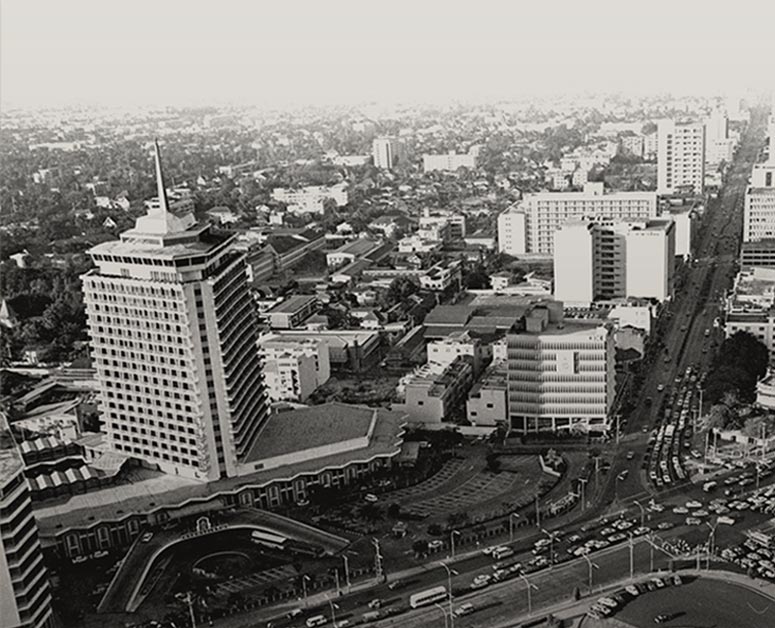
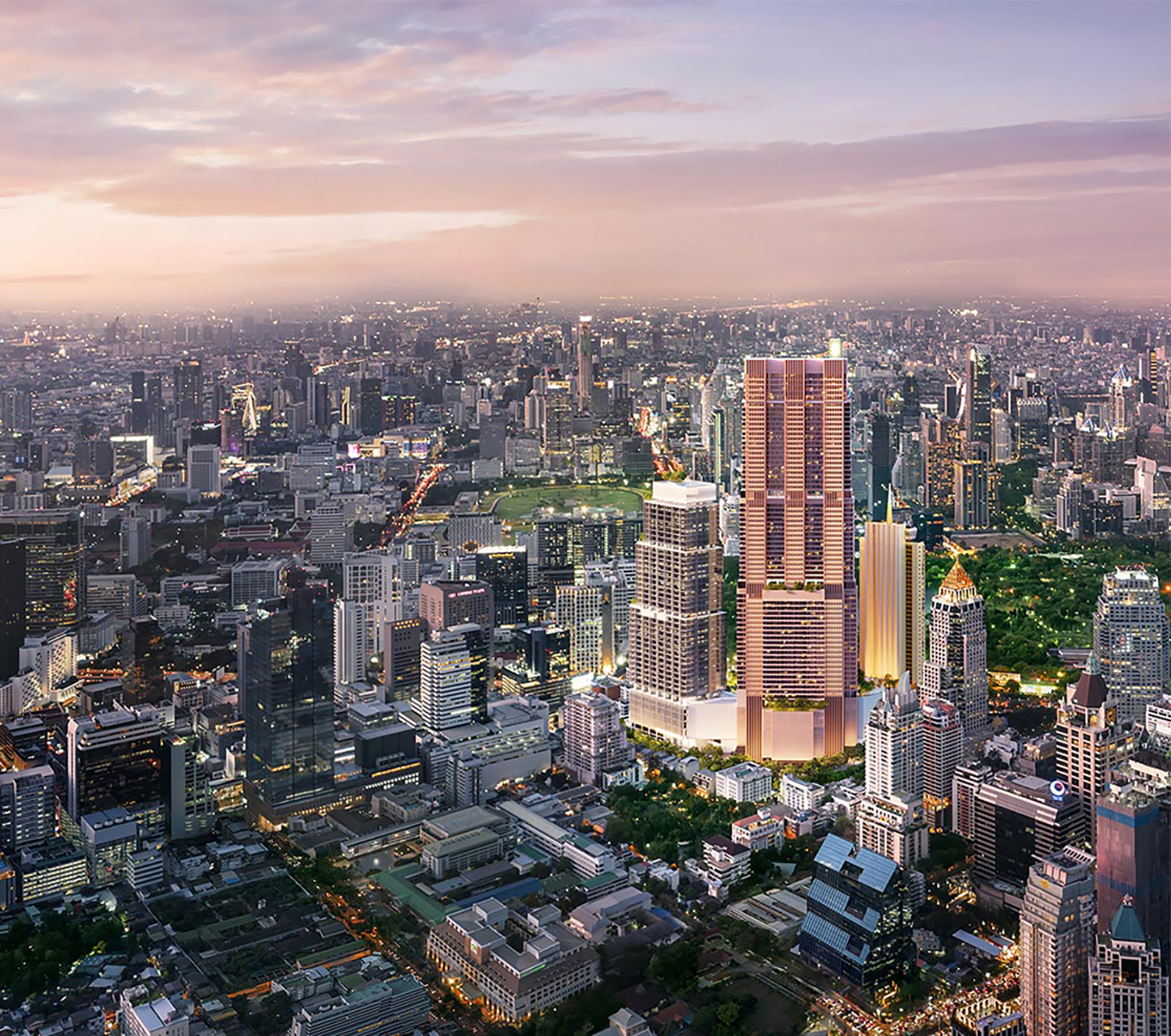
Dusit Central Park is one of Bangkok’s most visible mixed-use addresses, and that visibility is exactly why foreign buyers should approach it with both interest and discipline. The project occupies a rare central position beside Lumpini Park and within reach of Silom, Sathorn and Rama IV, combining hospitality heritage with residences, offices, retail and landscaped space.
Dusit Central Park brings hotel, residences, offices, retail and roof park elements into one central Bangkok site.
For overseas buyers, the appeal is clear: a recognised Thai hospitality name, a central business district setting, park adjacency and a mixed-use environment designed to support daily convenience. The investment question is more precise. Does the specific residence, price, tenure, service model and long-term holding cost fit the buyer’s own use case?
This note does not replace legal or project due diligence. It sets out the main questions foreign buyers should ask before treating a landmark address as a straightforward purchase.
Why the address matters
Central Bangkok has many luxury buildings, but few combine park frontage, business-district access and a major hospitality legacy in the same way. Dusit Central Park’s official material describes a landmark destination integrating urban vibrancy with park life, with elements including a hotel, ultra-luxury residences, premium offices, a shopping centre and a 7-rai roof park.
That combination can matter for buyers who want a Bangkok home that is easy to use, easy to explain and supported by amenities beyond the private residence. A foreign owner may value the ability to step from home to park, office, dining, retail, hotel services and transport without relying on a car for every journey.
The location also places the project near Bangkok’s established commercial spine. Silom and Sathorn remain important office, embassy, hotel and dining districts, while Lumpini Park provides one of the city’s strongest lifestyle anchors. For tenants and future buyers, those anchors make the address easier to understand.
The project’s location is framed by Lumpini Park and the Silom-Sathorn commercial district.
Mixed-use benefits and trade-offs
A well-run mixed-use project can offer convenience, security, brand recognition and a deeper amenity ecosystem. It can also create more complex management questions than a simpler standalone condominium. Foreign buyers should understand which facilities are residential-only, which are shared, how access is controlled and how operating costs are allocated.
The strongest mixed-use projects feel effortless because the legal and management structure is clear behind the scenes. The buyer should still ask how the residences interact with hotel, office, retail and park components. Are there separate juristic entities? Which costs are borne by residential owners? How are major repairs, shared systems and security managed?
These questions are not reasons to avoid a project. They are the correct way to understand what one is buying. Luxury is partly design and service, but it is also governance, predictability and clear rights.
Residences versus hotel-style expectations
Foreign buyers are often drawn to branded or hospitality-led residences because they expect hotel-level polish. That expectation should be tested against the actual residence documents. Ask what services are included, what services are optional, what fees apply, and whether service standards are contractual, operational or promotional.
A buyer who plans to live in the unit for part of the year may care about concierge support, maintenance coordination, storage, housekeeping options and arrival experience. A buyer focused on rental may care more about tenant profile, lease restrictions, furnishing standards and manager responsiveness.
It is important to avoid assuming that every hotel-adjacent residence operates like a hotel suite. The rights and responsibilities of an owner are still governed by the sale documents, condominium rules and service arrangements.
Park adjacency is valuable, but unit selection still matters
Lumpini Park adjacency is a major lifestyle advantage, especially in a dense central district. Park views, orientation, noise exposure, privacy, afternoon heat and neighbouring tower lines can vary considerably by stack and floor. A buyer should study the actual unit plan rather than relying only on the address.
For end use, morning routines, walking routes, shade, lift access and parking may be as important as the view. For investment, the question is whether the unit has a combination of size, layout and aspect that a future buyer or tenant can understand quickly.
A landmark building can still contain units that are easier or harder to resell. Foreign buyers should compare multiple stacks and understand why one unit commands a premium over another.
The official project material highlights park life and urban convenience as part of the residential proposition.
Due diligence questions for foreign buyers
Start with ownership eligibility and foreign quota. Confirm the specific unit’s foreign-freehold availability, payment route, funds remittance requirements and transfer process. For any non-freehold component or unusual structure, ask for written legal advice before paying a material sum.
Next, review the purchase agreement, construction and handover obligations, defect liability, fit-out rules, sinking fund, common fee, service charges and expected completion or operating milestones. If the buyer is overseas, clarify who can inspect on completion and how defects will be recorded.
Then test the rental and exit case. What tenant would pay a premium for this address? How many comparable luxury units will compete nearby? Is the likely buyer pool local, regional or global? Does the unit size match the strongest demand segment, or is it dependent on a narrow audience?
How to think about price
Landmark projects are rarely bought only on a bargain basis. The better question is whether the premium is justified by scarcity, location, brand, service, view, design and long-term demand. Buyers should compare against other central luxury freehold and branded residence options, but also adjust for the specific mixed-use environment.
A lower-priced alternative may lack the same park setting or brand recognition. A higher-priced alternative may offer a stronger view, larger unit or more private residential atmosphere. The decision should be based on the buyer’s intended use, not only on prestige.
Who may suit this project
Dusit Central Park is most likely to appeal to buyers who want a highly legible central Bangkok address, park-connected lifestyle and the convenience of mixed-use living. It may suit frequent visitors, regional executives, long-term Bangkok residents and buyers who value a hospitality-led identity.
It may be less suitable for buyers who prefer quiet low-rise living, a purely residential environment or the simplest possible operating structure. Foreign buyers should be honest about lifestyle fit before focusing on the brochure strengths.
IBP can help foreign buyers compare Dusit Central Park residences with other central luxury options and review documents before reservation. For additional context, see our Ploenchit luxury condo guide and our Bangkok investment analysis.
Langsuan is one of Bangkok’s most established luxury condo micro-locations, sitting between Lumpini Park, Chit Lom, Ratchadamri and the wider Ratchaprasong retail and hotel district. For foreign buyers, its appeal is different from Thong Lo or Phrom Phong. Langsuan is quieter, more compact and more park-led, with a prestige story built around privacy, walkability and central convenience.
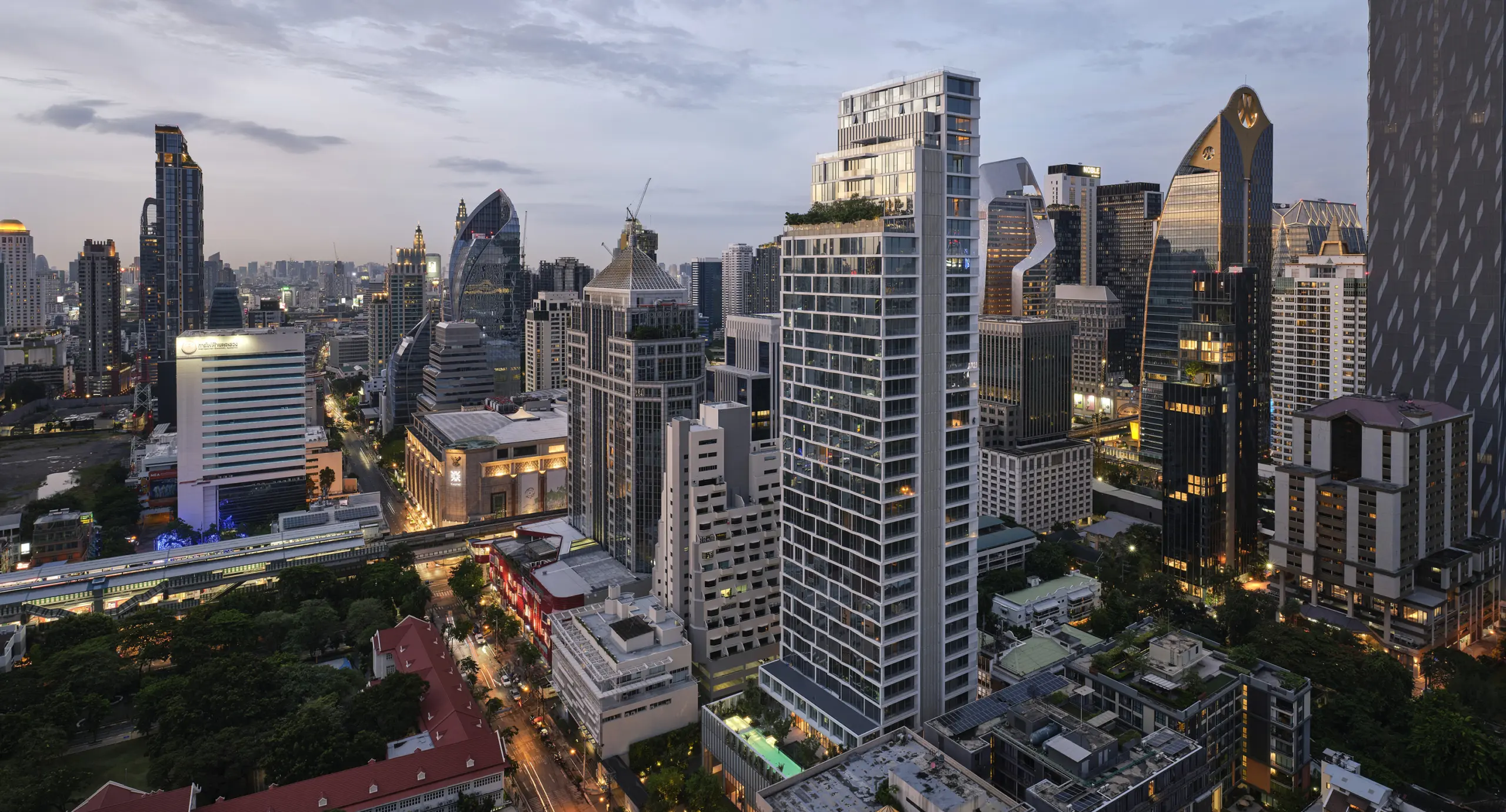
Langsuan appeals to buyers who want a quieter luxury address close to Lumpini Park and central Bangkok services.
That does not mean every Langsuan unit is automatically a strong purchase. The best decisions come from comparing the exact walk, building service level, unit privacy, common-area maintenance, parking, view risk and resale audience. Luxury buyers should be selective because the address premium can be meaningful.
Why Langsuan attracts foreign buyers
Langsuan gives residents access to several parts of central Bangkok without feeling as exposed as some main-road locations. Lumpini Park is close by, Ratchadamri and Chit Lom connect to the BTS network, and major retail, hotels, offices, restaurants and embassies sit within a short city radius. For buyers who want a refined base rather than a nightlife-led district, that balance can be attractive.
The area can suit owner-occupiers, regional families, executives, retirees, second-home buyers and long-stay residents who value calm arrival, high service standards and easy access to healthcare, retail and park space. It can also suit investors targeting premium tenants, but only where the rent expectation matches the specific building and unit.
Facade, arrival sequence and service consistency matter as much as the prestige of the address.
Walkability should be tested carefully
Langsuan’s advantage is partly walkability, so buyers should test it in real conditions. Walk from the building to Chit Lom BTS, Ratchadamri BTS, Lumpini Park, nearby malls, supermarkets, hotels and restaurants. Check shade, pavements, crossings, evening lighting and rainy-season comfort. A prestigious address still needs a comfortable daily route.
Also consider how residents will use taxis and ride-hailing. Central Bangkok traffic can be slow, and a well-managed drop-off can make a large difference. A luxury condo should handle arrivals, visitors, deliveries and parking without making residents feel they are fighting the street every day.
Service level defines the luxury experience
In Langsuan, buyers are often paying for more than room size. They are paying for privacy, staff quality, lift performance, security, quiet common areas, maintenance, resident profile and a sense of order. These details should be inspected, not assumed. Watch how staff greet visitors, how parcels are handled, how contractors enter and whether common areas feel cared for outside the showpiece lobby.
For landlords, service quality helps tenant retention. Premium tenants may tolerate a compact layout if the building is well run, but they are less forgiving of slow repairs, tired lifts, noisy corridors or unclear management. Luxury is partly a management habit.
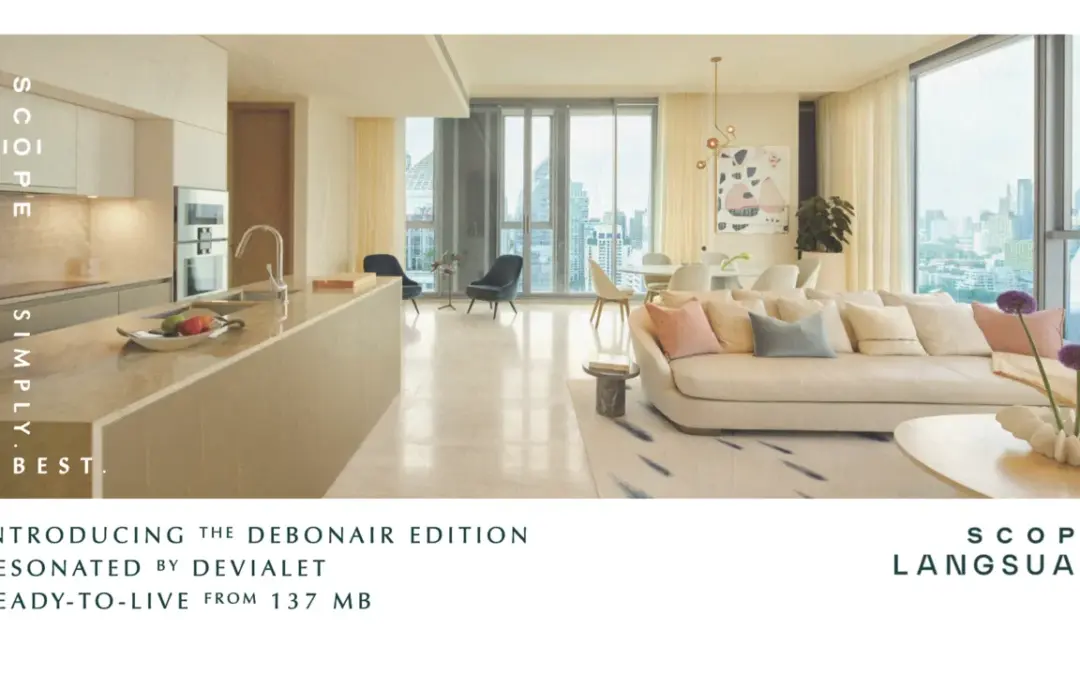
Interior quality should be weighed against layout, privacy, maintenance and the buyer’s likely holding period.
Unit planning still matters
A Langsuan address cannot fix a poor unit. Buyers should assess ceiling height, natural light, storage, bedroom privacy, kitchen usefulness, bathroom quality, balcony function, air-conditioning, sound control and furniture flexibility. If the unit is intended for rental, the layout should match the target tenant rather than simply photograph well.
Privacy and view also deserve attention. Some units look towards park, city or neighbouring towers. The best view is not only the widest one; it is the view that supports comfort, light and resale without creating excessive heat, noise or privacy issues. Surrounding land and future obstruction risk should be considered before paying a view premium.
Compare Langsuan with nearby luxury districts
Foreign buyers should compare Langsuan with Chit Lom, Ratchadamri, Wireless, Ploenchit, Phrom Phong, Thong Lo, Sathorn and riverside options. Each has a different lifestyle and rental story. Langsuan is compelling when the buyer wants centrality with a quieter residential feel. It may be less compelling for someone who wants the deepest dining scene, direct mall living or the most active expatriate nightlife.
This comparison helps avoid overpaying for prestige. If a unit is priced above alternatives, the premium should be visible in service, scarcity, privacy, park access, building reputation or long-term resale appeal.
Owner-occupier and investor fit
Owner-occupiers should ask whether Langsuan matches the way they actually use Bangkok. The area can work beautifully for park walks, hotel dining, central errands and quieter evenings, but it may feel too restrained for buyers who want constant street energy outside the door. Lifestyle fit should be tested over a full day, not only during a polished viewing.
Investors should think about the future tenant’s reason for choosing Langsuan. A premium tenant may value privacy, service, park access, hospital access and a calm central address. If the unit does not deliver those benefits clearly, it may compete poorly with larger or livelier alternatives nearby.
Investor checklist
Walk to BTS stations, Lumpini Park and daily retail in normal weather.
Assess drop-off, parking, lift capacity and visitor handling.
Compare service quality with other luxury buildings nearby.
Check view, privacy, heat and future obstruction risk.
Match unit size and layout to a realistic tenant or resale buyer.
Benchmark against Chit Lom, Wireless, Ploenchit and Phrom Phong alternatives.
Buyer takeaway
Langsuan luxury condos can offer foreign buyers a refined central Bangkok base with park access, prestige and practical city reach. The right purchase should still stand up to disciplined checks on route, service, layout, privacy and exit audience. Buy the building and daily routine, not only the address.
IBP can help foreign buyers compare Langsuan with other premium Bangkok districts. Browse our district guides or contact IBP Real Estate for a luxury condo shortlist.
Thong Lo BTS is one of Bangkok’s most recognisable luxury condo addresses, but foreign buyers should still treat it as a district that needs careful comparison. The name carries strong lifestyle value. The best purchases come from understanding the exact station route, side-street depth, building quality, service level, tenant profile and resale audience.
Thong Lo buyers should compare station access, side-street depth and neighbourhood rhythm, not only the address.
Thong Lo can suit owner-occupiers who want dining, cafes, private clubs, wellness, Japanese and international services, boutique retail and quick Sukhumvit access. It can also suit investors who understand premium tenant expectations. It is less suitable for buyers who only want the cheapest entry price or who assume that any Thong Lo address will be liquid at exit.
Why Thong Lo remains attractive
Thong Lo’s strength is lifestyle density. Residents can reach restaurants, coffee shops, bars, supermarkets, clinics, salons, fitness studios, hotels, international services and nearby Ekkamai or Phrom Phong without leaving the wider Sukhumvit rhythm. The district is easy for many foreign tenants and buyers to understand because it already has an established premium reputation.
The BTS station gives the area a clear transport anchor, while Soi 55 and surrounding side streets create a deeper lifestyle market. That combination helps Thong Lo stand apart from purely rail-led districts. Buyers are paying for both access and the neighbourhood ecosystem.
Soi 55 visibility can help a building, but the exact walk, traffic pattern and arrival sequence still matter.
Station access is not the same for every building
A building can be in Thong Lo but still have a very different daily experience. Some projects are close to the BTS station. Others sit deeper inside Soi Thong Lo or on side sois where residents rely more on shuttle service, motorcycle taxis, private cars or ride-hailing. The address may be premium, but the route determines everyday comfort.
Foreign buyers should walk the route in heat, rain and evening traffic. Check pavements, crossings, lighting, drainage, taxi pickup and how a resident would return after dinner or shopping. If a building depends on a shuttle, ask about frequency, hours, pickup point and whether the service is controlled by the building or a third party.
Luxury means service, not only finishes
Thong Lo has many projects with attractive lobbies, branded furniture and dramatic amenity photography. Luxury buyers should look beyond the first impression. Check staff responsiveness, parcel handling, lift speed, guest control, maintenance quality, pool and gym upkeep, car access, privacy and how residents use the common areas.
For rental investors, service consistency matters because premium tenants expect problems to be solved quickly. A beautiful lobby will not protect the rent if the air-conditioning, lifts, parking or juristic communication are weak. Luxury is partly the absence of daily friction.
Luxury common areas should be judged by service, upkeep, resident profile and long-term management discipline.
Tenant profile and unit size
Thong Lo can appeal to expatriate executives, entrepreneurs, couples, Japanese and regional tenants, lifestyle-led owner-occupiers and people who want a Bangkok base with strong dining and services. But tenant depth depends on price, unit size and building reputation. A compact unit needs to compete with many alternatives. A larger unit needs a buyer or tenant willing to pay for space in a premium district.
Investors should check whether the unit’s layout matches the expected tenant. Storage, kitchen usefulness, work-from-home space, bathroom quality, balcony usability and noise control matter. A high rent expectation is easier to defend when the unit solves practical daily needs as well as lifestyle aspirations.
Compare with Ekkamai and Phrom Phong
Thong Lo should not be assessed in isolation. Ekkamai may offer a slightly different residential feel and sometimes a more practical price conversation. Phrom Phong has major malls, parks, Japanese services and strong international recognition. Chit Lom, Langsuan, Asoke and Ari may also compete depending on the buyer’s routine.
The right comparison prevents overpaying for the name. If a Thong Lo unit is priced well above nearby alternatives, the premium should be visible in station access, building quality, service, privacy, view, floor plan or tenant evidence. If the premium is only a fashionable address, the buyer should be cautious.
Resale discipline
Thong Lo’s resale appeal is real, but it is selective. Future buyers will compare building age, common fees, maintenance, unit condition, parking, competition and the number of similar units on the market. A dated unit in a tired building can struggle even in a famous district. A well-kept unit in a respected building can be easier to explain.
Foreign buyers should also think about exit audience. Is the likely future buyer an owner-occupier, a landlord, a Thai family, a regional investor or another foreign buyer? The clearer the audience, the easier it is to judge whether the current asking price is sensible.
Buyer checklist
Walk the real route to Thong Lo BTS and key daily services.
Test evening traffic, ride-hailing access and shuttle reliability.
Compare service quality, lift performance and common-area maintenance.
Match unit size and layout to a realistic premium tenant profile.
Benchmark against Ekkamai, Phrom Phong, Asoke and Langsuan alternatives.
Review resale competition before paying for the address premium.
Buyer takeaway
Thong Lo BTS luxury condos can be compelling for foreign buyers who value lifestyle, service and central Sukhumvit recognition. The district rewards selectivity. Buy the specific building, route, layout and management standard, not just the name. A disciplined Thong Lo purchase should still make sense when compared with nearby premium alternatives.
IBP can help foreign buyers compare Thong Lo with Ekkamai, Phrom Phong and other luxury Bangkok districts. Browse our district guides or contact IBP Real Estate for a tailored shortlist.
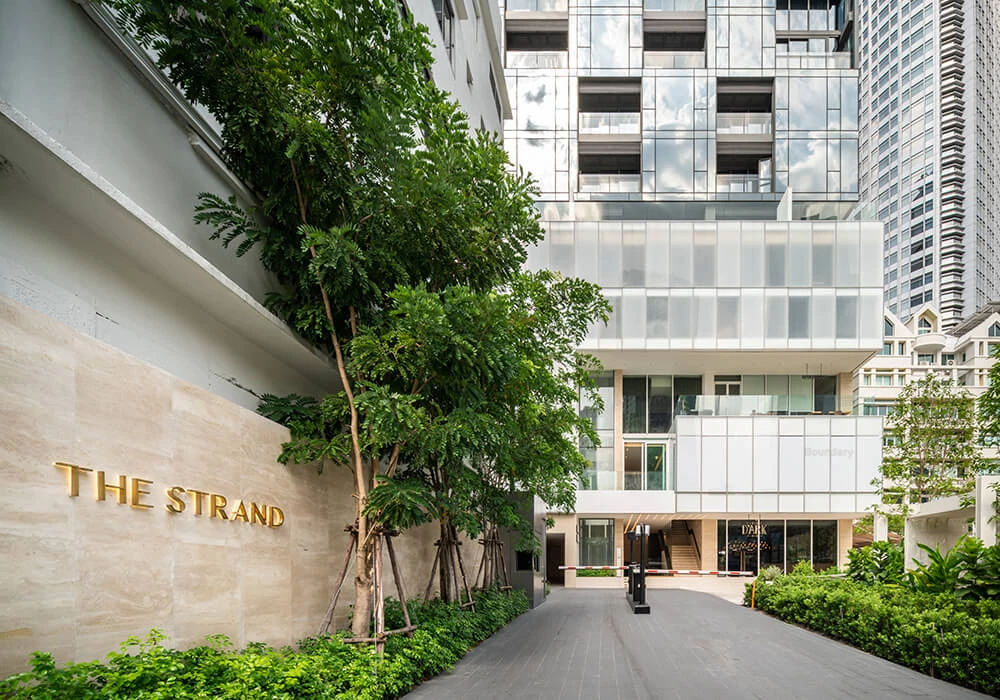
KHUN by Yoo is a useful case study for foreign buyers who want Thonglor lifestyle, strong design identity and a smaller luxury-building feel. It is not a generic investment condo. The official Sansiri page positions it on Sukhumvit 55 Road, or Thong Lor, in Khlong Tan Nuea, Watthana, with one 27-storey building, 148 units, completion in 2020 and Sansiri PLC as developer.
That profile creates a clear buyer question. Does the project’s design-led character and Thonglor address support the price, running costs and resale case for your purpose? For some buyers, the answer may be yes because the building has personality and district depth. For others, the same character may feel too specialised if the purchase is purely yield-led.
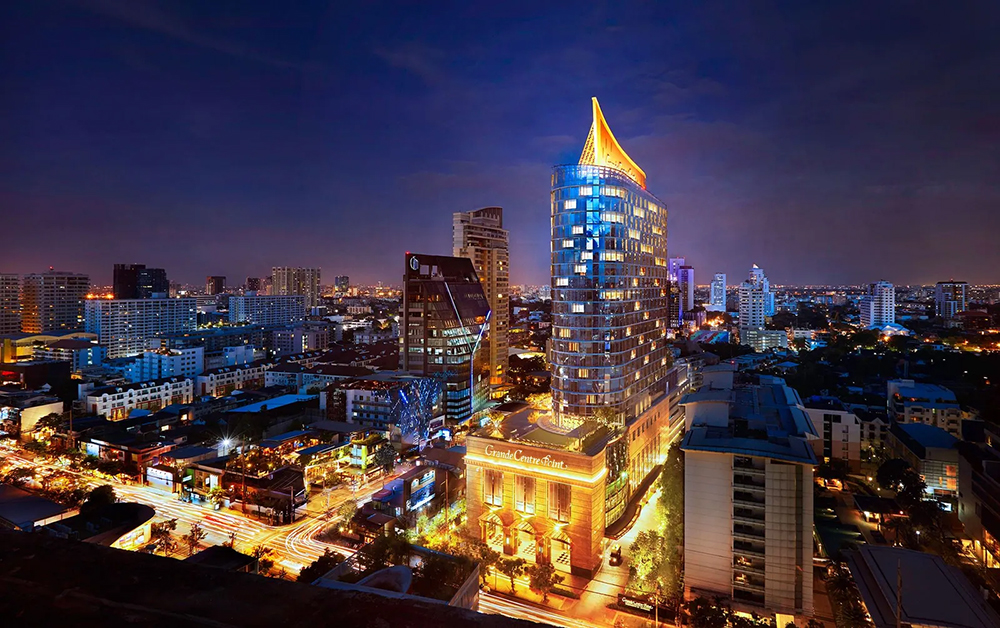
KHUN by Yoo is a design-led Thonglor condominium with a low unit count for the district.
The Thonglor position
Thonglor remains one of Bangkok’s best-known lifestyle districts for affluent Thai residents, Japanese expatriates, regional executives, entrepreneurs and buyers who value dining, cafes, private clinics, salons, gyms and late-night convenience. It has a different rhythm from Sathorn or Asok. The appeal is not only office access, but the concentration of daily-life services around Sukhumvit 55 and nearby Ekkamai.
That can support rental and resale interest, but it does not remove the need to inspect the exact route. Buyers should test the walk or shuttle pattern to BTS Thong Lo, traffic conditions on Sukhumvit 55, access to schools or hospitals if relevant, and taxi availability at different times. Thonglor is desirable, but it can also be congested and price-sensitive.
For a foreign owner, the district story is strongest when the unit fits a clear resident profile. A compact one-bedroom may appeal to a lifestyle tenant or single professional. A larger unit may need a family, owner-occupier or high-budget tenant who values space and address enough to pay above mass-market rents.
Project scale and design identity
Sansiri lists the project as approximately 1 rai, with 148 units across one 27-storey building. In Thonglor, that low unit count can be attractive because it may feel more private than larger high-density towers. The trade-off is that shared costs and amenity upkeep need to be understood carefully. Fewer units can mean a stronger boutique feel, but it can also make each owner’s share of building economics more important.
The project is described by Sansiri as KHUN by Yoo inspired by Starck. Buyers should treat that as design positioning rather than a substitute for due diligence. Good design can strengthen identity, photography and emotional appeal, but the investment case still depends on unit price, view, layout, management, foreign quota and realistic demand.
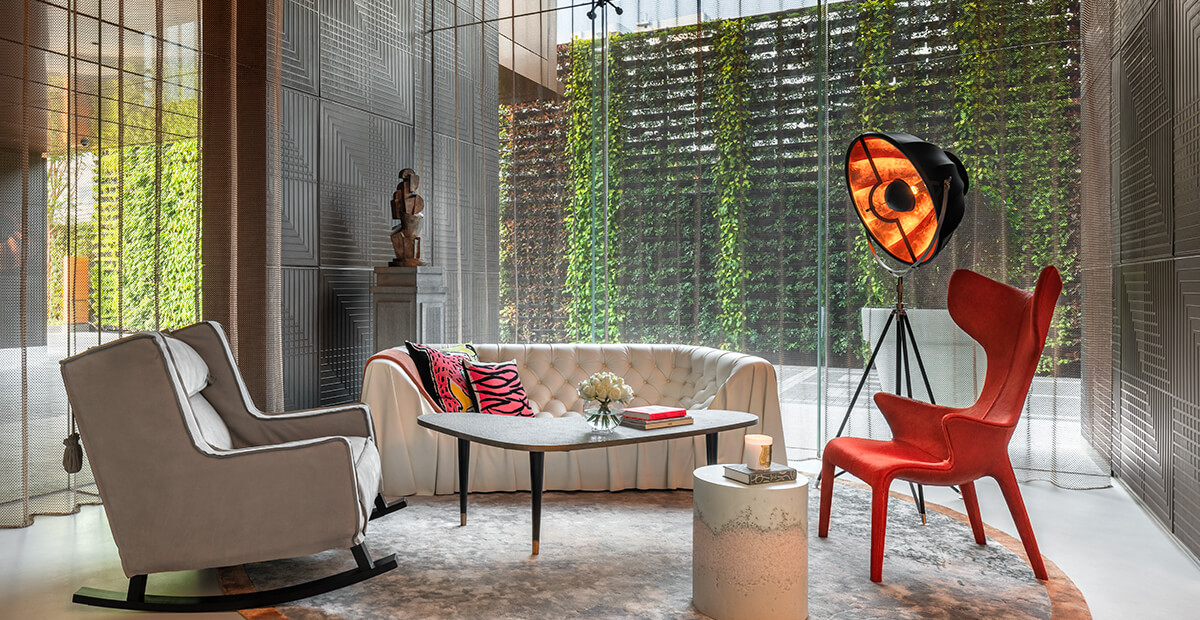
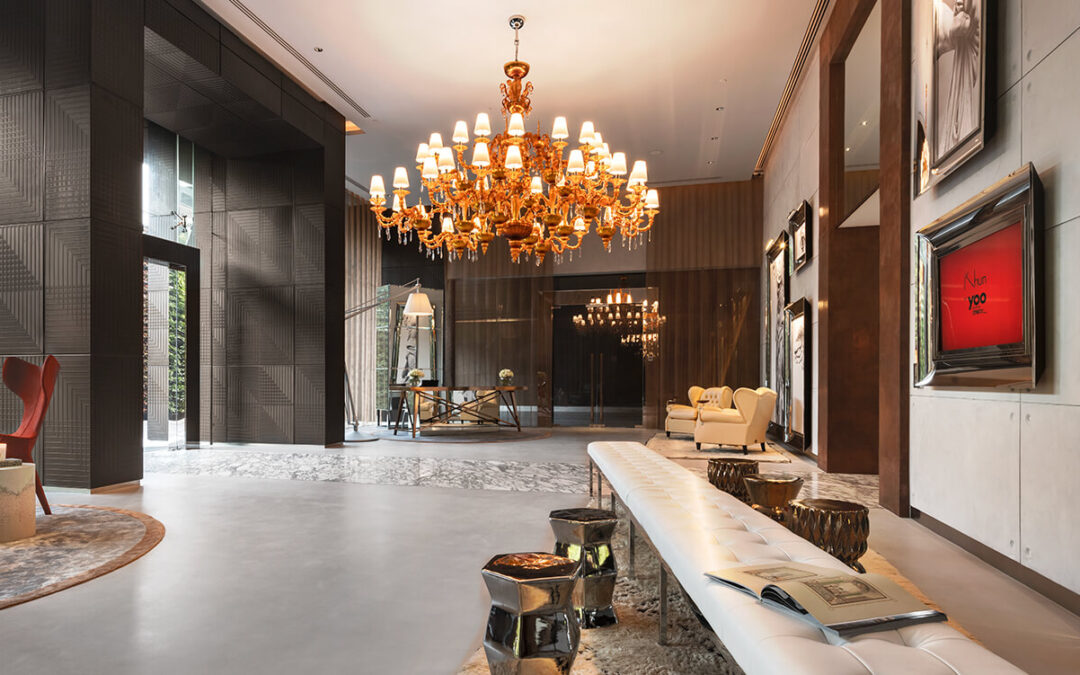
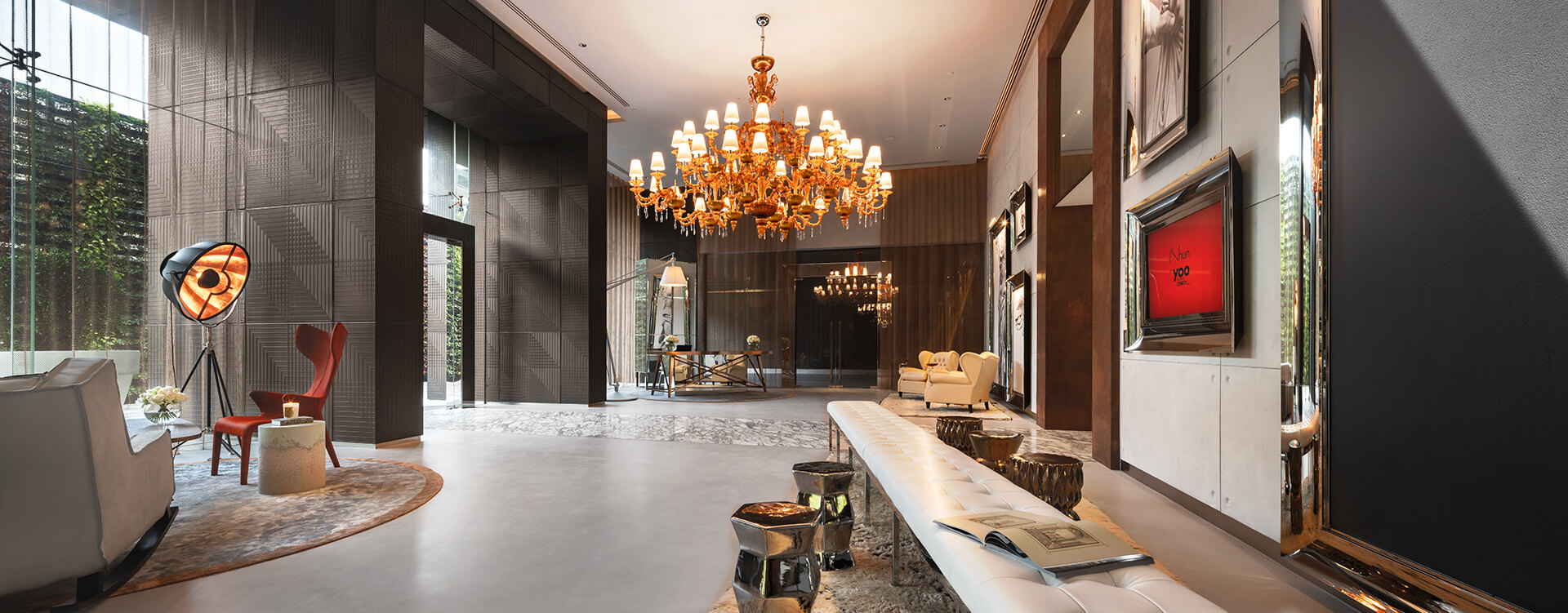
Arrival, lobby and building management shape the first impression for both owners and tenants.
Room sizes and buyer fit
The official project page lists room categories from one-bedroom units to penthouses, with stated size bands including 41.50-53.50 sq m for one-bedroom units, 82.00-97.75 sq m for two-bedroom units, 139.25-149.75 sq m for three-bedroom units and 294.00-302.75 sq m for penthouses. Those ranges mean buyers should not judge the project from a single floor plan.
A one-bedroom buyer should focus on storage, natural light, balcony usability, furniture fit and whether the rent can justify the premium over nearby alternatives. A larger-unit buyer should think more about family routines, parking, maid or service areas where applicable, privacy and whether future resale buyers will recognise the value of the exact layout.
For overseas owners, the practical question is management. A distinctive unit can perform well only if it is kept in strong condition. Furnishing, inspections, repairs, tenant handover and common-area quality need a local support plan.
Amenities are part of the luxury promise
The official gallery highlights arrival spaces and interior amenities, which are important in a lifestyle-led building. Luxury buyers often respond to the feeling of arrival, security, quiet, lighting, lift experience, lobby quality and how common areas age. These details can influence both rental showings and resale confidence.
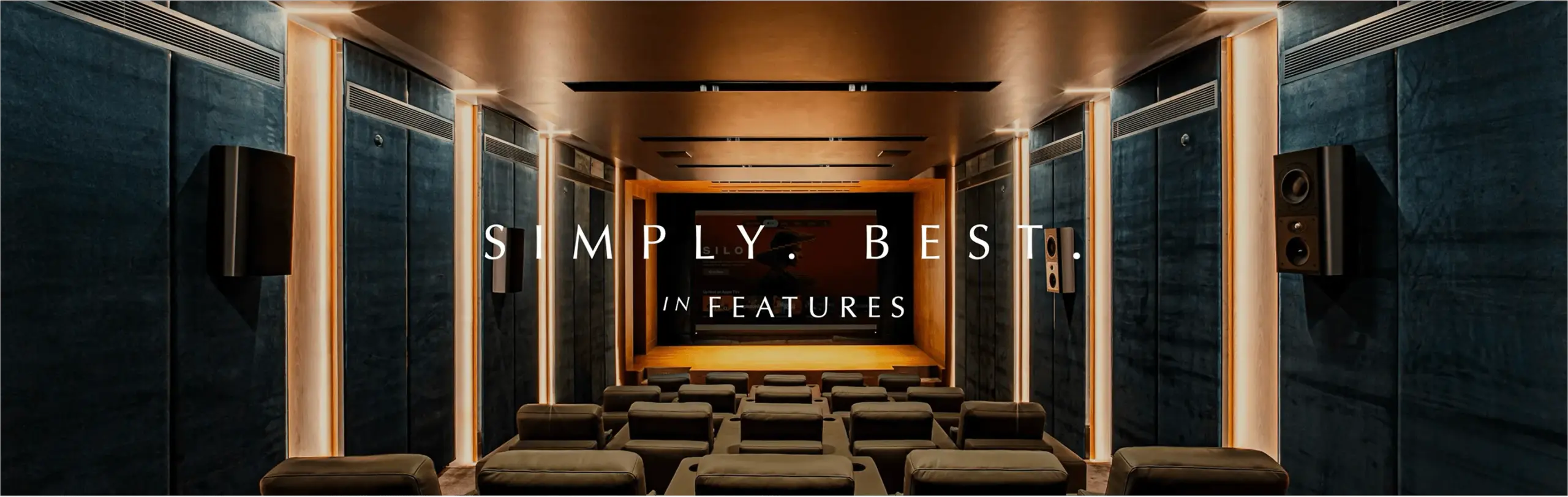
At the same time, facilities should be tested against actual use. A beautiful pool, lounge or theatre room is valuable only if residents use it, management maintains it and costs remain sensible. Buyers should ask for current common fees, sinking fund position, recent minutes, arrears and planned works before treating amenity quality as durable value.
Amenity quality should be judged against common fees, resident profile and long-term upkeep.
Tenant and resale profile
KHUN by Yoo is likely to appeal most to tenants and buyers who already understand Thonglor and want a recognisable design address. That can be a strength because the product is memorable. It can also narrow the audience compared with a more neutral building. Investors should compare achieved rents in the building and nearby luxury projects rather than relying on broad Thonglor averages.
Resale depth should be assessed by unit type. Smaller units may compete with many newer lifestyle condos. Larger units compete with a more selective luxury buyer pool, where view, parking, privacy, building upkeep and price discipline matter. The more expensive the unit, the more important it is to understand who the next buyer could be.
Do not assume a famous district automatically protects exit value. It helps, but it does not fix overpricing, weak documentation, poor furnishing or a unit with compromised outlook. A buyer should walk away if the premium cannot be defended by the exact unit and building file.
Buyer takeaway
KHUN by Yoo can suit foreign buyers who want a completed, design-led Thonglor condominium with a strong lifestyle identity and relatively low unit count. It should be underwritten as a premium lifestyle hold with selective rental appeal, not as a simple yield product.
Before reserving, compare it with IBP’s project reviews, developer watch and district guides. IBP Real Estate can help test foreign quota, building records, rent evidence and resale depth before you commit.