

Bangkok Condo Handover Checklist For Foreign Buyers

Bangkok Condo Handover Checklist For Foreign Buyers

For a foreign buyer, Bangkok condo handover is more than collecting keys. It is the moment when the sales contract, foreign-quota confirmation, money-transfer evidence, building documents, defect list and future rental plan all meet in one practical process. A smooth handover protects value. A rushed handover can leave the buyer with unresolved defects, missing documents or avoidable friction with the juristic office.

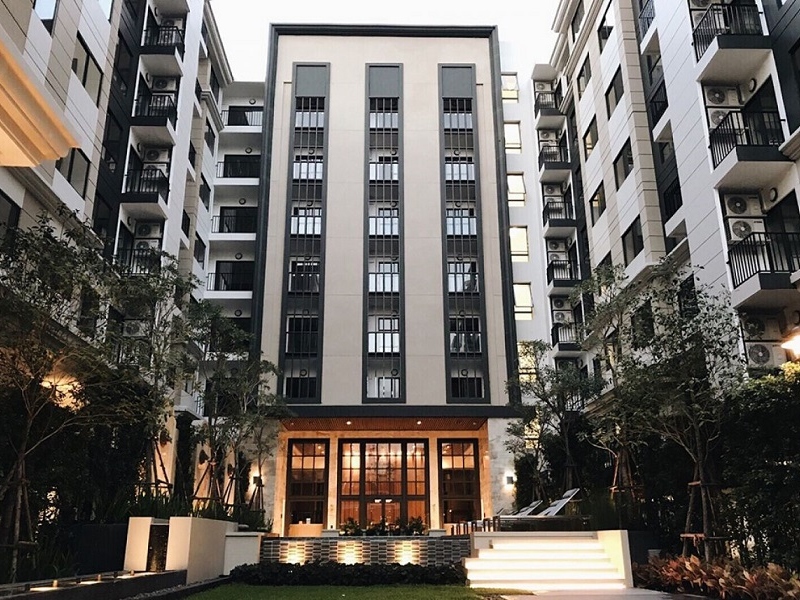
Bangkok condominium building for foreign buyer handover checklist
Handover is the point where a Bangkok condo moves from purchase promise to practical ownership.

The handover process differs slightly between new-build purchases and resales, but the principle is the same: do not treat possession as a formality. A foreign buyer may be outside Thailand, may be relying on a representative, or may be planning to rent the unit shortly after transfer. That makes a written checklist essential. The best approach is to separate legal transfer, physical inspection and operational setup, then ensure each item has documentary proof.

Before Handover: Confirm The Legal Path Is Ready

Before you inspect the unit, confirm that the ownership route is still intact. For foreign freehold ownership, the unit must sit within the building’s foreign quota at the time of registration. Thailand’s official public-service guidance notes that a buyer should obtain a letter confirming the foreign ownership proportion from the condominium juristic person for submission to the Department of Lands. In practice, that letter, the title deed, the seller’s documents and the buyer’s identity documents should be checked before transfer day.

You should also confirm that your foreign-currency remittance paperwork is complete. The name on the banking documents should match the buyer who will be registered on the title deed. The transfer purpose should be clear. If funds have been sent in several tranches, keep all bank advice, conversion records and any Foreign Exchange Transaction documentation together. Missing or inconsistent payment evidence can delay transfer and create problems later when you sell and remit funds out of Thailand.

Physical Inspection: Do Not Rely On The Showroom Memory

A new Bangkok condominium can look finished while still having defects that matter. Common issues include scratched aluminium frames, hollow floor tiles, uneven cabinet doors, weak water pressure, air-conditioning drainage problems, balcony falls, cracked grout, poorly sealed bathrooms and paint defects around ceiling joints. These are easier to fix before the developer receives final acceptance than after the unit is fully occupied or rented.
Completed Bangkok condominium unit before handover inspection
The unit inspection should cover defects, warranties, utilities and the handover record.

Bring a simple kit: phone charger, masking tape, torch, measuring tape, tissue, small marble or spirit level, and a printed floor plan. Test every power socket, light switch, door lock, window latch, tap, drain, air-conditioning fan mode and built-in appliance. Run water for several minutes, not just a few seconds. Open and close balcony doors repeatedly. Take photographs and short videos, then mark each defect on the handover form. A vague note such as ‘minor defects’ is not enough; list the specific item and location.

Documents To Collect On Handover Day

The exact file will vary by project, but foreign buyers should usually collect or confirm the following documents:

  • A signed handover or inspection record with every defect listed.
  • Warranty documents for appliances, air-conditioning, built-in furniture and major systems.
  • Receipts or evidence for final payments, sinking fund and common-area management fees.
  • Juristic office contact details, payment instructions and building rules.
  • Utility meter readings and account transfer information.
  • Access cards, mailbox keys, parking documents and digital access setup where applicable.
  • Copies of title, transfer and tax documents after Land Office registration.

If the buyer cannot attend personally, the authorised representative should have a clear power of attorney and a written instruction not to sign final acceptance until major defects are recorded. For high-value units, a professional inspector can be worth the cost because they will test systematically and produce a report that is easier for the developer or seller to act on.

New Build Versus Resale Handover

New Build

In a new-build purchase, the developer controls the defect process. Buyers should ask for the rectification timetable, escalation contact and policy on reinspection. Some developers separate ownership transfer from final defect completion. That can be acceptable if defects are minor and properly recorded, but buyers should avoid accepting vague promises. If the unit will be rented quickly, insist that work is completed before furniture installation because contractors can damage new furniture or delay tenant move-in.

Resale

In a resale, the buyer is usually accepting the unit in its existing condition unless the sale agreement says otherwise. That makes pre-transfer inspection more important. Check whether furniture, appliances and curtains are included, and photograph them. Confirm that there are no unpaid common fees, utility arrears or renovation penalties. Ask the juristic office whether the unit has any outstanding building-rule issues, such as unauthorised alterations or short-term rental complaints.

Bangkok condominium tower representing ownership and document checks
Foreign buyers should keep transfer, payment and building-management documents together from day one.

Setting Up The Unit For Rental Or Personal Use

After handover, the owner should decide quickly whether the unit will be owner-occupied, long-term rented or held vacant. Each path requires different setup. A rental unit needs durable furniture, neutral styling, working internet, spare keys, appliance manuals and a clear inventory. An owner-occupied unit may need more personal storage, insurance and a maintenance contact. A vacant investment unit still needs periodic checks for leaks, air-conditioning, pests and humidity.

Foreign owners should register preferred communication channels with the juristic office and ensure common-fee invoices are not sent only to a local mailbox. Missed invoices can create penalties and complicate resale. It is also sensible to keep a cloud folder with all ownership documents, inspection photos, warranty papers, lease agreements and tax records. When you eventually sell, that tidy file can make the transaction smoother.

When To Delay Acceptance

Not every defect should delay handover, but some issues deserve caution. Water leaks, electrical faults, major air-conditioning problems, unsafe balcony doors, incorrect unit area, missing title or transfer documents, and unresolved foreign-quota concerns should be treated seriously. Cosmetic defects can usually be tracked and repaired, but defects that affect safety, legal ownership or habitability should be escalated before acceptance.

Foreign Buyer Takeaway

The handover stage is where a buyer can still prevent small problems from becoming expensive irritations. A calm, written process is better than a rushed key collection. Confirm the legal transfer path, inspect the unit properly, collect every document and set up juristic communication from the start.

IBP can help foreign buyers coordinate handover, rental readiness and document checks. For related ownership guidance, see the IBP foreign buyer guides, then speak with the team before your transfer date is fixed.

Bangkok Condo Due Diligence: Foreign Buyer Checklist

Bangkok Condo Due Diligence: Foreign Buyer Checklist

Bangkok condominium due diligence is not complicated in theory, but it is unforgiving when buyers rush. Foreigners can buy freehold condominium units in Thailand, but only when the legal conditions, building quota, payment evidence and Land Office process line up correctly.

A good purchase file should prove four things before completion: the unit can legally be transferred to a foreign buyer, the seller has the right to sell, the building is financially and physically manageable, and the buyer can present the right foreign-exchange evidence at transfer.

This checklist is written for foreign buyers considering Bangkok property from overseas. It is practical rather than legal advice. Use it to structure questions for your lawyer, agent, bank and the condominium juristic office before money becomes difficult to recover.

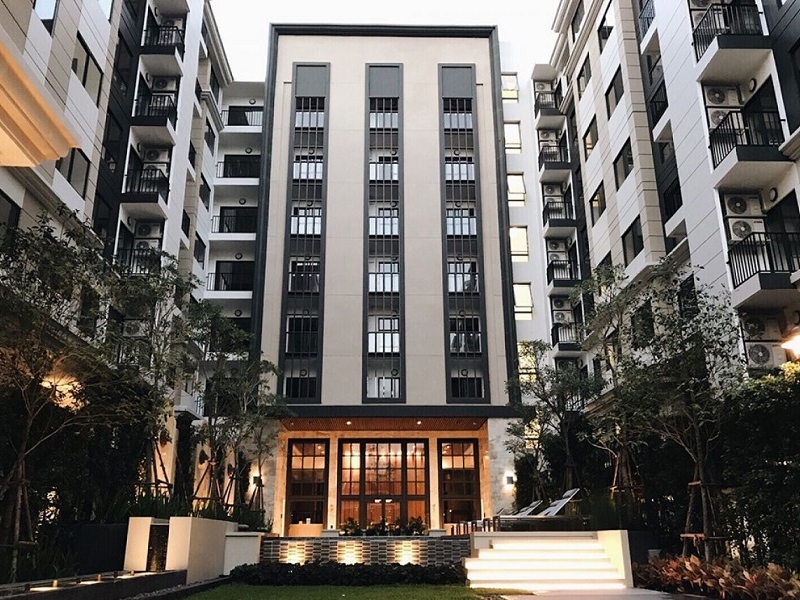
Bangkok condominium building used to illustrate foreign buyer due diligence
Due diligence starts with the exact building, not only the district or developer name.

Confirm foreign quota before the deposit becomes binding

The first question is whether the unit can be registered in foreign freehold name. Thailand.go.th, the Thai government portal, explains that foreigners may own condominium units within the permitted foreign proportion and that a letter confirming the foreign proportion from the condominium juristic person is required for the transfer process.

In practice, ask for written foreign-quota confirmation that names the project, building, unit and current quota position. Do not rely only on a verbal statement from a salesperson. For resale units, the juristic office should be able to issue a quota letter or explain the documents required before it does so. For off-plan purchases, the sales agreement should state how foreign quota is reserved and what remedy applies if transfer cannot proceed in foreign name.

Quota is usually measured by area, not simply the number of units. That distinction matters in buildings with many large foreign-owned units. A small number of large units can consume more quota than buyers expect, so confirmation should be tied to the measured area of the specific unit.

Plan the foreign exchange evidence early

Foreign buyers usually need to show that purchase funds were brought into Thailand in foreign currency for the condominium purchase. The receiving bank issues the foreign-exchange evidence commonly referred to as an FET form or equivalent bank document, depending on the amount and transaction structure.

Do not leave this until transfer week. Ask your Thai receiving bank what wording should be used in the remittance instruction, whose name must appear as sender or beneficiary, how multiple payments will be documented, and how long the bank needs to issue the required evidence. If parents, spouses, companies or overseas trusts are involved, check the structure with a Thai lawyer before sending funds.

The safest instruction normally makes the purpose clear, such as purchase of condominium unit, and keeps the buyer name consistent. A mismatch between buyer, sender, developer receipt and bank certificate can delay transfer or create unnecessary explanation at the Land Office.

Freehold Bangkok condominium near Queen Sirikit MRT and Benjakitti Park
Foreign buyers should confirm tenure, foreign quota and transfer requirements before paying a non-refundable deposit.

Review title and seller authority

For a completed resale unit, the buyer should review the condominium title deed, seller identification, marriage consent if relevant, mortgage status and any registered encumbrances. If the seller is a company, verify authorised signatories and corporate approvals. If the unit is inherited or held through a power of attorney, the supporting documents deserve extra scrutiny.

The contract should clearly state the unit number, area, furniture list, fixtures, transfer date, who pays each tax or fee, what happens if either party fails to transfer, and whether the deposit is refundable if legal transfer conditions are not met. Avoid vague promises that are not written into the contract.

For off-plan purchases, review the developer entity, construction timeline, payment schedule, completion obligations, defect period, common-area specifications and remedies for delay. The more future performance you are buying, the more important the developer track record becomes.

Read the building, not only the brochure

The condominium juristic person is central to long-term ownership quality. Ask about common fees, sinking fund balances, insurance, major repair plans, parking rules, pet rules, short-stay restrictions, renovation controls and any ongoing disputes. If possible, review annual meeting minutes and financial statements.

A beautiful lobby does not guarantee a healthy building. Look for signs of deferred maintenance, lift downtime, water leaks, weak security, noisy short-term rentals or poor communication from management. These issues affect tenant satisfaction, resale confidence and owner stress.

For investment buyers, also test practical rental demand. A one-bedroom unit near transport may rent quickly, but a large luxury unit may need a narrower tenant pool. Ask for evidence of recent leases in the same building or direct competitors, not only district averages.

Buyers should also confirm practical handover details: meter readings, access cards, mailbox keys, parking stickers, outstanding common fees and whether furniture shown during inspection will remain at transfer. Small omissions can become expensive when the buyer is overseas.

Bangkok condominium tower representing resale due diligence checks
A resale purchase requires careful review of juristic records, transfer costs, title documents and payment timing.

Check transfer costs and after-transfer obligations

Thailand.go.th lists official fee guidance for condominium transfers, including a transfer fee based on appraised value. In real transactions, buyers also need to understand specific business tax, stamp duty, withholding tax, agent commission, juristic clearance fees, utility deposits and any apportionment of common fees. Which party pays each item should be written into the contract.

After transfer, the buyer needs registered title documents, keys, access cards, utility account changes, insurance review, tax records, juristic registration and a plan for leasing or property management. Overseas owners should appoint a reliable local contact for repairs, tenant handover and annual notices.

Bangkok remains one of the clearest freehold condominium markets in the region for foreign buyers, but clarity depends on process. Before signing, ask Invest Bangkok Property to review the unit, building, quota position and transaction timeline with you so the purchase is structured correctly from the start.

Translate 翻译 »