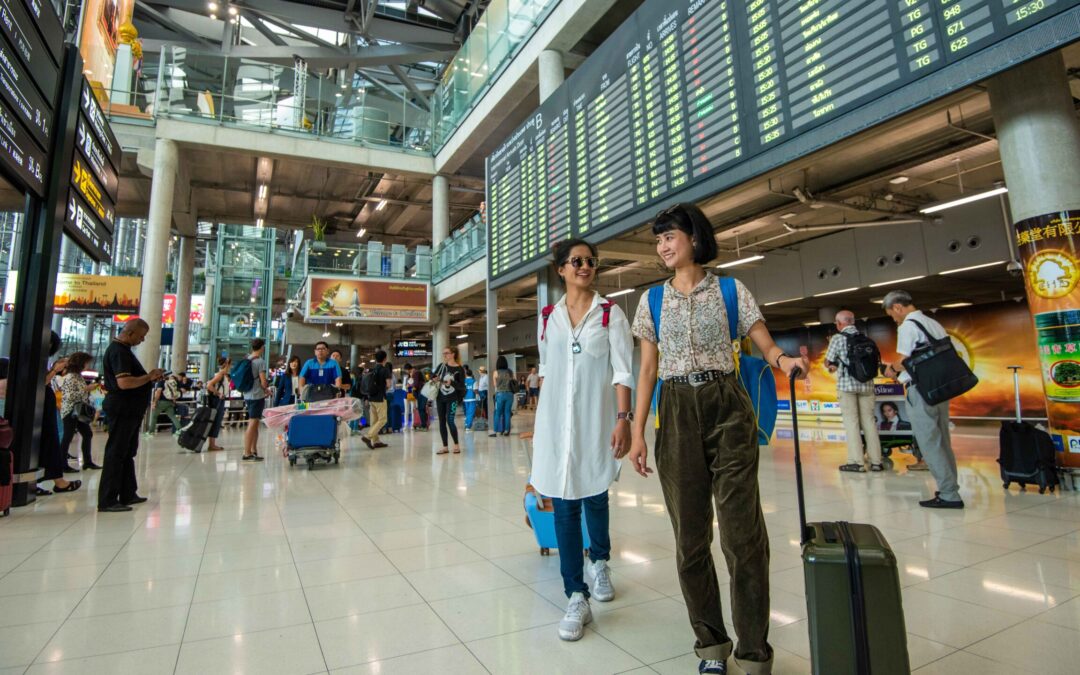
Thailands tourism direction for 2026 is increasingly framed around value rather than raw visitor volume. For foreign buyers considering Bangkok property, that shift matters because high-quality travel can support a more durable demand base: longer stays, stronger spending, medical and wellness trips, business events, culture-led visits and repeat regional travel.
Thailand is steering its tourism strategy toward higher-quality, value-led travel.
The Tourism Authority of Thailand reported that the country recorded 9.31 million international arrivals in the first quarter of 2026. China remained the largest visitor market with 1.49 million travellers, followed by Malaysia, Russia, India and South Korea. TAT also projected approximately 30 to 34 million international arrivals for 2026 and total tourism revenue of about 2.58 trillion baht.
Why value-led tourism is different from crowd counting
For property, the most useful question is not only how many people arrive. It is who arrives, why they come, how long they stay and what level of accommodation and lifestyle they require. A visitor who comes for a medical programme, executive meeting, family school search or wellness stay can have a different city footprint from a short budget trip.
Bangkok benefits from this because it is the countrys main airport, business, healthcare, retail and hospitality hub. Even when visitors continue to Phuket, Chiang Mai or Samui, many pass through Bangkok. Some return for repeat visits, part-time living or investment scouting. That is why tourism confidence can become a residential property signal, especially in districts with transport, hospitals, hotels, malls and serviced-living options.
What it means for rental demand
A value-over-volume strategy should not be read as a promise of higher rents. It is better understood as a demand-quality indicator. Owners still need the right unit, price, location and management. But a city that attracts international patients, executives, families and culture-led travellers may have more layers of rental demand than a city dependent on one narrow visitor group.
Quality tourism is relevant to Bangkok property because long-stay and premium visitors support deeper city demand.
This is particularly relevant for well-connected condominiums near Sukhumvit, Silom, Sathorn, Rama IV, riverside hospitality clusters and medical hubs. Tenants in these areas may include relocation families, consultants, airline and hospitality executives, wellness visitors and business owners who want flexible city access. The best units for this audience are not always the biggest; they are the ones that make a stay efficient.
Confidence, branding and the premium city effect
TATs emphasis on safety, quality, reliability and wellbeing is also part of Bangkoks global positioning. Foreign property buyers usually compare Bangkok with other Asian cities on cost, lifestyle, healthcare, schools, connectivity and ease of ownership. A tourism brand built around confidence can reinforce the idea that Bangkok is a liveable base, not only a place to visit.
This is why premium retail, healthcare, dining, hotel and event infrastructure matter to property investors. They create everyday reasons for people with international budgets to spend time in the city. That can support both owner-occupier appeal and rental liquidity, provided the specific condominium is well selected.
The nuance is that value-led tourism may concentrate benefits in better-managed locations rather than lift every asset equally. Buildings close to transport, hospitals, embassies, retail and hospitality clusters are more likely to convert visitor confidence into residential interest. Peripheral or poorly maintained units may see little benefit even when national tourism revenue is strong.
How buyers should use this signal
Use the tourism strategy as background, not as a substitute for asset due diligence. Buyers should still test building quality, common fees, rent comparables, tenant profile, resale depth and currency exposure. A strong national tourism narrative does not rescue a poor unit in a weak building.
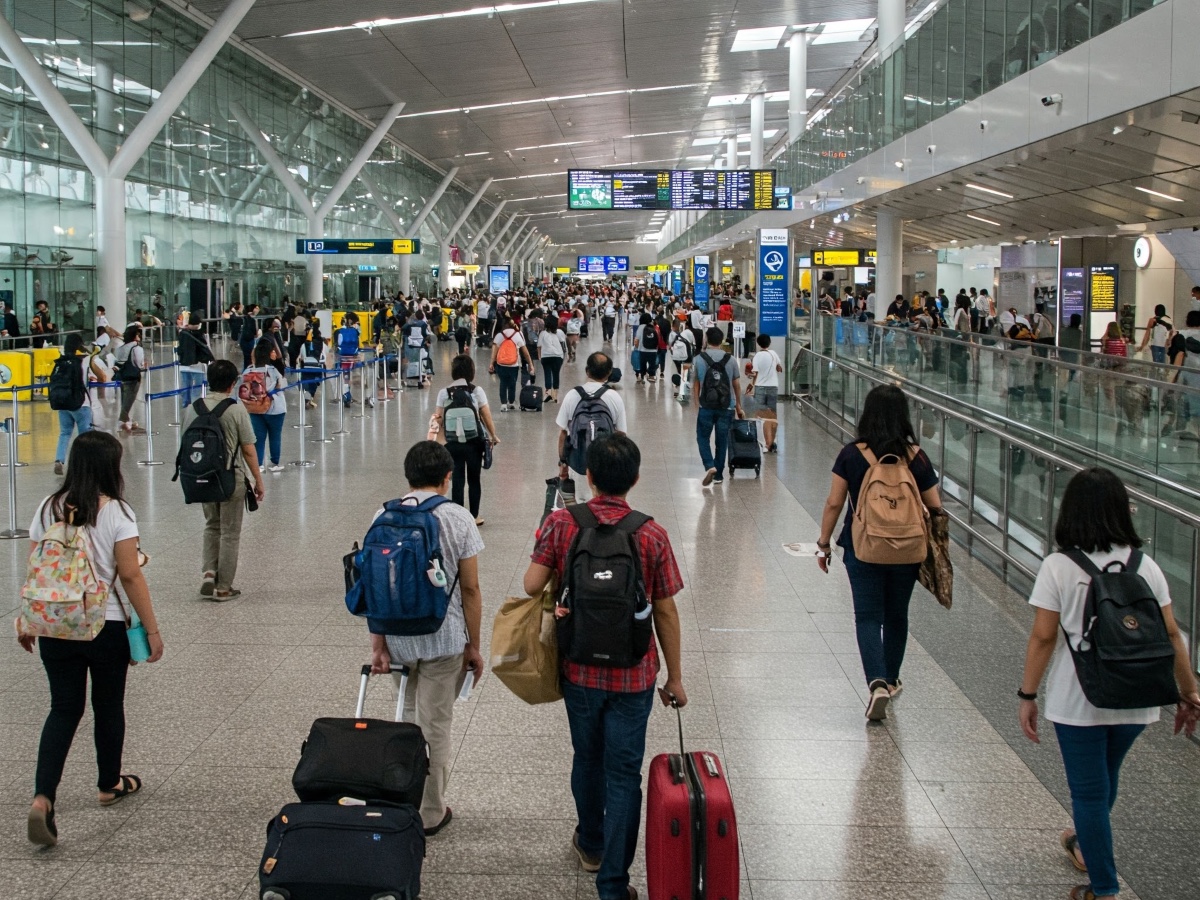
A diversified tourism base can help support Bangkoks role as the countrys main global gateway.
Foreign buyers should also watch how hotels, airlines, medical providers and event venues respond through the year. When these operators add capacity, renovate, hire or launch higher-value services, it can strengthen the case for nearby residential districts. When demand softens, it may show up first in hotel rates and serviced-apartment leasing before condominium owners feel it.
The better use is to identify districts where tourism, business and residential demand overlap. IBP can help buyers compare these overlaps through the Thailand Economy & Investment News archive and a Bangkok property search built around realistic tenant demand.
Thailand’s investment story is most useful for property buyers when it moves from announcements to actual spending. On 13 May 2026, Nation Thailand reported comments from Deputy Prime Minister and Finance Minister Ekniti Nitithanprapas that actual investment rose 18 percent to around 260 billion baht in the first quarter of 2026. The report linked the improvement to stronger conversion of promoted investment into real capital deployment and to the government’s BOI Fast Pass efforts.
Actual investment matters because it points to capital being deployed, not only announced.
For foreign buyers of Bangkok property, the point is not to treat one quarterly investment figure as a condo-price forecast. The connection is broader. When more capital is deployed into industry, technology, supply chains and services, Bangkok often benefits as the country’s headquarters, finance, legal, healthcare, education and lifestyle hub. Investors should read the number as a confidence signal, then still make building-level decisions with discipline.
Why actual investment is different from approvals
Investment applications and approvals are useful, but they are not the same as money being spent on the ground. Actual investment suggests that companies are moving into implementation: hiring, purchasing equipment, signing leases, contracting suppliers, building facilities and creating operational demand. That is why the reported 18 percent rise is notable. It speaks to conversion, not just aspiration.
The Bangkok property relevance is indirect. A factory or data facility may not be located in central Bangkok, but management teams, consultants, engineers, bankers, lawyers and visiting executives often use Bangkok as their base. The city concentrates international schools, private hospitals, serviced offices, embassies, hotels, retail and flight connectivity. Those amenities support long-stay decisions for both Thai and foreign professionals.
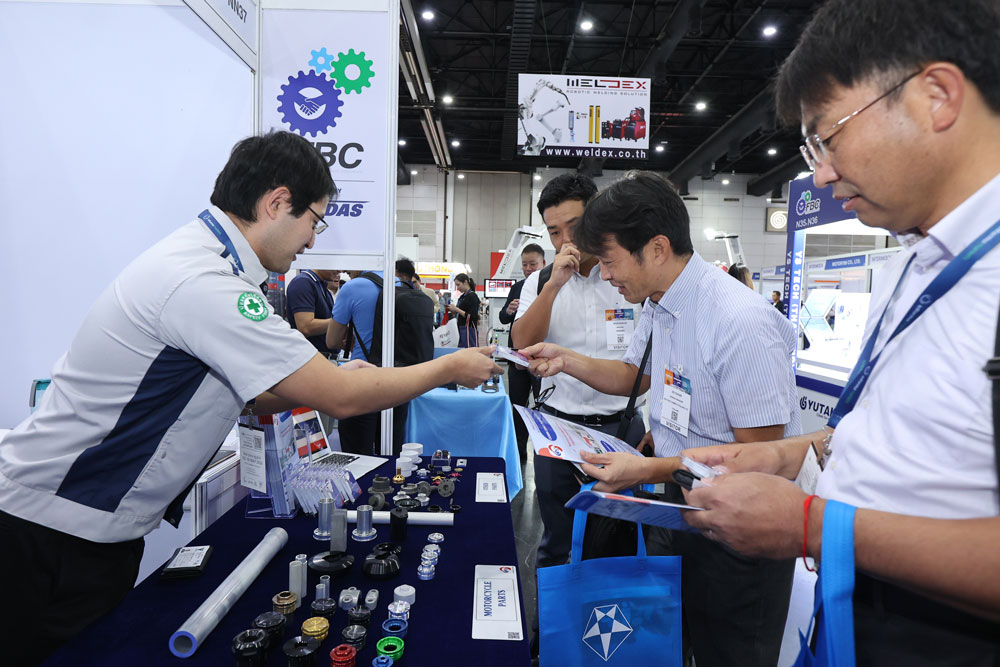
Corporate investment supports the services, transport and talent ecosystem that Bangkok residents use.
What this can support in Bangkok
The strongest property impact is usually in demand quality, not headline speculation. Corporate investment can support executive rentals, serviced apartment demand, family relocation, office-linked residential choices and confidence in districts with strong transport access. Areas connected to BTS, MRT, expressways, hospitals and schools may be better positioned than locations that depend only on tourism or short-stay demand.
It can also support confidence among existing owners. When companies continue deploying capital, Bangkok feels less like a purely discretionary lifestyle market and more like a city with continuing business purpose. That distinction matters for buyers who want a home that can also remain relevant to future tenants.
This matters because Bangkok is not one property market. Asoke, Phrom Phong, Thonglor, Sathorn, Rama IV, Phaya Thai, Bang Na and riverside districts each serve different demand profiles. A macro investment theme should help buyers ask better questions about tenant depth and resale audience. It should not push them into a unit that fails the local test.
Why foreign buyers should stay measured
Thailand still faces challenges: cautious lending, household debt pressure, global uncertainty and uneven tourism conditions. Actual investment growth can improve confidence, but it does not remove these constraints. Some property segments may remain slow even while strategic investment improves. Developers may continue clearing inventory, and local buyers may still face credit limits.
That is why foreign buyers should avoid broad claims such as “investment is rising, so all Bangkok condos are undervalued”. A better conclusion is that Thailand’s investment base remains active enough to support Bangkok’s long-term role as a regional living and business hub. The individual purchase still needs a conservative entry price and a clear exit plan.
Foreign condo buyers should connect macro confidence to specific district and building demand.
How to use the signal
Prioritise districts that connect business, transport and daily-life infrastructure.
Check rental evidence from the same building or immediate area, not only macro headlines.
Prefer buildings with strong management, sensible common fees and practical layouts.
Treat corporate investment as long-term support, not a guarantee of quick appreciation.
Compare completed inventory and resale units before committing to a new launch premium.
Actual investment growth is encouraging because it suggests that companies are still committing real capital to Thailand. For Bangkok property, the best response is selective confidence. Buyers can be constructive on the city while remaining demanding about unit quality, price and legal cleanliness.
IBP can help foreign buyers translate Thailand investment themes into practical Bangkok district and building choices. Read more in our Thailand economy and investment news or contact IBP Real Estate for a buyer brief.