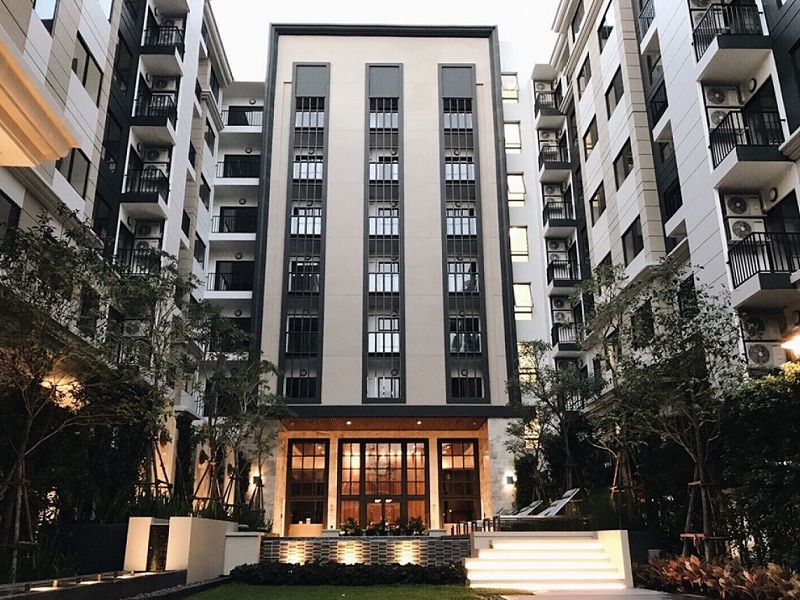
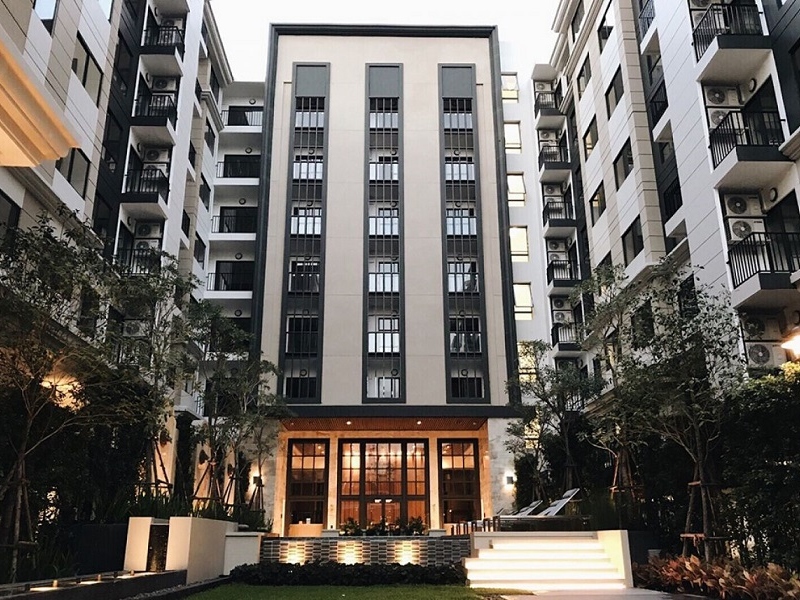
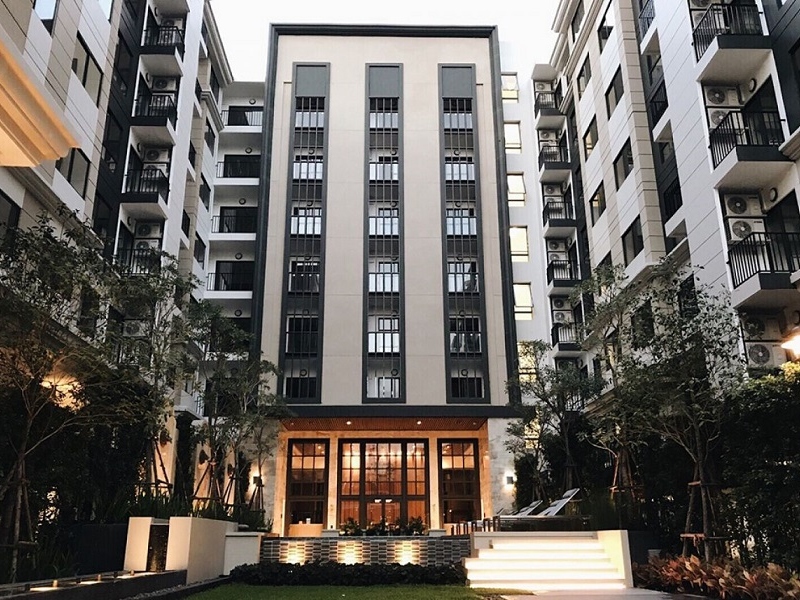
Bangkok condo fire safety deserves attention before purchase, after move-in and whenever a unit is rented out. A polished lobby or new interior does not by itself show how well residents can detect a problem, leave the building or receive help during an emergency.
Fire safety should be assessed at building level as well as inside the unit.
Foreign owners should treat safety as a whole-building issue. The unit, corridor, stairways, equipment, management procedures and resident behaviour all interact. This guide provides practical questions to raise, but it does not replace inspection by qualified professionals or advice on Thai building requirements.
Walk the escape route from the exact unit
Start at the front door and follow the designated route to a safe exit. Note the number and position of stairways, direction signs, emergency lighting, fire doors and any level changes. The route should be understood without assuming that lifts will be available.
Repeat the walk at night and consider how smoke, low visibility or a power interruption could affect it. Check whether corridor storage, decorative furniture, bicycles or renovation materials obstruct movement. Ask the juristic office how obstructions are reported and removed.
Understand alarms and resident notifications
Identify detection and alarm equipment inside the unit and in shared areas. Ask how the building communicates an incident, whether announcements are made in languages residents understand and how management contacts owners who are overseas.
An alarm is useful only if residents recognise it and know what to do. Request the building’s emergency instructions, save relevant contact numbers and discuss the procedure with every household member. Tenants should receive the same information at handover rather than discover it during an emergency.
Check fire doors and stairways
Fire doors and protected stairways are part of the escape strategy, not ordinary convenience features. Observe whether doors close correctly, are damaged, are held open or are difficult to use. Do not alter shared safety components or prop doors open for deliveries.
Look at the route all the way to ground level or the building’s designated discharge point. A stairwell that appears clear near the unit may have a problem on another floor. Any concern should be recorded and raised with management for professional assessment.
Residents should know the usable route from the unit to a safe exit without relying on a lift.
Review in-unit electrical and cooking risks
Overloaded extensions, damaged plugs, poor-quality chargers and unsuitable adapters can create avoidable risk. Have the unit’s electrical condition checked where age, renovation history or visible workmanship creates concern. Use equipment appropriate to the local supply and replace damaged items promptly.
Cooking needs similar discipline. Keep combustible items away from heat, do not leave active cooking unattended and clean grease from appliances and extraction areas. Confirm which cooking equipment the building permits, especially before buying or installing high-load appliances.
Treat renovations as a safety event
Renovation can affect wiring, detectors, sprinklers, doors, partitions and access routes. Obtain written building approval where required and use properly qualified contractors. The cheapest proposal is not good value if it bypasses permissions or leaves undocumented changes.
Before work begins, agree how alarms, dust controls, hot work, material storage and waste removal will be handled. After completion, keep invoices, approvals, drawings and test records in the ownership file. A later buyer, tenant or insurer may need to understand what changed.
Ask for building-level records
Through the appropriate legal and management channels, ask about inspection, testing, drills, maintenance and known defects affecting safety systems. The purpose is not to collect certificates without reading them, but to understand whether the building follows a consistent maintenance programme and closes identified issues.
Minutes and notices may reveal recurring concerns such as blocked routes, failed equipment, access problems or delayed repairs. Have important Thai-language material translated accurately and let a qualified adviser explain anything that affects the purchase decision.
Plan for children, older residents and pets
Households differ in mobility, hearing, vision and language. Decide who assists children or an older family member and how essential medication, mobility aids or pet carriers can be reached without delaying evacuation. Keep routes clear inside the unit.
Do not create a plan that depends on one person always being home. Guests, domestic staff and short-term visitors should know the basics. If a household member needs specific assistance, discuss realistic arrangements with building management rather than assuming they are already in place.
Clear management procedures, maintenance records and resident communication support a safer building.
Coordinate insurance and documentation
Building insurance and an owner’s own cover may protect different interests. Ask an insurance professional to explain the scope, exclusions, declared use, contents, liability, temporary accommodation and claim requirements. A landlord should disclose the actual tenancy arrangement accurately.
Photograph important contents, retain purchase and renovation records and keep policy details securely accessible outside the unit. Overseas owners should nominate a reliable local contact within a clearly documented authority while keeping control of personal and financial information.
Give tenants a proper safety handover
A rental handover should identify the escape route, alarms, emergency contacts, building rules and permitted appliances. Demonstrate relevant equipment where appropriate and record that information was provided. Avoid presenting safety as a page of rules that the tenant is unlikely to read.
Schedule periodic checks through an agreed management process and provide a simple way to report faults. Safety-related repairs should be distinguished from cosmetic requests and escalated promptly to the responsible party.
Foreign-owner fire-safety checklist
Walk the full escape route from the unit.
Identify alarms and resident notification methods.
Inspect visible doors, signs, lighting and obstructions.
Review electrical, cooking and renovation risks.
Ask about testing, drills, maintenance and open defects.
Many foreign buyers think the hard part ends on transfer day. In practice, the first renovation or furnishing period can decide whether a Bangkok condominium becomes an easy asset or a source of avoidable disputes. Even a simple upgrade – curtains, lighting, built-in storage, appliances, painting or furniture delivery – needs to respect building rules, contractor access, noise limits and common-area protection.
Renovation planning should start with the juristic rules before any contractor enters the unit.
This guide is for foreign owners who have just bought a Bangkok condo, or who are preparing a resale unit for rental. It is not a substitute for legal advice or the specific rules of a particular condominium. It is a practical framework for asking the right questions before paying deposits, booking contractors or promising a tenant a move-in date.
The key point is simple: the unit belongs to the owner, but the building is shared. Renovation work can affect neighbours, lifts, fire systems, drainage, structure, waterproofing, corridors and the reputation of the juristic office. Good buildings usually have clear procedures. Owners should treat those procedures as part of asset protection, not as an inconvenience.
Start with the juristic office
Before appointing a contractor, ask the juristic office for the renovation rules in writing. These may cover working hours, noisy-work windows, lift booking, contractor registration, worker ID cards, refundable deposits, waste removal, protection boards, loading-bay access, prohibited works and penalties for damage. In some buildings, even furniture delivery needs advance booking.
Foreign owners who are overseas should not leave this entirely to a contractor. The contractor may understand construction, but the owner carries the consequences if the building fines the unit, refuses access or claims damage to common areas. Ask for translated summaries where available, and have your agent or property manager confirm the process with the juristic team before work begins.
Know what work is sensitive
Cosmetic work is usually simpler than structural, plumbing or electrical changes. Painting, loose furniture, curtains and standard appliances may be straightforward. Built-in cabinetry, kitchen alterations, bathroom work, flooring, air-conditioning relocation, wall drilling and changes near wet areas require more care. Any work that can affect waterproofing, drainage, load, fire safety or shared systems should be treated as sensitive until the building confirms otherwise.
Foreign buyers should be particularly cautious with older resale units. A contractor may propose opening floors, moving drains or changing bathroom layouts to modernise the unit. Those ideas can create hidden risk if waterproofing fails later or if the building does not permit the change. A cheaper renovation can become expensive when it causes a leak into a lower unit.
Building management controls protect common areas, lifts, neighbours and future rental value.
Protect the common areas
A professional renovation plan includes common-area protection. Lifts may need padding. Corridors may need boards. Deliveries may need a service lift and loading bay. Waste must be removed properly, not left near fire exits or refuse rooms. Contractors should not store materials in corridors or block emergency access.
This is not only about manners. Common-area damage can create claims against the unit owner. Scratched lift panels, broken tiles, stained carpets and damaged walls can be charged to the owner even if the contractor caused the problem. Owners should photograph corridors, lift interiors and the unit entrance before work starts, then again after completion.
Contractor controls that matter
Require a written scope of work with materials, brands, colours and dimensions.
Avoid large upfront payments before access approval is confirmed.
Set a payment schedule linked to visible completion stages.
Ask who supervises workers when the owner is not in Bangkok.
Confirm insurance or responsibility for damage to the unit and common areas.
Keep copies of worker registration, lift bookings and building approvals.
The best contractor is not always the cheapest. For a foreign owner, reliability, communication and building-rule discipline are often more valuable than a small saving. Delays can cost rent, and poor workmanship can hurt resale value. If the unit will be rented, use durable materials and standard fittings that can be repaired easily.
Plan around rental timing
Owners preparing a unit for rent should avoid promising handover before the renovation is fully complete, cleaned and tested. Air-conditioning, hot water, washing machines, hob, extractor, internet, curtains, door locks and bathroom seals should be checked before marketing photos are taken. A beautiful unit with unresolved defects can lead to tenant complaints within the first week.
If a tenant is already lined up, build in time for final cleaning, snagging and replacement parts. Bangkok contractors can move quickly, but imported appliances, custom furniture and building access restrictions may create delays. A cautious timeline is better than a rushed move-in that damages the owner’s relationship with the tenant.
A room-by-room condition record helps owners separate renovation scope from handover defects.
Special issues for overseas owners
If you are not in Thailand, appoint one accountable person to coordinate the work. This may be a trusted agent, property manager or representative. Avoid a situation where the contractor, juristic office, furniture supplier and tenant all receive different instructions from different people. Keep one written channel for decisions and approvals.
Overseas owners should also keep payment evidence, invoices and before-and-after photos. These records help with future resale, insurance, tax discussions and warranty claims. They also help an adviser understand what has been changed if a leak, electrical fault or appliance problem appears later.
What not to do
Do not assume that because another unit made a change, your unit can do the same. Do not let a contractor start drilling before approval. Do not alter shared systems without written confirmation. Do not ignore neighbour complaints. Do not accept vague promises that a deposit will be refunded without understanding the conditions. And do not buy oversized furniture before measuring lift, corridor and door access.
The safest owners treat renovation as part of due diligence. They check the building rules, document the unit, appoint reliable contractors, protect common areas and keep the work aligned with the intended use. A rental unit needs durability and easy maintenance. A personal residence can justify more custom work, but still needs to respect the building.
Buyer takeaway
Bangkok condo renovation is manageable when owners treat the juristic rules as the starting point. For foreign buyers, the goal is not simply to make the unit look better. It is to improve rental appeal, protect resale value and avoid disputes with the building or neighbours.
IBP can help overseas owners prepare renovation, furnishing and rental-readiness checklists after transfer. Read our foreign buyer guides or contact IBP Real Estate for practical ownership support.
A Bangkok condo can be easy to rent in a strong location and still be difficult to manage if the tenant screening process is weak. Foreign owners often focus on headline rent, agent commission and furnishing cost, but the quality of the tenant is just as important. A poorly matched tenant can create unpaid bills, complaints from juristic management, avoidable repairs, deposit disputes and months of administrative friction for an owner who may be overseas.
Good tenant screening starts with clear records before keys are handed over.
Tenant screening in Bangkok does not need to be aggressive or intrusive. It should be practical, consistent and respectful. The aim is to confirm that the tenant can pay, understands the building rules, has a credible reason for renting the unit, and will use the property in a way that matches the lease. A calm process protects both sides because expectations are clear before money, keys and passport copies change hands.
Start with the tenant profile the unit actually suits
The screening process should begin before enquiries arrive. A studio near a BTS station may suit a single professional, a digital worker or a student with parental support. A two-bedroom near a school or hospital may suit a family. A high-end unit in a serviced building may fit an executive lease. If the advertisement is written for everyone, the owner may attract enquiries that are difficult to qualify.
Owners should decide the preferred lease length, occupancy limit, pet position, smoking position, work-from-home tolerance, utility payment method and building rule requirements in advance. This avoids emotional negotiation after a tenant has already expressed interest. It also helps the agent filter enquiries honestly rather than pushing every viewing towards a quick signature.
Documents to request
A landlord or appointed agent will usually need identification, contact details, employer or income context, lease party details and emergency contact information. For expatriate tenants, passport and visa status may be relevant to confirm identity and expected stay. For corporate leases, the company registration, authorised signatory and billing details should be checked. For Thai tenants, national ID and workplace context may be appropriate.
The key is proportionality. A landlord should collect only the information needed to assess the lease and manage the tenancy. Copies should be stored securely and shared only with parties who genuinely need them, such as the agent, property manager or building office when move-in registration requires it.
The building’s rules, resident mix and management style should shape the leasing process.
Questions that reveal fit
Who will live in the unit, and will anyone else hold keys?
What is the expected lease length and move-in date?
How will rent, utilities and internet be paid?
Does the tenant understand building rules on pets, smoking, noise and short-stay subletting?
Will the unit be used only as a residence?
Who handles urgent communication if the owner is overseas?
These questions are not designed to catch people out. They reveal whether the tenant’s routine fits the building. For example, a tenant who wants frequent visitors, late-night noise or short-stay guests may not suit a quiet residential condominium. A tenant with pets may be excellent, but only if the building allows pets and the lease clearly allocates cleaning and repair responsibility.
Protect the owner with a clear lease file
The lease file should include the signed rental contract, ID documents, payment receipts, inventory, meter readings, access-card count, key count, building rules and a move-in inspection record. If the tenant is paying a deposit and advance rent, the amounts and refund conditions should be explicit. Utility bills, internet contracts and cleaning obligations should not be left to memory.
Foreign owners should also think about tax and reporting records. Thailand’s Revenue Department explains that non-residents are subject to tax on income from Thailand. Owners should keep rental income, expense and withholding records in a form that an accountant can review. Tenant screening is therefore not only about behaviour. It also creates the paperwork trail needed for proper ownership management.
Warning signs to treat carefully
A high offer is not always a good offer. Owners should be cautious if a tenant wants to move in immediately without documents, avoids confirming who will live in the unit, resists building rules, asks to sublet, wants unusual payment channels, or pressures the landlord to ignore move-in procedures. None of these signs automatically proves bad intent, but they justify slower review.
Owners should also be careful with unusually short leases if the condominium prohibits daily or hotel-style letting. Many Bangkok juristic offices take short-stay misuse seriously because it affects resident security and building wear. A landlord who allows unauthorised short-stay use may face complaints, fines or difficulty with neighbours.
A detailed move-in record reduces disagreement when the lease ends.
Move-in and handover discipline
A proper handover should record the unit’s condition room by room. Photographs or video should cover walls, floors, furniture, appliances, air-conditioning units, bathroom fittings, kitchen counters, balcony, curtains, keys, access cards and meter readings. The tenant should acknowledge the record. This is the document both sides will return to when the lease ends.
Owners should set a repair communication process from day one. Minor maintenance, appliance failure, air-conditioning servicing and emergency access should be handled through a named agent or property manager. A tenant who knows who to contact is less likely to delay reporting a problem until it becomes expensive.
Buyer takeaway
For foreign investors, rental income is only valuable when it is reliable and manageable. Bangkok’s tenant pool is broad, but not every tenant fits every building or unit. Good screening protects yield by reducing vacancy, dispute and repair risk. It also makes the property easier to manage from overseas.
IBP can help overseas owners position a unit for the right tenant profile and compare expected rent against district evidence. Read more in our rental market guides or speak with IBP Real Estate before listing a property.