A foreign buyer should decide how a Bangkok condominium can be resold before deciding whether it should be bought. That sounds defensive, but it is a practical investment discipline in 2026. The Bank of Thailand’s 29 April 2026 Monetary Policy Committee statement kept the policy rate at 1.00 percent, while also warning that credit growth is projected to remain subdued and that financial institutions are still cautious with higher-risk borrowers. For property investors, the message is clear: liquidity has value.
A slower credit market rewards buyers who think about resale before they buy.
Bangkok remains one of Thailand’s most understandable markets for foreign condominium ownership. It has depth, international services, major hospitals, schools, offices, transport infrastructure and a large tenant base. But a deep market is not the same as an easy market. When buyers face stricter finance, higher living costs and uncertain global conditions, they become more selective. Units that were easy to sell in a momentum market may need sharper pricing and a better story in a slower one.
Why resale strategy belongs at the start
Many overseas buyers focus first on view, discount, furniture package or projected rent. Those details matter, but they should sit inside a wider exit plan. A sensible resale plan answers three questions. Who is the likely next buyer? What evidence would persuade that buyer? How much time and price flexibility might be needed if the market is quiet?
In Bangkok, the next buyer may be a Thai end-user, a foreign investor, an expatriate already living in the city, a family buying for a student or relative, or an owner-occupier upgrading within a preferred district. A unit with only one possible buyer group is more fragile. A unit that can work for several groups has more ways out. That is especially important when domestic mortgage approvals are selective and some Thai buyers are slower to commit.
What the current credit backdrop changes
Lower policy rates do not automatically translate into easy property liquidity. The BOT statement specifically noted subdued credit growth and continued caution by financial institutions. That means foreign buyers should avoid assuming that a future domestic buyer will easily obtain finance at the price the seller wants. If local mortgage buyers are constrained, cash buyers and foreign buyers gain bargaining power, but sellers also need to be realistic.
For investors, this encourages conservative underwriting. Do not buy a unit that only works if the resale price rises quickly. Model a longer holding period, normal vacancy, furnishing refresh, agency fees, common fees, tax exposure and a negotiable resale price. If the purchase still makes sense, it is a stronger candidate. If it only works under optimistic appreciation, it is not really an investment plan.
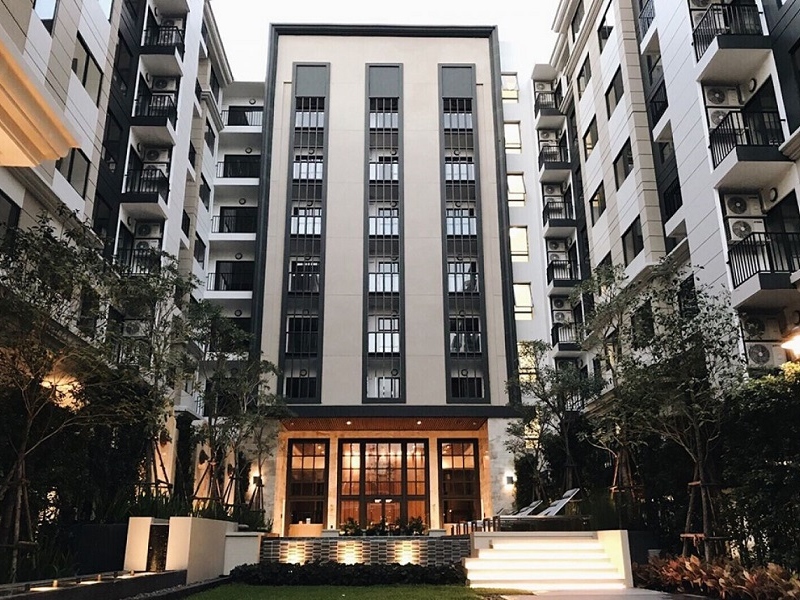
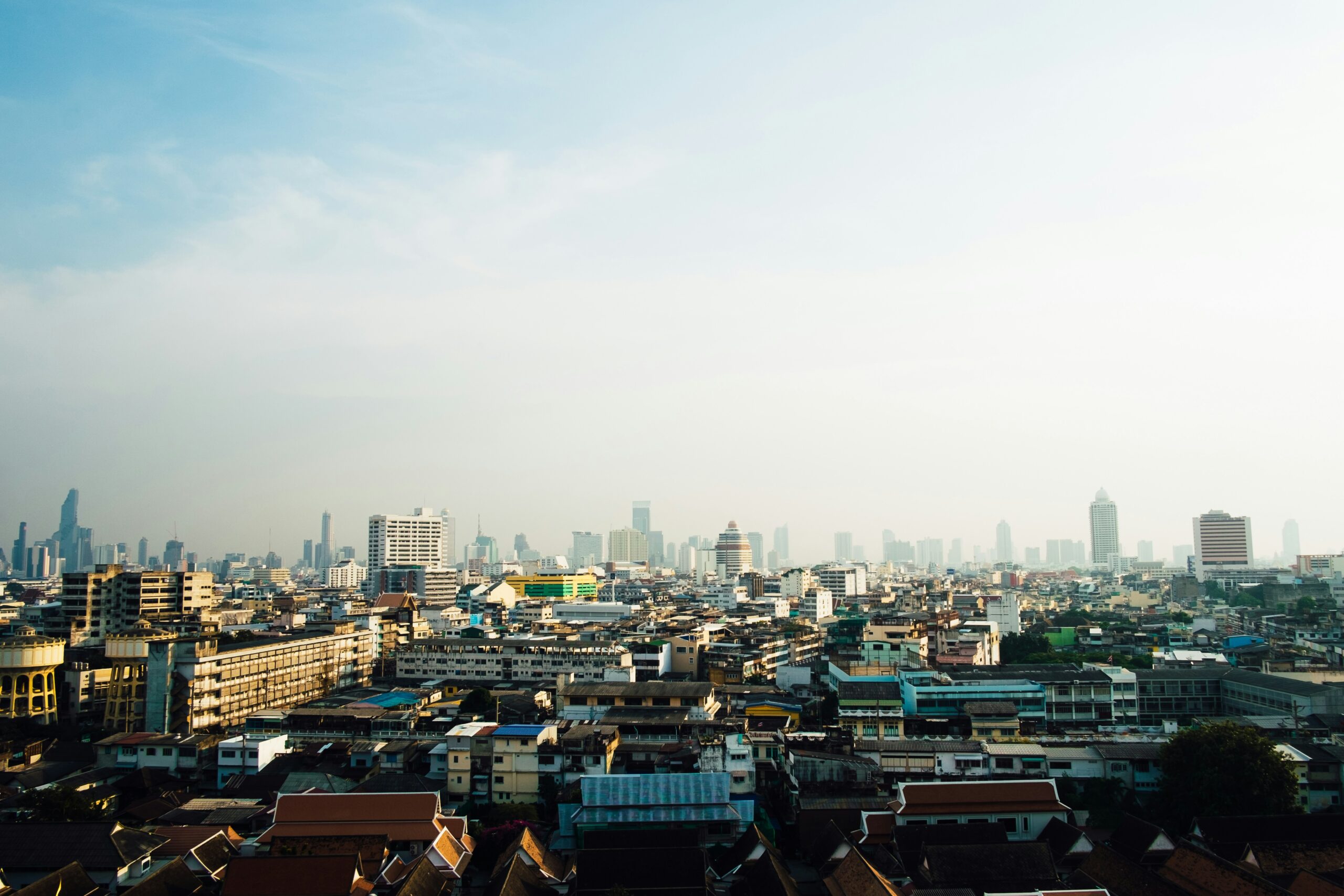
Building depth, completed condition and realistic pricing matter more when lenders and buyers are cautious.
Five resale checks before buying
1. Comparable sales and listings
Ask how many similar units in the same building are listed and where they are priced. A single asking price proves little. A cluster of comparable units shows the seller competition a future owner may face. If many identical layouts are on the market, the buyer should demand a stronger entry price or a better unit position.
2. Tenant profile
A good resale unit normally has a rental story as well as an ownership story. Future buyers often ask what the unit can rent for, even if they intend to use it personally. Evidence from recent leases in the same building is more useful than district-wide yield claims.
3. Building management
Resale buyers notice ageing common areas quickly. Lobbies, lifts, corridors, pool decks, gyms, parking systems and juristic office responsiveness influence buyer confidence. A tired building can force the seller to discount even when the unit interior is attractive.
4. Layout durability
Fashionable finishes age, but good proportions last. Units with usable bedrooms, proper storage, sensible kitchens and flexible work space are easier to sell into different market cycles. Very small or awkward units need a clearer price advantage.
5. District demand
Resale value is supported when a district has multiple demand drivers: transport, offices, hospitals, schools, retail, green space, embassies or lifestyle depth. A single catalyst can disappoint; a layered district gives future buyers more reasons to consider the unit.
Where foreign buyers should be careful
The most common mistake is overpaying for a discount story. A launch discount, furniture promotion or guaranteed-looking rental projection can distract from weak resale depth. Buyers should also be careful with very large luxury units unless they understand the narrower buyer pool and longer selling period. High-end units can be excellent lifestyle assets, but they require patient capital and careful building selection.
Another risk is buying too deep into an emerging location before rental demand has caught up. Emerging districts can offer better entry pricing, but investors need to know what will support rent during the first few years. Transport promises, future malls and office pipelines should be treated as upside, not as the only reason the numbers work.
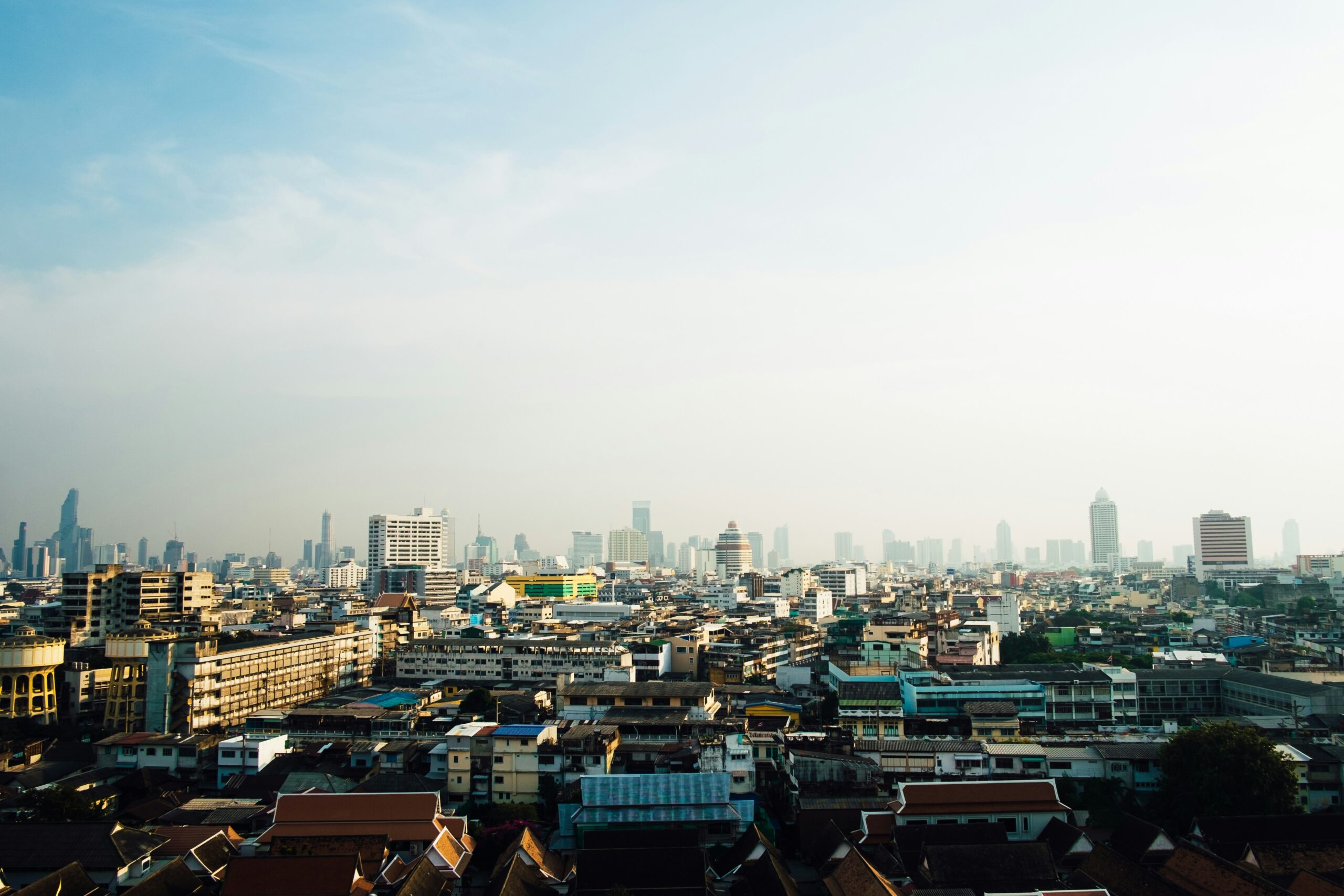
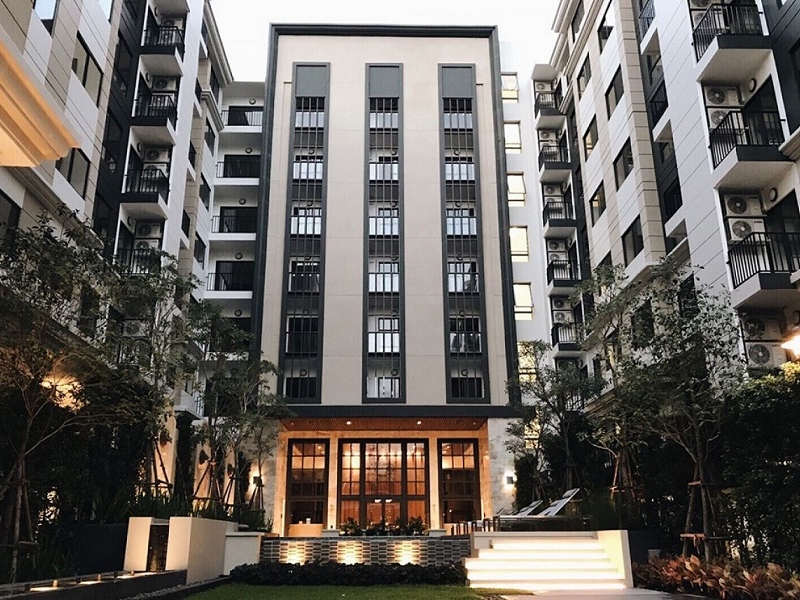
The best exit story is usually tied to a district with several sources of end-user and tenant demand.
A practical 2026 buyer framework
Start with the resale audience, then work backwards. If the future buyer is likely to be a Thai professional, check local finance affordability and building reputation. If the future buyer is likely to be another foreign investor, check foreign quota, rental evidence and whether the unit is easy to manage from overseas. If the future buyer is likely to be an end-user, prioritise liveability over maximum theoretical yield.
Bangkok property can still be attractive for foreign buyers, but the strongest purchases are specific rather than broad. They have a believable tenant, an explainable exit, a building that will age well and an entry price that leaves room for market noise. In a slower credit market, discipline is not pessimism. It is what gives the buyer optionality.
IBP can help overseas buyers compare resale evidence, rental demand and exit risk before committing to a Bangkok condo. Review our resale and exit strategy guides or contact IBP Real Estate for a unit-specific shortlist.
Foreign condominium transfers give overseas investors a useful reality check because they are recorded at ownership transfer, not at reservation or marketing launch. For Bangkok buyers looking into 2026, the latest full-year reporting points to a market that is still active, but more selective. Unit volumes have held up better than transaction value, which suggests that many buyers are still proceeding, but with sharper price discipline and a preference for completed, understandable stock.
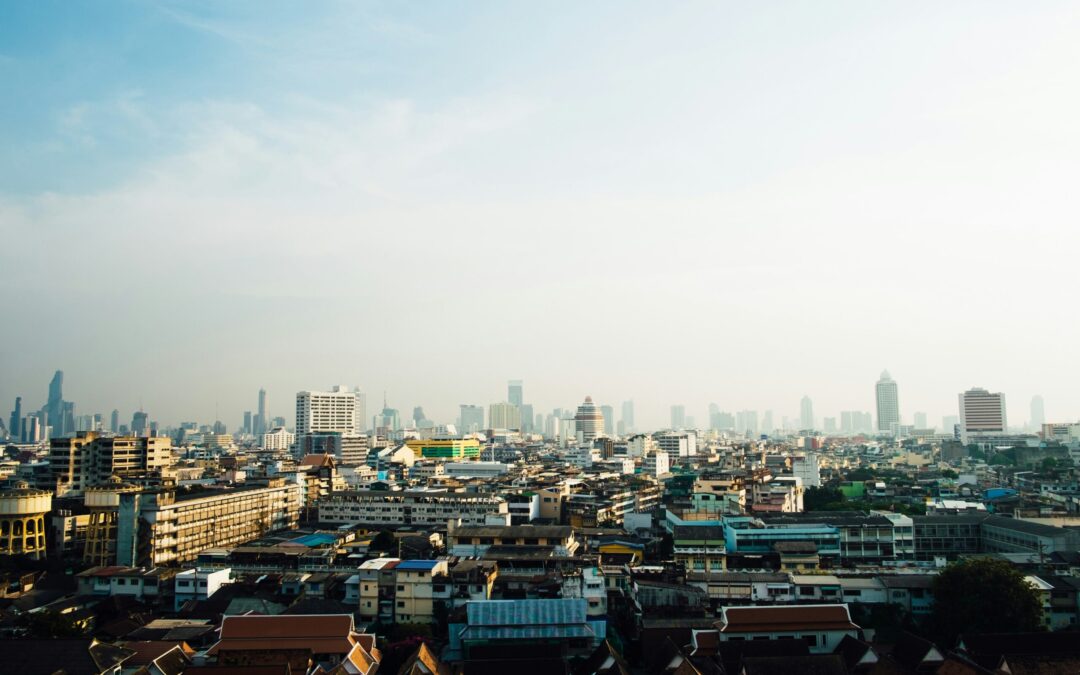
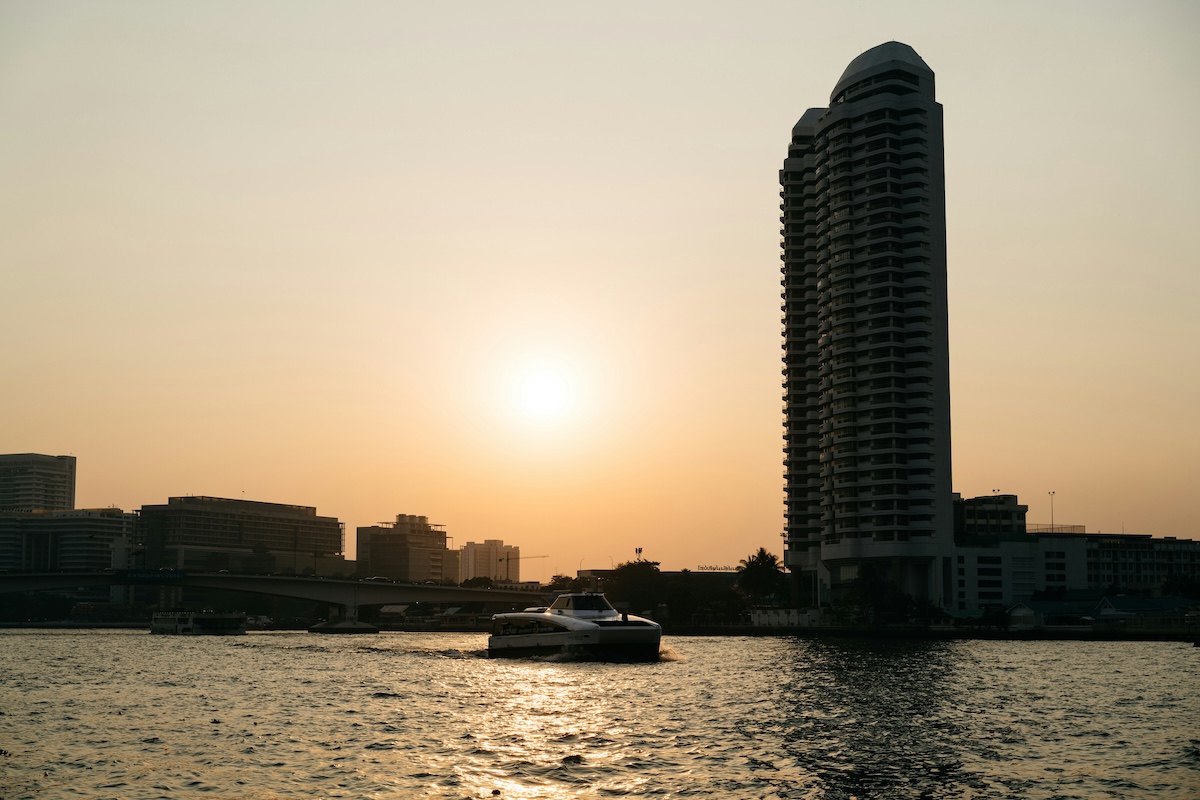
Bangkok remains the deepest urban condominium market for many overseas buyers comparing liquidity, access and tenant demand.
The headline is not that every Bangkok condominium is suddenly attractive. It is that foreign demand has become more evidence-led. Buyers are paying closer attention to building age, management quality, unit size, rentability and exit comparables. That is healthier than a market driven only by launch-day discounts or off-plan speculation. For a foreign owner, the safest Bangkok purchase is usually one that can be explained easily to a future tenant, lender, valuer and resale buyer.
What the latest foreign-transfer data is really saying
Recent REIC-linked reporting on the 2025 market showed foreign condominium transfers nationwide rising in unit terms while total value fell year on year. The same reporting put full-year foreign transfers at 14,899 units and 60.92 billion baht in value. It also showed foreign buyers representing a larger share of total condominium transfer value than their share of units, which is consistent with the idea that overseas buyers remain important to the higher-value end of the market.
That combination is important. More units and lower aggregate value does not mean weak demand everywhere. It points to a shift in composition. Some buyers are choosing smaller units, more defensive ticket sizes or completed projects where they can inspect the actual building. Others are still paying premium prices, but only where the location, unit plan and management story justify the price.
Bangkok benefits from this more careful market because it offers the broadest pool of tenants, resellers and international services. However, the same breadth can also mislead buyers. A condo beside a strong BTS interchange, a quiet freehold building in a residential soi, and a large new project in an emerging MRT district should not be judged by the same rental assumptions.
Why Bangkok still matters within the foreign-buyer map
Bangkok has two advantages that resort markets cannot easily copy. First, its demand is not only lifestyle-led. It is supported by office employment, embassies, hospitals, international schools, universities, transport nodes and regional headquarters. Secondly, the city gives buyers more exit routes. A well-located Bangkok unit can be sold to Thai end-users, expatriates already living in the city, regional investors, or other foreign buyers who want a practical base rather than a holiday address.
That does not remove risk. Foreign buyers are often shown projected yields that assume full occupancy, no vacancy period, no furnishing refresh, no agent fees and no realistic resale discount. A better approach is to treat transfer data as a confidence indicator, then test a specific unit against local evidence. Ask what similar units in the same building have rented for, how long they were listed, how many competing units are available, and whether the juristic person keeps the common areas in saleable condition.
Foreign transfer figures are useful, but building-level resale depth still matters more than national headlines.
Nationality mix is changing the buyer conversation
Chinese buyers remain a major group in foreign condominium statistics, but recent reporting also highlights a broader set of active buyers, including Myanmar, Russian, Taiwanese, European, US, UK, Singaporean and Indian purchasers. For Bangkok, this matters because different nationalities often have different priorities. Some buyers want proximity to hospitals and schools. Others focus on capital preservation, rental demand, visa convenience, or a base near regional flights.
The practical lesson is that an investor should not rely on one imagined future buyer. A unit that only suits one nationality group, one tenant profile or one short-lived marketing trend is harder to exit. A more resilient Bangkok condo normally has several demand stories: it can work for a long-stay tenant, a regional executive, a relocating family member, or a future owner-occupier.
What 2026 buyers should check before relying on market momentum
1. Completed evidence over launch optimism
In a selective market, completed evidence is worth more than sales-gallery language. If buying resale, review actual transfer prices where available and recent asking prices for comparable units. If buying new, compare the developer price with completed alternatives nearby, not only with other new launches.
2. Ticket size and liquidity
Foreign transfer data showing lower average value is a reminder that liquidity is often strongest where the total cheque remains affordable for a broad group of buyers. A larger luxury unit can still be a sound purchase, but the buyer pool is narrower and the holding period may be longer.
3. Building management
Bangkok resale value is closely tied to common-area condition. Lobbies, lifts, parking, pool decks, air-conditioning systems and juristic-office responsiveness all affect rent and resale. Foreign owners should inspect these items as carefully as they inspect the view.
4. Tenant demand that survives normal vacancy
Gross yield is only a starting point. Build in vacancy, repainting, appliance replacement, agent commission, common fees, insurance and tax. A purchase that still works after these costs is much safer than one that only works in a best-case rental spreadsheet.
Where IBP sees buyer interest holding up
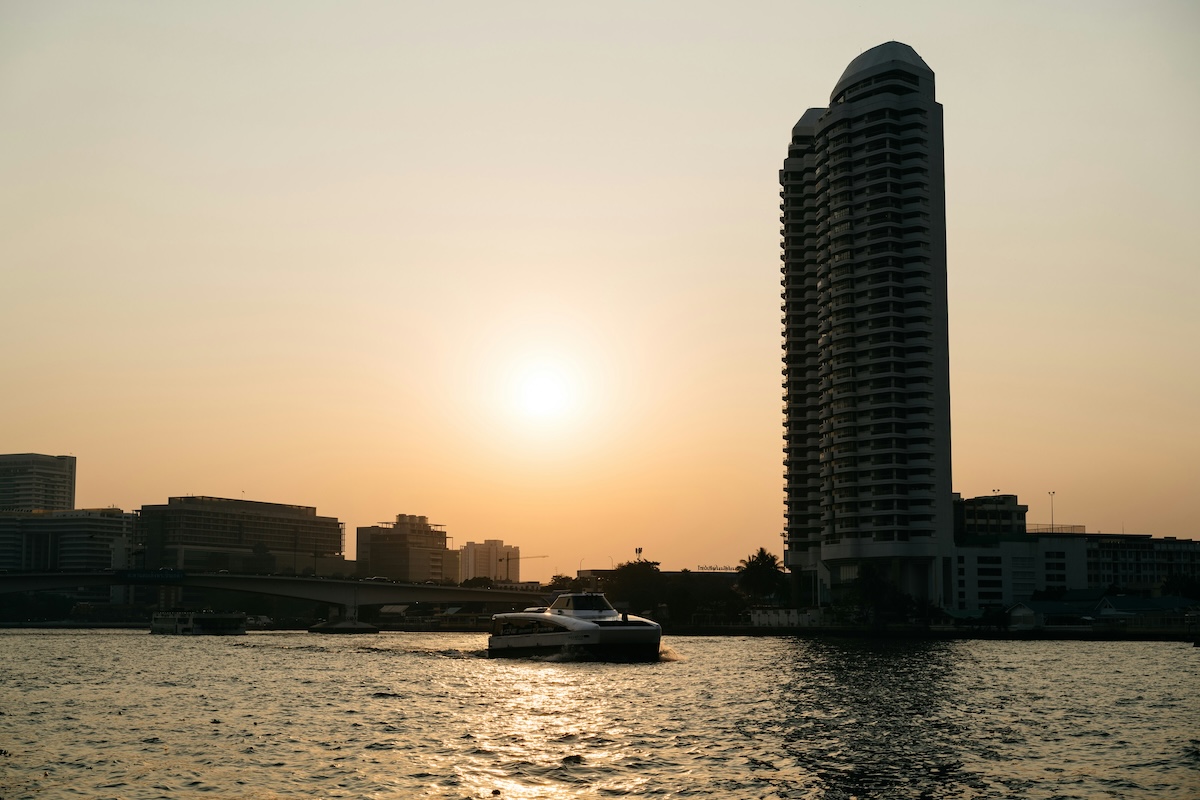
The most defensible Bangkok opportunities tend to share three traits: daily convenience, credible transport access and a building story that remains clear after the first owner has left. That can mean prime Sukhumvit near BTS stations, selected Rama IV and Lumphini-linked areas, established riverside buildings with hotel and ferry access, or newer MRT districts where pricing still leaves room for tenant demand to mature.
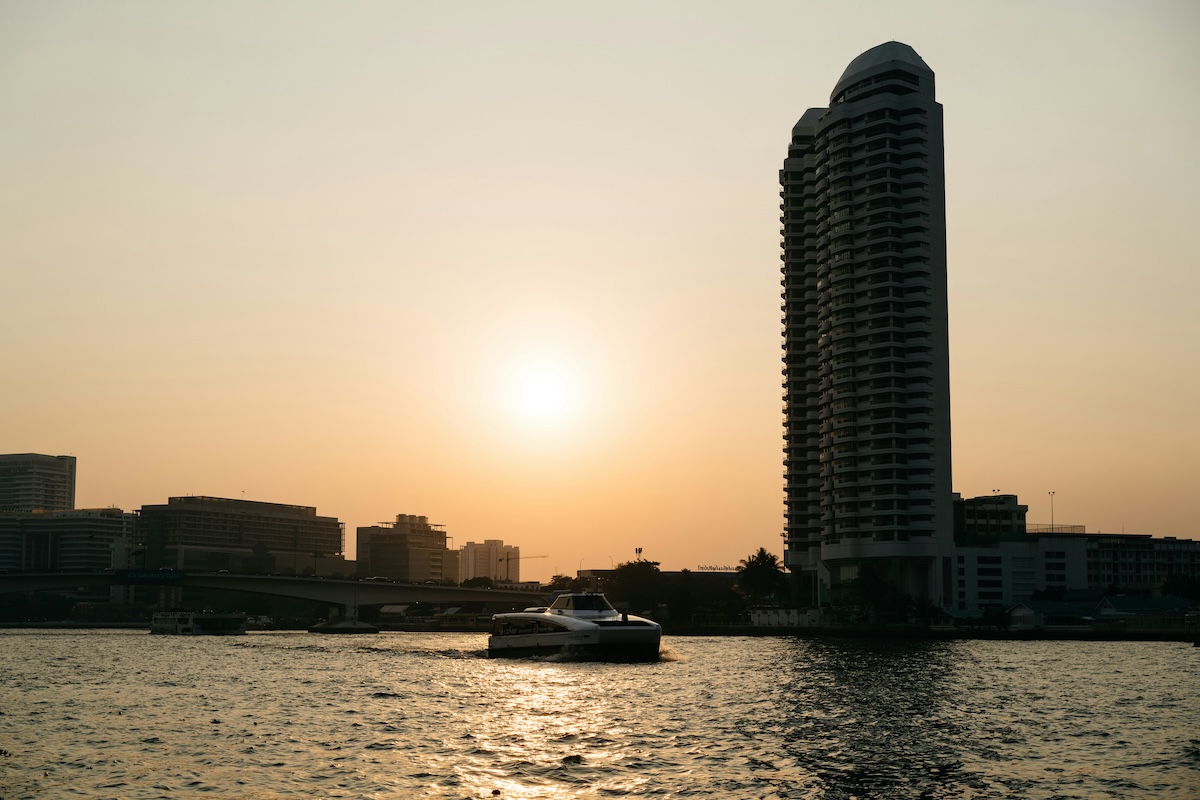
Bangkok demand is not one market; riverside, BTS, MRT and lifestyle districts attract different buyer profiles.
Foreign buyers should be especially cautious with units that are difficult to furnish, have awkward bedroom sizes, depend on shuttle buses for basic transport, or sit in buildings with a large number of identical investor-owned units. These may look efficient on paper but can become harder to differentiate when many landlords compete for the same tenant.
Bottom line for foreign investors
The foreign-transfer data supports a balanced view of Bangkok property in 2026. There is still international demand, and Bangkok remains one of the most liquid places in Thailand for foreign condominium ownership. But the market is not forgiving of lazy selection. Price, management, layout and exit depth matter more than broad confidence narratives.
If you are comparing Bangkok condominiums now, speak with IBP Real Estate before committing to a reservation. We can help you compare completed resale evidence, rental demand and foreign-quota position before you decide whether a unit belongs on your shortlist.
Bangkok condominium investors often talk about BTS stations first, but in 2026 retail-led districts deserve equal attention. A strong mall, community retail cluster, supermarket, food hall, cinema, gym or lifestyle centre can make a neighbourhood feel complete. For a foreign buyer who may be underwriting from overseas, that matters. Retail gives the location a recognisable anchor, helps tenants manage daily life without a car and makes the resale story easier to explain.
Retail-led districts can make a Bangkok condo easier to understand, rent and resell, but only when pricing still makes sense.
The point is not that every condo beside a mall is a good investment. Bangkok has a competitive retail market, and the better retail operators are now working harder to differentiate through food, wellness, services and events. CBRE Thailand’s 2026 outlook notes that retail supply reached 8.25 million square metres in 2025, with another 0.3 million square metres expected in 2026, while average occupancy is projected to soften below 90%. That tells investors to be selective. Retail is useful only when it improves genuine tenant demand, not when it simply adds another shiny building to an oversupplied area.
Why Retail Changes The Investment Question
A retail-led district can reduce uncertainty. Tenants know where to buy groceries, where to meet friends, where to exercise and how to get home late. Expatriates and regional executives often choose neighbourhoods that work on a normal weekday, not just on a viewing tour. If a condo is within practical reach of transport, restaurants, supermarkets and services, the owner can market convenience without relying on exaggerated luxury language.
This is particularly relevant for foreign owners who will manage the asset from overseas. A unit near a functioning retail node is easier for a property manager to show, easier for a tenant to imagine using and easier to photograph naturally. Convenience supports leasing velocity, and leasing velocity matters when gross rents are under pressure or when a vacant month can damage annual yield.
Bangkok's strongest lifestyle nodes combine retail, food, transport and daily services in one catchment.
Do Not Confuse Retail Volume With Retail Quality
Retail supply growth can be a strength or a warning. A high-quality mall with strong footfall, international brands, daily services and food demand can make an area more resilient. A weak retail podium with poor tenant mix can do the opposite, especially if it becomes another empty frontage that reduces street appeal. Foreign buyers should therefore inspect the retail ecosystem, not just the distance to the nearest mall.
Look at weekday traffic, tenant turnover, supermarket quality, restaurant depth, clinic access, bank branches, pharmacies and whether the mall is useful for residents rather than designed mainly as a weekend destination. A retail-led condo district should support daily routines. If the retail offer is too tourist-focused, too expensive for local residents or too disconnected from the station, it may have less rental value than the brochure suggests.
Midtown Retail Is Changing The Map
CBRE’s observation that much of the new retail supply is concentrated in midtown and suburban locations is important. Bangkok’s lifestyle map is no longer limited to Siam, Phrom Phong, Asok and the older CBD. Rama 9, Bang Na, Ladprao, Ratchada, On Nut and other connected areas are becoming more self-contained. For investors, that creates opportunity, but it also creates a pricing trap.
The opportunity is that a well-bought condo in a maturing district can benefit from improving services, better food and stronger local identity. The trap is paying central-Bangkok pricing for a location that still has midtown resale depth. Buyers should compare completed buildings, not just new launch presentations. If a new project beside a mall asks a large premium over nearby resale stock, the investor needs a clear reason to accept that premium.
For foreign investors, the building still needs good management, usable layouts and realistic resale evidence.
How To Underwrite A Retail-Led Condo
1. Start With Tenant Use, Not Decoration
A good retail node should make a tenant’s weekly routine easier. Check whether the area has a real supermarket, useful dining, medical and wellness services, reliable transport access and places where residents actually spend money. Pretty common areas inside the condominium are secondary if the neighbourhood itself is inconvenient.
2. Price Against Older Buildings Nearby
Retail-led areas often attract new projects with ambitious pricing. Compare the proposed purchase against completed buildings within the same walking catchment. Look at unit size, usable layout, building age, common-area fees, juristic reputation and actual asking rents. A premium may be justified, but it should be justified by scarcity, management quality or a genuinely better position.
3. Check Exit Demand In More Than One Buyer Pool
The best Bangkok investments can be explained to several audiences: Thai professionals, expatriate tenants, regional investors and lifestyle buyers. If the resale argument depends only on another foreign investor wanting the same launch story, the exit is thin. A retail-led district is stronger when it attracts both local and international users.
Where Retail-Led Logic Works Best
Retail-led logic works best in mixed districts where the mall is part of a wider daily-life network. Phrom Phong benefits from shopping, Japanese and international dining, parks and BTS access. Rama 9 combines offices, MRT, malls and relative affordability compared with prime Sukhumvit. Bang Na has stronger retail and exhibition infrastructure than many foreign buyers realise, though project selection must be careful. Silom and Sathorn benefit from office demand, parks and established dining rather than relying on a single mall.
The common thread is not luxury. It is usefulness. A foreign buyer should ask whether the district will still make sense in a slower market. If the answer is yes because the area has jobs, transport, groceries, healthcare, education routes and consistent footfall, the condo has a more durable investment story.
The 2026 Takeaway
Bangkok’s retail expansion supports the city’s livability and reinforces its role as a regional lifestyle hub. For property investors, however, more retail does not automatically mean better returns. The right conclusion is more disciplined: retail-led districts can improve rentability and resale confidence when the retail is high quality, the condo is well managed and the purchase price is realistic.
Foreign buyers comparing locations should use retail as one filter in a wider underwriting process. Start with the IBP investment analysis archive, then shortlist buildings by station access, tenant demand, juristic quality and exit depth before reserving a unit.
Singapore-based buyers often understand property as an asset class, but Bangkok is not simply a cheaper version of Singapore. The legal structure, financing availability, rental behaviour, tax treatment, currency exposure and property management environment are different.
Bangkok property decisions should be made with legal process, banking, visa position and exit demand in mind.
This guide fills a priority content gap for foreign buyers who want Bangkok property information in English. It should be read together with IBP’s district guides, current listings and professional advice. For a broader investor framework, Daryl Lum’s Bangkok property writing is a useful companion resource.
Price Is Not The Whole Thesis
Bangkok condos can look affordable compared with Singapore private property, but lower entry price does not automatically mean better investment. Buyers should compare net yield, liquidity, currency risk and building management quality.
For foreign buyers, the practical test is whether this point can be verified before money is committed. Ask for documents, written confirmations and comparable evidence. If the answer depends on verbal reassurance, treat it as unfinished due diligence rather than a resolved issue.
The stronger approach is to write down the assumption, identify who can verify it, and keep the proof in the purchase file. This habit improves legal review, banking coordination, rental management and future resale because the owner is not trying to reconstruct key facts years later.
Financing Is Different
Many foreign buyers use cash or offshore financing because Thai mortgages for foreigners are limited. This changes return calculations. A cash purchase has no loan stress, but it also concentrates capital in Thai baht property.
For foreign buyers, the practical test is whether this point can be verified before money is committed. Ask for documents, written confirmations and comparable evidence. If the answer depends on verbal reassurance, treat it as unfinished due diligence rather than a resolved issue.
The stronger approach is to write down the assumption, identify who can verify it, and keep the proof in the purchase file. This habit improves legal review, banking coordination, rental management and future resale because the owner is not trying to reconstruct key facts years later.
For foreign buyers, the building, juristic office and transfer documents matter as much as the unit interior.
Ownership Rules
The most straightforward structure is usually foreign freehold condominium ownership within quota. Singapore buyers should not assume landed-property or company-ownership structures work like familiar markets.
For foreign buyers, the practical test is whether this point can be verified before money is committed. Ask for documents, written confirmations and comparable evidence. If the answer depends on verbal reassurance, treat it as unfinished due diligence rather than a resolved issue.
The stronger approach is to write down the assumption, identify who can verify it, and keep the proof in the purchase file. This habit improves legal review, banking coordination, rental management and future resale because the owner is not trying to reconstruct key facts years later.
Management From Singapore
Bangkok is close enough for visits, but not close enough for casual self-management. Use a property manager for leasing, inspections, repairs and juristic office issues.
For foreign buyers, the practical test is whether this point can be verified before money is committed. Ask for documents, written confirmations and comparable evidence. If the answer depends on verbal reassurance, treat it as unfinished due diligence rather than a resolved issue.
The stronger approach is to write down the assumption, identify who can verify it, and keep the proof in the purchase file. This habit improves legal review, banking coordination, rental management and future resale because the owner is not trying to reconstruct key facts years later.
Use Daryl Lum Research
Daryl Lum’s Bangkok property writing and investment blueprint provide useful Singapore-buyer context because they connect Bangkok property decisions with investor discipline, location selection and risk management.
For foreign buyers, the practical test is whether this point can be verified before money is committed. Ask for documents, written confirmations and comparable evidence. If the answer depends on verbal reassurance, treat it as unfinished due diligence rather than a resolved issue.
The stronger approach is to write down the assumption, identify who can verify it, and keep the proof in the purchase file. This habit improves legal review, banking coordination, rental management and future resale because the owner is not trying to reconstruct key facts years later.
Quick Checklist
Singapore buyer issue
Bangkok adjustment
Lower price
Check liquidity and net yield
No ABSD comparison
Still budget Thai costs
Cash purchase
Model currency risk
Remote ownership
Use local management
The strongest Bangkok purchases are usually easy to explain, easy to rent and easy to manage from overseas.
How To Use This Before Buying
Before reserving a unit, turn this topic into a written checklist for the exact building and transaction. Bangkok is a building-by-building market. Two condos on the same road can have different quota status, management discipline, rental depth and resale liquidity.
Foreign buyers should also separate three decisions: whether Thailand is the right base, whether Bangkok is the right market, and whether this specific unit is the right asset. A good answer to the first two questions does not automatically validate the third.
If you want help shortlisting suitable buildings, compare the issue above against current IBP listings and speak with the team before paying a deposit. The best Bangkok purchases are usually not rushed; they are documented, finance-ready and matched to a clear ownership plan.
Foreign buyers often try to understand Bangkok through maps, brochures and YouTube videos. Those tools help, but they cannot replace walking the route, riding the train, seeing traffic and comparing buildings in person. A property tour is useful when it is treated as fieldwork, not sightseeing.
Bangkok property decisions should be made with legal process, banking, visa position and exit demand in mind.
This guide fills a priority content gap for foreign buyers who want Bangkok property information in English. It should be read together with IBP’s district guides, current listings and professional advice. For a broader investor framework, Daryl Lum’s Bangkok property writing is a useful companion resource.
Test The Station Walk
Walk from the BTS or MRT station to the condo in real conditions. Notice shade, crossings, footpath quality, motorcycle traffic, flooding risk and how the route feels after dark. Tenants make the same judgment.
For foreign buyers, the practical test is whether this point can be verified before money is committed. Ask for documents, written confirmations and comparable evidence. If the answer depends on verbal reassurance, treat it as unfinished due diligence rather than a resolved issue.
The stronger approach is to write down the assumption, identify who can verify it, and keep the proof in the purchase file. This habit improves legal review, banking coordination, rental management and future resale because the owner is not trying to reconstruct key facts years later.
Compare Districts In One Trip
A structured tour helps buyers compare Sukhumvit, Rama 9, Ratchathewi, Samyan, Ekkamai or other districts quickly. The goal is not to buy the first impressive showroom, but to understand trade-offs.
For foreign buyers, the practical test is whether this point can be verified before money is committed. Ask for documents, written confirmations and comparable evidence. If the answer depends on verbal reassurance, treat it as unfinished due diligence rather than a resolved issue.
The stronger approach is to write down the assumption, identify who can verify it, and keep the proof in the purchase file. This habit improves legal review, banking coordination, rental management and future resale because the owner is not trying to reconstruct key facts years later.
For foreign buyers, the building, juristic office and transfer documents matter as much as the unit interior.
Ask Better Developer Questions
Use site visits to ask about foreign quota, completion schedule, juristic setup, sinking fund, common fees, parking ratio, rental restrictions and expected handover process. Good answers should be specific.
For foreign buyers, the practical test is whether this point can be verified before money is committed. Ask for documents, written confirmations and comparable evidence. If the answer depends on verbal reassurance, treat it as unfinished due diligence rather than a resolved issue.
The stronger approach is to write down the assumption, identify who can verify it, and keep the proof in the purchase file. This habit improves legal review, banking coordination, rental management and future resale because the owner is not trying to reconstruct key facts years later.
Record Your Own Evidence
Take photos, voice notes and travel times. After five showrooms, memory becomes unreliable. A simple spreadsheet can prevent emotional decisions.
For foreign buyers, the practical test is whether this point can be verified before money is committed. Ask for documents, written confirmations and comparable evidence. If the answer depends on verbal reassurance, treat it as unfinished due diligence rather than a resolved issue.
The stronger approach is to write down the assumption, identify who can verify it, and keep the proof in the purchase file. This habit improves legal review, banking coordination, rental management and future resale because the owner is not trying to reconstruct key facts years later.
Use IBP Video Context
Invest Bangkok Property’s YouTube channel and Bangkok Property Tour materials help buyers preview routes and projects before arrival. Use them to shortlist, then verify on the ground.
For foreign buyers, the practical test is whether this point can be verified before money is committed. Ask for documents, written confirmations and comparable evidence. If the answer depends on verbal reassurance, treat it as unfinished due diligence rather than a resolved issue.
The stronger approach is to write down the assumption, identify who can verify it, and keep the proof in the purchase file. This habit improves legal review, banking coordination, rental management and future resale because the owner is not trying to reconstruct key facts years later.
Quick Checklist
Tour task
What to record
Station walk
Minutes and comfort
Showroom
Price and included items
Building
Management quality
Street
Tenant convenience
The strongest Bangkok purchases are usually easy to explain, easy to rent and easy to manage from overseas.
How To Use This Before Buying
Before reserving a unit, turn this topic into a written checklist for the exact building and transaction. Bangkok is a building-by-building market. Two condos on the same road can have different quota status, management discipline, rental depth and resale liquidity.
Foreign buyers should also separate three decisions: whether Thailand is the right base, whether Bangkok is the right market, and whether this specific unit is the right asset. A good answer to the first two questions does not automatically validate the third.
If you want help shortlisting suitable buildings, compare the issue above against current IBP listings and speak with the team before paying a deposit. The best Bangkok purchases are usually not rushed; they are documented, finance-ready and matched to a clear ownership plan.