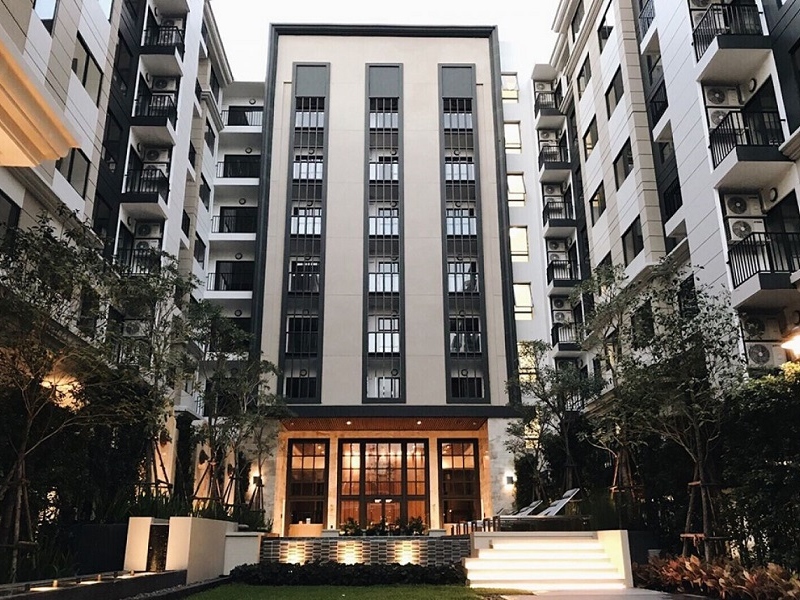
Bangkok Condo Defect Liability Checks For Buyers

Bangkok Condo Defect Liability Checks For Buyers

Defect liability is one of the practical checks foreign buyers should understand before accepting a new or recently handed-over Bangkok condo. The issue is not only whether the unit looks clean on viewing day. It is whether defects are recorded properly, whether the responsible party is clear, and whether the buyer has a realistic process for follow-up after keys are released.

Bangkok condo handover documents for defect liability checks
Defect liability should be documented in writing before the buyer treats handover as complete.

Many overseas buyers complete during a short Bangkok trip or through a representative. That makes documentation even more important. A verbal promise from a sales team, contractor or building staff member can be difficult to enforce later. A dated list, photographs and written acknowledgement are far more useful.

Understand what defect liability means in practice

In practical property language, defect liability refers to the period and process through which a developer or responsible contractor may be asked to fix qualifying defects after handover. The details depend on the project documents, sale agreement, building rules and applicable legal advice. Foreign buyers should not assume every building uses the same terms or timetable.

The safest approach is to ask for the defect process before final acceptance. Who receives the list? What format is required? Which issues are treated as defects? How are appointments booked? What happens if access is needed while the owner is overseas? These questions should be answered before furniture, tenants or renovation work complicate the record.
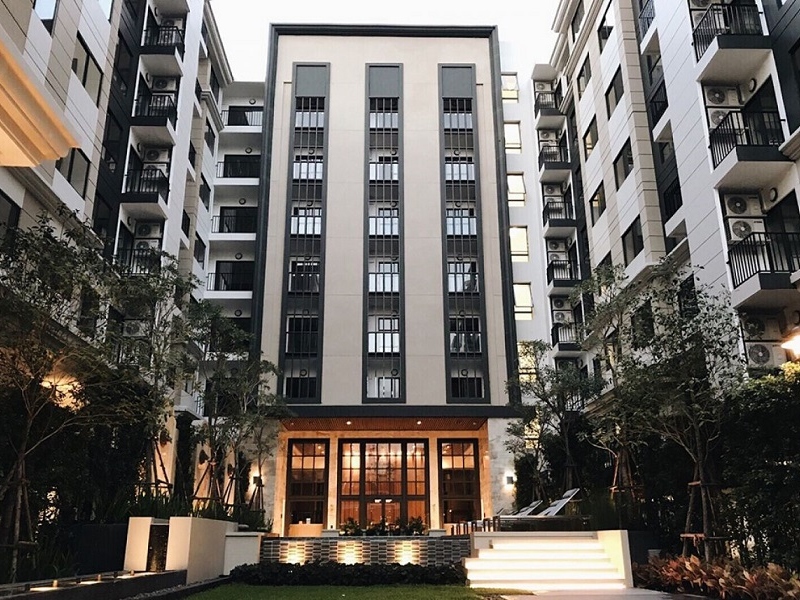
Bangkok condo unit inspection for defect liability and handover
Clear photographs and itemised defect lists help owners avoid later disputes.

Inspect before the unit is used

The strongest defect claim is usually made before the unit has been lived in, rented out or altered. Once furniture arrives, contractors drill walls, tenants move in or cleaners begin working, it becomes harder to separate original defects from later damage. Buyers should therefore inspect the unit before major deliveries and before any optional owner works.

Check walls, ceilings, floors, doors, windows, balcony drains, bathrooms, kitchen fittings, water pressure, electrical sockets, lighting, air-conditioning, built-in furniture and appliance operation. Run taps, flush toilets, open cabinets, test locks and look for signs of leaks or poor finishing. A professional inspector can be useful where the buyer is not confident assessing technical details.

Photographs need context

Photographs are useful only when they show enough context. A close-up crack may not prove where the issue sits. Take a wider room shot, then a closer defect photo, and label the item in the list. Keep all images dated. If the developer or juristic office uses a defect form, attach the photo references to that form or mirror the same numbering in an email.

For overseas owners, it is sensible to store the list in one shared file with the sale agreement, handover report, payment record, keys, warranties and appliance manuals. If a property manager will follow up repairs, give them the same record and authority to coordinate access.
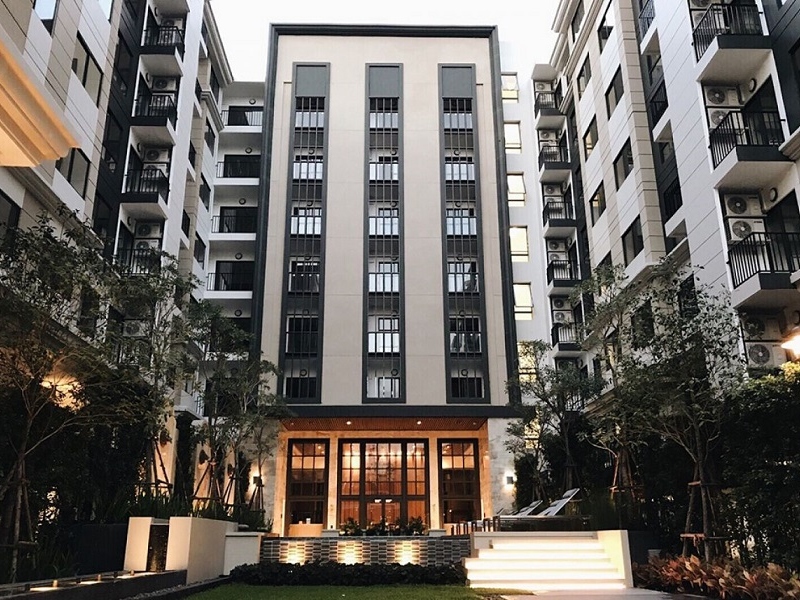
Bangkok condo inspection before repairs and owner works
Owners should separate developer defects from later renovation or tenant damage.

Check building systems as well as finishes

Buyers often focus on visible scratches and uneven paint, but practical systems deserve the same attention. Air-conditioning drainage, water heaters, floor drains, balcony slope, window seals, door alignment, smoke detectors, extractor fans and electrical panels can create more serious inconvenience than a cosmetic mark. Test what can reasonably be tested during inspection and ask for written confirmation where an item cannot be demonstrated.

Common-area interfaces also matter. If a leak, smell, noise or drainage problem appears to come from outside the private unit, record it clearly and ask who is responsible for investigation. The owner should avoid accepting vague explanations when the issue could affect future tenants or resale inspections.

Separate defects from owner changes

One common mistake is mixing developer defects with owner-requested changes. If the buyer asks a contractor to install curtains, change lights, add shelves, alter plumbing or mount furniture, later damage may be disputed. Complete the defect inspection first, then begin optional works after the record is clear.

If urgent work is needed, document the condition before the contractor begins and keep invoices, messages and photographs. This protects the owner if a problem later appears near the work area. It also helps a future tenant or buyer understand what has been repaired and who performed the work.

Representatives need clear authority

A foreign buyer who cannot attend in person should appoint a trusted representative with a precise scope. The representative should know whether they can sign the handover report, reject acceptance, submit defects, collect keys, approve repair appointments and allow access. Unclear authority can create delays or accidental acceptance of a unit before defects are properly recorded.

Where a lawyer, agent and property manager are all involved, decide who owns the defect list. Without one responsible person, items can fall between teams. The buyer should receive a simple progress update until the agreed items are closed or a decision is made to accept them.

Practical checklist

  • Ask for the defect procedure before final handover.
  • Inspect the unit before furniture, tenants or optional works arrive.
  • Record each issue with room location, description and dated photographs.
  • Confirm who accepts the defect list and how repair appointments are booked.
  • Keep warranties, manuals and handover documents in one file.
  • Give representatives clear written authority if the owner is overseas.

Buyer takeaway

Defect liability is manageable when foreign buyers treat it as a documented process, not a casual post-handover favour. Inspect early, record clearly, separate original defects from owner changes, and keep one person responsible for follow-up. This protects the buyer’s unit, rental timetable and relationship with the developer or building team.

IBP helps foreign buyers coordinate Bangkok condo viewing, handover, inspection and ownership setup. Browse our foreign buyer guides or contact IBP Real Estate for practical transaction support.
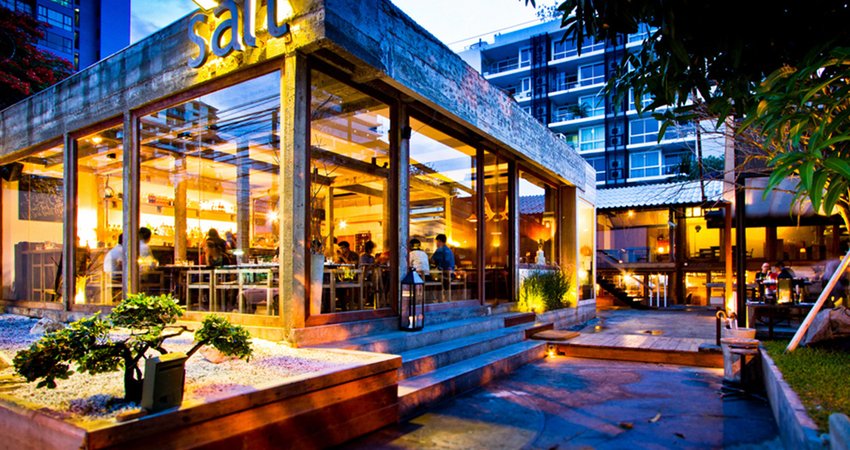
Bangkok Wellness Living Guide For Expat Condo Buyers

Bangkok Wellness Living Guide For Expat Condo Buyers

Wellness is becoming a practical property filter for many Bangkok expat buyers. It does not only mean a spa room, yoga deck or attractive swimming pool. It means how easily daily life supports sleep, exercise, healthcare, food, recovery time, movement around the city and a sense of calm. A condominium can look luxurious during a viewing and still be tiring to live in if ordinary routines are difficult.

Bangkok neighbourhood access for wellness-focused expat condo buyers
Wellness-led buying starts with the ordinary daily route, not only the building brochure.

For foreign buyers, Bangkok’s wellness appeal is broad. The city offers private hospitals, dental clinics, physiotherapy, gyms, Pilates studios, parks, healthy restaurants, massage, international supermarkets, hotel facilities and regional flight access. The buying task is to convert that city strength into a building and neighbourhood that fit the owner’s actual lifestyle.

Wellness is daily convenience

A wellness-focused buyer should begin with the weekly routine. Where will morning exercise happen? How long is the walk to a park, gym or BTS station? Can groceries, medicine, dry cleaning and healthy meals be handled without sitting in traffic? Is the route comfortable during heat, rain and evening hours? These simple questions often reveal more than a long amenity list.

Bangkok districts offer different answers. Langsuan and Chit Lom can suit buyers who want parks, retail and central access. Phrom Phong and Thong Lo offer restaurants, clinics, gyms and international community depth. Sathorn and Silom can work for office access and Lumpini Park. Riverside areas may feel calmer, but need more transport testing. There is no universal best wellness district; there is a best fit for a household’s rhythm.

Healthcare access is a confidence factor

Bangkok’s private healthcare ecosystem is one reason many regional families, retirees and part-time residents feel comfortable owning property here. Buyers should still check real travel time, not only map distance. A hospital may be close by kilometre count but slow during peak traffic. For older owners, families with children or buyers managing regular treatment, reliable access can be a decisive liveability factor.

Routine care matters too. Dental clinics, pharmacies, physiotherapy, optical care, mental health support and health screening should be considered alongside emergency hospitals. A condo that makes ordinary care easy may support longer stays and reduce friction for family members visiting from overseas.

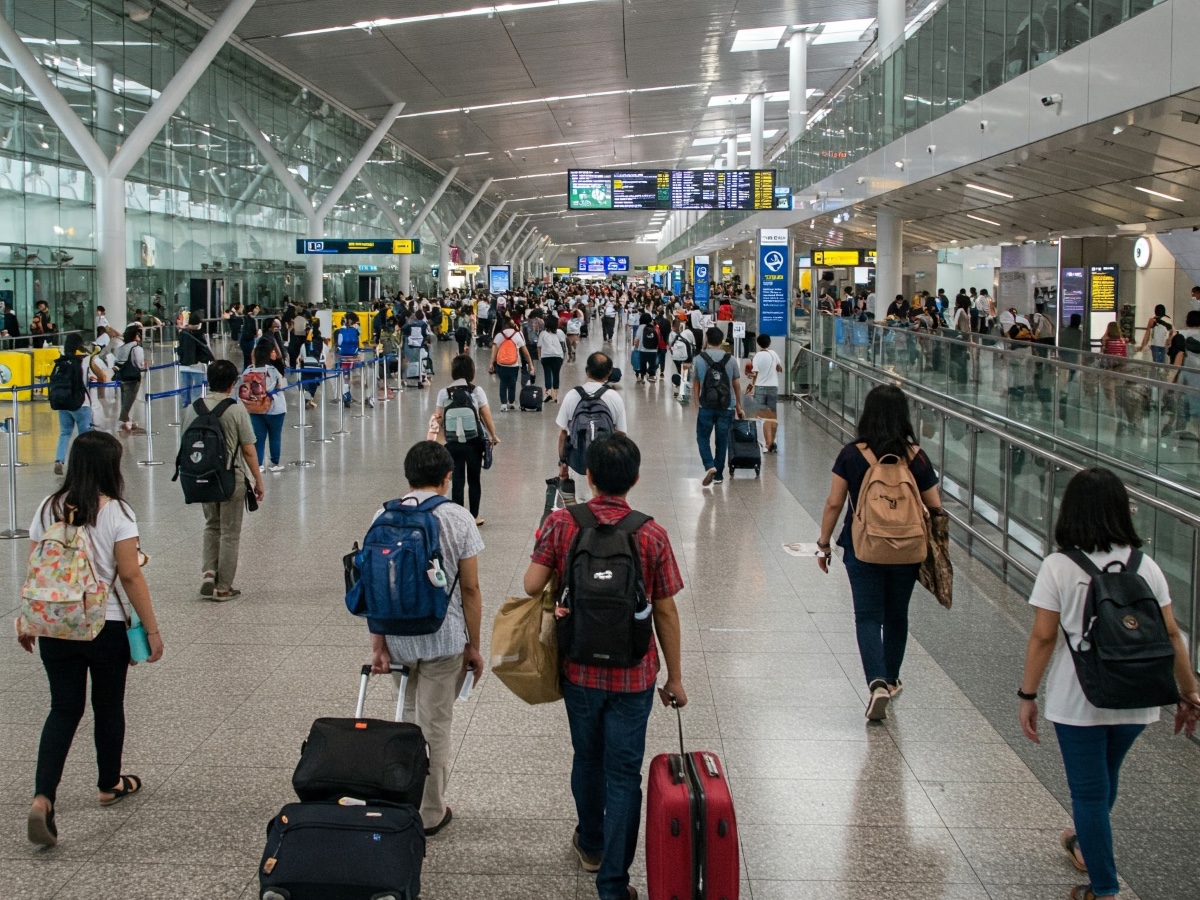
Bangkok airport connectivity for expat wellness and healthcare access
Regional connectivity supports Bangkok appeal for part-time residents and medical visitors.

Building amenities should be usable

A wellness amenity only adds value if residents actually use it. A gym with poor ventilation, limited equipment or crowded peak hours may not support the owner’s routine. A pool with little shade may be beautiful but impractical at midday. A sauna, yoga room or garden can be valuable, but buyers should inspect operating hours, maintenance, privacy and how busy the facilities feel.

Noise and air quality also affect wellness. Check whether the unit faces a main road, construction site, nightlife street, school, expressway or mechanical equipment. Ask about air-conditioning maintenance, water pressure, window sealing, waste areas and lift traffic. A healthy home is partly about what the resident does not have to notice every day.

Food, parks and recovery time

Bangkok makes healthy living easier when food and movement are nearby. A buyer who likes cooking should check supermarkets and delivery reliability. A buyer who eats out often should compare the local restaurant mix. A buyer who walks or runs should test pavements, crossings, shade and park access. A buyer who works across time zones may value quiet bedrooms and blackout curtains more than a dramatic lobby.

Wellness also includes recovery time. A long commute, difficult taxi pickup point or crowded lift can erode the value of a premium address. The best buildings reduce small daily decisions. They make it easy to exercise, eat well, see a doctor, receive guests, manage deliveries and leave for the airport without stress.

Bangkok condominium near lifestyle amenities for wellness living
A good wellness address combines building facilities with easy healthcare, food and transport access.

The investment angle

Wellness-led liveability can support rental and resale demand because tenants increasingly compare lifestyle convenience, not just room size. A unit near healthcare, parks, gyms, grocery, transit and quality food options has a clearer story for expatriates and part-time residents. However, buyers should not overpay for a wellness label. The evidence still needs to be building-specific: rent comparables, common fees, tenant profile and resale liquidity.

Viewing checklist

  • Walk the neighbourhood in heat, rain, morning and evening conditions.
  • Test the route to hospital, clinic, pharmacy, supermarket, gym and park.
  • Use the building gym, pool and common areas at likely peak times where possible.
  • Check unit noise, light, air-conditioning, water pressure and lift wait times.
  • Ask how deliveries, guests, ride-hailing and maintenance requests are handled.
  • Match the wellness premium to actual rent and resale evidence.

Buyer takeaway

Bangkok can be a highly liveable wellness base for expat buyers, but the right purchase depends on routine. A strong wellness condominium is not defined by one amenity. It is the combination of quiet unit, practical neighbourhood, healthcare access, food options, movement and reliable management.

IBP can help foreign buyers compare Bangkok neighbourhoods by liveability, healthcare access, rental profile and resale logic. Read our expat living guides or contact IBP Real Estate for a lifestyle-led shortlist.

Translate 翻译 »