Foreign buyers do not always need to be in Bangkok for every signing step, but remote signing needs careful planning. A Bangkok condo purchase can involve reservation papers, sale agreements, identity documents, foreign-exchange evidence, seller documents, bank forms, power of attorney, transfer-day authority and handover instructions. If those steps are treated casually, a good purchase can become stressful.
Remote signing needs a document timetable before deposits, contract deadlines and transfer dates are agreed.
This guide is not legal advice. The exact form of each document should be confirmed with a qualified Thai lawyer, the seller or developer, the receiving bank and any representative who will act in Thailand. The buyer’s practical task is to make sure the right people know what must be signed, in what form, by whom and by what date.
Map the signing chain before paying a deposit
The safest remote purchase begins with a signing map. List every expected document from reservation to transfer. For each item, record whether an electronic copy is acceptable for review, whether a scanned signature is enough, whether a wet-ink original is required, whether notarisation or legalisation may be needed, and who must receive the final version.
This should be done before the buyer agrees an unrealistic completion timetable. Overseas courier delivery, embassy appointments, translations, bank review and public holidays can all slow the process. A remote buyer who discovers these items after signing a tight deadline may lose negotiation power.
The building, seller, lawyer, bank and representative should all be working from the same signing plan.
Confirm who is authorised to act
If a buyer cannot attend transfer, a representative may need authority to sign, submit documents, communicate with the juristic office, coordinate the bank, inspect the unit or collect handover items. The wording should match the task. A broad informal instruction in an email may not be enough for formal steps.
Buyers should ask their lawyer which actions need a power of attorney, which documents need passport copies, whether the document must be signed in a particular format, and whether any Thai translation, notarisation or consular process is expected. Do not assume a document used for one building, bank or transaction will be accepted in another.
Keep passport names consistent
Small identity differences can create large delays. The buyer’s passport name, contract name, bank remittance name, power of attorney, tax forms and transfer documents should be checked for consistency. If a buyer has changed passport, has multiple nationalities, uses a middle name inconsistently or receives funds from a family account, the paperwork should be reviewed before funds move.
Remote buyers should also keep clean scans of passport pages, entry stamps where relevant, address information and contact details. A blurry file sent at the last minute can slow a transfer team down when everyone is trying to complete on time.
Remote buyers should connect signing authority with inspection, payment evidence and handover control.
Coordinate signing with the money trail
Remote signing and payment planning are connected. Foreign condominium purchases usually require proper evidence that purchase money entered Thailand as foreign currency for the condo purchase. The buyer should confirm the receiving bank account, transfer purpose wording, currency, sender name, expected bank evidence and timing before sending each payment.
If the signed contract, payment schedule and remittance evidence do not line up, transfer-day questions can become harder. Keep a simple payment table showing date, amount, currency, sender, receiver, bank reference and contract milestone. Share it with the lawyer or adviser so missing items can be spotted early.
Use one controlled document channel
Remote purchases can become confused when documents move through too many chat threads. The buyer, lawyer, agent, seller, developer, bank and representative may all hold different versions. Use one controlled folder or email chain for final documents, and label files clearly by date and purpose.
Separate review copies from final signed copies. If a contract is amended, make sure the buyer signs the correct version. If a translation is provided for convenience, ask which language version is legally controlling. If the buyer is unsure, pause before signing rather than trying to correct the issue later.
Remote inspection and handover still matter
Signing remotely does not remove the need to inspect the actual asset. If the buyer cannot attend, appoint one accountable person to inspect the unit, photograph condition, check included furniture, test appliances where possible, count keys and access cards, and confirm any agreed repairs. That person should know what they can accept and what must be referred back to the buyer.
The handover file should sit beside the signing file. It should include the signed agreement, payment records, inspection photographs, furniture list, keycard count, juristic office contacts, utility status and any post-transfer actions. This protects the buyer once the legal transfer is complete.
Remote signing checklist
List every document expected from reservation to transfer.
Confirm whether wet ink, notarisation, legalisation or translation is needed.
Check passport names and buyer details across all documents.
Match payment evidence to the signed agreement and payment schedule.
Use one final document channel and label versions clearly.
Give any representative written authority, limits and inspection tasks.
Buyer takeaway
Bangkok condo remote signing can work when the process is planned early. Foreign buyers should confirm authority, document format, identity details, banking evidence and handover control before deadlines become tight. Remote does not mean informal. It means disciplined enough that the buyer can complete safely from outside Thailand.
IBP helps overseas buyers coordinate Bangkok condo viewings, document checks and practical transfer planning. Explore our foreign buyer guides or contact IBP Real Estate for a remote-buyer checklist.
Negotiating a Bangkok condo purchase can feel simple from overseas: choose a price, send the offer and wait for the seller’s answer. In practice, foreign buyers need to negotiate several connected points at once, including documents, furniture, repairs, payment timing, transfer costs, inspection access and the conditions that protect the buyer before completion.
Negotiation should be tied to documents, timing and conditions, not only to the headline price.
The strongest negotiation is not aggressive for its own sake. It is organised. The buyer understands what they need, what the seller can realistically provide, and which points must be written clearly before any deposit or reservation payment becomes difficult to recover.
Confirm what is actually being negotiated
The price is only one part of the deal. Buyers should confirm whether the offer includes furniture, appliances, curtains, loose items, parking rights, access cards, tenant deposits, prepaid common fees, repairs, cleaning, taxes, transfer fees and any management handover. A price that looks attractive can become less attractive if important items are excluded or unclear.
Ask for a written summary of the proposed deal before paying. The summary should match the reservation document, sale agreement and any later completion statement. If the buyer, seller, agent and lawyer are working from different assumptions, problems often appear late in the process.
Inspection findings can change how buyers discuss price, repairs, furniture and completion timing.
Use due diligence as part of the offer
Foreign buyers should avoid making an unconditional offer before basic due diligence is complete. At minimum, the buyer should understand ownership status, foreign quota position where relevant, title transfer process, common fee status, unit condition, building rules, payment route and completion timing. The exact checks depend on whether the unit is resale, new, tenanted or off-plan.
Conditions should be practical and written. For example, the buyer may require satisfactory document review, confirmation of included furniture, access for inspection, evidence that common fees are clear, or agreement on who pays specified transfer costs. A vague promise to sort things out later is weaker than a simple written condition.
Separate repair negotiation from price negotiation
Inspection findings can be handled in several ways. The seller may repair defects before transfer, reduce the price, leave funds for repair, replace a broken item, or exclude an item from the deal. Buyers should decide which outcome is most practical. A lower price is not always better if the repair is urgent and hard to organise from overseas.
Document visible condition with photos. If appliances, air-conditioning units, water heaters, furniture or built-ins are included, list them. If something must work on transfer day, say so clearly. The goal is to avoid an argument about whether an item was promised, working or included.
A clear negotiation file helps overseas buyers avoid confusion once an offer becomes binding.
Think carefully before using time pressure
A quick offer can help in a competitive situation, but speed should not remove buyer protection. Overseas buyers need enough time for bank transfers, passport documents, power of attorney where needed, legal review and inspection. If the seller insists on a very short timeline, ask why and check whether the buyer can realistically meet it.
Likewise, buyers should be cautious about very long completion periods unless there is a clear reason. Market conditions, currency rates, tenant status and personal plans can change. A realistic schedule protects both sides and reduces the risk of rushed final decisions.
Know which costs are fixed and which are negotiable
Transfer costs, taxes, common fee adjustments and agent-related items should be discussed early. Some costs may follow local convention or contract terms. Others may be negotiable between buyer and seller. Foreign buyers should ask their lawyer or adviser to explain the likely completion statement before agreeing the final offer.
Do not assume that a seller’s phrase such as all inclusive means the same thing to every party. Ask what it includes and what it excludes. If the buyer will reimburse prepaid common fees, sinking fund amounts or utilities, the method should be clear.
Keep negotiation communication tidy
Negotiation messages can become messy when several people are involved across time zones. Buyers should keep one clear written trail covering price, inclusions, conditions, deadlines, payment instructions and document requests. If an agent communicates by chat, important points should still be confirmed in a formal message or document.
Bank account details deserve particular care. If payment instructions change, confirm through a trusted channel before sending funds. Overseas buyers should also avoid transferring money before the recipient, purpose and timing are fully understood.
Where several family members, advisers or representatives are involved, appoint one person to maintain the final checklist. This reduces the chance that a revised price, deadline or document request is missed between messages.
Foreign buyer checklist
List price, furniture, appliances, repairs, fees and timing separately.
Make document review and inspection conditions clear.
Confirm who pays each transfer and completion cost.
Photograph included items and visible defects.
Check whether the payment timeline fits overseas banking.
Keep one written record of agreed points before paying.
Buyer takeaway
Bangkok condo negotiation is safest when foreign buyers treat it as a structured checklist, not a single price discussion. A clear offer should explain the number, the conditions, the inclusions and the timing. That approach helps the buyer move quickly without giving up the protections that matter at transfer.
IBP helps overseas buyers structure Bangkok condo offers, compare alternatives and prepare purchase documents. Explore our foreign buyer guides or contact IBP Real Estate for a practical negotiation shortlist.
Bangkok community malls can be easy to underestimate during a condo search. They are rarely the headline attraction in a sales brochure, yet they often decide whether daily life feels convenient. For foreign buyers and expats, the useful question is not whether a neighbourhood has a famous mall, but whether it has the right everyday services close to home.
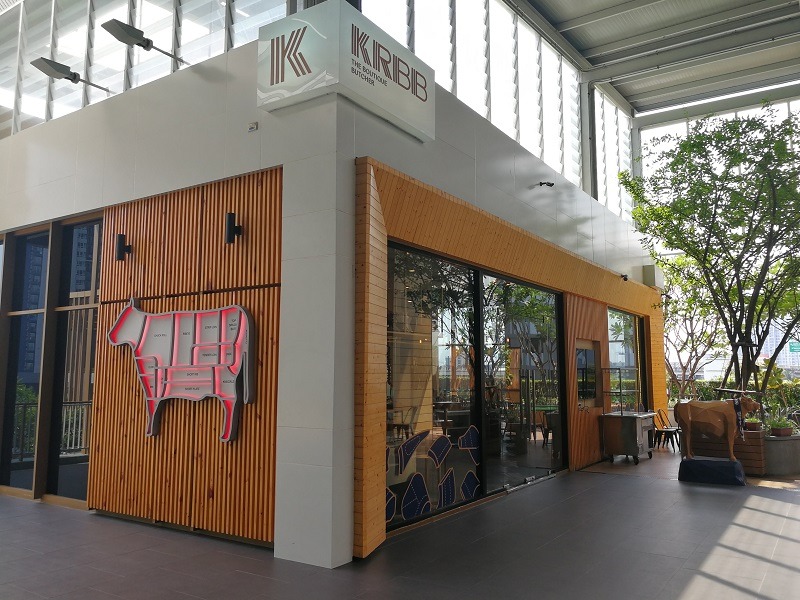
A useful community mall can make weekday errands and casual dining easier for condo residents.
A good community mall can support groceries, coffee, casual dining, pharmacies, salons, fitness, clinics, parcel pickup, tutoring, pet services and weekend routines. It can make a residential district feel easier to live in, especially for residents who do not want to travel to a major shopping centre for every errand.
Why community malls matter to condo buyers
Condo liveability is built around small repeat behaviours. Where do residents buy breakfast? Where can they collect dry cleaning? How easy is it to get a prescription, meet a friend, take a child for lunch or pick up groceries after work? A nearby community mall can reduce the number of taxi trips needed in an ordinary week.
For investors, this can support tenant retention. Tenants may choose a building because it makes life simple, not because every facility is luxurious. If a unit is close to useful services, residents have fewer reasons to move when the lease ends.
Grocery access, pharmacies, cafes and small services often matter more than destination shopping.
Look beyond the tenant list
A mall directory can look impressive but still be less useful in practice. Buyers should visit at the times residents actually use it: weekday mornings, after work, weekends and rainy evenings. Check whether shops are open, whether the dining mix is practical, whether grocery options are strong and whether the space feels safe and maintained.
Also look at turnover. A community mall with constant vacancies may be less reliable than a smaller centre with stable daily-service tenants. The best neighbourhood retail does not need to be spectacular. It needs to be consistent, clean and convenient.
Access matters more than distance
A community mall that is technically nearby may still be difficult to use if the walking route is poor, crossings are awkward, pavements are broken or shade is limited. Foreign buyers should test the route from the condo lobby, not from the main road. If a shuttle is part of the convenience story, check frequency, operating hours and pickup points.
Parking and ride-hailing also matter. Some residents will walk. Others will use taxis, motorcycles or private cars. A mall with a safe drop-off area, clear access and reasonable traffic flow can be far more useful than one that creates daily frustration.
The connection between home, mall and transit decides whether convenience feels real in daily life.
Match the mall to the resident profile
Different buyers need different community retail. A single professional may value coffee, fitness, convenience food and parcel pickup. A family may need grocery options, tutoring, child-friendly dining and clinics. A retiree may care about pharmacy access, quiet cafes and safe walking. A landlord should match the mall’s services to the tenant profile expected for the unit.
Do not assume that a famous retail name helps every condo equally. A quiet residential building near practical services may outperform a flashier address if the daily routine is easier and the rent is sensible.
What to inspect during viewings
Walk from the condo lobby to the community mall in normal conditions.
Check grocery, pharmacy, dining, cafe, fitness and service tenants.
Visit outside peak marketing hours to see real occupancy and atmosphere.
Look at lighting, security, maintenance, toilets and family usability.
Test taxi, shuttle, ride-hailing, parking and rainy-season access.
Ask whether the mall supports the likely tenant or owner-occupier profile.
Buyer takeaway
Bangkok community malls can make condo living feel smooth when they support real daily habits. Foreign buyers should judge them by practical usefulness, not just branding. The best neighbourhood retail helps residents save time, settle faster and feel connected to the area.
IBP helps expats and foreign buyers compare Bangkok condos by transport, retail access, neighbourhood comfort and daily liveability. Browse our Bangkok lifestyle guides or contact IBP Real Estate for a liveability-led shortlist.
A Bangkok condo payment schedule should never be treated as a formality. For foreign buyers, timing matters because funds may need to move across borders, bank evidence may need to match the purchase structure, and completion deadlines can be difficult to repair if everyone assumes the money will simply arrive on time.
Payment timing should be checked against the purchase documents before funds are transferred.
The payment schedule is where the commercial deal meets practical execution. It should connect the reservation amount, deposit, instalments, completion payment, transfer appointment, bank documents, exchange timing and any agreed adjustments. A buyer who understands this sequence early is less likely to face last-minute stress.
Map every payment before signing
Before paying a deposit, the buyer should ask for a simple payment map. It should show each amount, due date, recipient, bank account, currency, exchange assumptions, refund conditions and document trigger. If the schedule is linked to construction progress or transfer readiness, ask how that trigger is confirmed and who sends the notice.
Do not rely only on a sales conversation. The written documents should match the explanation. If a deadline is important, ask whether it means a calendar day, business day or a date counted from a notice. For overseas buyers, even a small timing difference can matter when banks, compliance checks and public holidays are involved.
The payment schedule should fit the building, transfer process and buyer’s overseas banking timeline.
Separate deposit risk from completion risk
The first payment is often emotionally easy because the buyer wants to secure the unit. It still needs discipline. Check what the deposit reserves, whether it is refundable, what happens if due diligence finds a problem, and whether the seller or developer can keep any amount if the buyer cannot proceed.
Completion risk is different. By the time final payment is due, the buyer may need foreign exchange evidence, identity documents, a power of attorney, legal review, tax and fee calculations, transfer appointment planning and confirmation that the unit or title is ready. These items should be listed early so the buyer is not solving them in the final week.
Ask how overseas transfers are evidenced
Foreign buyers should ask their lawyer and bank what evidence will be needed for the transfer. The payment route, name on the sending account, purpose wording, currency conversion and receiving bank process may all matter. The safest approach is to confirm the live requirements before sending funds, because banks and land-office expectations can be specific to the transaction.
If several payments are made at different times, keep a clean record of each transfer. The file should include bank confirmations, receipts, buyer name details, unit details and correspondence explaining the purpose of payment. A clear file can prevent confusion later, especially when the final transfer documents are assembled.
Final payment planning should connect bank evidence, title transfer and completion paperwork.
Check what is included in the final amount
The final payment is not always just the unpaid purchase price. There may be transfer fees, taxes, common fee adjustments, sinking fund amounts, utility deposits, furniture payments, repair credits or other agreed items. The buyer should request a completion statement before transfer and check it against the contract, reservation documents and any later written agreements.
For resale purchases, ask how common fees, utilities, tenant rent, deposits and possession dates will be adjusted. For new units, ask whether the final payment is due before or after inspection, defect recording and handover. The buyer should avoid paying as if everything is complete when important conditions still need confirmation.
Build time for compliance checks
International transfers can be delayed by bank compliance requests, missing documents, public holidays, correspondent banks, exchange-rate decisions or simple data-entry errors. A buyer should not leave the transfer until the last possible day. If the payment schedule is tight, negotiate a more realistic timeline before signing rather than asking for mercy later.
It is also sensible to appoint one person to maintain the payment file. This may be the buyer, lawyer, trusted agent or family representative. The role is to keep documents organised, confirm deadlines and make sure everyone is working from the same numbers.
Keep buyer names and references consistent
Payment records should use the same buyer name, unit reference and transaction description wherever possible. A small spelling difference, missing middle name or unclear reference can slow down reconciliation when the seller, bank, lawyer and land-office paperwork are checked together. This is especially important when a buyer uses more than one bank account or sends funds in several tranches.
Before transferring, confirm how the buyer’s name appears in the passport, reservation document, sale agreement, bank record and any transfer instruction. If a company, spouse, family member or authorised representative is involved, get written advice before funds move. Consistency is not just neat administration; it reduces avoidable questions at completion.
Common warning signs
The written schedule does not match what was explained verbally.
The recipient account is unclear or changes without proper written confirmation.
The buyer is asked to send money before key documents are reviewed.
Final transfer costs are estimated vaguely until the last moment.
Foreign exchange evidence is discussed only after funds have arrived.
Inspection, handover and final payment are not sequenced clearly.
Buyer takeaway
A Bangkok condo payment schedule should give a foreign buyer control, not pressure. Map every payment, confirm bank evidence, understand final adjustments and build enough time for overseas transfer checks. A clear schedule makes the purchase safer and keeps the buyer focused on the property, not avoidable payment confusion.
IBP helps foreign buyers coordinate purchase timelines, payment documents and transfer preparation. Explore our foreign buyer guides or contact IBP Real Estate for a practical buying checklist.
Food delivery is part of everyday Bangkok life, but foreign buyers should not treat it as a minor lifestyle detail. A condo that handles deliveries well can feel easy from the first week. A building with confusing lobby rules, awkward pickup points, poor communication or weak nearby alternatives can become frustrating, especially for new arrivals and residents who work from home.
Food delivery works best when it complements nearby groceries, cafes and daily services.
Delivery access is not only about convenience. It connects with security, privacy, traffic, building management, resident routines and neighbourhood quality. The best Bangkok condo locations give residents both options: reliable delivery when needed and walkable food, groceries and cafes when they want to leave the unit.
Start with the building’s delivery rules
Ask how the building handles food, grocery and parcel deliveries. Some condos require riders to wait outside. Some allow lobby handover. Some use lockers, shelves, concierge desks or security counters. Some require residents to come down every time. None of these systems is automatically good or bad, but the buyer should know the rule before deciding how the building will fit daily life.
For overseas owners, delivery rules also matter for tenants. A tenant who works late, has children, hosts visitors or orders groceries regularly will notice whether the system is smooth. A good lobby process can support tenant satisfaction without compromising building security.
A strong neighbourhood gives residents options beyond ordering every meal to the lobby.
Neighbourhood options still matter
A strong delivery area can be useful, but it should not replace neighbourhood quality. Buyers should check nearby supermarkets, cafes, pharmacies, casual restaurants, fresh food options and late-opening services. If every simple errand requires a delivery app, the location may feel less liveable than expected.
Walk the area at meal times and on weekends. Look for shaded routes, crossings, crowd levels, traffic, easy pickup points and places where residents can sit comfortably. Bangkok’s best liveability often comes from having choices within a short radius, not from relying on one channel for everything.
Delivery access, pickup points and walking routes all affect how convenient a condo feels in real life.
Traffic and pickup design affect daily comfort
In busy districts, the way a building handles motorcycle riders and cars can affect the lobby experience. A narrow driveway, unclear entrance or crowded drop-off point may create friction at peak meal times. Conversely, a well-managed pickup area can keep the entrance calm and efficient.
Residents should also think about rain. If the pickup point is exposed, deliveries may be awkward during wet weather. Covered entrances, clear signage and responsive security staff can make a noticeable difference in ordinary weeks.
Security and privacy are part of the check
Delivery convenience should not weaken security. Buyers should ask whether riders can access lifts, floors or corridors, how identity is checked, and whether residents are notified properly. A building that lets too many visitors move freely may feel convenient at first but less comfortable over time.
Privacy matters too. Some residents prefer collecting food from a desk rather than giving room details to every rider. Others value direct handover. The building’s system should be clear enough that residents and riders are not negotiating from scratch every day.
Owner-occupiers and landlords use the feature differently
Owner-occupiers should test whether the routine suits their household. A single professional, couple, family with children and older resident may each have different expectations. Work-from-home residents may use food and parcel deliveries more often, so lift waits and lobby communication become more important.
Landlords should consider how delivery access affects tenant appeal. A practical building can make a unit more competitive, especially in districts where tenants compare several similar condos. However, delivery convenience cannot compensate for poor layout, weak maintenance or an inconvenient location.
Buyer checklist
Ask how food, grocery and parcel deliveries are handled.
Check whether riders use the lobby, security desk, lockers or pickup shelves.
Test nearby groceries, cafes and casual restaurants on foot.
Inspect the drop-off area during busy meal times and rainy weather.
Confirm how the system balances convenience, privacy and security.
Consider whether tenants will find the routine easy to understand.
Buyer takeaway
Bangkok food delivery can make condo life easier, but only when the building and neighbourhood support the routine. Foreign buyers should assess lobby rules, pickup design, nearby food options, rain protection, security and tenant expectations before assuming a location is convenient.
IBP helps foreign buyers evaluate Bangkok condos by liveability, neighbourhood fit and practical ownership routines. Browse our Bangkok lifestyle guides or contact IBP Real Estate for a liveability-focused shortlist.