A projected yield is only as dependable as the rent behind it. For a foreign investor, Bangkok condo rental comps are the bridge between an attractive listing and a realistic operating plan. The objective is not to find the highest advertised rent, but to identify what a comparable tenant is likely to pay for the exact unit in normal market conditions.
Rental evidence is most useful when it comes from the same tenant market, budget band and commute pattern.
Bangkok is not one rental market. Demand changes by station, street, building, unit type and tenant profile. A carefully built comparison set helps an investor separate genuine pricing power from optimistic marketing and makes later decisions about furnishing, negotiation and cash reserves more disciplined.
Start with the tenant, not the headline yield
Define who is likely to rent the unit and why. A compact one-bedroom near a major office cluster may serve a different market from a larger two-bedroom near international schools. Their search channels, lease budgets, commuting tolerances and expectations are not interchangeable.
Write a short tenant hypothesis before collecting listings. Include likely household size, workplace or school corridor, preferred transport, lease length, furnishing standard and essential services. This prevents unrelated high rents from entering the comparison merely because the properties share a postcode.
Build a tight comparison set
Begin inside the same condominium. Recent rentals in the same building are usually the best starting point because they share management, facilities, access and brand perception. If evidence is thin, widen the search gradually to genuinely competing buildings rather than the whole district.
Record the building, floor area, bedroom count, floor, orientation, view, condition, furniture, parking, advertised rent, known agreed rent, listing date and current status. Note where information is unverified. A simple spreadsheet is more valuable than a collection of screenshots with no dates or context.
Separate asking rent from achieved rent
Public portals show what owners hope to receive, not necessarily what tenants finally pay. Repeated listings may also represent the same unit through several agents. Deduplicate by photographs, layout, floor, size and description before treating the results as separate evidence.
Ask active local agents about recent completed deals and how long comparable units took to lease. Owners and juristic offices may offer useful context, subject to privacy and accuracy limits. Give the greatest weight to evidence with a credible leasing date, clear unit specification and confirmed transaction status.
Layout, condition, furnishing and view can explain why two units in one building achieve different rents.
Adjust for differences that tenants notice
A raw price-per-square-metre calculation can conceal important differences. Tenants experience room proportions, storage, privacy, daylight and noise rather than abstract floor area. An efficient 45-square-metre plan may compete better than a larger unit with awkward circulation.
Review view protection, afternoon heat, lift proximity, traffic noise, balcony usability, appliance quality, internet readiness and work-from-home space. Treat branded furniture cautiously: condition and functionality usually matter more than the original retail cost. Adjustments should be modest and evidence-led, not invented to justify a target rent.
Use time and availability correctly
A rent agreed eighteen months ago may not represent the market at the next handover. Record when each comparable was marketed or leased and whether it reflects a peak relocation period, an unusually urgent owner or a corporate tenancy. A small, current set can be more useful than a large collection of stale listings.
Also count competing units available now. If many similar homes are advertised in one building, a tenant can negotiate or choose the best-presented option. Scarcity can support pricing, but only when demand is real. Availability should therefore sit beside achieved rent in the analysis.
Normalise what the rent includes
Confirm whether the quoted rent includes common-area charges, parking, internet, cleaning, servicing or other benefits. Check the expected deposit, advance payment and minimum lease term. Two apparently equal rents may produce different net outcomes when the inclusions and owner obligations differ.
For a furnished unit, prepare a replacement schedule for air conditioners, appliances, mattresses, curtains and small equipment. A premium rent that requires frequent refreshes can be less attractive than a slightly lower, stable rent with simpler upkeep.
Convert the evidence into three cases
Use a conservative case, a central case and an upside case. The conservative figure should reflect slower leasing or stronger competition without assuming a crisis. The central figure should be supported by the best current comparables. The upside figure should require identifiable advantages, not general confidence about Bangkok.
Apply the same discipline to vacancy, agency fees, repairs, insurance, taxes and management. Gross rent is not distributable income. A purchase still needs to work after realistic operating costs and an allowance for periods between tenants.
A comparable becomes stronger when its condition, leasing date and included items can be checked rather than assumed.
Recheck the comps before making an offer
Rental evidence can change during a long purchase process, especially for an off-plan unit. Refresh the comparison shortly before reservation, before major non-refundable payments and again when planning the first tenancy. For a resale purchase, compare the seller’s claimed history with supporting documents where lawfully available.
Do not assume that a guaranteed or suggested rent proves open-market demand. Read the commercial terms, identify who carries vacancy and operating risk, and test the property against ordinary competing leases. Independent legal and tax advice remains important for the ownership structure and rental activity.
Rental-comparable checklist
Define the likely tenant and their practical search area.
Start with the same building and widen only to true competitors.
Deduplicate repeated listings and date every item.
Distinguish asking rents from completed leases.
Adjust for layout, condition, view, noise and included services.
Count current competing inventory and leasing time.
Rental deposits are a small part of the purchase story but a major part of day-to-day ownership for foreign Bangkok condo landlords. A deposit protects the owner only when the lease, handover record, payment trail and move-out process are clear. If those details are weak, the deposit can become a dispute instead of a safeguard.
The rental deposit process should be documented before keys, access cards and inventory are handed over.
Foreign landlords should treat deposit handling as part of professional property management. The aim is not to be difficult with tenants. The aim is to make expectations clear before the tenant moves in, so both sides understand what the deposit covers, how the unit will be inspected and when any balance should be returned.
Start with the lease language
The lease should state the deposit amount, what it secures, where it is recorded, when it may be deducted and how the move-out inspection will be handled. It should also separate the deposit from advance rent, utilities, internet, keycard charges, cleaning fees and any building-related costs. Confusion usually begins when money is collected without a clear label.
Foreign landlords should have the lease reviewed by a qualified adviser or experienced property manager, especially if they are using a bilingual contract. Do not rely on a verbal explanation of deposit rules. Written language matters when a tenant, agent, landlord and building staff all remember events differently months later.
Building rules, access cards and common-area obligations should align with the lease deposit language.
Connect the deposit to the building rules
Condo deposits are not only about the private room. Access cards, parking stickers, mailbox keys, pool cards, lift cards, remote controls and common-area rules can all affect the final settlement. If a tenant loses cards, damages common areas during move-in or breaks building rules, the owner may need a documented way to recover costs where the lease allows it.
Ask the juristic office about replacement-card fees, move-in deposits, renovation or delivery damage rules, waste removal and utility billing. Then make sure the tenant receives those rules in a practical format. A tenant cannot follow rules they never saw, and an overseas landlord cannot manage a dispute easily without documents.
Prepare an inventory before handover
The inventory should be created before the tenant receives keys. It should list furniture, appliances, curtains, mattresses, kitchen items, remote controls, keys, cards and notable condition issues. Photographs should show floors, walls, ceilings, bathrooms, kitchen surfaces, balcony areas, air-conditioners and existing marks or wear.
A strong inventory protects both parties. The tenant is not blamed for pre-existing defects, and the landlord has evidence if new damage appears. Date the photos, store them with the lease and send a copy or summary to the tenant at the start of the tenancy.
A dated inspection record reduces avoidable disputes when the tenant eventually moves out.
Separate damage from normal wear
Deposit disputes often come from unclear expectations about normal wear. A landlord should not expect a used rental unit to return in showroom condition after ordinary living. At the same time, missing items, broken appliances, heavy stains, unauthorised alterations or unpaid bills may need to be addressed according to the lease.
The best approach is to explain expectations at move-in. Tell the tenant how to report repairs, whether wall mounting is allowed, how air-conditioning cleaning is handled, what cleaning standard is expected at move-out and how utility bills will be reconciled. Clear rules reduce arguments later.
Keep the payment trail clean
Foreign landlords should keep bank records, receipts and messages showing when the deposit was received. If a property manager holds funds, the management agreement should explain that role. If the landlord receives funds overseas, ask a tax adviser how rental income, deposits and expenses should be recorded.
Do not mix personal messages, verbal promises and undocumented cash. A clean record helps if the tenant renews, leaves early, requests deductions or questions the final amount. It also helps the owner maintain a professional file for tax and management purposes.
Move-out process
Before the tenant leaves, agree a date for inspection, key return and final utility review. Compare the unit with the original inventory. Photograph any issues and obtain quotations or receipts for deductions where possible. Communicate deductions clearly and promptly. If there is no issue, return the balance according to the lease process.
Overseas owners should appoint someone reliable to attend the inspection. A rushed handover by a friend, driver or building guard can create more problems than it solves. The person attending should know the lease, inventory and authority limits.
Landlord checklist
Label deposit, advance rent and utility money separately.
Use written lease language for deductions and return timing.
Record keys, cards, furniture, appliances and condition at handover.
Give the tenant relevant building rules before move-in.
Keep receipts, transfer records and inspection photos in one file.
Use advisers for legal, tax or dispute questions rather than guessing.
Buyer takeaway
Thai rental deposit checks are part of responsible Bangkok condo ownership. Foreign landlords should build a simple evidence trail from lease signing to move-out: clear wording, documented condition, building-rule awareness and clean payment records. That discipline protects the asset and helps keep tenant relationships professional.
IBP helps foreign buyers think through rental ownership before purchase, from tenant fit to handover and ongoing management. Explore our rental market guides or contact IBP Real Estate for landlord-focused support.
Rent collection is one of the least glamorous parts of Bangkok condo investing, but it is central to whether a foreign landlord can hold a unit calmly. A projected rent means little if payments arrive late, receipts are unclear, deductions are not explained, or the owner has no local process for following up.
Rent collection should be planned before purchase, especially when the owner lives outside Thailand.
Foreign buyers often focus on purchase price, expected yield and future resale value. Those are important, but the monthly rental workflow deserves equal attention. The strongest investment is usually the one where rent, bills, repairs, reporting and cash reserves can be managed without the owner chasing every small item from overseas.
Why collection discipline belongs in the purchase case
A Bangkok condo can be well located and still disappoint if the landlord has a weak rent-collection system. Late rent affects cash flow, but it also affects decision quality. An owner under pressure may delay repairs, accept a poor renewal, overlook lease breaches or become too slow to prepare for the next tenant.
Before buying, investors should ask how rent will be paid, who will confirm receipt, how arrears will be escalated, how deductions will be approved and what reporting the owner will receive each month. These questions are practical, not pessimistic. They help the owner understand whether the unit can be run professionally from another country.
Clear documents, receipts and reporting routines make a rental unit easier to manage from overseas.
Start with the lease payment mechanics
The lease should make the payment date, payment channel, account details, late-payment process and security deposit handling clear. It should also explain whether rent is paid to the owner, a property manager or another authorised party. If a manager receives the money first, the owner should know when funds are remitted and what fees or costs may be deducted.
Foreign landlords should avoid informal arrangements that depend on memory or goodwill. A simple monthly statement can show rent received, management fee, repairs, cleaning, utility adjustments, withholding items where relevant and the net amount held or transferred. The statement does not need to be complex, but it should be consistent.
Check the tenant profile before relying on rent
Rent collection risk differs by tenant profile. A corporate tenant, an expatriate family, a local professional, a student, a short-term relocation tenant and a small-business owner may all have different payment habits, documentation needs and renewal patterns. The rent level should be judged beside the likely tenant, not only against a listing screenshot.
Investors should ask whether similar units in the building are usually leased to long-stay residents, company-paid tenants, price-sensitive renters or frequent movers. A building with many similar units may still rent well, but owners may need sharper lease terms, better furnishing and faster communication to keep payment discipline and tenant satisfaction aligned.
Building management, tenant profile and payment discipline should be assessed together.
Receipts and records protect the owner
Every rent payment, deposit movement and approved deduction should leave a record. This helps the landlord, tenant, property manager and accountant understand what happened if questions arise later. It also helps at resale, because a well-organised income file can make the unit easier to explain to a future investor.
Records should include the signed lease, tenant identification documents where appropriate, inventory, move-in report, payment receipts, repair approvals, contractor invoices, deposit deductions and move-out settlement. If the owner changes manager, this file should transfer cleanly. A rental unit should not depend on one person’s inbox.
Plan for arrears before they happen
A good landlord process sets escalation steps in advance. The owner and manager should agree when a reminder is sent, when a formal notice is prepared, when building access or utility issues require advice, and when legal support is needed. Foreign owners should not improvise this after rent is already late.
It is also worth deciding how much flexibility is acceptable. A strong long-term tenant with a temporary payroll delay is different from a tenant who repeatedly pays late and ignores messages. The lease, local advice and manager’s experience should guide the response, but the owner should already know the decision framework.
Keep local cash separate from rent optimism
Rent collection is easier when the owner does not need every payment immediately. A Thai baht reserve allows the landlord to cover minor repairs, cleaning, juristic charges or vacancy without treating each rent payment as emergency cash. This is especially useful when funds are later converted or remitted overseas.
Investors should decide how much income will stay in Thailand and how much will be transferred out. The answer depends on ownership costs, tax filing, management arrangements and personal cash needs. The key is to make the decision intentionally, not as a monthly reaction.
Investor checklist
Confirm the rent payment date, account and authorised recipient.
Ask what monthly statement or receipt the owner will receive.
Set clear repair approval limits with the property manager.
Keep lease, inventory, payment and deduction records in one file.
Agree an arrears escalation process before signing the lease.
Maintain a local reserve so late rent does not force poor decisions.
Buyer takeaway
Bangkok condo rent collection is not just administration. It is part of investment risk control. Foreign landlords should buy units that can be rented, reported and managed clearly, with payment discipline built into the lease and management process. The easier the cash flow is to see, the easier the property is to hold.
IBP helps foreign buyers compare Bangkok condos by rentability, tenant profile and management practicality. Read more in our rental market guides or contact IBP Real Estate for a landlord-focused shortlist.
Bangkok condo investors often focus on the first lease. That is understandable: rent, vacancy period and entry price are easy to place in a spreadsheet. Tenant retention is less obvious, but it is one of the best practical tests of whether a unit can perform beyond the first year.
Tenant retention is a practical way to test whether a Bangkok condo income story can survive beyond the first lease.
A foreign landlord who keeps good tenants for longer can reduce advertising gaps, agent handover friction, cleaning costs, repainting cycles and management stress. Retention does not remove market risk, but it can make the income story less fragile. The question for buyers is simple: would a sensible tenant want to renew here, or would they leave as soon as a similar option appears nearby?
Why retention matters to returns
A headline rent can flatter an investment if it is achieved only once. The more useful question is whether the unit can keep tenants at a fair rent without repeated downtime. A unit that leases quickly but loses tenants every year may create hidden costs. A unit that feels comfortable, well-managed and easy to live in can be more resilient, even if the rent is not the highest in the building.
Retention also affects resale. Future buyers will often ask whether the unit has stable rental history, whether tenants complained, and whether the building is easy to manage. A clean record of renewals, repairs and payments can make the property easier to explain when the owner eventually sells.
Look beyond the rent number
Foreign buyers should test why a tenant would stay. A good location helps, but tenants renew because their daily routine works. The route to rail, office, school, shops, gym, restaurants and taxis must feel manageable. If a building is technically near a station but the walk is hot, noisy or awkward, tenants may move when they find a smoother option.
Inside the unit, retention depends on comfort. Light, storage, desk space, air-conditioning, water pressure, appliance quality, privacy and noise control all matter after the viewing excitement fades. Tenants usually forgive less over time, not more. A layout problem that looks minor during a 15-minute inspection can become the reason they leave.
A well-managed building can make renewal conversations easier for tenants and landlords.
Building management is part of the lease
Landlords do not control the juristic office, but they are affected by it. Lift waits, parcel handling, security, contractor access, pool rules, gym maintenance, parking, common-area cleanliness and communication all influence tenant satisfaction. A tenant who likes the unit but dislikes the building may still decide not to renew.
Investors should therefore inspect the building as a resident would. Read noticeboards, observe the lobby, check whether repairs are visible, ask about renovation rules and look at how staff handle visitors. A calm and predictable building can support renewals because tenants know what to expect.
Repair response shapes trust
Many lease renewals are won or lost through repairs. If the air-conditioner fails, a water leak appears, or an appliance breaks, the tenant wants a clear response. Overseas landlords should have a property manager or trusted representative who can inspect issues, approve small repairs within agreed limits and communicate quickly.
Slow or unclear repairs make tenants feel temporary. Even when the problem is not the landlord’s fault, poor coordination can damage trust. Before buying, investors should ask whether contractors can access the building easily, whether spare parts are common, and whether the unit has appliances that are practical to service.
Furniture should support real living
Decorative furnishing can help photographs, but retention depends on practicality. A tenant who works from home needs a proper desk area. A couple may need wardrobe space and a dining surface. A long-stay tenant may care about mattress quality, blackout curtains, washing machine condition and storage for luggage. Cheap or awkward furniture can create early frustration.
Comfortable layouts, storage and work space help a unit stay useful after the first viewing impression.
Investors should furnish for the target tenant, not for the broadest possible listing photo. A compact unit aimed at a professional tenant should feel efficient and easy to clean. A larger unit aimed at a couple or family should have seating, storage and appliances that support longer stays.
Do not overprice renewals
Retention can be damaged by unrealistic renewal demands. Bangkok tenants compare alternatives quickly. If similar units in the same building or nearby district are available at a better total package, a tenant may leave even if they like the current unit. A fair renewal rent can sometimes protect more value than pushing for a small increase and triggering a vacancy period.
Foreign landlords should review market listings before renewal, but they should also consider tenant quality. A reliable tenant who pays on time, reports issues early and treats the unit well has value. The best decision is not always the highest nominal rent.
Investor checklist
Ask why a tenant would renew after the first lease.
Test the daily route to rail, taxis, shops, offices and services.
Inspect noise, light, storage, desk space and appliance quality.
Review building management, lifts, parcel handling and contractor access.
Set repair approval rules before a tenant moves in.
Compare renewal rent with nearby alternatives before pushing increases.
Buyer takeaway
Bangkok condo tenant retention is a useful risk check for foreign investors. A unit should not only attract a tenant once; it should make practical sense to stay. When location, layout, building management, repairs and renewal pricing all support that answer, the rental case becomes easier to defend.
IBP helps foreign buyers compare Bangkok condos by tenant demand, rental management and exit strategy. Read more in our rental market guides or contact IBP Real Estate for a buyer shortlist.
Rental income in Bangkok is rarely as even as a spreadsheet suggests. Foreign buyers often compare headline rents, advertised yields and district averages, but the real test is whether a unit can stay attractive across quieter leasing months, relocation cycles and changing tenant priorities.
Seasonality does not make Bangkok a weak rental market. It simply means investors should underwrite a purchase with more discipline. A condo that suits a clear tenant group, has sensible furnishing, is easy to view and sits in a building with responsive management can handle slower periods better than a unit bought only because the first advertised rent looked high.
Rental seasonality should be tested against real tenant demand, not only headline rent.
Why rental seasonality matters
Bangkok has several overlapping drivers of tenant demand. Some renters arrive with corporate moves, some with school calendars, some with embassy or regional office assignments, and others with shorter project-based work. Tourism, medical travel and long-stay lifestyle demand can also support certain locations, but these groups do not all move at the same time of year.
That mix is useful for the city, because it gives Bangkok more than one rental audience. It also means a buyer should avoid assuming that the first month after handover represents the normal market. A unit may receive strong enquiry when relocation teams are active, then need sharper pricing, better photography or more flexible terms in a quieter period.
Foreign owners are especially exposed if they manage from overseas. When the owner is not in Bangkok, a slow letting period can become more expensive if repairs, key handover, cleaning or agent communication are delayed. Good seasonality planning is partly financial and partly operational.
Build a conservative rent calendar
A useful rent calendar starts with twelve months, not one target rent. Model a realistic achieved rent, a prudent vacancy allowance, annual refresh costs, agent commission, juristic fees, repairs, insurance, tax filing support and any mortgage or currency costs. Then test the result against a lower-rent case, not only the optimistic case.
This is not about being negative. It is about seeing which units still make sense when the market is less convenient. A one-bedroom near a strong rail interchange may recover quickly because the tenant pool is wide. A larger luxury unit may achieve a higher rent but need a longer matching process because the tenant pool is narrower and expectations are higher.
Investors should also ask whether the building has many similar units competing at the same time. If several owners list the same layout with similar furniture, tenants can negotiate harder. A well-presented unit with a better view, quieter stack, stronger appliances or a cleaner handover file may let faster even when headline rent is similar.
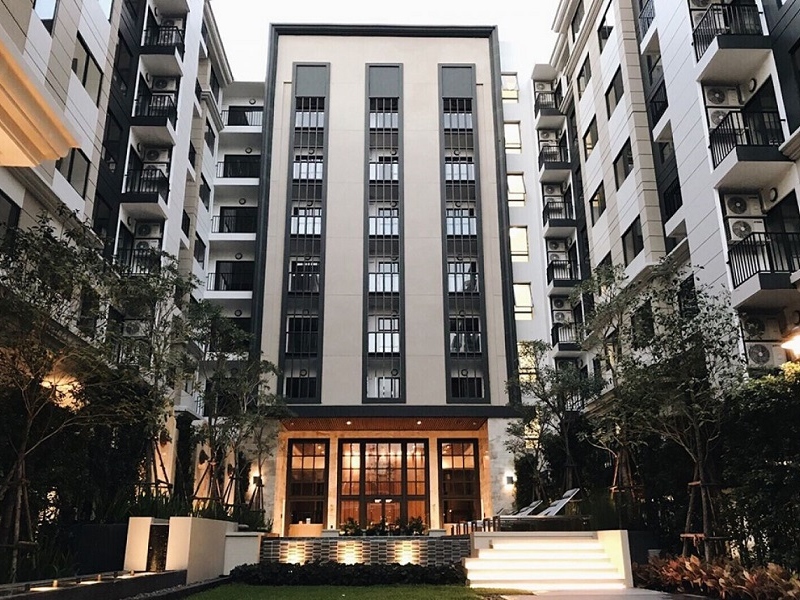
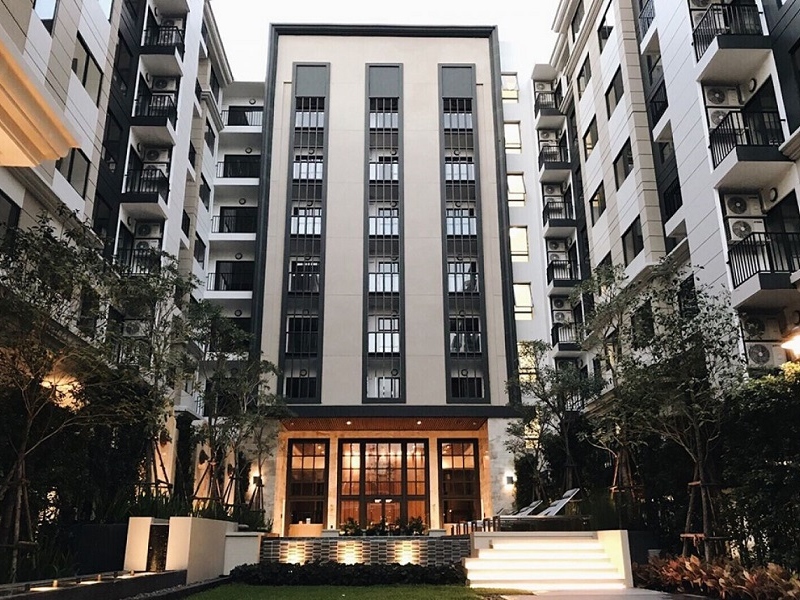
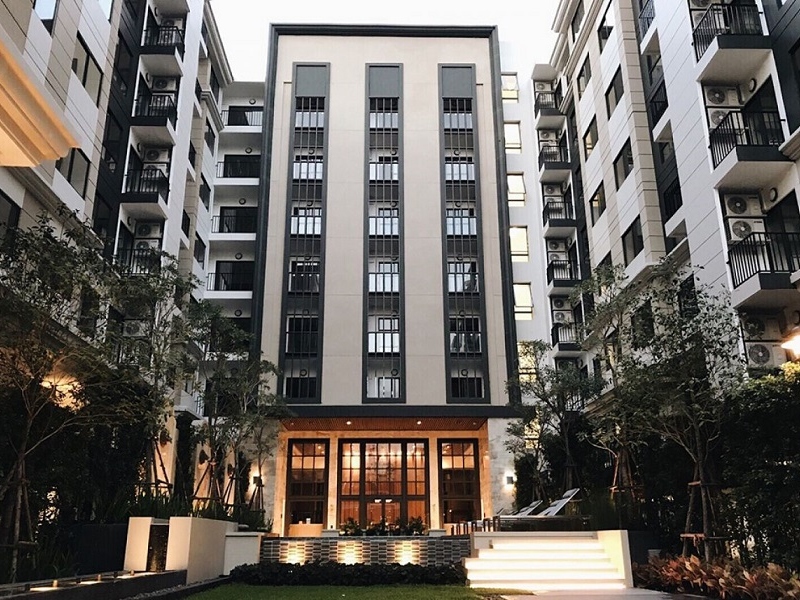
Building quality and management affect how quickly a unit can recover after vacancy.
Match the unit to a real tenant profile
Seasonality is easier to manage when the likely tenant is clear. A compact BTS-connected unit may suit a single professional who values commute time and predictable bills. A two-bedroom near international schools or hospitals may suit a family or medical professional. A riverfront unit may appeal to tenants who prioritise views, hotel dining and weekend lifestyle over the shortest office commute.
The mistake is to buy a unit that is generic in every direction. If the room is too small for a couple working from home, too far from transport for a daily commuter and too plain for an executive tenant, the owner may have to compete mainly on price. Bangkok has enough supply that unclear positioning can cost time.
Questions to ask before purchase
Ask which tenant group has recently rented in the building, how long comparable units stayed vacant, what lease length is normal, whether tenants request pet permission or work-from-home space, and which nearby offices, schools, hospitals or lifestyle anchors create repeat demand. A good agent should be able to discuss actual tenant behaviour, not only quote a rent per square metre.
Foreign buyers should also check whether the juristic office is cooperative with move-ins, contractor access and tenant registration paperwork. Smooth building administration can reduce friction during the exact weeks when a tenant is comparing several choices.
Viewings, furnishing and refresh timing
A rental unit should be ready before the tenant starts looking. That sounds obvious, but many overseas owners lose time because small repairs, internet setup, cleaning, appliance manuals or access cards are not prepared. A vacant month is often more expensive than a modest pre-leasing refresh.
Furnishing should support the target tenant rather than simply fill the room. Durable sofa fabric, proper blackout curtains, a desk or flexible dining surface, enough storage and neutral lighting are often more useful than decorative items. For premium units, tenants may expect a stronger kitchen package, better bedding, hotel-like bathrooms and building services that match the rent.
The best refresh timing is before the main viewing push, not after enquiry has slowed. If a unit has been listed for several weeks without serious interest, owners should review photographs, price, access arrangements and presentation quickly. Waiting too long can make the listing look stale.
A realistic rent model includes vacancy, refresh costs and tenant-ready presentation.
What this means for foreign buyers
Bangkok remains attractive because it combines regional business access, strong lifestyle districts, improving transport and a broad expatriate base. Rental seasonality does not remove that appeal. It simply rewards buyers who understand the difference between a market story and a unit-level plan.
Before committing, compare the target unit with recent Bangkok investment analysis, district-level demand and realistic ownership costs. A lower headline yield with faster letting and easier resale can be better than a higher theoretical yield that depends on perfect occupancy.
Foreign buyers who want a rental-led purchase should speak with the IBP team before reserving a unit. We can help compare tenant profile, building management, likely leasing friction and exit strategy so the numbers are tested before money moves.