A trial stay can reveal more about a Bangkok condo location than several polished viewings. Foreign buyers often visit a unit during a convenient afternoon slot, see the lobby, check the pool and leave with a good impression. That is useful, but it does not show how the building works on a wet Monday morning, during evening traffic, or when the buyer needs groceries, a quiet workspace, a taxi, a clinic or a simple meal nearby.
A useful trial stay tests ordinary workdays, errands and neighbourhood routines, not only weekend impressions.
A short stay in the target district helps buyers test whether the location suits real life. It does not need to be in the exact building, although that is ideal if a serviced apartment or short-term legal accommodation is available nearby. The purpose is to understand the neighbourhood rhythm before making a long-term property decision.
Choose the trial area carefully
Start with the buildings or districts already on the shortlist. If a buyer is comparing Phrom Phong, Sathorn and Rama 9, staying in only one hotel near Siam will not answer the key questions. Pick accommodation close enough to the target station, main road or side street that daily routes are realistic. A ten-minute difference on the map can feel very different in heat, rain or traffic.
Buyers should also test the likely lifestyle, not a holiday version of Bangkok. If the condo is intended for work, stay during weekdays. If it is for family use, include school-run style mornings, weekend errands and evening meals. If it will be rented out, think like the intended tenant and ask whether the location makes daily life easy at the likely rent level.
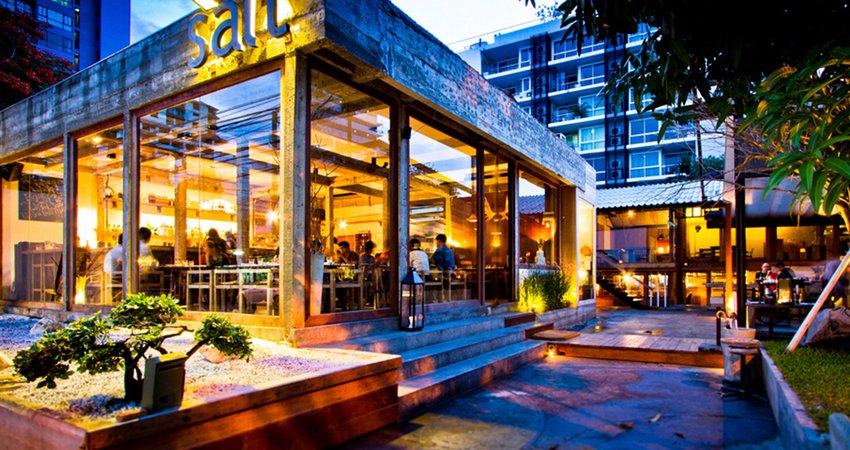
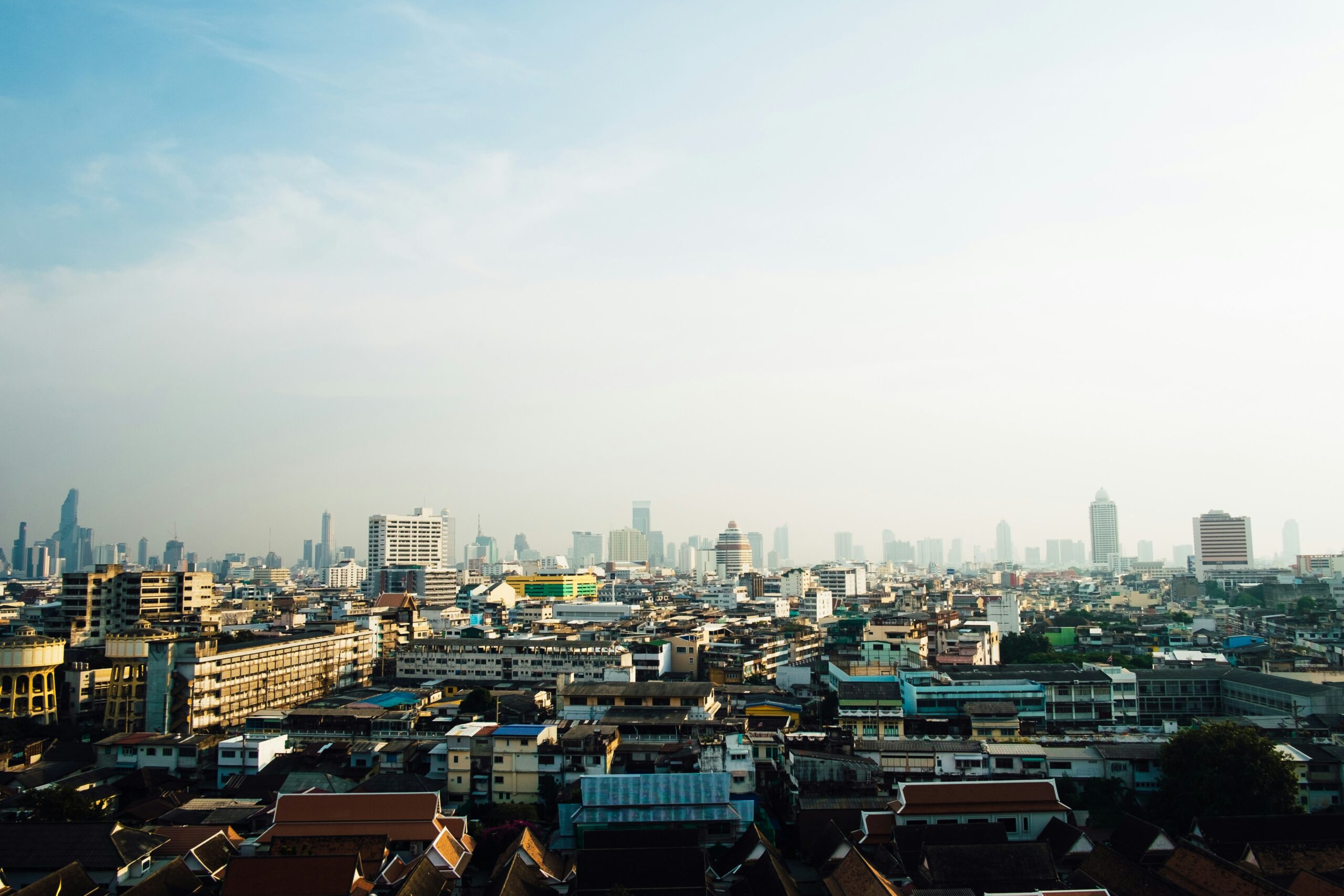
Walking routes, shade, crossings and daily services should be tested in real conditions before buying.
Walk the routes that matter
Walk from the station to the building, from the building to groceries, from the main road to the lobby, and from the nearest taxi drop-off to the entrance. Do it in daylight and after dark if possible. Check pavements, crossings, street lighting, shade, motorcycle-taxi stands, construction, flood-prone corners, noise and whether the route feels comfortable for the person who will actually live there.
Do not judge distance only by metres. A short walk with broken pavements, no shade and difficult crossings may feel worse than a longer route through a mall, park edge or covered walkway. For older residents, children, frequent travellers or work-from-home tenants, these details can matter more than a slightly better view.
Test commute reality
Bangkok transport is highly route-specific. During a trial stay, buyers should make the commute they expect to use: BTS, MRT, river boat, taxi, airport rail, private car, motorcycle taxi or a mix. Note door-to-door time, crowding, interchange comfort, last-mile difficulty and reliability at the exact times that matter.
If the property is for tenants, test the commute to likely employment nodes rather than only the buyer’s own destination. A condo that is convenient for Asoke, Sathorn, Chit Lom or Rama 9 may appeal to different tenant groups. The investment story becomes stronger when the commute is easy to explain.
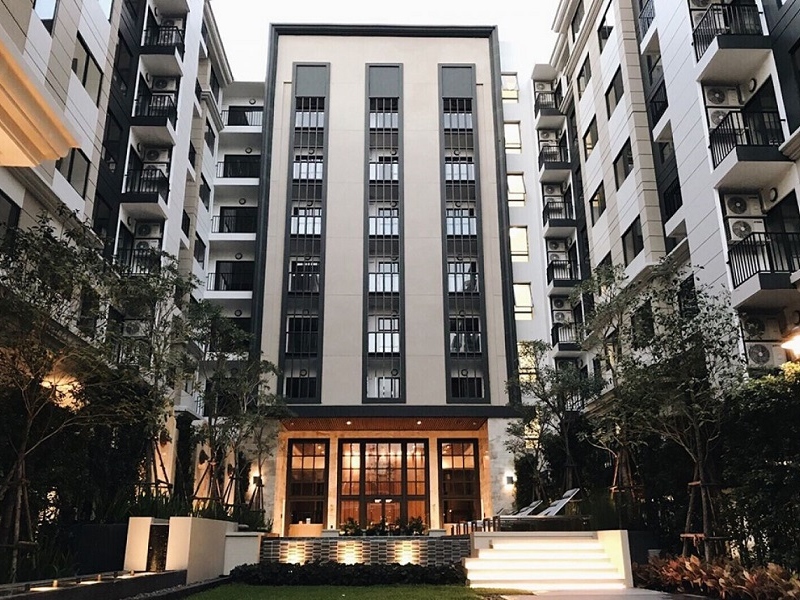
A trial stay helps buyers understand noise, light, storage, lift use and work-from-home practicality.
Spend time inside a comparable unit
If possible, spend a few hours in the exact unit or a similar unit in the same building. Listen for road, rail, bar, school, lift and corridor noise. Check heat and glare in the afternoon. Test mobile signal, internet options, air-conditioning, water pressure, storage and whether furniture placement is practical. A unit can look impressive for ten minutes and feel awkward after three hours.
Buyers who cannot stay in the building should still inspect at different times. Ask to revisit during evening traffic, weekend activity or after heavy rain. If the seller or agent resists reasonable repeat visits, the buyer should slow down and ask why.
Run ordinary errands
A trial stay should include ordinary tasks: buying breakfast, collecting laundry, finding a pharmacy, ordering food, reaching a supermarket, meeting a friend, getting home in rain and arranging a taxi. These errands show whether the neighbourhood supports daily living without constant friction.
For owner-occupiers, this affects happiness. For landlords, it affects tenant retention. Tenants often leave because the building or neighbourhood is slightly inconvenient every day, not because of one dramatic problem.
Questions to answer before buying
Does the route to transport still feel comfortable in heat or rain?
Is the neighbourhood convenient without relying on one mall or one road?
Can taxis, deliveries and visitors find the building easily?
Is the area quiet enough at night for the intended resident?
Are groceries, cafes, clinics, parks or schools realistic for the buyer’s needs?
Would a tenant understand the location’s advantage within one viewing?
Do not confuse holiday appeal with ownership appeal
Bangkok is easy to enjoy as a visitor. Buying property requires a more practical standard. A lively nightlife area may be exciting for a weekend but tiring for long-term residence. A quiet side street may feel peaceful during a viewing but inconvenient without transport or services. The trial stay helps separate attraction from suitability.
Investors should write notes immediately after each test. Memory becomes selective once negotiations begin. Clear notes make it easier to compare districts and avoid paying for a lifestyle that does not match the real routine.
Buyer takeaway
A Bangkok condo trial stay is a low-cost way to reduce buying risk. It lets foreign buyers test commute, noise, errands, weather, services and neighbourhood comfort before committing. The best property decision is usually the one that still makes sense after the buyer has lived the routine, not only viewed the unit.
IBP helps foreign buyers plan Bangkok viewing trips, district comparisons and practical purchase checks. Read our foreign buyer guides or contact IBP Real Estate for a viewing shortlist.
Thailand’s Long-Term Resident visa can be relevant to Bangkok condo buyers, but it should not be confused with property ownership itself. A visa can shape how often a buyer uses Thailand, how they plan family routines and how they manage tax and work advice. It does not replace the legal checks for buying a condominium unit, transferring funds or confirming the foreign freehold quota.
Visa planning should support the property brief, not replace ownership due diligence.
The official LTR programme describes four main target groups: wealthy global citizens, wealthy pensioners, work-from-Thailand professionals and highly skilled professionals. Spouses and dependants may also be included where the programme conditions are met. For foreign buyers, the key point is not to assume eligibility. It is to decide whether long-stay planning should be reviewed alongside the property purchase.
Keep visa planning separate from title planning
A foreign buyer can own a condominium freehold in Thailand if the legal conditions are met, including the foreign ownership quota in the building and the correct foreign exchange evidence for remitted purchase funds. LTR status does not remove those requirements. It also does not make a leasehold unit freehold or fix a weak title document.
This separation protects buyers from a common mistake. A person may be comfortable with the visa story and still need proper property due diligence. The reservation agreement, sale and purchase agreement, title deed, foreign quota letter, debt-free letter, transfer schedule and funds documentation still need to be checked in the normal way.
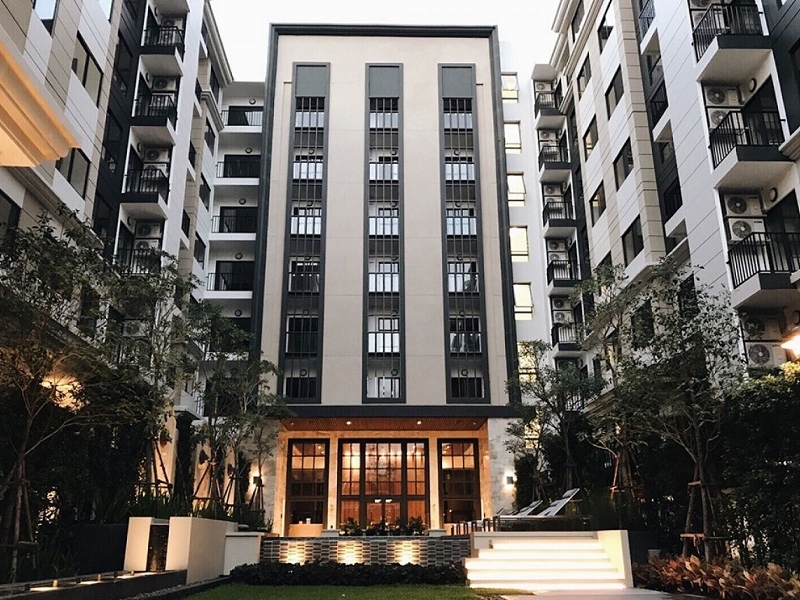
A long-stay buyer should test how the building works as a daily home.
When LTR planning can affect the property brief
Visa planning becomes useful when the buyer expects to spend more time in Thailand rather than using the condo only for holidays. A long-stay resident may value different details from a short-trip investor: storage, home office space, hospital access, school routes, pet rules, parking, parcel handling, quiet working hours and the reliability of building management.
A work-from-Thailand professional may prioritise fibre internet, workspace, airport access and a neighbourhood with daily services. A pensioner may care more about healthcare, walkability, lifts, security and low-maintenance layouts. A family may put schools, parks, clinics and weekend routines ahead of a higher-floor view. The visa category does not dictate the property choice, but the intended lifestyle should.
The timing of the application also matters. Some buyers want to complete the property purchase first and use the condo as a base while they organise immigration documents. Others want visa clarity before committing to a larger budget. Either route can be workable, but the buyer should avoid making the reservation deposit depend on an unconfirmed visa outcome unless the contract has been reviewed and the commercial risk is understood.
If the unit will be part of a family plan, include dependants in the property brief from the beginning. Bedroom count, storage, school transport, medical access and visitor rules may matter more than a slightly higher floor or a dramatic lobby. Long-stay planning is most useful when it turns lifestyle needs into concrete inspection points.
Owners who expect to split time between Thailand and another country should also decide who will manage the unit while they are away. A visa may make arrival easier, but the property still needs bill payment, leak checks, insurance records and a trusted contact for the juristic office.
Tax and work advice should come early
Some LTR privileges are attractive, including a longer renewable visa period, multiple re-entry, one-year reporting and access to a digital work permit in relevant categories. The official programme also refers to tax privileges for certain eligible applicants. Foreign buyers should treat those points as professional-advice triggers, not as assumptions to build into a purchase model without review.
Before buying, speak with a qualified visa, tax and legal adviser about your personal facts. The right answer can depend on income type, employment structure, time spent in Thailand, family status and where assets are held. A Bangkok condo purchase should not be used to solve tax residence questions after the event.
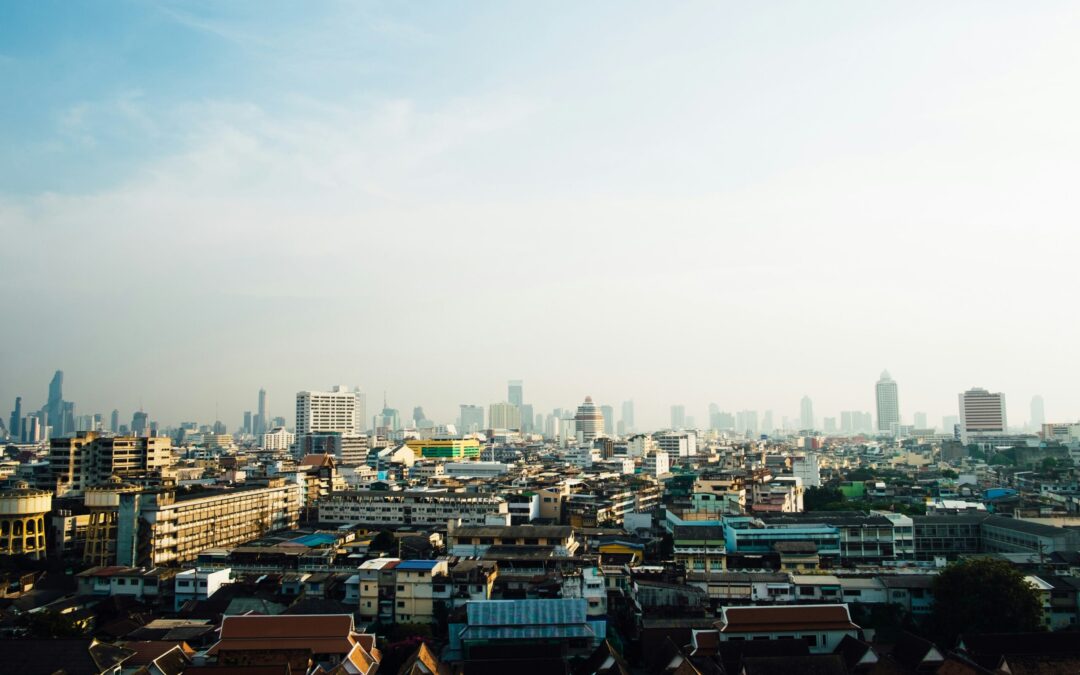
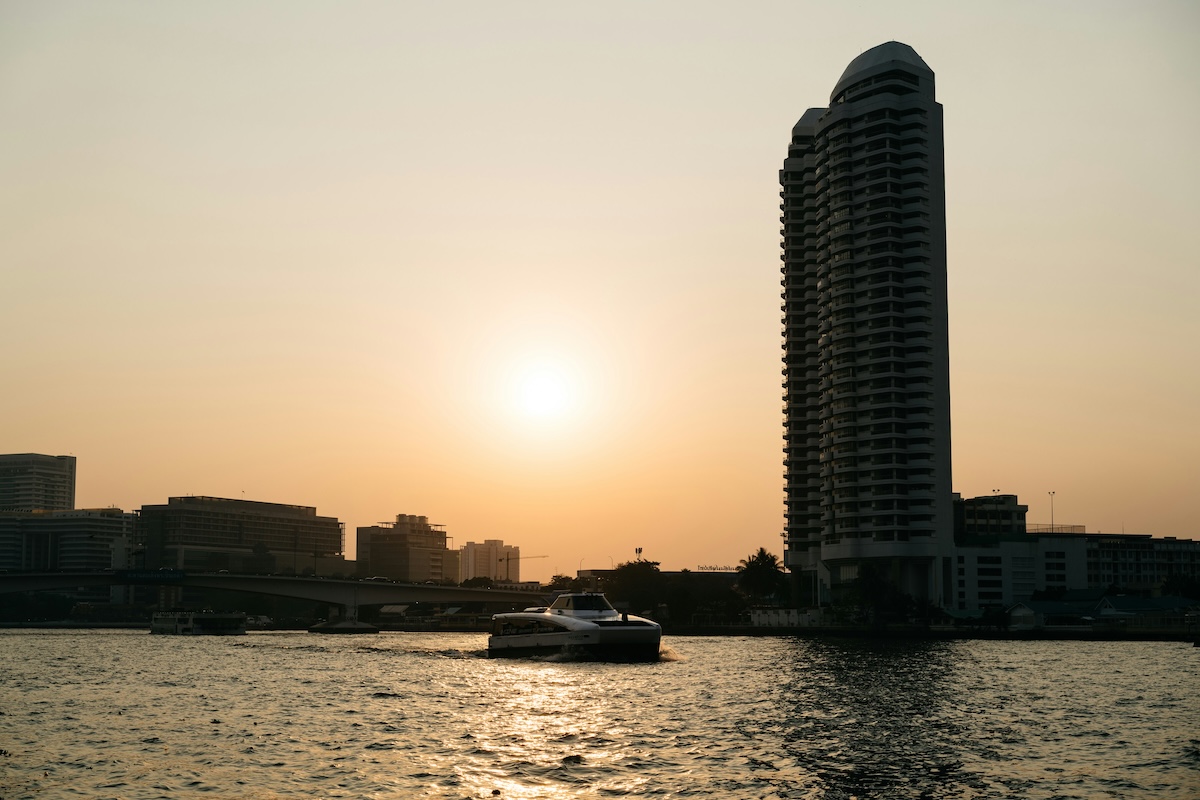
The right Bangkok base depends on how often the owner will live, work and travel in Thailand.
Condo checks for long-stay residents
A long-stay buyer should be more demanding than a short-stay buyer because small irritations become daily issues. Visit the building at different times. Check lift waits, traffic, noise, lobby management, delivery process, garbage rooms, air-conditioning drainage and the route to daily services. Ask whether renovation works are common and how the juristic office controls contractors.
For owners who may travel frequently, management support matters. If the unit will sit empty for periods, ask about key holding, leak checks, mail, utility bills and emergency access. If it will be rented while the owner is abroad, check building rules and landlord tax compliance. The LTR conversation is only one part of a practical ownership plan.
What not to assume
Do not assume buying a condo creates LTR eligibility.
Do not assume LTR status changes foreign freehold quota rules.
Do not assume a visa privilege applies to every applicant in the same way.
Do not sign property documents before funds, title and quota checks are complete.
Do not choose a unit for a long-stay life without testing the weekday routine.
Buyer takeaway
The LTR visa can make Thailand more practical for some foreign residents, but it is not a shortcut around condo law or ownership due diligence. Treat it as one planning layer. Confirm visa eligibility with specialists, keep property title checks separate, and choose a Bangkok condo that matches how you will actually live, work, travel and manage the asset.
IBP can help foreign buyers connect Bangkok property search, transfer documents and practical long-stay requirements. Start with our foreign buyer guides or contact IBP Real Estate for a tailored search brief.
Foreign buyers planning a Bangkok condo viewing trip should now watch Thailand’s entry rules more carefully. TAT advised on 21 May 2026 that Thailand’s Cabinet had approved a revision of the 60-day visa exemption scheme, with revised entry conditions to take effect 15 days after publication in the Royal Gazette. TAT also noted that until the revised measures take effect, current entry conditions remain in force and visitors should monitor official updates.
Visa timing, funds evidence and viewing appointments should be planned together.
This is not a reason to cancel a property search, but it is a reason to plan with less wasted time. Many foreign buyers treat the viewing trip as a relaxed holiday with a few property tours added. That can still work for a casual first look. It works less well when entry duration, bank paperwork, transfer timing and legal review all need to fit into a tighter schedule.
The practical rule is simple: do not rely on yesterday’s stay allowance for tomorrow’s purchase plan. Check your nationality, passport validity, airline requirements, visa or exemption category, and any official updates before booking flights. Then design the property itinerary around confirmed time on the ground, not around assumptions.
Start with the purpose of the trip
A Bangkok condo trip can have different purposes. Some buyers are exploring districts for the first time. Others are choosing between shortlisted units, negotiating a reservation, checking a completed building, signing documents or preparing for transfer. Each purpose needs a different schedule. A buyer who only wants orientation can see more neighbourhoods and fewer legal documents. A buyer who may reserve a unit should leave time for document review and banking checks.
If the visit is connected to an imminent purchase, the buyer should prepare before arriving. Ask agents to send floor plans, title basics where available, common fee information, foreign quota status, estimated transfer costs, juristic contact details and recent photos. Remove unsuitable units before landing. Bangkok traffic and building-access arrangements can consume more time than expected.
A shorter trip window makes pre-screening more important before a buyer lands in Bangkok.
Documents to organise before flying
Passport validity and confirmed entry category for your nationality.
Proof of funds and banking route for any intended foreign-currency transfer.
A shortlist of buildings, not only online listing links.
Questions for the juristic person, including fees, sinking fund and debt-free letter timing.
A lawyer or adviser who can review documents quickly if a serious unit appears.
Clear authority if a spouse, company officer or family member must approve the purchase.
The buyer does not need to carry every purchase document on a first trip, but the serious-buyer basics should be ready. If a good resale unit appears and the seller wants a quick answer, the buyer should know whether they can reserve, what the deposit means, whether the funds can be remitted correctly and who will review the agreement. A rushed yes without process is usually more dangerous than missing one unit.
Do not confuse visa stay with ownership rights
Thailand’s visa or visa-exemption rules affect how long a buyer can stay in the country. They do not, by themselves, create or remove the legal framework for foreign condominium ownership. Foreigners can generally buy freehold condominium units within the foreign quota, provided the purchase and transfer requirements are met. However, buyers should not use a short-stay trip to bypass proper ownership, tax or due-diligence advice.
This distinction matters because property conversations often mix immigration, ownership and investment issues together. A buyer may be allowed to enter Thailand for a certain number of days but still need separate planning for long-stay visas, tax residence, rental management, bank accounts, insurance and future resale. Entry permission is only one part of the ownership plan.
Build a realistic Bangkok viewing schedule
For a focused trip, group viewings by district. Do not schedule Rama IX, Riverside, Phrom Phong, Sathorn and Ari on the same afternoon unless the purpose is only a surface tour. A serious buyer should spend enough time in each building to check access, lobby, lifts, parking, noise, common areas, unit condition, view and surrounding daily life. This is especially important for buyers who may not return before transfer.
A good schedule also includes unstructured walking time. Visit the nearest BTS or MRT station, supermarket, hospital route, park, school road, restaurant street and late-evening access. A condominium can look strong online but feel inconvenient in daily use. Foreign buyers should test the life around the unit, not only the unit itself.
Viewing trips should leave time for inspection, legal review and practical neighbourhood checks.
If the rules change before you travel
If revised entry conditions are published before departure, re-check the official requirements for your passport and adjust the itinerary. That may mean fewer districts, a clearer shortlist or using remote pre-screening before the flight. It may also mean applying for the appropriate visa rather than relying on visa exemption if the trip includes extended due diligence, family planning or relocation preparation.
Buyers already in Thailand before any revised measures take effect should follow official advice on their authorised stay. Do not assume that informal comments from agents, forums or social media override immigration notices. For property decisions, use the official entry date and permitted-stay date as the planning base.
Buyer takeaway
Thailand’s pending visa-exemption revision is a reminder that property buyers should plan travel, documents and due diligence together. A Bangkok condo viewing trip can still be productive, but it should be structured around verified entry rules, pre-screened buildings and enough time for careful decisions.
IBP can help foreign buyers prepare a Bangkok viewing route, pre-screen buildings and coordinate practical due diligence before arrival. Read our foreign buyer guides or contact IBP Real Estate before booking a property trip.