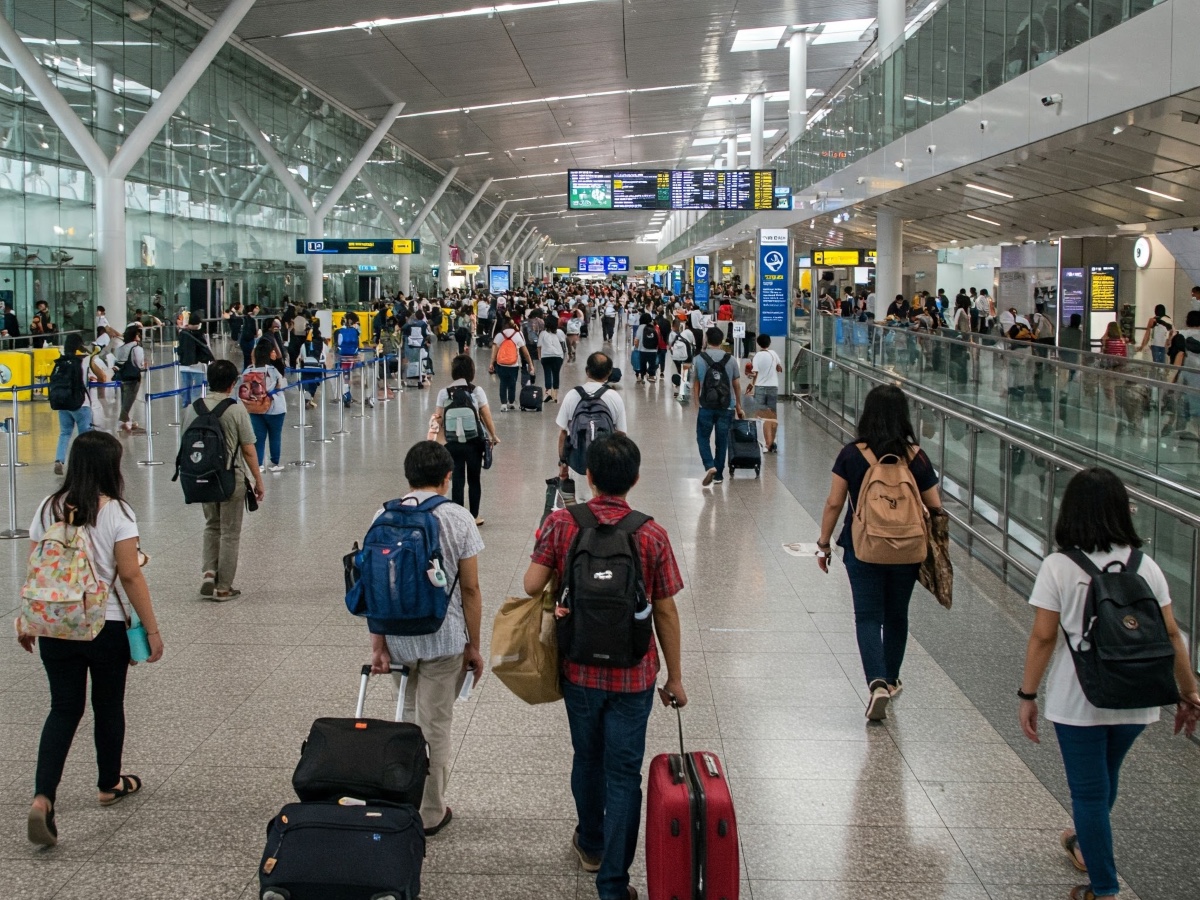
Thailand’s tourism authorities are preparing a 2027 direction centred on value over volume. The Government Public Relations Department reported that the Tourism and Sports Minister opened the Tourism Authority of Thailand Action Plan 2027 meeting in Bangkok on 13 July 2026, setting out a push for higher-value, balanced and more resilient tourism growth.
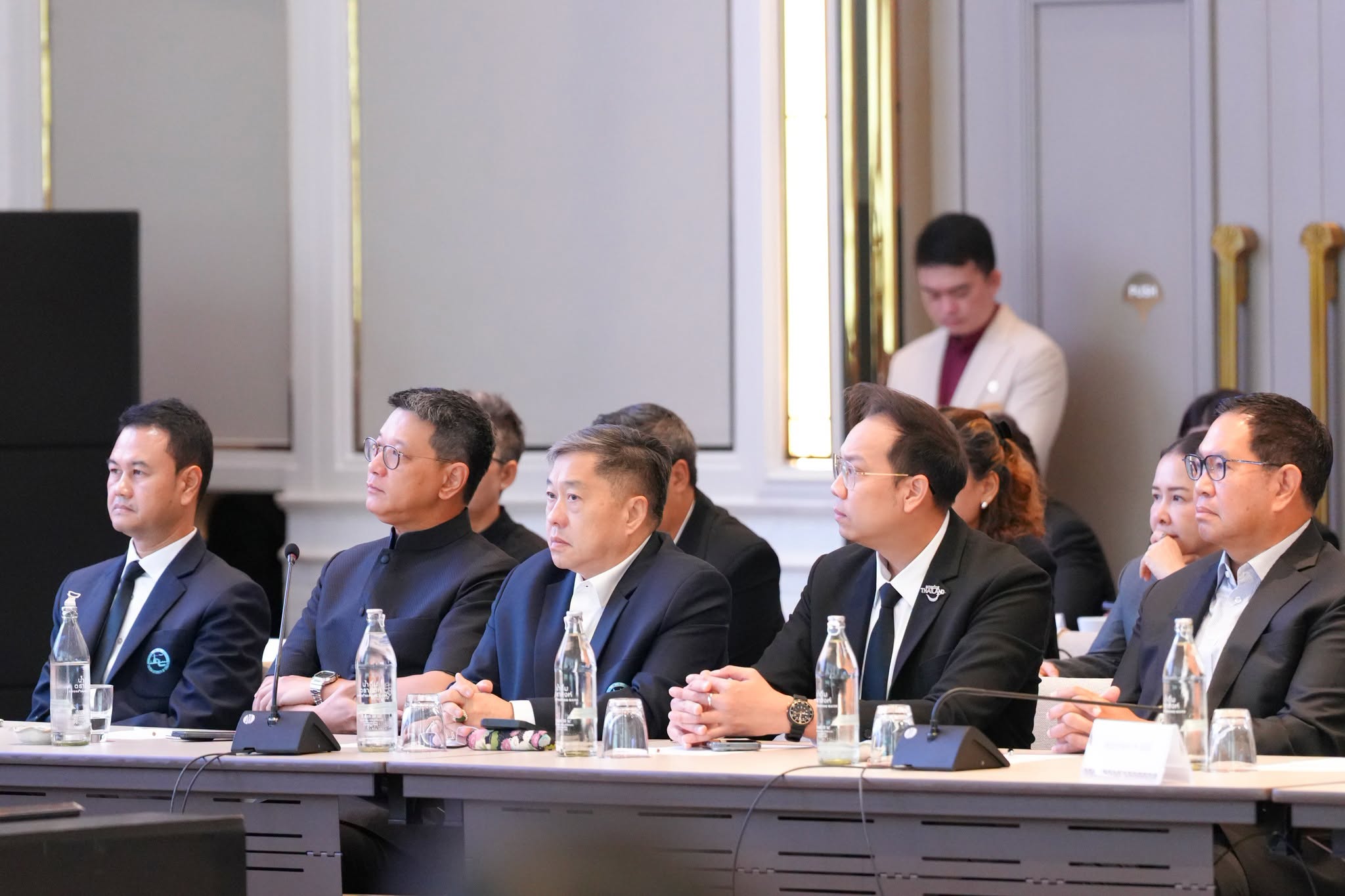
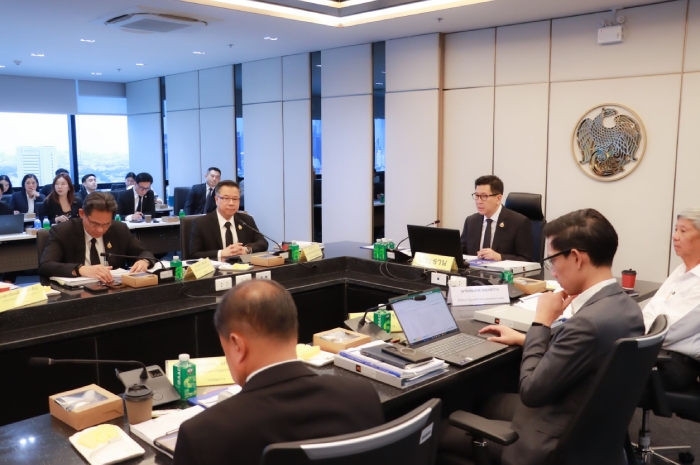
Thailand’s tourism leadership met in Bangkok to set a value-over-volume direction for 2027.
This is relevant to Bangkok property because tourism supports a wide urban economy: hotels, restaurants, retail, wellness, culture, transport, events and professional services. It is not a forecast that condominium prices will rise. Foreign buyers should treat the plan as a confidence and positioning signal, then return to evidence for the exact district and building.
What the official direction says
The government release describes four broad strategic themes for TAT. “Shape market portfolio” focuses on high-value target markets. “Shape experience platform” moves from selling travel commodities towards value-driven experiences throughout the year. “Shape new growth engine” includes life economy, creative culture, subculture and sustainable tourism. The fourth theme concerns TAT’s own transformation into a high-performance organisation.
The announcement also emphasises information, technology, innovation, competitiveness and cooperation across the sector. TAT is expected to announce its 2027 marketing promotion plan in August 2026. Buyers should therefore understand the July statement as direction-setting; detailed campaigns and measurable outcomes will require later evidence.
The official direction combines high-value markets, year-round experiences, innovation and resilience.
Why value over volume matters
A volume-led tourism story counts arrivals. A value-led approach asks how visitors spend, how long they stay, which experiences they use and whether growth supports durable businesses and communities. For Bangkok, that can reinforce premium hospitality, dining, wellness, design, retail and cultural sectors that also shape resident liveability.
Higher-value visitors often expect reliable transport, quality accommodation, strong healthcare, safe public environments and internationally legible service. Investment in those capabilities can benefit residents as well as travellers. The property link is indirect but meaningful: a city that works well for demanding visitors can become easier to understand for executives, entrepreneurs, long-stay residents and regional families.
Bangkok is central to the premium-city story
Bangkok concentrates gateways, corporate offices, major hotels, restaurants, shopping, medical services, convention space and cultural venues. It can serve as both a destination and the first point of contact with Thailand. A visitor who returns for business, healthcare, events or lifestyle reasons may develop a deeper relationship with the city than a one-off leisure traveller.
That does not mean every tourist becomes a tenant or buyer. The more defensible property connection comes through employment, business formation, repeat travel and long-stay demand around real urban anchors. Districts with transport depth, established services and maintained public environments are better placed to translate a national strategy into everyday relevance.
For property buyers, the relevance lies in sustained business activity and premium city positioning, not a guaranteed price effect.
Year-round experiences can support steadier activity
The official plan’s 365-day experience theme aims to reduce reliance on a narrow seasonal proposition. Bangkok already has an advantage here because dining, shopping, wellness, healthcare, culture and events can operate across the year. Seasonal campaigns can add another reason to visit without requiring the city to depend only on weather.
For landlords and investors, steadier urban activity may be more useful than a short visitor spike. Yet ordinary residential condominiums should be underwritten on lawful, building-compatible rental demand rather than hotel-style occupancy assumptions. A strong tourism environment supports confidence; it does not override lease rules or due diligence.
Creative culture and wellness strengthen liveability
The life-economy and creative-culture themes matter beyond tourist spending. Wellness services, food, design, music, craft and cultural programming help make Bangkok attractive for residents who could choose among regional cities. They also give neighbourhoods a recognisable identity and can widen the reasons people stay longer.
Foreign buyers should look for genuine ecosystems rather than slogans. Check whether a district offers accessible healthcare, parks, dining, daily retail, transport and community life. Premium positioning is most resilient when these elements are already used by residents, not only planned for future visitors.
How property buyers should use the announcement
First, treat the plan as national context. It shows that tourism policy is prioritising quality, innovation, year-round experiences and resilience. Second, identify which Bangkok sectors and locations have a credible connection to those themes. Third, verify unit-level economics: purchase price, rent evidence, common costs, management, tenant audience and resale competition.
A buyer should not pay a premium simply because a project uses words such as wellness, culture or luxury. Inspect the service model, operating cost and real neighbourhood. If the unit works only when tourism targets are fully achieved, the investment case is too dependent on one policy narrative.
Signals to watch next
The detailed TAT 2027 marketing promotion plan expected in August 2026.
Campaigns aimed at high-value and repeat visitors.
Evidence of year-round events and experience development.
Business investment in hospitality, wellness, retail and culture.
Transport and public-realm improvements supporting city use.
Actual long-stay, employment and leasing evidence in relevant districts.
Thailand’s high-value tourism direction strengthens Bangkok’s case as a premium, globally connected city, but careful property selection remains essential. Read IBP’s Thailand economy and investment news and investment analysis, or contact IBP Real Estate to connect macro signals with a defensible Bangkok shortlist.
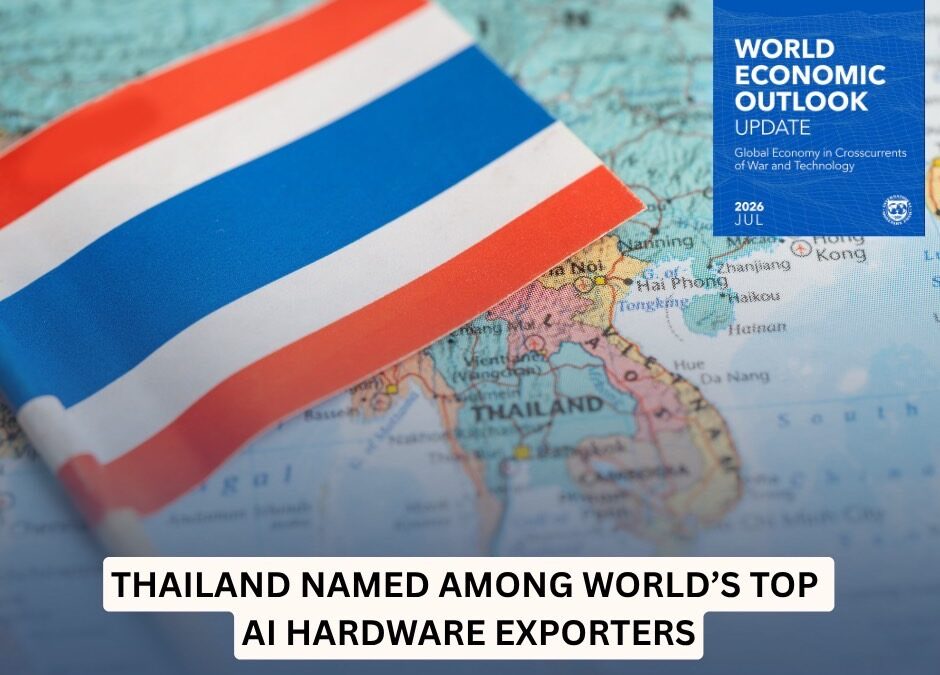
Thailand has been identified by the International Monetary Fund as one of four leading exporters of hardware linked to artificial intelligence, alongside Korea, Malaysia and Taiwan Province of China. The finding appears in the IMF’s July 2026 World Economic Outlook Update and places Thailand inside a technology investment cycle that extends beyond consumer electronics.
Thailand’s government highlighted the country’s place in the IMF’s group of four leading AI-hardware exporters.
For foreign buyers of Bangkok property, the relevance is indirect but important. Advanced manufacturing, data infrastructure and technology services can support skilled employment, corporate activity and long-term demand for a well-connected capital. The ranking is not a promise of condo price growth, and buyers should resist turning a national trade signal into a guaranteed return for a particular building.
What the IMF classification means
The IMF groups Thailand with the other three economies using a defined set of trade codes covering computing equipment, storage and components used in semiconductor production and advanced electronics. In its July update, the IMF noted that economies closely integrated into the global technology value chain had received some support from strong AI-hardware exports.
This is a narrower statement than saying every Thai technology company is an AI business. It shows that Thailand participates materially in the physical supply chain enabling data centres, computing and related equipment. The distinction matters because durable economic benefit depends on how much value, expertise, local procurement and workforce development are built around that production.
Government policy is aimed at a deeper ecosystem
On 12 July 2026, Thailand’s Government Public Relations Department highlighted the IMF finding and linked it to work on digital and energy infrastructure, skills, research, innovation and investment facilitation. It also referred to the National Semiconductor Policy Committee and the aim of moving from an established electronics base towards higher-value AI and semiconductor activity.
The direction is credible only if implementation keeps pace with investment. Power availability, clean-energy access, water management, logistics, technical education and regulatory clarity are all part of the proposition. For property investors, these conditions matter more than a single promotional slogan because they influence whether projects become operating businesses with lasting jobs.
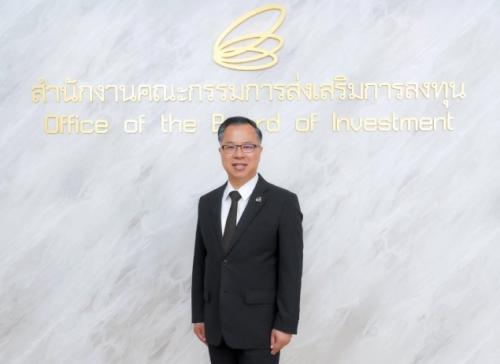
Recent BOI approvals show investment moving across data hosting and advanced-electronics supply chains.
Recent BOI approvals add practical detail
The Thailand Board of Investment said on 8 July that nine approved projects totalled USD 1.99 billion, or 66.3 billion baht, across AI, advanced electronics, aviation, clean energy and food. The technology approvals included GPU server infrastructure for data hosting in Bangkok and Pathum Thani, as well as materials used in printed circuit boards in Samut Prakan, Chonburi and Chachoengsao.
The same announcement described a strengthened screening framework for data-centre investment, with attention to resource use, environmental impact and clean-energy sourcing. This is significant. Technology investment can strengthen Thailand’s economy, but infrastructure-heavy projects need transparent resource planning if their benefits are to remain sustainable.
Why Bangkok remains central
Even when factories are located in surrounding provinces, Bangkok acts as a centre for management, finance, legal work, professional services, international education, healthcare and transport. Regional headquarters and senior teams often choose the capital because it offers depth across these functions and direct connections to the wider metropolitan economy.
The BOI announcement also names Bangkok and Pathum Thani for data-hosting investment, showing that the digital economy is not only an industrial-estate story. Over time, a broader technology cluster can support housing demand among engineers, managers, consultants and entrepreneurs. That demand will still be selective, favouring locations with reliable transport, liveability and buildings that suit long-stay residents.
The property relevance comes through durable employment and business formation, not a simple export-ranking headline.
What property buyers should monitor
First, track whether announced projects reach construction and operation. Approval value is not the same as completed investment. Second, watch the quality and location of jobs created. A project that develops technical capability and local management may influence housing demand differently from a highly automated facility with limited staffing.
Third, follow infrastructure constraints and responses, particularly electricity, clean-energy procurement and water. Fourth, look for business formation around the main investments: suppliers, professional services, training and regional offices. Finally, connect any economic thesis to the exact condo. Transport, building management, unit layout, purchase price and competing supply remain decisive.
A useful confidence signal, with limits
Thailand’s position in AI-related hardware exports adds evidence that the country is participating in an important global investment theme. Combined with recent advanced-electronics and data-infrastructure approvals, it supports a more diversified story than tourism or traditional manufacturing alone.
Yet the prudent conclusion is measured. Global technology cycles can change, trade policy can shift and large projects can be delayed. Foreign buyers should treat the news as one input into long-term confidence, not as a shortcut around property due diligence or a reason to accept an inflated price.
Nestlé’s newly announced Thailand coffee investment is a useful confidence signal for foreign buyers assessing the country’s economic depth. On 9 July 2026, Thailand’s Board of Investment said it had approved a USD 688 million, or 23 billion baht, smart factory and distribution-centre project by Nestlé (Thai). The approval was made on 8 July.
Nestlé says the new facility will use advanced automation and AI-enabled systems for production and logistics.
The project is not a Bangkok condominium development, and it should not be used to predict property prices. Its relevance is broader. A major multinational is committing long-term capital, advanced production, regional logistics and skilled employment to a location within the Bangkok metropolitan economy. That supports the case for Thailand as more than a tourism destination.
What the investment includes
BOI says the greenfield facility will be located at Araya Industrial Estate in Samut Prakan province and is scheduled to start operations in the fourth quarter of 2028. It is planned to produce soluble coffee, coffee mixes and ready-to-drink beverages, with annual capacity of 170,000 metric tonnes.
Nestlé’s own announcement describes CHF 563 million of investment and says operations are expected in the latter part of 2028. The company says the site will include an advanced distribution centre intended to improve delivery times, inventory management and agility. Both releases emphasise technology, automation and AI-enabled systems.
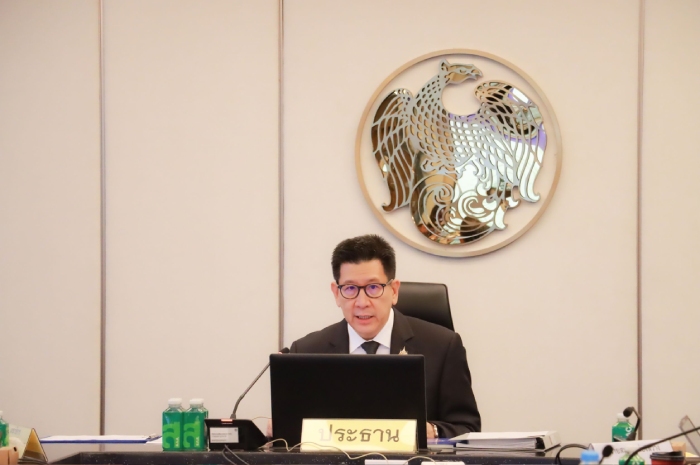
Thailand’s BOI approved the large Nestlé smart-factory and distribution-centre investment on 8 July 2026.
Why skilled jobs and supply chains matter
BOI expects the project to create more than 520 jobs for Thai engineers and technical specialists. Nestlé gives the broader figure of more than 500 employees. For property buyers, the important point is not that every worker will live in central Bangkok. It is that internationally connected manufacturing creates layers of demand across engineering, management, logistics, suppliers and professional services.
Bangkok remains the country’s main corporate and services centre. Large investments in the surrounding metropolitan and industrial economy can support business travel, executive mobility, regional offices and demand for a city that offers housing, schools, healthcare, retail and international connectivity.
Local sourcing deepens the economic link
BOI says Nestlé plans to source USD 130 million, or 4.3 billion baht, of local agricultural inputs and raw materials each year. Nestlé’s global release describes more than CHF 100 million of local ingredients and raw materials annually. Coffee beans, sugar and fresh milk are among the inputs identified by BOI.
This makes the announcement more than an imported equipment story. It connects a multinational factory with farms, suppliers, transport, packaging, skills and exports. Nestlé also says it has supported Thai coffee farmers for decades through plantlets and programmes related to regenerative agriculture and climate resilience.
Coffee sourcing and farmer support connect Nescafé production with the wider agricultural value chain.
Technology and the BCG agenda
The project has BOI support because it aligns with Thailand’s Bio-Circular-Green economic direction. Nestlé says the plant will use next-generation coffee extraction and aroma-recovery technology, robotics and automated systems across packing, transport and inventory management. BOI frames the facility as an example of higher-value food and beverage manufacturing.
For foreign property buyers, this is a reminder to assess Thailand’s economy across several pillars. Tourism remains important, but manufacturing, agriculture, logistics, digital systems and corporate investment also shape confidence. A diversified economic story is more useful than relying on one visitor or property-market statistic.
What this means for Bangkok property
The direct property effect should be treated cautiously. The factory is in Samut Prakan, not a central Bangkok residential district, and the announcement does not establish a rent or price forecast. A buyer should still judge a condominium on entry price, location, building management, effective rent, ownership costs and resale depth.
The indirect signal is stronger. Nestlé says Thailand is one of its biggest coffee markets and notes a presence in the country exceeding 130 years. A new long-duration investment suggests continued confidence in domestic demand, regional production and Thailand’s operating environment. Bangkok benefits from being the commercial, professional and international-services hub for that wider economy.
A sensible investor reading
Treat the announcement as a macro confidence indicator, not a price forecast.
Note the combination of multinational capital, local inputs and skilled work.
Consider Samut Prakan within the wider Bangkok metropolitan economy.
Keep project timing separate from immediate condominium demand.
Use building-level rent and resale evidence for any property decision.
Buyer takeaway
The Nestlé Thailand investment adds substance to the country’s FDI and advanced-manufacturing story. It links global capital with Thai agriculture, technology, logistics and skilled employment. For Bangkok condo buyers, that supports long-term confidence in the city’s role as the service and lifestyle centre of a broader economy, while leaving the need for disciplined property selection unchanged.
Thailand’s Board of Investment listed a 3 July 2026 press release titled “Thailand Secures $4.1 Billion in EV Chain Investments as Southeast Asia Auto Hub Pivots to Next-Gen Tech.” For Bangkok property buyers, the headline is not a direct condo-market forecast. It is a wider confidence signal about how Thailand is trying to position its industrial base for the next phase of regional manufacturing.
Foreign condo buyers should read this kind of announcement carefully. Industrial investment does not automatically raise rents in a specific building, and it should never replace unit-level due diligence. But it can support the broader case for Bangkok as a regional headquarters, services, finance, logistics and lifestyle base for people connected to Thailand’s corporate economy.
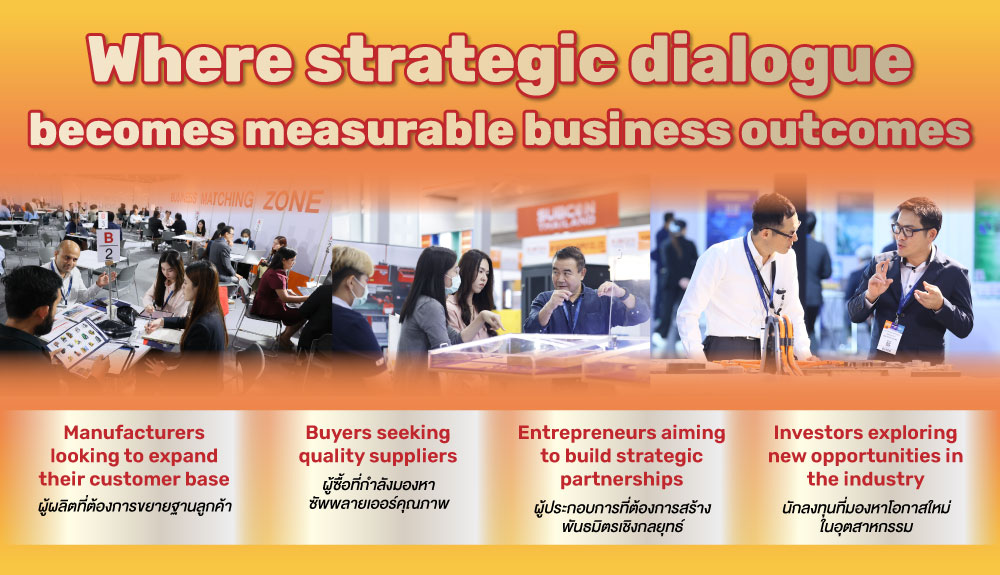
Corporate investment signals help buyers read the wider economy behind Bangkok housing demand.
What the BOI signal means
The verified headline points to EV-chain investment, not simply traditional vehicle assembly. That distinction matters because next-generation automotive investment can involve suppliers, engineering, logistics, software, batteries, testing, management, finance and regional coordination. Even when factories are outside Bangkok, many business decisions, professional services and international staff movements still connect back to the capital.
Bangkok is where many overseas executives arrive first, where advisers meet clients, where regional teams hold meetings, and where families often prefer to live because of schools, hospitals, international flights, shopping, dining and transport. That is why corporate investment news can be relevant to residential property, even when the physical industrial assets are in another province.
Why this matters to foreign property buyers
Most foreign buyers are not trying to predict one factory’s hiring plan. They are trying to decide whether Bangkok has enough long-term demand drivers to justify buying a condo rather than renting or waiting. A credible investment pipeline helps answer that question at a macro level. It suggests that Thailand is still competing for international capital, not relying only on tourism or domestic consumption.
This matters because Bangkok condo demand is built from several layers. There is Thai owner-occupier demand, foreign lifestyle demand, expatriate rental demand, regional business travel, medical and wellness visits, education, tourism and long-stay retirement interest. Corporate investment strengthens one of those layers by keeping skilled workers, consultants, entrepreneurs and executives connected to the city.
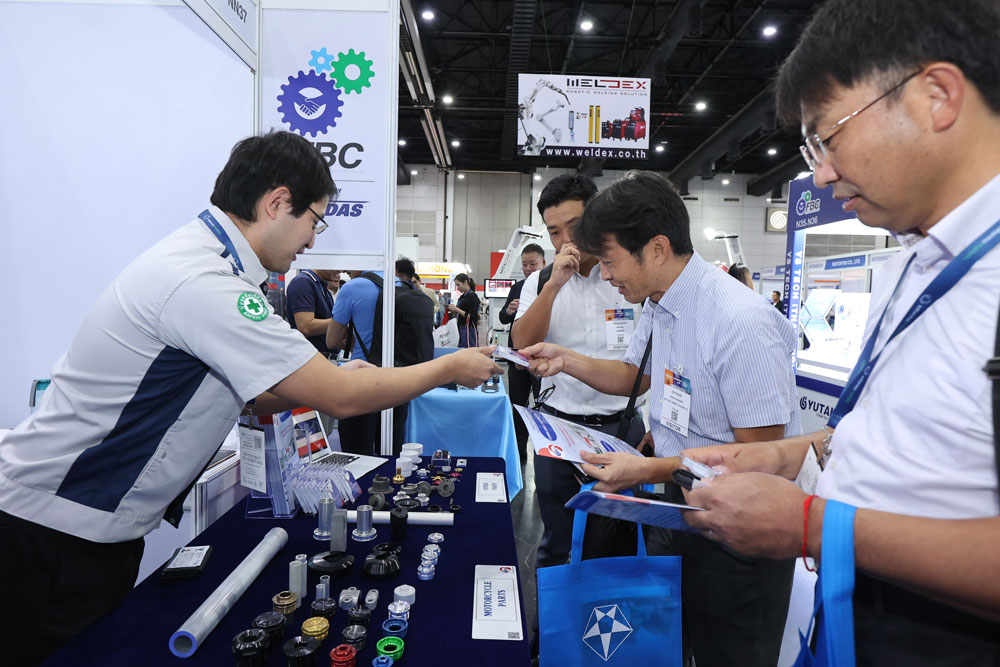
EV-chain investment is part of Thailand's broader push toward higher-value industry.
Do not turn macro news into a unit-level promise
The mistake is to treat national investment news as proof that any condo will perform well. Bangkok remains building-specific. A good macro story cannot rescue a weak layout, poor management, unrealistic rent, tired common areas or an entry price that already assumes perfect growth. Buyers still need to check foreign quota, title, juristic-person records, building age, tenant depth and resale competition.
Investment news is most useful as a filter for location strategy. If a buyer believes Thailand’s corporate base will keep broadening, districts with strong transport, international services and office access deserve attention. That may include established central areas, selected Sukhumvit nodes, Rama 9, parts of the riverside and locations connected to airports or mass transit. The right district depends on the buyer’s budget and holding period.
How EV investment can affect Bangkok indirectly
EV-chain investment can influence the property market through indirect channels. International suppliers may send staff to Thailand. Thai companies may expand professional teams. Banks, law firms, accounting firms, logistics groups and consultants may handle more cross-border work. Hotels, serviced apartments and condos can benefit when Bangkok remains the meeting point for those activities.
These effects are gradual. They do not appear as a sudden rent jump in every building. A sensible buyer watches for repeated signals: investment approvals, office take-up, transport improvements, airport connectivity, international school demand, healthcare growth and the ability of Bangkok districts to attract high-quality tenants. One headline is a clue, not a conclusion.
Bangkok remains the main decision-making and services hub for many regional business operations.
What buyers should watch next
Foreign buyers interested in the economic backdrop should track BOI investment updates, infrastructure progress, air connectivity, tourism quality, office market movement and major corporate location decisions. They should also compare those signals with on-the-ground property evidence: achieved rents, vacancy in the building, asking-price discounts, resale transaction depth and maintenance standards.
IBP’s Bangkok property market reports and rental yield guide can help buyers connect macro confidence with the building-level checks that actually protect capital. The strongest Bangkok property decisions combine both views: confidence in the city and discipline on the unit.
A measured confidence signal
The BOI’s July 2026 EV-chain headline is positive for Thailand’s investment narrative because it shows continued interest in higher-value industry. For Bangkok condo buyers, the useful conclusion is measured rather than speculative. A stronger corporate environment can support long-term city demand, but only a carefully chosen condo can turn that backdrop into a resilient ownership experience.
Foreign buyers should use this kind of news to stay engaged with Bangkok, then return to the practical questions: who will rent this unit, who will buy it later, how clean is the paperwork, and what happens if the holding period changes? That is where confidence becomes a defensible purchase plan.
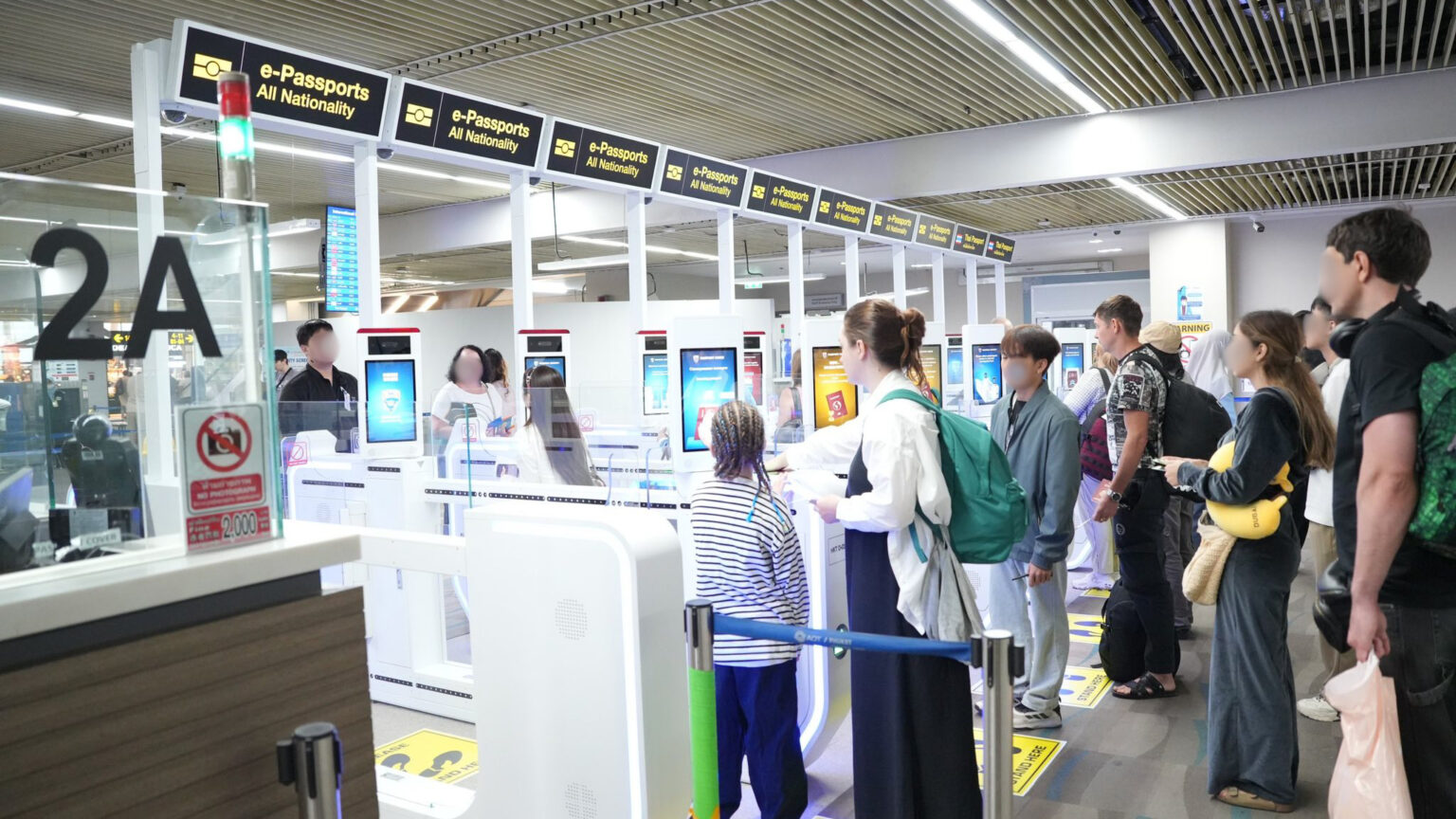
Thailand’s latest proof-of-funds reminder is a practical travel notice, but it also matters for foreign buyers who treat Bangkok property ownership as part of a wider Thailand plan. On 6 July 2026, TAT Newsroom said foreign visitors should keep evidence of sufficient funds ready for possible immigration screening. TAT also stated that the notice does not introduce a new measure.
TAT described the proof-of-funds notice as a travel-preparation reminder, not a new measure.
For property buyers, the point is not alarm. The point is planning discipline. A serious Bangkok condo buyer may enter Thailand for viewings, bank meetings, transfer appointments, family visits, medical care or longer stays. Clear entry preparation reduces friction and supports confidence in the country as a repeat-visit destination.
What TAT clarified
TAT said the proof-of-funds requirement has been part of Thai immigration rules since 1980 under a Ministry of Interior announcement, with current amounts updated under a later announcement in 2000. Depending on entry category, visitors may be asked to show funds in Thai baht, an equivalent amount in another currency, or documents evidencing payment of an equivalent amount.
The amounts listed by TAT include 10,000 baht per person or 20,000 baht per family for Visa on Arrival and certain transit or visa-exempt cases under immigration regulations. For Tourist Visa and Non-Immigrant Visa categories, TAT lists 20,000 baht per person or 40,000 baht per family. TAT also says the requirement does not apply to children under 12.
Clear entry processes help repeat visitors and property buyers plan Thailand trips with fewer surprises.
Why this matters for Bangkok property buyers
Foreign condo buyers often make several trips before and after purchase. A first trip may involve neighbourhood orientation and shortlisting. Later trips may involve reservation, due diligence, bank processes, transfer, furnishing, tenant setup or family relocation planning. Entry preparation should be treated as part of that project plan.
The reminder is especially relevant for buyers who assume property interest alone will make entry formalities automatic. It will not. Visitors still need valid travel documents, visa or visa-exemption eligibility, accommodation details, onward-travel evidence where required and the ability to follow Immigration Bureau instructions at the checkpoint.
Confidence comes from predictable rules
Rules can feel inconvenient, but clear reminders can also support confidence. Investors and residents prefer countries where procedures are visible and can be prepared for. When official agencies explain requirements, visitors can organise documents before flying rather than discovering them at the counter.
For Bangkok property, this fits a wider buyer mindset. The same discipline applies to remittance records, foreign quota checks, title documents, lease files, tax advice and property management authority. Thailand is attractive to many foreign buyers, but ownership still rewards organised paperwork.
Airport and immigration readiness form part of Thailand’s wider visitor-confidence story.
Do not confuse visitor entry with ownership rights
The proof-of-funds reminder is an entry-screening matter. It does not change Thailand’s condominium foreign freehold rules, transfer process or land ownership restrictions. Buyers should keep those topics separate. A person may be eligible to buy a foreign-freehold condominium and still need to meet normal immigration requirements each time they enter the country.
Foreign buyers should therefore plan both sides: property legality and travel eligibility. A lawyer can advise on purchase documents. Immigration guidance should be checked with official channels, the Immigration Bureau, the Ministry of Foreign Affairs or the relevant Royal Thai Embassy or Consulate-General.
Practical preparation checklist
Check visa, visa-exemption or visa-on-arrival eligibility before travel.
Keep proof of sufficient funds or equivalent documents accessible.
Carry accommodation details and onward-travel evidence where relevant.
Keep property-viewing, hotel, hospital or meeting plans organised.
Confirm current guidance with official immigration or embassy channels.
Separate travel requirements from condo purchase due diligence.
Buyer takeaway
Thailand’s proof-of-funds reminder should be read as a planning prompt, not a property-market shock. Foreign buyers who prepare entry documents, purchase records and ownership logistics carefully are better placed to move through Bangkok property decisions calmly. Confidence comes from knowing what has to be checked before each step.
IBP helps foreign buyers connect Thailand policy, travel and ownership requirements with Bangkok property planning. Read more in our Thailand economy and investment news archive or contact IBP Real Estate for a Bangkok buyer brief.