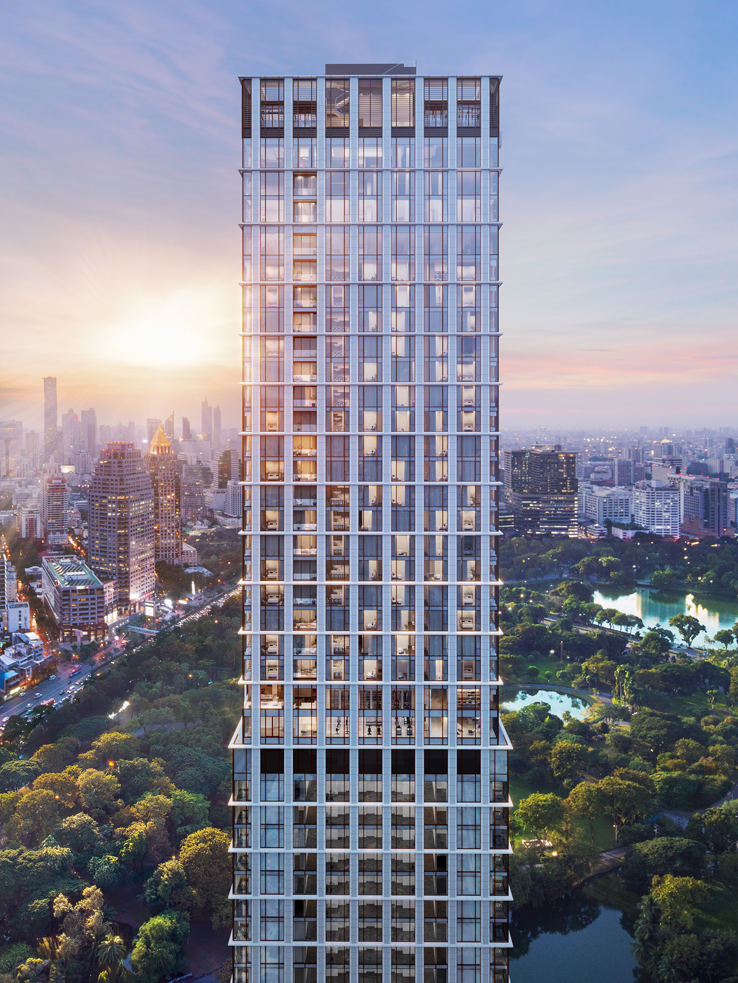
A private lift is one of the clearest signals used to position a Bangkok condominium as premium. It can create a discreet arrival, reduce corridor traffic and make a large residence feel more like a private home. It can also add service complexity, maintenance dependence and space that does not automatically improve the investment case.
A luxury purchase should be judged as one operating experience, from arrival and lifts to facilities and management.
Foreign buyers should judge the feature as part of the entire building. The useful question is not whether the brochure says private lift. It is how access, security, circulation, backup systems, service routes and long-term operating costs work for the exact unit.
Understand what is actually private
The term can describe different arrangements. A lift may open directly into one residence, serve a small group of units, stop at a controlled private foyer or be shared but programmed with access cards. Ask who can call the lift, which floors it serves and whether residents, staff, deliveries and contractors use the same car.
Inspect the space outside the apartment entrance as carefully as the living room. Is the foyer on the title area, common property or an area the owner merely uses? Who cleans it, maintains finishes and controls alterations? A lawyer should confirm title and use rights rather than relying on a floor plan label.
Test security as a complete sequence
A direct lift should not bypass good identity and visitor control. Follow the route from vehicle drop-off or parking through the lobby, access gate, lift call, floor arrival and apartment door. Ask how visitors are admitted, how deliveries are handled and whether a lost card can be disabled promptly.
The private foyer still needs a secure apartment entrance. Buyers should understand whether the lift can arrive when the residence is empty, whether doors or cameras cover the arrival area and how building staff respond to a system fault. Privacy is strongest when technology, staffing and resident procedures support each other.
Private arrival is valuable only when the whole tower delivers strong security, maintenance and resident service.
Separate resident and service movement
Luxury living involves ordinary work: housekeeping, luggage, groceries, repairs, rubbish removal and furniture delivery. A well-designed building may provide a service lift, back entrance or controlled service route so the formal arrival remains calm. If every task uses the private foyer, privacy may be more visual than operational.
Ask how cleaners and technicians are registered, where they wait and which lift they use. Test whether large items can reach the unit without damaging finishes. Overseas owners should also know how an authorised manager gains access when the resident is away.
Inspect lift capacity and waiting time
Low unit density can support short waits, but only if the number of lifts, zoning and maintenance are suitable. Visit during morning and evening periods where possible. Check travel time, ventilation, sound, card response and how smoothly the doors align with the foyer.
A private destination does not guarantee a dedicated lift car. If the same lift serves many floors, daily performance still depends on traffic and programming. Ask how many units share each lift bank and what happens when one car is out of service.
Ask about backup and emergency operation
Buyers should understand the building’s plan for power failure, fire alarms, maintenance shutdown and medical access. Confirm which stairs or alternative lifts reach the residence and how residents are notified about planned work. Never assume that direct access means the lift can be used during every emergency.
The route should suit the household. Older residents, children, staff and frequent guests may need particularly clear backup access. If the apartment occupies a high floor, lift reliability becomes a daily liveability issue rather than a decorative amenity.
Buyers should test how the lift lobby connects with the entrance, bedrooms, service route and everyday privacy.
Review the floor plan around arrival
A good private foyer creates a graceful transition without consuming excessive saleable area. Check whether guests enter into a view of the living space, a dark enclosed box or a route that exposes bedrooms and household work areas. Storage for shoes, coats, umbrellas and deliveries may be more useful than a large but empty lobby.
Consider noise and privacy at both doors. Lift machinery, door chimes, conversations and service movement may be audible. The apartment entrance should provide suitable separation, and the floor plan should allow residents to receive a visitor without opening private family areas.
Examine maintenance and cost
Lifts are shared building systems even when the arrival feels exclusive. Ask about maintenance contracts, service history, inspection routines, expected replacement planning and how costs sit within common fees and sinking-fund strategy. The juristic person’s records and meeting decisions can be more revealing than polished finishes.
In a low-density building, strong service can be expensive because fewer owners share the operating cost. That may be entirely appropriate for the target market, but an investor should include the real common fee and future capital-work risk in net-return planning.
Consider tenant and resale demand
A private lift can appeal to senior executives, families, high-profile residents and owner-occupiers who value discretion. It can improve the emotional experience of a viewing and help a large unit feel distinct. The rent or resale benefit is not automatic; tenants also compare location, view, layout, service, furnishing and total monthly cost.
For resale, ask whether the next buyer understands the feature and can support the building’s operating costs. A strong address with reliable management and scarce large-format units may defend the feature better than a project where private arrival is used to distract from weak fundamentals.
Private-lift viewing checklist
Confirm the lift, foyer and access arrangement for the exact unit.
Follow resident, visitor, delivery and service routes.
Test security, card control and apartment-door separation.
Inspect waiting time, ride quality and backup access.
Review emergency and maintenance procedures.
Check title, common-property and alteration boundaries.
Model common fees and long-term lift capital works.
Compare the feature with real tenant and resale demand.
Buyer takeaway
A Bangkok luxury condo private lift is valuable when it improves privacy, circulation and service inside a well-managed building. It is weaker when access is confusing, backup is poor or the price assumes a prestige premium that future residents may not pay.
IBP can help foreign buyers compare premium Bangkok residences through building operations as well as design. Explore our investment analysis and foreign buyer guides, or contact IBP Real Estate for a luxury-condo shortlist.
Branded residences and luxury condos in Bangkok can occupy the same premium streets, offer impressive amenities and target similar international buyers. The distinction is not simply that one carries a famous name. It lies in the operating model, service promise, contracts, ongoing cost and buyer audience.
A recognised hospitality brand can shape service expectations, but buyers still need to assess the residence as property.
A foreign buyer should compare both formats as long-term homes and assets rather than as showroom experiences. The stronger choice is the one whose location, unit, management and cost structure match the buyer’s actual use, holding period and exit strategy.
Define the product before comparing it
A branded residence usually operates under an agreement involving a hotel, hospitality, design or lifestyle brand. The brand may influence design standards, resident services, operating procedures and marketing. The exact role varies, so the name alone does not explain the product.
A luxury condominium can deliver premium architecture, large units, concierge-style staffing and extensive facilities without an international residential brand. Some are developed and managed by highly experienced Thai groups. Compare what is contractually and operationally provided rather than assuming one label guarantees superiority.
Understand who does what
Identify the developer, landowner, sales entity, condominium juristic person, property manager and brand operator. Ask how responsibilities change after completion and which organisation residents will deal with day to day. A strong launch team does not necessarily remain the long-term operating team.
For a branded project, have independent counsel review the agreements and disclosures relevant to the brand relationship. Understand its term, renewal arrangements, standards, fees and consequences if the relationship changes. Buyers should not assume a brand name remains attached forever under every circumstance.
Compare service you will actually use
Branded residences may offer hotel-informed concierge, housekeeping coordination, dining access, wellness support or other personalised services. Ask which services are included, which are charged separately, operating hours, booking rules and whether availability depends on an adjacent hotel.
A luxury condo may provide fewer named services but still offer efficient reception, security, engineering and resident support. For many owners, prompt maintenance and consistent management are more valuable than a long service menu. Rank services by realistic frequency of use.
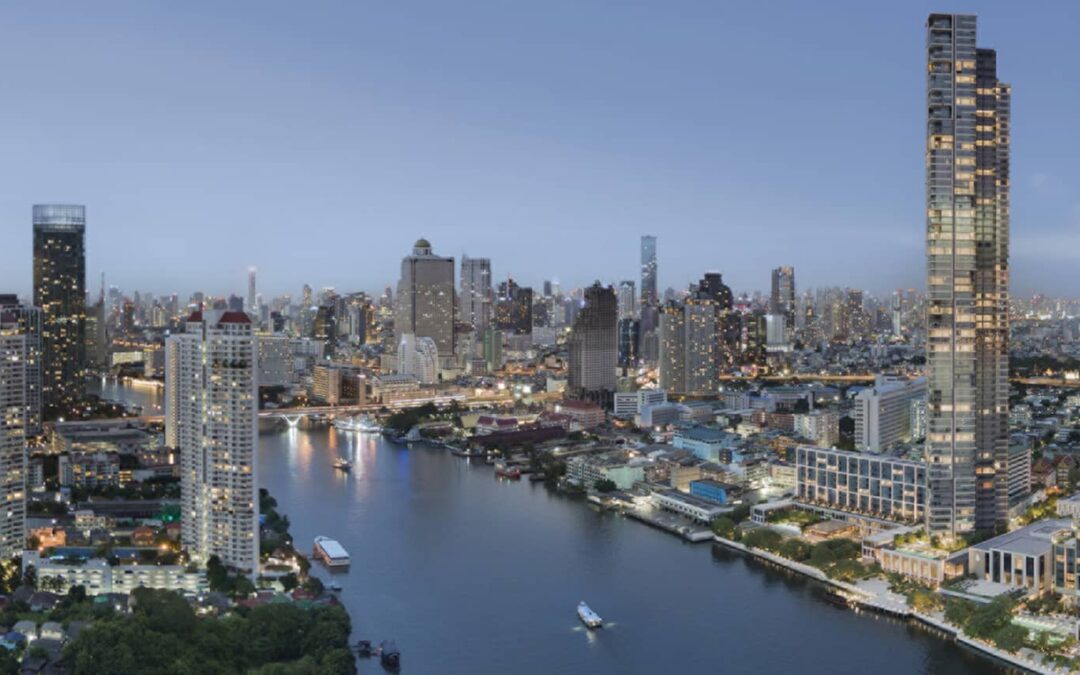
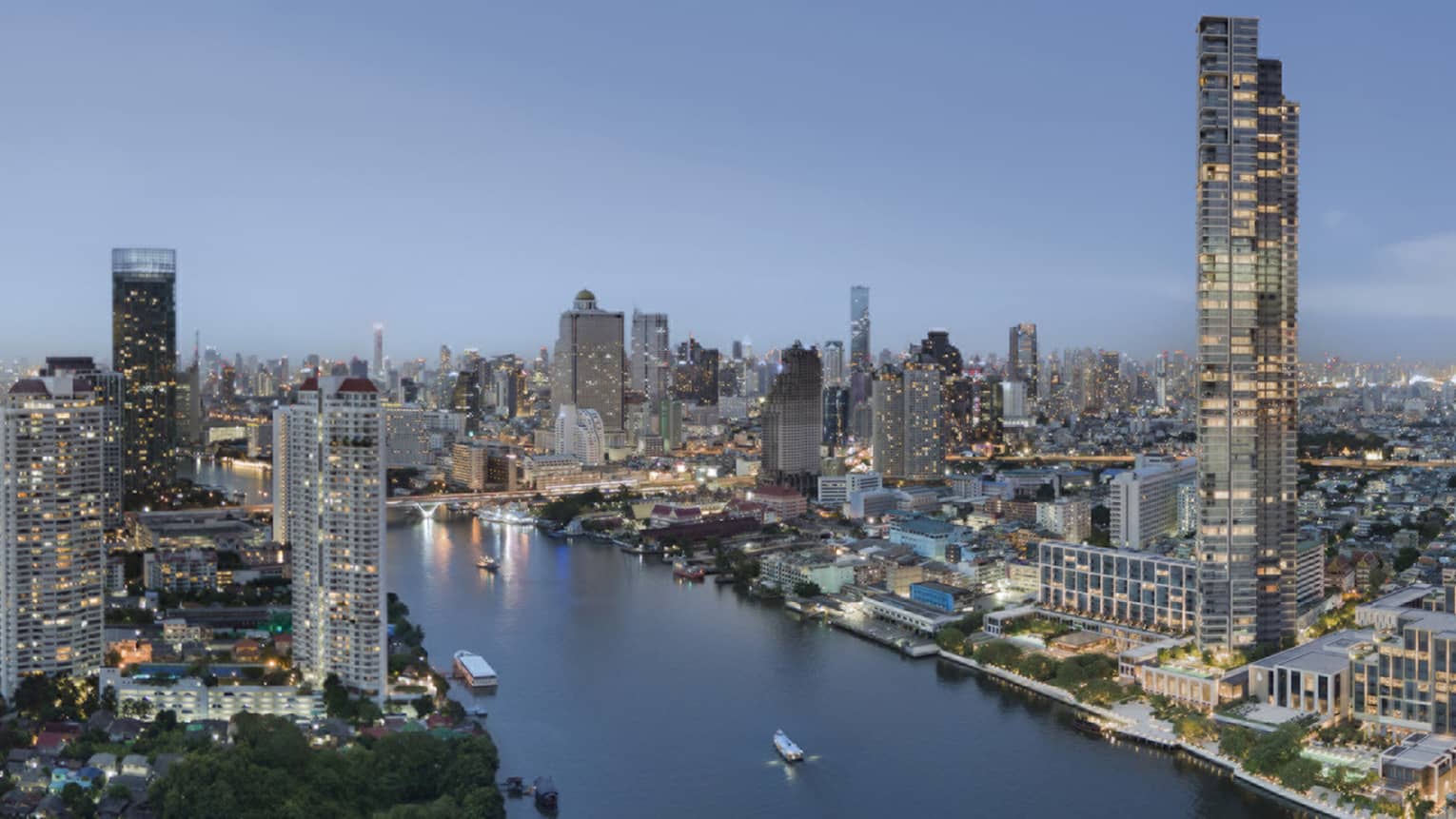
Location, outlook and mixed-use connections can be as important as the brand attached to a residence.
Analyse recurring cost, not just purchase price
Request a clear schedule of common charges, reserve or sinking-fund contributions, service fees and pay-per-use items. Check how budgets can change and which facilities the residence is responsible for maintaining. Mixed-use shared areas require particular clarity.
Compare cost per year and over the intended holding period. A higher operating charge may be reasonable where staffing and service genuinely support the owner’s lifestyle and preserve the building, but it reduces net rental income and affects the pool of future buyers.
Study the exact unit
Premium shared spaces cannot correct an unsuitable home. Measure room proportions, furniture walls, storage, kitchen function, privacy, service access, laundry, lift journey and parking. Test light, heat, noise and the likelihood that the view remains protected.
Large branded residences may target owner-occupiers and long stays, while smaller luxury units may serve a broader leasing market. These are tendencies, not rules. Compare the exact floor plan with the household or tenant profile rather than relying on project positioning.
Test hotel and mixed-use relationships
An adjacent hotel, retail centre, office or park can add dining, security, convenience and destination value. It can also create traffic, events, shared access and operating complexity. Walk all routes between the residence, arrival areas, parking and public realm.
Ask which facilities are exclusive, shared or merely nearby. A marketing illustration can make separate components appear seamlessly connected. Legal rights, access rules, hours and future operating decisions determine how the relationship works after purchase.
Model rental fit carefully
A recognised brand can help an overseas tenant understand service expectations, yet rent still depends on unit size, location, supply, lease rules and affordability. Do not convert a brand premium automatically into a yield premium.
Check minimum lease terms, management requirements, furnishing standards, pet rules and any restrictions on rental activity. Estimate agency costs, vacancy, service charges, maintenance and replacement before comparing net outcomes with an unbranded luxury condo.
Wellness and hotel-style amenities need to be tested against actual use, operating cost and long-term maintenance.
Plan for resale from the start
Ask who is likely to buy the unit later. A distinctive branded residence may appeal to a focused international and domestic luxury audience, while a well-located luxury condo may have a broader pool. Neither is automatically more liquid.
Review competing inventory, developer-held units, future phases and the number of similar layouts. Consider how a buyer will judge the building after the launch period: management quality, condition, resident experience and transparent operating cost become more important than early publicity.
Review the brand and developer separately
The hospitality or lifestyle brand and the property developer contribute different capabilities. Research the developer’s completion record, build quality, defect handling and after-sales process. Separately, understand the brand’s experience in residences and the scope of its role in Bangkok.
Independent legal, tax, technical and financial review remains necessary in both formats. A global name does not replace title, foreign-quota, contract, remittance or physical checks, and an established local luxury developer should be assessed with the same discipline.
Comparison checklist
Identify every party and its long-term role.
Read the terms governing the brand relationship.
Price included and optional services separately.
Compare recurring charges over the full holding period.
Inspect the exact unit and access routes.
Clarify shared and exclusive mixed-use facilities.