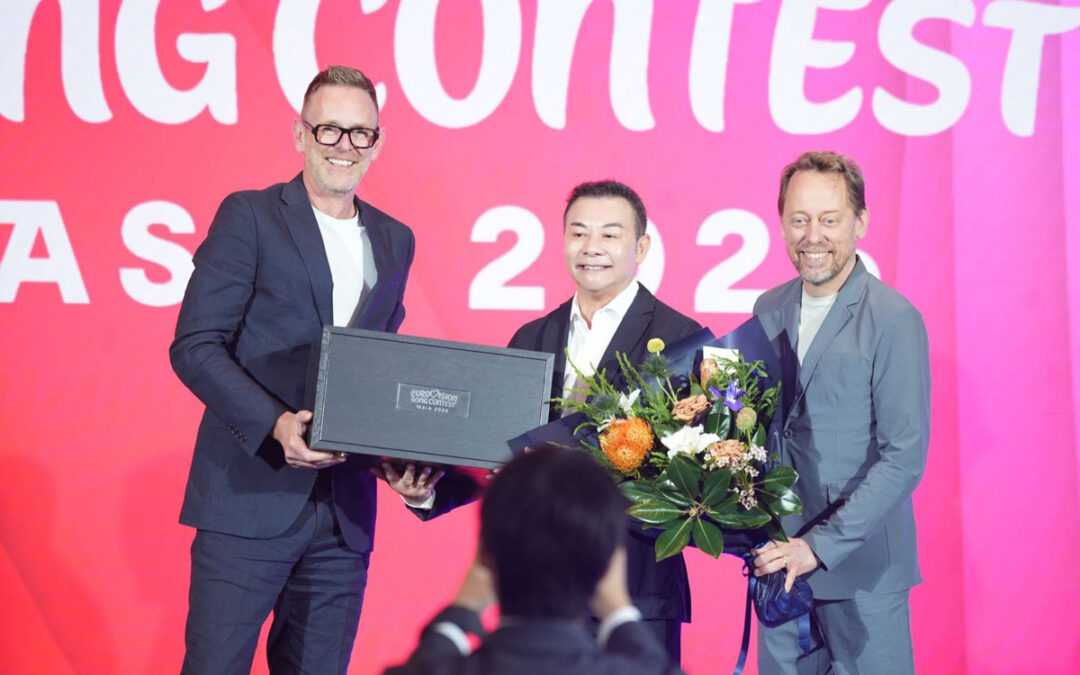
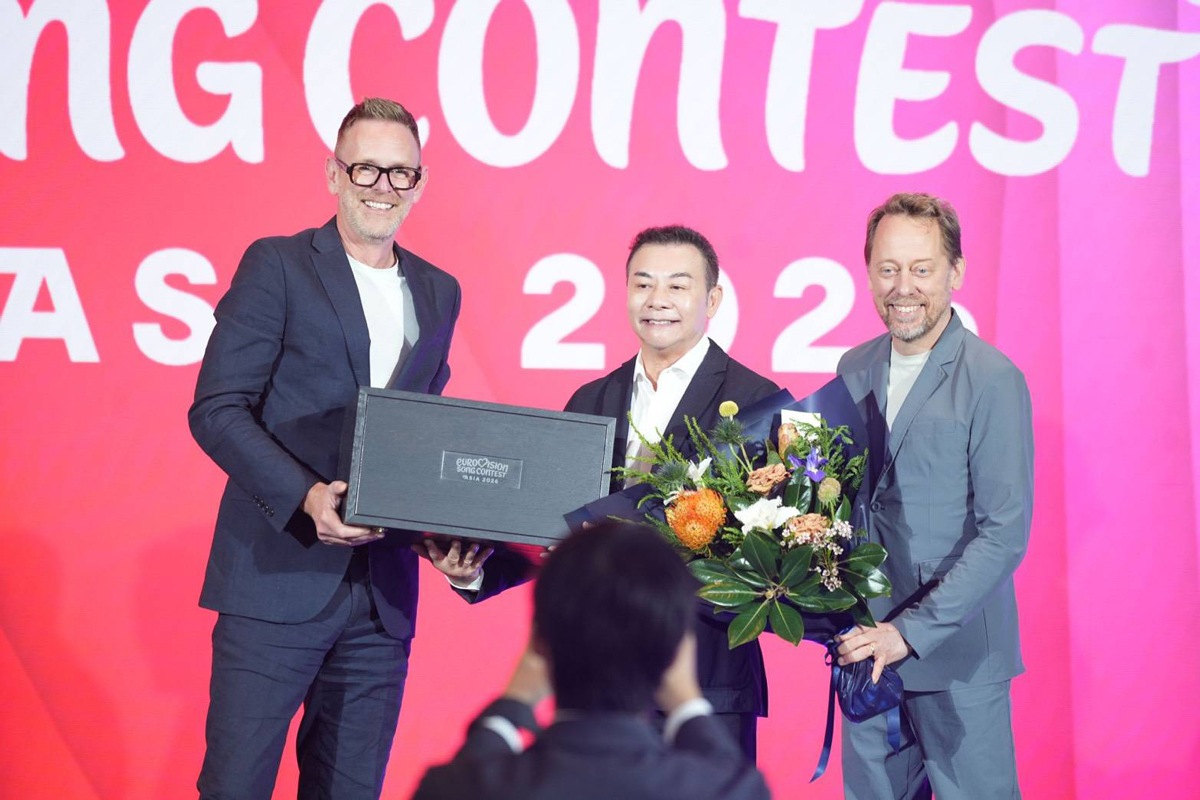
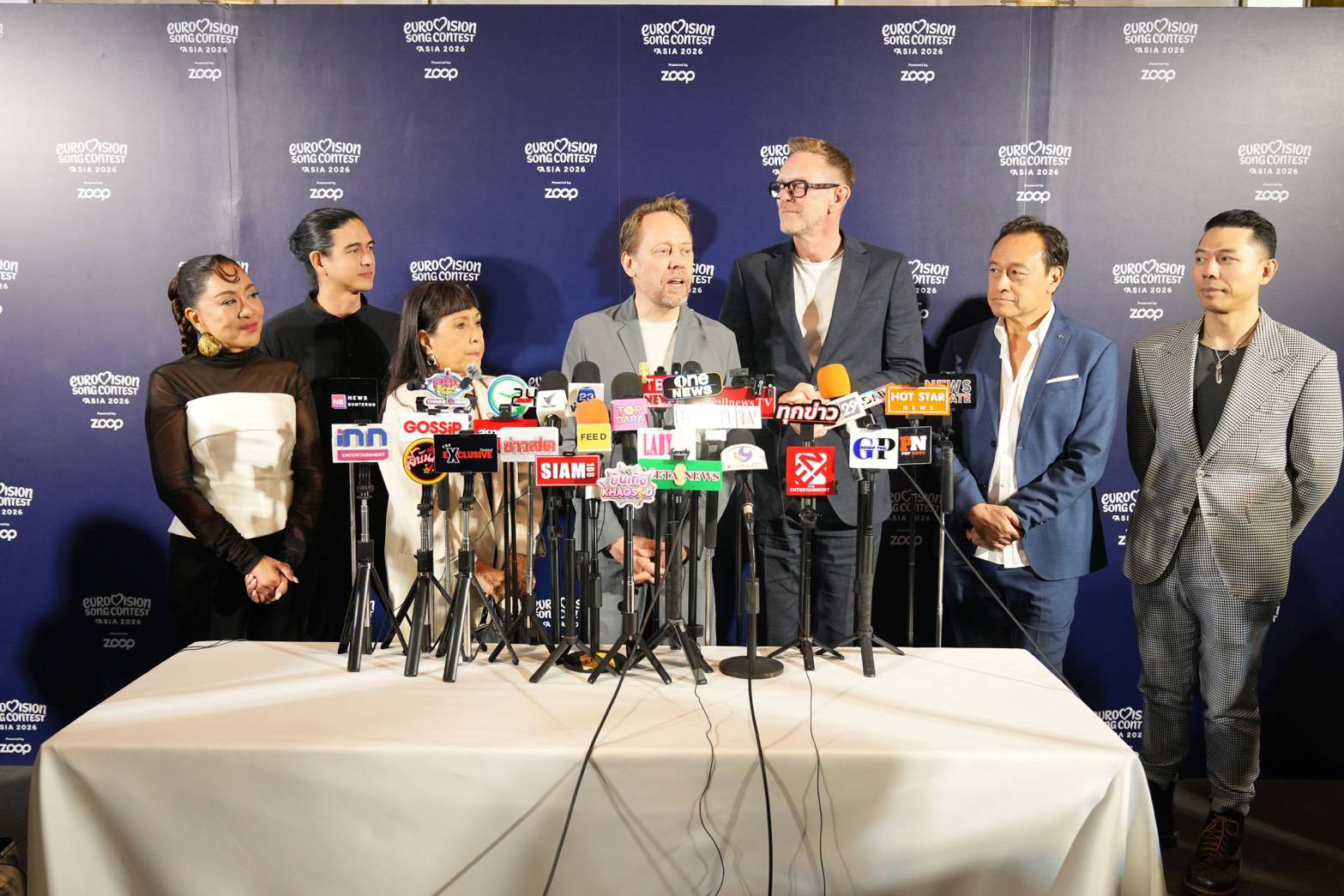
Bangkok will host the Grand Final of Eurovision Song Contest Asia 2026 on 14 November 2026, according to the Tourism Authority of Thailand. The event is described as the first edition of the Eurovision format in Asia and coincides with the 70th anniversary of Eurovision. For property buyers, the headline is not only entertainment. It is another sign that Bangkok is competing as a regional culture, tourism and live-event capital.
Bangkok will host the first Eurovision Song Contest Asia Grand Final in November 2026.
Events of this scale make a city more visible to international residents, corporate visitors and families who might otherwise think of Thailand only as a holiday destination. A city that can host major music, business, food, wellness and sports events gives residents more reasons to stay through the year, and gives investors more ways to understand tenant demand beyond office commuting alone.
What the event says about Bangkok
TAT said the selection reflects confidence in Thailands safety standards, operational readiness and ability to deliver high-quality events. The contest is expected to feature broadcasters from markets including Thailand, South Korea, the Philippines, Viet Nam, Malaysia, Cambodia, Lao PDR, Bangladesh, Nepal and Bhutan, with participating countries representing more than 600 million people.
That regional reach matters. Bangkok is already a business and travel hub, but cultural events help position it as a shared meeting point for Asia. For foreign buyers, this supports the idea of Bangkok as a city with international rhythm: flights, hotels, malls, venues, restaurants, production teams, media and hospitality all working together around a common calendar.
Liveability is built from repeated small advantages
For people deciding where to buy, liveability is not a single attraction. It is the way a city works week after week. Bangkok offers international schools, hospitals, retail, dining, hotels, cultural venues, parks, co-working spaces and transport choices across multiple districts. A major event does not create that ecosystem, but it uses it and makes it more visible.
Large cultural events help international residents see Bangkok as a connected, year-round city.
This is why some property buyers prioritise neighbourhoods with easy access to lifestyle districts rather than only office towers. Sukhumvit, Silom, Sathorn, Rama IV, Chidlom, Langsuan and the riverside each serve different resident profiles. The right choice depends on school runs, healthcare needs, dining habits, commute tolerance and how often the owner expects visiting friends or family.
The rental angle for owners
A single event should not be used to justify a purchase. However, a broader events calendar can help maintain demand for serviced apartments, flexible leases, hotel-adjacent residences and well-managed condominiums in central areas. Corporate visitors, production teams, media, performers, sponsors and regional travellers all need accommodation, transport and services.
Owners should still focus on fundamentals: legal title, foreign quota, building management, furniture durability, realistic rents and exit depth. The event calendar is a supporting factor, not a replacement for due diligence. Well-located, easy-to-manage units are better positioned to benefit from Bangkoks cultural energy than oversized or poorly managed units with limited tenant depth.
For landlords, the practical question is whether the unit can serve more than one demand stream. A central one-bedroom may appeal to a relocating executive, a long-stay medical visitor or a regional consultant, while a larger family unit may depend more on schools and daily commute patterns. Event demand is useful when it adds another layer, not when it becomes the only story.
How buyers can use the lifestyle signal
If Bangkoks global-event profile matters to your purchase, start by mapping the weekly lifestyle rather than chasing the event itself. Which rail line will you use? How close are hospitals, schools, restaurants and parks? Can guests reach the building easily from the airport? Does the condominium feel calm when the surrounding district is busy?
A stronger events calendar can support hospitality, retail, short corporate stays and neighbourhood energy.
Buyers who plan to live in Bangkok part time should also think about lock-up-and-leave practicality. Event-friendly districts can be lively and convenient, but the building still needs strong security, responsive management, clear visitor rules and easy maintenance coordination while the owner is overseas.
IBP can help foreign buyers weigh lifestyle, rental and ownership factors together. Explore more neighbourhood context in the Bangkok Lifestyle & Events section, then speak with the team about districts that match how you actually want to live in Bangkok.
Foreign buyers often start with practical questions: Can I own the condo? What is the rental yield? Is the district connected to BTS or MRT? Those questions are essential. But long-term satisfaction in Bangkok also depends on whether the city feels easy, interesting and socially alive. Culture and wellness events are part of that liveability picture.
Cultural programming helps foreign residents understand Bangkok as a social and liveable city.
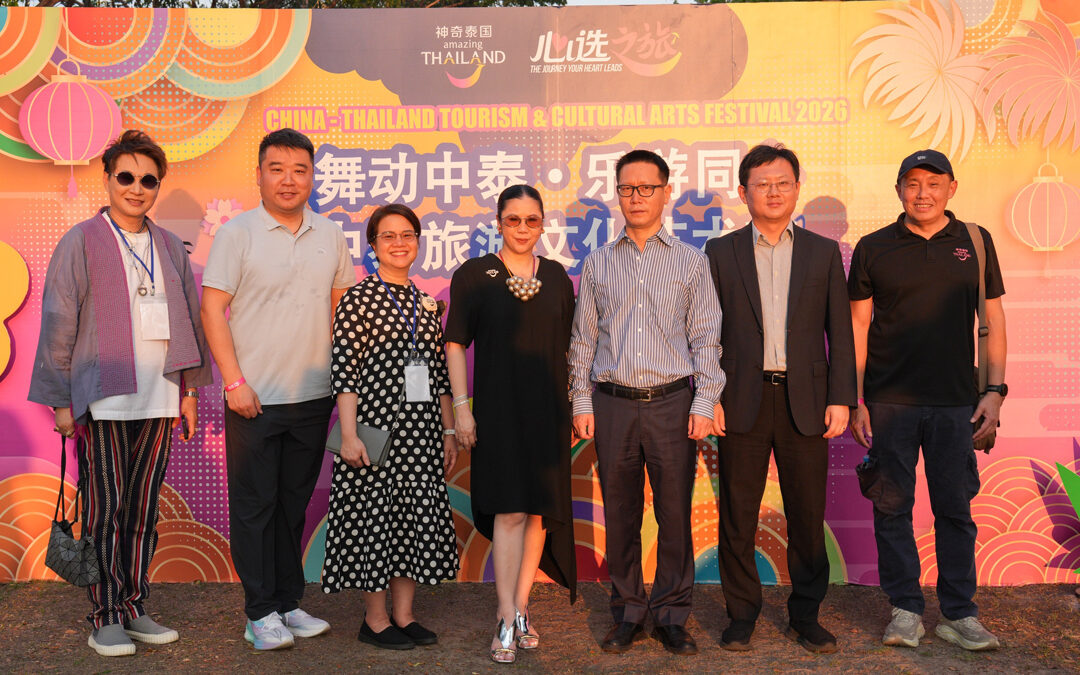
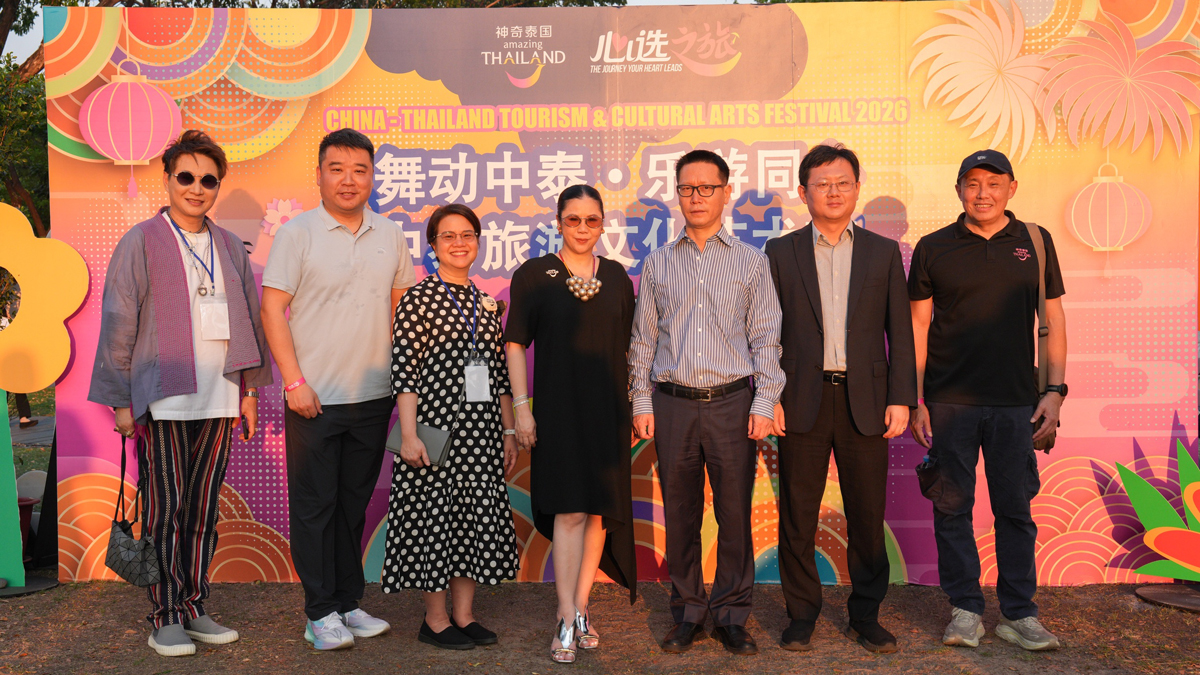
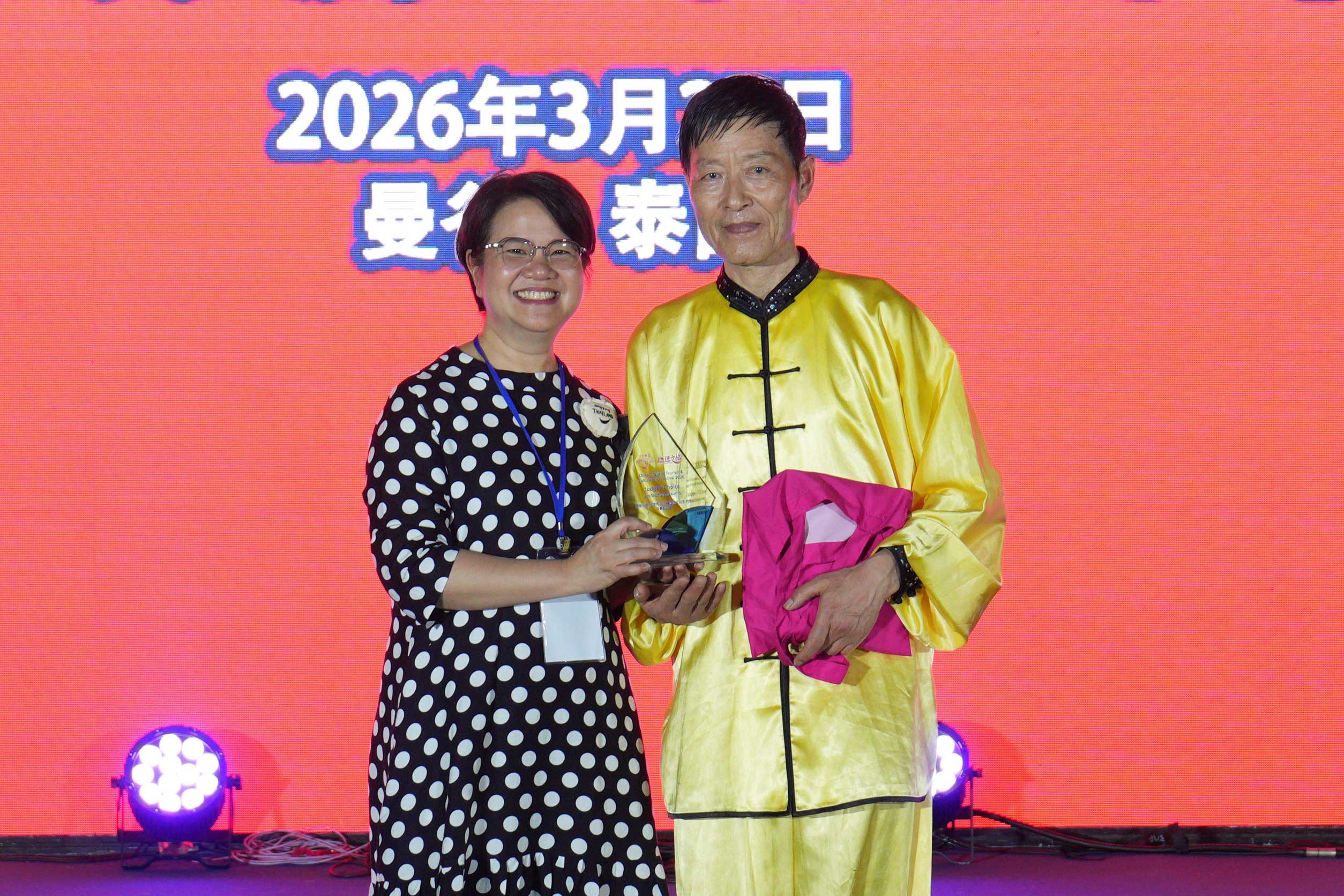
On 27 March 2026, TAT presented the China-Thailand Tourism & Cultural Arts Festival 2026 at Chulalongkorn University’s Centenary Park. TAT reported that the Bangkok event welcomed more than 1,000 guests and highlighted wellness offerings, Thai healing traditions, cultural performances, food, craft sessions and Thailand-China tourism ties. For property buyers, the point is not the event alone. It is what the event says about Bangkok’s urban lifestyle.
Bangkok is attractive to many foreign owners because it combines convenience with texture. A resident can move between hospitals, malls, parks, temples, galleries, restaurants, schools, embassies, hotels and neighbourhood food streets in the same week. That breadth supports the city’s appeal as a second home, retirement base, family relocation option or long-stay investment market.
Why culture matters to property decisions
Culture gives a district identity beyond transport. A condo near good rail access may be practical, but a condo near parks, campuses, galleries, food streets and regular events can feel more complete. That matters for owners who plan to live in Bangkok part time, and for tenants who want a city lifestyle rather than only a room close to work.
Events also help newcomers settle. A foreign resident who can easily find food festivals, wellness workshops, performances, exhibitions and family-friendly public spaces may be more likely to extend a stay. For landlords, that can widen the tenant audience from short assignments to people who genuinely want Bangkok as a base.
Performances, food and craft activities give Bangkok districts a richer everyday identity.
Wellness as a liveability signal
Wellness is not limited to spas or medical tourism. It includes walkable parks, access to fitness, healthy food, preventive healthcare, stress management and social activities that make city life easier. Bangkok has been building this story through private hospitals, wellness clinics, hotel facilities, parks and tourism campaigns that connect Thai culture with well-being.
For buyers, this means the surrounding neighbourhood should be assessed like a weekly routine. Is there a park or quiet walking route? Are groceries, clinics and gyms easy to reach? Can visitors and family members enjoy the area without constant car dependency? Does the building support calm daily living, or does it only offer an impressive lobby?
Where this fits in Bangkok
Chulalongkorn University’s Centenary Park is a useful example because it sits within a broader central-city ecosystem. Siam, Ratchaprasong, Silom, Rama IV, Sathorn and Samyan all offer different combinations of education, business, retail, culture and transport. These areas can appeal to buyers who want Bangkok to feel global without losing local character.
Other districts can offer similar liveability in different ways. Phrom Phong has park and retail convenience. Ari has cafes and a softer residential rhythm. Riverside areas offer heritage and hotel dining. Thong Lo and Ekkamai add restaurants, clinics and lifestyle services. The right choice depends on how the owner or tenant will actually spend the week.
Wellness and culture are increasingly part of the city’s long-stay appeal.
A simple buyer checklist
Walk the neighbourhood on a weekday evening and a weekend afternoon.
Check access to parks, clinics, groceries, restaurants and rail connections.
Ask whether the building feels calm enough for long stays.
Compare lifestyle convenience with the actual rent or resale premium.
Choose a unit that matches a real resident profile, not only a district name.
Lifestyle should not replace due diligence. The buyer still needs to check title, foreign quota, payment trail, common fees, building rules and management quality. But once those basics are sound, liveability can be the difference between a condo that looks good on paper and one that people want to use repeatedly.
Buyer takeaway
Bangkok’s culture and wellness calendar supports the city’s long-stay appeal. For foreign buyers, that appeal can strengthen both personal enjoyment and rental logic when it is matched with a practical district and a well-managed building.
IBP can help buyers compare lifestyle fit alongside legal and investment checks. Explore our Bangkok lifestyle guides or contact IBP Real Estate for neighbourhood advice.
Bangkok property buyers often talk about transport, price per square metre and rental yield. Those are important, but they do not explain the whole appeal of living in Bangkok. The Tourism Authority of Thailand’s 2026 Healing Journey Thailand campaign is a useful reminder that Thailand’s premium positioning increasingly includes wellness, culture and restorative travel, not only sightseeing.
Thailand is positioning wellness and meaningful travel as part of its premium visitor appeal.
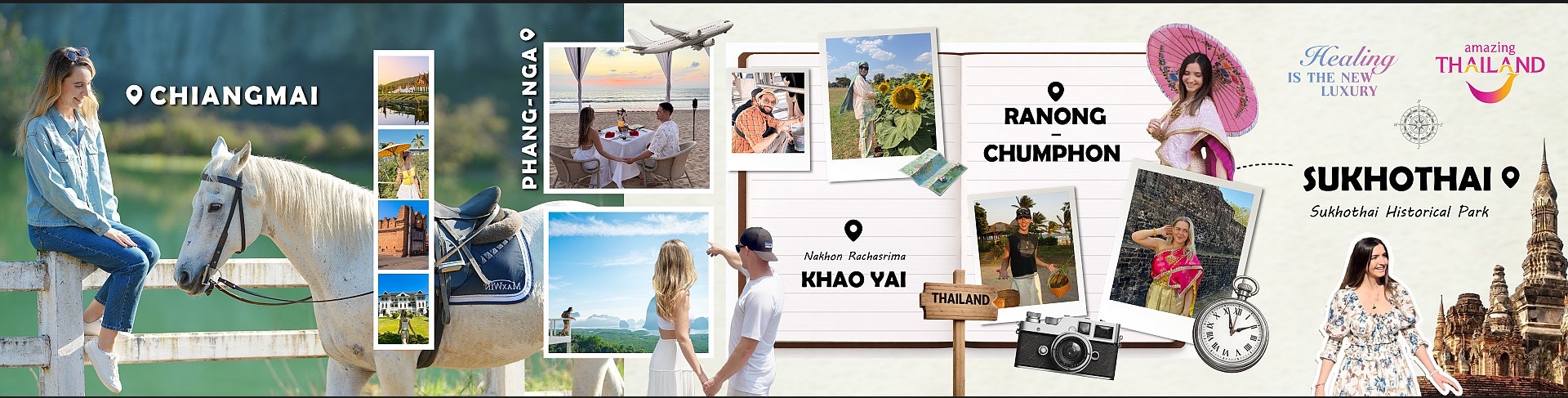
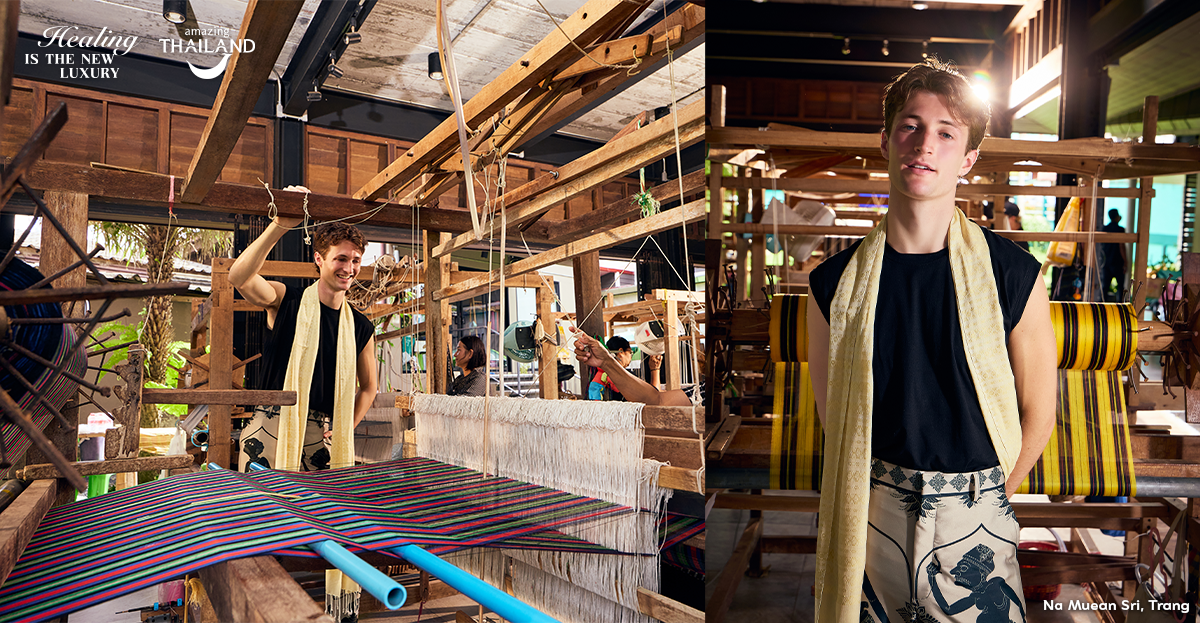
TAT announced the campaign on 16 March 2026, describing a global wellness-led initiative guided by the idea that healing is a new form of luxury. The campaign uses international creators, including British singer-songwriter Henry Moodie, to present Thailand through culture, nature, food, wellness and emotional travel experiences. For Bangkok buyers, the relevance is practical: the same qualities that attract purposeful travellers can also support long-stay residents and tenants.
Why wellness matters to property buyers
Wellness is not only a spa treatment. For a resident, it can mean access to parks, private hospitals, healthy dining, gyms, clinics, walkable routines, meditation spaces, cultural activities and a city rhythm that allows both work and recovery. Bangkok has become stronger in this area over the past decade, with expanded parks, better wellness studios, international medical services and more lifestyle-led retail.
Foreign buyers should care because tenants and owner-occupiers increasingly choose districts based on daily quality of life. A condo near rail, a park, a hospital, supermarkets and good dining may rent more consistently than a unit that only offers a view or a low entry price. Wellness-led demand is also relevant for retirees, medical visitors, remote workers and regional families who spend extended periods in the city.
Wellness-led tourism supports the same lifestyle strengths that make Bangkok attractive for long stays.
Bangkok’s wellness advantages
Bangkok is not a beach resort, but it has several wellness advantages for urban living. The city offers internationally recognised hospitals, dental and specialist clinics, fitness studios, pilates, yoga, boxing, physiotherapy, traditional Thai massage, hotel wellness programmes and healthy dining across many neighbourhoods. Buyers who choose the right location can turn those services into an easy weekly routine.
Green space is also becoming more important. Benjakitti Park, Lumpini Park, the Green Bridge connection, riverside walking routes and neighbourhood parks all influence how residents feel about a district. A buyer who wants to live in Bangkok for several months each year should test morning and evening routines, not only the showroom.
Districts that fit wellness-led living
Lumphini and Wireless Road suit buyers who want park access, embassies, hotels and central services. Asoke and Sukhumvit 16 can work for residents who want Benjakitti Park, BTS, MRT and business access. Phrom Phong and Thonglor offer dining, clinics, supermarkets and family-oriented lifestyle services. Riverside areas add hotels, heritage, slower scenery and access to cultural routes.
Ari and Phaya Thai offer a different wellness rhythm: cafés, smaller streets, BTS access and a less formal residential feel. Bang Na may suit families who need international schools, hospitals, larger malls and easier routes to the eastern corridor. The right district depends on the resident’s routine, not only its reputation.
Culture, food, healthcare and soft lifestyle services all shape Bangkok’s liveability story.
What to inspect in a condo
Walking route to parks, gyms, supermarkets and daily dining.
Noise, air-conditioning quality, daylight and balcony usability.
Building facilities that residents genuinely use, not only impressive brochure images.
Access to hospitals, clinics and pharmacies for long-stay comfort.
Rules around pets, visitors, short stays and quiet hours.
Wellness-led buying also changes how investors think about furnishing. A unit aimed at long-stay tenants should feel calm and practical. Good mattresses, blackout curtains, air purifiers where appropriate, work space, storage and a functional kitchen can matter more than decorative luxury.
Why this supports Bangkok confidence
Campaigns such as Healing Journey Thailand keep the country visible to travellers who value quality, health and culture. Bangkok is often the gateway where those travellers first experience Thailand’s services. Some return as repeat visitors, seasonal residents, retirees, medical visitors, students or investors. That repeat relationship is part of Bangkok’s property appeal.
The investment conclusion is simple. Buy where the lifestyle can be lived easily. A wellness story is strongest when the building, district and transport make daily life smooth. If the resident must fight traffic, poor pavements or weak building management every day, the marketing promise disappears quickly.
IBP can help foreign buyers compare Bangkok districts by liveability, wellness access and rental demand. Browse our Bangkok lifestyle coverage or contact IBP Real Estate for a practical district shortlist.
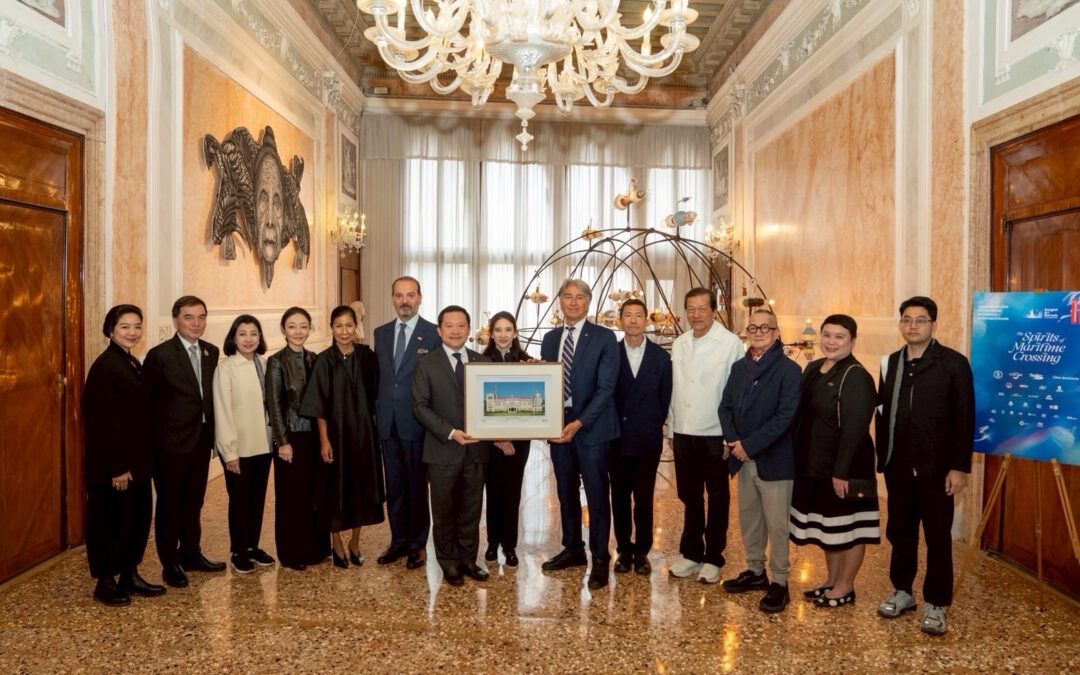
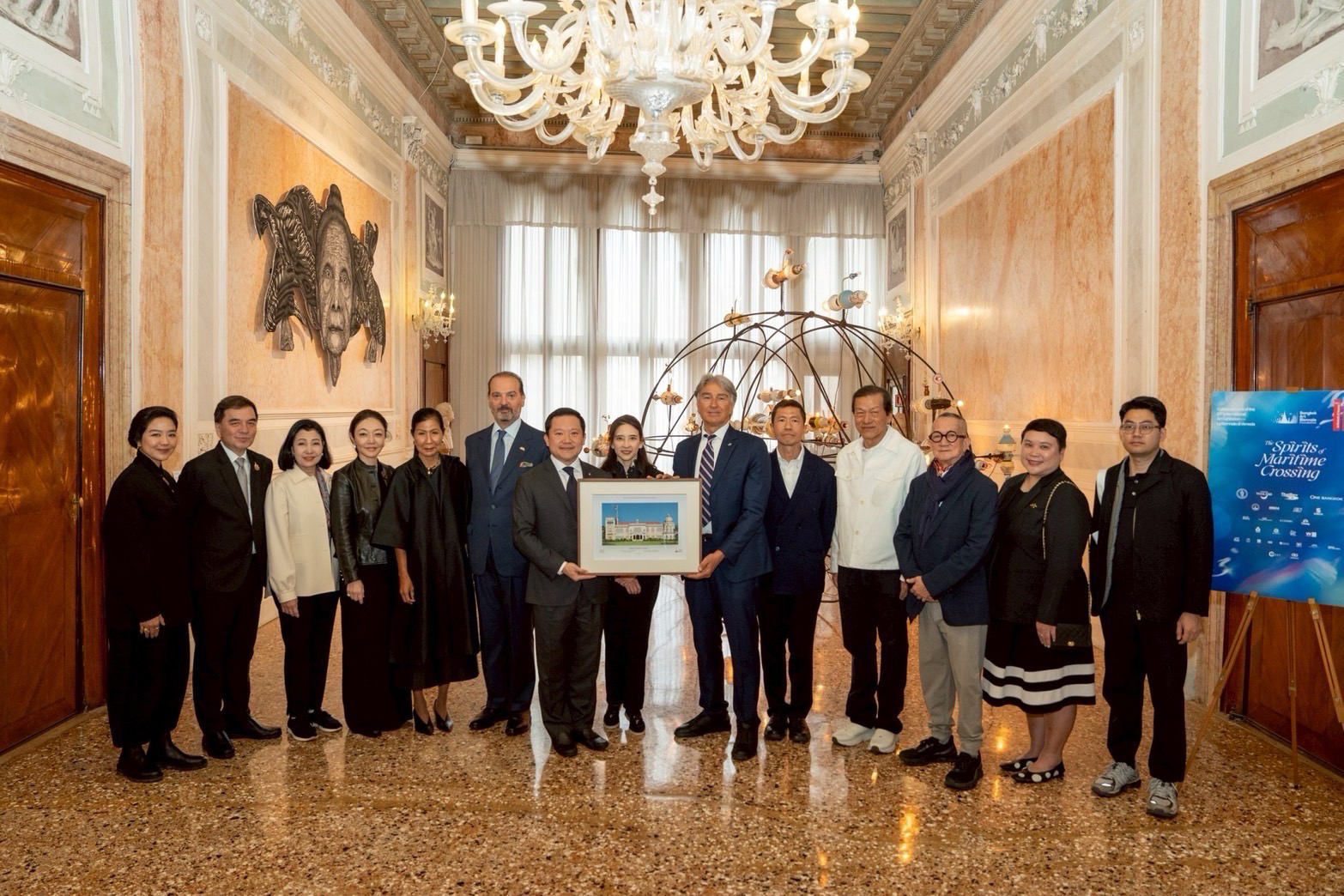
Bangkok’s liveability story is often told through food, hospitals, shopping, international schools and transport. Culture deserves a bigger place in that conversation. The Tourism Authority of Thailand has confirmed support for Bangkok Art Biennale 2026, linking the Venice presentation of The Spirits of Maritime Crossing with the biennale programme that will return to Bangkok from 29 October 2026 to 28 February 2027.
For foreign condo buyers, this is not about buying property because an art event is coming. It is about understanding the depth of Bangkok’s lifestyle infrastructure. Cities that can host serious contemporary art, activate heritage venues and draw international attention tend to feel more complete for long-stay residents.
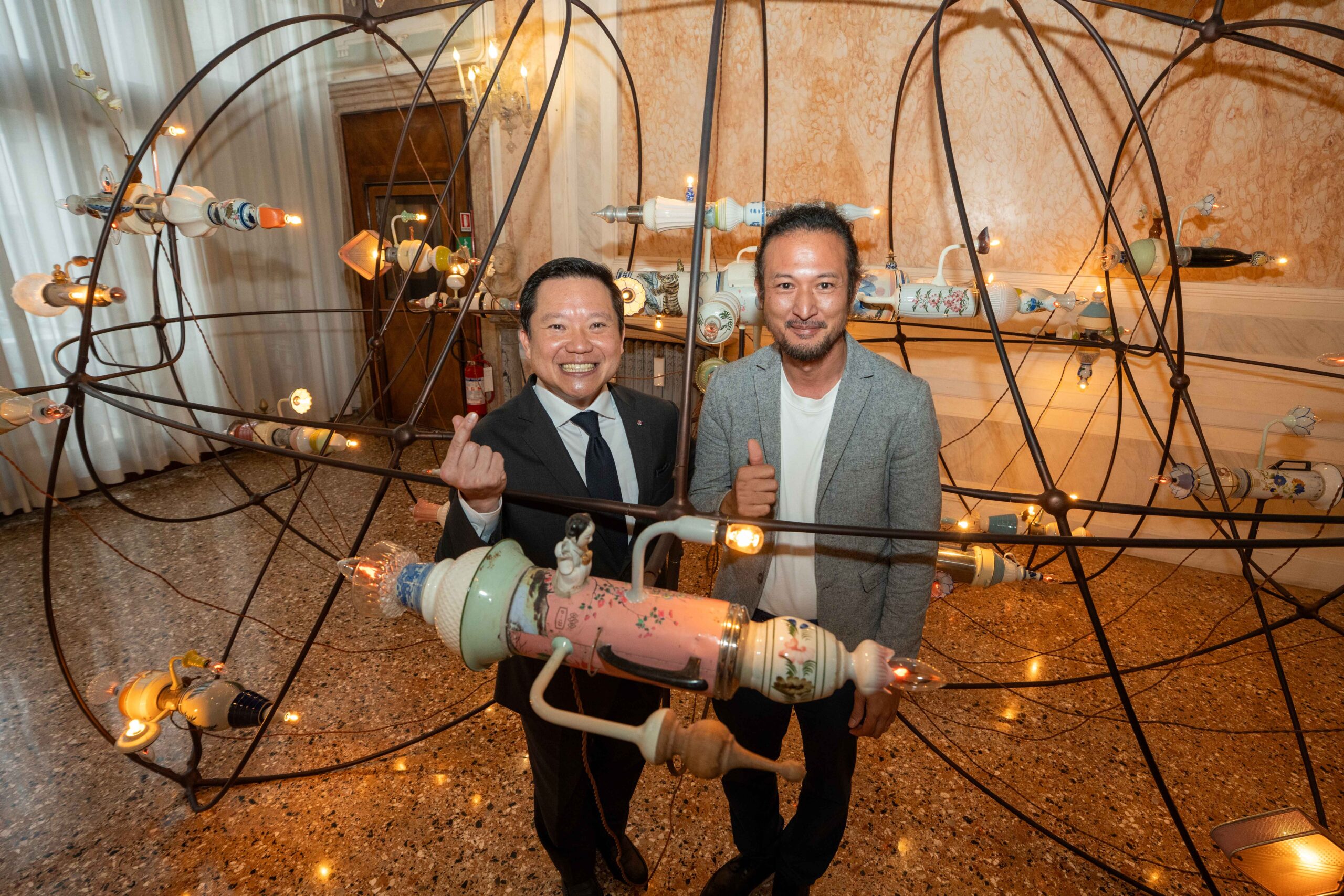
Bangkok Art Biennale 2026 is being promoted internationally before returning to Bangkok later in the year.
What has been announced
TAT’s May 2026 announcement positions Bangkok Art Biennale as part of Thailand’s cultural tourism and creative-economy strategy. The Venice collateral event runs from 9 May to 2 August 2026 and presents Thai and ASEAN contemporary art to international audiences. The Bangkok edition follows later in the year under the theme Angels and Mara.
Confirmed Bangkok locations include Museum Siam, Wat Arun, Wat Pho, Wat Prayurawongsawat, One Bangkok and the Bangkok Art and Culture Centre. That mix is important. It connects river heritage, religious landmarks, public culture, contemporary districts and everyday urban life rather than confining art to a single gallery.
Why culture matters to property buyers
Foreign buyers often compare Bangkok with Singapore, Hong Kong, Kuala Lumpur, Tokyo and other regional cities. Price, taxes and ownership rules are only part of the comparison. The softer question is whether the city feels rewarding to live in. Cultural depth helps answer that question.
A resident who can move between temples, museums, contemporary galleries, riverside neighbourhoods, design events, restaurants and retail districts has more reasons to stay engaged with the city. That supports long-stay appeal, especially for buyers who are not purely yield-driven and want a second home, retirement base or future relocation option.
Cultural programming helps position Bangkok as more than a business and tourism hub.
A citywide route, not a single destination
The announced venues also show how Bangkok’s lifestyle map is widening. Museum Siam and the historic temples pull attention toward the old city and river. Bangkok Art and Culture Centre keeps Siam central to the creative scene. One Bangkok adds a new mixed-use district to the cultural route. This variety makes the biennale useful for residents as well as tourists.
For property buyers, citywide programming can reveal neighbourhoods in a more practical way than a standard property tour. A buyer may discover how long it takes to cross town, which river routes feel enjoyable, where dining clusters are growing and how public spaces are used at different times of day.
Where residents may feel the benefit
Residents in central districts such as Silom, Sathorn, Lang Suan, Wireless, Siam, Phrom Phong and riverside areas can use cultural programming as part of normal life rather than a one-off tourist activity. Easy access to exhibitions, talks, performances and public installations adds another layer to daily convenience.
This matters for rental demand too. Expat tenants increasingly assess neighbourhoods by lifestyle fit, not only commute time. A district with art, wellness, dining, parks, shopping and transport is easier to explain to a relocating tenant than one that depends on a single attraction.
Art, design and public venues can make Bangkok feel richer for long-stay residents.
How to use the biennale as a buyer
If you are visiting Bangkok during the biennale period, use it as a city test. Spend a day moving between venues from the district where you might buy. Try the MRT, BTS, taxis, river routes and walking connections. Notice where the journey feels smooth and where it becomes tiring. That lived experience is valuable due diligence.
Also compare how different neighbourhoods feel after the exhibition visit. A riverside condo may offer heritage and slower weekend routes. A Siam or Lang Suan address may provide central convenience. A Rama IV or Lumphini base may connect culture, offices and parks. The right choice depends on how you expect to live, not only what looks impressive in a brochure.
The liveability takeaway
Bangkok Art Biennale 2026 strengthens the case for Bangkok as a premium, globally connected city with cultural substance. It supports tourism, but it also supports resident confidence. Foreign owners want to know that the city will remain interesting, connected and attractive to future tenants or buyers. Cultural programming is one signal in that wider story.
Explore more IBP Bangkok’s lifestyle and events coverage if you are assessing where to live or buy. Invest Bangkok Property can help you compare buildings, check documents and connect Bangkok market themes with unit-level due diligence before you commit capital.
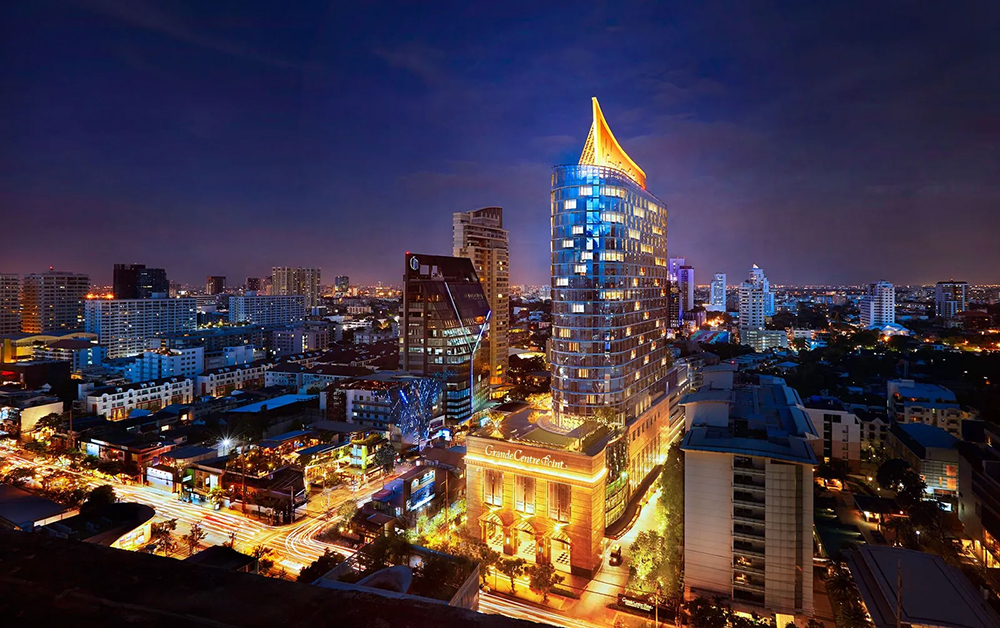
Ekkamai is often described as Thonglor’s quieter neighbour, but that undersells its appeal for foreign condo buyers. The district has BTS access, restaurants, cafes, supermarkets, community malls, clinics, schools, gyms and a residential rhythm that can feel easier than more intense parts of Sukhumvit. For overseas buyers who want Bangkok liveability without being in the middle of the busiest nightlife streets, Ekkamai deserves a careful look.
Ekkamai sits beside Thonglor but often feels more residential, which can suit long-stay foreign owners and tenants.
The buyer question is not whether Ekkamai is fashionable. It is whether a specific condo supports real daily life. The best Ekkamai units are easy to reach, quiet enough to live in, close to useful services and located in buildings that age well. A weaker unit can still carry the Ekkamai label while being too deep in a soi, too noisy, too investor-heavy or too awkwardly planned for long-stay tenants.
Why Ekkamai works for foreign residents
Ekkamai has a useful position on the Sukhumvit BTS line. It gives residents direct rail access to Phrom Phong, Asok, Siam and On Nut, while taxis and private cars can connect towards Phetchaburi Road, Rama IV and the expressway network. The district also sits close to Thonglor’s dining and nightlife without requiring every resident to live inside Thonglor’s busiest lanes.
That balance is attractive to several groups: young professionals, regional executives, couples, Japanese and Korean residents, digital workers, and families who want Sukhumvit convenience with a slightly more neighbourhood-led feel. For foreign owners, a district that appeals to multiple tenant types is usually safer than one dependent on a single trend.
The lifestyle pattern
Ekkamai is practical in the small ways that matter after the first week. Residents can find coffee, groceries, restaurants, salons, casual bars, fitness studios, pet services, medical clinics and schools within short travel distances. Gateway Ekkamai and nearby community retail add convenience, while Thonglor, Phrom Phong and On Nut broaden the dining and shopping field.
This daily convenience supports long-stay rental demand. Tenants who renew leases usually do so because the neighbourhood makes routines easy. A condo that is ten minutes from useful services in real traffic may perform better than a more glamorous unit that is inconvenient every morning.
Condominium selection in Ekkamai should balance BTS access, soi depth, noise, layout and building management.
How to judge an Ekkamai condo
Walkability to BTS
A map distance can be misleading. Some sois are pleasant to walk; others are narrow, broken, hot or difficult after rain. If BTS access is part of the investment case, test the walk at commuting time and at night. A shuttle service is helpful, but it should not be the only reason the location works.
Soi depth and traffic
Ekkamai Road and its side streets can be busy, especially around schools, restaurants and evening venues. A deeper soi may give more quiet, but it can also add time and reduce tenant convenience. Buyers should compare actual travel time to BTS, supermarkets and main roads, not just the project brochure.
Unit size and furnishing
Long-stay tenants in Ekkamai often value usable kitchens, storage, work areas and comfortable bedrooms. Overly compact layouts may rent quickly at the right price, but they can face more competition. A well-planned one-bedroom or two-bedroom unit with sensible furnishing can be more resilient than a flashy but cramped unit.
Who Ekkamai suits
Foreign buyers who want Sukhumvit access with a slightly calmer residential feel.
Owners targeting long-stay professional tenants rather than pure short-stay tourism.
Residents who use BTS but also rely on taxis, ride-hailing and nearby lifestyle services.
Buyers comparing Thonglor pricing but open to better value nearby.
Ekkamai can also work for families, but the unit and building must be chosen carefully. Larger layouts, parking, school routes, hospital access and noise control become more important. A family tenant will notice shortcomings that a single professional may tolerate for a shorter lease.
Daily routes to BTS, supermarkets, schools, cafes and hospitals matter more than a district name alone.
Where buyers should be cautious
Do not assume every Ekkamai condo has the same tenant pool. Some buildings are effectively priced as Thonglor alternatives, while others compete more directly with On Nut or Phra Khanong. The correct rent depends on age, facilities, walkability, view, furnishing and building reputation. Overpaying for a district label can reduce both yield and resale flexibility.
Noise is another issue. Restaurants, bars, roads, motorcycles and construction can all affect liveability. Inspect at more than one time of day and check whether the unit faces a busy road, school drop-off zone, entertainment venue or construction site.
Buyer takeaway
Ekkamai is one of Bangkok’s most livable middle-prime Sukhumvit districts because it combines convenience with a more residential mood. For foreign condo buyers, its strength is not only lifestyle; it is the practical tenant demand created by transport, amenities and proximity to stronger neighbouring districts. The right purchase should feel easy to live in, easy to rent and easy to explain at resale.
IBP can help you compare Ekkamai, Thonglor, Phrom Phong and On Nut units by real tenant demand and building condition. Explore our district guides or contact IBP Real Estate for a buyer-focused shortlist.