
Foreign buyers often start with practical questions: Can I own the condo? What is the rental yield? Is the district connected to BTS or MRT? Those questions are essential. But long-term satisfaction in Bangkok also depends on whether the city feels easy, interesting and socially alive. Culture and wellness events are part of that liveability picture.
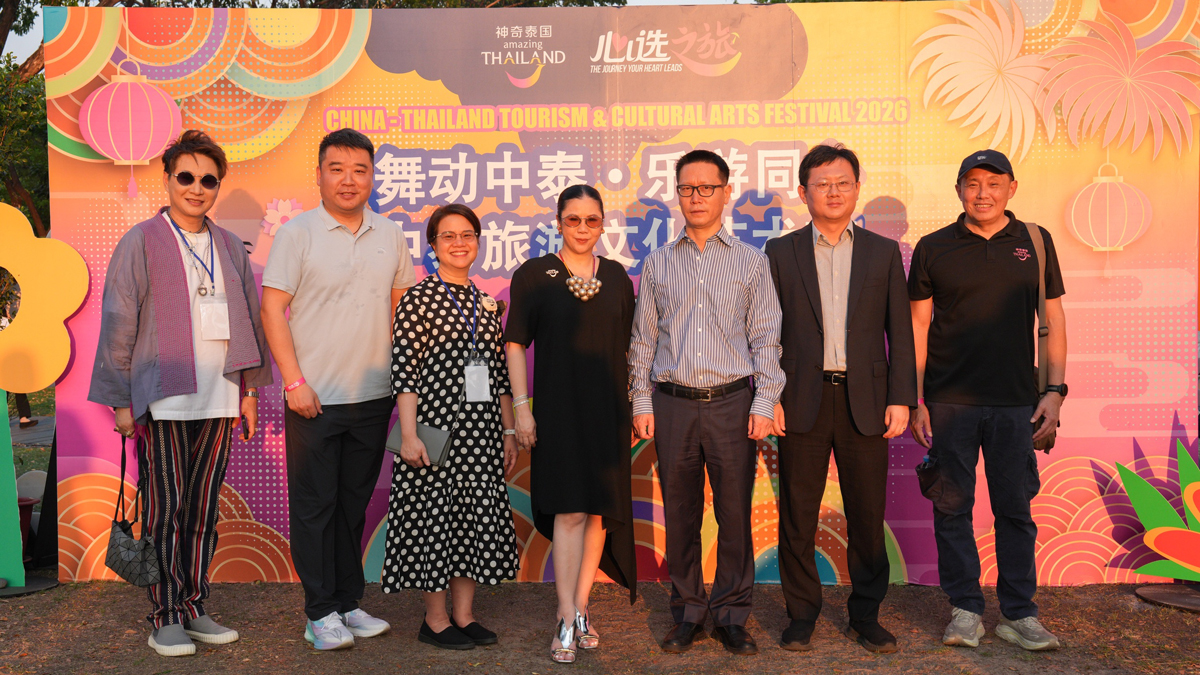
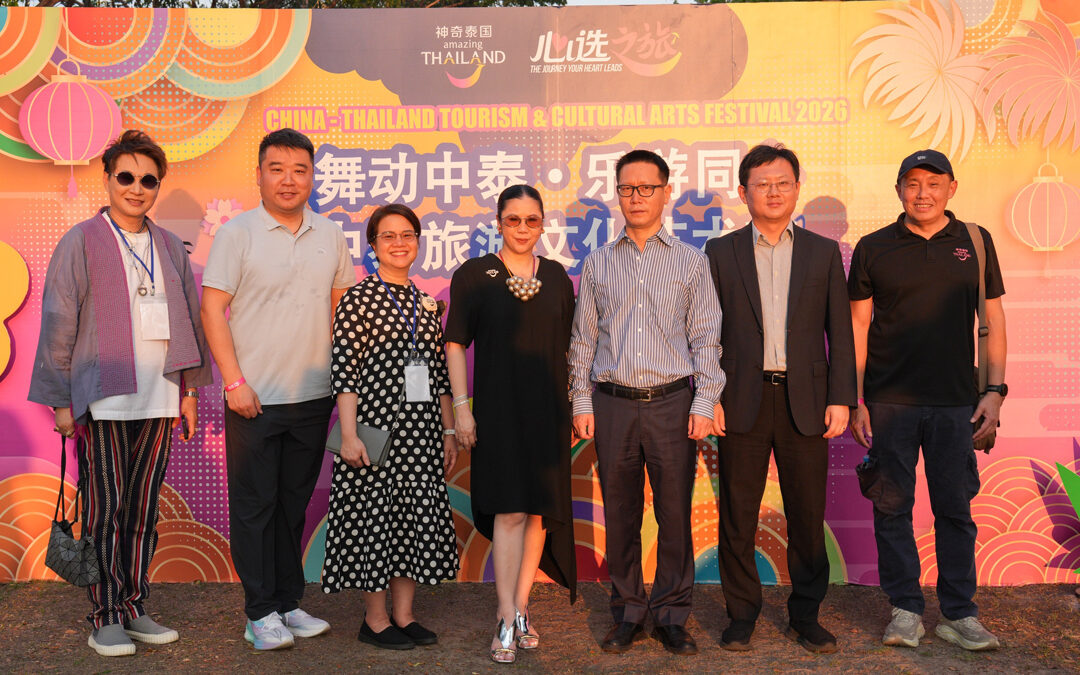
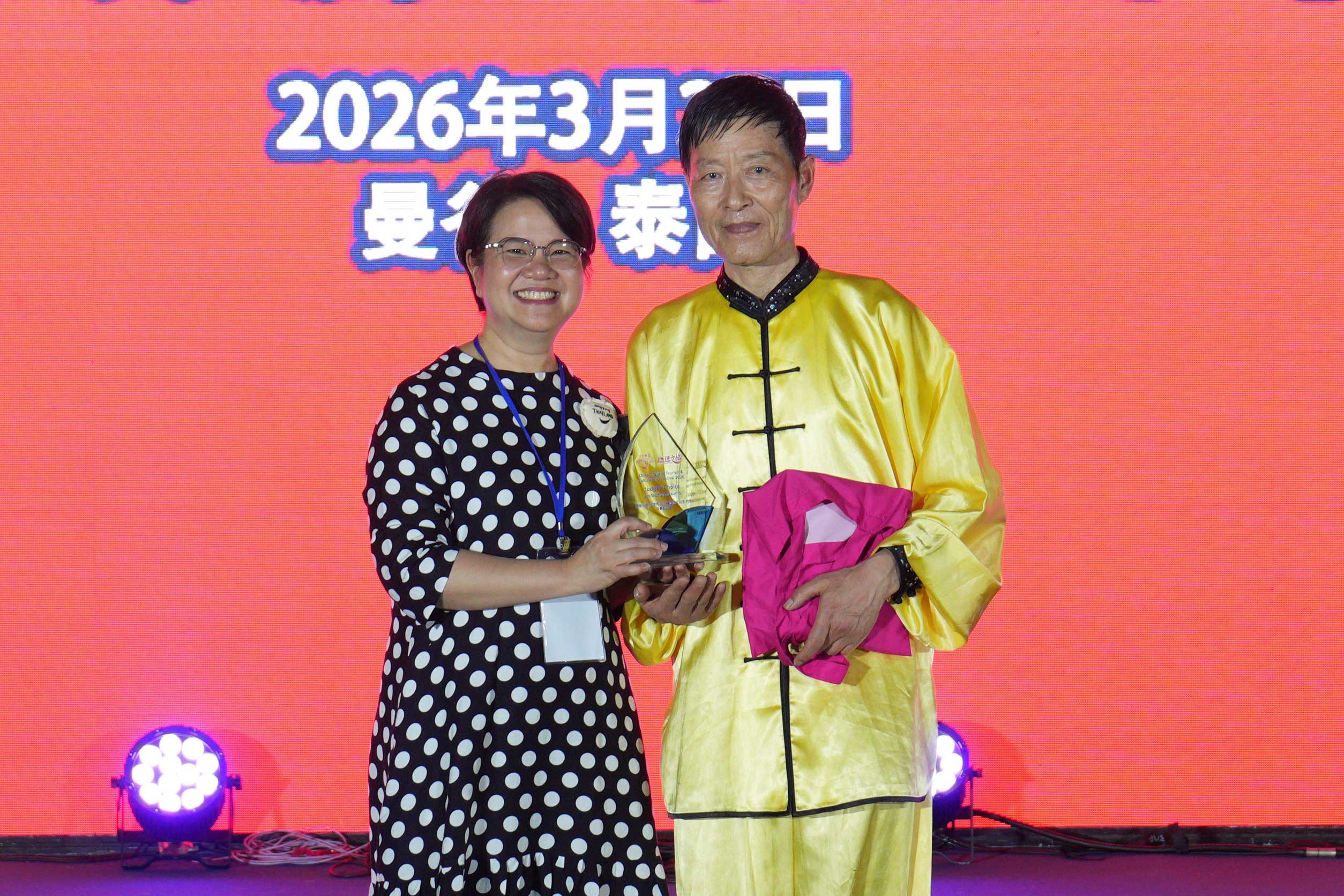
On 27 March 2026, TAT presented the China-Thailand Tourism & Cultural Arts Festival 2026 at Chulalongkorn University’s Centenary Park. TAT reported that the Bangkok event welcomed more than 1,000 guests and highlighted wellness offerings, Thai healing traditions, cultural performances, food, craft sessions and Thailand-China tourism ties. For property buyers, the point is not the event alone. It is what the event says about Bangkok’s urban lifestyle.
Bangkok is attractive to many foreign owners because it combines convenience with texture. A resident can move between hospitals, malls, parks, temples, galleries, restaurants, schools, embassies, hotels and neighbourhood food streets in the same week. That breadth supports the city’s appeal as a second home, retirement base, family relocation option or long-stay investment market.
Why culture matters to property decisions
Culture gives a district identity beyond transport. A condo near good rail access may be practical, but a condo near parks, campuses, galleries, food streets and regular events can feel more complete. That matters for owners who plan to live in Bangkok part time, and for tenants who want a city lifestyle rather than only a room close to work.
Events also help newcomers settle. A foreign resident who can easily find food festivals, wellness workshops, performances, exhibitions and family-friendly public spaces may be more likely to extend a stay. For landlords, that can widen the tenant audience from short assignments to people who genuinely want Bangkok as a base.
Wellness as a liveability signal
Wellness is not limited to spas or medical tourism. It includes walkable parks, access to fitness, healthy food, preventive healthcare, stress management and social activities that make city life easier. Bangkok has been building this story through private hospitals, wellness clinics, hotel facilities, parks and tourism campaigns that connect Thai culture with well-being.
For buyers, this means the surrounding neighbourhood should be assessed like a weekly routine. Is there a park or quiet walking route? Are groceries, clinics and gyms easy to reach? Can visitors and family members enjoy the area without constant car dependency? Does the building support calm daily living, or does it only offer an impressive lobby?
Where this fits in Bangkok
Chulalongkorn University’s Centenary Park is a useful example because it sits within a broader central-city ecosystem. Siam, Ratchaprasong, Silom, Rama IV, Sathorn and Samyan all offer different combinations of education, business, retail, culture and transport. These areas can appeal to buyers who want Bangkok to feel global without losing local character.
Other districts can offer similar liveability in different ways. Phrom Phong has park and retail convenience. Ari has cafes and a softer residential rhythm. Riverside areas offer heritage and hotel dining. Thong Lo and Ekkamai add restaurants, clinics and lifestyle services. The right choice depends on how the owner or tenant will actually spend the week.

A simple buyer checklist
- Walk the neighbourhood on a weekday evening and a weekend afternoon.
- Check access to parks, clinics, groceries, restaurants and rail connections.
- Ask whether the building feels calm enough for long stays.
- Compare lifestyle convenience with the actual rent or resale premium.
- Choose a unit that matches a real resident profile, not only a district name.
Lifestyle should not replace due diligence. The buyer still needs to check title, foreign quota, payment trail, common fees, building rules and management quality. But once those basics are sound, liveability can be the difference between a condo that looks good on paper and one that people want to use repeatedly.
Buyer takeaway
Bangkok’s culture and wellness calendar supports the city’s long-stay appeal. For foreign buyers, that appeal can strengthen both personal enjoyment and rental logic when it is matched with a practical district and a well-managed building.
IBP can help buyers compare lifestyle fit alongside legal and investment checks. Explore our Bangkok lifestyle guides or contact IBP Real Estate for neighbourhood advice.