Bangkok’s rainy season is part of normal city life, but foreign condo buyers should not ignore it. A building that feels easy on a dry viewing day can feel very different when heavy rain arrives at school pick-up time, during an airport transfer or just before a tenant’s office commute. The best rainy season condo choices are not necessarily the highest or newest buildings. They are the ones with practical access, good management and routines that still work in wet weather.
Rainy season living is mostly about routines, access and building management rather than dramatic weather.
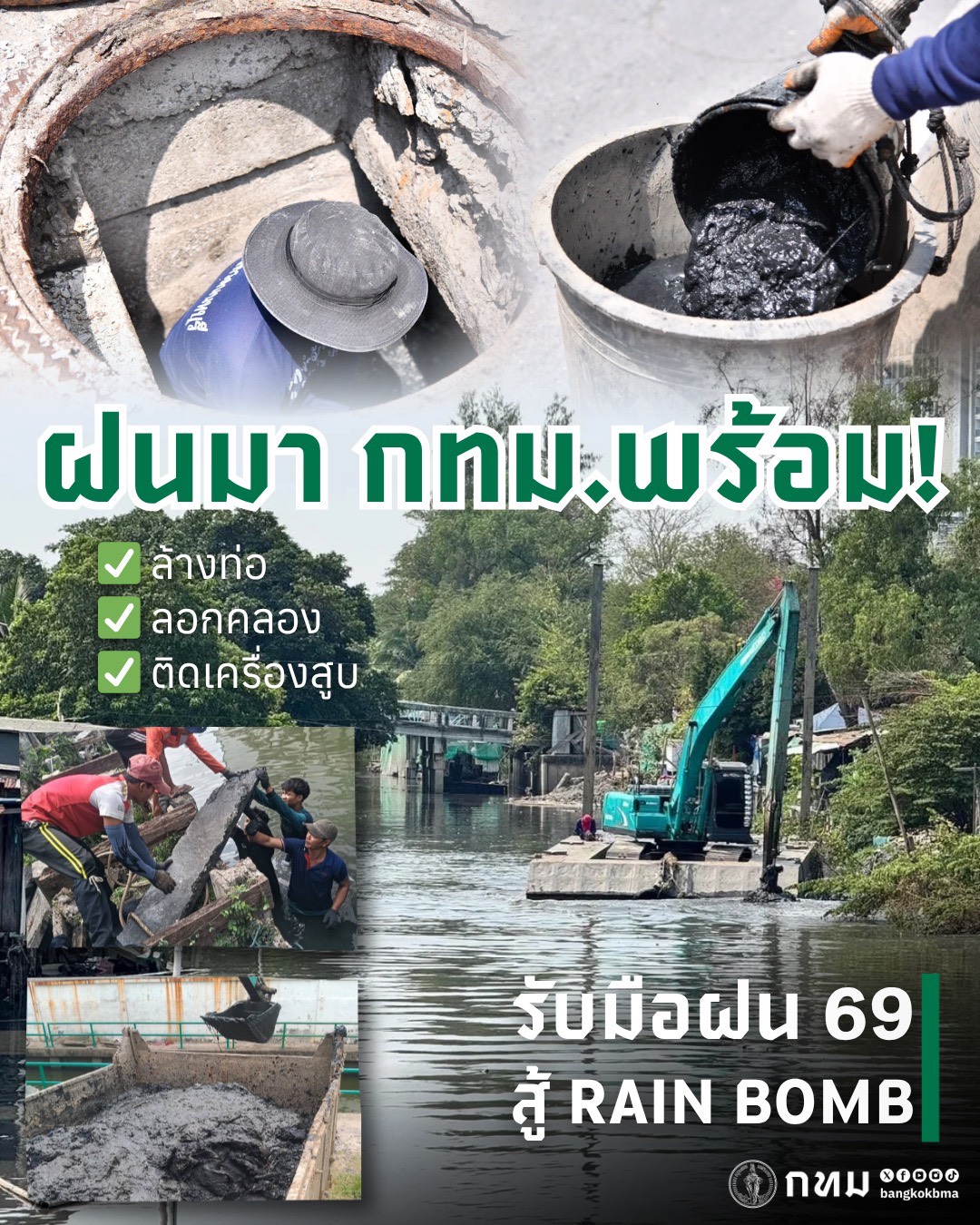
In May 2026, the Bangkok Metropolitan Administration said it was preparing for the season with drainage-pipe work, canal clearing and pumping readiness. That city-level preparation matters, but it does not replace building-level due diligence. A buyer still needs to ask how the street outside the condo behaves, whether the entrance floods, how residents reach transit, and how the juristic team manages leaks, lifts and car-park access during storms.
Rainy season should be treated as a liveability test. If a unit is intended for personal use, wet-weather routines will shape daily comfort. If it is intended for rental, tenants will judge the building by how easily they can get to work, receive deliveries, use ride-hailing, keep shoes and laundry dry, and avoid repeated inconvenience.
Start outside the lobby
A polished lobby tells only part of the story. Walk the route from the building to the nearest BTS, MRT, pier, office shuttle, supermarket or main road. Check whether the pavement is level, whether there is shelter, whether puddles collect at the entrance, and whether cars can safely stop without blocking traffic. During rainy season, a five-minute walk with no shelter can feel much longer.
Foreign buyers should also check the approach road. Some Bangkok sois drain quickly. Others hold water after heavy rain. The difference affects taxi access, food delivery, school runs and tenant satisfaction. Ask the juristic office and nearby shop staff what happens after a downpour. Local answers are often more useful than a dry-season map.
City drainage preparation is a reminder to check each building’s own flood and access management.
Read city preparation as context
BMA’s May 2026 update described a shift from reactive flood response to more coordinated preparation, including drainage-pipe clearing, canal work and pumping-station readiness. For residents, this is encouraging because it shows the city is treating intense rain as an operational issue. For buyers, it is a reminder to check the micro-location rather than assuming the city can solve every access problem equally.
A building near a major road, rail station, canal, park or underpass can experience rain differently from another building only a few blocks away. The safest due diligence includes visiting after rain if possible, asking for building incident history, and checking whether the car park, basement, generator room, electrical rooms and lift lobbies are protected.
Covered access can be more valuable than a longer facility list
Some of Bangkok’s most comfortable rainy season addresses are not the most dramatic. They have sheltered drop-off points, practical taxi circulation, covered links to retail, a short route to rail, good parcel handling and reliable maintenance. These features are easy to underestimate in a sales gallery because they are not as photogenic as a pool deck. Tenants notice them quickly.
For families, covered access to schools, supermarkets and clinics can matter. For executives, the ability to move between condo, car and office without disruption can support a higher rent. For older residents, step-free access and safe pavements become part of the property’s liveability value.
Check the building envelope
Inside the unit, rainy season checks should include window seals, balcony drainage, air-conditioning condensate, bathroom ventilation, ceiling stains, swollen timber, musty smells and evidence of past leaks. In high-rise units, wind-driven rain can reveal problems that are invisible during normal viewings. In older buildings, small leaks may have been patched repeatedly rather than repaired properly.
Ask when the facade, roof, balconies and drainage pipes were last inspected. For resale units, request repair records if there has been water ingress. A beautiful view is less valuable if the balcony drains poorly or the window frame lets water in during heavy storms.
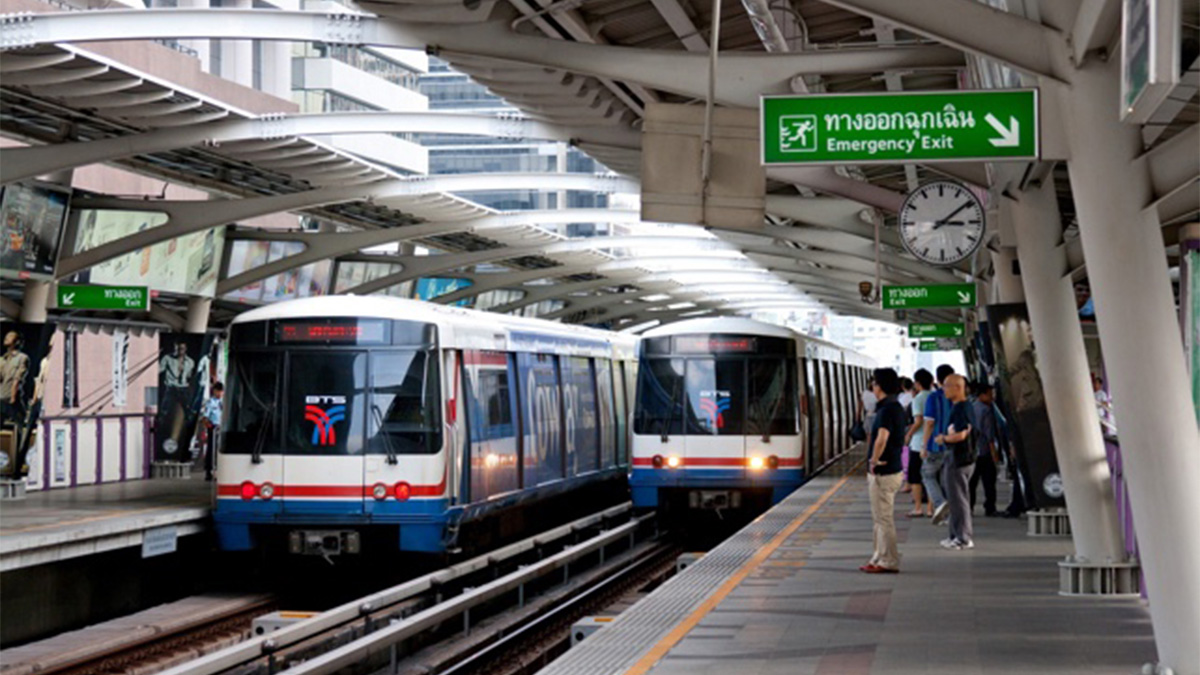
Covered links, short walks and reliable transport matter more during wet-season commutes.
Think about tenant routines
A rainy season rental strategy should be practical. Tenants may ask about washing machines, dryers, shoe storage, parcel areas, ride-hailing pick-up points, parking, building apps and how quickly maintenance requests are handled. Small details can make a unit feel easier to live in. A landlord who provides dehumidifying habits, clear air-conditioning servicing and sensible storage may reduce complaints.
If the target tenant is a foreign executive, the commute matters. If the target is a family, school and clinic routes matter. If the unit is near a lifestyle district, sheltered access to malls, grocers and restaurants matters. Rain does not make Bangkok less liveable; it makes convenience more visible.
When rainy season can be an advantage
Viewing during wet weather can help buyers negotiate and choose better. It reveals which buildings function well, which streets drain quickly and which lobbies manage traffic calmly. A buyer who only inspects in perfect weather may miss operational weaknesses that local tenants already understand.
Rainy season also highlights why Bangkok remains attractive. The city has dense retail, food delivery, transport options, private healthcare, serviced residences and neighbourhood amenities that keep daily life moving. Buyers who select the right building can enjoy that depth without treating every storm as a disruption.
Practical buying takeaway
Before committing, test the walking route, ask about flooding history, inspect the unit for water marks, confirm basement and car-park protection, check lift and generator maintenance, and understand how the juristic team communicates during storms. These checks are simple, but they can protect comfort, rentability and resale value.
For buyers relocating to Bangkok or choosing a rental investment, rainy season is a useful reality check. IBP’s expat living guides can help connect lifestyle needs with building-level due diligence before a purchase decision is made.
Queen Sirikit National Convention Centre is more than an event venue. For foreign buyers looking at Rama IV, Asoke, Khlong Toei, Phrom Phong, One Bangkok and nearby Sukhumvit addresses, QSNCC helps explain how Bangkok’s central districts are becoming more usable outside normal office hours. The centre brings exhibitions, cultural festivals, business events, food showcases and public programming into an MRT-connected location.
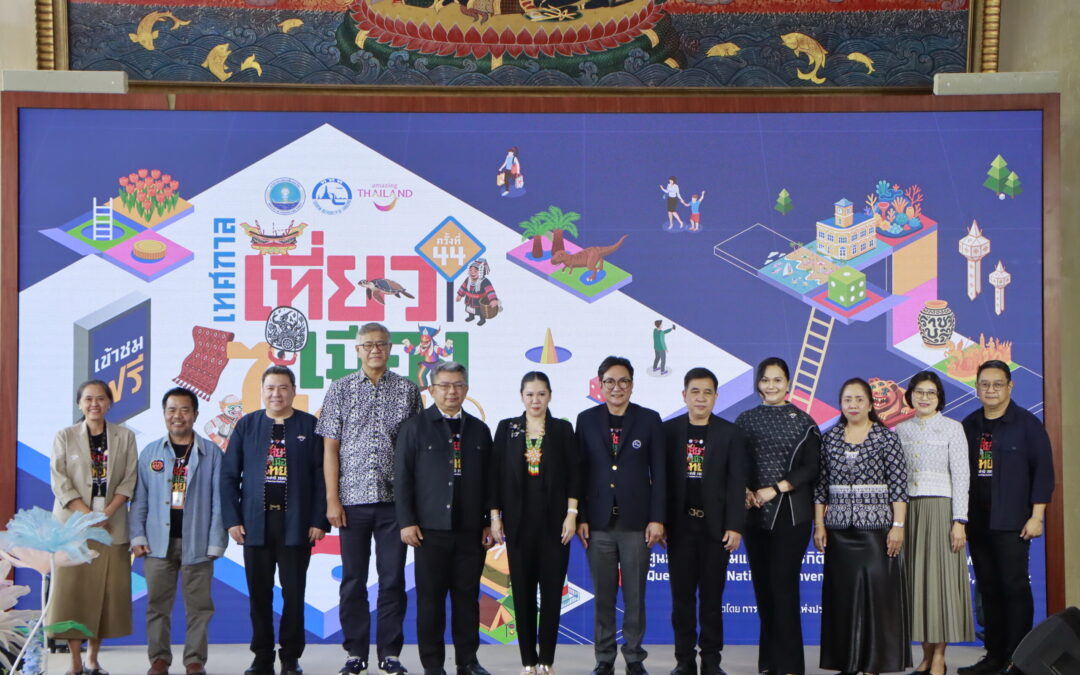
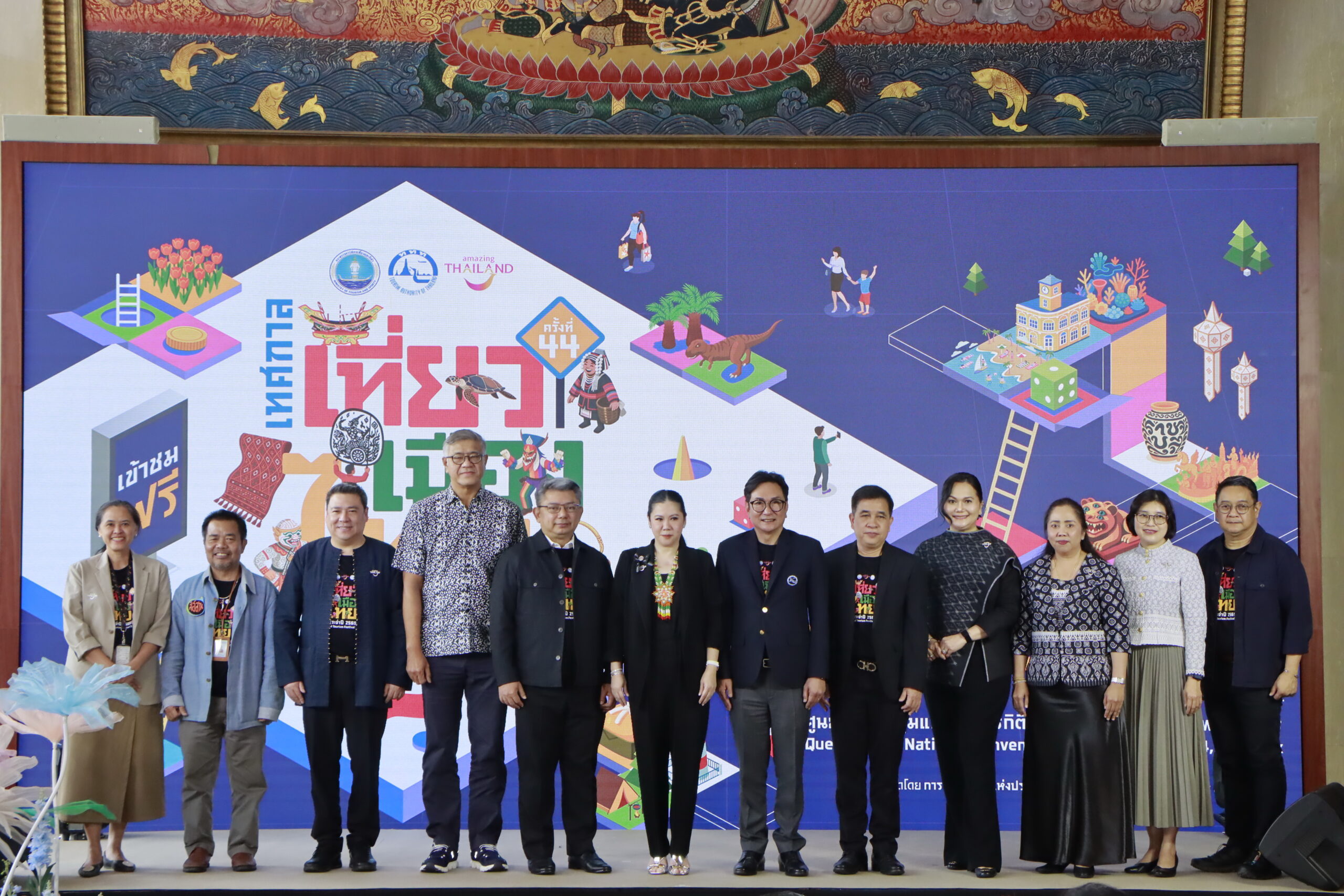
Large public events at QSNCC show how Bangkok mixes culture, transport and city-centre convenience.
The Thailand Tourism Festival 2026 is a clear example. TAT announced the 44th edition at QSNCC from 25 to 29 March 2026, with nine zones built around regional culture, food, crafts, performances, sustainability and travel inspiration. TAT also noted that the venue is directly accessible by MRT Queen Sirikit National Convention Centre Station on the Blue Line.
For property buyers, this is not just an events listing. It is liveability evidence. A condominium becomes more attractive when the surrounding area gives residents reasons to use the city: exhibitions, restaurants, parks, wellness facilities, transport, hotels, offices and cultural events. QSNCC strengthens that mix for the Rama IV and Sukhumvit edge.
Why event venues matter to residents
Foreign buyers often assess a district by commute time and price per square metre. Those are important, but they miss the rhythm of daily life. A strong event venue can add weekend activity, visitor flow, dining demand, hotel demand and public transport use. It can also make a neighbourhood feel more international because residents regularly encounter business travellers, trade shows, cultural festivals and regional showcases.
QSNCC is especially useful because it sits near several liveability anchors: Benjakitti Park, MRT Blue Line access, Sukhumvit, Asoke, Rama IV, hospitals, offices and hotels. Residents can use the area for exercise, events, dining and meetings without relying on a car for every trip. That matters to tenants and owners who want Bangkok convenience without being limited to one mall or one office tower.
Cultural programming adds depth to the liveability case for nearby central districts.
The Rama IV lifestyle shift
Rama IV has become one of Bangkok’s most interesting corridors because it links older city fabric with newer mixed-use investment. It connects Khlong Toei, QSNCC, Benjakitti, One Bangkok, Lumphini, Silom and the lower Sukhumvit edge. For buyers, the corridor should be judged by access rather than prestige labels alone. A building that connects easily to MRT, parks and daily services may be more useful than a nominally prime address with weak walking conditions.
Events at QSNCC also help buyers test crowd management and transport comfort. Visit the area during a major event and on a normal weekday. Check MRT queues, taxi access, pedestrian routes, evening lighting, convenience stores, supermarkets, cafes and the route back to the condominium. Good liveability holds up when the district is busy and when it is quiet.
What TTF 2026 says about Bangkok living
The Thailand Tourism Festival brought together food, regional culture, crafts, sustainability features, performances and public engagement. TAT highlighted the 5 Must Do in Thailand concept: Must Taste, Must Try, Must Buy, Must Seek and Must See. For a resident, these themes show why Bangkok is attractive beyond simple nightlife or shopping. The city can act as a national cultural gateway, letting residents experience the country from a central, transport-linked venue.
This is valuable for foreign owners who use Bangkok as a base. A second-home buyer may want culture and convenience. A relocating family may want weekend activities. A tenant may value easy access to exhibitions, work events and parks. The stronger the surrounding lifestyle ecosystem, the easier it is for a condominium to feel useful year after year.
Food, craft and regional showcases make Bangkok a richer long-stay city for foreign residents.
How buyers should apply the signal
Compare walking and MRT access to QSNCC, Benjakitti Park and daily shops.
Visit during both event and non-event periods to understand traffic and crowd patterns.
Check whether the building suits long-stay residents, not only short viewing trips.
Balance lifestyle access with noise, road exposure and building management quality.
Model rent using real comparable units in the same micro-location.
The strongest property decisions translate lifestyle into practical demand. A venue can make an area more interesting, but the unit still needs sensible layout, good management, fair pricing and a realistic tenant group. Buyers should avoid paying only for the idea of a district and instead test how daily life actually works.
Buyer takeaway
QSNCC events add weight to the liveability case for Bangkok’s Rama IV and lower Sukhumvit edge. They show an area with culture, transport, parks and international activity, all of which can support resident satisfaction and tenant appeal when matched with the right building.
IBP can help overseas buyers compare Rama IV, Asoke, Phrom Phong and nearby lifestyle-led districts by commute, event access, park access and rental logic. Browse our Bangkok lifestyle guides or contact IBP Real Estate for a neighbourhood-led shortlist.
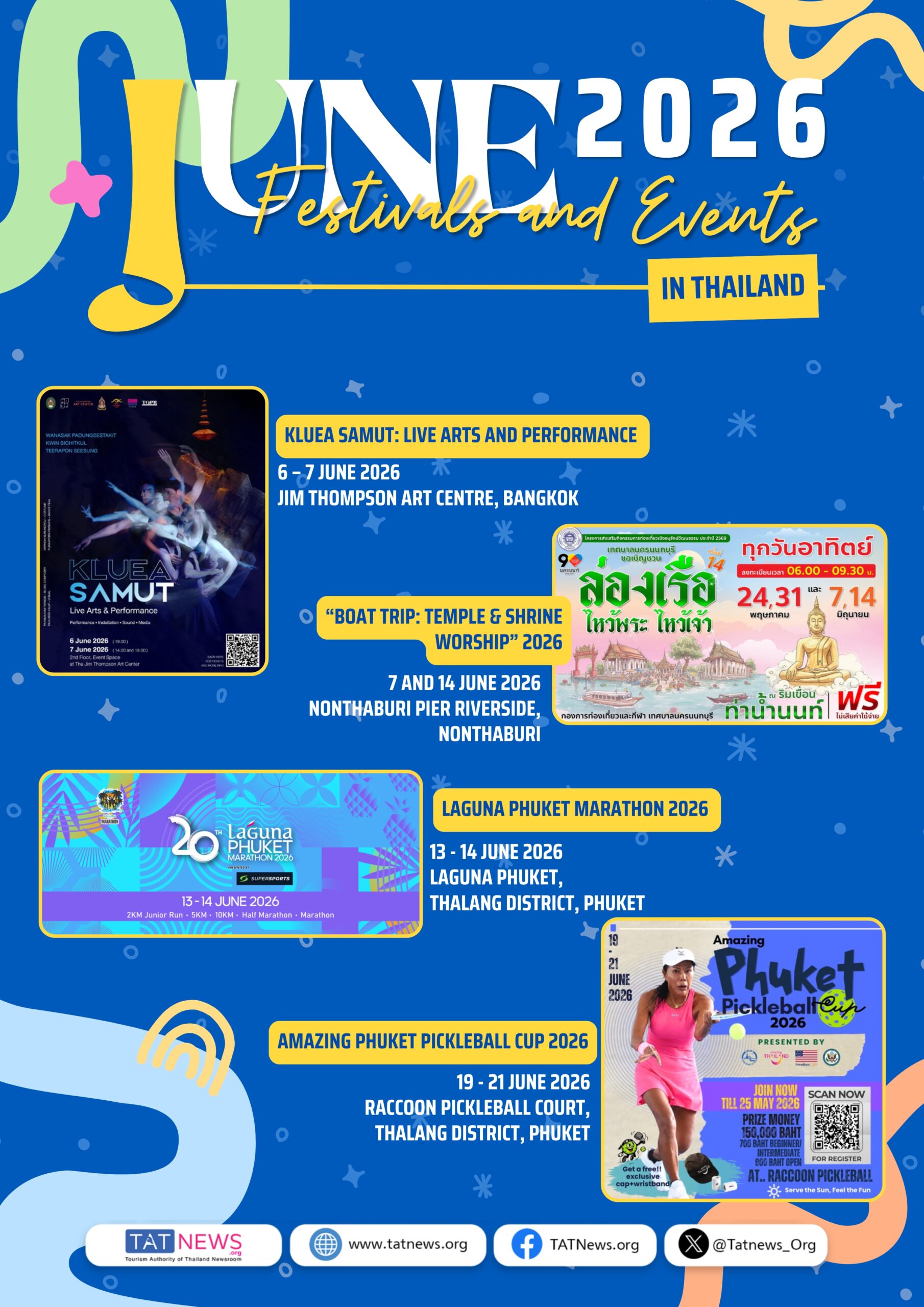
A Bangkok condominium should be judged by more than the unit. Foreign buyers need to understand whether the surrounding city will support ordinary weeks, visiting family, weekends, friends, exercise, culture and social life. TAT’s June 2026 events calendar is a useful reminder that Bangkok liveability is shaped by recurring public programming as much as by private facilities inside a building.
TAT’s June 2026 calendar shows how regular programming adds depth to Bangkok life.
The June calendar includes Bangkok Bicycle Film Festival 2026 at ChangChui Creative Park on 27 and 28 June, described by TAT as an international bicycle-themed film and lifestyle festival bringing together cycling enthusiasts, filmmakers and creative communities. The wider calendar also points to live arts and city activities. For property buyers, this kind of programming shows how Bangkok’s lifestyle offer spreads across districts rather than sitting only in malls and hotels.
Events reveal how a district is used
A viewing trip often happens in a compressed schedule: three towers in the morning, lunch near BTS, two more buildings in the afternoon, then a quick price comparison. That process can miss the rhythm of the neighbourhood. Events help reveal how people actually use the city. They show whether an area attracts families, young professionals, creative communities, visitors, food vendors, cyclists, artists or weekend crowds.
For foreign buyers, this matters because liveability influences both personal enjoyment and rental demand. A tenant may choose a slightly smaller unit if the district gives better restaurants, parks, events and transport. An owner-occupier may accept a longer commute if the local lifestyle feels richer. The best purchase decision connects the unit with the life around it.
Arts and creative events help residents experience Bangkok beyond work, shopping and commuting.
Creative venues widen the Bangkok map
ChangChui Creative Park is not a conventional CBD address, but its inclusion in TAT’s event calendar highlights a useful point: Bangkok lifestyle is not limited to Sukhumvit, Sathorn or the riverside. Creative venues, old-town districts, galleries, food markets, performance spaces and independent events can make the city feel more varied for residents. This variety helps Bangkok compete with other regional cities for long-stay appeal.
A foreign buyer does not need to buy next to every event venue. The practical question is whether the target condo gives easy access to the parts of the city the buyer will actually use. BTS, MRT, expressways, river links and ride-hailing practicality all affect whether a lifestyle amenity feels close or inconvenient. Map distance is less useful than real travel time and comfort.
How to test liveability during a viewing trip
Visit the building at different times of day, including evening and weekend conditions.
Walk to the nearest transport, supermarket, cafe, park or cultural venue instead of relying only on maps.
Check whether friends, guests or older relatives could reach the building comfortably.
Balance private facilities with public amenities that residents can use without booking.
Ask what events, schools, hospitals, malls and work districts tenants in that building usually use.
This process often separates a good-looking unit from a good ownership decision. A building may have an impressive pool but weak street life. Another may have simpler common areas but better access to daily conveniences and events. Foreign buyers should decide which trade-offs match their use case, not simply copy another investor’s preference.
Community events at venues such as ChangChui Creative Park can widen the lifestyle map for residents.
Why this supports property confidence
Bangkok’s strongest property case is not only legal access to foreign freehold condominiums. It is the fact that the city is liveable, connected, culturally active and constantly renewing. Events calendars demonstrate that renewal. They give residents reasons to leave the building, invite friends, explore new areas and remain engaged with the city over multiple years.
For landlords, this lifestyle depth can support tenant retention when paired with practical building quality. For owner-occupiers, it can make Bangkok feel less like a remote investment and more like a second home. The property decision becomes stronger when both the numbers and the lifestyle case are credible.
Buyer takeaway
June 2026 events are not a reason to buy a condominium by themselves, but they are useful evidence of Bangkok’s city life. Foreign buyers should use event calendars, park visits, food districts, transit routes and cultural venues as part of neighbourhood due diligence. The right Bangkok condo should work inside the front door and outside it.
IBP can help buyers compare Bangkok neighbourhoods by lifestyle fit, transport and investment logic. Browse our Bangkok lifestyle guides or contact IBP Real Estate for a neighbourhood-led shortlist.
Foreign buyers often inspect Bangkok condominiums by looking upward: tower height, view, lobby, pool deck, ceiling, brand and price per square metre. Liveability also needs a ground-level test. Where can residents walk? Where do families go at weekends? Where does the city host culture, exercise, festivals and public life? Benchakitti Park is one answer, and its role as the setting for the Maha Songkran World Water Festival 2026 shows why public space matters to condo decisions.
Benchakitti Park has become an important setting for large public events in central Bangkok.
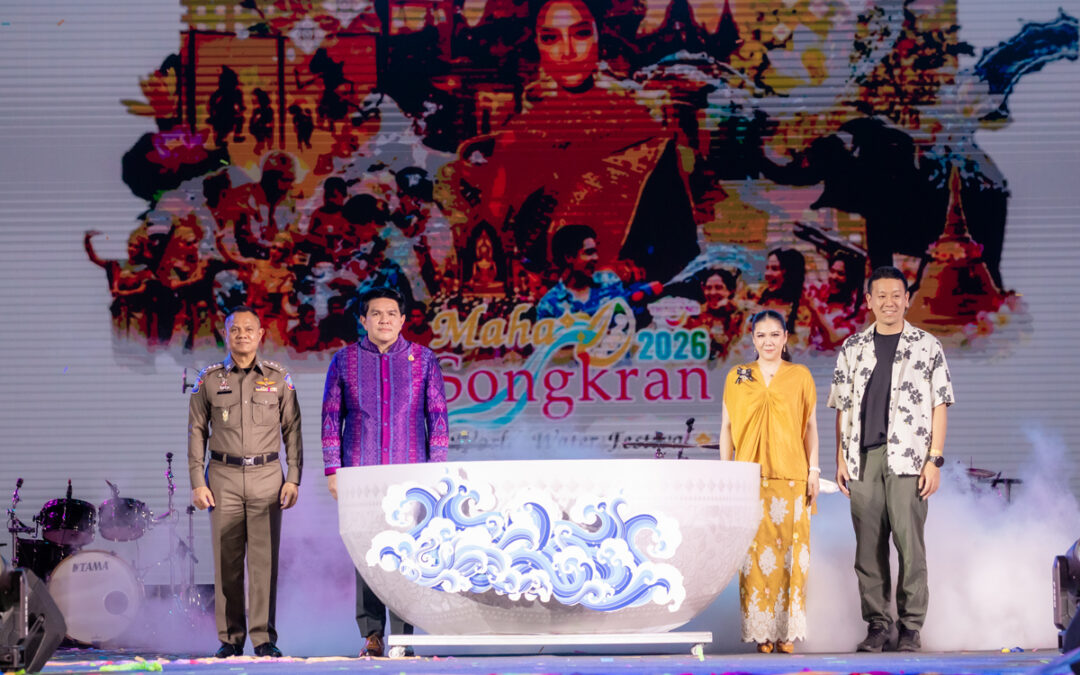
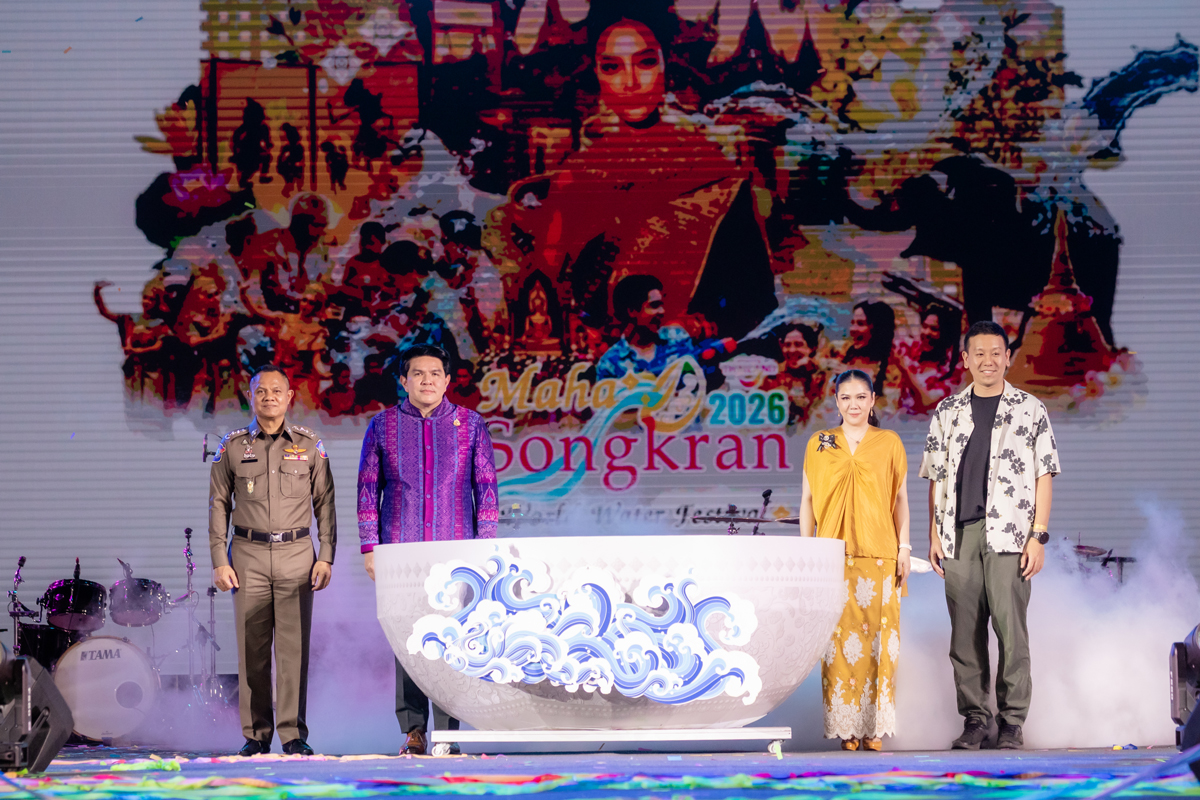
TAT officially opened the Maha Songkran World Water Festival 2026 at Benchakitti Park on 12 April 2026, presenting cultural activities, performances and public celebration in the heart of Bangkok. For property buyers, the event is not only a seasonal festival. It is a reminder that Bangkok’s central districts are becoming more usable when parks, transport, retail, hotels and residential buildings connect into a fuller urban routine.
Why parks influence property choices
A good park changes how a district feels. It gives residents somewhere to walk before work, run after dinner, meet friends, take children outside and reset during long stays. In a dense city, this can be just as important as a bigger balcony or a more elaborate common area. For foreign buyers who plan to use a Bangkok condo regularly, public green space can make the difference between a unit that feels convenient and a unit that feels like a home base.
Benchakitti is especially relevant because it sits near Asok, Queen Sirikit National Convention Centre, Sukhumvit, Rama IV and the wider Khlong Toei area. That location gives it a broad catchment. Residents from different condo districts can reach it for exercise, events, exhibitions and weekend routines. It also supports the appeal of nearby buildings that may otherwise be judged only by traffic or office density.
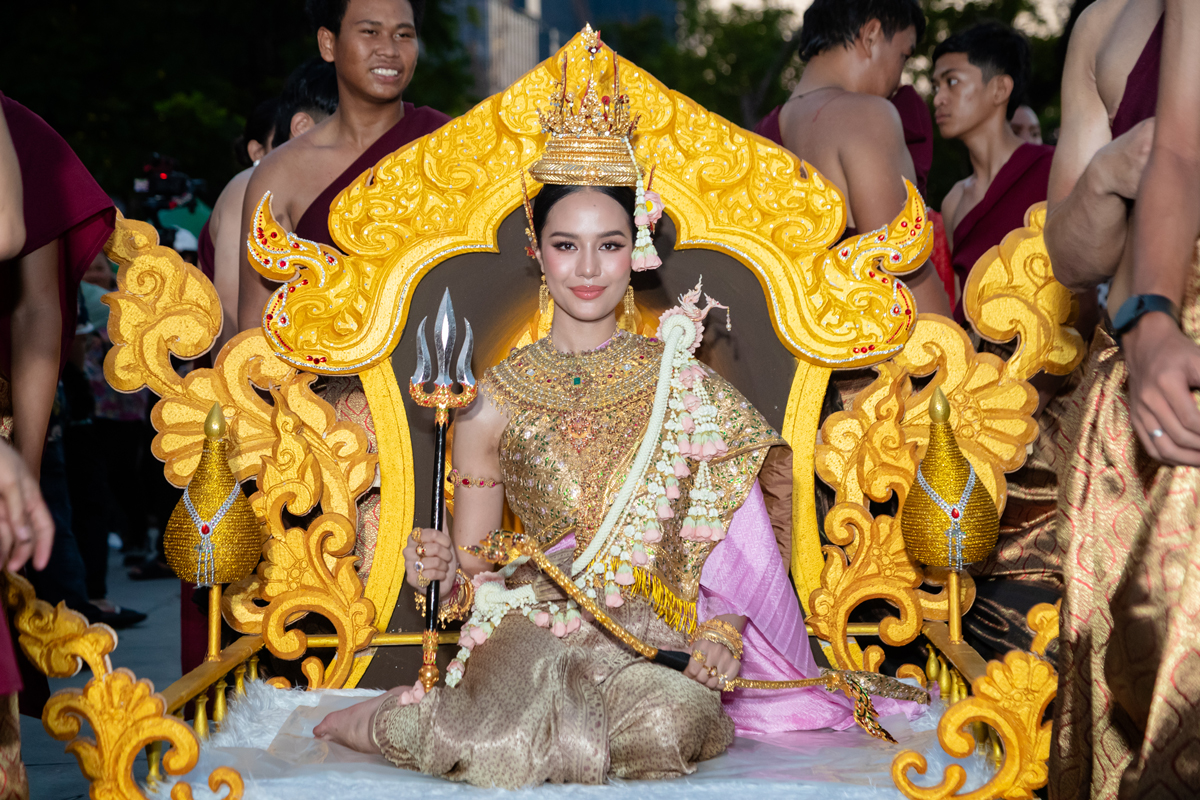
Cultural programming helps residents experience Bangkok as more than a work-and-commute city.
Events make the city easier to belong to
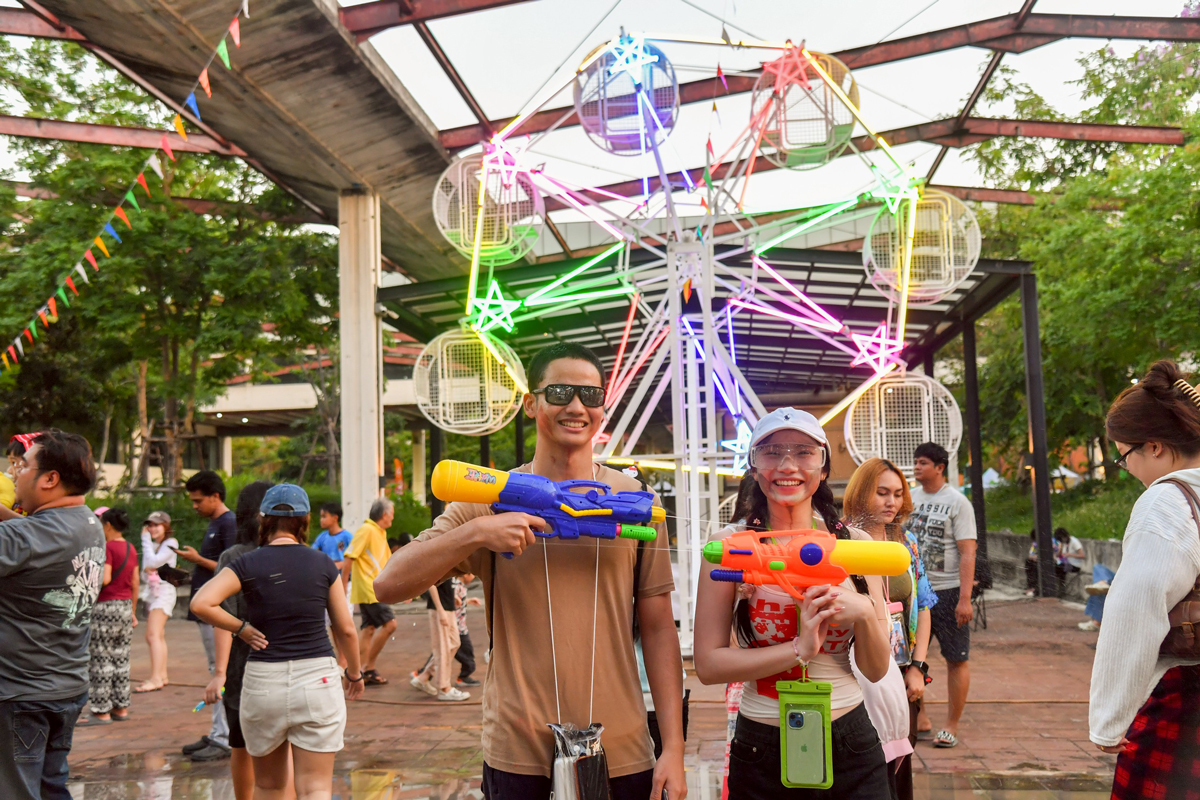
Expat liveability is not only about hospitals, schools and supermarkets, although those remain essential. A city becomes easier to belong to when residents can join public festivals, watch performances, use parks and understand local traditions without needing a private club or hotel setting. Songkran is a strong example because it combines family activity, culture, tourism and neighbourhood participation.
For foreign buyers, this matters emotionally and practically. A family comparing Bangkok with Singapore, Kuala Lumpur, Hong Kong or Dubai may ask whether the city offers enough open-air life and cultural access. A retiree or long-stay owner may care about morning walks and quiet daytime routines. A younger buyer may want events, dining and transport nearby. Public spaces help Bangkok answer those questions.
How to use this in a viewing trip
Visit target buildings during both weekday and weekend conditions.
Walk from the condo to the nearest park, BTS, MRT, mall and supermarket rather than judging by map distance.
Check whether the area feels comfortable in the morning, evening and after rain.
Ask how easily guests, children or older relatives could use the neighbourhood.
Balance private amenities with public space that can be used without booking or fees.
This type of test can change a shortlist. A building with a slightly smaller pool may be more liveable if it sits near a major park and convenient transport. A larger unit may feel less attractive if every daily errand requires a car. Bangkok buyers should treat the surrounding district as part of the purchase, not as decoration around the unit.
Public festivals add a social layer to central districts near parks, transport and residential towers.
Where Benchakitti fits for buyers
Benchakitti strengthens the lifestyle case for nearby areas such as Asok, Phrom Phong, Rama IV and parts of Khlong Toei, but buyers should avoid simplistic park-premium assumptions. Not every building near a park has strong management, good layouts or sensible pricing. The park is an advantage when the rest of the ownership case is sound. It cannot fix weak construction, poor access, high fees or unrealistic resale expectations.
The better view is that Benchakitti adds depth to central Bangkok. It gives residents another reason to stay in the city at weekends, host visiting family and build routines outside malls and offices. That depth supports Bangkok’s wider appeal as a place to live, not simply a place to invest.
Buyer takeaway
Bangkok’s liveability is built from many small decisions: transport, parks, healthcare, schools, food, culture, safety, building management and neighbourhood rhythm. Benchakitti Park events show how public space can make a dense central district more human. For foreign buyers, that should be part of due diligence.
IBP can help buyers compare lifestyle fit across Sukhumvit, Rama IV, Sathorn, Lumphini and riverside districts. Browse our Bangkok lifestyle guides or contact IBP Real Estate for a neighbourhood-led shortlist.
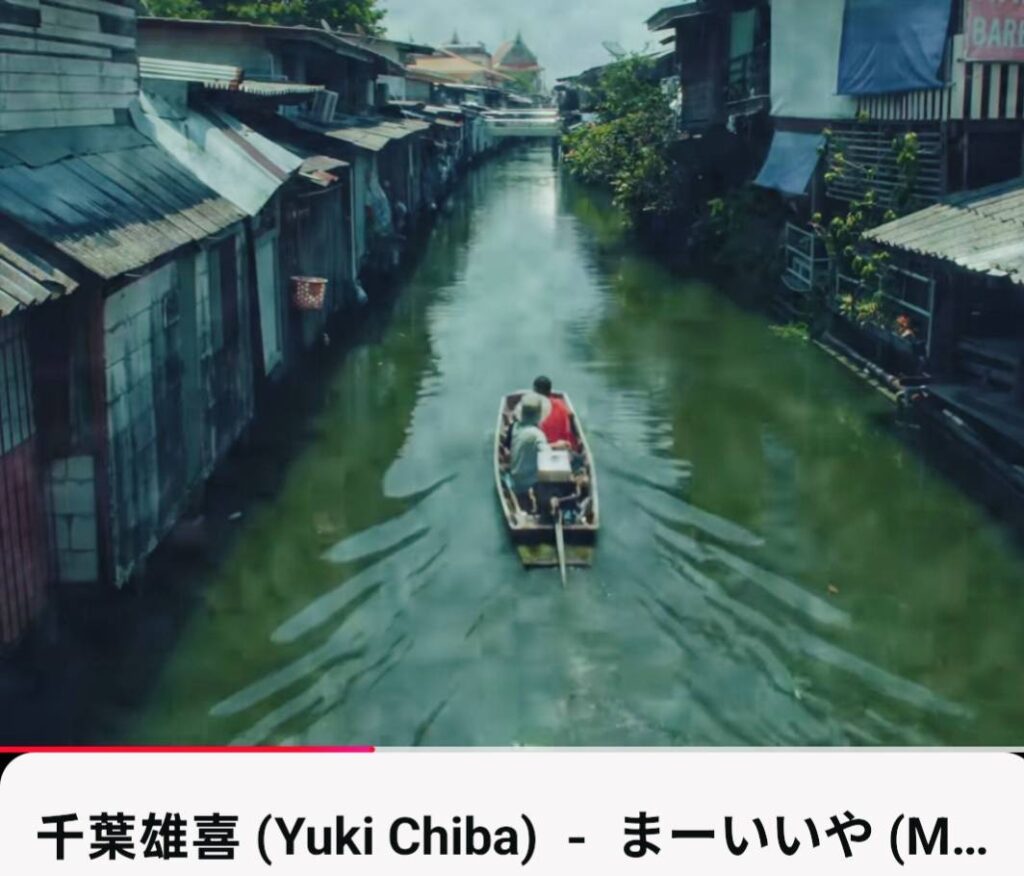
Bangkok’s liveability is often described through malls, hospitals, schools and airport access. Those things matter, especially for foreign condo buyers. But the city’s softer appeal is just as important: markets, temples, canal communities, music, street life, casual dining and the feeling that daily routines can stay interesting. TAT’s May 2026 collaboration with Warner Music Japan around Yuki Chiba’s “Mahiiya” is a useful reminder of that cultural layer.
TAT’s Mahiiya collaboration presents Bangkok through contemporary culture and local settings.
The Tourism Authority of Thailand said the music-led campaign showcases Bangkok’s everyday charm and connects Thailand’s “Mai Pen Rai” spirit with younger global audiences. The video was filmed at locations including Sai Tai Mai Market, the century-old Khlong Ratchamontri community in Bang Khae and Wat Ratcha Orasaram Ratchaworawihan. For property buyers, the point is not the song itself. It is that Bangkok can still surprise visitors outside the most familiar high-rise districts.
Why culture matters to condo decisions
Foreign buyers often begin with practical filters: budget, foreign quota, BTS distance, rental yield, hospital access and school commute. Those filters are necessary, but they do not fully explain why people choose one city over another. A second home or long-stay base has to feel livable. It must offer routines, weekends, food, culture and neighbourhood discovery that make repeated visits worthwhile.
This is especially true for buyers who will not occupy the unit full time. A city that remains interesting over repeated visits gives the owner more reasons to return, host family and maintain the property well. It can also make the unit easier to explain to future renters or buyers who are comparing Bangkok with other regional lifestyle cities.
Bangkok is strong because it can offer both premium convenience and local texture. A buyer can live near a polished retail district and still explore old communities, river routes, markets, temples and creative streets within the same city. That balance helps Bangkok compete with cities that may be more orderly but less layered.
Local markets and neighbourhoods give Bangkok daily texture beyond the central condo corridors.
The neighbourhood lesson
The Mahiiya campaign highlights places outside the usual property brochure map. That is useful because buyers should not assume Bangkok life happens only between Siam, Asok and Thonglor. Bang Khae, Thonburi, old canal communities and west-side markets may not be the first choice for every foreign condo purchase, but they help explain the city’s depth. They give residents weekend routes, food discoveries and cultural context that make Bangkok more than a collection of towers.
This matters even when the buyer purchases in a prime district. A condo in Chit Lom, Sathorn, Phrom Phong or Rama IV becomes more attractive when the city around it is easy to explore. Good transport, ride-hailing, river boats, MRT extensions and airport links allow residents to use Bangkok widely. Liveability is not only what sits under the building. It is how much of the city becomes accessible from the building.
What expat buyers should test on a visit
Spend one day outside the target condo district to test whether Bangkok feels engaging beyond the commute.
Visit a market, park, temple or old community area during normal daytime conditions.
Check how easy it is to return home by BTS, MRT, taxi or ride-hailing at different times.
Balance premium convenience with the city experiences that make long stays enjoyable.
Ask whether guests and family members would enjoy the city as much as the unit.
This type of lifestyle due diligence is practical. If a buyer only inspects show units, hotel lobbies and sales galleries, they may miss the city’s real rhythm. If they explore too widely without checking daily convenience, they may choose a charming area that is difficult to live in. The best Bangkok purchase usually combines reliable everyday infrastructure with access to the city’s cultural range.
Heritage sites, canals and community streets help explain why Bangkok remains emotionally sticky for repeat visitors.
Buyer takeaway
Bangkok’s pop-culture visibility is not a reason to overpay for property. It is a reminder that the city has a strong lifestyle story beneath the investment numbers. Younger travellers, regional visitors and long-stay residents are often drawn by atmosphere as much as by price. That atmosphere supports the broader case for Bangkok as a livable, globally connected property market.
Foreign buyers should still prioritise legal ownership, quota, building quality, management and resale depth. Once those basics are sound, lifestyle fit becomes the difference between a unit that is merely owned and a home base that is actively used. For more area context, browse IBP’s Bangkok lifestyle guides or contact IBP Real Estate for a neighbourhood-led shortlist.