Contractors are part of ordinary Bangkok condo ownership. An air-conditioner may need servicing, a leak may require investigation, furniture may need installation or a unit may need repair between tenancies. For overseas owners, the main risk is often not the work itself but uncontrolled access, unclear authority and a weak record of what happened.
Written scope, worker details and building approvals should be organised before access is granted.
A good contractor-access process protects the private unit, common areas, neighbours and the owner. It begins before anyone arrives at the lobby and ends only when keys, cards, deposits, waste and completion evidence have been accounted for.
Confirm the building procedure first
Ask the condominium juristic office for its current written requirements. Buildings may control worker registration, identification, work hours, noisy activity, lift protection, parking, deliveries, deposits, waste removal and advance notice in different ways. Do not rely on rules remembered from a previous project.
Clarify whether the owner must sign the application, whether an authorised representative can do so and how long approval normally takes. Emergency repairs may follow a separate process, but the juristic office should still know who is entering and why.
Define the scope in writing
A quotation should identify the unit, work areas, materials, labour, exclusions, dates, payment stages and the person responsible on site. Photographs or marked plans can reduce ambiguity. If the job may affect plumbing, electrical systems, waterproofing, structure, facade elements or common services, obtain appropriate technical and legal advice before approval.
Owners should not allow a vague instruction such as “fix the bathroom” to become open-ended access. Break the job into inspection, diagnosis, priced recommendation, approval and completion. This gives an overseas owner decision points without forcing them to supervise every movement remotely.
Check identity, responsibility and insurance
Keep the contractor’s business details, lead contact, worker list and emergency number. Ask what insurance or professional credentials the building and the nature of the work require, then verify documents rather than accepting a verbal assurance. Regulated work should be handled by appropriately qualified people.
Record who is responsible for damage to lifts, corridors, neighbouring units and the owner’s property. A building deposit does not necessarily cover every loss, and paying a deposit does not remove the contractor’s responsibilities.
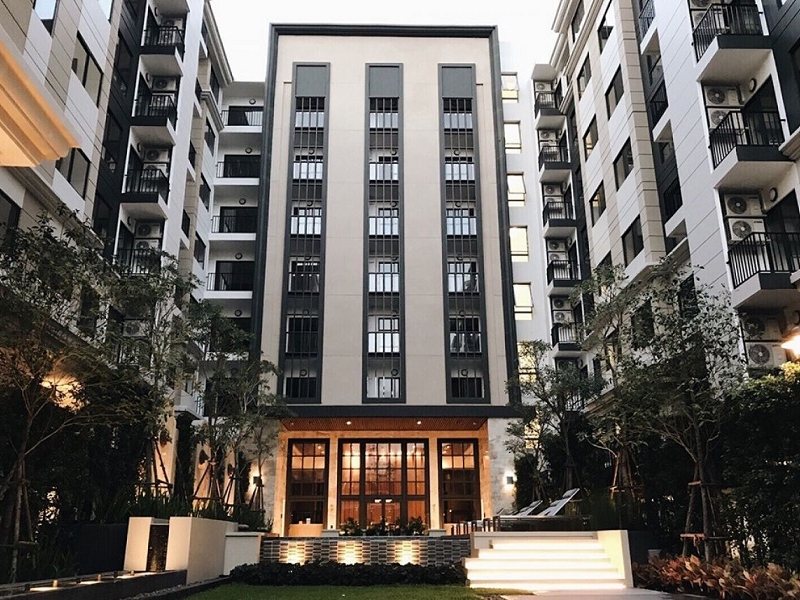
Every condominium controls deliveries, lifts, noisy work and common areas through its own procedures.
Control keys and access cards
Use the narrowest practical access. If the building offers temporary contractor cards, prefer them to handing over a resident’s full access set. Record card numbers, keys, parking passes and the date and person receiving each item. Avoid labelling a key with a complete address where a lost set could identify the unit.
For occupied rentals, access must be coordinated with the tenant and the lease. Give reasonable notice, agree the time window and explain who will attend. An owner or contractor should not assume that a repair request creates unrestricted entry rights.
Appoint a local representative carefully
An overseas owner may use a property manager, trusted representative or professional inspector. Their authority should be written and limited. State whether they can admit workers, approve variations, release payments, collect keys, sign building forms or accept completion.
Set a financial threshold for minor decisions and require approval above it. Ask for dated photographs, short progress notes and immediate reporting of any unexpected condition. The representative should not be placed in a position where speed depends on making unlimited commitments for the owner.
Protect common areas and neighbours
Confirm the permitted route from loading area to unit, service-lift arrangements, floor and wall protection and rules for tools, dust and odour. Materials should not block corridors, fire exits or shared facilities. Waste should leave through the approved route rather than being placed in residential rubbish rooms without permission.
Noise and vibration can travel further than expected in a high-rise. Keep disruptive work within approved hours and ensure the contractor has a contact who can respond if the juristic office or a neighbour reports a problem.
Keep the unit secure during work
Before access, remove or secure passports, title documents, banking records, jewellery, spare cards, medicines and tenant information. Photograph the relevant rooms and valuable fixtures. Decide whether workers may enter bedrooms, storage cupboards or balconies that are outside the agreed scope.
Internet routers, smart-home devices and camera systems also need attention. Do not share permanent passwords when a temporary code or supervised access will do. Any monitoring must respect privacy, building rules and applicable law, especially when a tenant occupies the unit.
A recorded inspection and controlled handback reduce disputes about damage, keys and unfinished work.
Inspect before final payment
Completion should be checked against the written scope. Test the repaired item where practical, inspect finishes, photograph the result and note any remaining work. For technical jobs, use a suitable independent professional where the risk justifies it.
Collect invoices, warranties, model numbers, manuals and maintenance instructions. Confirm that waste has been removed, common areas are undamaged and building deposits can be released under the juristic procedure. Retrieve every key and card, or change access where control is uncertain.
Create an access record
Juristic approval and current building rules.
Written scope, quotation and approved variations.
Contractor identity, worker list and contact details.
Insurance or qualifications required for the work.
Keys, cards, passes and who holds each item.
Before, progress and completion photographs.
Invoices, warranties and maintenance information.
Final inspection, handback and deposit status.
Owner takeaway
Bangkok condo contractor access should be a controlled ownership process, not an informal favour at the lobby. Clear scope, building approval, narrow access, local supervision and a complete handback record make repairs easier to manage from abroad and reduce avoidable disputes.
Insurance is easy to overlook when buying a Bangkok condominium. The transfer, foreign quota, funds remittance and rental plan usually receive more attention. Yet insurance can determine how quickly an owner recovers after water damage, fire, tenant damage, injury claims or a dispute over responsibility between the unit owner and the juristic person.
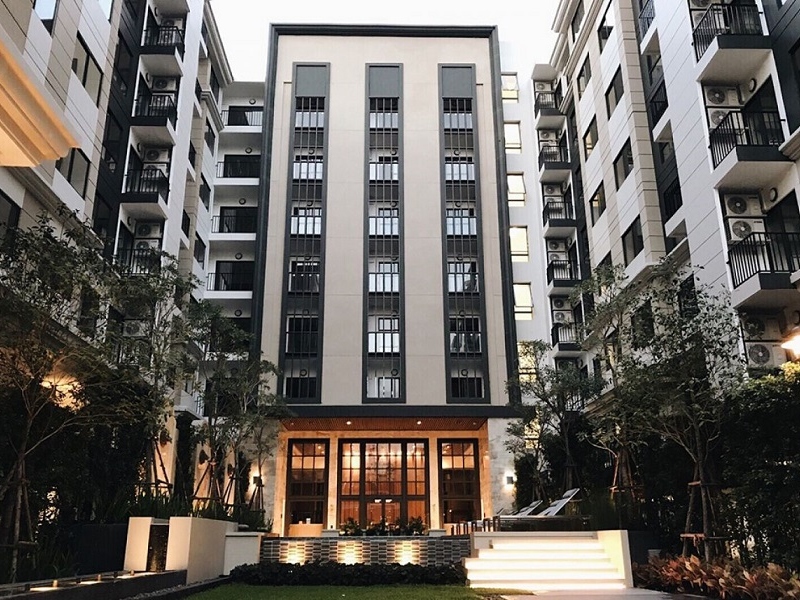
Shared facilities and landscaped areas make insurance questions more practical than they first appear.
Foreign owners should not assume that the building policy protects everything inside their apartment. A condominium commonly has insurance arranged at building level, but that may not cover the owner’s contents, improvements, loss of rent, personal liability or tenant-related issues. The safest approach is to understand each layer before completion, then keep the documents accessible after handover.
This guide is a practical checklist rather than legal or insurance advice. Policy wording, exclusions and claims handling vary, so foreign buyers should ask their lawyer, broker, property manager and insurer to confirm the position for the specific unit and building.
Separate building cover from owner cover
The first check is whether the condominium juristic person maintains building insurance and what that policy actually covers. A buyer should ask for the insurer name, policy period, sum insured, broad categories of cover, deductible or excess, and the process for claims that affect individual units.
Building-level cover may focus on the structure and common property. It does not automatically mean the owner’s furniture, appliances, fitted wardrobes, loose items, artwork, personal belongings or landlord fixtures are protected. If the unit has been renovated, the owner should ask whether improvements are treated as part of the insured building or as the owner’s separate responsibility.
This distinction matters because water leakage, electrical faults and fire damage can cross boundaries. A burst pipe may affect the owner’s unit, the unit below and common areas. Without clear cover and a clear claims process, the owner may face delay while the building, neighbours and insurers decide responsibility.
Check contents, fixtures and fit-out value
Many foreign owners furnish a Bangkok condo for rental or for part-time personal use. The replacement cost of furniture, curtains, appliances, mattresses, televisions, kitchenware and work-from-home equipment can be higher than expected. A contents policy should be based on realistic replacement value, not a rough guess made at purchase.
Owners should photograph the unit after furnishing, keep invoices where possible and list higher-value items. This is useful for insurance and for property management. If a claim arises while the owner is overseas, clear records make it easier for the manager to deal with the insurer and contractors.
Also check whether the policy treats fitted furniture differently from loose contents. Built-in wardrobes, kitchen cabinets and bathroom upgrades may sit in a grey area unless the policy wording is clear.
Foreign owners should separate building-level cover from their own unit, contents and liability needs.
Include public liability and tenant risk
Public liability cover is important for owners who rent out their unit. A guest, tenant, contractor or neighbour may suffer loss or injury connected with the unit. Even where the owner is not at fault, the practical cost of responding to a claim can be significant.
Ask whether the policy covers liability arising from tenant use, short visits by family and friends, contractors entering for repairs, and damage spreading to neighbouring units. If the owner plans to use a rental agent, the lease and management agreement should be consistent with the insurance position.
Landlords should also ask whether malicious damage by tenants, accidental tenant damage, loss of rent after an insured event and legal expenses are available or excluded. These items are not always standard, but they can be relevant for an overseas landlord who depends on local rental income to support holding costs.
Look at exclusions before the claim
Insurance problems often arise from exclusions rather than the headline cover. Common areas to review include vacant periods, unoccupied-unit rules, wear and tear, gradual leakage, mould, defective workmanship, illegal use, unapproved renovations and commercial use of a residential unit.
If the owner will be outside Thailand for long periods, unoccupied-unit conditions deserve careful attention. Some policies require inspections, water shut-off, security measures or prompt notice if the unit is vacant beyond a certain period. A property manager can help, but the owner should know the rule before a claim occurs.
Renovation is another important issue. If contractors work in the unit, ask what insurance they carry, whether the building requires deposits or permits, and whether the owner’s policy remains valid during the works. Do not rely only on verbal assurances.
Coordinate insurance with building rules
The condominium juristic office may have rules on contractors, water systems, air-conditioning drainage, balcony use, pets, smoking, short-term stays and deliveries. These rules can affect risk and claims. An owner who ignores building rules may weaken their practical position if damage occurs.
For example, an unauthorised alteration to plumbing or electrical systems can create difficulties if it contributes to a loss. A rental arrangement that conflicts with building rules may also complicate responsibility between owner, tenant, agent and juristic person.
Foreign buyers should review building rules as part of due diligence, not after a tenant has moved in. If the unit is intended for rental, the lease should require the tenant to follow building rules and notify problems promptly.
Insurance review should include how guests, tenants and contractors use shared and private spaces.
Keep claims readiness simple
The best insurance plan is easy to activate. Keep copies of policies, receipts, photos, juristic contacts, property manager details, emergency repair contacts and lease documents in one shared folder. Give the property manager authority to take urgent protective steps, such as stopping water leakage or arranging emergency access, while preserving evidence for the claim.
Owners should also decide who will communicate with the insurer. If the owner is abroad, the manager may need a power of attorney or written authorisation. It is better to prepare this before a problem than during a late-night emergency.
Questions to ask before completion
Before transfer, ask the seller, juristic office and your adviser these questions: What building insurance is in place? What is excluded? Are recent claims or recurring defects known? Does the unit have any renovations that need approval? What contents and liability cover should the owner buy separately? What documents will a property manager need to handle an urgent claim?
The answers will not make every risk disappear, but they will give the foreign owner a cleaner operating plan. That is the point of good due diligence: not perfection, but fewer surprises.
A Bangkok condo purchase is not finished when the transfer is registered. For foreign owners, the first few weeks after handover should be used to make the unit practical: electricity, water, internet, access cards, appliance warranties, juristic office records and payment routines need to work before the owner, tenant or guest arrives.
Utilities setup is rarely difficult, but it can become slow when documents are scattered or the owner is overseas. The safest approach is to build a handover file that connects the title transfer, juristic office requirements, meter readings, bank payments and tenant-ready condition in one place.
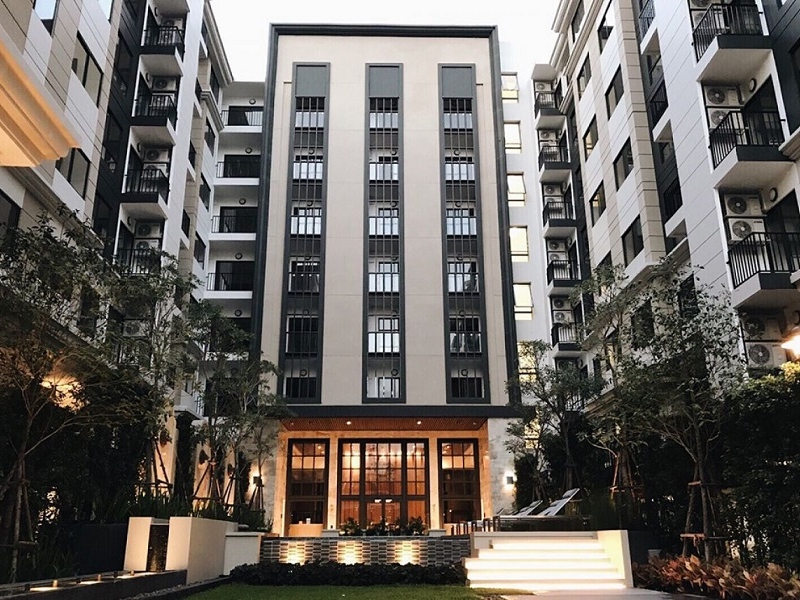
The juristic office is usually the practical starting point after transfer.
Start with the juristic office
In most condominiums, the juristic office is the practical gateway for move-in. It can confirm the registered owner, common-area rules, access cards, parking stickers, renovation procedures, parcel handling, move-in deposits, lift protection and the normal process for tenant registration. Foreign buyers should visit or appoint a trusted representative immediately after transfer.
Ask for the current common-fee account, sinking-fund record, insurance details for the building, emergency contact numbers and the process for reporting water leakage, air-conditioning drainage or electrical issues. The answers vary by building. A premium tower may have a formal resident app and concierge system; an older building may rely on paper forms and direct contact with management.
Owners should also decide who is authorised to speak with management. If an agent, lawyer, family member or property manager will collect keys, book technicians or receive invoices, give the juristic office clear written instructions. Ambiguous authority can delay repairs and make overseas ownership more difficult than it needs to be.
The key is not to assume. A unit that looks complete can still be missing access cards, mailbox keys, internet permission, parking documentation or a clear payment reference. These small gaps matter if the owner plans to lease quickly.
Electricity and water checks
At handover, record the electricity and water meter readings with dated photographs. Check whether bills are paid directly to the utility provider, through the juristic office or through a building payment portal. Some owners prefer to keep bills under the owner name and recover them through the lease; others require the tenant to pay directly where the building process allows it.
Before a tenant moves in, test the distribution board, lighting circuits, water pressure, water heaters, air-conditioning units, extractor fans and any smart-home controls. A new-looking appliance is not enough. Owners should keep warranty cards, manuals and installer contacts in a shared file so repairs do not become a negotiation during the tenancy.
If the unit will be vacant for a period, ask the juristic office how often the room should be aired, whether water valves should be closed and how access can be arranged for emergency checks. Bangkok humidity makes prevention more useful than delayed repair.
Meter readings, appliances and internet readiness should be checked before occupancy.
Internet, mobile signal and work-from-home readiness
Internet setup is now part of the rental product. Many tenants work remotely or take regional calls from home, so a condo should be tested for fibre availability, router location, mobile signal, desk placement and video-call lighting. The best package is not always the most expensive; it is the one that can be installed cleanly and supported quickly.
Some buildings restrict where technicians can work, require advance booking or have preferred service providers. Check this before advertising the unit as tenant-ready. If the unit has thick walls or a deep layout, consider whether a mesh router or better cable routing is needed.
For owners who visit Bangkok several times a year, a reliable connection also protects personal use. It allows remote monitoring of appliance issues, smoother communication with managers and a better experience when the owner arrives after a long flight.
Payments, records and overseas management
Foreign owners should set up a simple payment routine for common fees, utilities, internet and property management. A Thai bank account can help, but the owner still needs clear reminders, invoice storage and a responsible person who checks whether payments are actually received. Missed common-fee payments can create avoidable friction with the building.
Keep a digital folder with the title deed copy, sale and purchase agreement, transfer receipt, passport copy, juristic contact sheet, meter readings, appliance warranties, insurance documents, photographs, lease template and tax-support records. This folder should be available to the owner and any appointed manager, but sensitive documents should not be casually shared with tenants.
If the unit is rented, the lease should state which utilities are included, how bills are settled, what happens if the tenant leaves unpaid bills, and how final meter readings are taken at check-out. A clear lease prevents small operational issues becoming deposit disputes.
A clean owner file makes overseas payments and tenant handover easier to manage.
Before you advertise the unit
Do a final tenant-readiness walk-through. Confirm keys, cards, internet, hot water, air-conditioning, curtains, appliance manuals, inventory list, emergency contacts and building move-in rules. Then photograph the unit in clean daylight. Strong utility preparation is invisible when it works, but very visible when it fails.
Foreign buyers can combine this checklist with IBP’s wider foreign buyer guides and expat living notes before transfer. The goal is a condo that is not only legally owned, but easy to occupy, lease and manage.
IBP can help buyers review a handover file, compare building management quality and plan a rental-ready setup before completion. That is usually cheaper than solving preventable problems after a tenant has already found them.
The name on a Bangkok condo title deed is not an administrative detail. It is the ownership decision. Foreign buyers should decide it before paying a meaningful deposit, wiring funds to Thailand or signing a sale and purchase agreement. Changing course later can affect remittance evidence, foreign quota, transfer timing, tax advice, inheritance planning and resale.
This guide is practical context, not legal advice. The right answer depends on the buyer’s nationality, marital status, tax residence, family plan, funding source and risk tolerance. The point is to make the ownership-name decision early enough that a Thai lawyer, accountant and agent can align the paperwork before transfer.
The ownership name should be agreed before deposit, remittance and transfer documents start moving.
Why the name matters in Thai condo ownership
Thailand.go.th explains that foreigners may own condominium units under the condominium framework, while foreign ownership in a condominium must not exceed 49% of the total unit area. It also describes the need for a letter from the condominium juristic person confirming the foreign ownership proportion, which is submitted to the Department of Lands for transfer.
That means the buyer’s name is tied to several documents: the reservation, sale agreement, foreign-exchange evidence, juristic-person confirmation, transfer paperwork and final title deed. If those records do not line up, transfer can become slower, more expensive or more complicated than necessary.
Common ownership-name choices
The simplest structure is individual foreign ownership in the buyer’s own name. For many overseas buyers, this is the cleanest route because the name on the funds, contract and title deed is consistent. It is usually easier for resale buyers to understand, and it reduces the risk of confusion about who owns the unit.
Some couples consider joint ownership. This can make sense where both parties are funding the purchase and want their names reflected on the title. It also requires more coordination. Both names need to be handled correctly in contracts, identification documents, remittance evidence and transfer paperwork. If one buyer cannot attend transfer, powers of attorney may need to be prepared with care.
Other buyers ask whether a Thai spouse, family member, friend or company should hold the unit. This is where independent advice becomes essential. A structure that looks convenient may create control, tax, inheritance or nominee-risk problems. If the buyer is paying the money but someone else is named on the title, the buyer must understand that legal ownership may not match their expectation.
The title, foreign quota letter and payment evidence need to align with the buyer’s intended ownership structure.
Remittance evidence should match the plan
Foreign freehold condominium purchases usually require overseas funds to be remitted into Thailand correctly, with documentation that supports transfer registration. The name on the remittance, the stated purpose and the buyer named in the contract should be checked before money is sent. Fixing an incorrect transfer description after the fact can be stressful, especially close to transfer day.
If joint buyers are involved, ask the bank and lawyer how each person’s funds should be sent and documented. If one person funds the purchase but both names will appear on the title, tax and gift questions may arise in Thailand or in the buyer’s home country. Do not assume the Land Office paperwork is the only issue.
Questions to settle before deposit
Whose name, exactly as shown on the passport, will appear on the reservation and sale agreement?
Is the exact unit available for foreign freehold transfer under the building’s foreign quota?
Will the overseas remittance evidence match the buyer name and purchase purpose?
If there are joint buyers, how will funds, signing authority and transfer attendance be handled?
Has each buyer checked home-country tax, matrimonial-property and inheritance consequences?
Would a future resale buyer understand the ownership history without extra explanation?
Passport spelling and document consistency
Small differences can create unnecessary friction. Passport names, middle names, transliteration, nationality, passport number, address and signing style should be consistent across the file. If a buyer renews a passport between reservation and transfer, the lawyer should be told immediately so the document file can be updated.
For buyers from jurisdictions with name-order differences, married names, legal aliases or non-Roman scripts, early checking is useful. The goal is not only to satisfy the Land Office. It is to create a clean future ownership record for insurance, banking, rental management, tax filing and resale.
Ownership-name decisions should sit beside legal review, inspection and resale planning.
Estate planning and resale are part of the choice
Many buyers think only about transfer day. The better approach is to think about the full holding period. If the owner dies, becomes incapacitated, divorces, changes tax residence or wants to sell quickly, the title name matters. A Thai will, home-country estate plan or tax review may be needed depending on the buyer’s situation.
Resale also matters. A clear ownership record helps the next buyer’s lawyer. Complicated name changes, unexplained funding routes or informal family arrangements can slow due diligence. If the investment plan includes a future exit, the ownership file should be built for that exit from day one.
When to ask for specialist advice
Specialist advice is important if the buyer is married, buying with a partner, using a company, receiving family money, buying for children, planning rental income, using a loan, holding multiple nationalities or spending significant time in Thailand. The same unit may have different legal and tax consequences for different buyers.
A buyer should also ask their lawyer to explain what the proposed structure does not solve. For example, putting a unit in a spouse’s name may not answer inheritance planning. Joint ownership may not answer tax residence. A company structure may not be appropriate for a straightforward residential purchase. Clarity is the protection.
Buyer takeaway
The best ownership-name decision is made before deposit, not during transfer week. For most foreign buyers, a clean individual ownership file is easiest to understand, but couples and families may have good reasons to consider alternatives. The key is to match the title name, quota evidence, remittance evidence and long-term plan.
IBP Real Estate can coordinate the commercial file while your independent Thai lawyer and tax adviser review the ownership structure. Continue with our foreign buyer guides and legal and due diligence articles before reserving.
A Bangkok condominium purchase is often planned around transfer day, rental yield and resale value. Foreign owners should also ask a quieter question: what happens to the unit if the owner dies while the condo is still held in Thailand? A Thai will is not glamorous, but for many overseas buyers it is one of the simplest ways to reduce uncertainty for heirs.
This guide is not legal advice. Thai succession, condominium and tax questions should be checked with a qualified Thai lawyer, especially where the owner has assets in more than one country. The practical point is straightforward: a foreign buyer who organises succession documents early gives family members, executors and advisers a much clearer route if the condo ever has to be transferred, rented, held or sold by an estate.
A Thai-specific document plan can reduce delays for heirs and advisers.
Why a Thai will belongs in the ownership file
A foreign owner may already have a will in their home country. That document may still matter, but it may not be the fastest tool for dealing with a Thai condominium. If a foreign will has to be translated, legalised and recognised before Thai authorities and service providers can act, heirs may face delay at precisely the moment when they need access to title records, bank information, tenant communication and building management.
A separate Thai will limited to Thai assets can make the ownership file easier to administer. The will should be drafted by a Thai lawyer, use names and passport details carefully, identify the Thai assets it covers, name an executor who can work locally, and avoid accidentally revoking the owner’s home-country estate plan. For many foreign buyers, the key phrase is limitation: the Thai will should deal with Thai assets, while the home-country will continues to deal with assets elsewhere.
What heirs may need to prove
When a Thai condo owner dies, heirs and advisers will usually need to establish authority before they can sell, transfer or otherwise deal with the unit. That may involve death certificates, translations, passports, family records, probate or court documents, title documents, juristic-person records, bank evidence and tax or fee calculations. The exact route depends on the owner’s nationality, residence, family situation, documents and the status of the condo.
This is why the owner’s records matter. A beautiful unit can become difficult to administer if no one knows which law firm handled the purchase, where the title deed copy is stored, which bank received the foreign-currency remittance, whether the unit is under lease, how the tenant deposit was held or which juristic person manages the building. Good succession planning is partly legal drafting and partly clean record-keeping.
Succession planning should be checked while the purchase file is still organised.
Foreign freehold condos are different from land
Foreign buyers are usually focused on condominium freehold because Thai law gives foreigners a clearer route to registered ownership of qualifying condominium units than to land. That distinction remains important at succession stage. A foreign freehold condo and a land plot held through a spouse, company or leasehold structure do not raise the same questions.
For a Bangkok condominium, the practical due-diligence issue is whether the heir can register the inherited interest cleanly and whether the building’s foreign-ownership position, title records and estate documents support the intended result. For land, leasehold or company structures, the analysis can be materially more complex. Buyers should not assume that a plan suitable for a freehold condominium automatically works for another property type.
Checks to make before completion
A foreign buyer does not need to solve every succession question before making an offer, but several checks can be built into the purchase workflow. Ask the lawyer how the title will be recorded, whether the owner’s passport details are consistent across documents, how the foreign-exchange evidence will be stored, and whether the building can provide foreign-quota and debt-free records clearly. If the owner is buying jointly, ask what happens if one co-owner dies and whether the intended ownership shares are properly reflected.
If the unit will be rented out, the lease file should also be succession-ready. Tenants, agents and property managers need to know who has authority to receive rent, return deposits, approve repairs and issue notices if the owner is incapacitated or deceased. A Thai will is not a substitute for a proper management agreement, but it can sit alongside one as part of a more complete ownership plan.
Documents worth keeping together
A lawyer-reviewed Thai will limited to Thai assets, with executor details kept current.
Title deed copy, sale and purchase agreement, transfer records and tax or fee receipts.
Foreign-exchange transaction form or bank documentation linked to the purchase funds.
Juristic-person contact details, common-fee records and building insurance information.
Tenant agreements, deposit records, property-management agreements and key handover notes.
Home-country adviser details so Thai and overseas estate work can be coordinated.
Legal, financial and practical records should be stored together for future estate administration.
Fees, taxes and family assumptions
Government information on foreign condominium ownership notes that inheritance transfers can involve official transfer fees, with different treatment in some family relationships. Owners should not rely on a casual estimate because appraised value, relationship, tax position and document route can all affect the final cost. For larger estates, cross-border inheritance tax and home-country estate rules should also be checked before the buyer assumes Thailand is the only relevant jurisdiction.
Family assumptions deserve equal care. A spouse, adult child, partner, sibling or business associate may each face different practical steps depending on the will, nationality, documents, relationship evidence and ability to act in Thailand. If the owner has remarried, has children in different countries or owns assets through companies, a professionally drafted plan becomes much more important.
When to update the will
A Thai will should not be treated as a one-time formality. Review it after marriage, divorce, birth of children, passport changes, major asset purchases, refinancing, change of residence, change of executor or sale of the original condo. If the owner buys a second Thai asset, changes the ownership structure or starts using a property manager, the Thai estate file should be reviewed again.
Foreign owners often postpone this topic because it feels remote. The better approach is to handle it while documents are fresh, advisers are easy to contact and the owner can make deliberate choices. Compared with the cost of a Bangkok condo, a properly drafted Thai will and organised ownership file are modest but meaningful safeguards.
Buyer takeaway
A Bangkok condo can be a clean, foreigner-friendly asset when the purchase, remittance, title and building documents are handled properly. A Thai will extends that discipline beyond the acquisition date. It helps the owner’s family understand who can act, where the records are and how the Thai asset should be handled.
Before or shortly after completion, ask IBP Real Estate to coordinate a document checklist with your Thai lawyer, property manager and home-country adviser. The aim is not to make the purchase more complicated; it is to make ownership safer for the people who may one day need to act on your behalf.