
Bangkok Condo Noise Checks For Foreign Buyers
Noise is one of the easiest Bangkok condo risks to miss during a short viewing. A unit can feel calm at 2pm on a weekday and very different at midnight, during school traffic, after rain, when a nearby bar fills, or when renovation work starts in the next stack. Foreign buyers should treat noise as a due diligence item, not a personal preference to think about later.
Noise checks matter for both personal use and investment. Tenants may forgive a smaller kitchen or simpler furniture package, but poor sleep, constant construction or a difficult street environment can lead to shorter leases and weaker resale confidence. The aim is not to find silence in Bangkok. It is to understand whether the unit’s noise profile matches the buyer’s use case and price.
Start Outside The Building
Begin with the street, not the living room. Walk the surrounding roads, sois, footpaths and drop-off points. Listen for motorbikes, buses, rail, expressway traffic, schools, hospitals, loading bays, restaurants, music venues, construction sites and mechanical equipment. A buyer should understand what the building is exposed to before deciding whether the unit itself is acceptable.
The same district can contain very different sound environments. A building close to BTS may have strong convenience but more rail and road activity. A deeper soi may be calmer but less convenient for tenants. A riverside unit may feel open but pick up boat, bridge or event noise. The trade-off should be priced deliberately.
If you are buying remotely, ask for video at more than one time of day. A silent sales video with music removed is not enough. Request a continuous clip from the balcony, bedroom window, corridor and lobby route so you can hear the real environment.
Visit At The Times That Matter
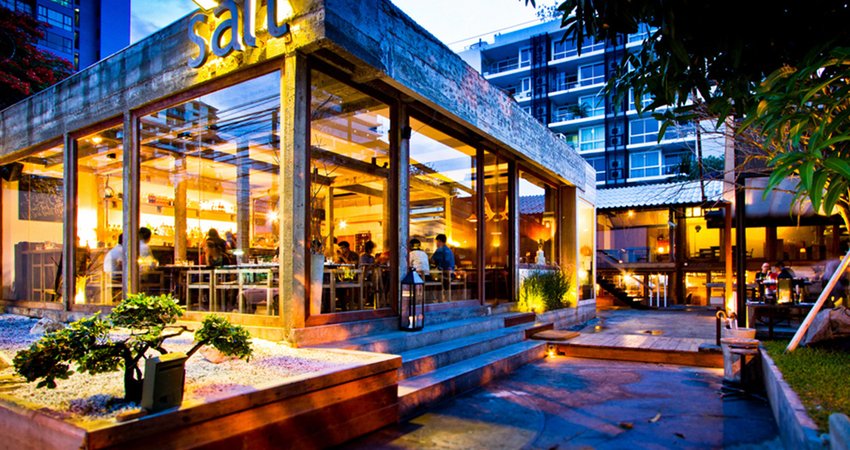
A serious noise check should include evening and weekend context where possible. Morning school traffic, after-work congestion, dinner service, nightlife, delivery activity and weekend events can all change how a unit feels. If the property will be a home office, test daytime noise as well as sleep-time noise.
Rain is another useful test. Bangkok traffic changes in heavy rain, building drop-off areas become busier, and some poorly maintained common areas reveal drainage or mechanical sounds. A rainy viewing is inconvenient, but it can be more informative than a perfect afternoon.
Do not rely only on floor height. Higher floors may reduce some street noise but can carry sound differently, especially near rail, expressways or open corridors. Lower floors may be quieter if they face an internal garden or away from the road. The exact orientation matters.
Check Neighbours, Corridors And Building Rules
Some noise comes from outside the project; some comes from inside it. Check corridor echo, door gaps, lift lobby noise, rubbish rooms, service areas, gyms, pool decks, function rooms and children’s areas. A unit beside a lift lobby or service room may need a discount even if the view is attractive.
Ask the juristic office about renovation hours, contractor registration, short-term letting rules, pet rules, complaints procedure and how noise disputes are handled. Good buildings usually have a clear process. Weak buildings may leave owners to solve neighbour problems informally, which is difficult for overseas owners.
If the seller says the building is quiet, ask how they know. Long-term owner experience is useful, but it should be supported by your own inspection, building rules and a realistic reading of the surroundings.
Separate Irritation From Investment Risk
Not every sound is a deal-breaker. A city buyer may accept traffic hum in exchange for a short walk to BTS, offices and daily services. A tenant who works outside the home may care less about daytime construction than a remote worker. A family may be more sensitive to nighttime noise and school-run logistics. The risk depends on who will use the unit.
Investment risk rises when the noise reduces the future buyer pool. A unit exposed to late-night venues, repeated renovation, rail vibration or constant road noise may need a clearer price discount. If the unit is already priced as though it were quiet and premium, the buyer has little margin.
For rental units, think about renewal. Tenants often discover noise after moving in. If the problem is obvious and recurring, they may leave after one lease even if the first viewing was successful. Vacancy, re-marketing and discounting can remove the benefit of a slightly cheaper purchase.
Questions To Ask Before Paying A Deposit
Ask whether any nearby plots are under development, whether major repairs are planned in the building, whether the unit has had noise complaints, and whether windows or doors have been upgraded. Ask what time deliveries, moving and renovation work are allowed. If the building has a gym, pool, lounge or function room nearby, visit when those areas are in use.
The noise check should sit beside the normal legal and building checks: title, foreign quota, debt-free letter, juristic records, common fees and handover condition. A quiet unit with weak documentation is still risky, and a legally clean unit with unresolved noise exposure may still be hard to live in or rent.
IBP can help foreign buyers organise viewings that test the real unit, route and building environment rather than only the sales presentation. Read more in our foreign buyer guides or contact IBP for a Bangkok inspection brief.