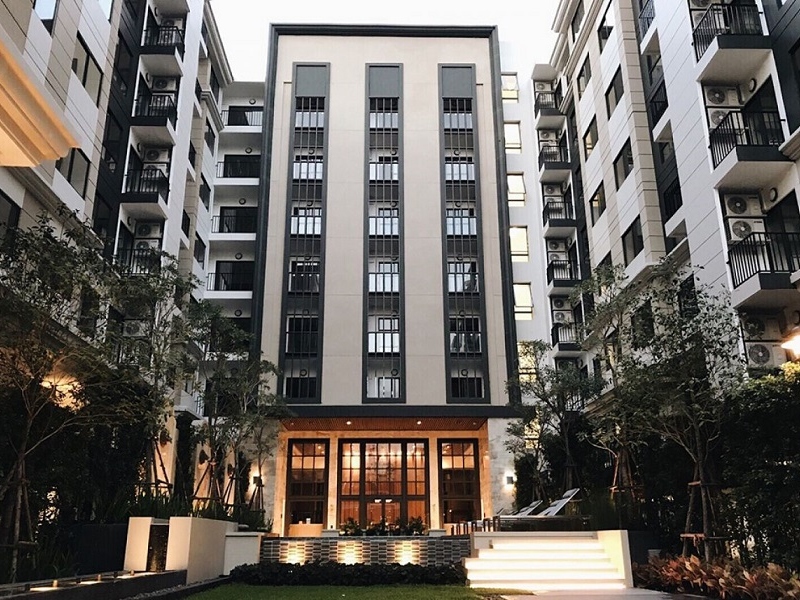
Rental deposits are a small part of the purchase story but a major part of day-to-day ownership for foreign Bangkok condo landlords. A deposit protects the owner only when the lease, handover record, payment trail and move-out process are clear. If those details are weak, the deposit can become a dispute instead of a safeguard.
The rental deposit process should be documented before keys, access cards and inventory are handed over.
Foreign landlords should treat deposit handling as part of professional property management. The aim is not to be difficult with tenants. The aim is to make expectations clear before the tenant moves in, so both sides understand what the deposit covers, how the unit will be inspected and when any balance should be returned.
Start with the lease language
The lease should state the deposit amount, what it secures, where it is recorded, when it may be deducted and how the move-out inspection will be handled. It should also separate the deposit from advance rent, utilities, internet, keycard charges, cleaning fees and any building-related costs. Confusion usually begins when money is collected without a clear label.
Foreign landlords should have the lease reviewed by a qualified adviser or experienced property manager, especially if they are using a bilingual contract. Do not rely on a verbal explanation of deposit rules. Written language matters when a tenant, agent, landlord and building staff all remember events differently months later.
Building rules, access cards and common-area obligations should align with the lease deposit language.
Connect the deposit to the building rules
Condo deposits are not only about the private room. Access cards, parking stickers, mailbox keys, pool cards, lift cards, remote controls and common-area rules can all affect the final settlement. If a tenant loses cards, damages common areas during move-in or breaks building rules, the owner may need a documented way to recover costs where the lease allows it.
Ask the juristic office about replacement-card fees, move-in deposits, renovation or delivery damage rules, waste removal and utility billing. Then make sure the tenant receives those rules in a practical format. A tenant cannot follow rules they never saw, and an overseas landlord cannot manage a dispute easily without documents.
Prepare an inventory before handover
The inventory should be created before the tenant receives keys. It should list furniture, appliances, curtains, mattresses, kitchen items, remote controls, keys, cards and notable condition issues. Photographs should show floors, walls, ceilings, bathrooms, kitchen surfaces, balcony areas, air-conditioners and existing marks or wear.
A strong inventory protects both parties. The tenant is not blamed for pre-existing defects, and the landlord has evidence if new damage appears. Date the photos, store them with the lease and send a copy or summary to the tenant at the start of the tenancy.
A dated inspection record reduces avoidable disputes when the tenant eventually moves out.
Separate damage from normal wear
Deposit disputes often come from unclear expectations about normal wear. A landlord should not expect a used rental unit to return in showroom condition after ordinary living. At the same time, missing items, broken appliances, heavy stains, unauthorised alterations or unpaid bills may need to be addressed according to the lease.
The best approach is to explain expectations at move-in. Tell the tenant how to report repairs, whether wall mounting is allowed, how air-conditioning cleaning is handled, what cleaning standard is expected at move-out and how utility bills will be reconciled. Clear rules reduce arguments later.
Keep the payment trail clean
Foreign landlords should keep bank records, receipts and messages showing when the deposit was received. If a property manager holds funds, the management agreement should explain that role. If the landlord receives funds overseas, ask a tax adviser how rental income, deposits and expenses should be recorded.
Do not mix personal messages, verbal promises and undocumented cash. A clean record helps if the tenant renews, leaves early, requests deductions or questions the final amount. It also helps the owner maintain a professional file for tax and management purposes.
Move-out process
Before the tenant leaves, agree a date for inspection, key return and final utility review. Compare the unit with the original inventory. Photograph any issues and obtain quotations or receipts for deductions where possible. Communicate deductions clearly and promptly. If there is no issue, return the balance according to the lease process.
Overseas owners should appoint someone reliable to attend the inspection. A rushed handover by a friend, driver or building guard can create more problems than it solves. The person attending should know the lease, inventory and authority limits.
Landlord checklist
Label deposit, advance rent and utility money separately.
Use written lease language for deductions and return timing.
Record keys, cards, furniture, appliances and condition at handover.
Give the tenant relevant building rules before move-in.
Keep receipts, transfer records and inspection photos in one file.
Use advisers for legal, tax or dispute questions rather than guessing.
Buyer takeaway
Thai rental deposit checks are part of responsible Bangkok condo ownership. Foreign landlords should build a simple evidence trail from lease signing to move-out: clear wording, documented condition, building-rule awareness and clean payment records. That discipline protects the asset and helps keep tenant relationships professional.
IBP helps foreign buyers think through rental ownership before purchase, from tenant fit to handover and ongoing management. Explore our rental market guides or contact IBP Real Estate for landlord-focused support.
Repair requests are part of owning a Bangkok condo, whether the unit is used personally, held vacant for occasional stays or rented to a tenant. Foreign owners often discover that the technical repair is only one part of the process. The harder part is deciding who inspects, who approves the cost, who gives building access, and how the repair record is kept.
Repair requests should sit in the same owner file as the lease, warranties, inventory and building rules.
A good repair system protects the owner, tenant and building. It also reduces emotional messages when something fails. Air-conditioners, water heaters, appliances, leaks, blocked drains, door locks, internet points, balcony drains and minor electrical problems are all easier to handle when the owner has a clear process before the first issue appears.
Start with one owner file
Every foreign owner should keep a simple digital file for the unit. It should include the title transfer documents, lease, inventory, appliance warranties, manuals, juristic office rules, contractor invoices, photographs, insurance details where relevant, and contact details for the property manager or local representative. Repair requests should be added to the same file.
This matters because repairs often repeat. If an air-conditioning unit has been serviced, a water heater replaced, or a leak inspected, the next person needs to see the history. Without a file, every repair begins again from memory.
Photographs and clear inspection notes make repair decisions easier for owners managing a unit from overseas.
Separate urgent and routine issues
Owners should agree in advance what counts as urgent. Water leaks, electrical risk, lock failure, major air-conditioning failure, broken windows, security issues and anything that could affect another unit usually need fast action. A scratched table, loose handle or small appliance issue may be routine unless the lease says otherwise.
The owner should give the property manager spending authority for small urgent repairs within a written limit. Without that authority, a problem can become worse while everyone waits for approval across time zones. Larger repairs should still require photographs, estimates and owner confirmation.
Use photographs and short notes
A tenant’s message saying something is broken is a starting point, not a complete repair request. Ask for clear photographs or short video, the time the issue started, whether water or electricity is involved, and whether building staff have already inspected it. A manager should then record what was found and what action was taken.
Good notes reduce disputes later. They show whether the issue was ordinary wear, tenant damage, developer defect, common-area problem, appliance age or contractor error. The purpose is not to blame quickly. It is to decide calmly and keep evidence.
Many repairs involve the juristic office, building access, contractor registration or common-area rules.
Keep tenant communication calm and specific
Tenants usually want acknowledgement first, then a clear next step. A useful reply confirms that the issue has been received, asks for any missing evidence, explains who will inspect, and gives a realistic timing update. Vague promises create frustration. Overly legal language can make a simple repair feel hostile. A professional repair trail should be short, dated and factual.
For landlords using an agent or property manager, the tenant should know who is authorised to coordinate repairs. Multiple channels can create confusion if the tenant messages the owner, agent, juristic office and contractor separately. One clear coordinator helps keep the process moving.
Check building rules before sending contractors
Many Bangkok condominiums control contractor access. The juristic office may require identification, owner authorisation, work-hour limits, lift protection, deposits, rubbish removal rules and advance booking for noisy work. Some repairs also need building staff to inspect common pipes, risers, balconies, drains or exterior equipment.
Foreign owners should not tell a contractor to enter without checking the building procedure. If a contractor damages a lift, corridor, neighbour’s unit or common-area system, the owner may face cost and relationship problems even when the repair began as a small job.
Clarify tenant responsibility carefully
Some issues are ordinary owner maintenance. Some may be tenant misuse. Some may be shared or unclear. The lease should explain the repair process, but owners should avoid making instant accusations without inspection. A calm response keeps the tenancy professional and protects the landlord’s reputation.
If a tenant caused damage, keep photographs, messages and invoices. If the owner is responsible, respond promptly and record the cost. If the issue relates to the building, involve the juristic office and keep their written response. The cleaner the trail, the easier it is to close the matter.
Use repairs to update the inventory
Whenever an appliance, mattress, curtain, lock, sofa, light fitting or fixture is replaced, update the inventory. Add the date, cost, warranty and photographs. If the unit is rented, the tenant should acknowledge major changes. This helps when the tenant moves out and prevents confusion over what was originally provided.
Owners should also track recurring repairs. Repeated air-conditioning failures, leaks or appliance breakdowns may signal that replacement is cheaper than temporary fixes. Good property management is not only about spending less today; it is about reducing repeat disruption.
Owner checklist
Keep repair history with the lease, inventory and building rules.
Define urgent issues and spending authority before problems occur.
Ask for photographs, short notes and inspection records.
Confirm contractor access rules with the juristic office.
Record invoices, warranties and replacement dates.
Update the inventory after any major repair or replacement.
Buyer takeaway
Bangkok condo repair requests are easier to manage when foreign owners set the process early. The goal is clear evidence, fast urgent response, controlled contractor access and a clean owner file. That discipline protects rental income, tenant relationships and long-distance ownership.
IBP helps foreign buyers set up Bangkok ownership files, landlord routines and property-management support. Browse our foreign buyer guides or contact IBP Real Estate for practical ownership support.
Foreign owners often think about Thai rental tax only after the first tenant has moved in. That is too late for clean administration. A Bangkok condo landlord should build a simple tax file from the start, because the quality of the records will shape how easily an adviser can classify income, expenses, deductions, deposits and filings.
This guide is not tax advice. Thailand’s Revenue Department rules, double tax treaties, owner residence, holding structure and actual rental use can change the answer. The practical point is that foreign landlords should not treat rental tax as an afterthought. If a condo is rented out in Bangkok, the owner needs records that a Thai accountant can understand quickly.
A rental tax file should be built from the first lease, not reconstructed at year end.
Why foreign landlords need a separate file
The Revenue Department explains personal income tax around the concepts of resident and non-resident taxpayers. A person who resides in Thailand for periods aggregating more than 180 days in a tax year is treated as a resident for Thai personal income tax purposes. A non-resident is generally subject to Thai tax only on income arising in Thailand. Rent from a Bangkok condominium is Thai-connected income, so overseas owners should assume Thai tax questions exist even when rent is collected through an agent or paid into a foreign bank account.
The Revenue Code also classifies income from letting property as an assessable income category. For landlords, that means rent should be separated from unrelated personal transfers, purchase funds, tenant deposits and reimbursements. Clean separation makes advice cheaper, reduces confusion and helps the owner answer questions later when selling, refinancing, changing agents or proving historic income.
The core documents to keep
Start with the lease agreement, tenant identification details, deposit receipt, inventory, handover photos, agency agreement, rent schedule and bank statements showing each payment. If the rent is paid to a property manager first, keep the manager’s monthly statements and remittance records. If rent is paid directly to the owner, keep the bank evidence and match it to the lease schedule.
The file should also include ownership documents: title deed copy, sale and purchase agreement, transfer receipts, foreign-exchange evidence, juristic-person contact details, common-fee statements and any loan or mortgage papers. Tax work becomes easier when the adviser can confirm that the person declaring the rent is the same person who owns the income-producing unit.
Building, tenant and payment records should connect clearly to the owner and unit.
Expenses need evidence, not memory
Foreign landlords commonly ask whether common fees, repairs, furniture, insurance, agent fees and management fees can be considered when calculating taxable income. The answer depends on the taxpayer, income type, deduction method and supporting evidence. The Revenue Code contains rules on deductions for income from rent of property, but the owner should not guess which approach is best. The safer workflow is to keep every invoice and let a Thai tax adviser classify it.
Avoid mixing capital improvements with ordinary repairs in your own notes. Replacing a broken appliance, repainting after a tenancy and paying routine maintenance are not the same as a major renovation that changes the unit’s long-term value. The accountant may treat items differently. Clear invoices, before-and-after photos and payment proof help the adviser make a defensible decision.
Useful records for each tenancy
Signed lease, renewal letters and any side agreements on furniture, pets, parking or internet.
Deposit receipt, deposit return record and evidence of any deductions for damage.
Monthly rent receipts or bank transfers matched to the lease schedule.
Agent commission invoices, management fee invoices and remittance statements.
Common-fee, sinking-fund and building-charge records.
Repair invoices, appliance warranties, furnishing receipts and handover photographs.
Resident status and timing questions
A foreign owner who spends significant time in Thailand should not assume their tax position is the same every year. The 180-day concept is measured by time in the tax year, and personal circumstances can change. A landlord may be non-resident in one year and resident in another. The filing approach, treaty analysis and foreign-income questions may therefore need annual review.
The Revenue Department describes personal income tax on a calendar-year basis, with filing and payment generally due by the end of March following the tax year. Some rental-income situations may also raise mid-year filing, withholding or other administrative questions. Rather than wait until March, owners should organise records quarterly so missing receipts and manager statements can be recovered while the details are still fresh.
Repair, furnishing and handover evidence can matter when expenses and deposits are reviewed.
Short-stay rentals need extra caution
Many condominium investors ask about short-stay platforms. This is not just a tax question. Daily or weekly letting can raise hotel-law, building-bylaw, juristic-person, insurance and neighbour-management issues. Even where revenue looks attractive, a foreign owner should check whether the building permits the intended use and whether the rental structure creates licensing or VAT questions beyond ordinary long-term residential rent.
For most foreign condo owners, a compliant long-term lease is simpler to administer than frequent short stays. It usually creates clearer records, fewer guest-management problems and a more predictable repair cycle. That may be less exciting than a high nightly rate, but it can be safer for owners who are not in Bangkok to supervise the unit closely.
Buyer takeaway
A Bangkok condo can be rented safely when the owner treats tax paperwork as part of the investment, not as a year-end scramble. The right file does not need to be complicated. It needs to be complete, consistent and easy for a Thai accountant to review.