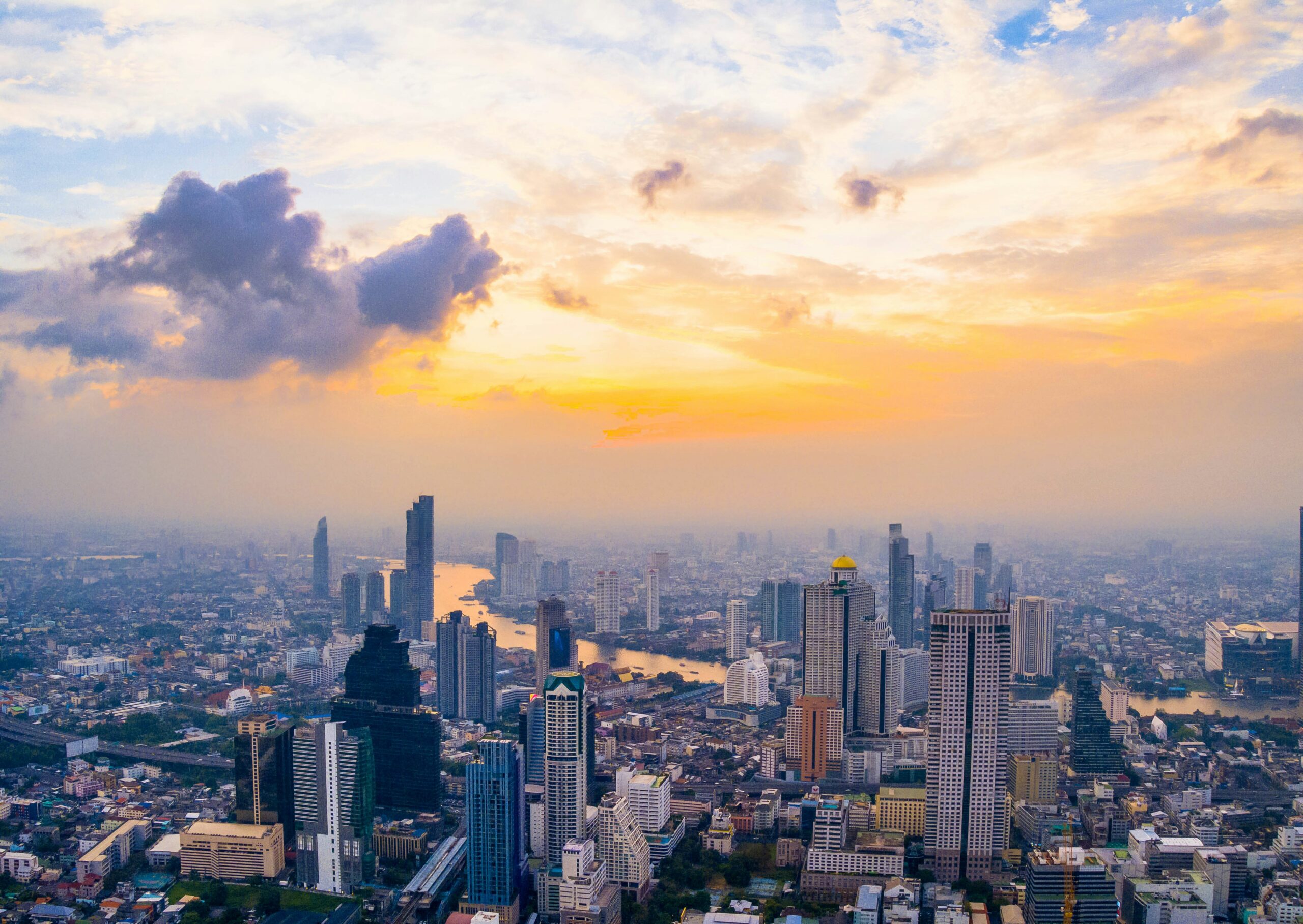
Foreign buyers often ask a simple question before buying a Bangkok condominium: what yield can I expect? The better question is more disciplined: what yield remains after the optimistic assumptions have been removed?
Bangkok condo yields should be tested district by district, not assumed from headline rent.
A headline gross yield can be useful for comparing districts, but it is not an investment decision on its own. Gross yield normally divides annual rent by purchase price. It may ignore vacancy, agent fees, furnishing, repairs, sinking fund contributions, common area fees, withholding tax, personal income tax, bank transfer costs, insurance and resale friction. Those items are not theoretical. They are the difference between a condo that looks attractive in a brochure and a unit that performs sensibly over several years.
CBRE’s 2026 Thailand real estate outlook points to a more selective market. It highlights continued luxury and super-luxury condominium launches, strong sales rates for existing downtown luxury supply and upward pressure on asking prices in some prime segments. That context is useful for foreign buyers because it confirms that Bangkok is not one uniform market. Premium districts can remain competitive while weaker buildings, tired interiors or over-supplied micro-locations still require caution.
Start with a conservative rent
The first stress test is rent. Do not underwrite a unit using only the highest advertised rent for a similar room. Ask what has actually leased in the same building, the same size range and the same condition. A renovated corner unit with a clear view is not comparable with a darker unit on a low floor. A building with a direct covered walk to rail can behave differently from one that needs a motorcycle ride in heavy rain.
For a first pass, foreign buyers should test at least three rent cases: an optimistic rent, a realistic rent and a defensive rent. The defensive rent is not a forecast of disaster. It is a way to see whether the investment still makes sense if the tenant takes longer to find, negotiates harder or demands furniture upgrades. If the deal only works at the optimistic rent, the buyer is not investing; they are hoping.
Vacancy changes the result quickly
Bangkok rental demand is real in the right places, especially near business districts, hospitals, universities, embassies, lifestyle retail, MRT and BTS nodes. Still, every landlord should assume some vacancy. A one-month vacancy each year reduces annual rent by more than eight per cent before any other cost is counted. A two-month vacancy can turn a thin return into a poor one.
Vacancy risk is not only about the wider market. It also comes from product fit. A unit that is too personalised, too sparsely furnished or difficult to maintain can sit longer. A building with slow juristic response, tired common areas or awkward access can lose tenants to a newer competitor. This is why investors should view the lobby, lifts, corridors, parking, rubbish areas and management office with the same seriousness as the unit itself.
Building age, common fees and management quality can change the real return profile.
Count ownership costs before tax
Common area fees and sinking funds should be included from the start. Some buyers treat them as small monthly details, but they are recurring costs that reduce net yield. Older buildings may also require special maintenance contributions. Newer buildings may have attractive facilities but higher operating costs. Neither is automatically wrong; the point is to compare the fee level with the rent that the building can realistically support.
Furnishing also matters. Bangkok tenants often expect a move-in-ready unit. A low-cost furniture package may reduce upfront spending, but weak furniture can raise repair calls and make listing photos less competitive. A premium fit-out can improve marketability, but it should still be measured against achievable rent. The best investment fit-out is durable, neutral and easy to replace, not simply expensive.
Include tax, agency and management assumptions
Foreign landlords should discuss rental income tax and withholding mechanics with a qualified adviser before relying on a net figure. Agent commission, tenant-finding fees and property management fees should also be modelled. If the owner lives overseas, some management cost is usually sensible. The alternative is relying on informal help when a tenant needs repairs, a key handover or a renewal negotiation.
A useful underwriting sheet should show gross yield, net yield before tax and net yield after estimated recurring costs. It should also show cash needed after purchase: furniture, appliances, small renovations, transfer-related costs and a maintenance reserve. This avoids the common mistake of comparing rent only with the purchase price while ignoring the capital still needed to make the unit rentable.
Stress-test the exit, not only the rent
Yield is only one part of the return. Foreign buyers should also ask who may buy the unit later. A building with clear title, healthy foreign quota, good juristic management and a recognised location will usually have a deeper resale audience than a building with confusing ownership records or poor maintenance. Resale liquidity can be more important than chasing a small extra percentage point of rent.
Exit stress testing means asking what happens if the buyer needs to sell in a slower market. Would the unit still appeal to another foreign buyer? Is the layout efficient? Are there too many identical units for sale in the same building? Is the district improving through transport, retail or office demand, or is it depending on a single story that may not materialise?
Tenant demand is strongest when a unit matches a real employment, lifestyle or mobility pattern.
A practical yield checklist
Use achieved rents from the same building wherever possible.
Run optimistic, realistic and defensive rent cases.
Assume vacancy, even in popular districts.
Include common fees, sinking funds, repairs, insurance and management.
Separate gross yield from net yield after realistic costs.
Check whether the unit has a clear resale audience.
Foreign buyers do not need to avoid Bangkok because yields require work. They need to buy with a clear model. Bangkok remains attractive because it offers international connectivity, livability, healthcare, dining, transport, tourism demand and a wide range of freehold condominium options. The opportunity is strongest when the unit, district and financial assumptions all support each other.
Buyer takeaway
A sensible Bangkok condo investment is not the one with the most exciting advertised yield. It is the one that still looks defensible after rent is reduced, vacancy is added, ownership costs are counted and the resale path is checked.
Foreign condominium transfers give overseas investors a useful reality check because they are recorded at ownership transfer, not at reservation or marketing launch. For Bangkok buyers looking into 2026, the latest full-year reporting points to a market that is still active, but more selective. Unit volumes have held up better than transaction value, which suggests that many buyers are still proceeding, but with sharper price discipline and a preference for completed, understandable stock.
Bangkok remains the deepest urban condominium market for many overseas buyers comparing liquidity, access and tenant demand.
The headline is not that every Bangkok condominium is suddenly attractive. It is that foreign demand has become more evidence-led. Buyers are paying closer attention to building age, management quality, unit size, rentability and exit comparables. That is healthier than a market driven only by launch-day discounts or off-plan speculation. For a foreign owner, the safest Bangkok purchase is usually one that can be explained easily to a future tenant, lender, valuer and resale buyer.
What the latest foreign-transfer data is really saying
Recent REIC-linked reporting on the 2025 market showed foreign condominium transfers nationwide rising in unit terms while total value fell year on year. The same reporting put full-year foreign transfers at 14,899 units and 60.92 billion baht in value. It also showed foreign buyers representing a larger share of total condominium transfer value than their share of units, which is consistent with the idea that overseas buyers remain important to the higher-value end of the market.
That combination is important. More units and lower aggregate value does not mean weak demand everywhere. It points to a shift in composition. Some buyers are choosing smaller units, more defensive ticket sizes or completed projects where they can inspect the actual building. Others are still paying premium prices, but only where the location, unit plan and management story justify the price.
Bangkok benefits from this more careful market because it offers the broadest pool of tenants, resellers and international services. However, the same breadth can also mislead buyers. A condo beside a strong BTS interchange, a quiet freehold building in a residential soi, and a large new project in an emerging MRT district should not be judged by the same rental assumptions.
Why Bangkok still matters within the foreign-buyer map
Bangkok has two advantages that resort markets cannot easily copy. First, its demand is not only lifestyle-led. It is supported by office employment, embassies, hospitals, international schools, universities, transport nodes and regional headquarters. Secondly, the city gives buyers more exit routes. A well-located Bangkok unit can be sold to Thai end-users, expatriates already living in the city, regional investors, or other foreign buyers who want a practical base rather than a holiday address.
That does not remove risk. Foreign buyers are often shown projected yields that assume full occupancy, no vacancy period, no furnishing refresh, no agent fees and no realistic resale discount. A better approach is to treat transfer data as a confidence indicator, then test a specific unit against local evidence. Ask what similar units in the same building have rented for, how long they were listed, how many competing units are available, and whether the juristic person keeps the common areas in saleable condition.
Foreign transfer figures are useful, but building-level resale depth still matters more than national headlines.
Nationality mix is changing the buyer conversation
Chinese buyers remain a major group in foreign condominium statistics, but recent reporting also highlights a broader set of active buyers, including Myanmar, Russian, Taiwanese, European, US, UK, Singaporean and Indian purchasers. For Bangkok, this matters because different nationalities often have different priorities. Some buyers want proximity to hospitals and schools. Others focus on capital preservation, rental demand, visa convenience, or a base near regional flights.
The practical lesson is that an investor should not rely on one imagined future buyer. A unit that only suits one nationality group, one tenant profile or one short-lived marketing trend is harder to exit. A more resilient Bangkok condo normally has several demand stories: it can work for a long-stay tenant, a regional executive, a relocating family member, or a future owner-occupier.
What 2026 buyers should check before relying on market momentum
1. Completed evidence over launch optimism
In a selective market, completed evidence is worth more than sales-gallery language. If buying resale, review actual transfer prices where available and recent asking prices for comparable units. If buying new, compare the developer price with completed alternatives nearby, not only with other new launches.
2. Ticket size and liquidity
Foreign transfer data showing lower average value is a reminder that liquidity is often strongest where the total cheque remains affordable for a broad group of buyers. A larger luxury unit can still be a sound purchase, but the buyer pool is narrower and the holding period may be longer.
3. Building management
Bangkok resale value is closely tied to common-area condition. Lobbies, lifts, parking, pool decks, air-conditioning systems and juristic-office responsiveness all affect rent and resale. Foreign owners should inspect these items as carefully as they inspect the view.
4. Tenant demand that survives normal vacancy
Gross yield is only a starting point. Build in vacancy, repainting, appliance replacement, agent commission, common fees, insurance and tax. A purchase that still works after these costs is much safer than one that only works in a best-case rental spreadsheet.
Where IBP sees buyer interest holding up
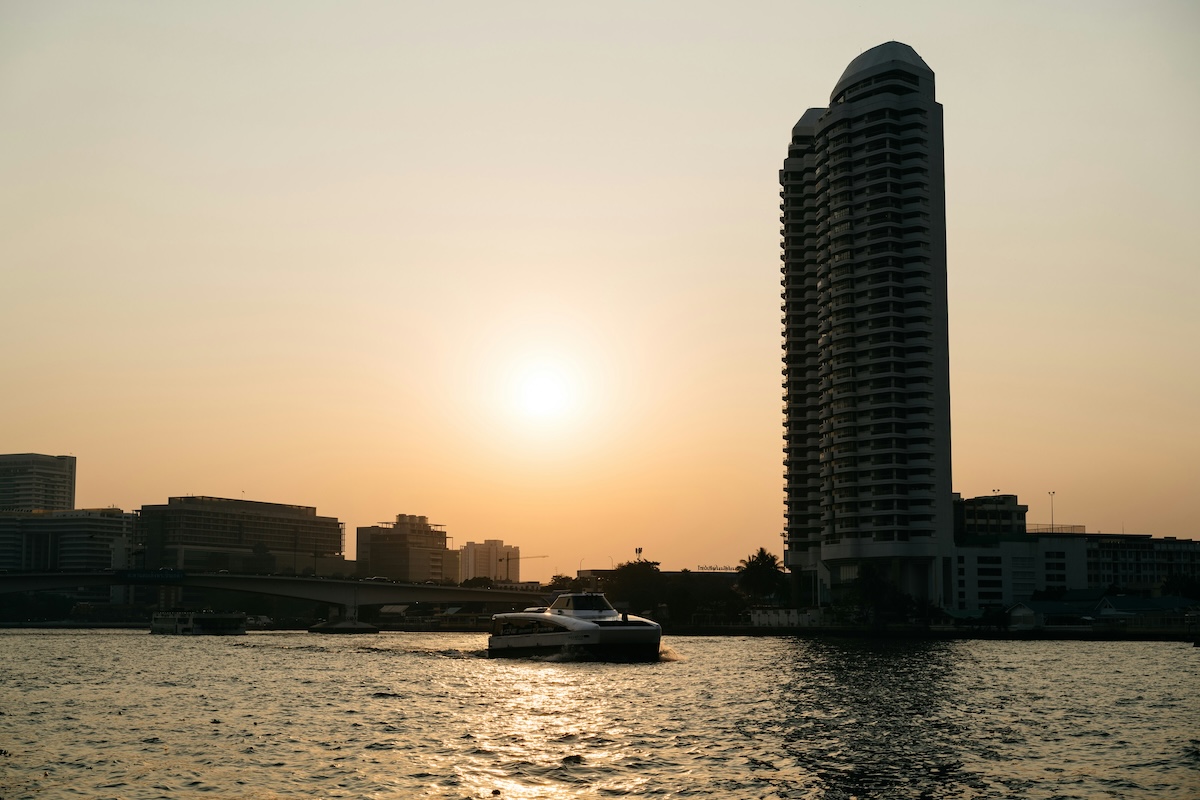
The most defensible Bangkok opportunities tend to share three traits: daily convenience, credible transport access and a building story that remains clear after the first owner has left. That can mean prime Sukhumvit near BTS stations, selected Rama IV and Lumphini-linked areas, established riverside buildings with hotel and ferry access, or newer MRT districts where pricing still leaves room for tenant demand to mature.
Bangkok demand is not one market; riverside, BTS, MRT and lifestyle districts attract different buyer profiles.
Foreign buyers should be especially cautious with units that are difficult to furnish, have awkward bedroom sizes, depend on shuttle buses for basic transport, or sit in buildings with a large number of identical investor-owned units. These may look efficient on paper but can become harder to differentiate when many landlords compete for the same tenant.
Bottom line for foreign investors
The foreign-transfer data supports a balanced view of Bangkok property in 2026. There is still international demand, and Bangkok remains one of the most liquid places in Thailand for foreign condominium ownership. But the market is not forgiving of lazy selection. Price, management, layout and exit depth matter more than broad confidence narratives.
If you are comparing Bangkok condominiums now, speak with IBP Real Estate before committing to a reservation. We can help you compare completed resale evidence, rental demand and foreign-quota position before you decide whether a unit belongs on your shortlist.
Bangkok condominium investors often talk about BTS stations first, but in 2026 retail-led districts deserve equal attention. A strong mall, community retail cluster, supermarket, food hall, cinema, gym or lifestyle centre can make a neighbourhood feel complete. For a foreign buyer who may be underwriting from overseas, that matters. Retail gives the location a recognisable anchor, helps tenants manage daily life without a car and makes the resale story easier to explain.
Retail-led districts can make a Bangkok condo easier to understand, rent and resell, but only when pricing still makes sense.
The point is not that every condo beside a mall is a good investment. Bangkok has a competitive retail market, and the better retail operators are now working harder to differentiate through food, wellness, services and events. CBRE Thailand’s 2026 outlook notes that retail supply reached 8.25 million square metres in 2025, with another 0.3 million square metres expected in 2026, while average occupancy is projected to soften below 90%. That tells investors to be selective. Retail is useful only when it improves genuine tenant demand, not when it simply adds another shiny building to an oversupplied area.
Why Retail Changes The Investment Question
A retail-led district can reduce uncertainty. Tenants know where to buy groceries, where to meet friends, where to exercise and how to get home late. Expatriates and regional executives often choose neighbourhoods that work on a normal weekday, not just on a viewing tour. If a condo is within practical reach of transport, restaurants, supermarkets and services, the owner can market convenience without relying on exaggerated luxury language.
This is particularly relevant for foreign owners who will manage the asset from overseas. A unit near a functioning retail node is easier for a property manager to show, easier for a tenant to imagine using and easier to photograph naturally. Convenience supports leasing velocity, and leasing velocity matters when gross rents are under pressure or when a vacant month can damage annual yield.
Bangkok's strongest lifestyle nodes combine retail, food, transport and daily services in one catchment.
Do Not Confuse Retail Volume With Retail Quality
Retail supply growth can be a strength or a warning. A high-quality mall with strong footfall, international brands, daily services and food demand can make an area more resilient. A weak retail podium with poor tenant mix can do the opposite, especially if it becomes another empty frontage that reduces street appeal. Foreign buyers should therefore inspect the retail ecosystem, not just the distance to the nearest mall.
Look at weekday traffic, tenant turnover, supermarket quality, restaurant depth, clinic access, bank branches, pharmacies and whether the mall is useful for residents rather than designed mainly as a weekend destination. A retail-led condo district should support daily routines. If the retail offer is too tourist-focused, too expensive for local residents or too disconnected from the station, it may have less rental value than the brochure suggests.
Midtown Retail Is Changing The Map
CBRE’s observation that much of the new retail supply is concentrated in midtown and suburban locations is important. Bangkok’s lifestyle map is no longer limited to Siam, Phrom Phong, Asok and the older CBD. Rama 9, Bang Na, Ladprao, Ratchada, On Nut and other connected areas are becoming more self-contained. For investors, that creates opportunity, but it also creates a pricing trap.
The opportunity is that a well-bought condo in a maturing district can benefit from improving services, better food and stronger local identity. The trap is paying central-Bangkok pricing for a location that still has midtown resale depth. Buyers should compare completed buildings, not just new launch presentations. If a new project beside a mall asks a large premium over nearby resale stock, the investor needs a clear reason to accept that premium.
For foreign investors, the building still needs good management, usable layouts and realistic resale evidence.
How To Underwrite A Retail-Led Condo
1. Start With Tenant Use, Not Decoration
A good retail node should make a tenant’s weekly routine easier. Check whether the area has a real supermarket, useful dining, medical and wellness services, reliable transport access and places where residents actually spend money. Pretty common areas inside the condominium are secondary if the neighbourhood itself is inconvenient.
2. Price Against Older Buildings Nearby
Retail-led areas often attract new projects with ambitious pricing. Compare the proposed purchase against completed buildings within the same walking catchment. Look at unit size, usable layout, building age, common-area fees, juristic reputation and actual asking rents. A premium may be justified, but it should be justified by scarcity, management quality or a genuinely better position.
3. Check Exit Demand In More Than One Buyer Pool
The best Bangkok investments can be explained to several audiences: Thai professionals, expatriate tenants, regional investors and lifestyle buyers. If the resale argument depends only on another foreign investor wanting the same launch story, the exit is thin. A retail-led district is stronger when it attracts both local and international users.
Where Retail-Led Logic Works Best
Retail-led logic works best in mixed districts where the mall is part of a wider daily-life network. Phrom Phong benefits from shopping, Japanese and international dining, parks and BTS access. Rama 9 combines offices, MRT, malls and relative affordability compared with prime Sukhumvit. Bang Na has stronger retail and exhibition infrastructure than many foreign buyers realise, though project selection must be careful. Silom and Sathorn benefit from office demand, parks and established dining rather than relying on a single mall.
The common thread is not luxury. It is usefulness. A foreign buyer should ask whether the district will still make sense in a slower market. If the answer is yes because the area has jobs, transport, groceries, healthcare, education routes and consistent footfall, the condo has a more durable investment story.
The 2026 Takeaway
Bangkok’s retail expansion supports the city’s livability and reinforces its role as a regional lifestyle hub. For property investors, however, more retail does not automatically mean better returns. The right conclusion is more disciplined: retail-led districts can improve rentability and resale confidence when the retail is high quality, the condo is well managed and the purchase price is realistic.
Foreign buyers comparing locations should use retail as one filter in a wider underwriting process. Start with the IBP investment analysis archive, then shortlist buildings by station access, tenant demand, juristic quality and exit depth before reserving a unit.
Bangkok condominium investors often begin with the residential market, but the city’s office cycle is now just as important to understand. When companies upgrade into better buildings, the surrounding rental catchments can change: some districts gain more weekday footfall, better retail, stronger expat routines and deeper demand for well-managed homes close to mass transit.
For foreign buyers in 2026, the useful question is not simply whether Bangkok has enough office space. It is whether the buildings, tenants and transport connections around a condo support long-term occupier demand. A unit beside a strong employment cluster can still underperform if the building is poorly managed, the walk is awkward or the room layout does not suit the tenant profile.
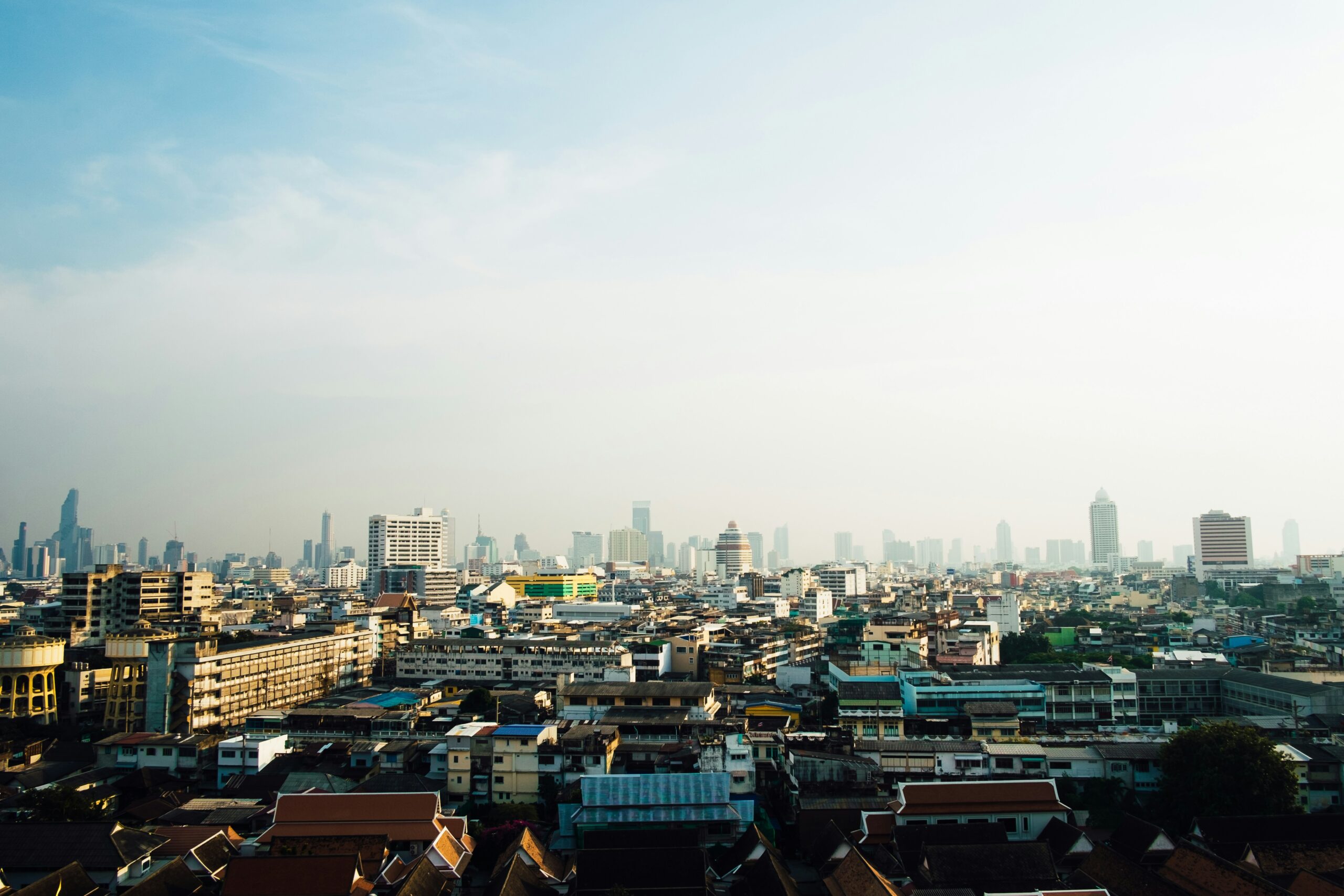
Central Bangkok demand is increasingly shaped by office quality, transport access and daily convenience.
Why The Office Cycle Matters To Condo Buyers
CBRE’s 2026 Thailand outlook describes an office market where tenants continue to pursue quality, with many occupiers upgrading to newer or similar-grade buildings. For a condo investor, that shift matters because office decisions influence where professionals spend their weekdays, where they eat, how late they stay in the district and which residential locations feel practical without a car.
The most investable Bangkok condo locations are rarely judged by one demand source. They usually combine office access, rail connectivity, healthcare, retail, schools, parks and food options. Office upgrading adds another layer to that stack. A prime building that draws multinational, finance, technology, consulting or professional-services tenants can make nearby apartments more relevant to internationally mobile renters.
This does not mean every new office tower creates residential upside. Bangkok has many micro-markets, and tenants may be price-sensitive even when they want better premises. Foreign buyers should avoid broad assumptions and instead map the condo against actual commute behaviour: station exits, covered walkways, motorcycle-taxi dependence, traffic choke points and the after-work route home.
The Districts Where The Link Is Strongest
The office-to-condo relationship is clearest in Silom-Sathorn, Wireless-Lumphini, Rama IV, Phrom Phong, Asok, Ploenchit and selected parts of Ratchada-Rama IX. These areas already have a base of corporate demand, international amenities and completed or improving transport networks. They also have enough resale evidence for buyers to compare buildings more carefully.
In Silom-Sathorn and Wireless-Lumphini, the rental audience often includes executives, diplomats, regional office staff and long-stay professionals who value short commutes and mature amenities. In Asok and Phrom Phong, office demand overlaps with Japanese, European and regional expat lifestyle patterns. Around Rama IV and Queen Sirikit MRT, the appeal is increasingly mixed-use: convention, offices, parks, healthcare and new lifestyle projects.
A buyer should be cautious with districts promoted mainly on future office supply. If a location still lacks finished pedestrian links, daily retail, school access or established leasing agents, rental demand may take longer to materialise than the sales brochure suggests. Completed convenience is usually more bankable than a promised neighbourhood story.
Foreign buyers should test a condo against the exact employment nodes and transit routes tenants will use.
What Flight-To-Quality Means For Building Choice
Office tenants upgrading their premises often want the same discipline from nearby housing: reliable security, clean common areas, fast lifts, practical parking, strong juristic management and a building that looks current when a tenant arrives for inspection. Older condos can still make excellent investments, but only if the common areas, maintenance budget and ownership profile support continued upkeep.
The risk for foreign buyers is buying a unit that looks attractive inside while the building quietly loses competitiveness. Tenants comparing several options will notice the lobby, corridors, lift waits, gym condition and noise control. In a market where office occupiers are moving toward better stock, residential buildings that feel tired may need deeper discounts to stay leased.
This is where a management-led due diligence process matters. Ask for common-fee levels, sinking fund history, recent capital works, occupancy, short-term rental rules and evidence of any major repairs. A strong office catchment cannot compensate for a weak building committee or a juristic office that is underfunded.
How To Model Rental Demand Without Overclaiming Yield
Foreign buyers should avoid yield claims that rely on best-case rent and perfect occupancy. A more useful model starts with three rent cases: conservative, current achievable and optimistic. Then apply realistic vacancy, maintenance, agency commission, common fees, insurance, withholding-tax administration and occasional repairs. The result may look less exciting, but it gives a more investable view.
The office upgrade story should feed into the demand side of the model, not replace it. If a condo is within a genuinely easy commute of several Grade A or Grade A-plus office clusters, the downside leasing case may be stronger. If it depends on one employer, one new tower or one speculative district narrative, the risk is higher.
For resale, investors should also check how many similar units are listed in the same building. Deep rental demand helps, but exit liquidity depends on how easily a buyer can differentiate the unit later. Corner layouts, protected views, sensible unit sizes and renovated bathrooms may matter more than decorative furniture packages.
A resilient Bangkok investment case usually starts with liquidity, management quality and repeatable rental demand.
A Practical Shortlist Framework
Start with the tenant profile before the building. A Japanese family, a single regional executive, a medical visitor, a hybrid-working entrepreneur and a finance professional may all prefer different layouts and districts. The office market can point to demand, but the final purchase should match a real renter segment.
Next, walk the commute at the times a tenant will actually use it. A five-minute map distance may feel very different in heat, rain or late evening traffic. Check whether the station access is intuitive, whether the pavement is usable, and whether nearby retail supports daily living rather than occasional shopping.
Finally, compare completed buildings with resale evidence before considering off-plan promises. New supply can be attractive, but foreign buyers need clarity on foreign quota, payment timing, handover quality, building management and likely resale competition. In 2026, the best Bangkok condo investments are likely to be selective, evidence-led and close to durable employment demand.
Buyer Takeaway
Office flight-to-quality is a useful signal, not a guarantee. For foreign buyers, the opportunity lies in matching central employment demand with a building that tenants will continue to choose after the first lease ends. IBP can help compare Bangkok districts, rental assumptions and resale risk before you commit to a purchase.