

Bangkok Condo Floor Premiums: Investor Checks
Floor premiums are easy to understand and easy to overpay for. In Bangkok, a higher floor can mean better light, a cleaner outlook, lower street noise and stronger resale appeal. It can also mean more afternoon heat, longer lift waits, a view that is not protected, or a price gap that future tenants will not support.
Foreign buyers often see floor level as a simple quality signal. The stronger approach is to treat it as one investment variable inside a wider building, rent and exit strategy. A thirty-fifth-floor unit may be worth a premium in one project and poor value in another. The difference is evidence.

Why Higher Floors Can Be Valuable
A higher floor can improve the daily experience of a Bangkok condo. It may reduce road noise, improve privacy, bring more natural light, create a wider city or river view, and make the unit feel more distinct when compared with lower-floor alternatives. For owner-occupiers, that can be a genuine lifestyle benefit. For investors, it can help photography, viewing impressions and resale positioning.
The premium is most persuasive when the view is specific and hard to replace. An open park, river bend, low-rise embassy district, protected temple view or wide skyline corridor may justify a stronger price than a generic city view across other towers. Buyers should ask what makes the outlook scarce, not simply what floor number appears on the listing.
Floor level can also help in dense districts where lower floors face neighbouring buildings, car parks, air-conditioning equipment or busy roads. In those cases, moving up may materially change tenant comfort. The buyer still needs to compare the exact premium with alternatives in the same building and nearby projects.
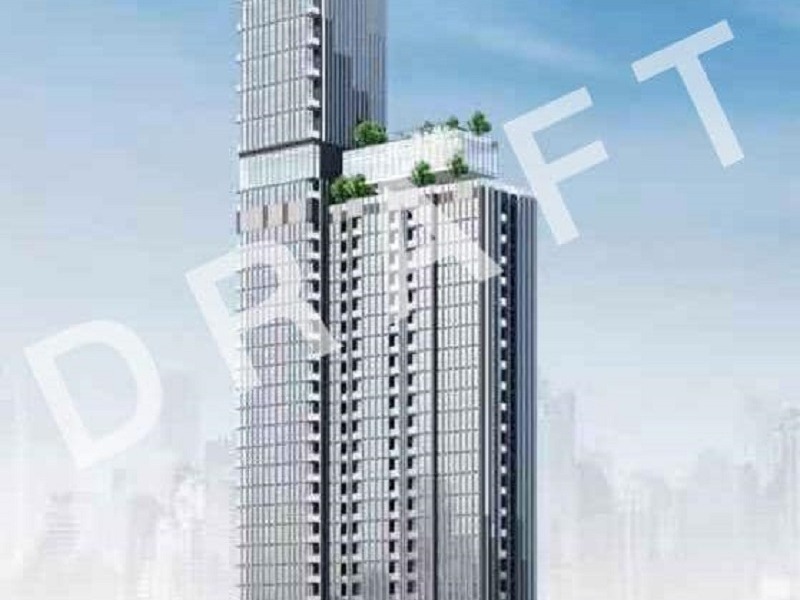
When The Premium Is Weak
A high floor is less valuable when the building has slow lifts, ageing systems, weak management or a view that can be blocked by future development. It is also weaker when the unit layout is poor. A narrow bedroom, awkward kitchen, limited storage or inefficient living area will not become a good investment simply because it sits higher in the tower.
Heat and orientation matter in Bangkok. A west-facing high-floor unit can be bright but hot in the afternoon, increasing air-conditioning use and reducing comfort. Some tenants love dramatic city views; others prioritise quiet sleep, practical furnishing and lower running costs. Investors should not assume that every tenant pays more for height.
The premium can also disappear if many similar high-floor units are available. In a large project with repeated layouts, a buyer may find several units with comparable views. Scarcity is then limited, and bargaining should be more disciplined.
Compare Floor Bands, Not Just One Unit
The useful comparison is by floor band. Look at low, mid and high floors in the same stack or similar stacks. Compare asking prices, achieved rents where available, view quality, furnishing, room size and time on market. If the price jumps sharply but rent barely changes, the premium may be more emotional than financial.
Buyers should also compare across neighbouring buildings. A mid-floor unit in a better-managed project may be safer than a high-floor unit in a weaker building. A lower floor with a protected green view may outperform a higher floor facing future construction. The floor number is not the asset; the liveable and saleable experience is the asset.
For resale, ask who will buy the unit next. A local end-user may pay for a view if the total ticket still feels reasonable. An investor may discount the view if rental yield is thin. A foreign buyer may value privacy and skyline photographs, but still need building quality and legal readiness. The future buyer pool should shape today’s bid.
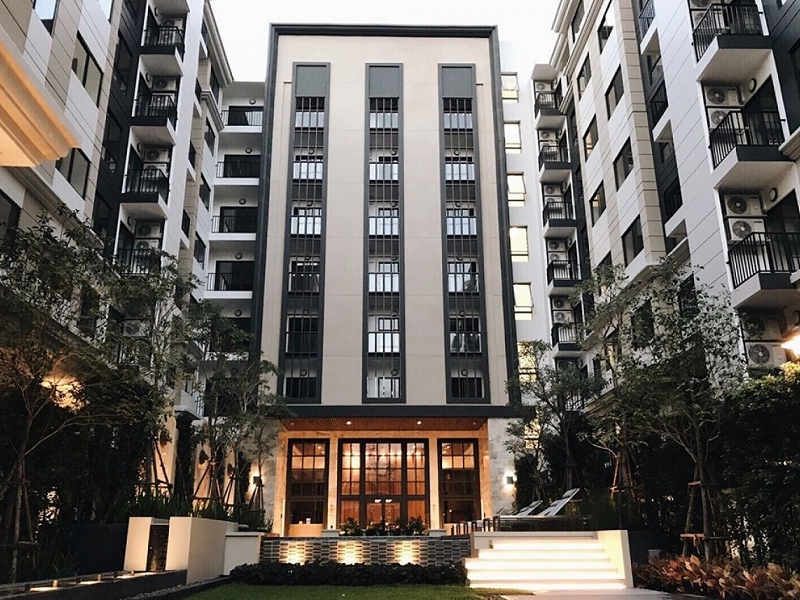
Inspection Checks For Foreign Buyers
Inspect the unit at different times of day if possible. Check morning light, afternoon heat, evening noise, lift waits, corridor ventilation and how the view feels with lights on inside the unit. Take photographs from sitting height as well as standing height, because the lived view can differ from the sales-gallery angle.
Ask about nearby vacant plots, planned towers, road works, rail lines, schools, bars, mechanical equipment and neighbouring balconies. A premium paid for privacy should not depend on a view that is obviously vulnerable. If the agent claims the view is protected, ask what document or physical condition supports that claim.
Also check practical details. High floors may have stronger wind on balconies, different mobile reception, more dependence on lift reliability and longer evacuation routes. Those points rarely decide a purchase alone, but they should be part of the risk review.
How To Price The Decision
A sensible price test starts with the best lower-floor alternative you would actually buy. Add only the premium that can be defended by view, privacy, rent evidence and resale depth. If the higher-floor unit needs a heroic resale assumption to make the numbers work, the buyer is paying for emotion rather than risk-adjusted value.
For rental investors, model the unit both with and without a floor premium in the rent. If the investment is still acceptable without assuming extra rent, the higher-floor upside is a bonus. If the deal only works because a future tenant must pay a large premium, the margin of safety is thin.
Foreign buyers comparing resale units should also read IBP’s investment analysis and resale strategy sections. For help testing whether a view or floor premium is justified, contact IBP before making an offer.