Bangkok Condo Fire Safety Guide For Foreign Owners

Bangkok Condo Fire Safety Guide For Foreign Owners

Bangkok condo fire safety deserves attention before purchase, after move-in and whenever a unit is rented out. A polished lobby or new interior does not by itself show how well residents can detect a problem, leave the building or receive help during an emergency.

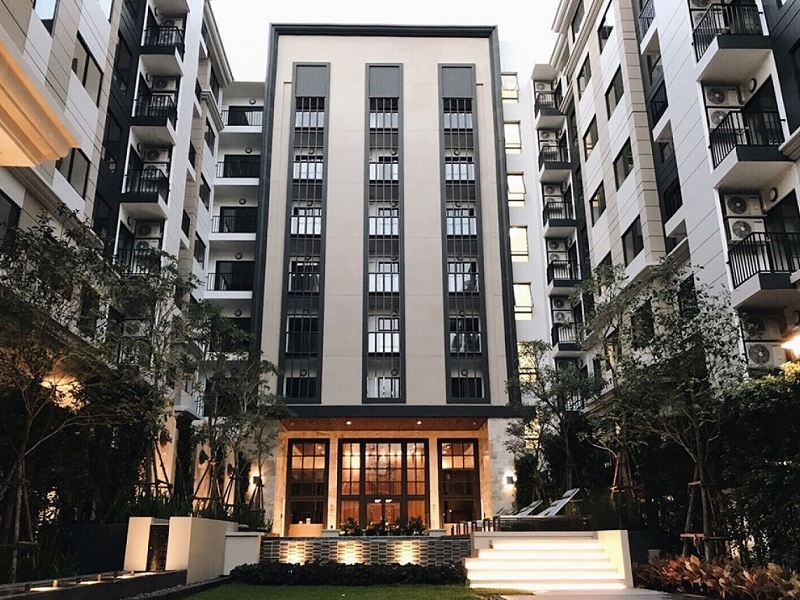
Bangkok condominium building reviewed for fire safety and emergency access
Fire safety should be assessed at building level as well as inside the unit.

Foreign owners should treat safety as a whole-building issue. The unit, corridor, stairways, equipment, management procedures and resident behaviour all interact. This guide provides practical questions to raise, but it does not replace inspection by qualified professionals or advice on Thai building requirements.

Walk the escape route from the exact unit

Start at the front door and follow the designated route to a safe exit. Note the number and position of stairways, direction signs, emergency lighting, fire doors and any level changes. The route should be understood without assuming that lifts will be available.

Repeat the walk at night and consider how smoke, low visibility or a power interruption could affect it. Check whether corridor storage, decorative furniture, bicycles or renovation materials obstruct movement. Ask the juristic office how obstructions are reported and removed.

Understand alarms and resident notifications

Identify detection and alarm equipment inside the unit and in shared areas. Ask how the building communicates an incident, whether announcements are made in languages residents understand and how management contacts owners who are overseas.

An alarm is useful only if residents recognise it and know what to do. Request the building’s emergency instructions, save relevant contact numbers and discuss the procedure with every household member. Tenants should receive the same information at handover rather than discover it during an emergency.

Check fire doors and stairways

Fire doors and protected stairways are part of the escape strategy, not ordinary convenience features. Observe whether doors close correctly, are damaged, are held open or are difficult to use. Do not alter shared safety components or prop doors open for deliveries.

Look at the route all the way to ground level or the building’s designated discharge point. A stairwell that appears clear near the unit may have a problem on another floor. Any concern should be recorded and raised with management for professional assessment.
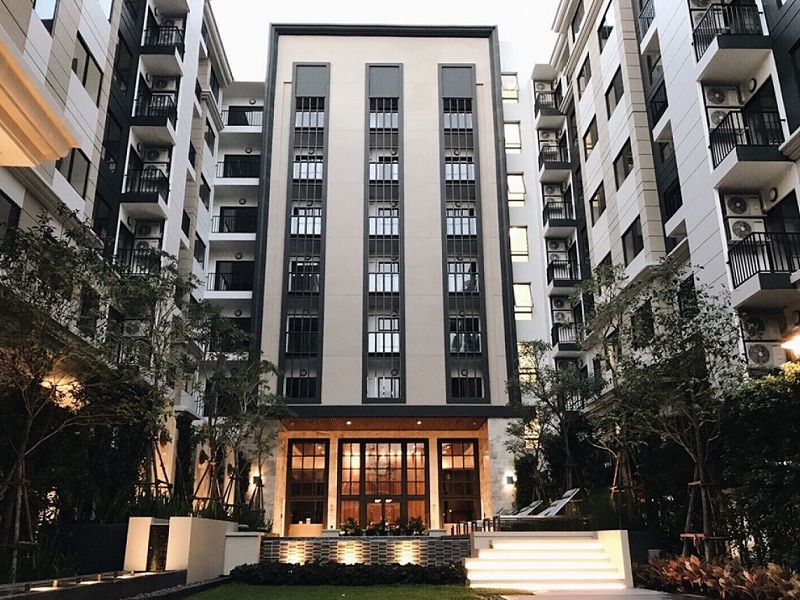
Condominium common area inspected as part of an emergency escape route
Residents should know the usable route from the unit to a safe exit without relying on a lift.

Review in-unit electrical and cooking risks

Overloaded extensions, damaged plugs, poor-quality chargers and unsuitable adapters can create avoidable risk. Have the unit’s electrical condition checked where age, renovation history or visible workmanship creates concern. Use equipment appropriate to the local supply and replace damaged items promptly.

Cooking needs similar discipline. Keep combustible items away from heat, do not leave active cooking unattended and clean grease from appliances and extraction areas. Confirm which cooking equipment the building permits, especially before buying or installing high-load appliances.

Treat renovations as a safety event

Renovation can affect wiring, detectors, sprinklers, doors, partitions and access routes. Obtain written building approval where required and use properly qualified contractors. The cheapest proposal is not good value if it bypasses permissions or leaves undocumented changes.

Before work begins, agree how alarms, dust controls, hot work, material storage and waste removal will be handled. After completion, keep invoices, approvals, drawings and test records in the ownership file. A later buyer, tenant or insurer may need to understand what changed.

Ask for building-level records

Through the appropriate legal and management channels, ask about inspection, testing, drills, maintenance and known defects affecting safety systems. The purpose is not to collect certificates without reading them, but to understand whether the building follows a consistent maintenance programme and closes identified issues.

Minutes and notices may reveal recurring concerns such as blocked routes, failed equipment, access problems or delayed repairs. Have important Thai-language material translated accurately and let a qualified adviser explain anything that affects the purchase decision.

Plan for children, older residents and pets

Households differ in mobility, hearing, vision and language. Decide who assists children or an older family member and how essential medication, mobility aids or pet carriers can be reached without delaying evacuation. Keep routes clear inside the unit.

Do not create a plan that depends on one person always being home. Guests, domestic staff and short-term visitors should know the basics. If a household member needs specific assistance, discuss realistic arrangements with building management rather than assuming they are already in place.

Bangkok condo shared areas considered during safety and insurance checks
Clear management procedures, maintenance records and resident communication support a safer building.

Coordinate insurance and documentation

Building insurance and an owner’s own cover may protect different interests. Ask an insurance professional to explain the scope, exclusions, declared use, contents, liability, temporary accommodation and claim requirements. A landlord should disclose the actual tenancy arrangement accurately.

Photograph important contents, retain purchase and renovation records and keep policy details securely accessible outside the unit. Overseas owners should nominate a reliable local contact within a clearly documented authority while keeping control of personal and financial information.

Give tenants a proper safety handover

A rental handover should identify the escape route, alarms, emergency contacts, building rules and permitted appliances. Demonstrate relevant equipment where appropriate and record that information was provided. Avoid presenting safety as a page of rules that the tenant is unlikely to read.

Schedule periodic checks through an agreed management process and provide a simple way to report faults. Safety-related repairs should be distinguished from cosmetic requests and escalated promptly to the responsible party.

Foreign-owner fire-safety checklist

  • Walk the full escape route from the unit.
  • Identify alarms and resident notification methods.
  • Inspect visible doors, signs, lighting and obstructions.
  • Review electrical, cooking and renovation risks.
  • Ask about testing, drills, maintenance and open defects.
  • Plan for every household member and pet.
  • Align unit use with appropriate insurance.
  • Give tenants clear emergency information.

Read more in IBP’s foreign buyer guides and due-diligence coverage. For help arranging careful Bangkok condo viewings and professional checks, contact IBP Real Estate.


Bangkok Condo Fire Safety Checks For Buyers

Bangkok Condo Fire Safety Checks For Buyers

Fire safety is not the most visible part of a Bangkok condo viewing, but it should be part of every serious purchase check. A polished lobby, attractive pool and renovated unit do not answer basic questions about alarms, escape routes, emergency lighting, resident behaviour or building management.

Foreign buyers do not need to become engineers. They do need to know what to look for, what to ask, and when to bring in a qualified inspector or lawyer. The purpose is simple: understand whether the building is managed carefully enough for ownership, rental and future resale.

Bangkok condo documents for fire safety due diligence
Fire-safety questions should sit inside the wider building, juristic-person and maintenance file.

Start With The Whole Building

A unit-level inspection is not enough. Fire safety depends on shared systems and resident behaviour across the whole condominium. Walk the lobby, lift lobby, corridor, emergency stairs, car park, service areas and relevant facility floors. Look for clear routes, working lights, obvious equipment locations and whether exits are kept free from storage.

Emergency stairs are especially important. Buyers should check whether stair doors are easy to identify, whether they appear usable, and whether residents have blocked landings with boxes, furniture or cleaning equipment. A building that allows blocked escape routes may also be weak in other management areas.

Car parks, electrical rooms and rubbish areas deserve attention because they show how the juristic person manages practical risk. A clean, organised service area is not proof of perfect safety, but disorder can be a warning sign.

Bangkok condominium building for fire safety checks
Buyers should look beyond the unit and understand escape routes, alarms, equipment access and management practice.

Ask About Records And Maintenance

The juristic office should be able to explain how the building maintains alarms, extinguishers, pumps, emergency lighting, exit signage and other shared systems. The buyer can ask when equipment was most recently inspected, who handles maintenance, and how residents are informed about drills, renovation rules and emergency procedures.

If the building team cannot answer basic questions, the buyer should slow down. A vague answer does not automatically mean the building is unsafe, but it does mean the buyer needs better evidence before paying a deposit. Where the purchase is material, a professional inspection can be worth the cost and may help identify repair items before the offer becomes difficult to change.

Minutes and management records may also reveal problems indirectly. Repeated complaints about blocked corridors, renovation debris, electrical repairs, water pressure or lift issues can indicate wider building discipline. Fire-safety questions should therefore sit beside normal due diligence on common fees, capital works and juristic-person governance.

Bangkok condo inspection for fire safety and building condition
A careful inspection records visible systems, resident behaviour and the questions that need formal answers.

Check The Unit And Renovation History

Inside the unit, look for modified electrical work, overloaded sockets, old air-conditioning wiring, blocked ventilation, damaged doors, poorly installed appliances and signs of amateur renovation. A beautiful interior can hide risky work if previous owners cut corners.

Ask whether renovations were approved by the building and whether electrical, air-conditioning or kitchen changes were done by qualified contractors. If the seller cannot explain major works, the buyer should request documents or inspection before settlement. This is particularly important for older resale units and heavily renovated apartments.

Furniture and tenant use also matter. A landlord should avoid placing wardrobes, shelves or decorative items where they block exits, smoke detectors, sprinkler heads or electrical panels. Practical furnishing is part of safe ownership.

Rental Owners Need A Clear Handover File

Foreign landlords should think beyond the purchase date. A tenant needs clear instructions for alarms, emergency numbers, exits, building rules, appliance use and reporting problems. If the owner is overseas, the property manager should know who to call and how to reach the juristic office quickly.

The handover file should include building contacts, insurance details, appliance manuals, renovation approvals where available, photographs of equipment and a record of any inspection issues. This file helps future leasing, maintenance and resale conversations.

A tenant should not be expected to discover safety rules during an incident. Clear building communication and practical owner management reduce risk for everyone.

How To Price Fire-Safety Concerns

Some issues are minor and correctable. A missing instruction sheet, unclear appliance manual or loose power strip can be fixed. Other issues affect the entire building and are harder for one owner to control. Blocked stairs, poor records, repeated electrical problems or weak enforcement of renovation rules should influence the buyer’s offer or decision to walk away.

Investors should also consider resale. Future buyers and lenders may become more demanding about building safety and documentation over time. A building with clean records and visible management discipline is easier to defend than one where every question needs reassurance.

Do not let urgency weaken the check. If the agent says another buyer is ready, the answer is still to inspect properly. Fire-safety due diligence is not a decorative preference; it is part of responsible ownership.

Buyer Takeaway

The best fire-safety review is practical and proportionate. Walk the shared areas, inspect the unit, ask the juristic office clear questions, read the building file and use a professional inspector where the risk or purchase price justifies it.

This check should sit beside title, foreign quota, contract, debt-free letter, common fees and handover condition. IBP’s foreign buyer guides and legal and due diligence sections cover the wider purchase process.

If you are comparing an older resale building with a newer project, contact IBP before paying a deposit so the inspection brief covers the unit and the building.

Translate 翻译 »