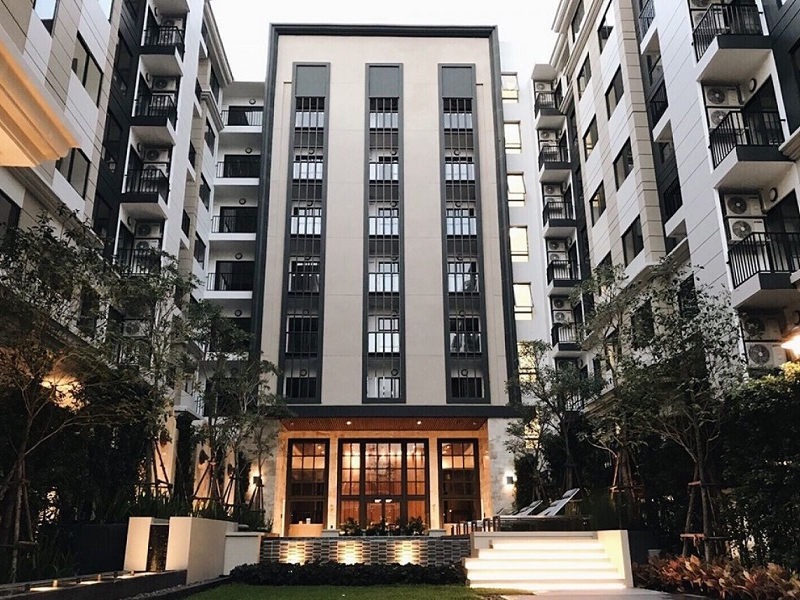
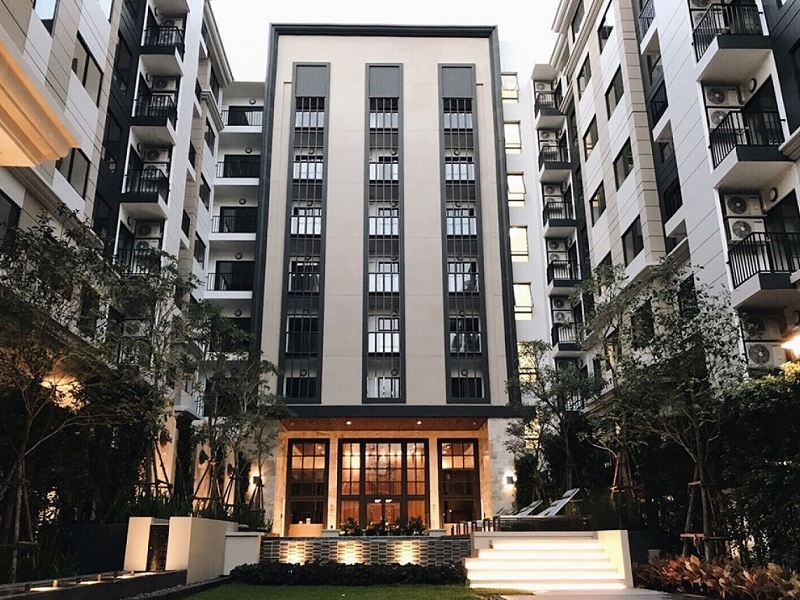
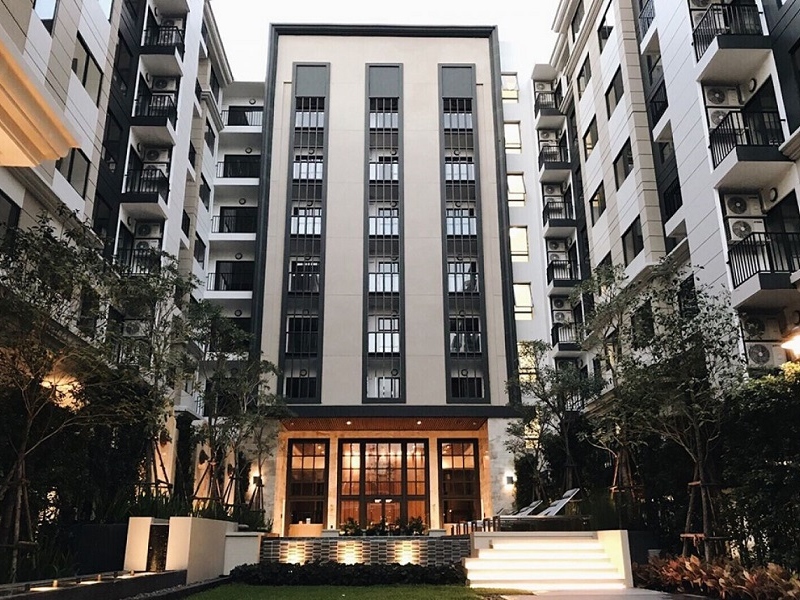
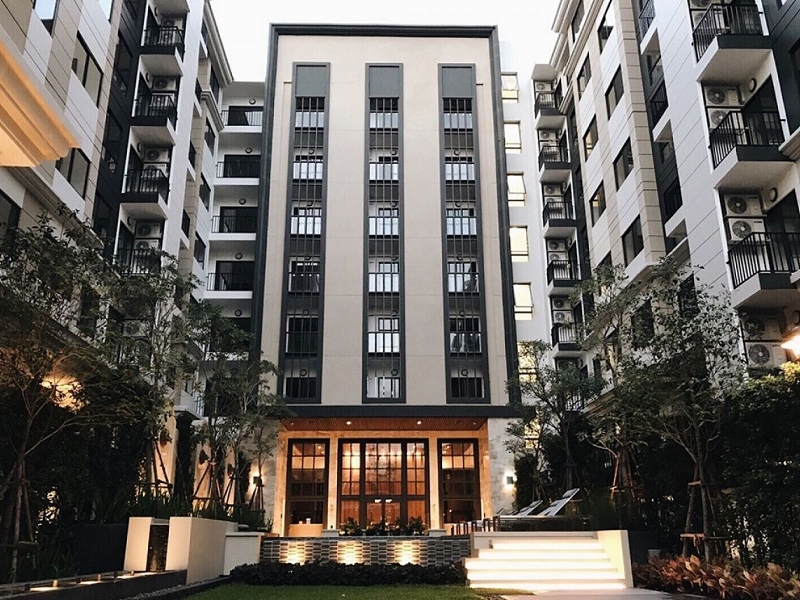
Common fees are easy to overlook when a Bangkok condo looks affordable at the purchase stage. For foreign buyers, they deserve closer attention. These charges support the building’s daily operation, staffing, cleaning, security, lift maintenance, pool, gym, gardens, insurance arrangements, accounting and long-term upkeep. If the fee system is weak, the owner’s experience can suffer even when the private unit is attractive.
Common fee checks should sit beside title, quota and transfer documents in the buyer’s file.
The objective is not to find the cheapest building. A very low fee can be a warning if it leaves the juristic office unable to maintain common areas properly. A higher fee can be reasonable if the building is complex, well staffed and transparent. The buyer’s task is to understand what is being paid, what remains unpaid and whether the building’s budget supports long-term value.
Ask what the common fee covers
Before buying, request the current fee basis and what it covers. Some costs may be handled through the building’s regular common area fee. Others may sit outside it, such as parking charges, access card replacement, move-in deposits, renovation deposits, waste removal, special repairs or specific utility arrangements. Buyers should not assume that every operating cost is included.
Foreign owners should also ask how invoices are issued and paid. A building that can communicate clearly, accept practical payment methods and confirm receipts reduces friction for overseas owners. If notices are only posted in the lobby, the owner needs a representative or property manager to monitor them.
The payment rhythm also matters. Some buildings expect prompt settlement within a short window, while others issue periodic statements. Buyers should ask what happens if a notice is missed, whether late charges apply, and whether receipts can be obtained without visiting the office in person. A small administrative gap can become annoying when the owner is outside Thailand.
A well-managed building usually has clearer budgeting, fee collection and owner communication.
Check arrears before transfer
Common fee arrears can create transfer-day stress. Buyers should confirm whether the seller has paid all amounts due to the juristic person and whether any clearance document is needed. If the unit has unpaid fees, late charges or unresolved building costs, the buyer should know before funds are transferred.
This is a practical due-diligence issue, not only a negotiation point. A clean fee position helps the transfer proceed smoothly and gives the new owner a clear starting point. Ask the agent, lawyer and juristic office how clearance is normally confirmed for that building.
Understand the sinking fund
A sinking fund is intended to help with larger building works and long-term maintenance. Buyers should ask whether a sinking fund exists, how contributions are calculated, what it has been used for and whether future special contributions have been discussed. A building with ageing lifts, facade issues, pipe works or major common-area upgrades may need more than its ordinary fee income.
Do not treat a sinking fund as a guarantee that every future cost is covered. The key question is whether the building is planning responsibly. Meeting minutes, owner notices and juristic-office explanations can help buyers understand the pattern.
If the building is older, ask whether major systems have already been renewed or are still pending. Lifts, pumps, facade works, car-park systems and common-area air-conditioning can all affect owner contributions. The issue is not to avoid every building with future works; it is to know whether the likely costs have been discussed openly and priced into the purchase decision.
Before transfer, buyers should confirm what has been paid and what will remain their responsibility.
Review the building budget culture
Foreign buyers should look beyond the unit and ask how the condominium is run. Does the lobby feel maintained? Are lifts reliable? Are common areas clean? Do security staff appear organised? Are repairs handled promptly? Physical condition often tells you whether fee collection and budgeting are working.
Where possible, ask for recent juristic records, annual meeting notes or a summary of major works. The goal is not to become an accountant for the building. It is to spot obvious gaps, disputes or deferred maintenance before buying into them.
Landlords need to separate owner and tenant costs
For rental investors, common fees affect net yield. Some expenses remain with the owner even when the tenant pays electricity, water or internet. If the investment calculation ignores owner-paid building costs, the return will look cleaner than reality. Buyers should build a simple annual cost schedule before relying on a headline rent figure.
Landlords should also decide who will receive juristic notices, pay recurring charges and respond to building requests. A tenant may report a problem late or misunderstand an invoice. Overseas owners need a clear management routine so small items do not become penalties or disputes.
For owner-occupiers, the same check affects comfort. A building that collects fees well and spends them sensibly is more likely to keep common areas pleasant, staff motivated and facilities usable. Those details influence daily life and eventual resale confidence, even when they are less visible than the private unit’s view or furniture.
Questions to ask before committing
What is the current common fee basis and payment cycle?
Are there seller arrears, late fees or pending building charges?
What is the sinking fund position and recent major-work history?
Are any special assessments or large repairs being discussed?
How are invoices, receipts and owner notices handled?
Who will monitor and pay fees if the owner is overseas?
Buyer takeaway
Thai condo common fee checks help foreign buyers understand whether a building is financially and operationally healthy. A good unit in a poorly managed building can become difficult to rent, hold or sell. Before transfer, confirm the fee position, review the building’s maintenance culture and include owner-paid costs in the investment plan.
IBP helps foreign buyers coordinate due diligence, transfer planning and ownership routines. Explore our foreign buyer guides or contact IBP Real Estate for practical support.
Insurance is rarely the most exciting part of buying a Bangkok condominium, but it is one of the practical checks that protects foreign owners after transfer. A buyer may understand the title deed, foreign quota and payment flow, yet still be unclear about what happens if there is water leakage, fire damage, tenant damage, a damaged appliance, injury in the unit, or a claim involving common property.
Insurance questions should sit beside title, juristic and transfer documents in the ownership file.
The first rule is simple: do not assume the building’s insurance protects everything inside your private unit. Condominium buildings normally separate common property from private ownership. The juristic person’s policy, the owner’s contents cover and any landlord-related protection may have different limits, exclusions and claim procedures. Foreign owners should ask direct questions before completion, not after a problem occurs.
Separate building cover from private-unit cover
Start by asking the juristic office what insurance the condominium carries for common areas and building systems. Then ask what is excluded from that policy. Lifts, corridors, structure, machinery, fire systems and other shared assets may sit under building-level arrangements, while furniture, appliances, personal belongings and improvements inside the unit may require private cover.
This separation matters because many disputes begin with assumptions. An owner may believe a leak from above will be handled automatically by the building. In reality, the claim may involve another owner, the juristic office, a contractor, the owner’s own insurer and evidence of fault or maintenance. The clearer the document trail, the easier it is to respond.
A physical inspection helps owners understand the risks that insurance may or may not cover.
Questions to ask before transfer
What building-level insurance is currently in place?
When does the policy renew, and who keeps the policy documents?
Does the policy cover common areas only, or any part of private units?
What excess, exclusions and claim notification rules apply?
Have there been recent claims for fire, flood, leaks, lifts or major building systems?
Does the juristic office provide English summaries or claim guidance?
These questions are not meant to turn a buyer into an insurance specialist. They help the buyer understand whether the building manages risk professionally. A strong juristic office should be able to explain the basics, provide documents and describe the claim process without confusion.
Private contents and landlord risk
For owner-occupiers, private-unit insurance may focus on contents, fixtures, appliances and personal liability. For landlords, the review should go further. Ask whether the policy responds to tenant-caused damage, loss of rent after an insured event, public liability inside the unit, replacement of appliances, and damage caused by water, electrical faults or air-conditioning systems.
Policy wording matters. A low premium is not useful if the relevant risk is excluded. Foreign owners should compare cover in English where possible and ask the insurer or broker to explain exactly what is included. Keep policy documents, receipts, photographs and inventory lists in a cloud folder that can be accessed quickly from overseas.
Common-area and private-unit responsibilities should be separated before a policy is chosen.
Use inspection evidence
Insurance works best when the owner has evidence. Before handover, photograph walls, ceilings, floors, bathrooms, kitchens, appliances, air-conditioning units, balcony drains and built-in furniture. After furnishing, keep purchase receipts and photos of the finished unit. If the property is rented, attach an inventory to the lease and repeat photo documentation at move-in and move-out.
This is especially important for overseas landlords. A tenant may report damage late, a neighbour may discover a leak first, or a contractor may need authority to enter the unit. Clear records help the property manager act quickly and reduce arguments over whether damage existed before the lease.
Common problems foreign owners should plan for
Water leakage is one of the most common practical concerns in condominium living. It can involve bathrooms, air-conditioning drains, balcony drainage, washing machines or pipes hidden behind walls. Fire and electrical incidents are less frequent but more serious. Storm damage, broken glass, appliance failure and accidental tenant damage also deserve attention, especially in higher-value furnished units.
Owners should also understand emergency access rules. If a leak from your unit affects another property while you are overseas, the juristic office and manager need a way to contact you or your representative. Insurance is only one layer of protection; response speed is another.
Check the insurer and complaint route
Thailand’s insurance industry is regulated by the Office of Insurance Commission. Foreign owners do not need to become experts in the regulatory system, but they should use licensed insurers, keep policy documents, and know who to contact if a claim is disputed. If a broker is involved, confirm who is responsible for renewal reminders, English communication and claim follow-up.
Do not let insurance lapse because an email goes to an old address or a Thai mobile number is inactive. Renewal administration sounds basic, but it is a real risk for non-resident owners. Put renewal dates into a calendar and ask your property manager to check them each year.
Buyer takeaway
Insurance is part of Bangkok condo due diligence, not an afterthought. Foreign buyers should separate common-property cover from private-unit cover, inspect the unit carefully, keep evidence, understand landlord risks and maintain renewal discipline. The aim is not to eliminate every risk. It is to make sure a manageable problem does not become expensive because the owner assumed the wrong cover was in place.
IBP can help foreign buyers review ownership documents, juristic records and practical handover files before buying. Start with our foreign buyer guides or contact IBP Real Estate for a due diligence checklist.
Fire safety is not the most visible part of a Bangkok condo viewing, but it should be part of every serious purchase check. A polished lobby, attractive pool and renovated unit do not answer basic questions about alarms, escape routes, emergency lighting, resident behaviour or building management.
Foreign buyers do not need to become engineers. They do need to know what to look for, what to ask, and when to bring in a qualified inspector or lawyer. The purpose is simple: understand whether the building is managed carefully enough for ownership, rental and future resale.
Fire-safety questions should sit inside the wider building, juristic-person and maintenance file.
Start With The Whole Building
A unit-level inspection is not enough. Fire safety depends on shared systems and resident behaviour across the whole condominium. Walk the lobby, lift lobby, corridor, emergency stairs, car park, service areas and relevant facility floors. Look for clear routes, working lights, obvious equipment locations and whether exits are kept free from storage.
Emergency stairs are especially important. Buyers should check whether stair doors are easy to identify, whether they appear usable, and whether residents have blocked landings with boxes, furniture or cleaning equipment. A building that allows blocked escape routes may also be weak in other management areas.
Car parks, electrical rooms and rubbish areas deserve attention because they show how the juristic person manages practical risk. A clean, organised service area is not proof of perfect safety, but disorder can be a warning sign.
Buyers should look beyond the unit and understand escape routes, alarms, equipment access and management practice.
Ask About Records And Maintenance
The juristic office should be able to explain how the building maintains alarms, extinguishers, pumps, emergency lighting, exit signage and other shared systems. The buyer can ask when equipment was most recently inspected, who handles maintenance, and how residents are informed about drills, renovation rules and emergency procedures.
If the building team cannot answer basic questions, the buyer should slow down. A vague answer does not automatically mean the building is unsafe, but it does mean the buyer needs better evidence before paying a deposit. Where the purchase is material, a professional inspection can be worth the cost and may help identify repair items before the offer becomes difficult to change.
Minutes and management records may also reveal problems indirectly. Repeated complaints about blocked corridors, renovation debris, electrical repairs, water pressure or lift issues can indicate wider building discipline. Fire-safety questions should therefore sit beside normal due diligence on common fees, capital works and juristic-person governance.
A careful inspection records visible systems, resident behaviour and the questions that need formal answers.
Check The Unit And Renovation History
Inside the unit, look for modified electrical work, overloaded sockets, old air-conditioning wiring, blocked ventilation, damaged doors, poorly installed appliances and signs of amateur renovation. A beautiful interior can hide risky work if previous owners cut corners.
Ask whether renovations were approved by the building and whether electrical, air-conditioning or kitchen changes were done by qualified contractors. If the seller cannot explain major works, the buyer should request documents or inspection before settlement. This is particularly important for older resale units and heavily renovated apartments.
Furniture and tenant use also matter. A landlord should avoid placing wardrobes, shelves or decorative items where they block exits, smoke detectors, sprinkler heads or electrical panels. Practical furnishing is part of safe ownership.
Rental Owners Need A Clear Handover File
Foreign landlords should think beyond the purchase date. A tenant needs clear instructions for alarms, emergency numbers, exits, building rules, appliance use and reporting problems. If the owner is overseas, the property manager should know who to call and how to reach the juristic office quickly.
The handover file should include building contacts, insurance details, appliance manuals, renovation approvals where available, photographs of equipment and a record of any inspection issues. This file helps future leasing, maintenance and resale conversations.
A tenant should not be expected to discover safety rules during an incident. Clear building communication and practical owner management reduce risk for everyone.
How To Price Fire-Safety Concerns
Some issues are minor and correctable. A missing instruction sheet, unclear appliance manual or loose power strip can be fixed. Other issues affect the entire building and are harder for one owner to control. Blocked stairs, poor records, repeated electrical problems or weak enforcement of renovation rules should influence the buyer’s offer or decision to walk away.
Investors should also consider resale. Future buyers and lenders may become more demanding about building safety and documentation over time. A building with clean records and visible management discipline is easier to defend than one where every question needs reassurance.
Do not let urgency weaken the check. If the agent says another buyer is ready, the answer is still to inspect properly. Fire-safety due diligence is not a decorative preference; it is part of responsible ownership.
Buyer Takeaway
The best fire-safety review is practical and proportionate. Walk the shared areas, inspect the unit, ask the juristic office clear questions, read the building file and use a professional inspector where the risk or purchase price justifies it.
This check should sit beside title, foreign quota, contract, debt-free letter, common fees and handover condition. IBP’s foreign buyer guides and legal and due diligence sections cover the wider purchase process.
If you are comparing an older resale building with a newer project, contact IBP before paying a deposit so the inspection brief covers the unit and the building.
A Bangkok condo handover can feel like the final formality after months of search, negotiation and paperwork. It should be treated as a risk-control step. Before final payment, transfer or move-in, the buyer needs to confirm that the unit, documents, utilities, keys, access cards and repair commitments match what was agreed.
This checklist is written for foreign buyers who may be outside Thailand or visiting on a short schedule. It is not legal advice and it does not replace a lawyer, engineer or surveyor where the purchase value justifies professional support. The goal is to slow the process down enough to record problems before leverage disappears.
The inspection should connect the physical unit with the transfer file, warranties and payment schedule.
Inspect before the money pressure peaks
The best inspection happens before the buyer is being pushed to complete final payment. Once the seller, developer, agent and bank are all focused on transfer day, defects can be treated as minor distractions. A buyer should try to inspect with enough time for written defect lists, photographs, follow-up access and confirmation of who will fix each item.
For a completed resale unit, the issue is usually condition and agreed inclusions. For a developer unit, the issue may include construction defects, warranty periods, fitting quality and common-area readiness. For either route, the buyer should avoid accepting vague statements such as “the building will fix it later” without a record of what, when and by whom.
Start with the agreed specification
Bring the sale agreement, reservation form, furniture list, appliance list, floor plan, parking confirmation, promised repairs and any messages that changed the deal. The inspection should compare the unit against that package. If the contract says curtains, appliances, built-ins or loose furniture are included, check that the exact items are present and working.
For developer units, compare finishes, fittings and layout with the signed documents, not only the show suite memory. Show units often use decorative upgrades. The buyer should understand what is standard, what is optional, and what was actually purchased.
Common areas, lifts, access cards and management procedures affect the first month of ownership.
Check water, power and air-conditioning carefully
Small utility problems can become expensive after handover. Run every tap, shower and drain. Check for slow drainage, smell, leaks under sinks, water pressure changes and damp areas around windows, balconies, bathrooms and air-conditioning drains. Open cabinet doors and look behind appliances where possible.
Test every light switch, plug socket, hob, extractor, oven, fridge, washing machine, water heater, air-conditioner, fan, doorbell and internet point that is part of the purchase. Air-conditioning should be checked for cooling, noise, remote-control operation, drainage and servicing records. If the unit has been vacant, a short test may not reveal every issue, but it is still better than no test.
Look beyond cosmetic defects
Paint scratches and small marks matter, but the more important issues are water, electricity, structure, window seals, balcony slopes, door alignment, floor movement, tile hollows, mould, odour and evidence of previous leakage. In older buildings, ask whether problems are isolated to the unit or linked to common systems.
The buyer should photograph each defect with a wide shot and a close-up. Number the items. Put them in a simple list with location, description, requested remedy and target date. A written list reduces arguments later and helps an overseas owner delegate follow-up to a lawyer, agent or property manager.
Photographs, defect lists and written commitments are more useful than a rushed verbal promise.
Core handover checks
Title, unit number, floor, parking rights and registered area match the purchase file.
Included furniture, appliances, keys, key cards, mailbox keys and remote controls are present.
Water, electricity, air-conditioning, drains, windows, doors and balcony areas are tested.
Defects are photographed, numbered and acknowledged in writing before final settlement where possible.
Utility transfer, owner registration and juristic-person procedures are clear.
Insurance, warranties, manuals and service records are collected or requested.
Do not ignore common areas
A handover inspection should include the route from lobby to unit. Check lift condition, corridor lighting, fire doors, rubbish rooms, parking access, loading bay, parcel room, security desk, pool, gym and any facilities that supported the price. If facilities are not complete, ask what is finished, what is delayed and what fees begin immediately.
For resale units, common-area condition gives clues about management quality. A tired lobby, poor signage, broken access controls or neglected facilities may affect tenant appeal and resale liquidity. The unit belongs to the buyer, but the building experience is what tenants and future buyers will feel every day.
Coordinate with the juristic office
The juristic office is usually needed for owner registration, move-in procedures, renovation permissions, access cards, parking stickers, water billing, common-fee invoices and building rules. Ask what documents they need from a foreign owner and whether a representative can act with power of attorney if the owner is overseas.
If the buyer intends to rent the unit, ask about tenant registration, minimum lease terms, move-in deposits, pet rules, delivery access and short-stay restrictions. Rental planning should not begin after the tenant is found. It should be checked during handover so the owner can prepare the unit and paperwork correctly.
Buyer takeaway
A good Bangkok condo handover is calm, documented and practical. The buyer checks the unit, confirms the building procedures, records defects, collects keys and aligns payment with written commitments. Rushing this stage can turn small problems into owner-funded repairs.
IBP Real Estate can help overseas buyers coordinate inspections, legal checks and post-transfer management planning. Continue with our foreign buyer guides and legal and due-diligence articles before committing funds.
Foreign buyers often spend time checking the unit, the view and the price, but the building records can be just as important. A Bangkok condominium is not only private space. It is a shared building with common property, budgets, rules, committees, repairs, staff, lifts, insurance, sinking funds and owners who must keep paying their share.
The condominium juristic person sits at the centre of that building life. Before paying a meaningful deposit, a buyer should ask what records are available and what they reveal. This is not about turning every purchase into a court case. It is about knowing whether the building is orderly, financially realistic and transferable to a foreign owner.
Juristic-person records help buyers test the building before relying on a viewing or sales pitch.
The first record is foreign quota
Thailand.go.th explains that foreign buyers may own condominium units within the statutory foreign ownership limit, and that a letter confirming the foreign proportion from the condominium juristic person is submitted to the Department of Lands for transfer. For a foreign freehold buyer, this is not optional background. It is central to whether the unit can be transferred in the buyer’s name.
A seller or agent may say the unit is available in foreign quota, but the buyer should still ask for written confirmation through the proper process. The exact unit, building and buyer status need to be aligned. If the quota is tight, do not assume that verbal comfort is enough. Ask your lawyer to check timing, wording and whether anything could change before transfer.
Debt-free and fee records
The buyer should also ask whether the seller has outstanding common fees, sinking fund obligations, utility charges, repair charges or penalties. A clean transfer should not leave the buyer arguing later about historic arrears. The juristic office may provide a debt-free letter or confirmation as part of the transfer package, but buyers should understand what it covers and when it is issued.
Do not treat low common fees as automatically good. A building with fees that are too low may be underfunding future repairs, staff, security, lift maintenance, insurance or facade work. A well-run building needs realistic income. The stronger question is whether fees are appropriate for the age, facilities and repair needs of the building.
The building file should support the title, foreign quota, maintenance and management story.
Annual budgets and financial statements
A buyer does not need to become an accountant, but the annual budget is still useful. It shows how the building expects to pay for staffing, security, cleaning, utilities, lift contracts, pool maintenance, garden work, insurance and repairs. Repeated deficits, vague line items or sudden increases may require explanation.
The financial statements can also show whether owners are paying on time. High receivables from unpaid common fees may point to weak collection or a building with many financially stressed owners. That can affect repairs, atmosphere and future resale. A foreign buyer who will not live in Bangkok full-time should be especially careful with buildings that require constant owner pressure to function properly.
Records to request or discuss
Foreign quota confirmation for the exact unit and transfer timing.
Debt-free or arrears confirmation for common fees and special charges.
Recent annual budget and financial statements, where available.
Recent annual general meeting minutes and any extraordinary meeting minutes.
Building rules covering renovation, pets, short stays, parking, deliveries and use of facilities.
Major repair history, planned works and any special assessments already approved or likely.
Meeting minutes tell the building story
Meeting minutes are often more revealing than brochures. They can show whether owners argue about repairs, short-term letting, parking, noisy tenants, water leakage, lift replacements, facade work, security, management contracts or unpaid fees. One disagreement does not make a building bad. Repeated unresolved problems deserve attention.
Minutes can also show whether the committee is active and whether management explains issues clearly. A good building is not a building with no problems. It is a building that identifies problems, budgets for them and communicates with owners before they become crises.
Rules affect rent and resale
Foreign buyers who plan to rent out the unit should read building rules before they buy. Pet policies, minimum lease terms, registration procedures, move-in fees, renovation hours, delivery access, parking allocation and facility rules all affect tenant appeal. A unit that looks attractive may become harder to rent if the rules do not match the intended tenant profile.
Short-stay restrictions are particularly important. Do not assume that a condo can be used like a hotel or serviced apartment. Ask a Thai lawyer and the juristic office how building rules apply, and separate what owners actually do from what is legally and practically allowed. A rental plan should be built on a conservative reading, not on informal promises.
A unit inspection is stronger when it is matched with building records and future repair planning.
Repairs, age and capital planning
Older Bangkok buildings can be excellent purchases when they have space, location, land value and sensible management. They can also require serious capital planning. Lifts, pumps, pipes, waterproofing, facade systems, roofs, car parks, fire systems and common-area air-conditioning all age. A buyer should ask what has already been replaced, what is scheduled and how it will be funded.
Newer buildings also need checking. A new lobby does not guarantee good management. Look for defect-handling processes, warranty issues, owner handover minutes and whether the developer-controlled phase has transitioned into normal owner management. The early record can shape the building’s culture for years.
Buyer takeaway
Juristic records do not replace title review, contract review or transfer checks, but they add a building-level view that foreign buyers often miss. The best purchases have a clean unit file and a credible building file: quota, fees, minutes, rules, budgets and repair planning all point in the same direction.
IBP Real Estate can help organise the commercial due diligence file while your independent Thai lawyer reviews the legal position. Continue with our foreign buyer guides and legal and due diligence articles before reserving.