by kevinyeo | Jul 31, 2020 | Bangkok Property Market Updates, Investment Analysis
There has been a sharp decline in the number of new condominium projects in Bangkok in the second quarter of 2020, according to a Colliers International Thailand survey.
The survey said only five projects were launched in the Bangkok area, offering 1,206 condo units worth THB 2.6 billion, 79.5 percent lesser than the 4,674 units in the previous quarter. The net supply of condo units in Bangkok in the first six months of 2020 was only 7,086, 61.9 percent lower than the 11,499 units in the same period last year.
The survey also revealed that the investment value in the condo market in the second quarter also dropped by THB 13.62 billion year on year. It estimated that the total condo supply in 2020 might not exceed 25,000 units, which could be the lowest in the last 10 years.
Colliers International said the reason behind this trend is that major developers are reducing the construction of new condominiums and switching to horizontal projects in rural areas, especially in the Eastern Economic Corridor.
“Many companies also revealed that they will not introduce new projects this year in order to dispose of unsold units in finished condo projects,” said the company.
“Furthermore, the current economic recession due to the impact of the Covid-19 outbreak is not a suitable moment to debut a new project.”

by Daryl Lum | Mar 21, 2019 | Bangkok Property Market Updates, Investment Analysis
There are instances whereby our clients have asked us to assist them in their purchase of a retail property. We have always maintained that the retail sector is facing two main threats.
- Competition from e-commerce
- Competition from upcoming supply
“All over the world, e-commerce is challenging traditional retail stores, and Thailand is no exception,” said CBRE in a report. E-commerce has yet to take off in a huge way in Thailand but that will change eventually. Currently, retail tenants all over the world are adopting e-commerce into their business to complement their brick and mortar retails stores. In most instances, they do reduce their number of retail stores. This is an ever growing trend and is not unique just to Thailand but across the world.
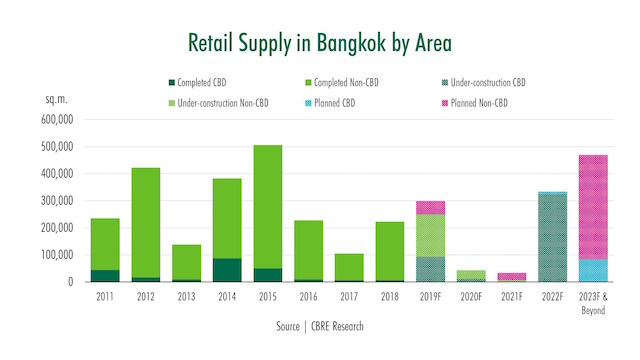
Retail supply is also increasing and these new retail spaces will pose a challenge to the current ones on the market. Here is a chart by CBRE Research showing the retail supply in Bangkok by area.
We still find that the retail segment poses a lot of uncertainty. The challenge coming from e-commerce is huge and will change the way business is done. This is one of the reasons why we do not take on too many retail projects under our company and brand.
Yours Sincerely,
The editorial team at Invest Bangkok Property
This article is in response to https://insideretail.asia/2019/03/20/competition-increases-in-bangkok-retail-property-market/

by Daryl Lum | Feb 19, 2019 | Bangkok Property Market Updates, Investment Analysis
In the latest post by Bangkok Post, foreign investors are confident about Thailand’s economic prospects.
Reasons for the positive sentiment:
- The acceleration of planned megaprojects
- The participation in the Comprehensive and Progressive Agreement for Trans-Pacific Partnership
- Hopeful that Thailand will rev up negotiations for new FTAs after the elections especially with the European Union
- Positive sentiment from the Eastern Economic Corridor (EEC)
Areas which can be improved
- Connectivity between the EEC and related infrastructure developments
- Anti-corruption policies (implementation of e-government will help reduce corruption)
Concerns
- The strong Baht
- Escalating trade wars
- Brexit
Last year applications to the Board of Investments for foreign direct investment (FDI) from Japanese investors totalled 334 projects or 32 per cent of total FDI.
The Thai Chamber of Commerce (TCC) forecasts GDP growth to be in the range of 4 to 4.3 per cent, up from 4.1 per cent last year. The main drivers will be exports, government spending and tourism.
Yours Sincerely,
Daryl Lum
On behalf of InvestBangkokProperty.com

by Daryl Lum | Jan 29, 2019 | Bangkok Property Market Updates, Expat Living & Relocation, Investment Analysis
On the 28th of January, the Business Times ran a report entitled “Thai property can stay hot in chillier times”. It narrated the demand that is expected to come from the Chinese and how as the Chinese middle class continues to grow and accumulate wealth, the demand for property investments in Thailand will remain strong. These are the factors that will encourage the Chinese to invest in properties in Thailand, mainly Bangkok.
1) Thailand is considered a safe haven
In an era with great turmoil around the world and with the US and China embroiled in a trade war, Thailand is seen as a safe place to park their monies. The Thai Baht has proven to be very resilient over the past decade.
2) Benchmark interest rates are still low
Thailand’s benchmark interest rate is at 1.75 per cent and inflation is at about 0.4 per cent. This means that lending cost is low and this is a huge benefit for the construction industry. Mortgage rates for locals are very attractive. So much so that the Thai government needed to step in to regulate excessive risk-taking in the property market.
3) Tourism is still a very strong driver of the economy
Tourism contributes about one-fifth of Thailand’s Gross Domestic Product (GDP). Bangkok is still the world’s most visited city in the world, even ahead of cities like London.
4) The Thai government is expanding its visa-free entry policy for the Chinese
In a bid to entice the Chinese to visit Thailand, the Thai government implemented a visa-free entry policy for the Chinese. Now they are extending this policy till 30th April 2019. This waiver alone is expected to boost tourism by 30 per cent.
To read the full Business Times article, visit this link:
https://www.businesstimes.com.sg/real-estate/thai-property-can-stay-hot-in-chillier-times
The team at Invest Bangkok Property is positive of price growth in the medium to long term. In the short term, due to external factors like a slowing global recession and repercussions of a trade war between the two largest economies in the world, we would recommend clients make property investments with a longer horizon. The elections should go along smoothly but if it does not, there is a chance that it will adversely affect the Thai economy. The Thai economy and correspondingly, the Thai Baht has been the standout performer in South East Asia in the past decade. For a narration of how strong the Thai Baht has been, you may refer to this article: My views on the Singapore and Bangkok property markets.
Yours Sincerely,
The Invest Bangkok Property editorial team
by kevinyeo | Dec 11, 2018 | Bangkok Property Market Updates, Investment Analysis, Rental Market & Landlord Guides
Rental demand in the popular Bangkok neighborhood is always strong among expats, especially Japanese.
The condominium market in the mid-Sukhumvit area (from Sukhumvit Soi 21 to Ekamai Road) has shown continuous growth, with a surge in selling prices per square meter over the past five years, according to Nexus Property Marketing Co Ltd.
Average selling prices in this popular residential area of Bangkok have risen by 8.2% per year on average, followed by 7.2% in the Pathumwan-Ratchathewi area and 6% in the Sathon-Bang Rak area. Mid-Sukhumvit features a total of 191 projects with 43,418 units, 88% of which have been sold. Pathumwan-Ratchathewi has 135 projects with 38,912 units and Sathon-Bang Rak 86 projects with 20,385 units.
One of the most attractive locations in the mid-Sukhumvit area is Thong Lor, known for an abundance of famous restaurants, stylish cafes, and small community malls. Local charm makes it a prime area for those who want to live in the city centre and for those who see a good opportunity to invest in and rent condos to Thais or foreigners, especially Japanese.
The appeal of Thong Lor can be seen in average selling prices for high-end condominiums, which have reached 250,000 baht per sqm, said Nexus managing director Nalinrat Chareonsuphong.
In reviewing sales records for 50 condominiums with a total of 11,386 units in Thong Lor between 2003 and 2018, Nexus found the average final price per sqm was 12% higher than the average when the projects were first launched. However, the average resale price was up 32% of the average opening price during the last 15 years.
From an investment perspective, sales prices of condominiums in Thong Lor have advanced at a faster pace than rental rates. Consequently, the investment yield in new projects may not be as high as in existing projects.
A survey of the condominium rental market in Thong Lor shows the average annual yield is between 3% and 6% with properties falling into three groups: high yield at around 6%, average at 3.8% and low at 3%. The differences reflect various factors such as location, price, unit size, common spaces, surroundings, and extra services in each building. Nexus has identified three main factors for projects to achieve high yields of 5-6% as follows:
Location. This is the first factor everyone considers when they want to buy condominiums for investment. The project should offer ease of access, be near public transport, linked to main roads and surrounded by conveniently reachable stores and restaurants.
Services. Complete services have a strong impact on purchasing decisions. If projects can provide extra services such as shuttle transport or private taxis and coordination of housekeeping, car wash, and repair service agents, they are likely to attract more attention from tenants.
Maintenance. This helps sustain a good image for a condominium. If a project has been open for a long time and is still in good condition, tenants will be more confident and will stay longer. Investors will see a higher return than at a newly launched project where they would have to buy at a higher average price.
Although the average yield in Thong Lor is modest at around 3.8%, rental demand in Thong Lor has never fallen and is stronger than in some other areas of the capital with higher yields.
Thong Lor is the expat centre of Bangkok, and foreigners, especially Japanese, like to live there because there are many restaurants, stores, and amenities that suit the Japanese lifestyle. Therefore it’s not surprising that Thong Lor has become a prime rental market.
“Thong Lor is an attractive location for property investment because there is high demand from foreigners who are looking for a place to rent and it offers more possibilities of obtaining a consistent return,” said Mrs. Nalinrat.
“In the Thong Lor area, the sooner you invest, the better the yield you will get in the future, as the average selling price keeps going up every year, so the yield could go lower.”
by kevinyeo | Nov 23, 2018 | Bangkok Property Market Updates, Investment Analysis
BoT lowers 2nd housing loan bar to 10-20%, LTV unchanged for first-timers buying under B10m.
The Bank of Thailand will impose a more stringent required minimum down payment for third and subsequent mortgages of 30% of the home price, but it will ease the minimum requirement for a second housing loan to 10-20%, depending on how long a borrower has made payments on the first one.
The effective date has been pushed back four months to next April 1 after lobbying by property developers and lenders.
The central bank will require those who purchase a home at a price below 10 million baht and seek a second home loan to make at least a 10% down payment in the event that they have made payments on the first mortgage for three years or longer, said Jaturong Jantarangs, assistant governor in charge of the supervision group.
The minimum down payment requirement will be raised to 20% if borrowers have serviced the first mortgage for less than three years.
For those who seek a second mortgage to fund the purchase of a home priced at 10 million baht or higher, a minimum 20% down payment is required.
Those who apply for third and subsequent mortgages will be subject to a minimum 30% down payment, regardless of home price.
The loan-to-value (LTV) ratio of 90-100% remains unchanged for those who apply for a first mortgage to buy a home priced below 10 million baht, but the ratio will be lowered to 80% in cases where a borrower buys a residence valued at 10 million baht or higher.
Typically, a loan with a lower LTV ratio carries less risk for both lender and borrower, as less capital is being borrowed.
“The revised-mortgage loan regulation will impact homebuyers who have multiple mortgages at the same time, and those who purchase residential units priced from 10 million baht,” Mr. Jaturong said.
The tighter rules are to comply with the central bank’s macroprudential policy to minimize risk in the property and mortgage lending industries. Thailand’s 1997 financial malaise originated in the real estate sector.
Mr. Jaturong has said repeatedly that there is no sign of a property bubble right now.
The central bank last month proposed requiring borrowers to make a down payment of at least 20% of homes priced at 10 million baht or higher, as well as for second and subsequent mortgages, in an effort to curb mortgage and property risks and improve housing loan quality.
Under the previous proposal, lenders would also have been required to limit mortgages together with top-up mortgages such as personal loans and loans for mortgage-reducing term assurances (MRTA) at 80% of home value for second mortgages and homes priced at least 10 million baht, and at 100% for first homes valued below 10 million.
Mr. Jaturong said loans for MRTA, small and medium-sized enterprises and fire insurance, under the new rules, will not be counted into a single amount with a mortgage, but other types of top-up mortgages must be bundled into the mortgage.
The new regulation will strengthen mortgage loans approved by financial institutions, while the unchanged down-payment requirement for the first mortgage to buy homes priced at less than 10 million baht will allow those who have a real demand to access housing loans at a reasonable interest rate.
Mr. Jaturong said the new requirement will not be applied to those with signed land sale contracts or those who made down payments before Oct 15 this year, to the refinancing of sole mortgages, or to housing loans for building homes on owned land that is free of debt.
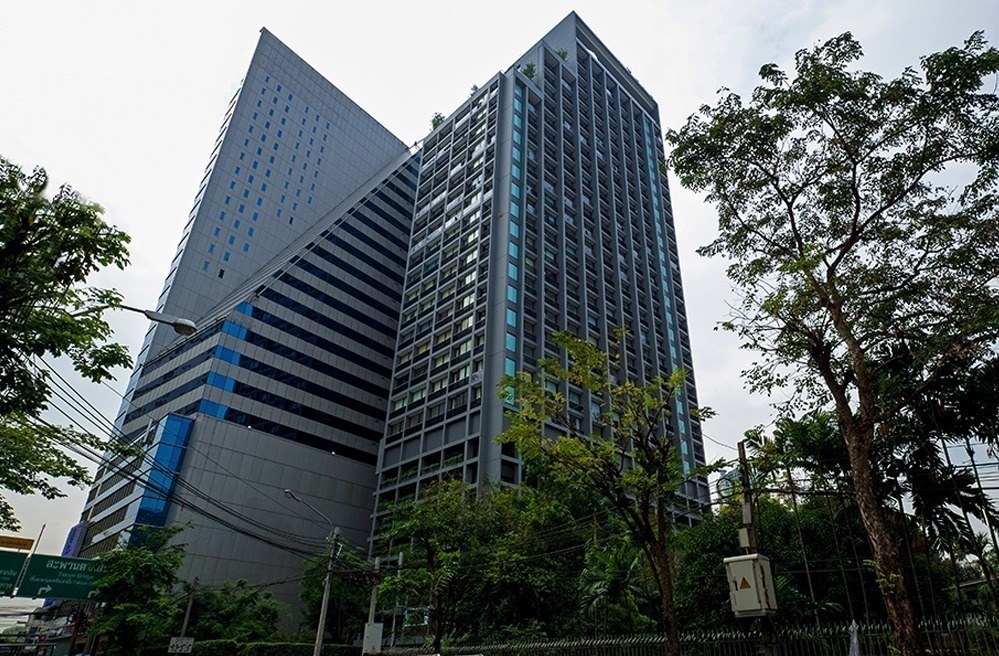
by kevinyeo | Nov 22, 2018 | Bangkok Property Market Updates, Investment Analysis
The residential market in 2019 will slow down, with new condominiums in middle- to lower-end segments expected to delay launches if the Bank of Thailand’s new requirements on loan-to-value (LTV) limits, scheduled to be announced tomorrow, are unchanged, says an industry chief.
Prasert Taedullayasatit, formerly president of the Thai Condominium Association, said new residential supply next year will be flat at 430-440 billion baht, the same amount as this year if the new LTV requirements do not change.
“Developers planning to launch new condos in the middle- to the lower-end segment will likely delay the opening for 3-5 months to give customers time to prepare for a higher down payment of 20%, up from 10-15%,” he said.
The new requirements include LTV limits capped at 80% of home value for second or higher contracts, or for units priced 10 million baht or above. They will take effect on Jan 1, 2019.
Many developers commented that the new requirements should only apply to start from third contracts as many buyers want to buy a unit in the inner city as a second home for their children or a place to stay near work during the week.
The effective date should be extended to July 2019 so buyers who booked a unit prior to the central bank’s announcement last month on the new LTV have sufficient time to prepare for the higher payment during the transfer period, said Mr Prasert, also president of premium business at Pruksa Real Estate, a subsidiary of SET-listed Pruksa Holding Plc (PSH).
The central bank is reviewing developers’ comments and suggestions before finalizing and making an official announcement tomorrow.
“The new LTV limits will have no impact on the upscale condo segment,” he said.
“Condo buyers in the upper-end market for units priced 10 million baht or more are able to pay a higher down payment of up to 20% of the unit price.”
Half of the buyers in this segment use cash to buy said Mr. Prasert.
During the first 10 months this year, Pruksa’s premium business launched a four new condo projects worth a combined 7.3 billion baht and recorded 7 billion baht in presales, higher than its target of 6.8 billion for the whole year.
He said the upper-end condo market next year will have higher competition as demand in this segment has been absorbed, though a chunk of supply launched this year and last still remain.
“Upper-end condo developers should seek niche demand and position products accordingly,” said Mr. Prasert.
“Large units for a big or extended family are still in demand.”
This month the company will launch a new condo project worth 1.75 billion baht on Thong Lor Soi 25.
Pruksa also plans to launch a high-rise condo project by the Chao Phraya River on Charoen Nakhon Road in the fourth quarter next year to capitalize from the positive impact of the opening of Iconsiam.
PSH shares closed yesterday on the Stock Exchange of Thailand at 20.20 baht, a decrease of 10 satangs, in trade worth 6.49 million baht.
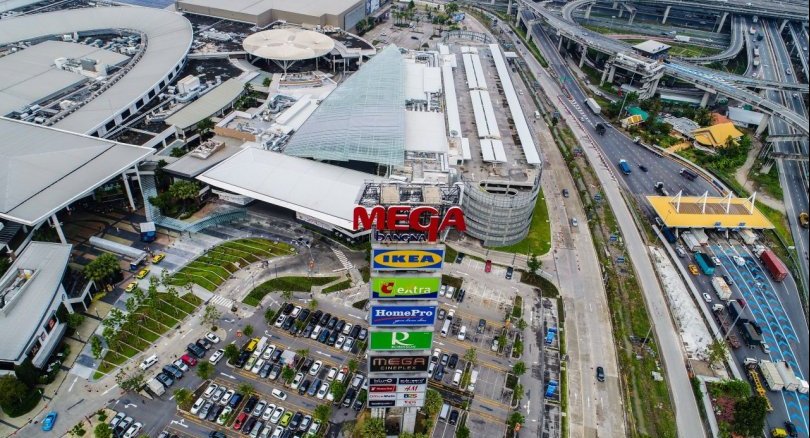
by kevinyeo | Nov 21, 2018 | Bangkok Property Market Updates, Investment Analysis
The condo market in capital’s east end has the potential to evolve into another prime location in the upper tier.
The residential condominium market in Bang Na has the potential to grow and expand at a healthy pace, according to Phanom Kanjanathiemthao, managing director of the real estate services firm Knight Frank Thailand.
The location on the east side of Bangkok has evolved with a full range of facilities to meet the needs of working professionals not only in Bang Na but also Bang Phli, Bang Bo and beyond, including Chon Buri. Many public- and private-sector developments are taking place that will increase the potential and value of assets in the future, Mr. Phanom said. They include:
– Bangkok Mall, a large, regional shopping centre occupying 100 rai, with an investment value of 20 billion baht. The 650,000 square meters of space will comprise a shopping centre, cinema, product exhibition centre, amusement park, water park, condominium, residential units for rent or as serviced apartments, and office space for rent. Once fully open in five years, Bangkok Mall will be the largest shopping centre in Thailand and Southeast Asia. Poised to become a major regional magnet, the complex will also benefit from the development nearby of the new Eastern Bus Terminal, which will move from its current site at Ekamai on Sukhumvit Road.
– Mega City Bangna is raising its profile with a Phase 2 mixed-use development boasting a total investment of 67 billion baht. Adding to Mega Bangna, the second phase consists of shopping and office space, two hotels and residential condominiums with green spaces and public parks on a total area of 400 rai.
– The Forestias is a 90-billion-baht mixed-use lifestyle property project on more than 300 rai. The construction site spans some 600,000 sqm and includes a commercial area with a community mall, six-star medical complex for rent, six-star boutique hotel, four-star hotel, learning centre, kindergarten, and an innovation building. Construction began this year, with completion scheduled for 2022.
– The Bang Na-Suvarnabhumi train line is part of the MRT Master Plan Phase 2, which is currently under study, with private investment partners being sought. The light rail train will connect to the Green Line (Sukhumvit Line) at Bang Na station. Running along Bang Na-Trat Road for 18.3km with 14 stations, it is expected to accommodate 40,000 passengers per day from Bang Na to South Suvarnabhumi station. Sri Iam station will serve as an interchange connected to the Yellow Line (Srinakarin Road). Additionally, Thana City station will house a parking and maintenance facility on 29 rai of land.
– The area between Bang Na-Trat Km 19 and 23 is expected to become an important logistics hub, housing the distribution centres of many large companies. The total warehouse area is about 1.2 million square metres. It also contains a large number of industrial plants, making it a major employment source in Samut Prakan province. The location offers the potential to be linked to the production centres of the Eastern Seaboard, which is currently being transformed into the broader Eastern Economic Corridor (EEC). In addition, plans for a site at Km 32.5 call for a full-scale industrial estate on an area of 4,300 rai.
– Bang Na encompasses a large residential area. Many detached housing and townhouse developments already command relatively high prices, among them Lakeside Villa, Krisada Nakorn, Nuntawan, Baan Issara, Blue Lagoon and Baan Klang Muang. Bang Na-Trat itself links Sukhumvit and Srinakarin roads, so the city is easily accessible via the Chalerm Mahanakorn Special Expressway, or via the Green Line and the Yellow Line under construction, which will further enhance travel convenience.
– Bang Na is also home to many international schools, such as Bangkok Patana School, Thai-Singapore International School, Berkeley International School, St Andrews International School, Concordia International School, Didyasarin International Preparatory School, Thai-Chinese International School, and St Joseph Bang Na School, among others.
A total of 7,836 residential units have been developed in Bang Na since 2009, with a 94% sales rate and a focus largely on condos in the Grade C segment. The average selling price for new Grade B high-rise condominiums launched in 2017-18 in Bang Na-Sukhumvit is approximately 120,000 baht per sqm.
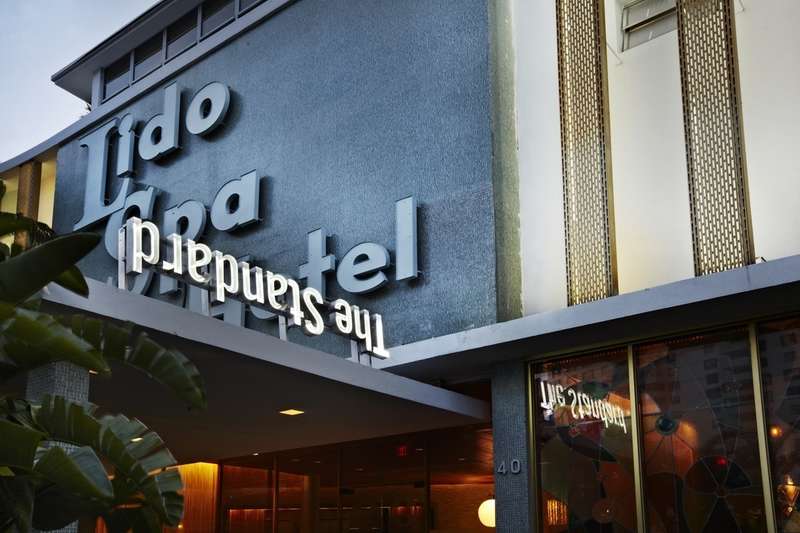
by kevinyeo | Nov 20, 2018 | Bangkok Property Market Updates, Developer Watch, Investment Analysis, Rental Market & Landlord Guides
American hotel chain The Standard plans to expand to Phuket, Hua Hin and Bangkok’s Thong Lor, with 150 rooms each, developing residences for sale at the two beach destinations after SET-listed developer Sansiri Plc invested USD 58 million (1.9 billion baht) in the company last year.
Amar Lalvani, chief executive of parent firm Standard International, said the hotel in Phuket will be a renovation of an existing hotel with 50 rooms near Banana Beach, opening by 2020.
“Apart from the renovation, we plan to build 100 new rooms at the Phuket hotel and develop 50 units, including villas and condos for sale under The Standard Residence brand on remaining plots nearby owned by the existing hotel’s owner,” Mr. Lalvani said.
The second destination will be Hua Hin. Plans call for building 150 condo units for sale, to be operated as hotel rooms under The Standard Residence, opening in 2021.
Thong Lor will be the third location in Thailand with 150 rooms, all of which will be new and strictly for hotel operations, opening in 2021.
“Sansiri will seek investors to invest in each site,” Mr. Lalvani said. “The investment of USD 58 million with us last year can help us expand from the current five locations to 20 in the next five years.”
The Standard started with its first hotel in Hollywood in 1999 and expanded to downtown Los Angeles, Miami and two sites in New York with more than 900 rooms combined. Occupancy runs about 85%, 82%, 79%, 91% and 90%, respectively.
The first quarter of next year will see the opening of The Standard in King’s Cross, London with 262 rooms. This will be a renovation and the first location outside the US. The average daily rate is expected to be £305 (13,130 baht), with revenue per available room of £260.
Apichart Chutrakul, Sansiri’s chief executive, said The Standard was one of six companies in which it invested last year with total spending of USD 80 million. The investment of USD 58 million in the hotel company made Sansiri one of the major shareholders with a 35% stake.
Among the six firms, Sansiri invested in Singaporean co-working space operator JustCo, which got an investment of USD 177 million in May from Singapore-based Frasers Property, owned by the Sirivadhanabhakdi family, and Singaporean sovereign wealth fund GIC.
Both became major shareholders of JustCo with a 50% combined stake, while Sansiri, which injected USD 12 million last year, holds a 6.09% stake.
SIRI shares closed yesterday on the Stock Exchange of Thailand at 1.52 baht, down one satang, in trade worth 84 million baht.
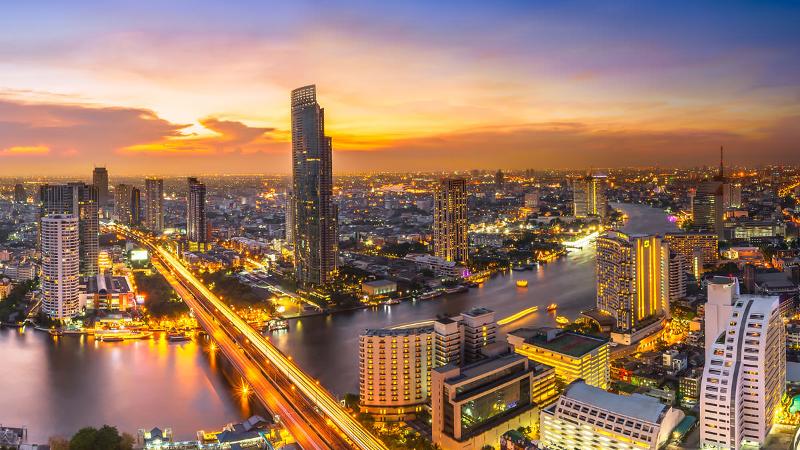
by kevinyeo | Sep 17, 2018 | Bangkok Property Market Updates, Investment Analysis
The Bangkok condominium market remained healthy during the second quarter of 2018 in terms of demand and prices, says Knight Frank Thailand Research.
While new supply declined by almost half from the previous quarter, this reflected the fact that most developers are planning to launch new projects during the second half of the year. A total of 8,894 new units entered the market, a decrease of 47% from the first quarter.
It is clear that industry participants are increasingly turning their attention to the development of areas around the central business district (CBD) and in the suburbs. This was reflected in the number of new units launched in these two areas, which increased by 6.5% and 2.2%, respectively, compared with the first quarter.
The most popular locations were along the electric train extension lines, especially the Light Green, Blue, and Yellow lines. New project launches took place around the same time in the Lat Phrao, Phahon Yothin, Phetkasem and Charan Sanitwong areas.
Meanwhile, the CBD in the Sukhumvit area remained the most popular location for developers during the second quarter, with two new luxury projects in Asok and Ekamai, totaling 363 units. There were no official launches of new projects in other CBD areas in the quarter.
Data compiled by Knight Frank found that the average sales rate of newly launched units was about 60%. Condos that enjoyed brisk sales were located in the CBD and the suburbs, with the take-up of 70% and 50% of total units, respectively. Areas that were popular with buyers included Sathon-Tha Phra, Rama IX-Ratchada, and Phahon Yothin-Vibhavadi.
Overall, the asking price per square meter for new units during the second quarter of 2018 was 147,800 baht, up 5% from the previous quarter. The increase was driven by new developments in the CBD where average prices were 248,000 baht per sqm, reflecting a 16% increase from the previous quarter.
Market conditions warrant close watching in the second half of the year, with many developers scheduled to launch projects. There is a high probability that the new supply in the second half will be at least 22,000 units. If that is the case, the total supply in 2018 will reach nearly 50,000 units.
Prices in the second half could break a record after six quarters, as more than 40% of the new supply will be in the CBD.
by kevinyeo | Jul 6, 2018 | Bangkok Property Market Updates, Investment Analysis
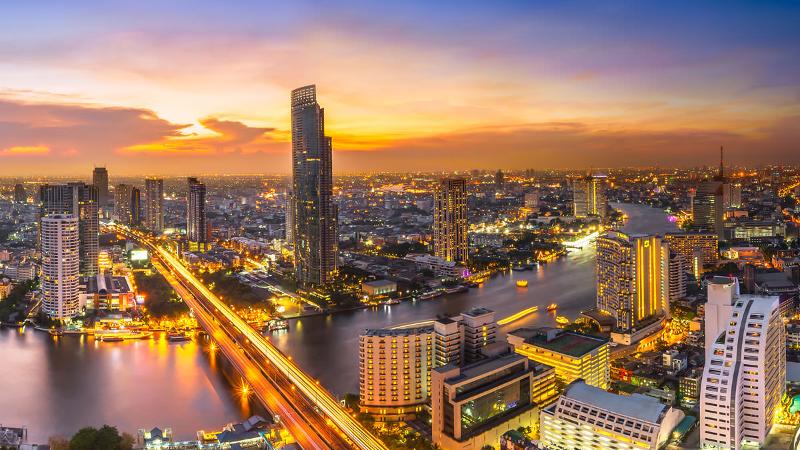
THAILAND has been ranked 34th in the Global Real Estate Transparency Index (GRETI) 2018 put out by property consultancy firm JLL.
The result in the newly released biannual represents a marked improvement from the 2016 edition of the index when the country was ranked 38th.
Compared with the other six countries from Southeast Asia covered by the index, Thailand is ranked the third most transparent real estate market in the sub-region, followed by Indonesia, the Philippines, Vietnam and Myanmar, which were ranked globally 42nd, 48th, 61st and 73rd, respectively.
JLL said the 10th edition of the GRETI contains the most comprehensive country comparisons of data availability, governance, transaction processes, property rights and the regulatory/legal environment around the world. The 2018 Index covers 100 countries and 158 city markets, and the number of individual factors covered has increased by 36 per cent to 186 factors.
The company’s managing director, Suphin Mechuchep, said that transparency across Thailand’s real estate markets has continuously improved over the last decade thanks largely to the increased availability of and access to market data. While the growth of listed companies and real estate investment vehicles has contributed a lot to improving financial disclosures, greater regulatory enforcement, the planned introduction of a new property tax system and steps to digitise its land registry will underpin the country’s improvement in real estate transparency further, Suphin said.
“The improved level of transparency represents a sign of growing maturity of Thailand’s real estate market. It helps owners, investors and occupiers identify opportunities and anticipate challenges more accurately, and consequently make better real estate decisions,” she said.
Asia Pacific’s mature economies, such as Singapore, Hong Kong and Japan, have a significant opportunity to advance real estate transparency through property technology adoption. These leading investment destinations are on the cusp of the “Highly Transparent” tier and are poised to join the top group, which includes countries such as Australia, New Zealand, the US and the UK.
“The proptech sector is growing fast, especially in Asia, though adoption is still relatively low compared to North America and Europe,” said Jeremy Kelly, director of global research at JLL. “We believe the Singapore government could play a key role in promoting proptech adoption through open-data initiatives and the pioneering of blockchain technology.”
“The potential benefits of proptech are certainly not limited to transparent markets,” he adds. “It could also help improve transparency in semi-transparent markets like China, which has a vibrant proptech sector, and where traditional data sources are lacking.”
Another key area of potential improvement for both Singapore and Hong Kong is in sustainability transparency. Strengthening energy efficiency requirements, carbon reporting and stricter energy consumption disclosure will help them make the step up; and in this regard, they could emulate Japan, which has become a global leader in sustainability transparency.
“Asia Pacific as a whole has made the strongest transparency improvements since 2016 compared to the other four regions covered by the study,” said Megan Walters, head of research, Asia Pacific at JLL. “This is supported by developments in Myanmar, Macau, Thailand, India and South Korea.”
Improvements in transparency in some Asian countries have been accompanied by record-breaking commercial real estate investment volumes. In 2017, real estate transactions in the Asia Pacific region reached a record USD 149 billion, JLL said.
by kevinyeo | 28 May 2018 | Bangkok Property Market Updates, Investment Analysis
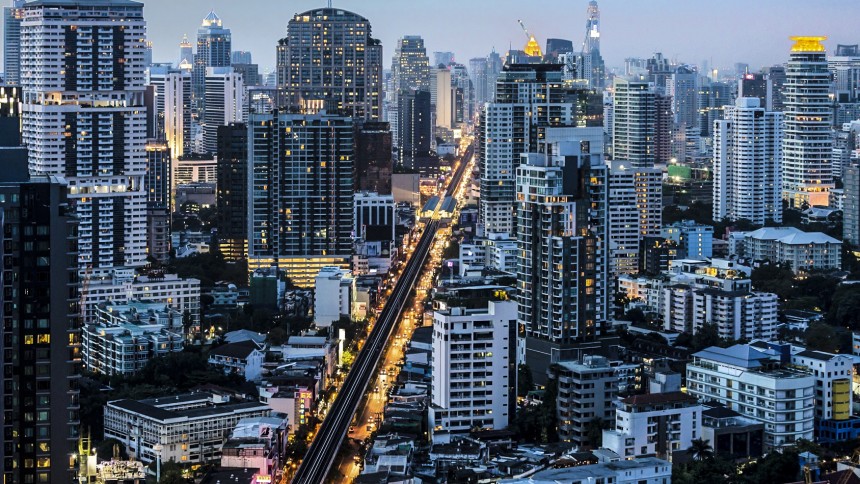
Condominium prices on Sukhumvit Soi 39 and the Thong Lor area have surged by 40% over the past five years.
Thong Lor also takes the cake for the highest rental costs in Bangkok at 1,000 baht per square meter per month, reported property consultant Nexus Property Marketing Co.
Managing director Nalinrat Chareonsuphong said the company, after compiling data on newly-launched condominiums in central locations in the capital, had found that property prices have risen continuously due to an insufficiency of land for development and high demand both from Thai and foreign investors. Hence, new projects tend to pull high returns from either sales or rent.
Price
The Nexus survey found property prices on Sukhumvit Soi 39 and in the Thong Lor area had posted the highest increase over the past five years, rising 40% from 183,000 baht per sqm to 255,000 baht per sqm. Meanwhile, prices in the Rachada-Rama IX area and Ekamai surged 34% and 30%, respectively.
Condominium prices near the city centre, such as the beginning of Phahon Yothin Road, Phaya Thai, and Thon Buri have also increased by 13-26% over the last five years.
In the first quarter of 2018, the average price of newly-launched high-end and luxury condominiums in inner Bangkok and its environs was 208,600 baht per sqm. The Sukhumvit 39-Thong Lor location registered the highest price at 315,000 baht per sqm, followed by Chidlom and Langsuan at 262,000 baht per sqm and Sathon (243,000 baht per sqm).
Rental costs
The average cost to rent high-end condominiums in inner Bangkok and surrounding areas is 754 baht per sq m per month. The rental rates in Sukhumvit Soi 39-Thong Lor, Langsuan and Sathon are 1,000, 955 and 823 baht per sqm per month, respectively. Most tenants are Japanese, European and Americans who work in the Bangkok’s central business district.
Meanwhile, the rental rates of high-end condominiums in inner Bangkok and surrounding areas range between 526-800 baht per square meter per month. The highest rental cost goes to the Ekamai and Phaya Thai areas, respectively. The rental rates in Rachada–Rama 9 and Thonburi are lower than other areas because most tenants are Thai and other Asian nationalities, except Japanese, who also work in Bangkok.
Rental rates per sqm for one-bedroom and two-bedroom units in the city centre are more or less the same, with prices for the latter only 1-2% higher.
For central locations like Thonglor, Langsuan, and Sathorn, rent ranges from 43,000-52,000 baht per month for a one-bedroom unit and 65,000-82,000 for a two-bedroom unit. For central locations, the rental rate ranges from 19,700-33,000 baht per month for a one-bedroom unit and 33,500-54,600 baht per month for a two-bedroom unit.
Return on Investment
When comparing the return on investment in condominiums over the past five years, the survey found that when it came to buying a condominium in 2013 and renting it out, an investor would get a 6.1% return per annum. Ekamai retained the highest yield at 7.7%, followed by Phahon Yothin (7.2%), Thong Lor (6.6%) and Langsuan as well as Phaya Thai (5.6%), respectively.
Investing in condominiums not only gives investors an annual return from renting, but also generates capital gains from sales, as the prices regularly climb. The return on investment for the overall luxury market has been relatively high over the past five years. Thong Lor gives the highest total return on investment at 66% from rent and sales, followed by Ekamai (61%) and Rachada-Rama IX (58%). The average return on investment has been 50% over the last five years.
Although condominium prices have continued to increase, the location that gives the highest return per year for condominium investment is Thon Buri at 5.4%, followed by Ekamai (5.2%) and Phahon Yothin (4.9%).
Trend
The overall condominium price is forecast to increase 8-10% per year over the next three years. Condominium prices in the city centre are projected to rise 12-15%. For areas surrounding inner Bangkok, the annual yield will be higher in the short term, while investing in a condominium in inner Bangkok itself may provide higher capital gain from sales.
Therefore, the total return on investment from condominiums both in inner Bangkok and surrounding areas will more or less be the same.
The key factors that buyers should consider before purchasing a condominium are good management and building maintenance.