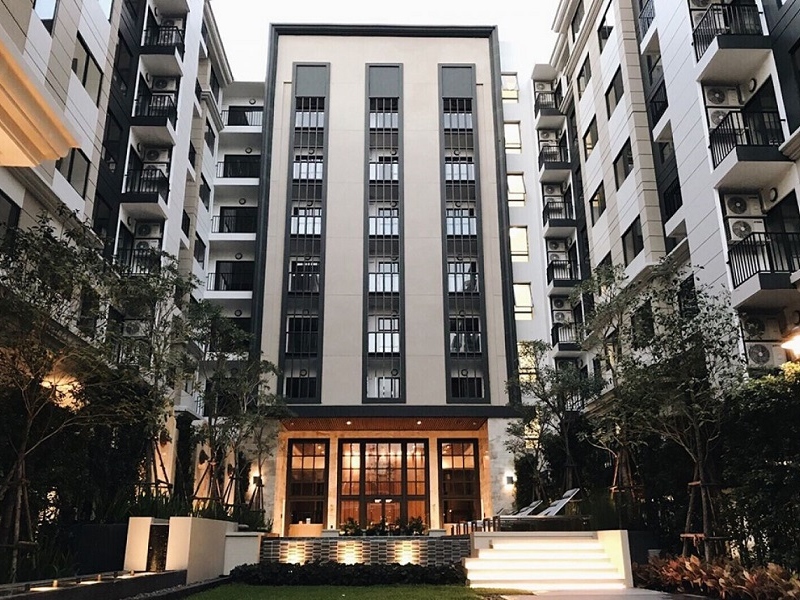
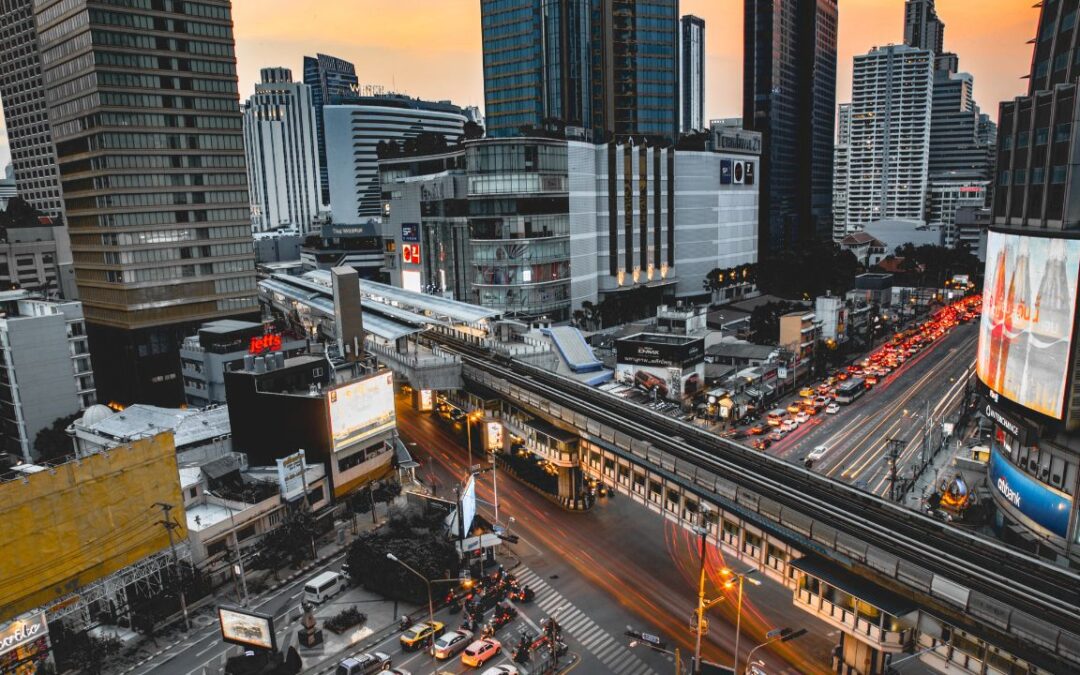
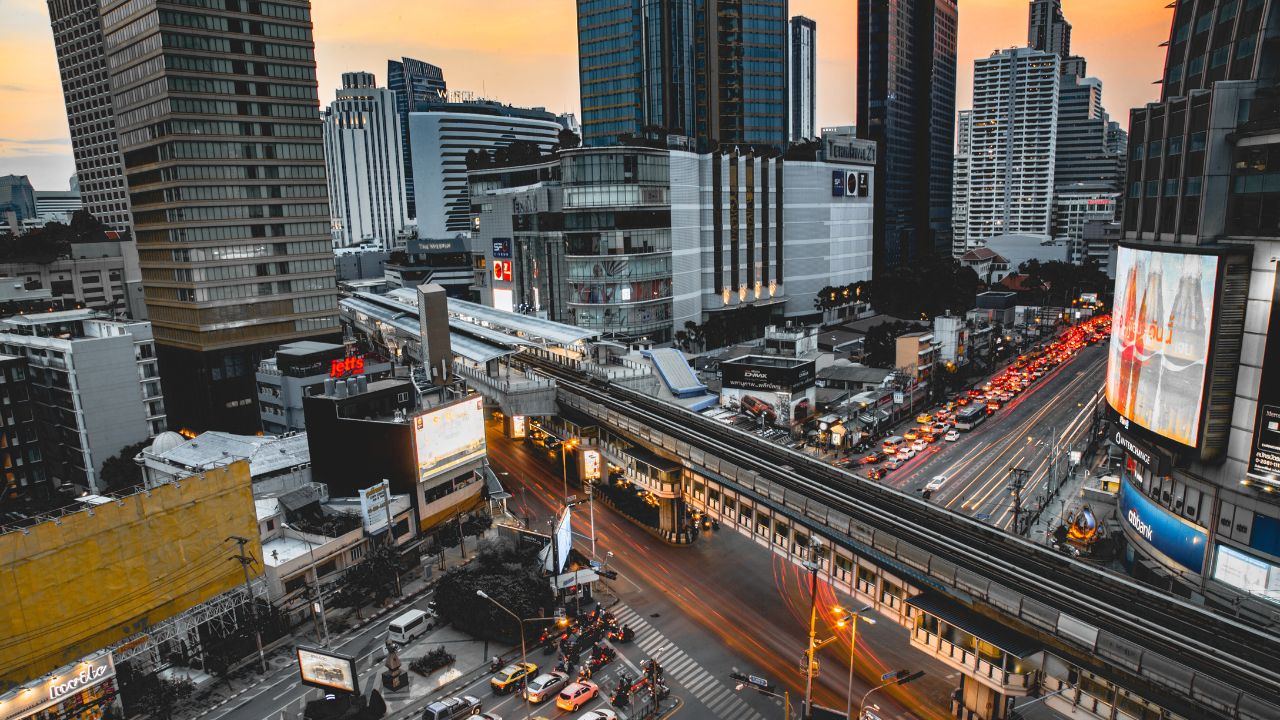
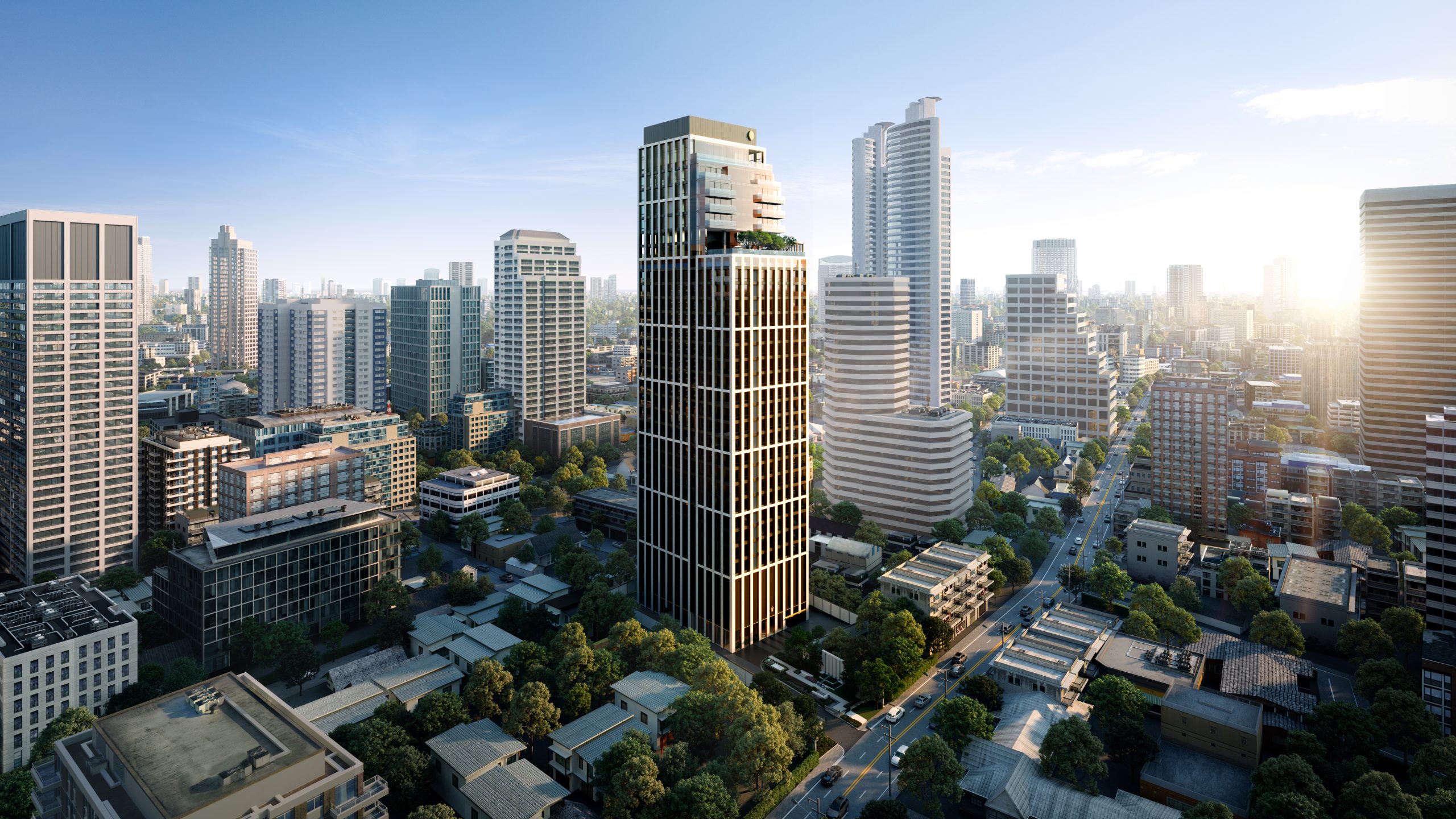
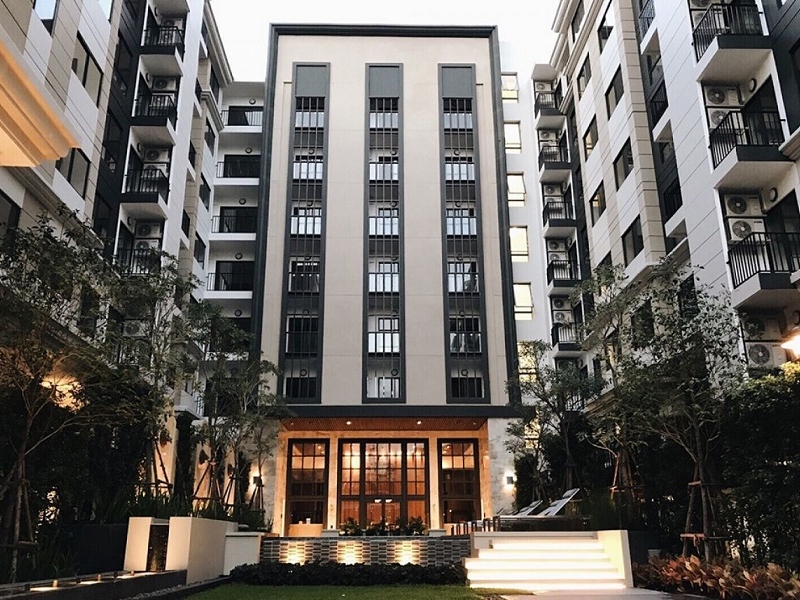
Ari BTS has long appealed to Bangkok residents who want a neighbourhood feel without leaving the central rail network. For foreign buyers, the district offers an interesting mix of cafes, local restaurants, offices, older residential streets, newer condominiums and fast access to Phaya Thai, Siam, Chatuchak and the north of the city.
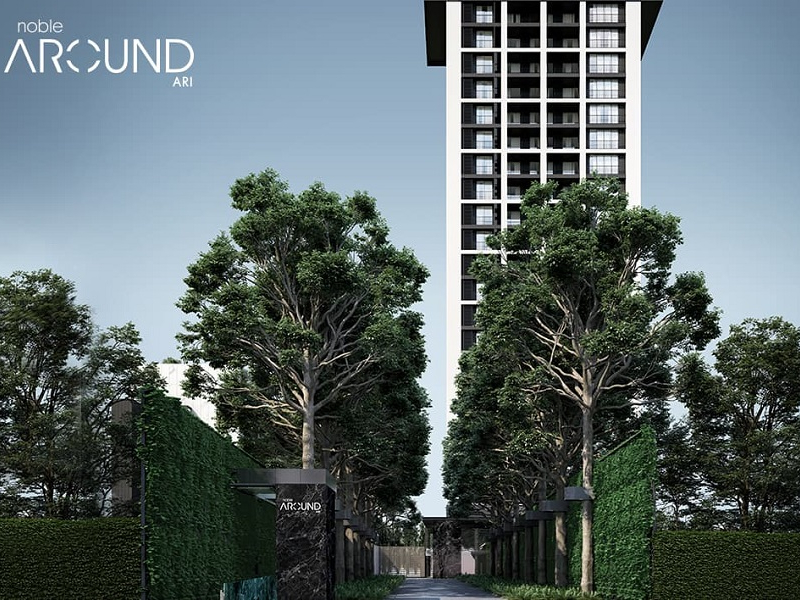
Ari’s appeal is built around neighbourhood character, daily services and easy BTS access.
Ari is not usually bought as a pure trophy address. Its appeal is softer: daily convenience, lifestyle texture, a local professional tenant base and a calmer atmosphere than many prime Sukhumvit areas. That can be attractive, but buyers still need to check building quality, price discipline and exit depth carefully.
Why foreign buyers look at Ari
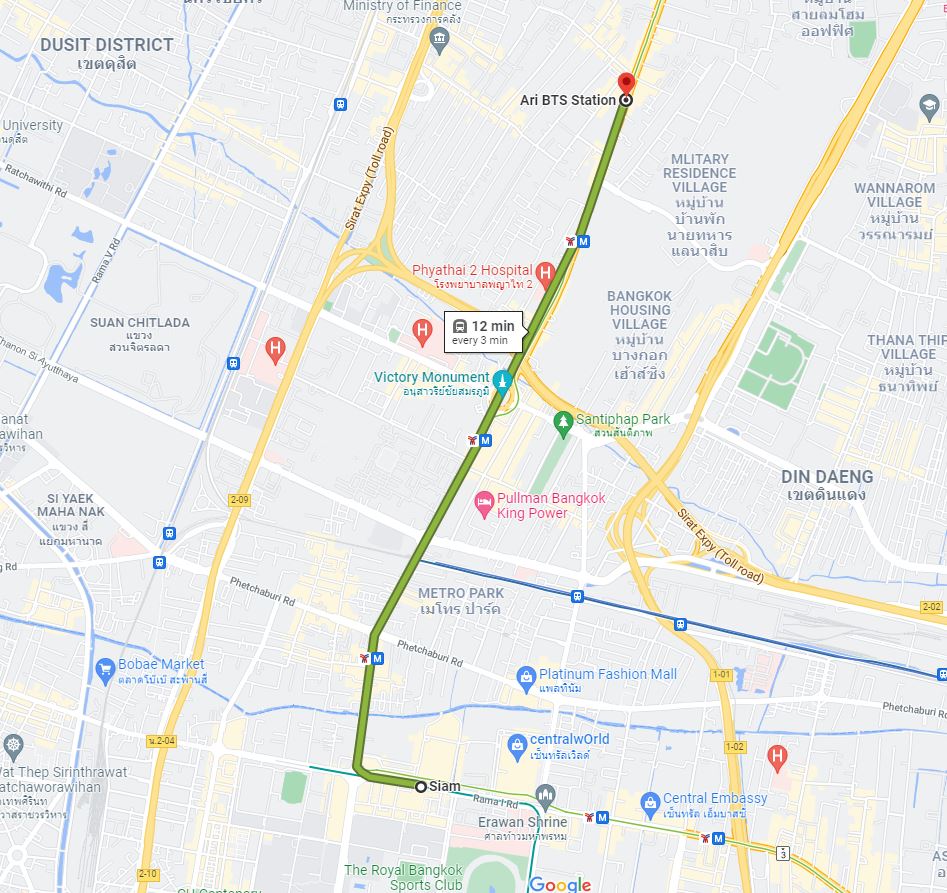
Ari sits on the BTS Sukhumvit Line, giving residents a simple connection towards Siam, Asok, Phaya Thai, Mo Chit and outer northern districts. This makes it useful for people whose work, school, healthcare or lifestyle routines are spread across several parts of Bangkok rather than concentrated in one expatriate enclave.
The neighbourhood is also known for cafes, casual dining, small offices, leafy side streets and a resident profile that includes Thai professionals, creatives, entrepreneurs and long-stay expatriates. For a landlord, that mix can create demand beyond one narrow foreign tenant group. For an owner-occupier, it can feel more lived-in than some investor-heavy condo zones.
The real walk to Ari BTS should be tested at commuting hours, not judged only by map distance.
Station access still needs a real walk
Ari’s lifestyle appeal can make buyers forgiving about distance. They should still walk the route from the station to the building at the times they would actually use it. Check pavements, shade, crossings, motorcycle-taxi dependence, lighting, rainy-season comfort and how traffic behaves around the soi entrance.
A building slightly further from BTS can work if the route is pleasant and the rent or purchase price reflects the distance. A building advertised as close to Ari may be less convenient if the actual route is awkward. Foreign buyers should judge the daily journey, not only the station name.
Building age and management matter
Ari has a mix of older condominiums, boutique projects and newer towers in the wider Phahon Yothin corridor. Older buildings can offer larger rooms or a quieter feel, but buyers need to check lifts, plumbing, facade condition, common areas, parking, juristic office responsiveness and future repair risk. Newer buildings may offer better amenities but can have smaller layouts or more competition.
Do not assume a charming neighbourhood will compensate for weak management. Tenants and future buyers still notice slow repairs, tired lobbies, poor security or unclear rules. Ari’s strongest purchases usually combine neighbourhood appeal with a building that feels reliable.
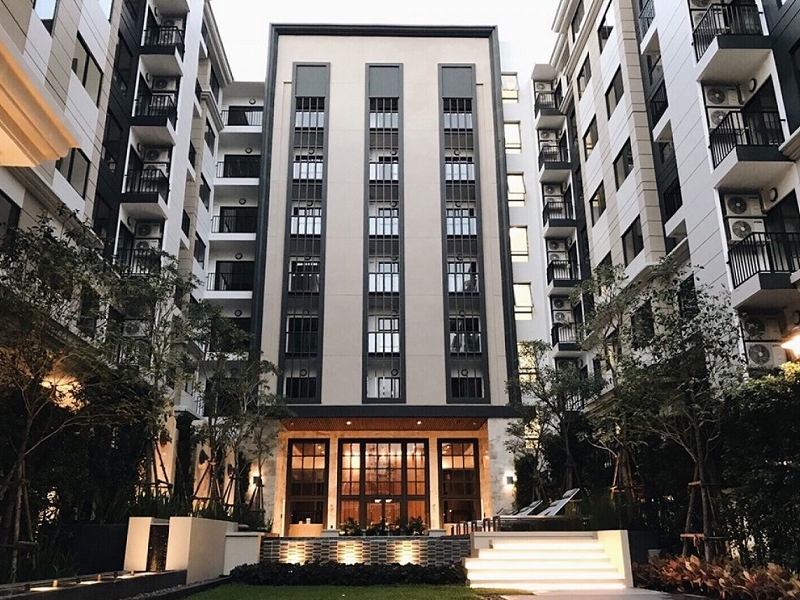
Ari buyers should compare building age, management and unit scarcity before paying a lifestyle premium.
Tenant profile and rent logic
Ari tenants may include Thai professionals, digital workers, consultants, NGO staff, embassy-linked residents, small-business owners and foreigners who prefer a less conventional Bangkok base. This can be positive, but investors should still ask what rent level that audience will realistically accept.
Compact one-bedroom units need efficient planning and good natural light. Larger units need a clear audience, such as couples, small families or work-from-home residents who value space and neighbourhood comfort. If the rent approaches more central alternatives, the unit must explain why Ari is the better choice.
Compare Ari with nearby alternatives
Ari should be compared with Saphan Khwai, Sanam Pao, Phaya Thai, Victory Monument and parts of Chatuchak depending on budget. Each area offers a different balance of rail convenience, lifestyle, building stock and price. A buyer should ask why a tenant or future purchaser would choose Ari over those options.
The answer may be food, atmosphere, access, building quality, quieter streets or a better room for the budget. If the answer is only that Ari is fashionable, the buyer should be cautious. Fashion can help interest, but it does not replace fundamentals.
Owner-occupiers and landlords may value Ari differently
An owner-occupier may accept a quieter soi, an older building or a larger room if the daily routine feels right. A landlord needs a sharper tenant story. The unit should be easy to describe in a listing: comfortable BTS access, a realistic rent, useful layout, good management and neighbourhood services that make weekday life simple.
This distinction matters when paying for charm. Personal affection for Ari can justify some trade-offs for a resident, but an investor should still ask how the next tenant or buyer will compare the unit against newer stock elsewhere on the BTS line.
What to inspect before buying
Walk to Ari BTS during commuting, evening and rainy conditions.
Check nearby cafes, restaurants, groceries, clinics and daily services.
Compare building age, lift capacity, security and juristic management.
Review competing units in Ari, Sanam Pao, Saphan Khwai and Phaya Thai.
Match the unit size to a real tenant or owner-occupier profile.
Test whether the price remains defensible without a lifestyle premium.
Buyer takeaway
Ari BTS can be a strong choice for foreign buyers who want Bangkok rail access with neighbourhood character. It works best when the buyer chooses the building as carefully as the district. Pay for usable layout, reliable management, a realistic tenant profile and a daily routine that genuinely fits Ari’s appeal.
IBP helps foreign buyers compare Ari with nearby BTS districts and other lifestyle-led neighbourhoods. Browse our district guides or contact IBP Real Estate for a district shortlist.
A Bangkok condo offer price should be more than a number that feels discounted against the asking price. For foreign investors, the better test is whether the proposed price still makes sense after rent assumptions, holding costs, vacancy, resale competition, transfer timing and negotiation risk are all considered together.
The right offer price starts with the unit’s practical rent, resale and holding-cost story.
Many buyers ask whether a unit is cheap. A more useful question is whether the price is defensible. A defensible offer can be explained to a future tenant, a future buyer and the buyer’s own cash-flow model. It does not depend on optimism, one attractive viewing, or a seller’s claim that a similar unit once achieved a higher number.
Start with the investment purpose
The same condo can justify different offer logic depending on the buyer’s purpose. A long-term landlord may accept a slightly lower initial yield if the unit is easy to lease, well managed and likely to retain tenant appeal. A resale-focused buyer may need a sharper entry price because the exit depends on future demand and competing listings. An owner-occupier may pay for personal comfort, but should still understand resale limits.
Before negotiating, define the primary use case. Is the unit intended for rental income, part-time personal use, future retirement, a family base, or eventual resale after a holding period? Without that purpose, the offer price becomes a loose reaction to the seller’s anchor.
Building quality, management and comparable competition should be part of every offer decision.
Compare the full unit, not only size
Price per square metre is useful, but it can hide practical weaknesses. A compact unit with excellent planning may lease better than a larger unit with wasted corridors or an awkward second bedroom. A cheaper unit may also carry more renovation work, weaker natural light, poor noise exposure, slower lifts, lower-floor privacy issues or a less convenient route to transit.
Investors should compare layout, floor, view, orientation, furniture condition, building age, juristic management, common areas and realistic tenant profile. If the target unit is more expensive than alternatives, the premium should be clear. If it is cheaper, the reason should be understood before the buyer treats the discount as value.
Use rent evidence conservatively
An offer price should not be built only on the highest rent mentioned in the market. Buyers should ask what similar units are actually leasing for, how long they sit vacant, what furniture level tenants expect, and whether the rent includes items that reduce net income. A strong investment case should still work if the rent is slightly lower or the first vacancy lasts longer than planned.
This is especially important for foreign landlords who may rely on a local manager. A unit that needs constant price cuts, frequent touch-ups or intensive tenant chasing can look acceptable in a gross-yield calculation but feel poor in real ownership.
District appeal is useful only when the proposed price remains defensible against alternatives.
Check holding costs before increasing the offer
Common fees, sinking fund items, insurance, repairs, furnishing replacement, agent fees, tax filing, management fees, bank costs and currency conversion can all affect the buyer’s real return. A buyer who ignores these costs may overpay because the headline purchase price looks manageable.
Before improving an offer, model the likely first year and a normal stabilised year. Include vacancy, minor repairs and cash kept in Thailand for practical ownership. If the offer only works when everything goes smoothly, it is probably too high for an overseas investor.
Understand the seller’s position without relying on it
Seller motivation can help negotiation, but it should not replace due diligence. A motivated seller may accept a fair offer quickly. A patient seller may wait for a higher number. A buyer should understand days on market, competing units, transfer timing, whether the unit is vacant or tenanted, and whether furniture or repairs are negotiable.
However, do not overfocus on winning the negotiation. A price that is slightly lower than asking can still be weak if the building is hard to resell or the rent story is thin. The goal is not to beat the seller. The goal is to buy a unit that remains sensible after completion.
Set walk-away conditions
Foreign investors should decide their walk-away points before emotions rise. These may include an inspection issue, unclear ownership documents, unresolved common fee arrears, poor building records, weak rent evidence, unacceptable furniture condition, or a final price above the conservative model. A clear walk-away point protects the buyer from negotiation drift.
It is also worth deciding what can be traded. A seller may refuse a lower price but agree to furniture, repairs, later completion, vacant possession or documentation support. These items have value, but only if they are written clearly and checked by the buyer’s representative.
Investor checklist
Define whether the unit is mainly for rent, personal use or resale.
Compare layout, condition and management, not only price per square metre.
Use conservative rent evidence and include vacancy.
Model holding costs before raising the offer.
Check competing listings in the same building and nearby alternatives.
Agree walk-away conditions before the seller counters.
Buyer takeaway
A Bangkok condo offer price should survive a calm investment review. Foreign buyers should connect price to rent, costs, competition, management and exit logic before committing. A good negotiation is not simply a lower number. It is a purchase that remains defensible after the excitement of the offer has passed.
IBP helps foreign buyers compare Bangkok condos by investment purpose, rentability and resale depth. Read more in our investment analysis archive or contact IBP Real Estate for a buyer-focused shortlist.
Udom Suk BTS sits in an upper Sukhumvit zone that can make sense for foreign buyers who want rail access, more practical pricing than prime Sukhumvit and a neighbourhood that still connects to Bang Na, Punnawithi, On Nut, Ekkamai and the wider eastern corridor. It is not a trophy address, and that is partly the point.
Udom Suk gives buyers an upper Sukhumvit alternative that needs careful route and building checks.
The district rewards buyers who are clear about daily routine. A good Udom Suk condo can offer useful BTS access, local food, community services, offices, schools, hospitals and expressway connections nearby. A weak choice can feel too far from the station, too dependent on motorcycles or too ordinary when compared with newer buildings in neighbouring districts.
Why buyers consider Udom Suk
Udom Suk appeals to buyers looking beyond the most expensive central stations. It can suit residents who want Sukhumvit access without paying a Phrom Phong or Thong Lo premium. It can also work for tenants whose lives connect eastwards towards Bang Na, BITEC, international schools, industrial estates, airport routes or workplaces outside the traditional central business district.
For investors, the district’s appeal is practical rather than glamorous. The target tenant may care about a clean building, realistic rent, efficient layout, BTS access and easy daily services. That can be a healthy investment story, provided the entry price and rental assumptions are conservative.
The right building can matter more than the station name when buyers compare upper Sukhumvit choices.
Station access needs a real walk
As with many Bangkok districts, the station name does not tell the whole story. Buyers should walk from the BTS to the building in daytime, evening and rainy conditions if possible. Check pavements, crossings, shade, lighting, motorcycle-taxi dependence, traffic at the soi entrance and whether the route feels comfortable for the intended resident.
A building that is slightly further away can still work if it has a reliable shuttle, good drop-off point, strong management and a sensible rent. A building advertised as close to the station may disappoint if the actual walk is unpleasant or the entrance is awkward. The real journey matters more than the brochure distance.
Compare nearby alternatives
Udom Suk should be compared with On Nut, Bang Na, Punnawithi, Bearing and parts of Ekkamai or Phra Khanong depending on budget. Each area has a different balance of rent, convenience, building age, retail access and tenant depth. A buyer should ask why a tenant would choose Udom Suk over those alternatives at the same rent.
Competition is important. If many similar one-bedroom units are available nearby, the target unit needs a clear advantage. That might be a better layout, lower total cost, superior management, easier BTS route, quieter position, stronger common areas or a furnishing package that suits long-stay tenants.
Daily services, retail access and last-mile travel shape how convenient Udom Suk feels in practice.
Daily services and neighbourhood comfort
Udom Suk is strongest when the buyer values everyday convenience. Look for grocery access, pharmacies, cafes, local restaurants, clinics, laundry, parcel handling, fitness options and quick links to larger retail centres. These details shape whether a tenant renews or an owner-occupier feels settled after the first few months.
Foreign buyers should also test night-time atmosphere. Some streets feel active and local; others are quieter and more residential. Neither is automatically better. The correct choice depends on whether the buyer wants a practical rental unit, a family base, a work-from-home apartment or a lower-key Sukhumvit home.
Building quality matters more outside prime locations
In a less trophy-led district, building quality becomes especially important. Buyers should inspect lift capacity, lobby control, parking, juristic office responsiveness, common-area condition, pool and gym maintenance, waste management, security and the quality of tenant communication. A well-run building can outperform a better-known address that feels tired.
Unit layout also deserves attention. Efficient one-bedroom units may lease well if the rent is realistic. Larger units need a clear audience, such as couples, small families, remote workers or buyers who value more space than central Sukhumvit provides. Do not pay for extra area unless the layout makes that area useful.
Owner-occupiers and landlords may choose differently
An owner-occupier may accept a quieter soi, larger room or lower-rise feel if it suits their personal routine. A landlord usually needs a sharper explanation for tenants who compare several BTS stations in one search. The same unit can therefore be sensible for one buyer and weak for another.
Before committing, decide whether the unit is primarily for personal use, long-term rental income or a future resale exit. That decision affects how much weight to give to school routes, office access, furnishing, parking, pet rules, shuttle services and building age. Udom Suk works best when the buyer’s purpose is clear.
Buyer checklist
Walk the route to Udom Suk BTS in realistic conditions.
Compare rent and resale competition with On Nut, Punnawithi and Bang Na.
Check whether the building has a real tenant profile, not only a low price.
Inspect management, lifts, security, parking and common areas carefully.
Test access to groceries, clinics, cafes, expressways and larger retail hubs.
Model a conservative exit, especially for generic units in crowded buildings.
Buyer takeaway
Udom Suk BTS can work for foreign buyers who want a practical upper Sukhumvit location with rail access and a value-led story. It is best approached with discipline. Buy the route, building quality, tenant profile and realistic price, not simply the idea of being on Sukhumvit.
IBP can help foreign buyers compare Udom Suk with On Nut, Bang Na, Punnawithi and other rail-led districts. Browse our district guides or contact IBP Real Estate for a neighbourhood shortlist.
Rent collection is one of the least glamorous parts of Bangkok condo investing, but it is central to whether a foreign landlord can hold a unit calmly. A projected rent means little if payments arrive late, receipts are unclear, deductions are not explained, or the owner has no local process for following up.
Rent collection should be planned before purchase, especially when the owner lives outside Thailand.
Foreign buyers often focus on purchase price, expected yield and future resale value. Those are important, but the monthly rental workflow deserves equal attention. The strongest investment is usually the one where rent, bills, repairs, reporting and cash reserves can be managed without the owner chasing every small item from overseas.
Why collection discipline belongs in the purchase case
A Bangkok condo can be well located and still disappoint if the landlord has a weak rent-collection system. Late rent affects cash flow, but it also affects decision quality. An owner under pressure may delay repairs, accept a poor renewal, overlook lease breaches or become too slow to prepare for the next tenant.
Before buying, investors should ask how rent will be paid, who will confirm receipt, how arrears will be escalated, how deductions will be approved and what reporting the owner will receive each month. These questions are practical, not pessimistic. They help the owner understand whether the unit can be run professionally from another country.
Clear documents, receipts and reporting routines make a rental unit easier to manage from overseas.
Start with the lease payment mechanics
The lease should make the payment date, payment channel, account details, late-payment process and security deposit handling clear. It should also explain whether rent is paid to the owner, a property manager or another authorised party. If a manager receives the money first, the owner should know when funds are remitted and what fees or costs may be deducted.
Foreign landlords should avoid informal arrangements that depend on memory or goodwill. A simple monthly statement can show rent received, management fee, repairs, cleaning, utility adjustments, withholding items where relevant and the net amount held or transferred. The statement does not need to be complex, but it should be consistent.
Check the tenant profile before relying on rent
Rent collection risk differs by tenant profile. A corporate tenant, an expatriate family, a local professional, a student, a short-term relocation tenant and a small-business owner may all have different payment habits, documentation needs and renewal patterns. The rent level should be judged beside the likely tenant, not only against a listing screenshot.
Investors should ask whether similar units in the building are usually leased to long-stay residents, company-paid tenants, price-sensitive renters or frequent movers. A building with many similar units may still rent well, but owners may need sharper lease terms, better furnishing and faster communication to keep payment discipline and tenant satisfaction aligned.
Building management, tenant profile and payment discipline should be assessed together.
Receipts and records protect the owner
Every rent payment, deposit movement and approved deduction should leave a record. This helps the landlord, tenant, property manager and accountant understand what happened if questions arise later. It also helps at resale, because a well-organised income file can make the unit easier to explain to a future investor.
Records should include the signed lease, tenant identification documents where appropriate, inventory, move-in report, payment receipts, repair approvals, contractor invoices, deposit deductions and move-out settlement. If the owner changes manager, this file should transfer cleanly. A rental unit should not depend on one person’s inbox.
Plan for arrears before they happen
A good landlord process sets escalation steps in advance. The owner and manager should agree when a reminder is sent, when a formal notice is prepared, when building access or utility issues require advice, and when legal support is needed. Foreign owners should not improvise this after rent is already late.
It is also worth deciding how much flexibility is acceptable. A strong long-term tenant with a temporary payroll delay is different from a tenant who repeatedly pays late and ignores messages. The lease, local advice and manager’s experience should guide the response, but the owner should already know the decision framework.
Keep local cash separate from rent optimism
Rent collection is easier when the owner does not need every payment immediately. A Thai baht reserve allows the landlord to cover minor repairs, cleaning, juristic charges or vacancy without treating each rent payment as emergency cash. This is especially useful when funds are later converted or remitted overseas.
Investors should decide how much income will stay in Thailand and how much will be transferred out. The answer depends on ownership costs, tax filing, management arrangements and personal cash needs. The key is to make the decision intentionally, not as a monthly reaction.
Investor checklist
Confirm the rent payment date, account and authorised recipient.
Ask what monthly statement or receipt the owner will receive.
Set clear repair approval limits with the property manager.
Keep lease, inventory, payment and deduction records in one file.
Agree an arrears escalation process before signing the lease.
Maintain a local reserve so late rent does not force poor decisions.
Buyer takeaway
Bangkok condo rent collection is not just administration. It is part of investment risk control. Foreign landlords should buy units that can be rented, reported and managed clearly, with payment discipline built into the lease and management process. The easier the cash flow is to see, the easier the property is to hold.
IBP helps foreign buyers compare Bangkok condos by rentability, tenant profile and management practicality. Read more in our rental market guides or contact IBP Real Estate for a landlord-focused shortlist.
Nana BTS is one of Bangkok’s most internationally recognisable Sukhumvit locations. It sits between Phloen Chit and Asoke, with hotels, serviced apartments, restaurants, nightlife, offices, medical access, embassies and rail links all close by. For foreign buyers, that visibility can be useful, but it also means the condo choice needs discipline.
Nana and Sukhumvit 11 need careful checks on access, noise, hotel activity and tenant fit.
The best Nana-area purchases are not simply the nearest units to the station. Buyers should compare street character, lobby control, noise, building age, tenant profile, unit orientation, parking, foot traffic and resale audience. Nana can work for rental investors and owner-occupiers, but the location rewards precise selection rather than generic confidence in central Sukhumvit.
Why foreign buyers consider Nana
Nana offers centrality. Residents can move quickly along the BTS Sukhumvit Line, reach Asoke’s MRT interchange, access Phloen Chit and Chit Lom, and use taxis or ride-hailing for hospitals, embassies, malls and offices. For visitors and new arrivals, the area is easy to understand because it is close to hotels, dining and daily services.
That accessibility can support rental demand from short- and medium-term expatriates, consultants, regional workers and tenants who want a central base without committing to the most family-oriented parts of Sukhumvit. However, demand is not automatic. Tenants will still compare the building, furniture, lift speed, security and street feel.
Side-street position can change the feel of a Nana-area condo as much as the BTS distance.
Street-by-street checks matter
Nana is not one uniform district. Sukhumvit 11, Sukhumvit 8, Sukhumvit 12 and smaller connecting streets can feel very different. Some routes are active late into the evening. Others are quieter or more residential. A buyer should walk the exact route from BTS to lobby during the day, after work and at night, not only during a scheduled viewing.
Check pavements, lighting, noise, traffic, motorcycle-taxi points, hotel entrances, bar frontage, construction and pickup areas. A building that is convenient for one tenant type may feel too busy for another. Matching the route to the target occupier is part of the investment decision.
Noise and privacy need careful testing
Central Sukhumvit can be lively, and Nana is no exception. Buyers should open windows and balcony doors during inspection, listen for road noise, music, generators, nearby venues, construction and elevated rail exposure. Higher floors can help, but they do not solve every sound issue.
Privacy also matters. Some units look toward hotels, serviced apartments, office buildings or neighbouring towers. If residents keep curtains closed most of the time, the unit may feel less spacious than the floor plan suggests. Orientation, window position and distance to adjacent buildings should be checked alongside the view.
Building management, lobby control and unit orientation are central to the Nana investment case.
Building management can decide the outcome
In an active district, building management is especially important. Lobby control, visitor registration, lift security, delivery procedures, parking access and common-area cleanliness all affect resident confidence. A condo can be centrally located but still underperform if the building feels loose, tired or poorly managed.
Investors should ask how the building handles tenants, contractors and visitors. Owner-occupiers should pay attention to the lobby atmosphere and common areas at different times. The more active the neighbourhood, the more the building itself needs to create calm and predictability.
Tenant profile and unit choice
Compact one-bedroom units may appeal to single professionals, consultants and residents who value central transport more than large internal space. Larger units need a clearer story, because families may prefer quieter streets, school access or parks. A two-bedroom Nana unit can work, but only if it solves a real resident need and is priced against nearby alternatives.
Furniture quality is also important. In a district with hotels and serviced apartments nearby, tenants compare convenience and presentation quickly. A tired unit may need to compete on price. A well-kept unit with good storage, practical appliances and a calm outlook can stand out.
Resale positioning
Nana’s resale story is central location, BTS access and international recognition. The risk is that buyers may discount units affected by noise, poor access, weak management or overly busy surroundings. Foreign investors should ask whether the unit would be easy to explain to a future buyer who is comparing Asoke, Phloen Chit, Chit Lom, Ekkamai and Thong Lo.
A strong resale unit should have a defensible building, a tolerable route, a layout that makes sense and a price that reflects both convenience and friction. Paying only for the station name can leave too little margin for the area’s practical trade-offs.
Buyer checklist
Walk the exact BTS-to-lobby route at several times.
Check night-time noise, hotel activity and venue exposure.
Assess lobby control, lift security and visitor procedures.
Match the unit size and furniture level to a realistic tenant profile.
Compare resale logic with Asoke, Phloen Chit and other Sukhumvit options.
Price any convenience premium against the building’s actual strengths.
Buyer takeaway
Nana BTS can be a useful Bangkok condo location for foreign buyers who want central Sukhumvit access and an internationally familiar rental story. The right unit needs more than proximity to the station. It needs a manageable street route, controlled building environment, realistic tenant fit and a clear resale case.
IBP helps foreign buyers compare Bangkok districts by transport, tenant demand, building quality and lifestyle fit. Browse our district guides or contact IBP Real Estate for a Sukhumvit shortlist.
A Bangkok condo can look sensible on paper and still feel uncomfortable if the owner has no reserve for ordinary holding costs. Foreign investors should not treat a cash reserve as a pessimistic add-on. It is part of owning property across borders, especially when rent, repairs, common fees, tax filings, insurance, currency conversion and resale timing may not line up neatly.
A cash reserve helps foreign investors hold a Bangkok condo through vacancy, repairs and timing surprises.
The purpose of a reserve is not to predict every cost. It is to prevent a manageable issue from becoming a forced decision. A landlord with cash available in Thailand can approve repairs, cover short vacancy, pay building charges and keep the unit presentable without rushing an international transfer or accepting a weak tenant simply because the next payment is due.
Why a reserve belongs in the investment case
Many buyers focus on purchase price, expected rent and potential resale value. Those figures matter, but they do not show the liquidity needed during ownership. A condo still has common fees, utility arrangements, insurance, cleaning, maintenance and management tasks when it is vacant. If the owner lives overseas, each small item can take longer to solve.
A reserve also gives the owner negotiating room. If a strong tenant asks for a minor improvement before signing, the landlord can decide based on return and retention, not immediate cash pressure. If a resale buyer asks for repairs, the owner can choose whether the request is reasonable. Cash flexibility protects decision quality.
Building age, management quality and maintenance rhythm shape the reserve a landlord should keep.
Start with fixed local costs
The first layer is predictable. Common area fees, sinking fund obligations, internet, basic utilities, insurance, accounting support, property management and periodic cleaning should be listed before the purchase is finalised. The buyer should ask which costs are monthly, quarterly or annual, which can be paid online, and who will monitor notices from the juristic office.
Do not rely on a vague estimate. A foreign buyer should request current building information, recent invoices where available and clear handover notes from the seller or developer. If the condo will be rented, separate owner costs from tenant costs so the net return is not overstated.
Vacancy needs its own allowance
Even a good unit can sit empty between tenants. Cleaning, small repairs, repainting, marketing, viewings and price adjustment may be needed before the next lease. If the landlord expects every month to be occupied, the investment case is too fragile. A reserve should allow the owner to wait for a suitable tenant instead of accepting a poor fit.
Vacancy planning is especially important in buildings with many similar units. When tenants have choice, owners may need to refresh furniture, improve photography, adjust rent or respond faster than competing landlords. A small reserve can help the unit stay competitive without changing the whole investment thesis.
Foreign owners should decide which costs will be covered locally and which may require overseas transfers.
Repairs are not always dramatic
Reserve planning should include modest repairs as well as larger surprises. Air-conditioning servicing, appliance replacement, leaking fittings, door hardware, curtains, mattress wear, paint touch-ups and balcony issues are normal parts of ownership. None is unusual, but each can disrupt leasing if the owner has no budget or no authorised representative.
Buyers should also consider the building’s age and maintenance culture. A newer building may still need warranty follow-up and fit-out correction. An older building may have more predictable routines but more wear. Either can work, provided the reserve matches the property rather than a generic assumption.
Currency timing can create pressure
Foreign owners often think in a home currency but pay Bangkok costs in Thai baht. If funds must be transferred from overseas each time a cost appears, the owner is exposed to timing, bank process and exchange-rate discomfort. A Thai baht reserve can reduce that friction. It also keeps property decisions separate from short-term currency movements.
The owner should decide how much rent will remain in Thailand and how much will be converted or remitted. A landlord who converts every payment immediately may later need to send money back for a repair. A landlord who keeps a sensible local balance can run the unit more smoothly.
Stress-test before buying
Before committing, test a simple downside case. Assume a period without rent, a repair bill, one furnishing refresh, management costs and a slower resale process. Then ask whether the investment still feels manageable. If the answer depends on perfect occupancy and no unexpected costs, the purchase may be too tight for an overseas owner.
This exercise should be done before signing, not after the first vacancy. The best time to plan a reserve is when the buyer still has the option to choose a different unit, lower the bid, increase the budget or delay the purchase.
Investor checklist
List fixed building, utility, insurance and management costs.
Allow for vacancy, cleaning and marketing between tenants.
Keep a practical repair and furnishing reserve in Thai baht.
Confirm who can approve urgent works while the owner is overseas.
Separate home-currency return expectations from local cash needs.
Retest the reserve before resale, when repairs and presentation may matter.
Buyer takeaway
A Bangkok condo cash reserve is not wasted capital. It is the buffer that lets a foreign owner make calm decisions while renting, holding or selling. The strongest investment case is one where the unit still works after realistic vacancy, maintenance and currency timing are included.
IBP helps foreign buyers compare Bangkok condos by net return, tenant demand, building quality and exit strategy. Read more in our investment analysis archive or contact IBP Real Estate for a buyer brief.
Saphan Khwai is often overlooked by foreign buyers who already know Ari, Phaya Thai, Asoke or central Sukhumvit. That can be a mistake. The district sits on the BTS Sukhumvit Line, close to Ari’s lifestyle appeal, Chatuchak’s green and transport connections, and the practical Phahon Yothin corridor. For the right buyer, it can offer a useful blend of access, local life and value discipline.
Saphan Khwai and Phahon-Pradipat appeal to buyers who want BTS access with a less obvious central-Bangkok profile.
It is not a simple prestige district, and that is part of the point. Saphan Khwai requires careful building selection. Buyers should compare the real walking route, nearby services, unit layout, building age, management quality and resale audience before assuming the area is a cheaper substitute for Ari.
Why foreign buyers consider Saphan Khwai
The main appeal is rail-led convenience with a more local rhythm. Saphan Khwai BTS gives residents access south toward Ari, Phaya Thai, Siam, Chit Lom, Asoke and On Nut, and north toward Mo Chit and the wider northern corridor. For residents who work or study across several Bangkok districts, that can be practical.
The area also benefits from proximity to Chatuchak, Ari, Pradipat, Phahon Yothin, hospitals, local food, offices and weekend destinations. It can suit buyers who want Bangkok life to feel less polished than prime Sukhumvit but still connected enough for work, errands and visitors.
The district sits between Ari, Phahon Yothin, Chatuchak and northern Bangkok transport corridors.
Compare it with Ari, not only on price
Saphan Khwai is often discussed as an Ari-adjacent option. That comparison is useful, but price should not be the only lens. Ari has a stronger lifestyle brand, cafe scene and residential reputation with many expatriates and Thai professionals. Saphan Khwai may offer better value in some buildings, but the buyer needs to ask what they are giving up and what they are gaining.
If the unit is cheaper because the walk is less pleasant, the building is older, the facilities are weaker or the street feels less residential, the discount may be justified. If the building has a good route, efficient layout, calm management and practical services nearby, the value case becomes stronger. The investor should compare total liveability, not only station names.
Walking routes matter
A Saphan Khwai condo can look close to the BTS on a map but feel different in daily use. Buyers should walk from the station to the lobby at commute time, midday and evening if possible. Check crossings, shade, pavement quality, lighting, motorcycle-taxi conflict, food stalls, traffic noise and rainy-season comfort.
This is especially important for tenants. A tenant choosing between Ari, Saphan Khwai, Phaya Thai and Ladprao may accept a slightly less famous district if the route is easy and the rent is sensible. If the walk feels awkward, the unit may need to compete harder on price.
Building age, layout and management quality are especially important where buyers compare several nearby BTS options.
Building age and management can decide the investment
Saphan Khwai has a mix of older and newer condominium stock. Older buildings may offer larger layouts or lower entry prices, but they need careful checks on lifts, common areas, water systems, parking, security, juristic office responsiveness and future maintenance. Newer buildings may photograph better, but they can still face competition if many similar units are available.
Foreign buyers should inspect common areas slowly. Look at corridors, lobby condition, gym and pool maintenance, rubbish rooms, parking flow, staff communication and noticeboards. A building that feels well managed can support both tenant retention and resale confidence. A weak building can make a good location harder to monetise.
Tenant profile and resale audience
The likely tenant audience may include Thai professionals, young expatriates, hospital staff, consultants, students, creative workers and people who want access to Ari or Chatuchak without paying the highest central rents. That is a useful pool, but it is not unlimited. Investors should check active listings and understand what similar units are asking.
For resale, the buyer should be able to explain the property in one sentence. Examples include: a larger unit near BTS, a well-managed building with a practical Ari-adjacent lifestyle, a compact rental unit with a fair rent, or a home base with strong northern and central access. If the explanation is vague, the resale story may be weak.
What to inspect nearby
Daily services are part of the district’s value. Check supermarkets, local markets, pharmacies, clinics, cafes, gyms, laundries, parcel services and ride-hailing pickup points. Visit the area outside office hours. Some streets feel active and useful; others can feel noisy, narrow or less comfortable for walking.
Buyers should also consider weekend movement. Chatuchak and Mo Chit can bring crowds and traffic. That can be positive for lifestyle and retail access, but it may affect taxi times and quiet enjoyment. The right unit should benefit from access without sitting directly in the most disruptive movement pattern.
Buyer checklist
Walk the lobby-to-platform route in realistic conditions.
Compare the unit with Ari, Phaya Thai, Mo Chit and Ladprao alternatives.
Check building age, lifts, parking, security and common-area maintenance.
Test whether the rent assumption is supported by active competing listings.
Inspect noise, traffic, night-time atmosphere and weekend movement.
Choose a unit with a clear tenant and resale explanation.
Buyer takeaway
Saphan Khwai can make sense for foreign buyers who want BTS access, Ari proximity and a less obvious central-north Bangkok location. It rewards careful selection. Buy the route, building management, usable layout and realistic tenant profile, not only the idea of being one stop from Ari.
IBP can help foreign buyers compare Saphan Khwai with Ari, Phaya Thai, Ladprao and other BTS-led districts. Browse our district guides or contact IBP Real Estate for a neighbourhood shortlist.
Foreign investors often evaluate a Bangkok condo in Thai baht because the purchase price, common fees, rent and resale proceeds are usually discussed locally. That is necessary, but it is not enough. A buyer whose savings, future spending or reporting currency sits outside Thailand also needs to understand the investment in home-currency terms.
Foreign investors should test Bangkok condo returns in both Thai baht and their home currency.
Currency risk does not make Bangkok property unsuitable. It simply means the return case needs a second layer of discipline. A condo can hold its baht value and still deliver a weaker result after conversion. The opposite can also happen. The investor’s job is not to predict exchange rates with confidence, but to avoid a purchase that only works under one favourable currency scenario.
Why currency risk matters
Most foreign buyers bring funds into Thailand from another currency, then receive rental income or sale proceeds in Thai baht. Their personal comparison may be in dollars, pounds, euros, Singapore dollars, Hong Kong dollars, Australian dollars or another home currency. The exchange rate at purchase and the exchange rate at exit can materially change the realised result.
This matters for three decisions: how much to transfer before buying, whether rental income will be held in Thailand or converted regularly, and how much home-currency value the investor expects to recover when selling. Buyers should not treat these as administrative afterthoughts. They are part of the investment case.
Banking records, transfer timing and currency conversion assumptions should sit in the same investment file.
Separate the property decision from the currency decision
A common mistake is to mix two questions. The first question is whether the condo is a good Bangkok asset: sensible entry price, strong location logic, durable tenant audience, good building management, realistic ownership costs and a defensible resale story. The second question is whether the buyer is comfortable holding Thai baht exposure. Both need to be answered.
If the property case is weak, a favourable exchange rate should not rescue it. If the property case is strong, a buyer still needs to understand how currency movements could affect the final result. Treating currency as a separate risk makes the decision clearer.
Model the return in two currencies
Before buying, create a simple table. In one column, show the baht purchase price, expected costs, rental income, maintenance reserve and possible resale range. In another column, convert those numbers back to the buyer’s home currency under several exchange-rate assumptions. The purpose is not precision. The purpose is to see whether the investment remains acceptable if the currency moves against the buyer.
For example, an investor can test a base case, a stronger-baht case and a weaker-baht case. If the deal only looks attractive when the exit exchange rate is favourable, the buyer may be relying on a currency call rather than a property investment. That is a different level of risk.
A well-selected unit can still underperform in home-currency terms if exchange-rate risk is ignored.
Timing transfers needs a plan
Foreign buyers should avoid leaving transfer timing until the last moment. A purchase may require funds to arrive in Thailand before completion, with proper bank documentation and a clear relationship between the buyer, sending account and receiving account. If the buyer waits too long, operational pressure can lead to poor conversion decisions or incomplete paperwork.
The buyer should discuss transfer mechanics with the receiving Thai bank, broker and legal adviser early. Confirm what documents the bank will issue, how the transfer purpose should be described and how long the process usually takes. For resale planning, keep the inward remittance records with the title deed and purchase file.
Rental income and home-currency needs
Landlords should decide whether rent will remain in Thailand to cover local costs or be converted regularly. Holding rent in baht can be practical if common fees, repairs, insurance, tax filings and future furnishing are paid locally. Regular conversion may make sense if the owner needs income abroad. There is no single correct approach, but the decision should be deliberate.
Overseas landlords also need a reserve. Exchange-rate movements can make a repair budget feel larger or smaller in home-currency terms. A baht reserve in a Thai account can prevent every small building issue from becoming an international transfer decision.
Exit planning starts at purchase
Currency risk does not end at acquisition. When selling, the owner may need to repay local expenses, settle taxes and transfer proceeds overseas. The original inward remittance file, bank letters, sale agreement, tax receipts and land-office documents can all become important. A clean file helps the owner and bank understand the flow of funds.
Investors should also model the exit after selling costs and vacancy. A headline resale price can look attractive in baht, but the home-currency result may be less impressive once conversion, costs and time are included. This is why the entry price matters so much. A better entry price gives the investor more room to absorb currency and resale friction.
Investor checklist
Underwrite the condo in Thai baht and in the buyer’s home currency.
Test at least three exchange-rate scenarios before committing.
Confirm bank documentation requirements before transferring funds.
Keep inward remittance, title and purchase records together.
Decide whether rent will stay in Thailand or be converted regularly.
Hold a baht reserve for common fees, repairs and leasing gaps.
Review exit proceeds after sale costs and currency conversion.
Buyer takeaway
Bangkok condo currency risk is manageable when it is visible. Foreign investors should not try to forecast exchange rates as if they control them. They should buy assets with a disciplined baht case, model home-currency outcomes conservatively, keep proper bank records and avoid relying on a favourable future conversion to make the investment work.
IBP helps foreign buyers compare Bangkok condos by return logic, risk controls and exit strategy. Read more in our investment analysis archive or contact IBP Real Estate for a buyer shortlist.
Asoke is one of Bangkok’s most recognisable central condo districts for foreign buyers. The appeal is easy to understand: MRT and BTS interchange access, office demand, hotels, malls, restaurants, hospitals, international services and fast movement across Sukhumvit, Rama IV, Phetchaburi and Ratchadaphisek.
Asoke’s appeal comes from the overlap of MRT, BTS, offices, hotels, retail and central-city convenience.
That visibility is useful, but it can also make buyers overpay. Asoke is not a single product. A condo beside the interchange, a tower deeper in a soi, a branded residence, an older resale unit and a compact investment unit can all behave differently. Foreign buyers should judge the exact building and route, not only the district name.
Why foreign buyers consider Asoke
Asoke gives residents access to both the BTS Sukhumvit Line and the MRT Blue Line through the Sukhumvit-Asok interchange. That matters for tenants and owner-occupiers who move between Sukhumvit, Silom, Queen Sirikit National Convention Centre, Rama 9, Chatuchak, Bang Sue and central retail districts. Few Bangkok locations are easier to explain to a new arrival.
The district also has a deep weekday economy. Offices, embassies, hotels, serviced apartments, shopping centres, dining, nightlife, medical services and education options all support different types of demand. For landlords, this broad tenant base can be attractive. For owner-occupiers, it can make daily life convenient without needing a car for every errand.
The interchange premium needs discipline
Being near Asok BTS or Sukhumvit MRT can support value, but the premium should be tested. A building with a difficult walk, heavy traffic exposure, awkward pavement, poor drop-off or noisy surroundings may not feel as convenient as a map suggests. Buyers should walk the route from platform to lobby during office hours, evening rush and rainy conditions if possible.
Station access should be tested from the lobby to platform, not judged only by the district name.
Distance is not the only factor. Covered access, safe crossings, shaded pavements, lobby access, motorcycle-taxi reliance, traffic pinch points and lift queues all change the lived experience. A unit slightly farther away but easier to reach may be more comfortable than one that is technically closer but unpleasant to access.
Office demand is real, but tenants are selective
Asoke has strong office and hospitality demand, yet tenants still compare units closely. Rent, furniture, view, noise, building age, facilities, internet readiness, parcel handling and management quality all matter. A generic one-bedroom in a crowded building may need to compete on price if many similar units are available.
Foreign investors should define the target tenant. Is the unit for an expatriate executive, a regional consultant, a single professional, a couple, a hybrid worker or a long-stay visitor? The target audience affects size, furnishing, desk space, storage, kitchen expectations and tolerance for nightlife or traffic noise.
Premium Asoke condo choices still need building, layout and resale checks rather than brand-led assumptions.
Building quality separates similar locations
Asoke buyers should spend as much time inspecting the building as the view. Lift performance, common-area maintenance, lobby management, security, parcel handling, car access, swimming pool, gym and resident mix can make one tower more defensive than another. Older buildings may offer larger layouts, while newer or branded projects may offer sharper services and facilities.
Neither choice is automatically better. A larger older unit can be attractive if the building is well run and priced sensibly. A newer premium unit can be attractive if the entry price still leaves room for realistic rent and resale. The buyer’s job is to compare total cost and future competition, not follow a label.
Noise, privacy and light need real inspections
Asoke is busy. Road noise, rail exposure, nightlife, construction, office towers and hotel activity can all affect comfort. Buyers should inspect at more than one time if possible and should stand quietly with balcony doors open and closed. A strong district does not compensate for a unit that is difficult to live in.
Privacy also matters. Dense central locations can create direct views between towers. Tenants and future buyers may keep curtains closed if the exposure feels too close. This can reduce the practical value of natural light and view.
Resale logic in a famous district
A recognised district can help resale because buyers understand the location quickly. It does not guarantee liquidity. Asoke has many alternatives, and future buyers will compare across Sukhumvit, Phrom Phong, Nana, Phetchaburi, Rama 9 and Silom-Sathorn. The unit needs a clear reason to win.
That reason might be a rare layout, better access, stronger building management, attractive total price, durable view, larger usable area or premium service standard. If the unit’s only story is “Asoke”, the investor should be cautious.
Buyer checklist
Walk the route from BTS and MRT platform to lobby.
Inspect traffic, crossings, shade, rain exposure and night comfort.
Compare similar units in the building and nearby towers.
Check noise, privacy, light and air-conditioning load.
Define the likely tenant or future resale buyer.
Price the interchange premium against realistic alternatives.
Buyer takeaway
Asoke can be a strong Bangkok condo district for foreign buyers who value connectivity, services and a broad tenant base. It rewards precision. Buy the building, walk, layout and resale story, not only the interchange label.
IBP helps foreign buyers compare Asoke with Sukhumvit, Rama 9, Silom-Sathorn and other central Bangkok districts. Browse our district guides or contact IBP Real Estate for a location-led shortlist.
Bangkok condo investors often ask what a unit might be worth when they sell. That question is useful, but it is incomplete. A future resale price will depend not only on the unit’s quality, but also on how many similar units a buyer can compare it with at the same time.
Resale competition should be tested before an investor relies on a future exit price.
Resale competition is therefore a practical risk check. A foreign investor should ask: if I list this condo in three, five or seven years, what else will a buyer see beside it? If the answer is many similar units in the same building, nearby buildings and newer projects, the exit strategy needs to be more conservative.
Why resale competition matters
A Bangkok condo can be well located and still face a difficult exit if it looks interchangeable. Buyers compare quickly online. They notice floor, view, furniture, layout, building age, asking price, transfer readiness, common-area condition and the number of listings available in the same tower. When many units look alike, price often becomes the easiest way to compete.
Investors should not assume that a strong rental location automatically creates a strong resale market. Tenant demand and buyer demand overlap, but they are not identical. A tenant may accept a compact unit for one year because it is convenient. A buyer may be more selective because they are committing capital and thinking about future resale.
Start inside the same building
The first resale competitor is usually the same building. Before buying, check how many similar units are being marketed, how long they appear to have been listed, and whether sellers are clustering around the same asking price. If a building has many near-identical one-bedroom units, a future buyer may have little reason to choose yours unless it has a better position, view, condition or price.
A building’s management, age, facilities and competing listings can all shape resale depth.
Floor and stack can help, but only when the premium is sensible. A high floor, corner unit, better orientation, clearer view, quieter side or larger balcony may create differentiation. The buyer should still ask whether the current purchase price already captures that advantage. Paying too much for a small difference can remove the resale benefit.
Compare nearby buildings
Future buyers will not only compare within one building. They will look across the district. A resale unit in a mature building may compete with newer projects, older larger units, branded residences, low-rise options and buildings closer to rail. The investor should map the competing set before purchase, not only at sale time.
This is especially important in districts with heavy condominium supply. A unit near rail or offices can still face pressure if several buildings offer similar layouts and facilities. Investors should ask what makes the target property easier to explain: a better walk, stronger management, larger usable area, lower total cost, more durable view, or clearer tenant profile.
Layout is a resale filter
Many Bangkok condos compete on size and headline room count, but resale buyers eventually judge usability. A one-bedroom with a proper work corner, storage, natural light and efficient circulation may compete better than a slightly larger unit with wasted corridor space. A two-bedroom unit with a usable second bedroom can be more defensible than one that looks like a study renamed as a bedroom.
Layout and unit type matter because future buyers compare alternatives quickly.
Foreign investors should test the floor plan as a future buyer would. Where does luggage go? Can two people eat comfortably? Is there a real desk position? Does the bedroom fit normal furniture? Is the balcony useful? Can the air-conditioning cool the living area efficiently? These details affect both tenant satisfaction and resale confidence.
Building management can widen or narrow demand
A well-managed building gives future buyers comfort. Clean common areas, reliable lifts, sensible security, good parcel handling, maintained facilities and clear juristic communication all support resale. A tired building can make even a renovated unit harder to sell because buyers worry about common fees, future repairs and resident quality.
Investors should inspect the building like a resident. Look at the lobby, corridors, car park, rubbish areas, gym, pool, noticeboards and staff interaction. Ask about upcoming works, common fees and any visible maintenance issues. A building with a calm management story is easier to defend in resale conversations.
Do not ignore new supply
New projects can change the resale conversation. A completed resale unit may offer better value, immediate occupation and a proven building, but a new launch may offer fresh facilities, developer promotions and stronger marketing. Foreign buyers should compare the target resale unit against likely new-build alternatives in the same broad budget.
The issue is not whether new supply is always better. It is not. The issue is whether the resale unit has a reason to remain relevant. Mature locations, larger layouts, lower entry price, better views or proven rental records can all help. Without a clear advantage, the resale unit may need a deeper discount to attract attention.
How investors can price the risk
A simple approach is to underwrite the exit at more than one price. Model a base case where the unit sells at a realistic comparable level, a softer case where competition forces a discount, and a delayed case where the unit takes longer to sell. Include selling costs, vacancy, common fees and any refresh budget needed before listing.
This exercise prevents the buyer from relying on a single optimistic exit number. It also clarifies the entry price. If the investment only works when the unit sells quickly at a premium to many similar units, the margin of safety is thin.
Investor checklist
Count similar listings in the same building before buying.
Compare nearby buildings in the same budget and tenant profile.
Check whether the unit has a genuine layout, view or position advantage.
Inspect common areas and juristic management as resale factors.
Test how newer projects could compete with the exit story.
Model a slower or discounted resale case before committing.
Buyer takeaway
Bangkok condo resale competition is one of the most useful checks for foreign investors. A good purchase should have a clear reason to stand out when future buyers compare alternatives. If that reason is weak, the buyer should demand a better entry price or choose a more defensible unit.
IBP helps foreign buyers compare Bangkok condos by demand, resale depth and exit strategy. Read more in our resale and exit strategy guides or contact IBP Real Estate for a buyer shortlist.
Sam Yan is a compact but important central Bangkok district for foreign buyers who want MRT access, university demand, office links, retail convenience and quick movement between Silom, Sathorn, Siam and Rama IV. It is not a pure luxury address and it is not only a student area. Its appeal comes from how many daily-city uses overlap in a small radius.
Sam Yan decisions should begin with the real station, street and lobby journey.
For investors, Sam Yan can offer a practical tenant story if the building, route and unit size are chosen carefully. For owner-occupiers, it can work as a central base with a more mixed, local and education-led rhythm than some parts of prime Sukhumvit. The correct purchase decision depends on the exact walk, building management and resale audience.
Why foreign buyers look at Sam Yan
Sam Yan sits on the MRT Blue Line and gives residents straightforward rail access towards Silom, Sukhumvit through interchange, Hua Lamphong, Queen Sirikit National Convention Centre and the wider city. It is also close to Chulalongkorn University, Rama IV, Si Phraya, Silom and the broader business corridor. That mix creates demand from several groups rather than one narrow tenant profile.
Buyers may consider Sam Yan when they want centrality but do not need the most internationally recognised Sukhumvit address. The district can appeal to professionals, university-linked residents, medical and education users, office tenants, city workers and owner-occupiers who value access to both commercial and cultural Bangkok.
Sam Yan buyers should compare new-building convenience with long-term layout and management quality.
Station access needs a street-level test
Sam Yan is walkable in parts, but buyers should test the real route. Check the distance from MRT platform to lobby, the quality of pavements, crossings, shade, lighting, traffic and rainy-season shelter. Also consider whether the route feels comfortable at night and whether taxis or ride-hailing cars can stop easily near the building.
A short map distance is not enough. Some routes may be busy, exposed or awkward with luggage. Others may feel more convenient because they connect through retail, covered areas or calmer streets. The strongest condo choice is usually the one where daily movement feels simple, not merely close on paper.
University and office demand are useful, not automatic
Education and office proximity can support rental demand, but investors should not assume every unit will perform well. Tenants still compare rent, layout, furniture, building age, facilities, noise and management. A studio or one-bedroom unit may suit a different audience from a larger unit aimed at couples or owner-occupiers.
Foreign buyers should ask who the unit is really serving. Is it a professional who wants MRT access? A university-linked tenant who values walking convenience? A couple wanting central lifestyle without prime-Sukhumvit pricing? A future owner-occupier who wants proximity to Silom, Sathorn and Siam? Each audience has different expectations.
The district’s appeal comes from rail, education, offices, retail and central-city access working together.
Retail and daily services strengthen the liveability case
Sam Yan’s appeal is not only transport. Daily convenience matters: supermarkets, casual dining, cafes, clinics, gyms, pharmacies, co-working options, cultural venues and quick access to larger shopping districts all support long-stay comfort. A resident who can handle ordinary errands locally is more likely to treat the district as a real home base.
Buyers should still check the immediate surroundings. A building close to retail can be convenient but busy. A quieter side street can feel calmer but may require a longer walk to services. Noise from traffic, schools, nightlife, construction or delivery activity should be inspected at different times.
Building quality matters in a compact district
Because Sam Yan is central and dense, small building differences can matter. Lift performance, lobby management, parcel handling, parking, maintenance, common-area quality and resident mix can affect both tenant retention and resale. Older buildings may offer more space, while newer projects may offer sharper facilities and smaller plans.
Neither age profile is automatically better. The buyer should compare total cost, usable space, furnishing, common fees, repair condition and the number of similar listings. If several comparable units are available, rent and resale assumptions should stay conservative.
Resale audience and exit strategy
Sam Yan’s resale story should be clear before purchase. A future buyer needs to understand why the unit works compared with Silom, Sathorn, Siam, Ratchathewi, Asoke or Rama 9 alternatives. The answer may be MRT access, education proximity, a stronger layout, better price, calmer building, or easier daily services.
If the unit has no clear advantage, it may become one more central condo listing competing on price. Foreign investors should therefore choose units with a defined tenant and resale audience, not only a fashionable district name.
Buyer checklist
Walk from Sam Yan MRT to the lobby at realistic times.
Check traffic, noise, lighting, shade and rainy-season comfort.
Identify the likely tenant or owner-occupier profile.
Compare building management, lifts, facilities and maintenance.
Review nearby competition before accepting rent assumptions.
Test the resale story against Silom, Sathorn, Siam and Rama IV alternatives.
Buyer takeaway
Sam Yan MRT can be a practical central Bangkok condo district for foreign buyers who value rail, education, offices and daily services. It rewards careful inspection. Buy the walking route, building quality, layout and resale logic, not only the central-city label.
IBP helps foreign buyers compare Sam Yan with other MRT and BTS-led Bangkok districts. Browse our district guides or contact IBP Real Estate for a location-led shortlist.
Bangkok condo investors often focus on the first lease. That is understandable: rent, vacancy period and entry price are easy to place in a spreadsheet. Tenant retention is less obvious, but it is one of the best practical tests of whether a unit can perform beyond the first year.
Tenant retention is a practical way to test whether a Bangkok condo income story can survive beyond the first lease.
A foreign landlord who keeps good tenants for longer can reduce advertising gaps, agent handover friction, cleaning costs, repainting cycles and management stress. Retention does not remove market risk, but it can make the income story less fragile. The question for buyers is simple: would a sensible tenant want to renew here, or would they leave as soon as a similar option appears nearby?
Why retention matters to returns
A headline rent can flatter an investment if it is achieved only once. The more useful question is whether the unit can keep tenants at a fair rent without repeated downtime. A unit that leases quickly but loses tenants every year may create hidden costs. A unit that feels comfortable, well-managed and easy to live in can be more resilient, even if the rent is not the highest in the building.
Retention also affects resale. Future buyers will often ask whether the unit has stable rental history, whether tenants complained, and whether the building is easy to manage. A clean record of renewals, repairs and payments can make the property easier to explain when the owner eventually sells.
Look beyond the rent number
Foreign buyers should test why a tenant would stay. A good location helps, but tenants renew because their daily routine works. The route to rail, office, school, shops, gym, restaurants and taxis must feel manageable. If a building is technically near a station but the walk is hot, noisy or awkward, tenants may move when they find a smoother option.
Inside the unit, retention depends on comfort. Light, storage, desk space, air-conditioning, water pressure, appliance quality, privacy and noise control all matter after the viewing excitement fades. Tenants usually forgive less over time, not more. A layout problem that looks minor during a 15-minute inspection can become the reason they leave.
A well-managed building can make renewal conversations easier for tenants and landlords.
Building management is part of the lease
Landlords do not control the juristic office, but they are affected by it. Lift waits, parcel handling, security, contractor access, pool rules, gym maintenance, parking, common-area cleanliness and communication all influence tenant satisfaction. A tenant who likes the unit but dislikes the building may still decide not to renew.
Investors should therefore inspect the building as a resident would. Read noticeboards, observe the lobby, check whether repairs are visible, ask about renovation rules and look at how staff handle visitors. A calm and predictable building can support renewals because tenants know what to expect.
Repair response shapes trust
Many lease renewals are won or lost through repairs. If the air-conditioner fails, a water leak appears, or an appliance breaks, the tenant wants a clear response. Overseas landlords should have a property manager or trusted representative who can inspect issues, approve small repairs within agreed limits and communicate quickly.
Slow or unclear repairs make tenants feel temporary. Even when the problem is not the landlord’s fault, poor coordination can damage trust. Before buying, investors should ask whether contractors can access the building easily, whether spare parts are common, and whether the unit has appliances that are practical to service.
Furniture should support real living
Decorative furnishing can help photographs, but retention depends on practicality. A tenant who works from home needs a proper desk area. A couple may need wardrobe space and a dining surface. A long-stay tenant may care about mattress quality, blackout curtains, washing machine condition and storage for luggage. Cheap or awkward furniture can create early frustration.
Comfortable layouts, storage and work space help a unit stay useful after the first viewing impression.
Investors should furnish for the target tenant, not for the broadest possible listing photo. A compact unit aimed at a professional tenant should feel efficient and easy to clean. A larger unit aimed at a couple or family should have seating, storage and appliances that support longer stays.
Do not overprice renewals
Retention can be damaged by unrealistic renewal demands. Bangkok tenants compare alternatives quickly. If similar units in the same building or nearby district are available at a better total package, a tenant may leave even if they like the current unit. A fair renewal rent can sometimes protect more value than pushing for a small increase and triggering a vacancy period.
Foreign landlords should review market listings before renewal, but they should also consider tenant quality. A reliable tenant who pays on time, reports issues early and treats the unit well has value. The best decision is not always the highest nominal rent.
Investor checklist
Ask why a tenant would renew after the first lease.
Test the daily route to rail, taxis, shops, offices and services.
Inspect noise, light, storage, desk space and appliance quality.
Review building management, lifts, parcel handling and contractor access.
Set repair approval rules before a tenant moves in.
Compare renewal rent with nearby alternatives before pushing increases.
Buyer takeaway
Bangkok condo tenant retention is a useful risk check for foreign investors. A unit should not only attract a tenant once; it should make practical sense to stay. When location, layout, building management, repairs and renewal pricing all support that answer, the rental case becomes easier to defend.
IBP helps foreign buyers compare Bangkok condos by tenant demand, rental management and exit strategy. Read more in our rental market guides or contact IBP Real Estate for a buyer shortlist.