Bangkok liveability is not only about malls, offices and rail stations. For many expat buyers, the city becomes easier to love when daily routines include art, heritage, libraries, cafes, museums and places to take visiting family. That is why the National Stadium and Jim Thompson area deserves attention from buyers who want central access with a cultural layer.
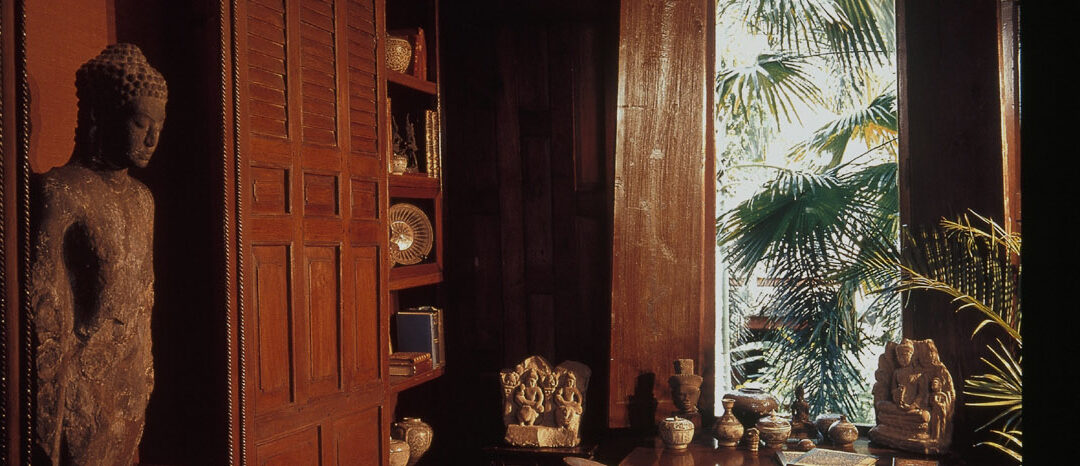
The Jim Thompson House Museum gives the National Stadium area a cultural anchor beyond shopping and commuting.
This is not a single condominium district in the way Thonglor or Phrom Phong is. It is a practical city pocket around BTS National Stadium, Siam, Rama I Road, Jim Thompson House, Jim Thompson Art Center and Bangkok Art and Culture Centre. For buyers comparing central Bangkok, it offers a different value proposition: immediate BTS access, art and heritage, strong retail nearby and quick movement into Siam, Chit Lom, Silom and Sukhumvit.
Why the area works for daily life
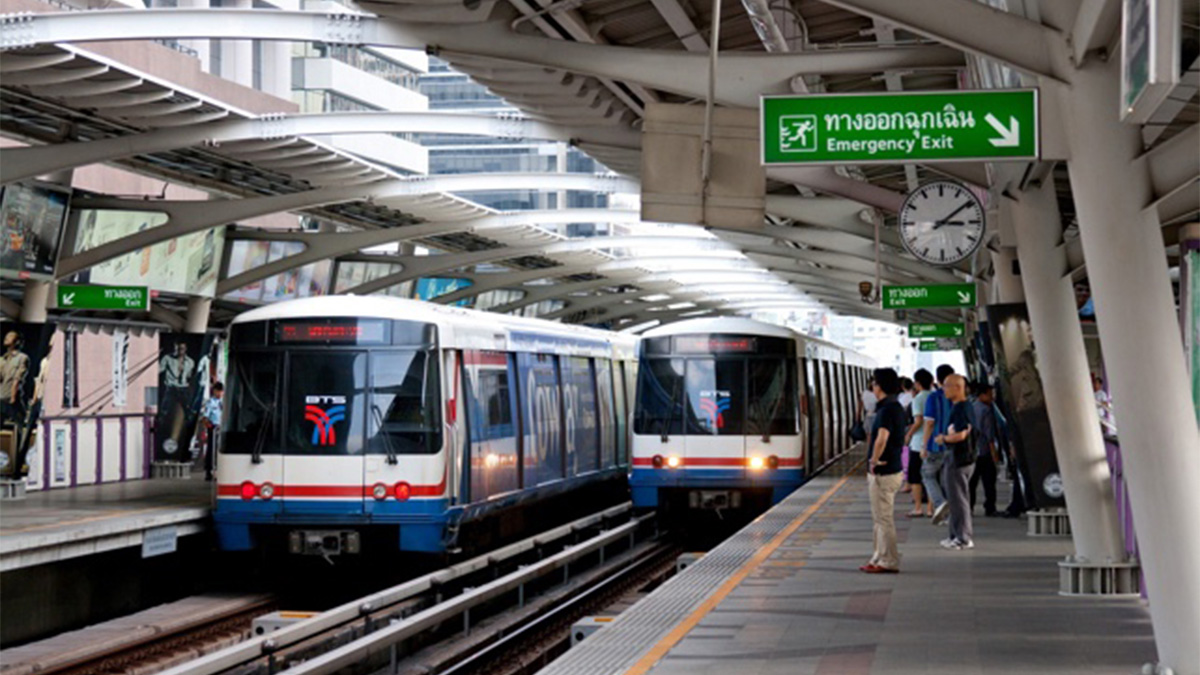
BTS National Stadium sits one stop from Siam, which means residents can reach Bangkok’s main interchange without relying on road traffic. That matters for commuters, students, part-time residents and owners who want a compact central base. The area also gives fast access to MBK, Siam Discovery, Siam Center, Siam Paragon, Pathumwan, Chulalongkorn University areas and the wider Rama I retail corridor.
The lifestyle difference is culture. Bangkok Art and Culture Centre describes itself as a public space for art and culture in Bangkok, with free admission and access from BTS National Stadium. Jim Thompson House presents the Bangkok home and Asian art collection of James H.W. Thompson, while Jim Thompson Art Center runs exhibitions and educational programmes in the same compound.
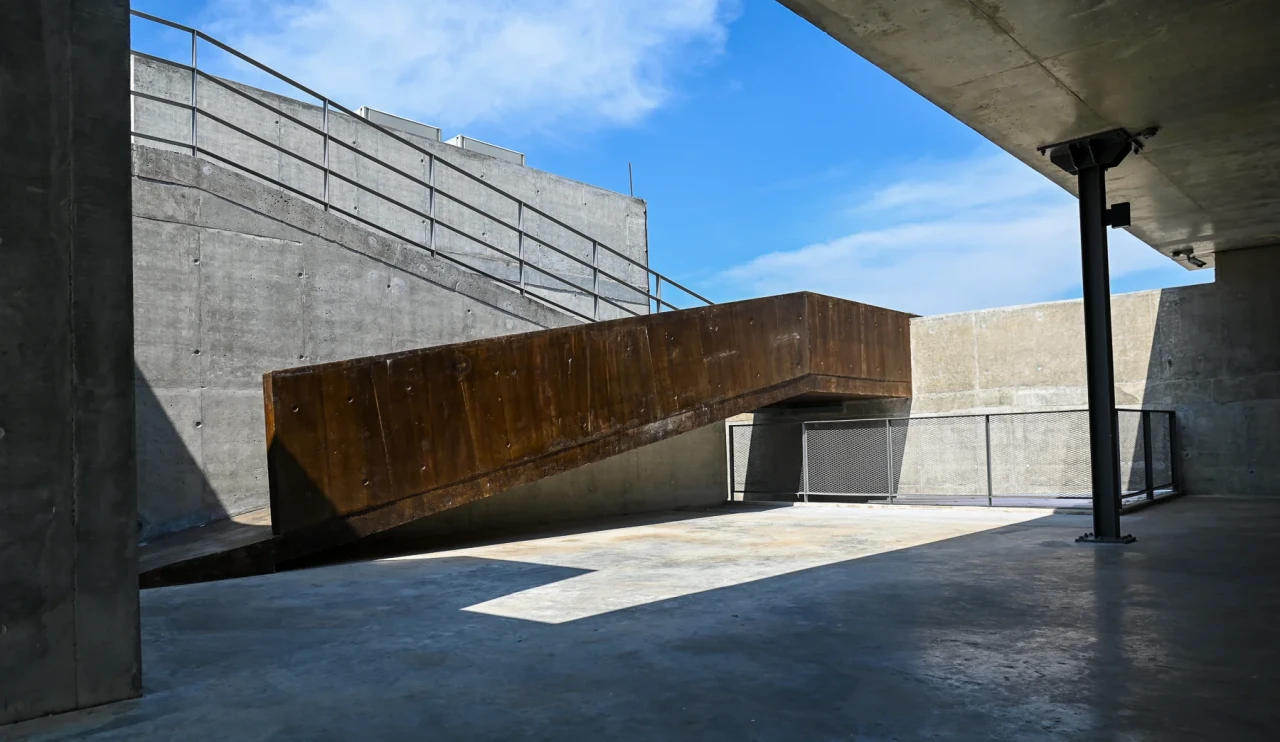
Arts access can make a central Bangkok neighbourhood feel more liveable for long-stay residents.
Who should consider it
The area can suit buyers who want central convenience but do not need to live in the middle of Sukhumvit nightlife. It may work for solo professionals, couples, students, academics, medical visitors using central hospitals, frequent travellers, cultural tourists who return often, and owners who want a pied-a-terre near Siam.
It may be less suitable for buyers who require a quiet low-rise residential feel, large family facilities or direct walking access to specific international schools. Some streets are busy, traffic around Siam can be intense, and unit selection must be careful. The right building matters more than the broad district label.
Rental logic for foreign owners
A condo near National Stadium or the Siam art corridor can appeal to tenants who value BTS access, shopping, university links and cultural activity. The tenant pool may include young professionals, lecturers, postgraduate students, designers, retail and hospitality workers, hospital visitors and long-stay residents who want a central but practical base.
Landlords should avoid assuming that every central unit rents easily. Tenant demand still depends on building age, lift condition, lobby quality, furnishing, light, noise, internet, storage, washing machine placement and the walk from station to lobby. A well-presented smaller unit can outperform a larger but dated unit if it fits the daily routine.
Culture, galleries and walkable errands help a condo work as a real home, not just an address.
What to check before buying
Walk from BTS National Stadium to the building in heat, rain and evening hours.
Check noise from Rama I Road, nearby schools, retail traffic and construction sites.
Compare access to Siam, Chit Lom, Silom, Sukhumvit and airport routes.
Inspect lobby, lifts, security, parking and parcel handling because central buildings work hard.
Model rent against realistic tenant budgets, not only central-city optimism.
Ask whether the future resale buyer is an owner-occupier, investor, student family or expat resident.
Culture as a property signal
Culture does not replace transport or building quality, but it can make a location more durable. People return to places where their routines feel rich: an exhibition after work, a museum with visiting parents, a cafe before a BTS ride, a bookshop, a gallery opening or a short walk to Siam. These details help Bangkok feel premium and liveable rather than only convenient.
For foreign buyers, that matters because a second home or rental property must compete for attention. A unit in a cultural pocket can be easier to explain to future tenants and guests when the daily lifestyle is clear. The best purchase still needs sensible pricing, strong management and a unit layout that works.
Buyer takeaway
The National Stadium and Jim Thompson area is a useful Bangkok option for expat buyers who want BTS access, Siam convenience and a real arts-and-heritage layer. It is not for every household, but it shows why Bangkok’s liveability is deeper than shopping alone.
IBP can help foreign buyers compare cultural, school, healthcare and transport-led Bangkok districts before choosing a condo. Read our Bangkok lifestyle guides or contact IBP Real Estate for a neighbourhood-led shortlist.
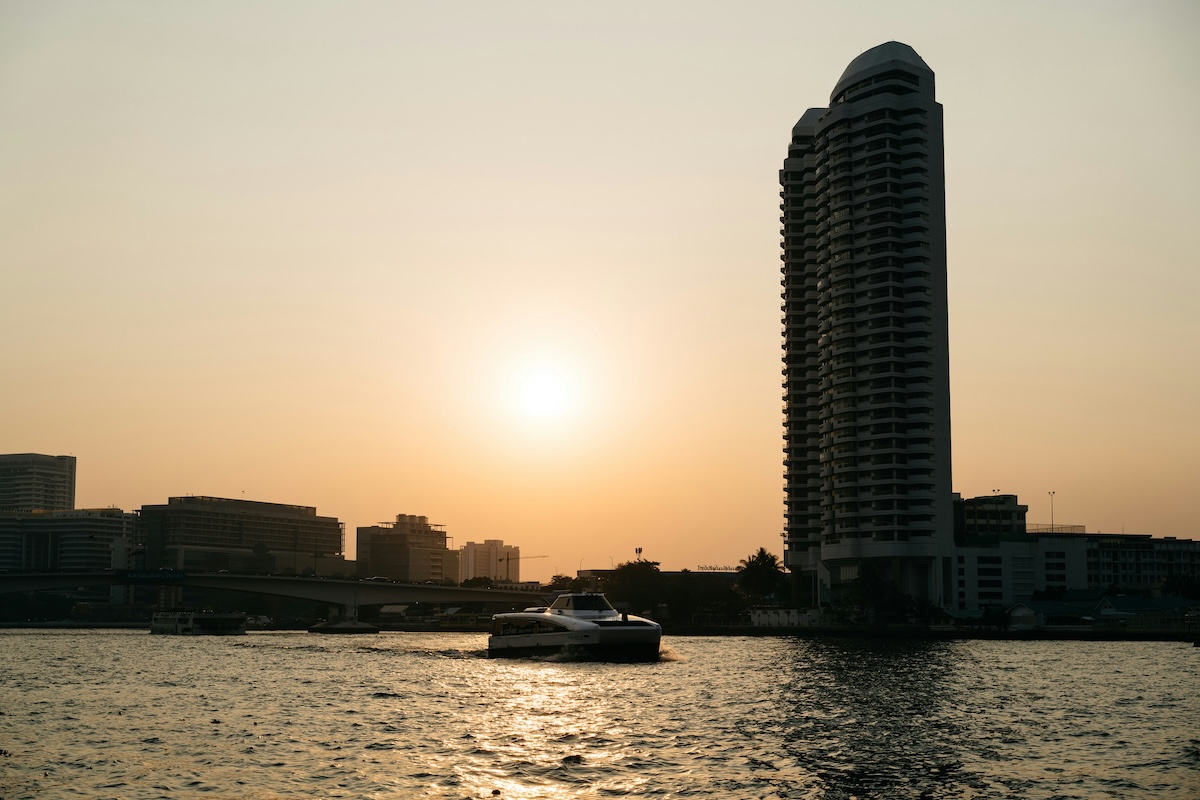
Bangkok riverfront living has a different mood from inner Sukhumvit, Langsuan or Sathorn. The Chao Phraya gives owners open views, hotel energy, evening light, boat movement, historic neighbourhoods and a calmer sense of space. For many expat buyers, that is exactly the reason to consider a riverfront condominium.
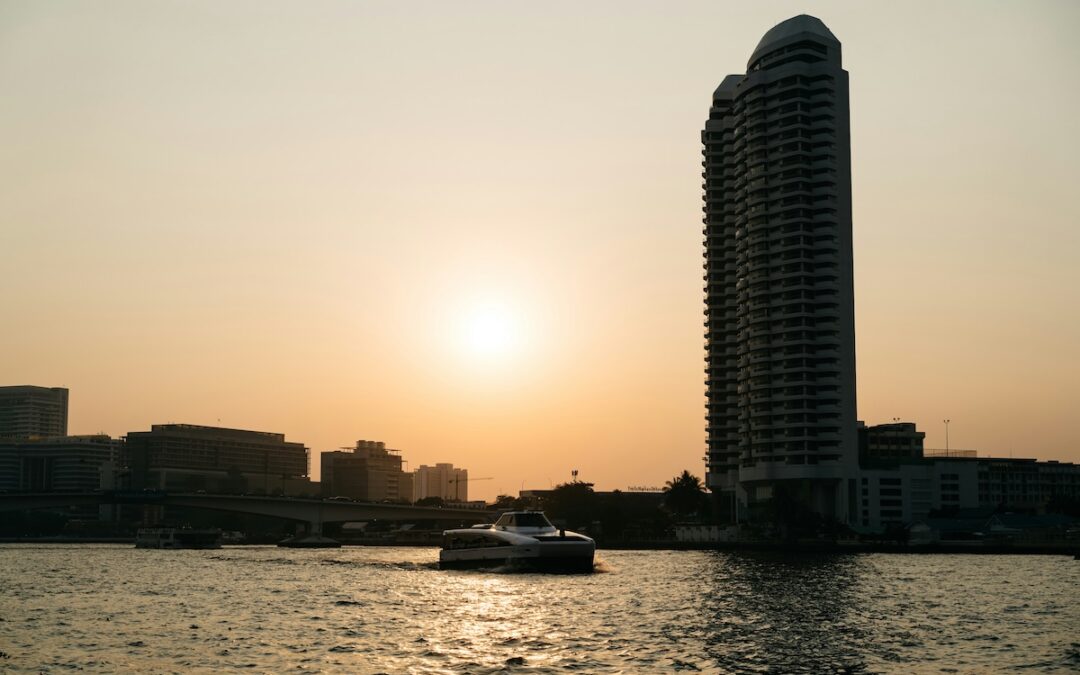
Riverfront living gives Bangkok buyers views, atmosphere and a different daily rhythm from inner Sukhumvit.
The river is not automatically better or worse than a BTS-centred district. It simply works differently. A buyer who understands the rhythm can find a highly liveable home. A buyer who only falls in love with a sunset view may later discover that commutes, school runs, supermarket trips or taxi access do not fit the household’s routine.
What riverfront living does well
The biggest advantage is atmosphere. Riverfront condos often feel more open than dense inner-city towers because views are not only across another building. Hotels, restaurants, galleries, temples, heritage streets, river piers and destination retail can make the area feel special without needing to leave Bangkok.
The river also works for buyers who want Bangkok to feel like a second-home city rather than only a work base. A weekend breakfast by the water, a boat ride to dinner, a walk through old commercial streets or a quiet evening view can make ownership more emotionally durable. That matters for buyers who plan to use the property themselves for years.
The best riverfront purchase still needs practical links to work, school, healthcare and transport.
The trade-offs to test
Transport is the main trade-off. Some riverfront buildings have shuttle boats, easy road links or quick access to BTS and MRT connections. Others feel close on a map but slow during rain, peak traffic or school-run hours. Before buying, test the real journey to the places that matter: workplace, school, hospital, supermarket, airport route, gym, favourite restaurants and friends’ neighbourhoods.
Buyers should also check flood management, lobby access during heavy rain, pier operating hours, shuttle frequency, parking, ride-hailing pickup points and visitor access. A beautiful building can become frustrating if ordinary movement is difficult. Ask how residents actually travel, not only how the sales brochure describes connectivity.
Which buyers may fit the riverfront
Riverfront living often suits owner-occupiers, retirees, regional families, part-time residents, hospitality-minded buyers and people who value views and neighbourhood character. It can also suit tenants who work in Sathorn, Silom, Charoen Krung, Khlong San, Rama III or near the river itself.
It may be less suitable for buyers who need daily walking access to many office towers, nightlife streets or a specific international school corridor. In those cases, a central BTS or MRT district may be more practical. The right answer depends on daily routine, not prestige.
Rental and resale logic
A riverfront condo can be attractive to tenants when the building has strong management, good views, sensible layouts and practical access. However, the tenant pool can be more specific than in central Sukhumvit. Some tenants love the river; others want to be directly beside a BTS station. Landlords should price and furnish for the actual tenant audience rather than assume every international renter wants a river view.
For resale, the most defensible riverfront units usually have clear view protection, good natural light, efficient layouts, maintained facilities and a location that can be explained quickly to both Thai and foreign buyers. A weak view, awkward road access or high common fee can reduce the advantage of a river address.
Daily errands and walkability should be tested as carefully as river views.
Viewing checklist
Visit at morning, school-run, evening and rainy-season times.
Test the route to BTS, MRT, pier, supermarket, hospital and main road.
Ask whether shuttle boats are frequent, reliable and resident-only.
Check flood management, lobby access, parking and ride-hailing pickup points.
Compare view quality by stack, height, bend of river and future obstruction risk.
Model rental demand from the likely tenant pool, not only lifestyle appeal.
Buyer takeaway
Bangkok riverfront living can be deeply rewarding for expat buyers who want space, views, heritage and hotel-style neighbourhood energy. It works best when the romance of the river is matched by practical daily movement and disciplined building checks.
IBP can help foreign buyers compare riverfront condominiums with BTS-led districts by lifestyle, rental demand and resale logic. Read our expat living guides or contact IBP Real Estate for a neighbourhood-led shortlist.
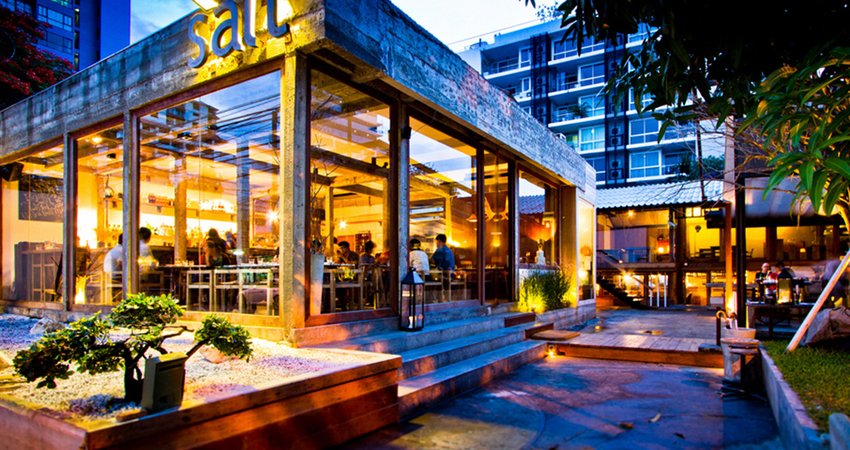
Bangkok’s liveability for foreign buyers is often discussed through parks, malls, hospitals and transport. For many modern expats, one more layer matters: the workday ecosystem. Coworking spaces, cafes, quiet lobbies, delivery access, gyms, grocery runs and short commutes can decide whether a condo feels usable for remote work, hybrid employment or a part-time Bangkok base.
A useful workday setting can make a Bangkok condo more comfortable for owners and tenants.
This does not mean every buyer needs a fashionable cafe downstairs. It means a purchase should be tested against the buyer’s weekly routine. A building that photographs well may feel awkward if the owner cannot take calls, collect parcels, grab lunch, meet a client, reach the BTS or find a quiet place to work when contractors are inside the unit.
For landlords, workday liveability can also support tenant appeal. Bangkok tenants increasingly compare buildings by how they function during ordinary days, not only by pool views or lobby design. A unit near the right everyday services can be easier to rent and easier to keep occupied.
Why workday routines affect property choice
Foreign buyers often visit Bangkok during a compressed viewing trip. They may see several properties, eat at destination restaurants and move around with an agent. That can hide the routine test. After purchase, life becomes more ordinary: morning coffee, online meetings, parcel deliveries, gym sessions, school pickup, supermarket trips, rainy-season taxis and evening meals.
A good Bangkok condo location reduces friction in those moments. The strongest neighbourhoods offer a mix of places to work, eat, exercise, shop and move. Phrom Phong, Thonglor, Ekkamai, Asoke, Ari, Chit Lom, Sathorn, Silom and Rama IV each offer different versions of this ecosystem. The right choice depends on the household’s work style, budget and transport needs.
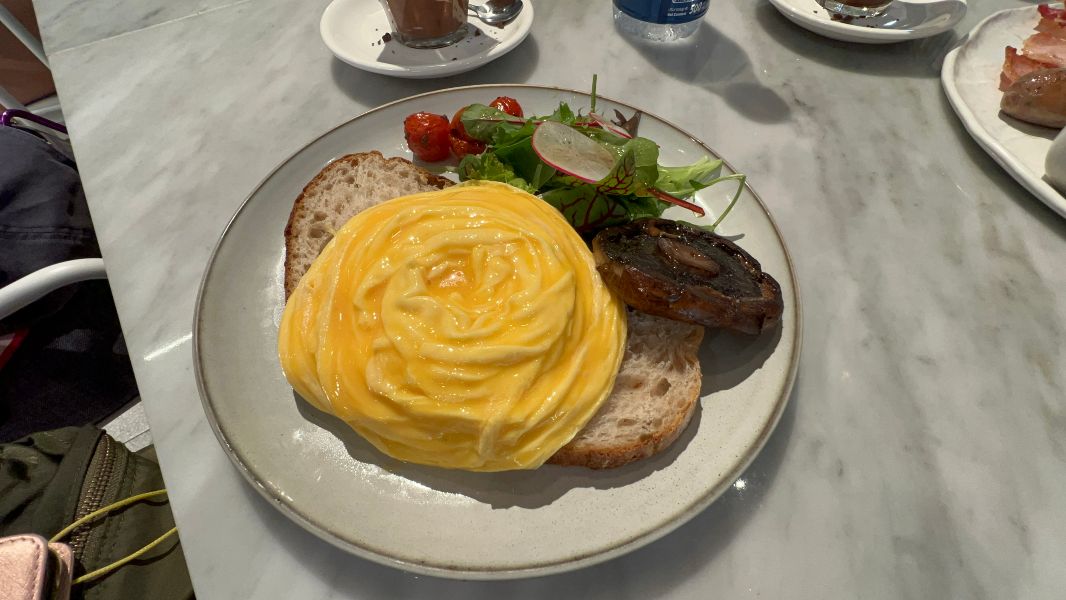
Cafe and lunch options are part of the everyday infrastructure that helps a neighbourhood work.
Building coworking versus neighbourhood coworking
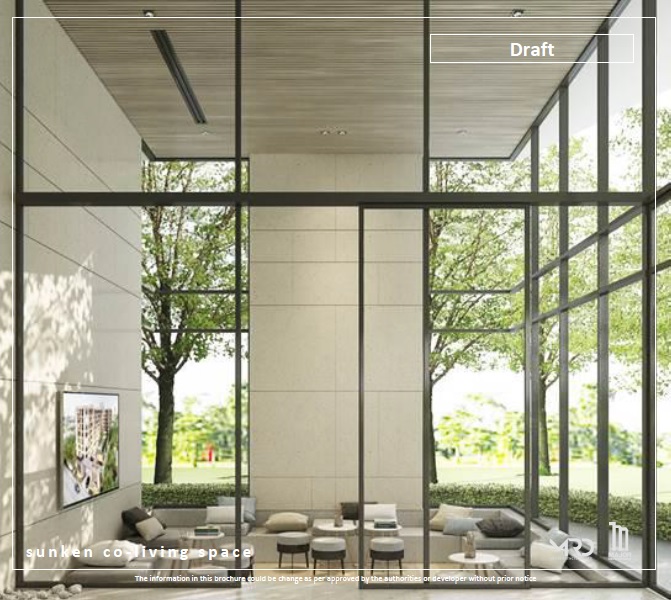
Some newer condominiums include coworking rooms, lounges, meeting pods or library-style spaces. These are valuable only when they are quiet, bookable, well maintained and sized for the resident population. A beautiful lounge can become difficult to use if there are too few seats, weak Wi-Fi, no call privacy or unclear rules.
Neighbourhood coworking is a separate advantage. A nearby serviced office, hotel lounge, cafe or flexible workspace gives owners an escape route when the unit is noisy, being cleaned or occupied by visiting family. Remote workers should test walking routes, noise, power sockets, seating comfort, internet reliability and whether the venue remains usable in the afternoon.
Cafe access is practical, not decorative
Cafe access matters because it creates flexibility. It helps with quick breakfasts, informal meetings, work breaks and weekend routines. But buyers should look beyond trendiness. A useful cafe neighbourhood has opening hours that match real life, seating that does not feel temporary, rain-friendly access, delivery options and enough variety that residents do not depend on one venue.
Food access should also include simple lunch and dinner choices. A district with only premium restaurants can be exciting, but day-to-day living is easier when local meals, supermarkets, bakeries, casual restaurants and international options sit close together. This is one reason mixed-use and retail-connected districts often feel easier for new expats.
Delivery, lobby and parcel management
Bangkok’s delivery culture is convenient, but the building must handle it well. Ask how food delivery, parcels, ride-hailing and visitors are managed. A crowded lobby or confusing access process can frustrate tenants and residents. For landlords, delivery and parcel rules should be explained before move-in so tenants do not clash with security or juristic staff.
Buyers should also check lift capacity, loading areas, parking, motorcycle access and whether drivers can stop safely nearby. These small details affect daily comfort, especially during rain or heavy traffic.
The best condo location supports ordinary weekday movement, not only weekend lifestyle.
How to inspect a workday neighbourhood
Visit on a weekday morning, lunch period and rainy evening, not only on a weekend.
Test the walk from building lobby to BTS, MRT, cafes, supermarket and main road.
Check whether building workspaces are quiet, bookable and actually used by residents.
Look for practical lunch, grocery and delivery options, not only destination dining.
Ask security how parcels, food delivery, guests and ride-hailing pickups are handled.
Compare the routine with likely tenant profiles if the unit will be rented out.
Buyer takeaway
Coworking and cafe access may sound like lifestyle detail, but it is really a liveability test. Bangkok works best for expat owners when the condo, building and neighbourhood make ordinary workdays simple. The easier the routine, the more likely the property will be used, leased and recommended.
IBP can help foreign buyers compare Bangkok neighbourhoods by daily routine, tenant demand and ownership practicality. Read our expat living guides or contact IBP Real Estate for a lifestyle-led property shortlist.
Bangkok green spaces are not only weekend extras. For foreign condo buyers, they affect how a neighbourhood feels after the viewing trip is over: morning walks, children’s routines, exercise, heat relief, meeting friends, pet-free outdoor time, and the mental comfort of having space beyond the building’s facilities.
Green-space access can change how a Bangkok condo feels during ordinary weekly routines.
TAT’s recent Bangkok green-space feature highlighted the city’s mix of classic parks, modern wetlands and specialised urban forests. For property buyers, the lesson is practical. A condominium with good park access can feel more liveable than a similar unit that depends entirely on private facilities or air-conditioned malls.
Why parks influence condo decisions
Foreign buyers often start with BTS or MRT access, price per square metre, building age and facilities. Those checks are essential. But green-space access can influence whether an owner actually enjoys the unit and whether tenants renew. A gym inside the building is useful; a park nearby can change the daily routine.
For families, parks support school-day rhythm and weekend downtime. For remote workers, they provide a break from condo and cafe routines. For retirees and long-stay buyers, they can make Bangkok feel calmer and healthier. For landlords, nearby green space can make a listing easier to explain to tenants who are choosing between several central units.
Green space also helps buyers compare buildings with similar facilities. Two condominiums may both advertise pools, gyms and lounges, but the one with a usable park route can offer a fuller daily routine beyond the private compound. That matters when residents stay longer than a holiday and begin judging the neighbourhood week after week.
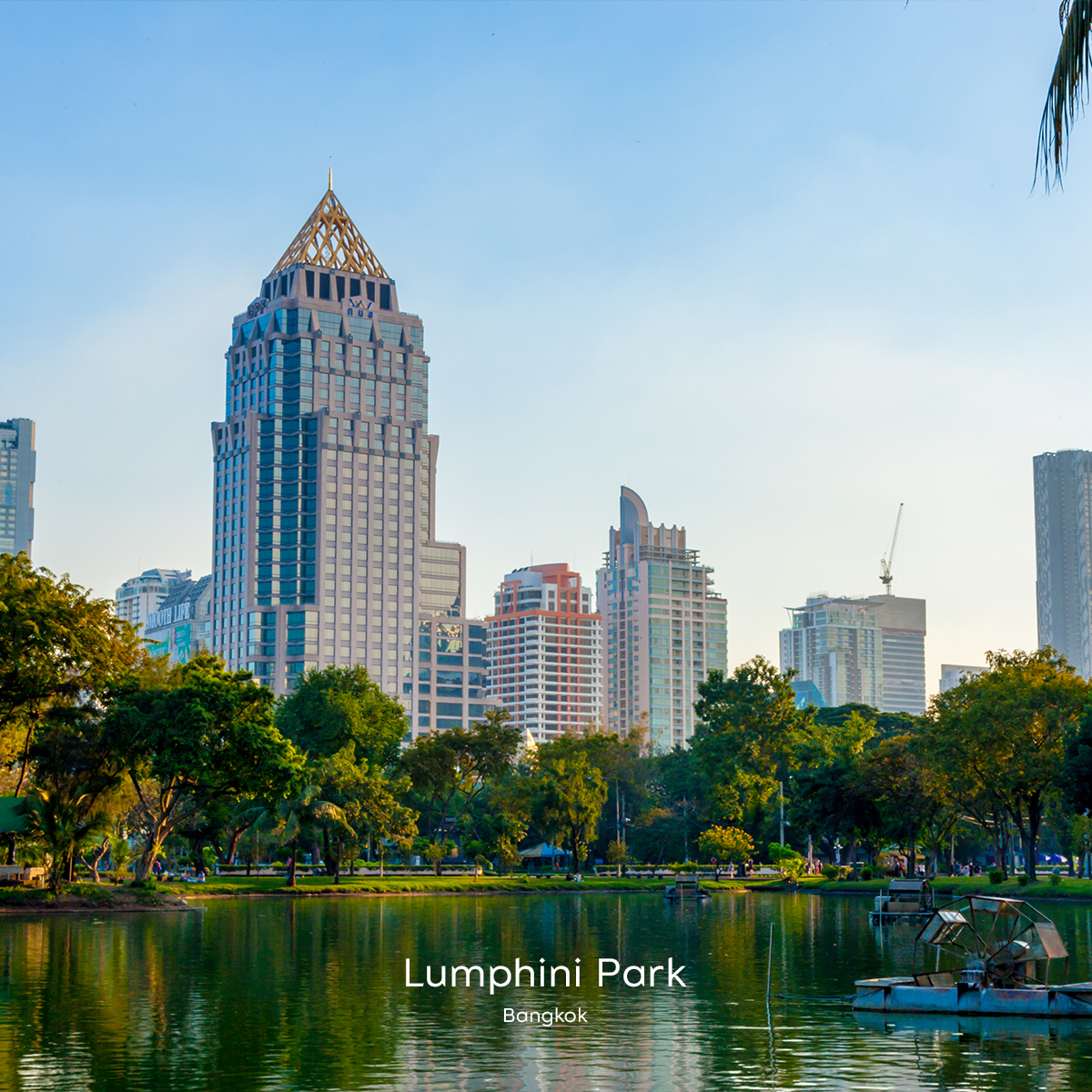
Lumpini remains a central reference point for buyers comparing Sathorn, Silom, Langsuan and Wireless Road.
Lumpini as a central benchmark
Lumpini Park remains one of Bangkok’s clearest liveability anchors. It influences how buyers read Langsuan, Chit Lom, Wireless Road, Silom, Sathorn and parts of Rama IV. A building with convenient Lumpini access can appeal to residents who want a central address without losing outdoor routine.
Buyers should still test the route. A condominium may look close to a park on a map but feel less convenient because of road crossings, heat, pavement quality or traffic. Walk the route in the morning and early evening. Check whether it works from the actual building entrance, not from the nearest corner on a map.
Benjakitti and the changing Sukhumvit edge
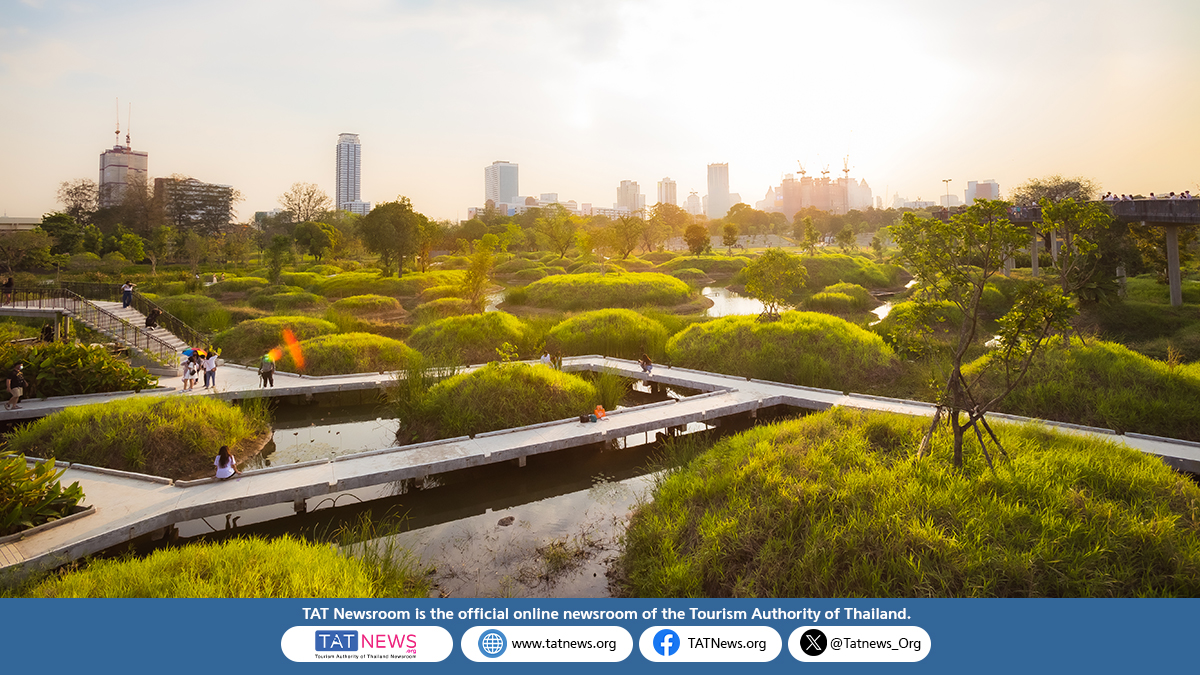
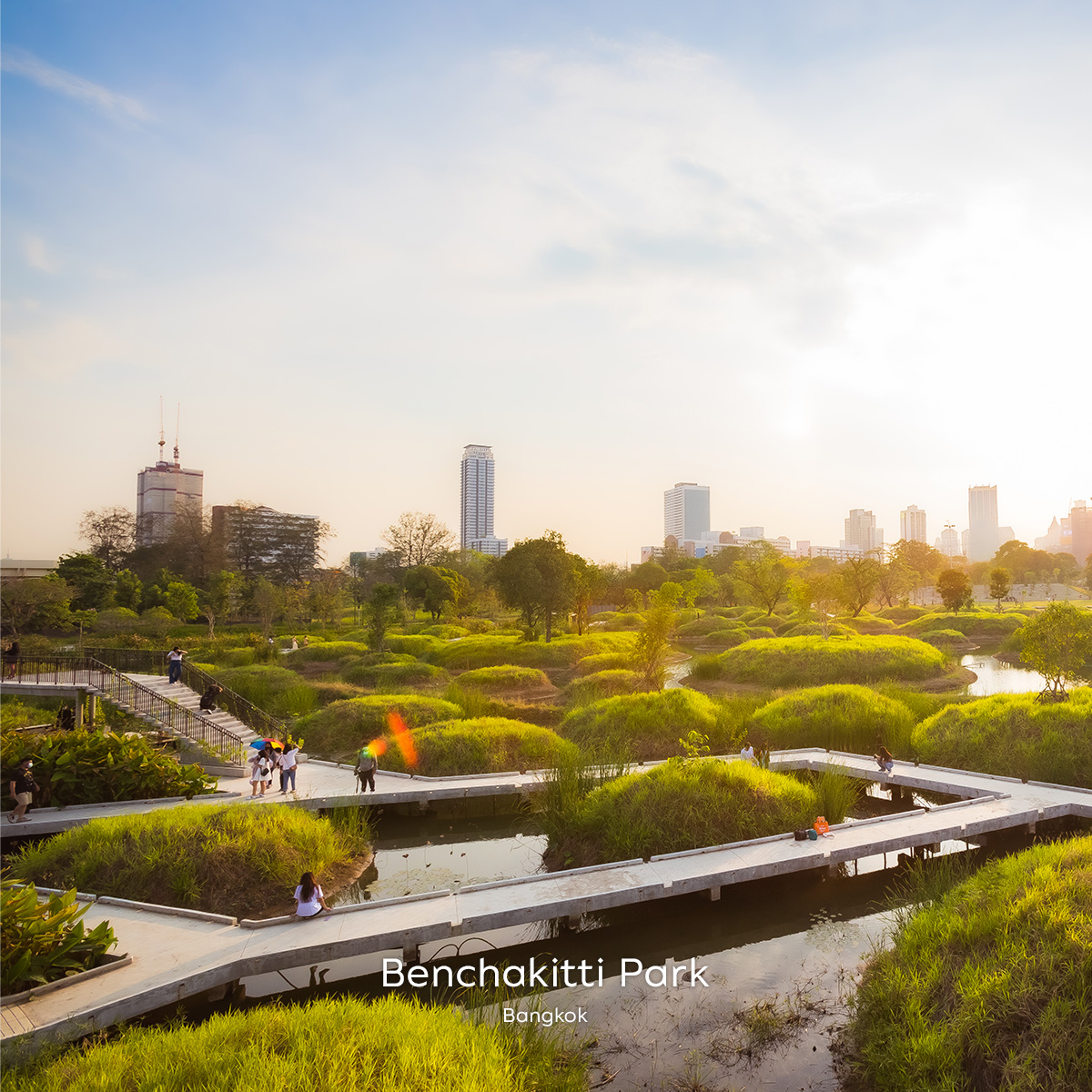
Benjakitti has changed the way many buyers think about Asoke, Sukhumvit 16, QSNCC and Rama IV. Its wetlands, skywalks and open paths add a more contemporary park experience to an area already known for offices, hotels, retail and transit. For some residents, that combination makes central Bangkok feel easier to live in.
This matters for investment because district identity is not fixed. Areas can become more attractive when public realm, transport and lifestyle uses improve together. A buyer should still compare rent and resale evidence, but better green infrastructure can strengthen the daily-use case for a location.
Benjakitti shows how newer green infrastructure can make dense districts feel more usable.
How to inspect green-space access
Walk from the building to the park at the time you would actually use it.
Check road crossings, lighting, pavement width, shade and taxi access.
Compare park access with grocery, dining, school, hospital and rail access.
Ask whether the building’s own facilities duplicate or complement the public green space.
For rentals, check whether similar units near parks command stronger tenant interest.
Do not overpay for a view alone
A park view can be valuable, but it should not replace the fundamentals. Confirm tenure, title, foreign quota, building condition, management quality, common fees, sinking fund, unit layout, noise and future construction risk. A view is only one part of ownership. Daily access and building quality may matter more than a distant green outlook.
Buyers should also consider whether the unit works during Bangkok’s hotter and wetter months. A park nearby is useful when the route is comfortable and the building supports easy daily movement. If access requires an awkward crossing or a long walk without shade, the value may be weaker than the map suggests.
Buyer takeaway
Bangkok’s parks help the city feel more liveable, premium and human. For foreign condo buyers, green-space access should be part of location due diligence alongside transport, building quality and price. The best locations are not only close to a park; they make the park part of an easy weekly routine.
IBP can help compare Bangkok neighbourhoods by liveability, rental demand and ownership practicality. Browse our Bangkok lifestyle guides or contact IBP Real Estate for a neighbourhood-led shortlist.
Bangkok’s dining culture is more than a lifestyle bonus for foreign condo buyers. It is part of the city’s liveability, soft power and repeat-visit appeal. That point was reinforced on 26 May 2026 when the Tourism Authority of Thailand celebrated Tasteful Thailand, a TAT-supported food documentary series for Tencent Video and WeTV, after it was named a Gold Winner in the General-Documentary category at the 47th Annual Telly Awards in the United States.
TATs Tasteful Thailand recognition points to food as culture, not only convenience.
The award itself does not tell a buyer which condominium to choose. It does, however, show why Bangkok continues to feel accessible and distinctive to international residents. Food gives newcomers a way to understand neighbourhoods, daily routines and local culture quickly. For expats, second-home owners and long-stay visitors, that matters.
TAT said the series presents Thai gastronomy as a meaningful travel experience rooted in ingredients, heritage and people. Across 10 short episodes, Tasteful Thailand traces ingredients and food cultures around the country, including Bangkok routes for Yen Ta Fo and scented sweets. For Bangkok property buyers, the message is simple: food culture is part of the city infrastructure that makes ownership more usable.
Why dining affects property decisions
Foreign buyers often rank transport, building quality and price first. They should. But daily dining access influences whether a location works after the purchase excitement fades. A good Bangkok address should make ordinary meals easy: breakfast before school, simple lunches, reliable delivery, nearby coffee, family restaurants, quality supermarkets, weekend dining and places to take visiting guests.
This is why some districts retain appeal beyond the building itself. Phrom Phong, Thonglor, Ekkamai, Ari, Chit Lom, Sathorn, Silom, Charoen Krung and riverside Bangkok all offer different food patterns. Some are restaurant-led, some are cafe-led, some are market-led and some are hotel or mall-led. The right neighbourhood depends on how the owner expects to live.
Dining depth helps Bangkok feel easier for new residents, repeat visitors and long-stay buyers.
Culture-led liveability
Bangkok dining is not only about high-end restaurants. Street food, markets, old shophouses, hotel dining rooms, Japanese enclaves, international groceries, Thai-Chinese kitchens, vegan cafes, bakery culture and delivery platforms all sit together. That variety reduces friction for foreign residents because they can enjoy local culture without losing practical choice.
For landlords, this can support tenant demand. A tenant relocating from overseas may compare several similar condo units, then choose the one with easier daily routines. The building with the better food and grocery ecosystem nearby can feel more liveable even if the facilities are similar. This is especially true for families, remote workers, retirees and tenants staying long enough to care about habits rather than tourist highlights.
How to inspect a dining neighbourhood
A buyer should walk the neighbourhood at the times they would actually eat. Morning coffee, weekday lunch, rainy evening takeaway and weekend dinner all reveal different strengths. Check whether sidewalks are comfortable, whether taxis can stop safely, whether delivery riders can access the building, whether restaurants stay open at useful hours and whether grocery access fits the household’s cooking style.
Also compare price points. A neighbourhood with only premium restaurants can be exciting for guests but less practical for everyday life. A stronger daily-use district usually offers a mix: local meals, mid-range restaurants, international options, supermarkets and a few special-occasion venues.
Neighbourhood food access can influence daily comfort as much as transport or facilities.
What foreign buyers should remember
Dining access should be tested during real daily routines, not only during a weekend viewing.
A strong food ecosystem can widen tenant demand and make owner use more comfortable.
Delivery convenience is useful, but walkable options still matter during traffic or rain.
Families should check breakfast, supermarket and casual dinner options, not only fine dining.
Investors should compare dining access with rent evidence, building quality and resale depth.
Buyer takeaway
Tasteful Thailand’s international recognition is a reminder that Bangkok’s food culture is a serious liveability asset. It helps the city feel premium, human and easy to return to. For property buyers, the practical lesson is to judge neighbourhood dining as part of the ownership experience, not as an afterthought.
IBP can help foreign buyers compare Bangkok neighbourhoods by lifestyle fit, rental appeal and daily convenience. Read our Bangkok lifestyle guides or contact IBP Real Estate for a neighbourhood-led condo shortlist.
Bangkok’s rainy season is part of normal city life, but foreign condo buyers should not ignore it. A building that feels easy on a dry viewing day can feel very different when heavy rain arrives at school pick-up time, during an airport transfer or just before a tenant’s office commute. The best rainy season condo choices are not necessarily the highest or newest buildings. They are the ones with practical access, good management and routines that still work in wet weather.
Rainy season living is mostly about routines, access and building management rather than dramatic weather.
In May 2026, the Bangkok Metropolitan Administration said it was preparing for the season with drainage-pipe work, canal clearing and pumping readiness. That city-level preparation matters, but it does not replace building-level due diligence. A buyer still needs to ask how the street outside the condo behaves, whether the entrance floods, how residents reach transit, and how the juristic team manages leaks, lifts and car-park access during storms.
Rainy season should be treated as a liveability test. If a unit is intended for personal use, wet-weather routines will shape daily comfort. If it is intended for rental, tenants will judge the building by how easily they can get to work, receive deliveries, use ride-hailing, keep shoes and laundry dry, and avoid repeated inconvenience.
Start outside the lobby
A polished lobby tells only part of the story. Walk the route from the building to the nearest BTS, MRT, pier, office shuttle, supermarket or main road. Check whether the pavement is level, whether there is shelter, whether puddles collect at the entrance, and whether cars can safely stop without blocking traffic. During rainy season, a five-minute walk with no shelter can feel much longer.
Foreign buyers should also check the approach road. Some Bangkok sois drain quickly. Others hold water after heavy rain. The difference affects taxi access, food delivery, school runs and tenant satisfaction. Ask the juristic office and nearby shop staff what happens after a downpour. Local answers are often more useful than a dry-season map.
City drainage preparation is a reminder to check each building’s own flood and access management.
Read city preparation as context
BMA’s May 2026 update described a shift from reactive flood response to more coordinated preparation, including drainage-pipe clearing, canal work and pumping-station readiness. For residents, this is encouraging because it shows the city is treating intense rain as an operational issue. For buyers, it is a reminder to check the micro-location rather than assuming the city can solve every access problem equally.
A building near a major road, rail station, canal, park or underpass can experience rain differently from another building only a few blocks away. The safest due diligence includes visiting after rain if possible, asking for building incident history, and checking whether the car park, basement, generator room, electrical rooms and lift lobbies are protected.
Covered access can be more valuable than a longer facility list
Some of Bangkok’s most comfortable rainy season addresses are not the most dramatic. They have sheltered drop-off points, practical taxi circulation, covered links to retail, a short route to rail, good parcel handling and reliable maintenance. These features are easy to underestimate in a sales gallery because they are not as photogenic as a pool deck. Tenants notice them quickly.
For families, covered access to schools, supermarkets and clinics can matter. For executives, the ability to move between condo, car and office without disruption can support a higher rent. For older residents, step-free access and safe pavements become part of the property’s liveability value.
Check the building envelope
Inside the unit, rainy season checks should include window seals, balcony drainage, air-conditioning condensate, bathroom ventilation, ceiling stains, swollen timber, musty smells and evidence of past leaks. In high-rise units, wind-driven rain can reveal problems that are invisible during normal viewings. In older buildings, small leaks may have been patched repeatedly rather than repaired properly.
Ask when the facade, roof, balconies and drainage pipes were last inspected. For resale units, request repair records if there has been water ingress. A beautiful view is less valuable if the balcony drains poorly or the window frame lets water in during heavy storms.
Covered links, short walks and reliable transport matter more during wet-season commutes.
Think about tenant routines
A rainy season rental strategy should be practical. Tenants may ask about washing machines, dryers, shoe storage, parcel areas, ride-hailing pick-up points, parking, building apps and how quickly maintenance requests are handled. Small details can make a unit feel easier to live in. A landlord who provides dehumidifying habits, clear air-conditioning servicing and sensible storage may reduce complaints.
If the target tenant is a foreign executive, the commute matters. If the target is a family, school and clinic routes matter. If the unit is near a lifestyle district, sheltered access to malls, grocers and restaurants matters. Rain does not make Bangkok less liveable; it makes convenience more visible.
When rainy season can be an advantage
Viewing during wet weather can help buyers negotiate and choose better. It reveals which buildings function well, which streets drain quickly and which lobbies manage traffic calmly. A buyer who only inspects in perfect weather may miss operational weaknesses that local tenants already understand.
Rainy season also highlights why Bangkok remains attractive. The city has dense retail, food delivery, transport options, private healthcare, serviced residences and neighbourhood amenities that keep daily life moving. Buyers who select the right building can enjoy that depth without treating every storm as a disruption.
Practical buying takeaway
Before committing, test the walking route, ask about flooding history, inspect the unit for water marks, confirm basement and car-park protection, check lift and generator maintenance, and understand how the juristic team communicates during storms. These checks are simple, but they can protect comfort, rentability and resale value.
For buyers relocating to Bangkok or choosing a rental investment, rainy season is a useful reality check. IBP’s expat living guides can help connect lifestyle needs with building-level due diligence before a purchase decision is made.
Pet-friendly condo living is becoming a serious liveability question for Bangkok expats. For some foreign buyers and tenants, a home is not practical unless the building can accommodate a dog or cat, nearby services are easy to reach, and daily routines do not create friction with neighbours. The decision should therefore start before the viewing, not after a favourite unit appears.
The neighbourhood routine matters as much as the building rulebook for pet-owning residents.
Bangkok has pet-friendly residences, but buyers should not assume that a green lobby, large balcony or friendly agent means pets are allowed. Condominium rules vary by building, and some buildings that tolerate pets informally may still have restrictions in the juristic rules. For a foreign owner, uncertainty can affect personal use, tenant demand and future resale.
A pet-friendly search also overlaps with investment logic. If a building has clear pet rules and the surrounding area supports daily care, it may appeal to a more specific tenant pool. That can be useful. It can also limit the audience if the building is poorly managed or if noise, lift use and common-area rules create complaints. The goal is not simply to find a building that says yes. The goal is to find one where the arrangement works.
Start with written rules
Ask for the building’s written pet policy before making an offer. The policy should explain whether pets are allowed, whether there are size or breed restrictions, how many pets can live in a unit, which lifts or entrances should be used, whether common areas are restricted, and whether owners must register animals with the juristic office. If the policy is vague, ask for written confirmation from the juristic person or developer.
This protects both owner-occupiers and landlords. A buyer who plans to rent out the unit should know whether the tenant can legally keep a pet, whether deposits can reflect possible damage, and whether the lease should include cleaning, odour, noise and repair obligations. A pet-friendly label is not enough without operational detail.
Pet-friendly living starts with written building rules, sensible layouts and considerate management.
Check the unit layout
The unit itself should support daily life. Flooring should be durable, balcony safety should be reviewed carefully, ventilation should be practical, and there should be enough storage for cleaning supplies, food and travel carriers. Smaller units can work, but they need efficient routines. Larger units can fail if the lift access is awkward or if the building has strict movement rules.
Noise is another important point. Dogs left alone during long workdays can create complaints, especially in compact buildings with thin walls or busy corridors. Buyers who plan to rent should consider whether the tenant profile is likely to work with the building culture. A quiet, well-managed pet-friendly building is usually more valuable than a building where rules exist but are ignored.
Test the neighbourhood routine
A good pet-friendly address needs more than permission inside the building. Residents need safe walking routes, shaded streets, nearby parks or open spaces where allowed, reliable taxis or ride-hailing options, vets, grooming services, pet shops, cleaning providers and delivery access. The best test is simple: walk the route at the times a resident would actually use it.
Neighbourhoods near large parks, quieter side streets, community malls and established expat services can feel more practical. Very central locations can still work, but buyers should check pavement quality, traffic, heat, crossing points and late-evening access. A building may be luxurious, yet inconvenient for daily pet care.
Daily convenience, vets, grooming, delivery and transport all influence long-term comfort.
Landlord considerations
For landlords, pet-friendly demand can be attractive because some tenants have fewer suitable options. However, the lease should be clear. Include professional cleaning, damage responsibility, pest control, noise rules, balcony safety, common-area compliance and move-out inspection standards. The deposit should match the risk and Thai lease practice, with advice where needed.
Landlords should also think about furnishing. Expensive soft furnishings, delicate rugs and hard-to-replace items may not suit pet-friendly rental. Durable materials, washable curtains, sensible sofa choices and easy maintenance can protect the asset while still making the unit comfortable.
A practical viewing checklist
Request the written pet policy before viewing seriously.
Ask the juristic office how pet registration and complaints are handled.
Check lift rules, entrance rules and cleaning expectations.
Walk the nearest daily route during morning or evening heat.
Identify vets, grooming, food supply and emergency transport options.
Review balcony safety, flooring, ventilation and noise risk.
Use a lease that clearly allocates cleaning, damage and rule-compliance duties.
Buyer takeaway
Pet-friendly Bangkok condo living can make the city more comfortable and attractive for expat residents, but it needs proper due diligence. The strongest options combine written building rules, practical layouts, considerate management and neighbourhood routines that work in real life.
IBP can help foreign buyers and landlords compare Bangkok buildings by lifestyle fit, rental audience and practical ownership risk. Read our expat living guides or contact IBP Real Estate for a neighbourhood-led shortlist.
Foreign buyers often compare Bangkok condominiums by BTS distance, view, price per square metre and building age. Those checks are important, but daily life usually depends on a quieter question: how easy is it to buy food, collect medicine, receive deliveries and handle small errands without turning every weekday into a trip across town?
Retail depth matters because residents need food, pharmacy, banking and daily services, not only restaurants.
Grocery access is one of the most practical liveability signals in Bangkok. It affects owner use, tenant satisfaction, family routines, ageing-in-place comfort and resale appeal. A condominium can be beautiful, but if the nearest supermarket is awkward to reach in heavy rain or evening traffic, the location may feel less convenient after the first month.
For foreign buyers, this is especially relevant because Bangkok living is often built around routines: school runs, gym visits, healthcare appointments, work commutes, delivery windows, weekend meals and airport trips. A good condo address should make those routines easy, not merely look impressive during a viewing.
Think beyond the nearest mall
A large mall nearby can be useful, but it is not the whole answer. Buyers should check whether there is a supermarket that suits the household’s actual diet, a pharmacy that stays open late, a convenience store for small items, cafes for quick meetings, dry cleaning, parcel handling and a reliable route for food deliveries. The most liveable areas offer layers of service at different price points.
This is where districts such as Phrom Phong, Thonglor, Ekkamai, Chit Lom, Ari, Sathorn, Silom, Rama 9 and selected riverside pockets can differ sharply from building to building. A unit may be in a recognised district but still sit on a soi that is difficult for walking, taxis or delivery riders. The detail matters more than the district label.
A good condo location makes weekday errands simple in heat, rain and evening traffic.
How grocery access affects rental demand
Tenants may not mention grocery access first, but they feel it quickly. A professional tenant wants to get home, eat, exercise and rest without losing time. A family wants predictable supermarkets and pharmacies near schools or hospitals. A second-home owner wants the unit to be usable immediately after landing in Bangkok. Daily convenience can help tenants renew because the location fits their life.
Foreign landlords should also think about furnishing and storage. If the building is near supermarkets and delivery services, tenants may cook more often and value a practical kitchen, full-height fridge, storage, washing machine and durable surfaces. A small unit can still feel liveable if the surrounding services reduce friction.
View the area like a resident
Walk from the building to the nearest supermarket in daytime and after dark.
Check whether the route works in heat, rain and peak traffic.
Look for pharmacies, convenience stores, banks, parcel services and dry cleaning.
Test delivery app coverage and whether riders can access the lobby efficiently.
Ask the juristic office about food delivery, parcel storage and visitor procedures.
Compare the routine for car owners, BTS or MRT users and residents who rely on taxis.
A viewing at 11 a.m. on a quiet weekday can hide the real experience. Try the location at the time a resident would actually shop, commute or return from dinner. Watch traffic at the soi entrance, pedestrian crossings, motorcycle flow, pavement condition and lighting. Bangkok rewards buyers who test the ordinary details.
The best liveability decisions match the building to a resident’s weekly routine.
Not every buyer needs the same pattern
A single executive may prioritise a high-quality supermarket, BTS access and quick food delivery. A family may need a larger grocery shop, international school route, paediatric clinic and car-friendly parking. A retiree or long-stay owner may care more about pharmacies, quiet walking routes, healthcare access and nearby cafes. The right condo depends on the intended resident, not on a universal lifestyle formula.
This is why foreign buyers should write a weekly routine before choosing a district. Where will the resident buy breakfast, refill medicine, receive parcels, exercise, shop for groceries and meet friends? If the answers are all easy within a small radius, the condominium has a stronger liveability base.
Buyer takeaway
Bangkok grocery access may sound ordinary, but it is one of the clearest tests of whether a condominium will work after transfer. Foreign buyers should judge daily services, delivery access, walkability and building procedures alongside price, view and facilities.
IBP can help buyers compare Bangkok districts by real living routines, not only headline addresses. Browse our Bangkok lifestyle guides or contact IBP Real Estate for neighbourhood-led advice.
For many foreign buyers, Bangkok condominium handover is the moment when a purchase becomes real. The sales gallery, reservation form and payment schedule are behind you. Now the questions are practical: is the unit complete, are the documents ready, have utilities been transferred, are keys controlled, and can the property be occupied, furnished or rented without avoidable friction?
Handover should be treated as a document, payment and physical-condition checkpoint.
This guide is written for overseas buyers who may not be in Bangkok for every step. It is not legal advice and it does not replace the specific contract, juristic rules or developer handover process for your building. It is a working checklist to help you avoid accepting a unit too casually, missing a document, or losing weeks before the property can be used.
The safest approach is to treat handover as three connected checks: paperwork, physical condition and operating readiness. A unit can look attractive and still have unresolved administrative issues. It can also have correct paperwork but poor defects management. Both matter because they affect rental timing, resale evidence and the owner’s relationship with the building.
Confirm the transfer and payment position
Before handover day, confirm the final payment schedule, transfer fees, sinking fund, common-area fee advance, meter deposits and any developer promotions that are supposed to be delivered. Foreign buyers should also confirm that foreign exchange transfer evidence has been handled correctly where required for condominium ownership registration.
Ask for a written list of documents the developer, seller or juristic office will provide. Depending on whether the purchase is new launch or resale, this may include title-related documents, house registration copies, debt-free confirmation, foreign quota evidence, receipts, tax invoices, warranties, meter documents, access cards and juristic forms. Keep digital copies in a permanent folder.
Inspect before accepting the unit
A handover inspection should be systematic, not emotional. Start with the entrance door, lock, frame and access cards. Then move through ceilings, walls, floors, windows, balcony drainage, bathrooms, kitchen fittings, appliances, air-conditioning, electrical points, lighting, water pressure and cabinet alignment. Photograph every defect with a close-up and a wider shot that shows location.
New units may have paint marks, uneven silicone, loose handles, minor scratches or appliance issues. Resale units may have wear, leaks, mould, old air-conditioners or furniture damage. The key is to distinguish cosmetic defects from functional problems. Water leaks, drainage failure, electrical faults, door security problems and air-conditioning defects should be escalated quickly.
A careful snagging inspection helps separate minor defects from issues that should delay acceptance.
Use a clear snagging record
Do not rely on verbal promises. Create a snagging record with item number, room, description, photo, responsible party and target completion date. If the developer has its own form, use it, but keep your own copy as well. For overseas buyers, appoint one person to follow up and prevent instructions being spread across the agent, developer, contractor and property manager.
If the unit will be rented, check items that affect tenant satisfaction first. Air-conditioning should cool properly. Hot water should be stable. Wardrobe doors should slide or close cleanly. Curtains should fit. Internet installation should be possible. Washing machines should drain. A beautiful unit with small unresolved problems can produce a poor first tenant experience.
Check utilities and building access
Electricity and water meter details, deposits and payment channels.
Access cards, keys, mailbox key, parking card and remote controls.
Juristic registration forms and owner contact details.
Move-in, renovation and furniture-delivery rules.
Common-area fee payment schedule and penalties.
Internet provider options and installation rules.
These details matter because a foreign owner may leave Thailand soon after transfer. If a payment account is not set up or the juristic office cannot reach the owner, small issues can become late fees, access delays or missed notices. Ask your representative to test every card and key before handover is considered complete.
Building management, utilities and access rules matter immediately after transfer.
New launch versus resale handover
New launch handover usually focuses on defects, warranties, meters and developer obligations. Resale handover often focuses more on what is included in the sale, whether the seller has removed personal items, whether appliances still work, whether common fees are cleared and whether the condition matches what was agreed. A resale buyer should check the inventory against the sale agreement before accepting keys.
For new launches, ask how long defect rectification normally takes and whether access can be granted to a property manager during the process. For resale, inspect as close as possible to transfer day, because the unit condition may have changed since the first viewing. If a tenant was occupying the unit, obtain a clear handover from tenant to seller and from seller to buyer.
Rental readiness after handover
A rental-ready unit is not simply a transferred unit. It needs clean photos, functioning appliances, working air-conditioning, curtains, internet readiness, sensible furniture, clear house rules and a practical move-in process. If the handover is rushed, the first rental campaign may begin with weak photos or incomplete repairs, which can reduce negotiating power.
Foreign landlords should plan the handover, furnishing and listing calendar together. If the target tenant is an expatriate professional, the unit should feel easy from the first viewing. If it is a family unit, storage, washing facilities, blackout curtains and school-route convenience may matter more than decorative furniture.
Buyer takeaway
Bangkok condo handover is a risk-control step, not a ceremony. Foreign buyers should confirm documents, inspect the unit, record defects, set up utilities and prepare the property for its intended use before assuming the purchase is finished.
IBP can help overseas buyers manage transfer, snagging and rental-readiness steps with local coordination. Read our foreign buyer guides or contact IBP Real Estate for handover support.
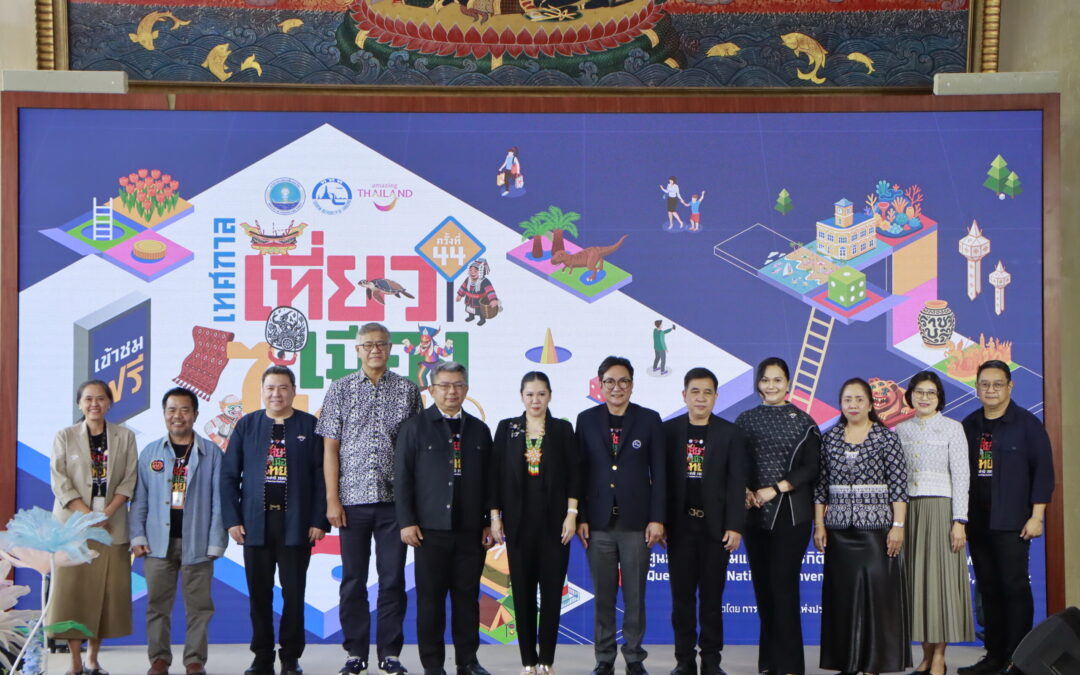
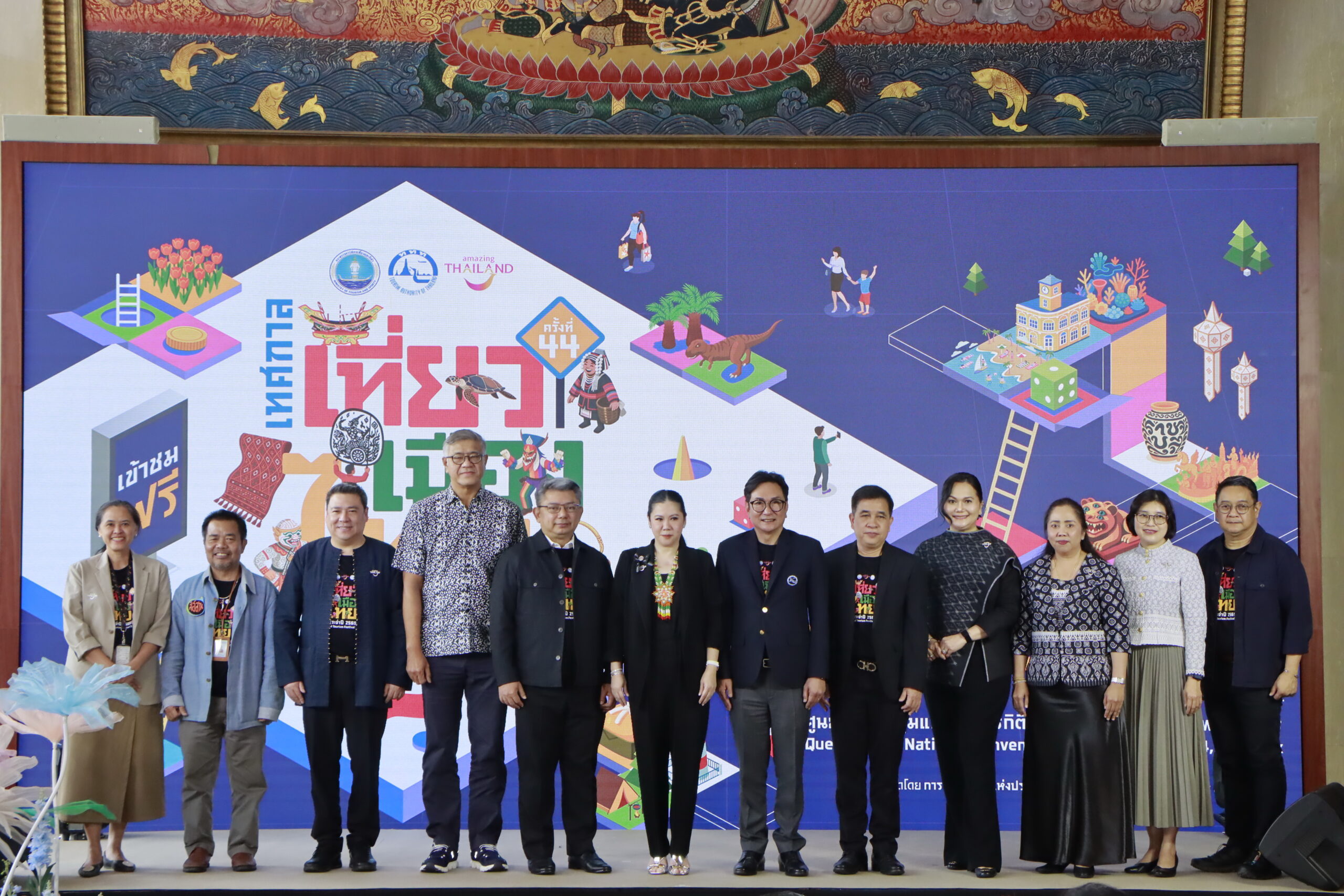
Queen Sirikit National Convention Centre is more than an event venue. For foreign buyers looking at Rama IV, Asoke, Khlong Toei, Phrom Phong, One Bangkok and nearby Sukhumvit addresses, QSNCC helps explain how Bangkok’s central districts are becoming more usable outside normal office hours. The centre brings exhibitions, cultural festivals, business events, food showcases and public programming into an MRT-connected location.
Large public events at QSNCC show how Bangkok mixes culture, transport and city-centre convenience.
The Thailand Tourism Festival 2026 is a clear example. TAT announced the 44th edition at QSNCC from 25 to 29 March 2026, with nine zones built around regional culture, food, crafts, performances, sustainability and travel inspiration. TAT also noted that the venue is directly accessible by MRT Queen Sirikit National Convention Centre Station on the Blue Line.
For property buyers, this is not just an events listing. It is liveability evidence. A condominium becomes more attractive when the surrounding area gives residents reasons to use the city: exhibitions, restaurants, parks, wellness facilities, transport, hotels, offices and cultural events. QSNCC strengthens that mix for the Rama IV and Sukhumvit edge.
Why event venues matter to residents
Foreign buyers often assess a district by commute time and price per square metre. Those are important, but they miss the rhythm of daily life. A strong event venue can add weekend activity, visitor flow, dining demand, hotel demand and public transport use. It can also make a neighbourhood feel more international because residents regularly encounter business travellers, trade shows, cultural festivals and regional showcases.
QSNCC is especially useful because it sits near several liveability anchors: Benjakitti Park, MRT Blue Line access, Sukhumvit, Asoke, Rama IV, hospitals, offices and hotels. Residents can use the area for exercise, events, dining and meetings without relying on a car for every trip. That matters to tenants and owners who want Bangkok convenience without being limited to one mall or one office tower.
Cultural programming adds depth to the liveability case for nearby central districts.
The Rama IV lifestyle shift
Rama IV has become one of Bangkok’s most interesting corridors because it links older city fabric with newer mixed-use investment. It connects Khlong Toei, QSNCC, Benjakitti, One Bangkok, Lumphini, Silom and the lower Sukhumvit edge. For buyers, the corridor should be judged by access rather than prestige labels alone. A building that connects easily to MRT, parks and daily services may be more useful than a nominally prime address with weak walking conditions.
Events at QSNCC also help buyers test crowd management and transport comfort. Visit the area during a major event and on a normal weekday. Check MRT queues, taxi access, pedestrian routes, evening lighting, convenience stores, supermarkets, cafes and the route back to the condominium. Good liveability holds up when the district is busy and when it is quiet.
What TTF 2026 says about Bangkok living
The Thailand Tourism Festival brought together food, regional culture, crafts, sustainability features, performances and public engagement. TAT highlighted the 5 Must Do in Thailand concept: Must Taste, Must Try, Must Buy, Must Seek and Must See. For a resident, these themes show why Bangkok is attractive beyond simple nightlife or shopping. The city can act as a national cultural gateway, letting residents experience the country from a central, transport-linked venue.
This is valuable for foreign owners who use Bangkok as a base. A second-home buyer may want culture and convenience. A relocating family may want weekend activities. A tenant may value easy access to exhibitions, work events and parks. The stronger the surrounding lifestyle ecosystem, the easier it is for a condominium to feel useful year after year.
Food, craft and regional showcases make Bangkok a richer long-stay city for foreign residents.
How buyers should apply the signal
Compare walking and MRT access to QSNCC, Benjakitti Park and daily shops.
Visit during both event and non-event periods to understand traffic and crowd patterns.
Check whether the building suits long-stay residents, not only short viewing trips.
Balance lifestyle access with noise, road exposure and building management quality.
Model rent using real comparable units in the same micro-location.
The strongest property decisions translate lifestyle into practical demand. A venue can make an area more interesting, but the unit still needs sensible layout, good management, fair pricing and a realistic tenant group. Buyers should avoid paying only for the idea of a district and instead test how daily life actually works.
Buyer takeaway
QSNCC events add weight to the liveability case for Bangkok’s Rama IV and lower Sukhumvit edge. They show an area with culture, transport, parks and international activity, all of which can support resident satisfaction and tenant appeal when matched with the right building.
IBP can help overseas buyers compare Rama IV, Asoke, Phrom Phong and nearby lifestyle-led districts by commute, event access, park access and rental logic. Browse our Bangkok lifestyle guides or contact IBP Real Estate for a neighbourhood-led shortlist.
Many foreign buyers think the hard part ends on transfer day. In practice, the first renovation or furnishing period can decide whether a Bangkok condominium becomes an easy asset or a source of avoidable disputes. Even a simple upgrade – curtains, lighting, built-in storage, appliances, painting or furniture delivery – needs to respect building rules, contractor access, noise limits and common-area protection.
Renovation planning should start with the juristic rules before any contractor enters the unit.
This guide is for foreign owners who have just bought a Bangkok condo, or who are preparing a resale unit for rental. It is not a substitute for legal advice or the specific rules of a particular condominium. It is a practical framework for asking the right questions before paying deposits, booking contractors or promising a tenant a move-in date.
The key point is simple: the unit belongs to the owner, but the building is shared. Renovation work can affect neighbours, lifts, fire systems, drainage, structure, waterproofing, corridors and the reputation of the juristic office. Good buildings usually have clear procedures. Owners should treat those procedures as part of asset protection, not as an inconvenience.
Start with the juristic office
Before appointing a contractor, ask the juristic office for the renovation rules in writing. These may cover working hours, noisy-work windows, lift booking, contractor registration, worker ID cards, refundable deposits, waste removal, protection boards, loading-bay access, prohibited works and penalties for damage. In some buildings, even furniture delivery needs advance booking.
Foreign owners who are overseas should not leave this entirely to a contractor. The contractor may understand construction, but the owner carries the consequences if the building fines the unit, refuses access or claims damage to common areas. Ask for translated summaries where available, and have your agent or property manager confirm the process with the juristic team before work begins.
Know what work is sensitive
Cosmetic work is usually simpler than structural, plumbing or electrical changes. Painting, loose furniture, curtains and standard appliances may be straightforward. Built-in cabinetry, kitchen alterations, bathroom work, flooring, air-conditioning relocation, wall drilling and changes near wet areas require more care. Any work that can affect waterproofing, drainage, load, fire safety or shared systems should be treated as sensitive until the building confirms otherwise.
Foreign buyers should be particularly cautious with older resale units. A contractor may propose opening floors, moving drains or changing bathroom layouts to modernise the unit. Those ideas can create hidden risk if waterproofing fails later or if the building does not permit the change. A cheaper renovation can become expensive when it causes a leak into a lower unit.
Building management controls protect common areas, lifts, neighbours and future rental value.
Protect the common areas
A professional renovation plan includes common-area protection. Lifts may need padding. Corridors may need boards. Deliveries may need a service lift and loading bay. Waste must be removed properly, not left near fire exits or refuse rooms. Contractors should not store materials in corridors or block emergency access.
This is not only about manners. Common-area damage can create claims against the unit owner. Scratched lift panels, broken tiles, stained carpets and damaged walls can be charged to the owner even if the contractor caused the problem. Owners should photograph corridors, lift interiors and the unit entrance before work starts, then again after completion.
Contractor controls that matter
Require a written scope of work with materials, brands, colours and dimensions.
Avoid large upfront payments before access approval is confirmed.
Set a payment schedule linked to visible completion stages.
Ask who supervises workers when the owner is not in Bangkok.
Confirm insurance or responsibility for damage to the unit and common areas.
Keep copies of worker registration, lift bookings and building approvals.
The best contractor is not always the cheapest. For a foreign owner, reliability, communication and building-rule discipline are often more valuable than a small saving. Delays can cost rent, and poor workmanship can hurt resale value. If the unit will be rented, use durable materials and standard fittings that can be repaired easily.
Plan around rental timing
Owners preparing a unit for rent should avoid promising handover before the renovation is fully complete, cleaned and tested. Air-conditioning, hot water, washing machines, hob, extractor, internet, curtains, door locks and bathroom seals should be checked before marketing photos are taken. A beautiful unit with unresolved defects can lead to tenant complaints within the first week.
If a tenant is already lined up, build in time for final cleaning, snagging and replacement parts. Bangkok contractors can move quickly, but imported appliances, custom furniture and building access restrictions may create delays. A cautious timeline is better than a rushed move-in that damages the owner’s relationship with the tenant.
A room-by-room condition record helps owners separate renovation scope from handover defects.
Special issues for overseas owners
If you are not in Thailand, appoint one accountable person to coordinate the work. This may be a trusted agent, property manager or representative. Avoid a situation where the contractor, juristic office, furniture supplier and tenant all receive different instructions from different people. Keep one written channel for decisions and approvals.
Overseas owners should also keep payment evidence, invoices and before-and-after photos. These records help with future resale, insurance, tax discussions and warranty claims. They also help an adviser understand what has been changed if a leak, electrical fault or appliance problem appears later.
What not to do
Do not assume that because another unit made a change, your unit can do the same. Do not let a contractor start drilling before approval. Do not alter shared systems without written confirmation. Do not ignore neighbour complaints. Do not accept vague promises that a deposit will be refunded without understanding the conditions. And do not buy oversized furniture before measuring lift, corridor and door access.
The safest owners treat renovation as part of due diligence. They check the building rules, document the unit, appoint reliable contractors, protect common areas and keep the work aligned with the intended use. A rental unit needs durability and easy maintenance. A personal residence can justify more custom work, but still needs to respect the building.
Buyer takeaway
Bangkok condo renovation is manageable when owners treat the juristic rules as the starting point. For foreign buyers, the goal is not simply to make the unit look better. It is to improve rental appeal, protect resale value and avoid disputes with the building or neighbours.
IBP can help overseas owners prepare renovation, furnishing and rental-readiness checklists after transfer. Read our foreign buyer guides or contact IBP Real Estate for practical ownership support.
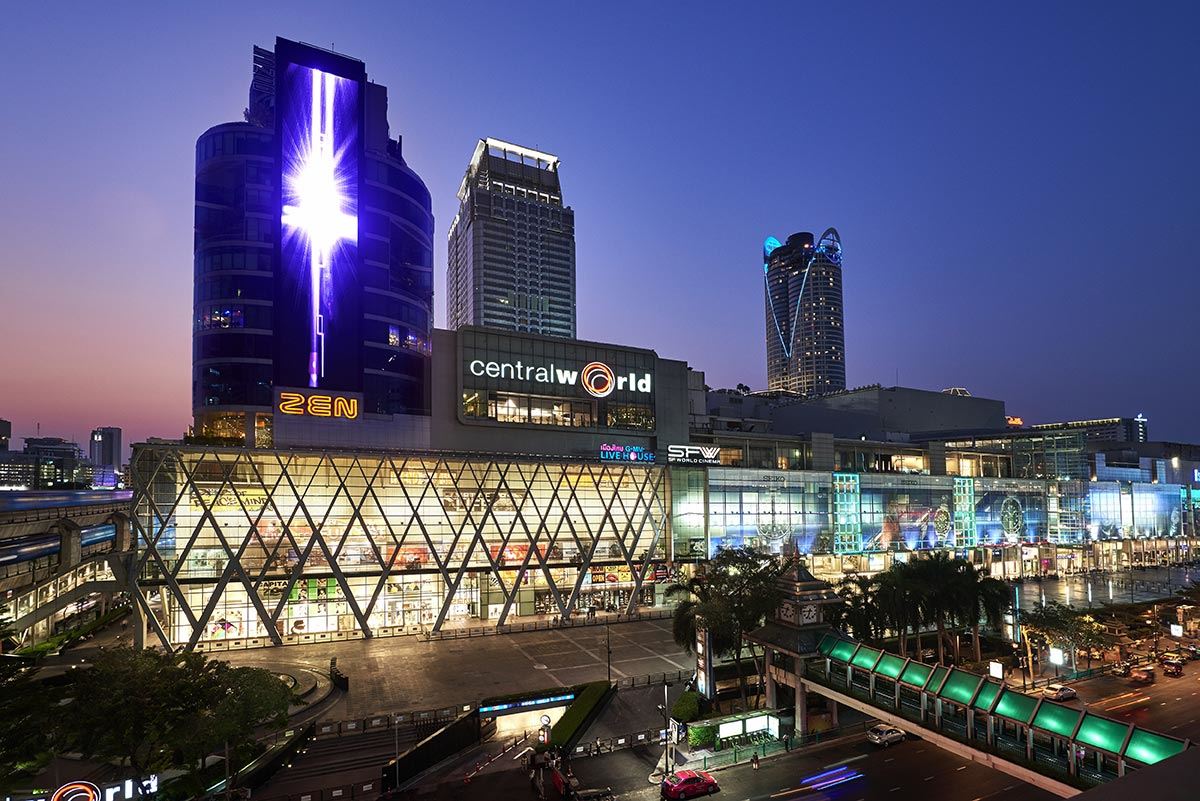
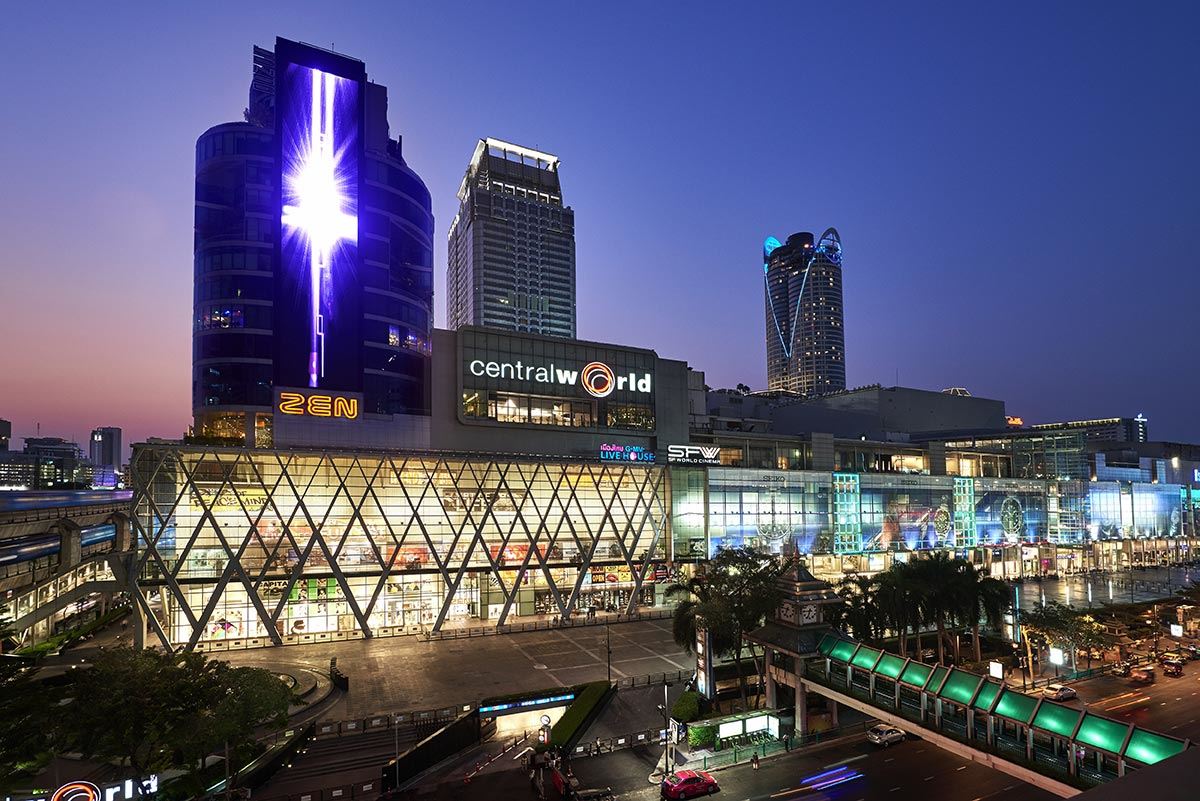
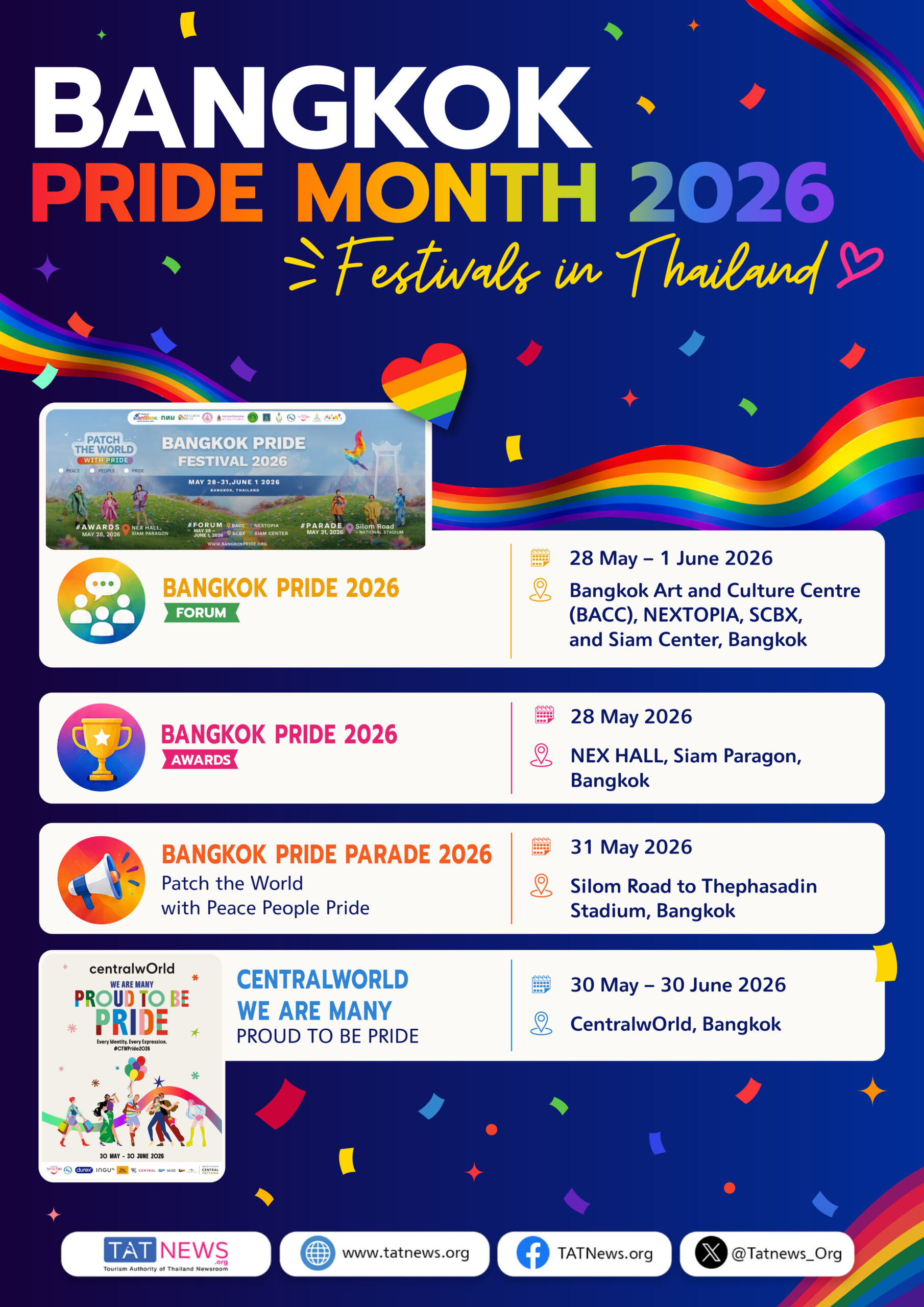
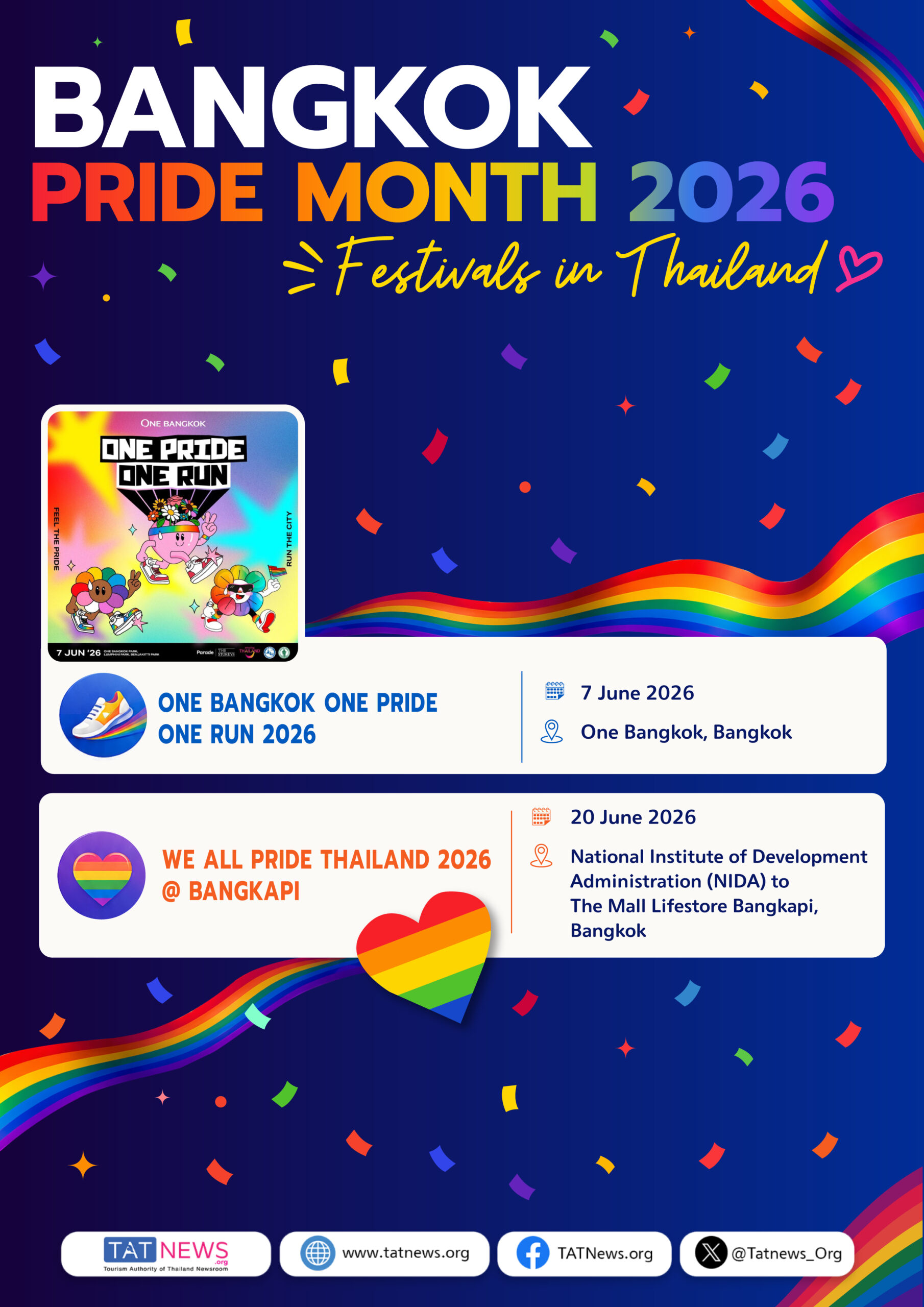
Bangkok Pride Month is useful evidence for foreign buyers because it shows the city as a lived environment, not only an investment market. TAT’s Pride Month Festivals 2026 calendar lists several Bangkok events, including Bangkok Pride 2026 awards at NEX HALL, Siam Paragon on 28 May, the Bangkok Pride Parade from Silom Road to Thephasadin Stadium on 31 May, a forum from 28 May to 1 June, CentralwOrld’s WE ARE MANY programme from 30 May to 30 June, and One Bangkok One Pride One Run 2026 on 7 June.
Pride Month programming adds another layer to Bangkok’s international city life.
For property buyers, this is not simply an events diary. Pride Month shows how Bangkok’s central districts handle identity, culture, public space, retail, mobility and social life. Those qualities influence whether a foreign resident feels comfortable using the city, inviting friends, staying longer and treating Bangkok as more than a short-term investment location.
Liveability is a property fundamental
Foreign buyers often begin with price per square metre, BTS distance and rental yield. Those are necessary, but they are not enough. A city that feels open, active and socially varied can support deeper residential demand. Events, parks, galleries, malls, dining districts and community programming all help residents build routines outside the building.
Bangkok’s Pride Month calendar touches several key zones: Siam, Silom, BACC, Siam Centre, CentralwOrld, Bangkapi and One Bangkok. This spread matters. It shows that lifestyle energy is not confined to one road. Buyers should look at how their target district connects to these civic and cultural nodes by BTS, MRT, walking routes and ride-hailing practicality.
Events along central corridors help buyers understand how neighbourhoods are used beyond office hours.
What Pride tells buyers about districts
Silom has long carried an international, office, nightlife and community identity. Siam and Ratchaprasong show the power of retail-led public programming. One Bangkok points to the newer integrated-district model, where offices, homes, retail, parks, hotels and events are planned together. Bangkapi reminds buyers that Bangkok liveability also extends beyond the most expensive central addresses.
A buyer does not need to purchase beside a parade route. The practical point is to judge whether the condominium connects to the Bangkok life the buyer wants. Some owners want a quiet building with quick access to events. Others want to be in the middle of activity. A good decision starts with that lifestyle fit before comparing unit finishes.
How to use events as neighbourhood due diligence
Visit the district during an event and on a normal weekday evening.
Check whether BTS, MRT, taxis and walking routes remain comfortable when crowds gather.
Look for restaurants, parks, supermarkets and services that work outside event periods.
Ask whether tenants in the building value culture, offices, schools, healthcare or nightlife most.
Balance private facilities with the public life available around the building.
Events can make a neighbourhood look exciting for one day, but buyers need to know what remains afterwards. The strongest liveability comes from repeated use: grocery shopping, coffee, exercise, commuting, healthcare, dinner, weekend culture and simple safety. Pride Month is a helpful lens because it makes public space and connectivity visible.
Inclusive public events can make Bangkok feel more open, social and globally connected for residents.
Why inclusion supports confidence
International buyers compare Bangkok with other regional cities. They think about property law, price, schools, healthcare, visas, transport and rental demand, but they also ask whether the city feels globally connected. Inclusive public programming helps answer that question. It signals that Bangkok can host residents and visitors with different identities, backgrounds and lifestyles.
This supports the city’s premium positioning when paired with practical strengths: airport access, private hospitals, international schools, retail depth, hospitality and established expat networks. A condominium in a well-connected district benefits when the wider city gives residents reasons to stay engaged year after year.
Buyer takeaway
Bangkok Pride Month 2026 is a liveability signal. It shows a city with public energy, cultural confidence and international reach. Foreign buyers should use events like these to test neighbourhood fit, transport comfort and lifestyle depth before choosing a condominium.
IBP can help overseas buyers compare Bangkok neighbourhoods by lifestyle, commute, tenant demand and investment logic. Browse our Bangkok lifestyle guides or contact IBP Real Estate for a neighbourhood-led shortlist.