Pet-friendly condo living is becoming a serious liveability question for Bangkok expats. For some foreign buyers and tenants, a home is not practical unless the building can accommodate a dog or cat, nearby services are easy to reach, and daily routines do not create friction with neighbours. The decision should therefore start before the viewing, not after a favourite unit appears.
The neighbourhood routine matters as much as the building rulebook for pet-owning residents.
Bangkok has pet-friendly residences, but buyers should not assume that a green lobby, large balcony or friendly agent means pets are allowed. Condominium rules vary by building, and some buildings that tolerate pets informally may still have restrictions in the juristic rules. For a foreign owner, uncertainty can affect personal use, tenant demand and future resale.
A pet-friendly search also overlaps with investment logic. If a building has clear pet rules and the surrounding area supports daily care, it may appeal to a more specific tenant pool. That can be useful. It can also limit the audience if the building is poorly managed or if noise, lift use and common-area rules create complaints. The goal is not simply to find a building that says yes. The goal is to find one where the arrangement works.
Start with written rules
Ask for the building’s written pet policy before making an offer. The policy should explain whether pets are allowed, whether there are size or breed restrictions, how many pets can live in a unit, which lifts or entrances should be used, whether common areas are restricted, and whether owners must register animals with the juristic office. If the policy is vague, ask for written confirmation from the juristic person or developer.
This protects both owner-occupiers and landlords. A buyer who plans to rent out the unit should know whether the tenant can legally keep a pet, whether deposits can reflect possible damage, and whether the lease should include cleaning, odour, noise and repair obligations. A pet-friendly label is not enough without operational detail.
Pet-friendly living starts with written building rules, sensible layouts and considerate management.
Check the unit layout
The unit itself should support daily life. Flooring should be durable, balcony safety should be reviewed carefully, ventilation should be practical, and there should be enough storage for cleaning supplies, food and travel carriers. Smaller units can work, but they need efficient routines. Larger units can fail if the lift access is awkward or if the building has strict movement rules.
Noise is another important point. Dogs left alone during long workdays can create complaints, especially in compact buildings with thin walls or busy corridors. Buyers who plan to rent should consider whether the tenant profile is likely to work with the building culture. A quiet, well-managed pet-friendly building is usually more valuable than a building where rules exist but are ignored.
Test the neighbourhood routine
A good pet-friendly address needs more than permission inside the building. Residents need safe walking routes, shaded streets, nearby parks or open spaces where allowed, reliable taxis or ride-hailing options, vets, grooming services, pet shops, cleaning providers and delivery access. The best test is simple: walk the route at the times a resident would actually use it.
Neighbourhoods near large parks, quieter side streets, community malls and established expat services can feel more practical. Very central locations can still work, but buyers should check pavement quality, traffic, heat, crossing points and late-evening access. A building may be luxurious, yet inconvenient for daily pet care.
Daily convenience, vets, grooming, delivery and transport all influence long-term comfort.
Landlord considerations
For landlords, pet-friendly demand can be attractive because some tenants have fewer suitable options. However, the lease should be clear. Include professional cleaning, damage responsibility, pest control, noise rules, balcony safety, common-area compliance and move-out inspection standards. The deposit should match the risk and Thai lease practice, with advice where needed.
Landlords should also think about furnishing. Expensive soft furnishings, delicate rugs and hard-to-replace items may not suit pet-friendly rental. Durable materials, washable curtains, sensible sofa choices and easy maintenance can protect the asset while still making the unit comfortable.
A practical viewing checklist
Request the written pet policy before viewing seriously.
Ask the juristic office how pet registration and complaints are handled.
Check lift rules, entrance rules and cleaning expectations.
Walk the nearest daily route during morning or evening heat.
Identify vets, grooming, food supply and emergency transport options.
Review balcony safety, flooring, ventilation and noise risk.
Use a lease that clearly allocates cleaning, damage and rule-compliance duties.
Buyer takeaway
Pet-friendly Bangkok condo living can make the city more comfortable and attractive for expat residents, but it needs proper due diligence. The strongest options combine written building rules, practical layouts, considerate management and neighbourhood routines that work in real life.
IBP can help foreign buyers and landlords compare Bangkok buildings by lifestyle fit, rental audience and practical ownership risk. Read our expat living guides or contact IBP Real Estate for a neighbourhood-led shortlist.
Foreign buyers often compare Bangkok condominiums by BTS distance, view, price per square metre and building age. Those checks are important, but daily life usually depends on a quieter question: how easy is it to buy food, collect medicine, receive deliveries and handle small errands without turning every weekday into a trip across town?
Retail depth matters because residents need food, pharmacy, banking and daily services, not only restaurants.
Grocery access is one of the most practical liveability signals in Bangkok. It affects owner use, tenant satisfaction, family routines, ageing-in-place comfort and resale appeal. A condominium can be beautiful, but if the nearest supermarket is awkward to reach in heavy rain or evening traffic, the location may feel less convenient after the first month.
For foreign buyers, this is especially relevant because Bangkok living is often built around routines: school runs, gym visits, healthcare appointments, work commutes, delivery windows, weekend meals and airport trips. A good condo address should make those routines easy, not merely look impressive during a viewing.
Think beyond the nearest mall
A large mall nearby can be useful, but it is not the whole answer. Buyers should check whether there is a supermarket that suits the household’s actual diet, a pharmacy that stays open late, a convenience store for small items, cafes for quick meetings, dry cleaning, parcel handling and a reliable route for food deliveries. The most liveable areas offer layers of service at different price points.
This is where districts such as Phrom Phong, Thonglor, Ekkamai, Chit Lom, Ari, Sathorn, Silom, Rama 9 and selected riverside pockets can differ sharply from building to building. A unit may be in a recognised district but still sit on a soi that is difficult for walking, taxis or delivery riders. The detail matters more than the district label.
A good condo location makes weekday errands simple in heat, rain and evening traffic.
How grocery access affects rental demand
Tenants may not mention grocery access first, but they feel it quickly. A professional tenant wants to get home, eat, exercise and rest without losing time. A family wants predictable supermarkets and pharmacies near schools or hospitals. A second-home owner wants the unit to be usable immediately after landing in Bangkok. Daily convenience can help tenants renew because the location fits their life.
Foreign landlords should also think about furnishing and storage. If the building is near supermarkets and delivery services, tenants may cook more often and value a practical kitchen, full-height fridge, storage, washing machine and durable surfaces. A small unit can still feel liveable if the surrounding services reduce friction.
View the area like a resident
Walk from the building to the nearest supermarket in daytime and after dark.
Check whether the route works in heat, rain and peak traffic.
Look for pharmacies, convenience stores, banks, parcel services and dry cleaning.
Test delivery app coverage and whether riders can access the lobby efficiently.
Ask the juristic office about food delivery, parcel storage and visitor procedures.
Compare the routine for car owners, BTS or MRT users and residents who rely on taxis.
A viewing at 11 a.m. on a quiet weekday can hide the real experience. Try the location at the time a resident would actually shop, commute or return from dinner. Watch traffic at the soi entrance, pedestrian crossings, motorcycle flow, pavement condition and lighting. Bangkok rewards buyers who test the ordinary details.
The best liveability decisions match the building to a resident’s weekly routine.
Not every buyer needs the same pattern
A single executive may prioritise a high-quality supermarket, BTS access and quick food delivery. A family may need a larger grocery shop, international school route, paediatric clinic and car-friendly parking. A retiree or long-stay owner may care more about pharmacies, quiet walking routes, healthcare access and nearby cafes. The right condo depends on the intended resident, not on a universal lifestyle formula.
This is why foreign buyers should write a weekly routine before choosing a district. Where will the resident buy breakfast, refill medicine, receive parcels, exercise, shop for groceries and meet friends? If the answers are all easy within a small radius, the condominium has a stronger liveability base.
Buyer takeaway
Bangkok grocery access may sound ordinary, but it is one of the clearest tests of whether a condominium will work after transfer. Foreign buyers should judge daily services, delivery access, walkability and building procedures alongside price, view and facilities.
IBP can help buyers compare Bangkok districts by real living routines, not only headline addresses. Browse our Bangkok lifestyle guides or contact IBP Real Estate for neighbourhood-led advice.
Queen Sirikit National Convention Centre is more than an event venue. For foreign buyers looking at Rama IV, Asoke, Khlong Toei, Phrom Phong, One Bangkok and nearby Sukhumvit addresses, QSNCC helps explain how Bangkok’s central districts are becoming more usable outside normal office hours. The centre brings exhibitions, cultural festivals, business events, food showcases and public programming into an MRT-connected location.
Large public events at QSNCC show how Bangkok mixes culture, transport and city-centre convenience.
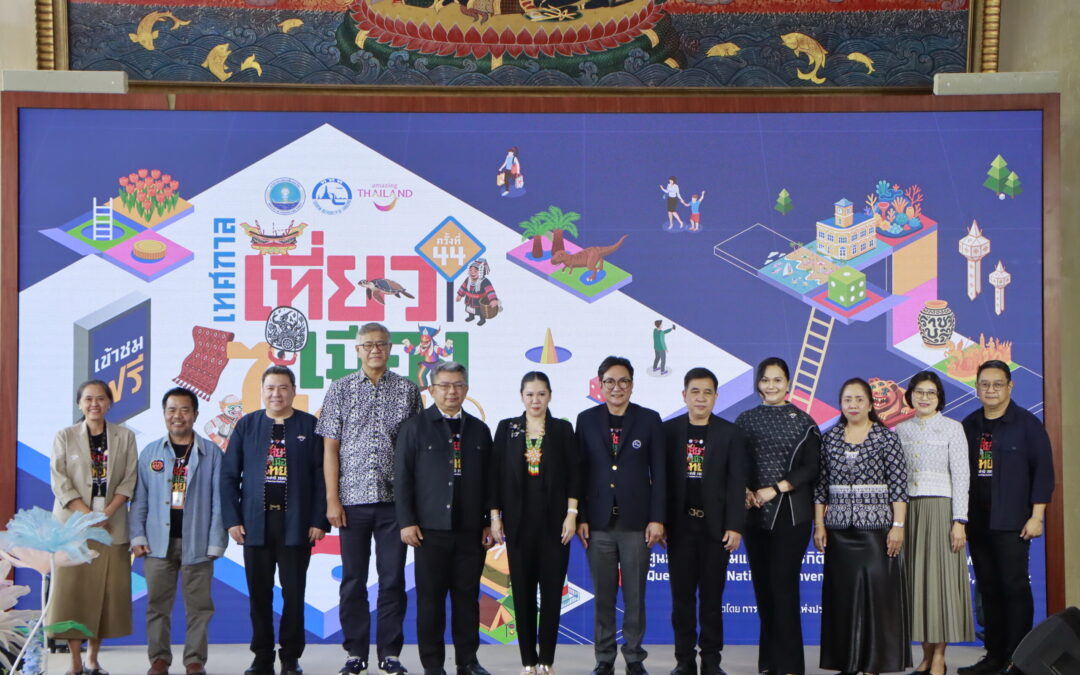
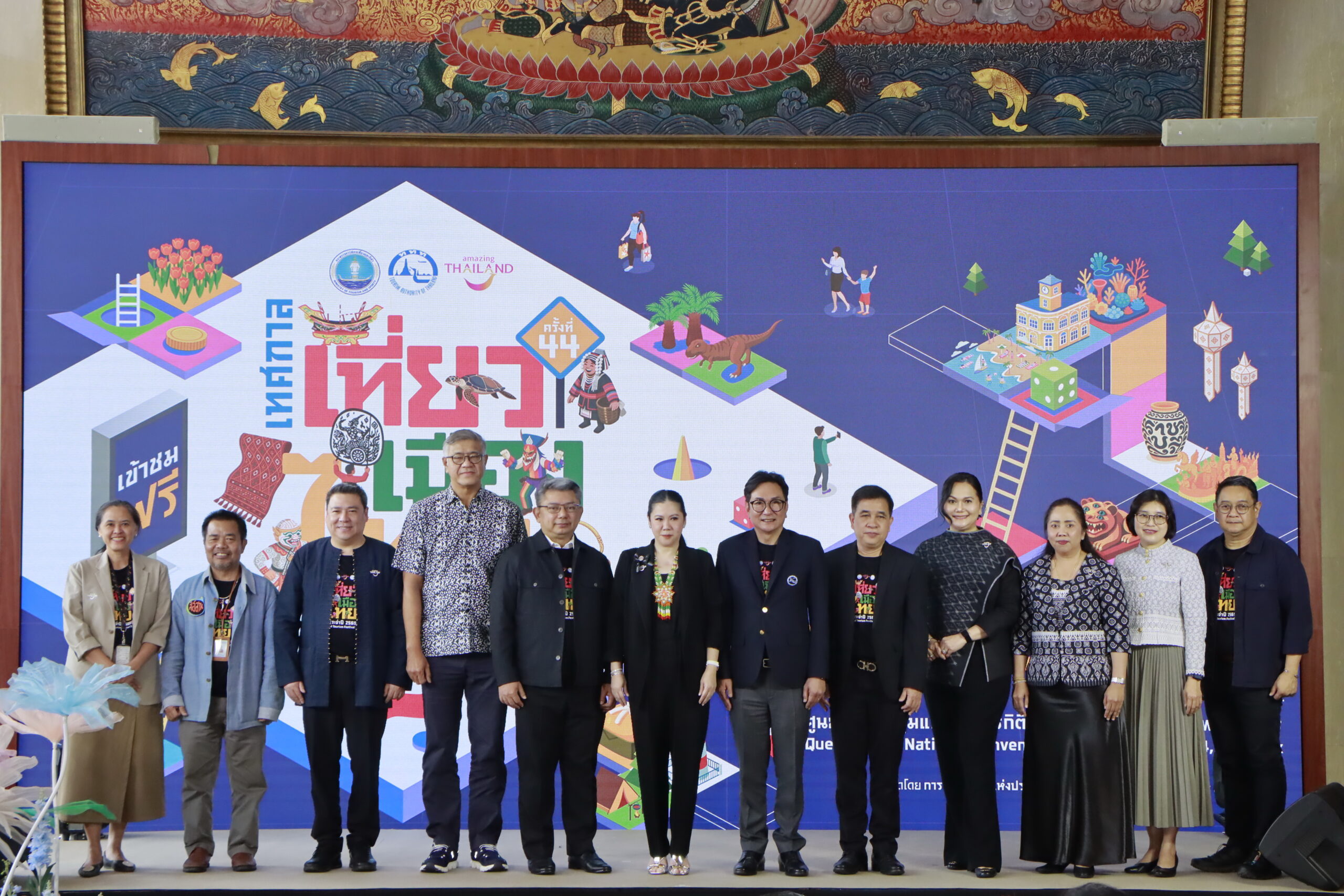
The Thailand Tourism Festival 2026 is a clear example. TAT announced the 44th edition at QSNCC from 25 to 29 March 2026, with nine zones built around regional culture, food, crafts, performances, sustainability and travel inspiration. TAT also noted that the venue is directly accessible by MRT Queen Sirikit National Convention Centre Station on the Blue Line.
For property buyers, this is not just an events listing. It is liveability evidence. A condominium becomes more attractive when the surrounding area gives residents reasons to use the city: exhibitions, restaurants, parks, wellness facilities, transport, hotels, offices and cultural events. QSNCC strengthens that mix for the Rama IV and Sukhumvit edge.
Why event venues matter to residents
Foreign buyers often assess a district by commute time and price per square metre. Those are important, but they miss the rhythm of daily life. A strong event venue can add weekend activity, visitor flow, dining demand, hotel demand and public transport use. It can also make a neighbourhood feel more international because residents regularly encounter business travellers, trade shows, cultural festivals and regional showcases.
QSNCC is especially useful because it sits near several liveability anchors: Benjakitti Park, MRT Blue Line access, Sukhumvit, Asoke, Rama IV, hospitals, offices and hotels. Residents can use the area for exercise, events, dining and meetings without relying on a car for every trip. That matters to tenants and owners who want Bangkok convenience without being limited to one mall or one office tower.
Cultural programming adds depth to the liveability case for nearby central districts.
The Rama IV lifestyle shift
Rama IV has become one of Bangkok’s most interesting corridors because it links older city fabric with newer mixed-use investment. It connects Khlong Toei, QSNCC, Benjakitti, One Bangkok, Lumphini, Silom and the lower Sukhumvit edge. For buyers, the corridor should be judged by access rather than prestige labels alone. A building that connects easily to MRT, parks and daily services may be more useful than a nominally prime address with weak walking conditions.
Events at QSNCC also help buyers test crowd management and transport comfort. Visit the area during a major event and on a normal weekday. Check MRT queues, taxi access, pedestrian routes, evening lighting, convenience stores, supermarkets, cafes and the route back to the condominium. Good liveability holds up when the district is busy and when it is quiet.
What TTF 2026 says about Bangkok living
The Thailand Tourism Festival brought together food, regional culture, crafts, sustainability features, performances and public engagement. TAT highlighted the 5 Must Do in Thailand concept: Must Taste, Must Try, Must Buy, Must Seek and Must See. For a resident, these themes show why Bangkok is attractive beyond simple nightlife or shopping. The city can act as a national cultural gateway, letting residents experience the country from a central, transport-linked venue.
This is valuable for foreign owners who use Bangkok as a base. A second-home buyer may want culture and convenience. A relocating family may want weekend activities. A tenant may value easy access to exhibitions, work events and parks. The stronger the surrounding lifestyle ecosystem, the easier it is for a condominium to feel useful year after year.
Food, craft and regional showcases make Bangkok a richer long-stay city for foreign residents.
How buyers should apply the signal
Compare walking and MRT access to QSNCC, Benjakitti Park and daily shops.
Visit during both event and non-event periods to understand traffic and crowd patterns.
Check whether the building suits long-stay residents, not only short viewing trips.
Balance lifestyle access with noise, road exposure and building management quality.
Model rent using real comparable units in the same micro-location.
The strongest property decisions translate lifestyle into practical demand. A venue can make an area more interesting, but the unit still needs sensible layout, good management, fair pricing and a realistic tenant group. Buyers should avoid paying only for the idea of a district and instead test how daily life actually works.
Buyer takeaway
QSNCC events add weight to the liveability case for Bangkok’s Rama IV and lower Sukhumvit edge. They show an area with culture, transport, parks and international activity, all of which can support resident satisfaction and tenant appeal when matched with the right building.
IBP can help overseas buyers compare Rama IV, Asoke, Phrom Phong and nearby lifestyle-led districts by commute, event access, park access and rental logic. Browse our Bangkok lifestyle guides or contact IBP Real Estate for a neighbourhood-led shortlist.
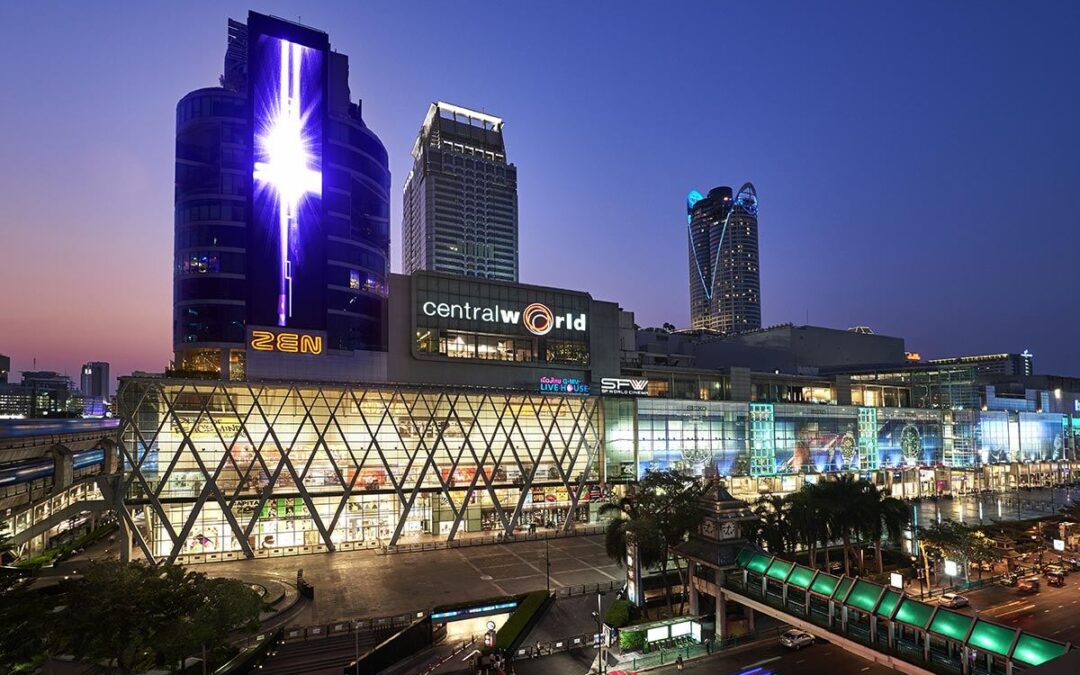
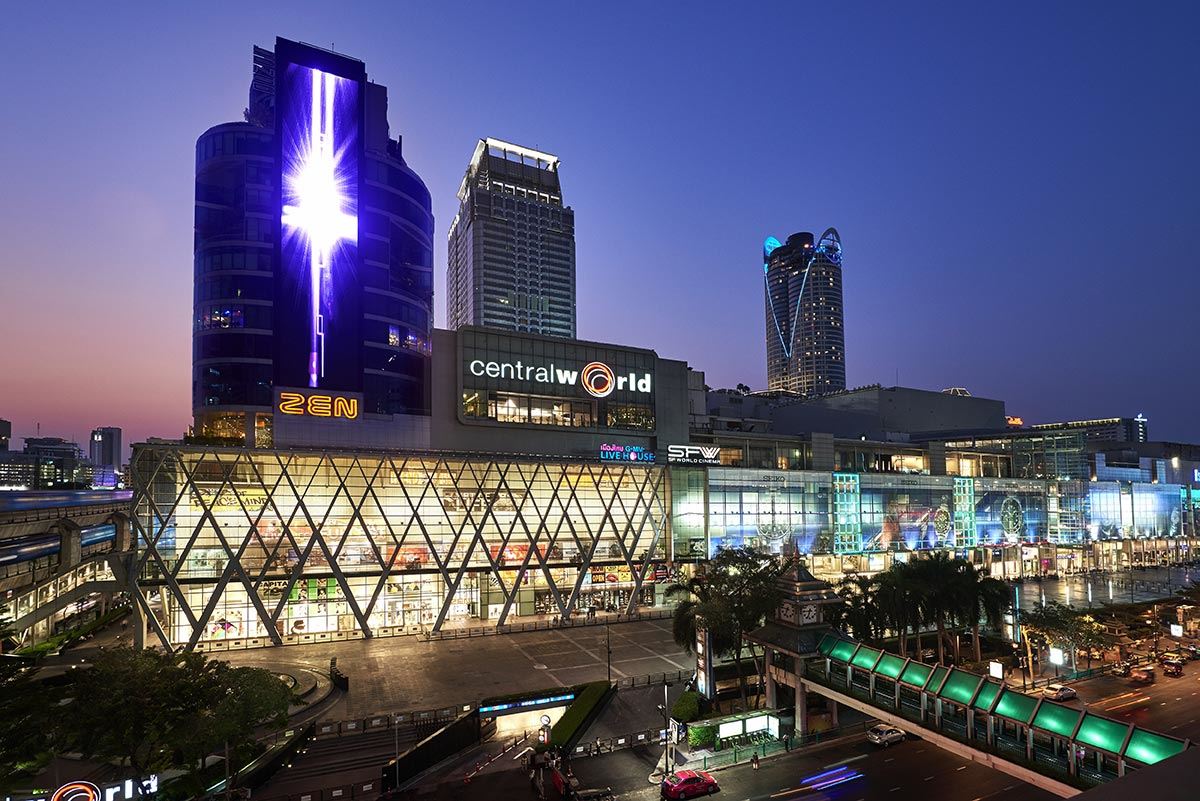
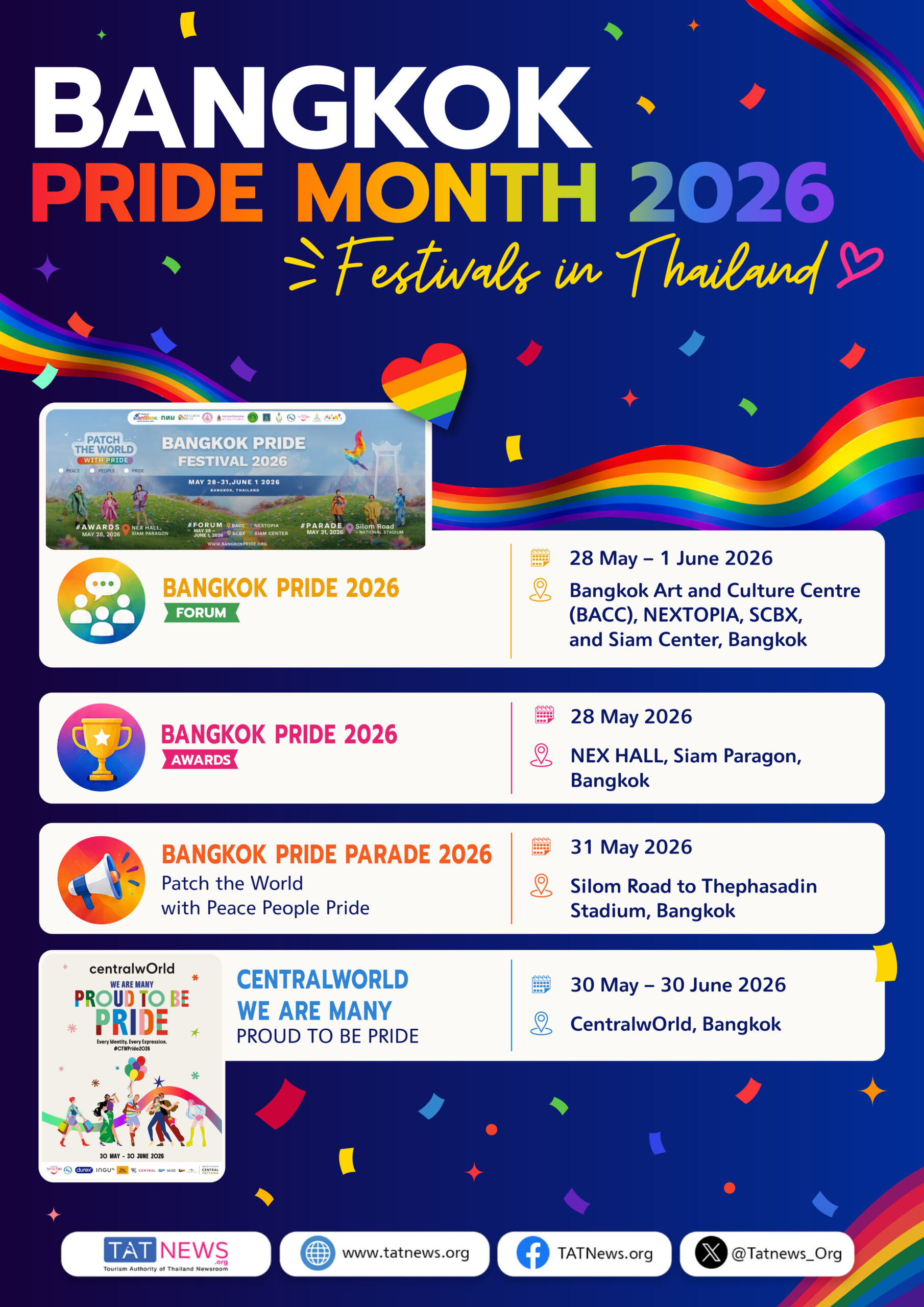
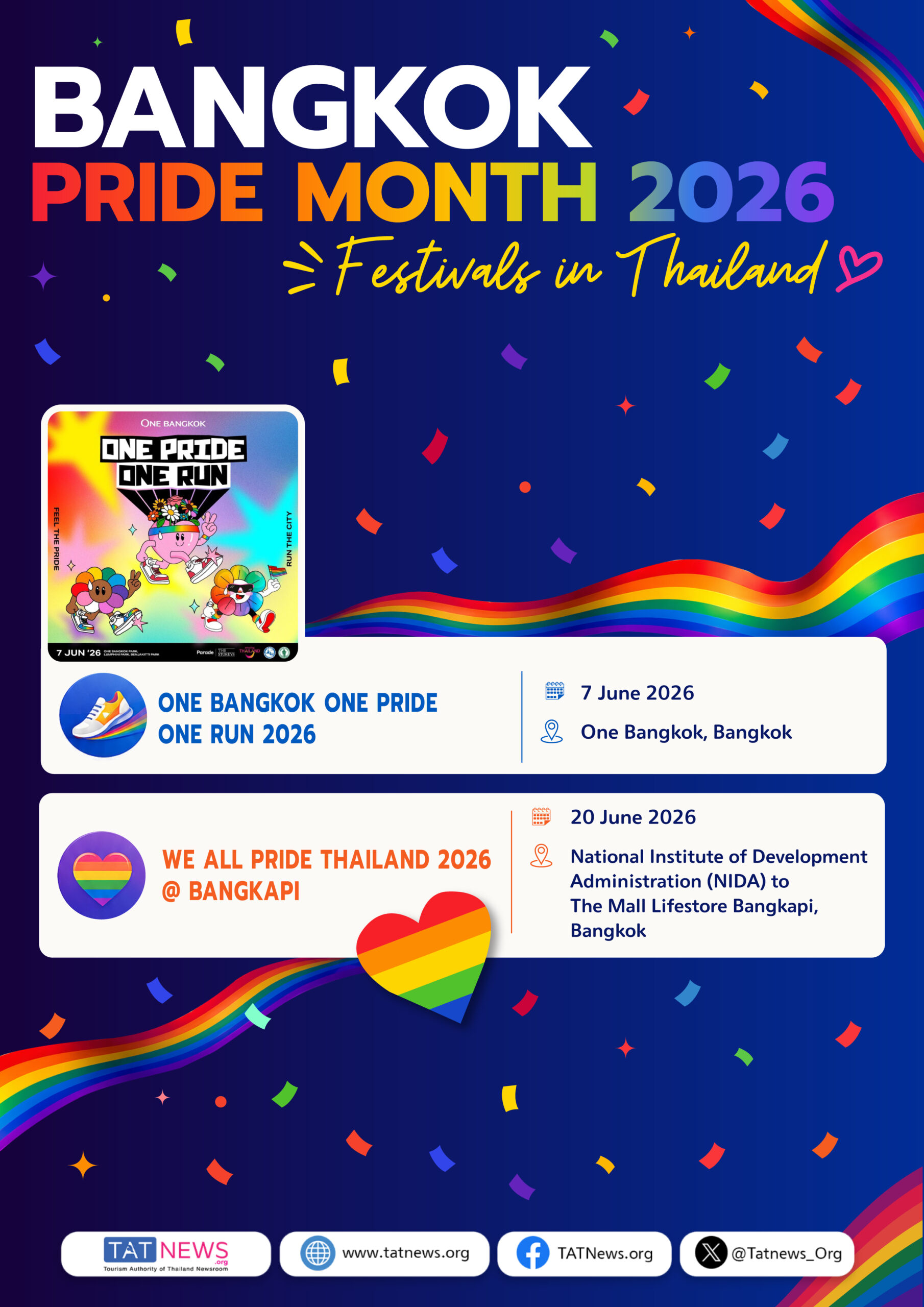
Bangkok Pride Month is useful evidence for foreign buyers because it shows the city as a lived environment, not only an investment market. TAT’s Pride Month Festivals 2026 calendar lists several Bangkok events, including Bangkok Pride 2026 awards at NEX HALL, Siam Paragon on 28 May, the Bangkok Pride Parade from Silom Road to Thephasadin Stadium on 31 May, a forum from 28 May to 1 June, CentralwOrld’s WE ARE MANY programme from 30 May to 30 June, and One Bangkok One Pride One Run 2026 on 7 June.
Pride Month programming adds another layer to Bangkok’s international city life.
For property buyers, this is not simply an events diary. Pride Month shows how Bangkok’s central districts handle identity, culture, public space, retail, mobility and social life. Those qualities influence whether a foreign resident feels comfortable using the city, inviting friends, staying longer and treating Bangkok as more than a short-term investment location.
Liveability is a property fundamental
Foreign buyers often begin with price per square metre, BTS distance and rental yield. Those are necessary, but they are not enough. A city that feels open, active and socially varied can support deeper residential demand. Events, parks, galleries, malls, dining districts and community programming all help residents build routines outside the building.
Bangkok’s Pride Month calendar touches several key zones: Siam, Silom, BACC, Siam Centre, CentralwOrld, Bangkapi and One Bangkok. This spread matters. It shows that lifestyle energy is not confined to one road. Buyers should look at how their target district connects to these civic and cultural nodes by BTS, MRT, walking routes and ride-hailing practicality.
Events along central corridors help buyers understand how neighbourhoods are used beyond office hours.
What Pride tells buyers about districts
Silom has long carried an international, office, nightlife and community identity. Siam and Ratchaprasong show the power of retail-led public programming. One Bangkok points to the newer integrated-district model, where offices, homes, retail, parks, hotels and events are planned together. Bangkapi reminds buyers that Bangkok liveability also extends beyond the most expensive central addresses.
A buyer does not need to purchase beside a parade route. The practical point is to judge whether the condominium connects to the Bangkok life the buyer wants. Some owners want a quiet building with quick access to events. Others want to be in the middle of activity. A good decision starts with that lifestyle fit before comparing unit finishes.
How to use events as neighbourhood due diligence
Visit the district during an event and on a normal weekday evening.
Check whether BTS, MRT, taxis and walking routes remain comfortable when crowds gather.
Look for restaurants, parks, supermarkets and services that work outside event periods.
Ask whether tenants in the building value culture, offices, schools, healthcare or nightlife most.
Balance private facilities with the public life available around the building.
Events can make a neighbourhood look exciting for one day, but buyers need to know what remains afterwards. The strongest liveability comes from repeated use: grocery shopping, coffee, exercise, commuting, healthcare, dinner, weekend culture and simple safety. Pride Month is a helpful lens because it makes public space and connectivity visible.
Inclusive public events can make Bangkok feel more open, social and globally connected for residents.
Why inclusion supports confidence
International buyers compare Bangkok with other regional cities. They think about property law, price, schools, healthcare, visas, transport and rental demand, but they also ask whether the city feels globally connected. Inclusive public programming helps answer that question. It signals that Bangkok can host residents and visitors with different identities, backgrounds and lifestyles.
This supports the city’s premium positioning when paired with practical strengths: airport access, private hospitals, international schools, retail depth, hospitality and established expat networks. A condominium in a well-connected district benefits when the wider city gives residents reasons to stay engaged year after year.
Buyer takeaway
Bangkok Pride Month 2026 is a liveability signal. It shows a city with public energy, cultural confidence and international reach. Foreign buyers should use events like these to test neighbourhood fit, transport comfort and lifestyle depth before choosing a condominium.
IBP can help overseas buyers compare Bangkok neighbourhoods by lifestyle, commute, tenant demand and investment logic. Browse our Bangkok lifestyle guides or contact IBP Real Estate for a neighbourhood-led shortlist.
A Bangkok condominium should be judged by more than the unit. Foreign buyers need to understand whether the surrounding city will support ordinary weeks, visiting family, weekends, friends, exercise, culture and social life. TAT’s June 2026 events calendar is a useful reminder that Bangkok liveability is shaped by recurring public programming as much as by private facilities inside a building.
TAT’s June 2026 calendar shows how regular programming adds depth to Bangkok life.
The June calendar includes Bangkok Bicycle Film Festival 2026 at ChangChui Creative Park on 27 and 28 June, described by TAT as an international bicycle-themed film and lifestyle festival bringing together cycling enthusiasts, filmmakers and creative communities. The wider calendar also points to live arts and city activities. For property buyers, this kind of programming shows how Bangkok’s lifestyle offer spreads across districts rather than sitting only in malls and hotels.
Events reveal how a district is used
A viewing trip often happens in a compressed schedule: three towers in the morning, lunch near BTS, two more buildings in the afternoon, then a quick price comparison. That process can miss the rhythm of the neighbourhood. Events help reveal how people actually use the city. They show whether an area attracts families, young professionals, creative communities, visitors, food vendors, cyclists, artists or weekend crowds.
For foreign buyers, this matters because liveability influences both personal enjoyment and rental demand. A tenant may choose a slightly smaller unit if the district gives better restaurants, parks, events and transport. An owner-occupier may accept a longer commute if the local lifestyle feels richer. The best purchase decision connects the unit with the life around it.
Arts and creative events help residents experience Bangkok beyond work, shopping and commuting.
Creative venues widen the Bangkok map
ChangChui Creative Park is not a conventional CBD address, but its inclusion in TAT’s event calendar highlights a useful point: Bangkok lifestyle is not limited to Sukhumvit, Sathorn or the riverside. Creative venues, old-town districts, galleries, food markets, performance spaces and independent events can make the city feel more varied for residents. This variety helps Bangkok compete with other regional cities for long-stay appeal.
A foreign buyer does not need to buy next to every event venue. The practical question is whether the target condo gives easy access to the parts of the city the buyer will actually use. BTS, MRT, expressways, river links and ride-hailing practicality all affect whether a lifestyle amenity feels close or inconvenient. Map distance is less useful than real travel time and comfort.
How to test liveability during a viewing trip
Visit the building at different times of day, including evening and weekend conditions.
Walk to the nearest transport, supermarket, cafe, park or cultural venue instead of relying only on maps.
Check whether friends, guests or older relatives could reach the building comfortably.
Balance private facilities with public amenities that residents can use without booking.
Ask what events, schools, hospitals, malls and work districts tenants in that building usually use.
This process often separates a good-looking unit from a good ownership decision. A building may have an impressive pool but weak street life. Another may have simpler common areas but better access to daily conveniences and events. Foreign buyers should decide which trade-offs match their use case, not simply copy another investor’s preference.
Community events at venues such as ChangChui Creative Park can widen the lifestyle map for residents.
Why this supports property confidence
Bangkok’s strongest property case is not only legal access to foreign freehold condominiums. It is the fact that the city is liveable, connected, culturally active and constantly renewing. Events calendars demonstrate that renewal. They give residents reasons to leave the building, invite friends, explore new areas and remain engaged with the city over multiple years.
For landlords, this lifestyle depth can support tenant retention when paired with practical building quality. For owner-occupiers, it can make Bangkok feel less like a remote investment and more like a second home. The property decision becomes stronger when both the numbers and the lifestyle case are credible.
Buyer takeaway
June 2026 events are not a reason to buy a condominium by themselves, but they are useful evidence of Bangkok’s city life. Foreign buyers should use event calendars, park visits, food districts, transit routes and cultural venues as part of neighbourhood due diligence. The right Bangkok condo should work inside the front door and outside it.
IBP can help buyers compare Bangkok neighbourhoods by lifestyle fit, transport and investment logic. Browse our Bangkok lifestyle guides or contact IBP Real Estate for a neighbourhood-led shortlist.
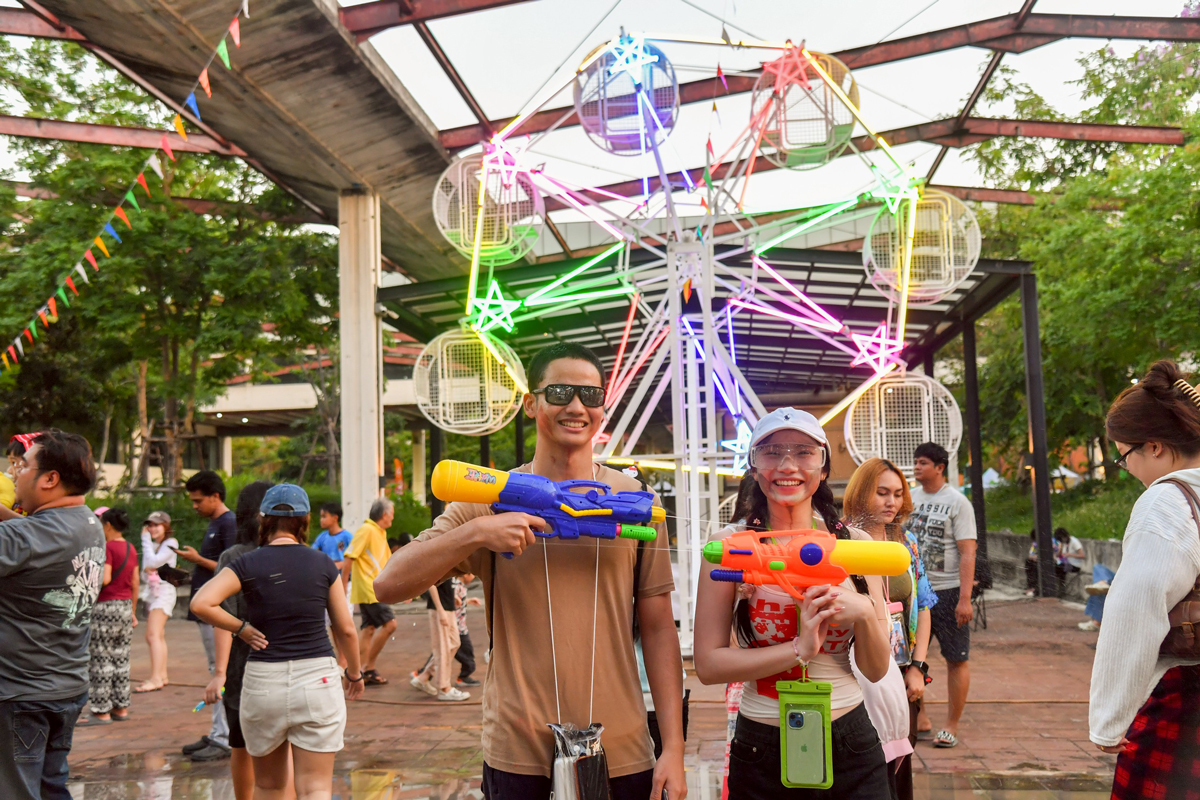
Foreign buyers often inspect Bangkok condominiums by looking upward: tower height, view, lobby, pool deck, ceiling, brand and price per square metre. Liveability also needs a ground-level test. Where can residents walk? Where do families go at weekends? Where does the city host culture, exercise, festivals and public life? Benchakitti Park is one answer, and its role as the setting for the Maha Songkran World Water Festival 2026 shows why public space matters to condo decisions.
Benchakitti Park has become an important setting for large public events in central Bangkok.
TAT officially opened the Maha Songkran World Water Festival 2026 at Benchakitti Park on 12 April 2026, presenting cultural activities, performances and public celebration in the heart of Bangkok. For property buyers, the event is not only a seasonal festival. It is a reminder that Bangkok’s central districts are becoming more usable when parks, transport, retail, hotels and residential buildings connect into a fuller urban routine.
Why parks influence property choices
A good park changes how a district feels. It gives residents somewhere to walk before work, run after dinner, meet friends, take children outside and reset during long stays. In a dense city, this can be just as important as a bigger balcony or a more elaborate common area. For foreign buyers who plan to use a Bangkok condo regularly, public green space can make the difference between a unit that feels convenient and a unit that feels like a home base.
Benchakitti is especially relevant because it sits near Asok, Queen Sirikit National Convention Centre, Sukhumvit, Rama IV and the wider Khlong Toei area. That location gives it a broad catchment. Residents from different condo districts can reach it for exercise, events, exhibitions and weekend routines. It also supports the appeal of nearby buildings that may otherwise be judged only by traffic or office density.
Cultural programming helps residents experience Bangkok as more than a work-and-commute city.
Events make the city easier to belong to
Expat liveability is not only about hospitals, schools and supermarkets, although those remain essential. A city becomes easier to belong to when residents can join public festivals, watch performances, use parks and understand local traditions without needing a private club or hotel setting. Songkran is a strong example because it combines family activity, culture, tourism and neighbourhood participation.
For foreign buyers, this matters emotionally and practically. A family comparing Bangkok with Singapore, Kuala Lumpur, Hong Kong or Dubai may ask whether the city offers enough open-air life and cultural access. A retiree or long-stay owner may care about morning walks and quiet daytime routines. A younger buyer may want events, dining and transport nearby. Public spaces help Bangkok answer those questions.
How to use this in a viewing trip
Visit target buildings during both weekday and weekend conditions.
Walk from the condo to the nearest park, BTS, MRT, mall and supermarket rather than judging by map distance.
Check whether the area feels comfortable in the morning, evening and after rain.
Ask how easily guests, children or older relatives could use the neighbourhood.
Balance private amenities with public space that can be used without booking or fees.
This type of test can change a shortlist. A building with a slightly smaller pool may be more liveable if it sits near a major park and convenient transport. A larger unit may feel less attractive if every daily errand requires a car. Bangkok buyers should treat the surrounding district as part of the purchase, not as decoration around the unit.
Public festivals add a social layer to central districts near parks, transport and residential towers.
Where Benchakitti fits for buyers
Benchakitti strengthens the lifestyle case for nearby areas such as Asok, Phrom Phong, Rama IV and parts of Khlong Toei, but buyers should avoid simplistic park-premium assumptions. Not every building near a park has strong management, good layouts or sensible pricing. The park is an advantage when the rest of the ownership case is sound. It cannot fix weak construction, poor access, high fees or unrealistic resale expectations.
The better view is that Benchakitti adds depth to central Bangkok. It gives residents another reason to stay in the city at weekends, host visiting family and build routines outside malls and offices. That depth supports Bangkok’s wider appeal as a place to live, not simply a place to invest.
Buyer takeaway
Bangkok’s liveability is built from many small decisions: transport, parks, healthcare, schools, food, culture, safety, building management and neighbourhood rhythm. Benchakitti Park events show how public space can make a dense central district more human. For foreign buyers, that should be part of due diligence.
IBP can help buyers compare lifestyle fit across Sukhumvit, Rama IV, Sathorn, Lumphini and riverside districts. Browse our Bangkok lifestyle guides or contact IBP Real Estate for a neighbourhood-led shortlist.
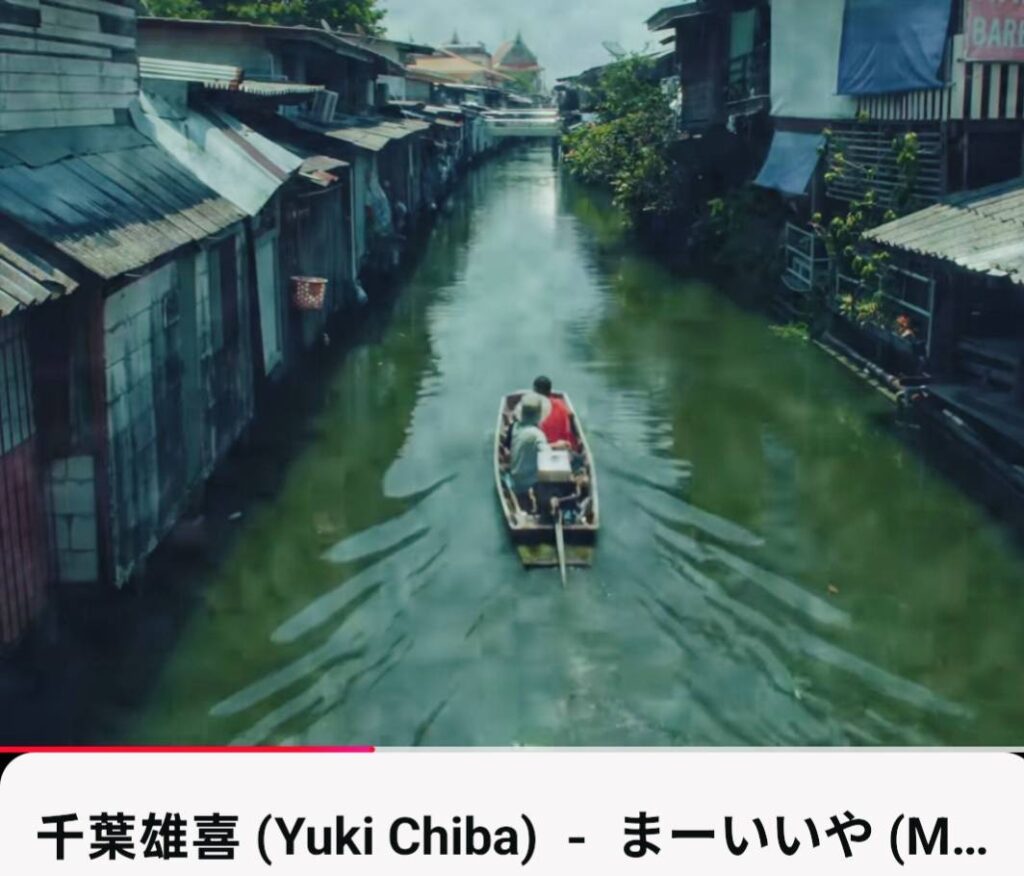
Bangkok’s liveability is often described through malls, hospitals, schools and airport access. Those things matter, especially for foreign condo buyers. But the city’s softer appeal is just as important: markets, temples, canal communities, music, street life, casual dining and the feeling that daily routines can stay interesting. TAT’s May 2026 collaboration with Warner Music Japan around Yuki Chiba’s “Mahiiya” is a useful reminder of that cultural layer.
TAT’s Mahiiya collaboration presents Bangkok through contemporary culture and local settings.
The Tourism Authority of Thailand said the music-led campaign showcases Bangkok’s everyday charm and connects Thailand’s “Mai Pen Rai” spirit with younger global audiences. The video was filmed at locations including Sai Tai Mai Market, the century-old Khlong Ratchamontri community in Bang Khae and Wat Ratcha Orasaram Ratchaworawihan. For property buyers, the point is not the song itself. It is that Bangkok can still surprise visitors outside the most familiar high-rise districts.
Why culture matters to condo decisions
Foreign buyers often begin with practical filters: budget, foreign quota, BTS distance, rental yield, hospital access and school commute. Those filters are necessary, but they do not fully explain why people choose one city over another. A second home or long-stay base has to feel livable. It must offer routines, weekends, food, culture and neighbourhood discovery that make repeated visits worthwhile.
This is especially true for buyers who will not occupy the unit full time. A city that remains interesting over repeated visits gives the owner more reasons to return, host family and maintain the property well. It can also make the unit easier to explain to future renters or buyers who are comparing Bangkok with other regional lifestyle cities.
Bangkok is strong because it can offer both premium convenience and local texture. A buyer can live near a polished retail district and still explore old communities, river routes, markets, temples and creative streets within the same city. That balance helps Bangkok compete with cities that may be more orderly but less layered.
Local markets and neighbourhoods give Bangkok daily texture beyond the central condo corridors.
The neighbourhood lesson
The Mahiiya campaign highlights places outside the usual property brochure map. That is useful because buyers should not assume Bangkok life happens only between Siam, Asok and Thonglor. Bang Khae, Thonburi, old canal communities and west-side markets may not be the first choice for every foreign condo purchase, but they help explain the city’s depth. They give residents weekend routes, food discoveries and cultural context that make Bangkok more than a collection of towers.
This matters even when the buyer purchases in a prime district. A condo in Chit Lom, Sathorn, Phrom Phong or Rama IV becomes more attractive when the city around it is easy to explore. Good transport, ride-hailing, river boats, MRT extensions and airport links allow residents to use Bangkok widely. Liveability is not only what sits under the building. It is how much of the city becomes accessible from the building.
What expat buyers should test on a visit
Spend one day outside the target condo district to test whether Bangkok feels engaging beyond the commute.
Visit a market, park, temple or old community area during normal daytime conditions.
Check how easy it is to return home by BTS, MRT, taxi or ride-hailing at different times.
Balance premium convenience with the city experiences that make long stays enjoyable.
Ask whether guests and family members would enjoy the city as much as the unit.
This type of lifestyle due diligence is practical. If a buyer only inspects show units, hotel lobbies and sales galleries, they may miss the city’s real rhythm. If they explore too widely without checking daily convenience, they may choose a charming area that is difficult to live in. The best Bangkok purchase usually combines reliable everyday infrastructure with access to the city’s cultural range.
Heritage sites, canals and community streets help explain why Bangkok remains emotionally sticky for repeat visitors.
Buyer takeaway
Bangkok’s pop-culture visibility is not a reason to overpay for property. It is a reminder that the city has a strong lifestyle story beneath the investment numbers. Younger travellers, regional visitors and long-stay residents are often drawn by atmosphere as much as by price. That atmosphere supports the broader case for Bangkok as a livable, globally connected property market.
Foreign buyers should still prioritise legal ownership, quota, building quality, management and resale depth. Once those basics are sound, lifestyle fit becomes the difference between a unit that is merely owned and a home base that is actively used. For more area context, browse IBP’s Bangkok lifestyle guides or contact IBP Real Estate for a neighbourhood-led shortlist.
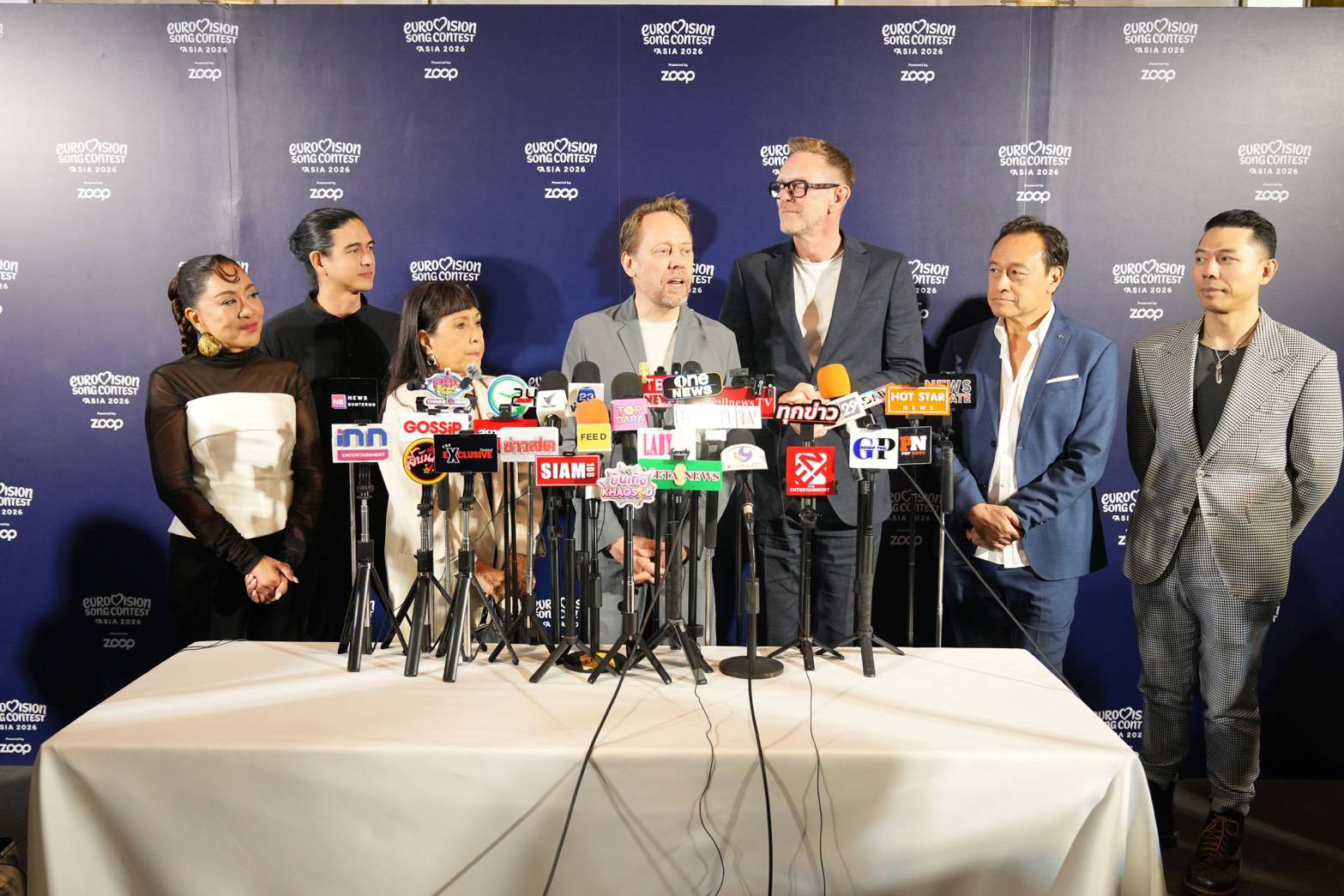
Bangkok will host the Grand Final of Eurovision Song Contest Asia 2026 on 14 November 2026, according to the Tourism Authority of Thailand. The event is described as the first edition of the Eurovision format in Asia and coincides with the 70th anniversary of Eurovision. For property buyers, the headline is not only entertainment. It is another sign that Bangkok is competing as a regional culture, tourism and live-event capital.
Bangkok will host the first Eurovision Song Contest Asia Grand Final in November 2026.
Events of this scale make a city more visible to international residents, corporate visitors and families who might otherwise think of Thailand only as a holiday destination. A city that can host major music, business, food, wellness and sports events gives residents more reasons to stay through the year, and gives investors more ways to understand tenant demand beyond office commuting alone.
What the event says about Bangkok
TAT said the selection reflects confidence in Thailands safety standards, operational readiness and ability to deliver high-quality events. The contest is expected to feature broadcasters from markets including Thailand, South Korea, the Philippines, Viet Nam, Malaysia, Cambodia, Lao PDR, Bangladesh, Nepal and Bhutan, with participating countries representing more than 600 million people.
That regional reach matters. Bangkok is already a business and travel hub, but cultural events help position it as a shared meeting point for Asia. For foreign buyers, this supports the idea of Bangkok as a city with international rhythm: flights, hotels, malls, venues, restaurants, production teams, media and hospitality all working together around a common calendar.
Liveability is built from repeated small advantages
For people deciding where to buy, liveability is not a single attraction. It is the way a city works week after week. Bangkok offers international schools, hospitals, retail, dining, hotels, cultural venues, parks, co-working spaces and transport choices across multiple districts. A major event does not create that ecosystem, but it uses it and makes it more visible.
Large cultural events help international residents see Bangkok as a connected, year-round city.
This is why some property buyers prioritise neighbourhoods with easy access to lifestyle districts rather than only office towers. Sukhumvit, Silom, Sathorn, Rama IV, Chidlom, Langsuan and the riverside each serve different resident profiles. The right choice depends on school runs, healthcare needs, dining habits, commute tolerance and how often the owner expects visiting friends or family.
The rental angle for owners
A single event should not be used to justify a purchase. However, a broader events calendar can help maintain demand for serviced apartments, flexible leases, hotel-adjacent residences and well-managed condominiums in central areas. Corporate visitors, production teams, media, performers, sponsors and regional travellers all need accommodation, transport and services.
Owners should still focus on fundamentals: legal title, foreign quota, building management, furniture durability, realistic rents and exit depth. The event calendar is a supporting factor, not a replacement for due diligence. Well-located, easy-to-manage units are better positioned to benefit from Bangkoks cultural energy than oversized or poorly managed units with limited tenant depth.
For landlords, the practical question is whether the unit can serve more than one demand stream. A central one-bedroom may appeal to a relocating executive, a long-stay medical visitor or a regional consultant, while a larger family unit may depend more on schools and daily commute patterns. Event demand is useful when it adds another layer, not when it becomes the only story.
How buyers can use the lifestyle signal
If Bangkoks global-event profile matters to your purchase, start by mapping the weekly lifestyle rather than chasing the event itself. Which rail line will you use? How close are hospitals, schools, restaurants and parks? Can guests reach the building easily from the airport? Does the condominium feel calm when the surrounding district is busy?
A stronger events calendar can support hospitality, retail, short corporate stays and neighbourhood energy.
Buyers who plan to live in Bangkok part time should also think about lock-up-and-leave practicality. Event-friendly districts can be lively and convenient, but the building still needs strong security, responsive management, clear visitor rules and easy maintenance coordination while the owner is overseas.
IBP can help foreign buyers weigh lifestyle, rental and ownership factors together. Explore more neighbourhood context in the Bangkok Lifestyle & Events section, then speak with the team about districts that match how you actually want to live in Bangkok.
Foreign families often begin a Bangkok property search with the condominium: number of bedrooms, pool, gym, view and rent. The better starting point is the school-week routine. In Bangkok, a family condo that looks perfect on Saturday can become tiring by Wednesday if the school run, office commute, groceries, activities and healthcare visits all point in different directions.
For families, the best condo address is the one that makes the weekly routine manageable.
Why school commute comes first
Bangkok has a strong international-school ecosystem, but schools are spread across very different parts of the city. NIST, for example, describes its campus as being on Sukhumvit Soi 15 in Asok, with access by taxi, BTS and MRT. International School Bangkok describes its campus as being in Nichada Thani, around 20 kilometres north of downtown Bangkok, accessible by car, school bus or BTS from various parts of the city. Those two examples show why a single “best family district” does not exist. The right condo depends on the school, parents’ work locations and the family’s tolerance for travel.
A short commute is not only about comfort. It affects sleep, homework time, after-school activities, parental work hours and how much the family actually enjoys Bangkok. Buyers relocating from Singapore, Hong Kong, Europe or the Middle East may underestimate how much weather and traffic change daily routines. A 20-minute map estimate can become a very different lived experience during rain or peak school traffic.
Central Sukhumvit family living
Asok, Phrom Phong, Thonglor and Ekkamai are popular because they combine BTS access with supermarkets, clinics, restaurants, serviced apartments and a familiar expat environment. They can work well for families connected to schools in central Bangkok or for parents who need CBD access. The trade-off is price, traffic and sometimes smaller unit sizes. Buyers need to check whether the building is truly family-friendly: larger lifts, practical parking, child-safe common areas, enough storage and a layout that supports home study.
Layout, storage, lifts, parking and nearby services matter more for families than showroom styling.
For families with younger children, walkability to parks and daily services can matter as much as the school route. Benchasiri Park, community malls, medical clinics and supermarkets can make central Sukhumvit feel easy. For older children, BTS independence may become more important. A condo near a station can give teenagers controlled mobility for activities, tutoring and weekend plans, but the building and route must still feel safe and practical.
Northern and suburban school corridors
Some international schools sit outside the central Sukhumvit pattern. Families considering Nichada Thani, Don Mueang, Bang Na, Rama 9, Krungthep Kreetha or other school corridors should be honest about whether they want a central city lifestyle or a more campus-led family lifestyle. A larger home near school can give children more space and a calmer routine. A central condo can give parents shorter access to offices, dining and hospitals. Many families cannot have both without compromise.
This is where rent-before-buy can be valuable. A family that is new to Bangkok may choose a one-year lease before purchasing, especially if children are changing schools or parents are still learning commute patterns. Investors buying for family tenants should also understand this logic. The most rentable family units are often the ones that solve a real school or work route, not simply the units with the most dramatic lobby.
A practical family-condo checklist
Test the school run on a weekday morning before signing, not only on a weekend viewing trip.
Ask whether the school bus serves the building or nearby pickup point, and how early children must leave.
Look for grocery, clinic, pharmacy and activity access within the family’s real weekly routine.
Review noise, balcony safety, pool supervision rules and common-area behaviour.
If buying for rental, confirm whether the unit size matches family tenant budgets in that district.
Healthcare and regional travel
Bangkok’s family appeal is also tied to healthcare and connectivity. Many foreign families value proximity to international hospitals, paediatric clinics and dental care. Regional travel matters too, especially for families with work across Southeast Asia or relatives abroad. A condo that gives manageable access to airports, expressways and hospitals can feel more valuable than a slightly larger unit in a less connected location.
Regional access, school routes and healthcare links all shape Bangkok’s appeal as a family base.
How investors should read family demand
Family tenants tend to care about practical space, school access and building management. They may stay longer than single tenants if the school routine works, but they are less forgiving of poor maintenance, weak air-conditioning, insufficient storage or difficult transport. A two-bedroom or three-bedroom condo near the right school corridor can be attractive, yet only if the rent aligns with competing houses, serviced apartments and older large-format condos.
Foreign buyers should avoid assuming that every international-school district supports premium rent. Some schools draw families who prefer houses, compounds or suburban space. Others support central condos because parents work nearby or children can use BTS. The target tenant must be specific.
A calmer way to choose
For own-use buyers, choose the weekly routine before choosing the view. For investors, choose the tenant profile before choosing the unit. Bangkok is highly liveable for foreign families when the neighbourhood, school and transport pattern fit together. It becomes difficult when the condo is chosen in isolation.
Talat Noi and Charoen Krung offer a different Bangkok living proposition from the polished condo corridors of lower Sukhumvit. The appeal is heritage, river proximity, galleries, cafes, old commercial lanes and a slower sense of discovery inside the central city.
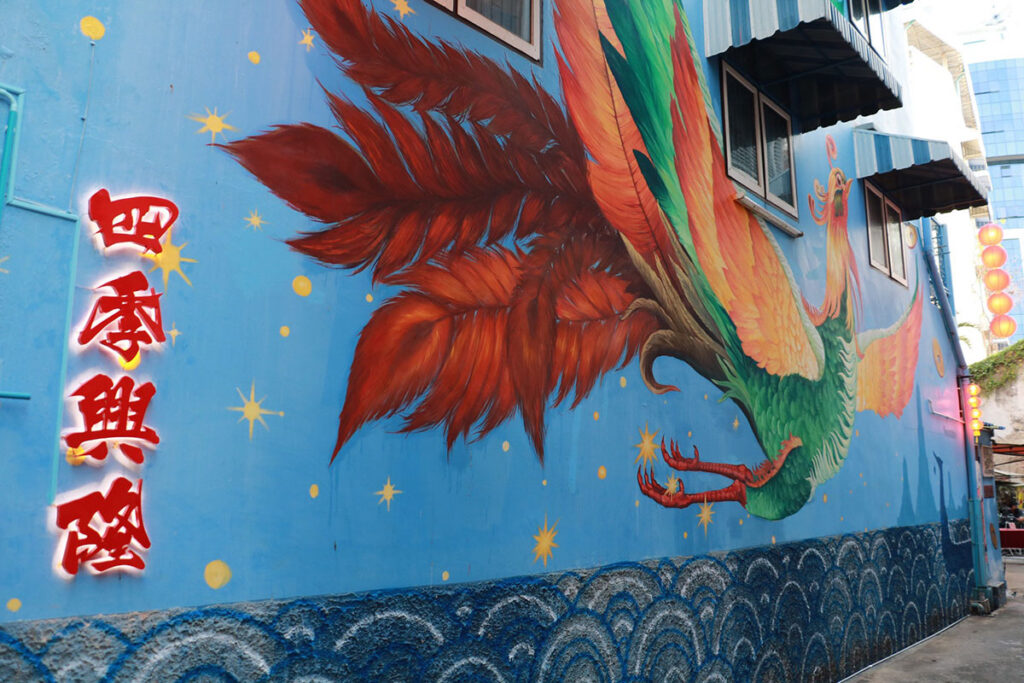
Talat Noi’s street art and heritage lanes give the district a distinctive Bangkok identity.
For foreign buyers, this area is worth understanding because Bangkok liveability is not only about being next to a BTS station. Some residents want culture, walkable side streets, independent restaurants, creative spaces and access to the Chao Phraya River. Talat Noi and Charoen Krung can provide that texture while staying connected to Silom, Sathorn, Chinatown and the riverside hotel belt.
TAT has described Talat Noi as a historic community on the edge of Chinatown beside the Chao Phraya River, with roots reaching back before Bangkok became the capital in 1782. The area includes heritage buildings, street art, old trading houses and nearby landmarks such as Charoen Krung Road, Captain Bush Lane, the Old Customs House, Bangkok General Post Office and Assumption Cathedral.
Why the area feels different
Many Bangkok condo decisions begin with transport maps. Talat Noi and Charoen Krung require a wider lens. The district is about daily atmosphere: morning coffee in a converted shop house, gallery visits, river walks, old shrines, small restaurants and quick access to Chinatown. It can appeal to residents who want Bangkok to feel layered rather than standardised.
This does not make the area right for every buyer. Some lanes are narrow, parking can be limited and not every building will offer the convenience of a newer mixed-use district. The trade-off is character. Buyers who value heritage and walkability may accept a slightly less conventional location if the building, unit and transport plan work.
Public art sits beside older shop houses, shrines and riverside traces of Bangkok’s trading history.
Who may enjoy living here
The area can suit creative professionals, long-stay visitors, couples, downsizers and part-time owners who want a more local Bangkok rhythm. It may also appeal to tenants who work in Silom, Sathorn, riverside hotels, embassies, galleries or hospitality. Access to MRT Hua Lamphong, river transport, taxis and nearby expressways can be useful, but the exact building location matters.
Foreign buyers should walk the route from the potential condo to daily needs. Check groceries, cafes, laundry, clinics, public transport, evening lighting and taxi access. A district can be charming on a weekend afternoon but less practical during heavy rain or late-night returns. The best purchase decisions come from testing the area at different times.
Property considerations
Compared with prime Sukhumvit, the riverside and old-town fringe can offer a more varied property mix. Buyers may see newer condos, older buildings, boutique residences and units that depend heavily on view, maintenance and access. This variety creates opportunity, but it also makes comparisons harder. Price per square metre alone is not enough.
Key checks include building age, juristic management, flood response, parking, lift condition, noise, view protection and future construction nearby. In heritage districts, the surrounding context can be a strength, but buyers still need a building that is easy to maintain and easy to rent or resell.
Neighbourhood character can help foreign buyers assess whether a location feels liveable beyond transport.
How to compare it with Sukhumvit or Sathorn
Sukhumvit often wins on international familiarity, malls, BTS access and rental depth. Sathorn and Silom offer office demand and central convenience. Talat Noi and Charoen Krung compete differently. They offer heritage, culture, river atmosphere and a more individual lifestyle.
That can be powerful for own-use buyers. For pure investors, the rental profile should be tested carefully. The tenant pool may be narrower than in Phrom Phong or Asoke, but the right unit can stand out because it offers something less generic. Furnishing and photography matter in this kind of district because the listing should communicate the lifestyle clearly.
Buyer checklist
Walk the district on a weekday, weekend and rainy evening.
Check routes to MRT, river piers, Silom, Sathorn and Chinatown.
Review building management, parking and lift quality carefully.
Test whether the unit’s view, light and noise level fit long stays.
Compare rental demand with nearby riverside and CBD options.
Talat Noi and Charoen Krung are not mass-market choices. That is part of their appeal. For the right buyer, the district can make Bangkok feel personal, cultural and connected to the city’s history. For the wrong buyer, the same character may feel inconvenient. The decision should be based on lifestyle fit first, then investment logic.
Buyer takeaway
Foreign buyers who want Bangkok beyond malls and main roads should put Talat Noi and Charoen Krung on their walking list. The area rewards buyers who value heritage and daily texture, provided the building checks are solid.
Foreign buyers often start with practical questions: Can I own the condo? What is the rental yield? Is the district connected to BTS or MRT? Those questions are essential. But long-term satisfaction in Bangkok also depends on whether the city feels easy, interesting and socially alive. Culture and wellness events are part of that liveability picture.
Cultural programming helps foreign residents understand Bangkok as a social and liveable city.
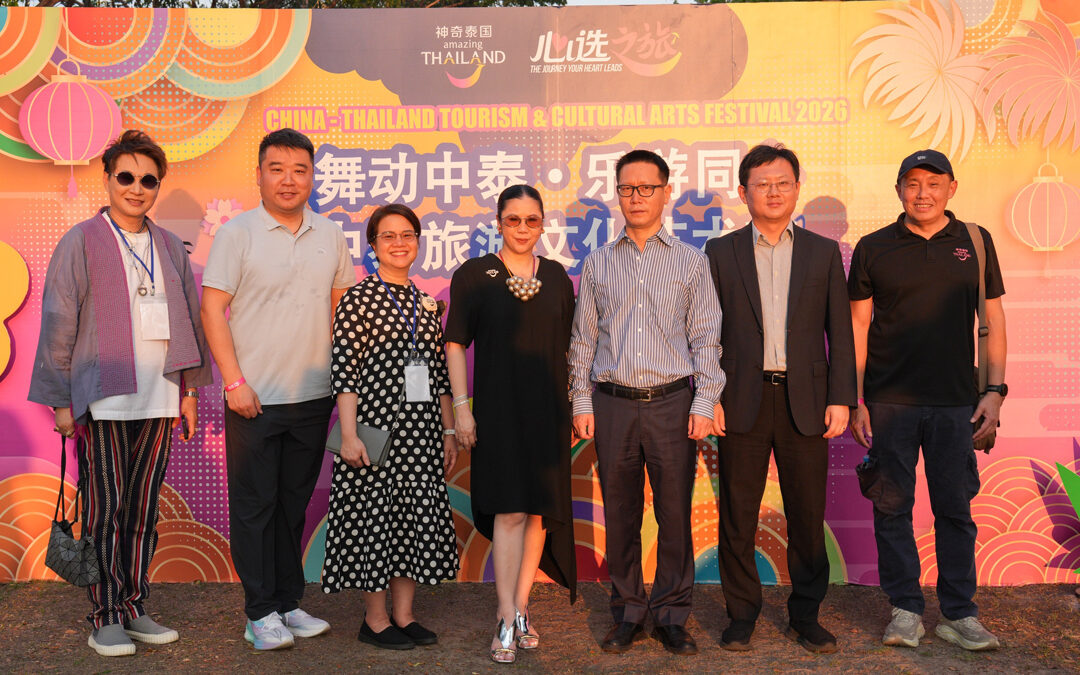
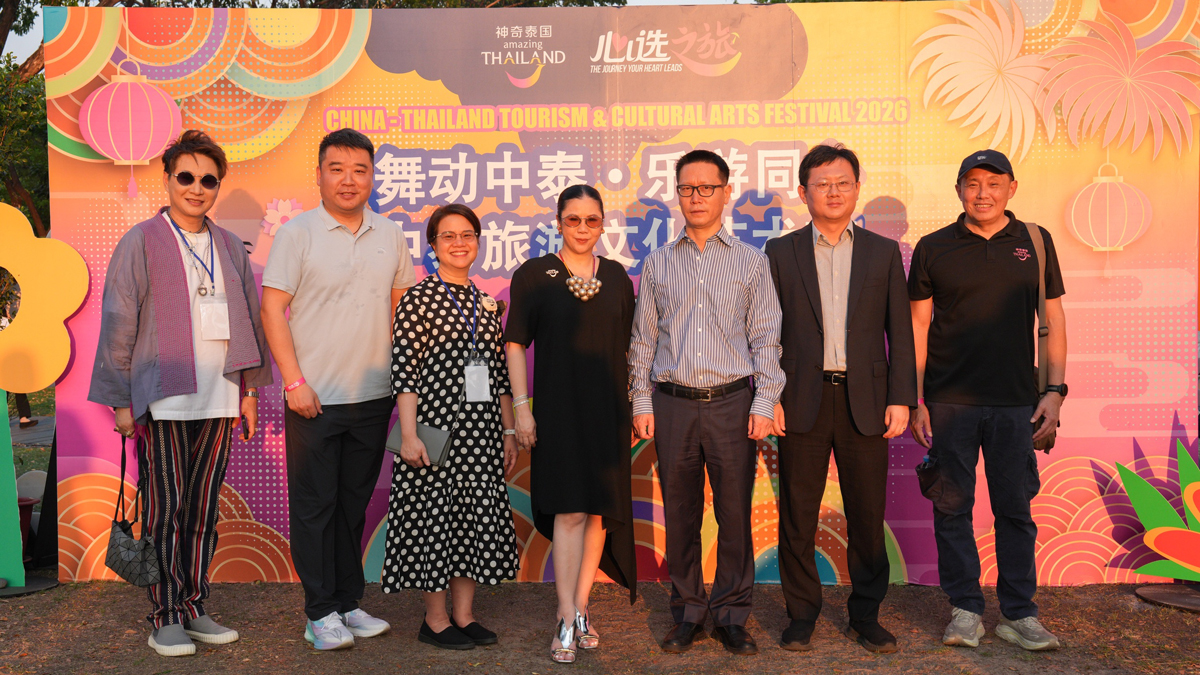
On 27 March 2026, TAT presented the China-Thailand Tourism & Cultural Arts Festival 2026 at Chulalongkorn University’s Centenary Park. TAT reported that the Bangkok event welcomed more than 1,000 guests and highlighted wellness offerings, Thai healing traditions, cultural performances, food, craft sessions and Thailand-China tourism ties. For property buyers, the point is not the event alone. It is what the event says about Bangkok’s urban lifestyle.
Bangkok is attractive to many foreign owners because it combines convenience with texture. A resident can move between hospitals, malls, parks, temples, galleries, restaurants, schools, embassies, hotels and neighbourhood food streets in the same week. That breadth supports the city’s appeal as a second home, retirement base, family relocation option or long-stay investment market.
Why culture matters to property decisions
Culture gives a district identity beyond transport. A condo near good rail access may be practical, but a condo near parks, campuses, galleries, food streets and regular events can feel more complete. That matters for owners who plan to live in Bangkok part time, and for tenants who want a city lifestyle rather than only a room close to work.
Events also help newcomers settle. A foreign resident who can easily find food festivals, wellness workshops, performances, exhibitions and family-friendly public spaces may be more likely to extend a stay. For landlords, that can widen the tenant audience from short assignments to people who genuinely want Bangkok as a base.
Performances, food and craft activities give Bangkok districts a richer everyday identity.
Wellness as a liveability signal
Wellness is not limited to spas or medical tourism. It includes walkable parks, access to fitness, healthy food, preventive healthcare, stress management and social activities that make city life easier. Bangkok has been building this story through private hospitals, wellness clinics, hotel facilities, parks and tourism campaigns that connect Thai culture with well-being.
For buyers, this means the surrounding neighbourhood should be assessed like a weekly routine. Is there a park or quiet walking route? Are groceries, clinics and gyms easy to reach? Can visitors and family members enjoy the area without constant car dependency? Does the building support calm daily living, or does it only offer an impressive lobby?
Where this fits in Bangkok
Chulalongkorn University’s Centenary Park is a useful example because it sits within a broader central-city ecosystem. Siam, Ratchaprasong, Silom, Rama IV, Sathorn and Samyan all offer different combinations of education, business, retail, culture and transport. These areas can appeal to buyers who want Bangkok to feel global without losing local character.
Other districts can offer similar liveability in different ways. Phrom Phong has park and retail convenience. Ari has cafes and a softer residential rhythm. Riverside areas offer heritage and hotel dining. Thong Lo and Ekkamai add restaurants, clinics and lifestyle services. The right choice depends on how the owner or tenant will actually spend the week.
Wellness and culture are increasingly part of the city’s long-stay appeal.
A simple buyer checklist
Walk the neighbourhood on a weekday evening and a weekend afternoon.
Check access to parks, clinics, groceries, restaurants and rail connections.
Ask whether the building feels calm enough for long stays.
Compare lifestyle convenience with the actual rent or resale premium.
Choose a unit that matches a real resident profile, not only a district name.
Lifestyle should not replace due diligence. The buyer still needs to check title, foreign quota, payment trail, common fees, building rules and management quality. But once those basics are sound, liveability can be the difference between a condo that looks good on paper and one that people want to use repeatedly.
Buyer takeaway
Bangkok’s culture and wellness calendar supports the city’s long-stay appeal. For foreign buyers, that appeal can strengthen both personal enjoyment and rental logic when it is matched with a practical district and a well-managed building.
IBP can help buyers compare lifestyle fit alongside legal and investment checks. Explore our Bangkok lifestyle guides or contact IBP Real Estate for neighbourhood advice.
Healthcare access is one of Bangkok’s strongest liveability advantages, but many property buyers only think about it after they move in. For foreign buyers, it should be part of the condo shortlist from the beginning. A good Bangkok home is not only close to rail, restaurants and shopping; it should also make routine check-ups, emergency care, insurance coordination and family medical needs manageable.
A liveable Bangkok address should make healthcare, groceries and daily transport easy to reach.
Bangkok’s private healthcare ecosystem is a major reason the city works for retirees, medical visitors, regional families and long-stay expatriates. Bumrungrad International Hospital’s own site highlights specialist centres, medical travel services, insurance information and 24-hour contact channels, while Bangkok Hospital’s Expat Care Center describes services for expats and families, dedicated case managers and care from primary to specialised medicine. These services help explain why healthcare access can influence property demand.
Why healthcare changes the property brief
A buyer who visits Bangkok twice a year may prioritise airport access, hotel-style facilities and restaurants. A buyer planning to live in the city for months at a time needs a different checklist. The practical questions become more personal: how quickly can I reach a hospital, where is the nearest clinic, can I arrange follow-up appointments, and will my insurer recognise the provider?
Families with children may value paediatrics, dental care, vaccinations and emergency routes. Retirees may focus on cardiology, orthopaedics, screening and medication management. Remote workers may care about routine health checks, physiotherapy, fitness and mental-health support. The right district depends on the resident’s health profile and daily habits.
Regional connectivity supports Bangkok’s role as a healthcare and long-stay base.
Districts to think about
Lower Sukhumvit and Phrom Phong work for buyers who want access to major private hospitals, supermarkets, BTS, restaurants and international services. Asoke and Rama IV can suit residents who want rail connectivity plus access to Benjakitti Park and central medical facilities. Sathorn and Silom appeal to buyers who want business access, BNH Hospital, Lumpini Park and an established expat rhythm.
Ari and Phaya Thai offer a more neighbourhood-led lifestyle with BTS access and routes to central hospitals. Bang Na can make sense for families who need schools, hospitals, malls and easier access to the eastern side of the city. Riverside addresses may suit buyers who value hotels, slower scenery and access to central hospitals by car, but commute times should be tested carefully.
What to inspect before buying
Travel time to the preferred hospital during weekday traffic, not only on a quiet Sunday.
Availability of nearby clinics, pharmacies, dentists and physiotherapy.
Whether the building has reliable lifts, security, drop-off access and visitor parking.
How easily an ambulance or ride-hailing car can reach the entrance.
Noise, air quality, daylight and walkability for daily wellbeing.
The building matters as much as the district. A condo with poor lift management, difficult parking or awkward drop-off access can be frustrating for older residents or families with children. A well-managed building near a hospital, supermarket and park can feel calmer and more practical even if it is not the newest tower in the area.
Condo choice should match the resident’s weekly routine, not just the showroom impression.
Healthcare and rental demand
Healthcare access can also support rental depth. Tenants connected to hospitals may include medical visitors, relatives, doctors, consultants, international patients, retirees and families who want dependable care nearby. This does not mean every unit near a hospital is a good investment. It means the buyer should understand whether healthcare is one of several real demand drivers in the district.
The strongest locations usually combine healthcare with transport, daily retail, restaurants, schools or parks. A unit that depends only on a hospital story may be too narrow. A unit that sits within a broader liveability cluster can appeal to more residents and future buyers.
Buyer takeaway
Bangkok’s healthcare ecosystem is part of the city’s premium living proposition. It supports confidence for people who want Thailand as a second home, retirement base, family location or regional medical hub. But buyers should translate that advantage into practical property decisions: travel times, building access, insurance needs, daily routines and long-term comfort.
A good condo should make life easier when everything is normal and when something urgent happens. That is the real value of healthcare access. For foreign buyers, it is not a soft lifestyle extra; it is a core liveability check.
IBP can help buyers compare Bangkok districts by healthcare access, transport and expat liveability. Browse our expat living guides or contact IBP Real Estate for a practical shortlist.