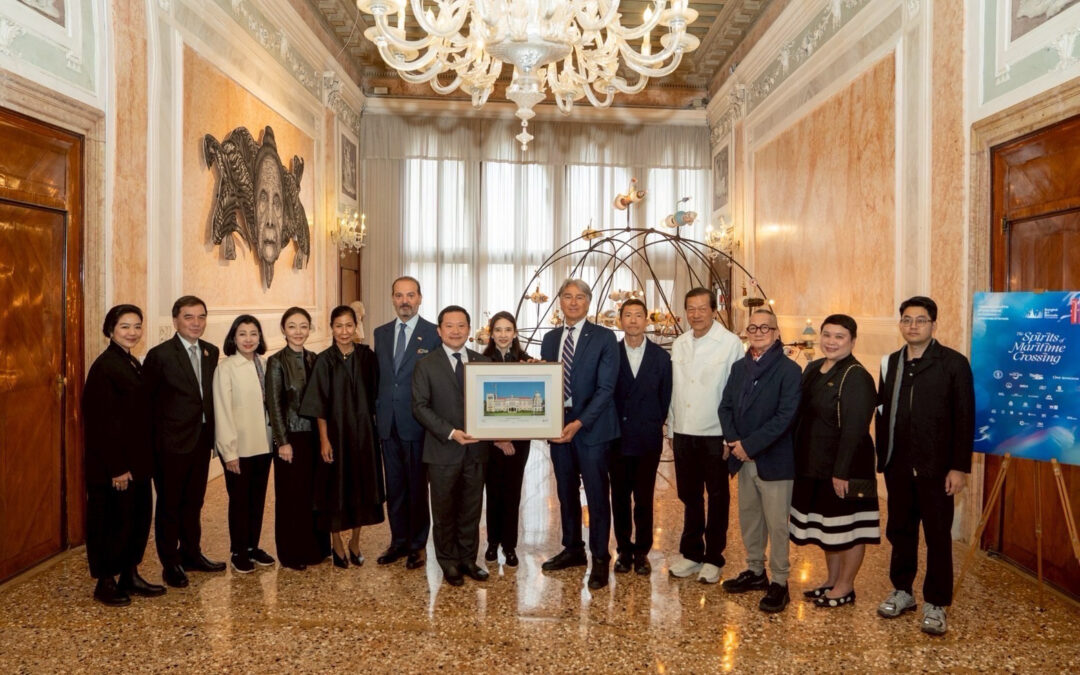
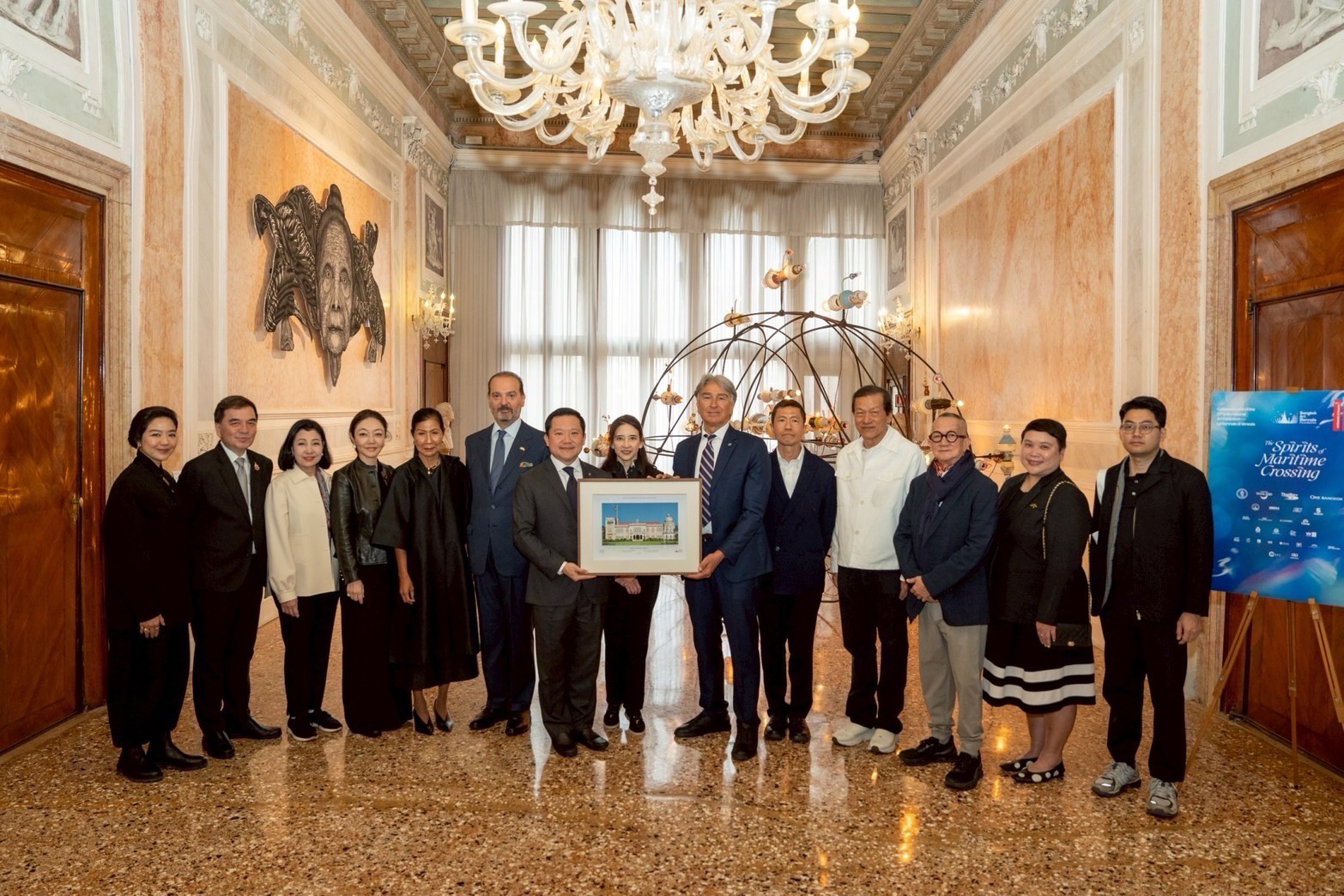
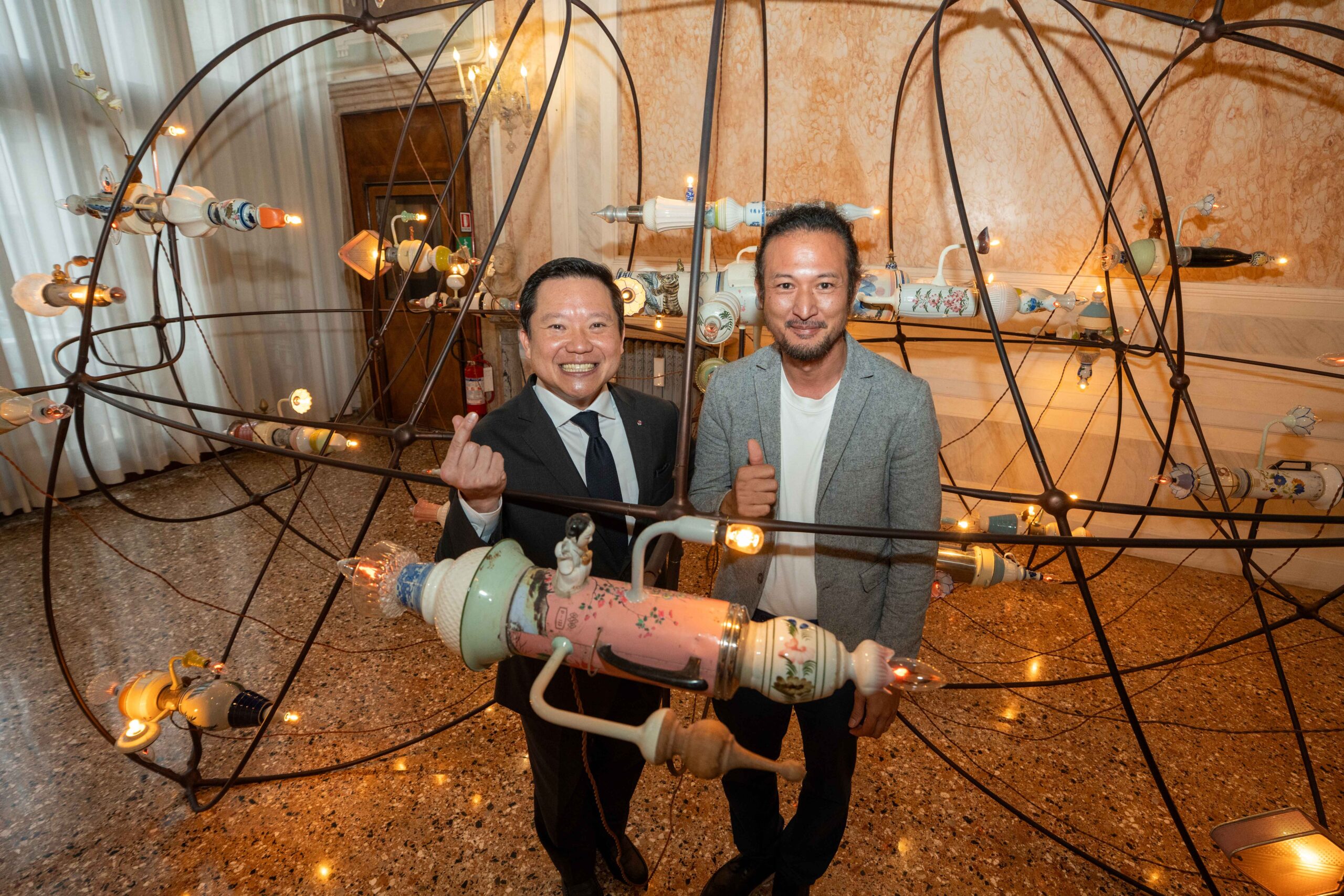
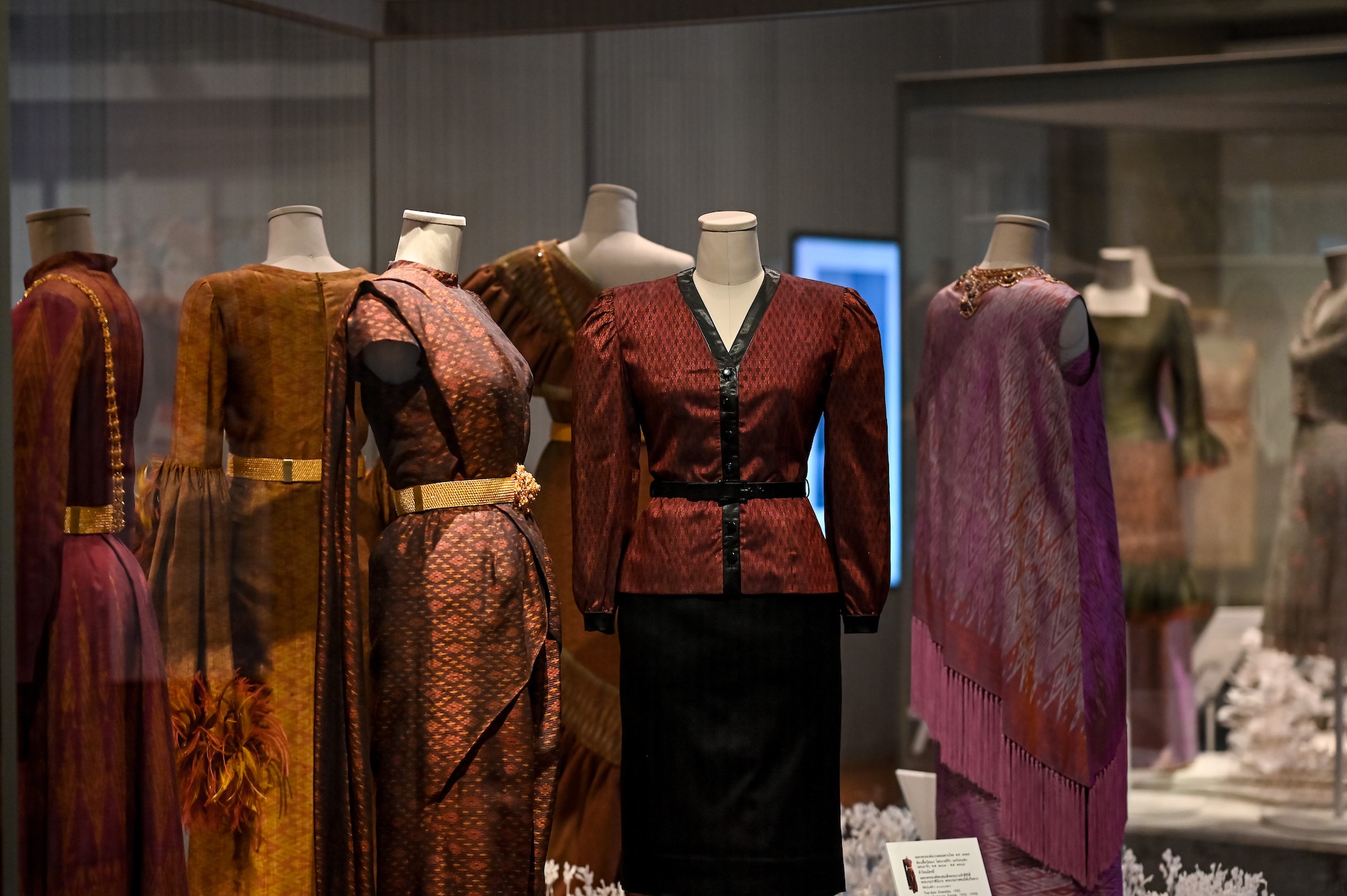
Bangkok Art Biennale 2026 is a useful liveability signal for foreign condo buyers because it shows Bangkok operating as a serious cultural city, not only a convenient place to shop, eat and commute. A buyer who plans to spend repeated time in Bangkok should care about this. The more cultural depth a city has, the easier it becomes to imagine long stays, visiting family, weekend routines and a life beyond the unit itself.
TAT announced support for Bangkok Art Biennale in May 2026 as part of a wider push to elevate Bangkok’s global art profile. The Bangkok edition is scheduled from 29 October 2026 to 28 February 2027 under the theme “Angels and Mara”. TAT also highlighted the Venice-linked programme running from 9 May to 2 August 2026, reinforcing the event’s international positioning before the Bangkok opening.
Bangkok Art Biennale supports the city’s profile as a cultural destination, not only a shopping and dining hub.
Why cultural programming matters to property buyers
Property buyers often start with price, BTS access, hospital access and rental yield. Those are essential. But liveability is what makes an owner return and a tenant renew. Cultural programming helps a city feel layered: exhibitions, temples, museums, galleries, public spaces, restaurants, river routes and new districts become part of a resident’s weekly life.
For Bangkok, the Biennale is especially useful because it connects old and new city spaces. TAT’s announcement referenced venue examples including Museum Siam, Wat Arun, Wat Pho, Wat Prayurawongsawat, One Bangkok and the Bangkok Art and Culture Centre. That mix shows how the city can combine heritage, river culture, new development and contemporary art in one programme.
The district lens
Cultural access can influence a condo shortlist. Buyers who like river heritage may look more closely at Charoen Krung, Sathorn, Silom, Khlong San and riverside buildings. Buyers who want contemporary retail, offices and newer mixed-use districts may compare One Bangkok, Rama IV, Ploenchit, Chit Lom and Wireless Road. Buyers who want art access with daily convenience may consider Siam, Ari or Sukhumvit routes that connect easily to BACC and central venues.
The right answer is personal. A collector, designer, academic or family with older children may value cultural access more than a buyer who wants pure rental yield. But even investors should notice the signal. Districts with cultural life often have stronger restaurant, hotel, retail and event ecosystems, which can support tenant appeal.
International cultural programming helps residents experience Bangkok as an active year-round city.
How to read the event without overhyping it
An art biennale does not make a weak condo a good purchase. It does not remove transfer risk, vacancy risk or resale risk. Buyers still need to check title, foreign quota, price evidence, building management and realistic rental demand. Cultural events are supporting context, not a substitute for due diligence.
The better reading is that Bangkok continues to build the soft infrastructure of a global city. International art events, museum programming, design districts, hospitality and heritage venues all help foreign residents feel that Bangkok is a place to live repeatedly, not only to visit once.
That repeat-use quality is important for owners who divide time between countries. A cultural calendar gives them reasons to return outside school holidays or business trips, and it gives visiting friends a richer itinerary than malls and restaurants alone.
Questions for culture-led buyers
Which cultural venues, galleries, restaurants and river routes would you use regularly, not just once?
Can you reach those places by BTS, MRT, taxi or boat without making the routine tiring?
Does the building also satisfy practical needs such as hospital access, groceries and work commute?
Would the cultural-access story make sense to a tenant or future buyer?
Is the district active year-round, or only during major events?
Does the unit remain quiet and practical when nearby venues are busy?
For condo buyers, cultural access can shape neighbourhood preference, tenant appeal and repeat visits.
Buyer takeaway
Bangkok Art Biennale 2026 reinforces one of the capital’s strongest foreign-buyer advantages: the city is useful, connected and culturally active at the same time. A condo purchase should still be judged by price, rent and legal safety, but cultural liveability can make the holding period more enjoyable and the district story easier to explain.
IBP Real Estate can help compare culture-led neighbourhoods with practical condo criteria before you shortlist. Continue with our Bangkok lifestyle articles and district guides for more liveability context.
centralwOrld Pride 2026 is more than a colourful event calendar item. For foreign condo buyers, it shows how Bangkok’s major retail districts act as public living rooms: places where shopping, transport, dining, events, wellness, cinema, music and community life overlap. That mix is part of why central Bangkok can feel convenient and socially active for long-stay residents.
TAT reported that Central Pattana’s Thailand Pride Celebration 2026 “Pride For All” runs across 40 branches nationwide, with major Pride parades in nine strategic locations. The Bangkok opening at centralwOrld began on 30 May 2026 and included a large rainbow flag installation in front of centralwOrld Square across more than 4,000 square metres, plus activity around the panOramix digital screen.
centralwOrld opened Thailand Pride Celebration 2026 with a large city-centre Pride installation.
Why retail districts matter to liveability
Bangkok’s best retail districts are not only malls. They function as weather-protected meeting points, dining clusters, supermarket anchors, event venues, cinema and fitness hubs, family-friendly spaces and navigation landmarks. For a foreign resident learning the city, that matters. A condo near a strong retail cluster can make daily life easier from the first week.
centralwOrld and the wider Ratchaprasong-Chit Lom area show this clearly. Residents can connect to BTS, hotels, offices, department stores, restaurants, Erawan, Gaysorn, Central Chidlom, Siam and nearby parks or hospitals with relatively short journeys. For buyers comparing districts, this daily convenience can be more important than a brochure amenity that is rarely used.
What Pride adds to the city signal
Pride programming sends a different liveability signal from ordinary retail promotions. It suggests that a district is comfortable hosting public culture, diverse communities and city-wide participation. TAT’s report says Central Pattana is marking its seventh consecutive Pride Month campaign and expanded initiatives to 40 branches in 2026, with more than 1.3 million participants projected across the campaign.
For expatriates and internationally minded Thai residents, that inclusiveness affects how a city feels. A property buyer may still make decisions around budget, commute, school, hospital and rent, but the softer signals matter too: whether Bangkok feels open, contemporary and easy to enjoy with visiting friends, family or colleagues.
Major retail districts give Bangkok residents regular access to public events, music and community programming.
The buyer lens: convenience, not noise
Events can add energy, but buyers should still assess the practical side. A unit directly beside a major event zone may face traffic, crowds and temporary access changes. A unit one or two BTS stops away may capture much of the lifestyle benefit with less disruption. The right distance depends on whether the buyer wants doorstep activity or calmer residential separation.
For Chit Lom, Ratchaprasong, Siam, Ploenchit and nearby Langsuan, buyers should test pedestrian routes, BTS links, late-evening taxi access, rain protection and traffic patterns during events. The convenience is real, but it should be experienced at different times of day before choosing a building.
Questions for retail-led condo districts
Can you reach supermarkets, pharmacies, BTS, restaurants and daily services comfortably without a car?
Does the building remain accessible during major events, holiday periods and rain?
Is the unit insulated well enough from road, event and traffic noise?
Does the district fit the tenant profile you expect, such as executives, embassy households, medical visitors or city-base owners?
Are there quieter streets nearby for daily living, not only major mall frontage?
Will future buyers understand the same convenience story when you resell?
For condo buyers, retail-led liveability is about daily convenience and a city that feels active year-round.
How this supports Bangkok property confidence
Retail-led liveability supports Bangkok property confidence because it turns the city from a place to visit into a place to use repeatedly. Foreign owners often return for medical checks, business meetings, shopping, dining, family visits and short work trips. A district with dependable services and frequent events makes those returns easier to justify.
It also helps rental demand. Tenants choosing between similar units may prefer the building that makes daily life simpler: groceries downstairs or nearby, reliable transport, gym options, cafes, cinemas, easy directions for visitors and a visible neighbourhood identity. Pride events are only one example of that identity, but they show the scale of Bangkok’s event capacity.
Buyer takeaway
centralwOrld Pride 2026 is a reminder that Bangkok’s premium condo districts are strengthened by the city around them. Rail access and unit quality matter, but so do public events, retail depth, inclusive culture and everyday convenience. For many foreign buyers, that full lifestyle package is what makes Bangkok more than an investment spreadsheet.
IBP Real Estate can help compare Chit Lom, Ratchaprasong, Siam, Ploenchit and Langsuan buildings for lifestyle fit, access and resale appeal. Continue with our Bangkok lifestyle guides and expat living articles for district context.
Bangkok’s embassy districts are not one formal neighbourhood, but foreign buyers quickly recognise the pattern. Wireless Road, Ploenchit, Chit Lom, Langsuan, Ratchadamri and parts of Sathorn combine diplomatic missions, luxury hotels, grade-A offices, mature parks, hospitals, malls, private clubs and some of the city’s most established condominium addresses.
For expat households, the appeal is practical as well as prestigious. Living near an embassy cluster can make daily life feel more legible: international services are nearby, transport choices are broad, and visitors can understand the location quickly. For investors, the same features can support tenant demand, but only when the unit, price and building condition match what internationally mobile tenants expect.
Embassy-district living is about dependable access as much as prestige.
Where buyers usually mean
Wireless Road is the clearest shorthand because of its diplomatic presence, hotel brands, office towers and proximity to Ploenchit BTS. Langsuan and Chit Lom add a more residential feel, with strong access to Lumpini Park, Central Chidlom, Central Embassy, Ratchaprasong and the BTS network. Sathorn has a different rhythm: more office-led, closer to embassies, schools, hospitals and river access, with a strong weekday professional population.
These areas are not interchangeable. Wireless and Langsuan often suit buyers who want a quieter premium residential base near parks and malls. Chit Lom and Ratchadamri suit buyers who value retail, hotels and BTS convenience. Sathorn can suit professionals who prioritise offices, schools, expressway access and larger family layouts.
Why expats value the location
Embassy-district living reduces friction. Residents can reach international-standard hospitals, banks, hotels, serviced offices, restaurants, grocery stores, parks and shopping centres without repeatedly crossing the whole city. For new arrivals, that convenience can matter more than an extra few square metres of unit size. For long-stay residents, it can make Bangkok feel manageable during school runs, rainy-season traffic or frequent regional travel.
The district also helps with hosting. Visiting family, business partners or tenants can navigate well-known landmarks, hotels and BTS stations more easily than a less familiar suburb. That matters for owners who use the condo part-time and rent it out during other periods, or for investors targeting corporate tenants who compare Bangkok with Singapore, Hong Kong, Tokyo or Dubai.
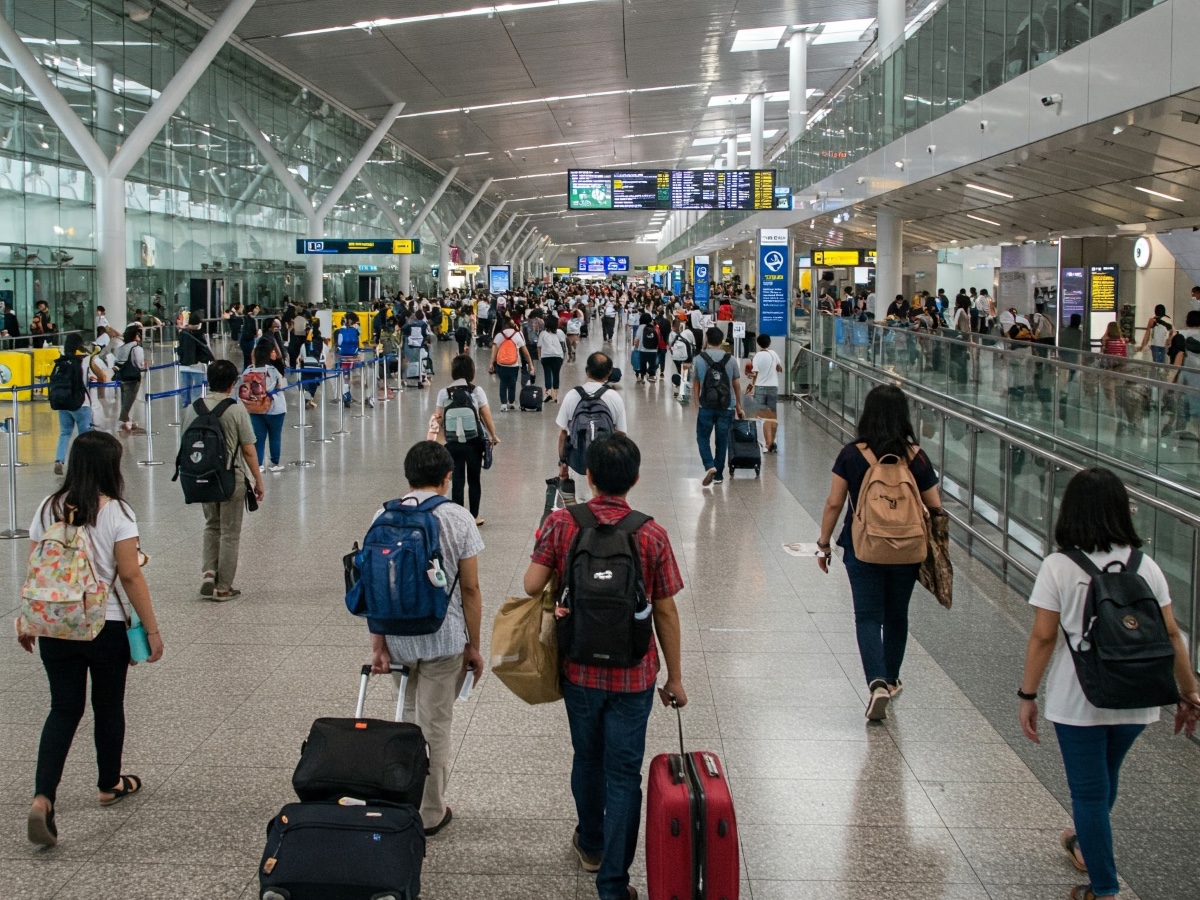
For internationally mobile households, airport, expressway and rail access shape daily comfort.
What to check before buying
Prime location does not remove building-level due diligence. Some older buildings have generous layouts and mature management, but may need renovation, lift upgrades or careful review of common-area condition. Some newer buildings offer stronger amenities and design, but can trade at a premium that requires realistic rent assumptions. Foreign buyers should compare total cost, not only address prestige.
Walk the route from the condo to the nearest BTS or MRT station at midday and after rain. Check how cars enter and exit the building, how delivery drivers are managed, whether taxis can stop safely, and whether the lobby feels suitable for the tenant profile you want. The best embassy-district buildings make daily movements easy; weaker ones rely on the postcode to do too much work.
Useful liveability questions
Can a resident reach work, school, hospital, park and groceries without a long car journey?
Is the unit layout suitable for the likely tenant: single executive, couple, family or part-time owner?
Does the building allow pets, serviced-style living or flexible leasing if those are part of the strategy?
Are common fees, sinking funds and renovation rules proportionate to the building’s age and positioning?
Will the address still be easy to explain and resell if new luxury supply opens nearby?
Investment strengths and limits
Embassy-district condos can be attractive because the locations are difficult to replicate. Land is limited, surrounding amenities are mature and tenant demand is not tied to one single company or one single mall. That supports long-term confidence for buyers who select carefully.
The limitation is entry price. A premium address can produce a lower headline yield if the purchase price is too high or if the unit needs expensive renovation. Investors should model conservative rent, realistic vacancy and a patient exit. Lifestyle buyers should also avoid paying for amenities they will rarely use, especially if they travel often or spend most weekends outside the city.
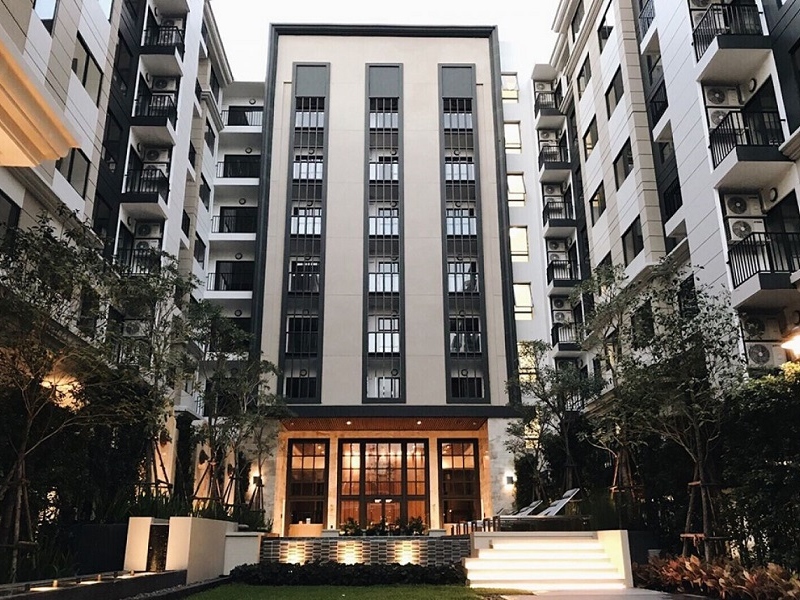
The best condo choice depends on commute, school, healthcare and weekend routine.
How to choose between Wireless, Langsuan and Sathorn
Choose Wireless or Ploenchit if diplomatic, hotel and central-BTS access are the priority. Choose Langsuan if you want a calmer residential street feel while staying close to Lumpini Park and Chit Lom. Choose Chit Lom or Ratchadamri if retail and walkability are central to the lifestyle. Choose Sathorn if office access, schools, hospitals, embassies and larger layouts matter more than immediate shopping-mall convenience.
For many foreign buyers, the right answer is found by mapping a normal week rather than ranking districts abstractly. Where will you work, where will children go to school, where is your preferred hospital, how often will you travel, and will the condo be rented when you are away? Those answers quickly narrow the search.
Buyer takeaway
Bangkok’s embassy districts show why the city remains attractive to foreign owners: international connectivity, mature services, strong hospitality, reliable retail and a layered urban lifestyle. The best purchase is not simply the most prestigious address, but the building and unit that make daily life easy while preserving resale logic.
IBP Real Estate can prepare a building shortlist across Wireless Road, Langsuan, Chit Lom, Ratchadamri and Sathorn based on your budget, commute and ownership plan. Explore more in our expat living and district guides.
Bangkok condo buyers often compare transport, hospitals, schools, restaurants and shopping before choosing a district. Museum access deserves a place in that liveability checklist too. For expat families, part-time owners and culture-led residents, museums create a quieter, more durable relationship with the city than weekend dining alone.
Museum access gives Bangkok residents a cultural routine beyond malls, offices and commute corridors.
This does not mean every buyer needs to live beside a museum. It means a good Bangkok base should make culture easy to reach. A household that can visit Phra Nakhon, Museum Siam, the Queen Sirikit Museum of Textiles, the National Museum Bangkok, riverside galleries or smaller neighbourhood museums without turning the trip into a major production will usually experience the city more fully.
Why culture access affects liveability
Foreign buyers sometimes judge Bangkok only through convenience: nearest BTS station, airport route, supermarket and hospital. Those are essential. But long-term liveability also depends on whether the city continues to feel interesting after the first few months. Museums help because they give residents repeatable reasons to explore language, history, craft, design, religion, food and urban change.
This is especially useful for families. A museum visit can turn a humid weekend into a structured outing. It can help children understand Thailand beyond international school and shopping-centre life. For retirees and part-time owners, museums offer a slower way to learn the city without needing nightlife or constant travel.
Grand Palace and Phra Nakhon museum visits can make weekend ownership feel more rooted in the city.
Phra Nakhon as a cultural anchor
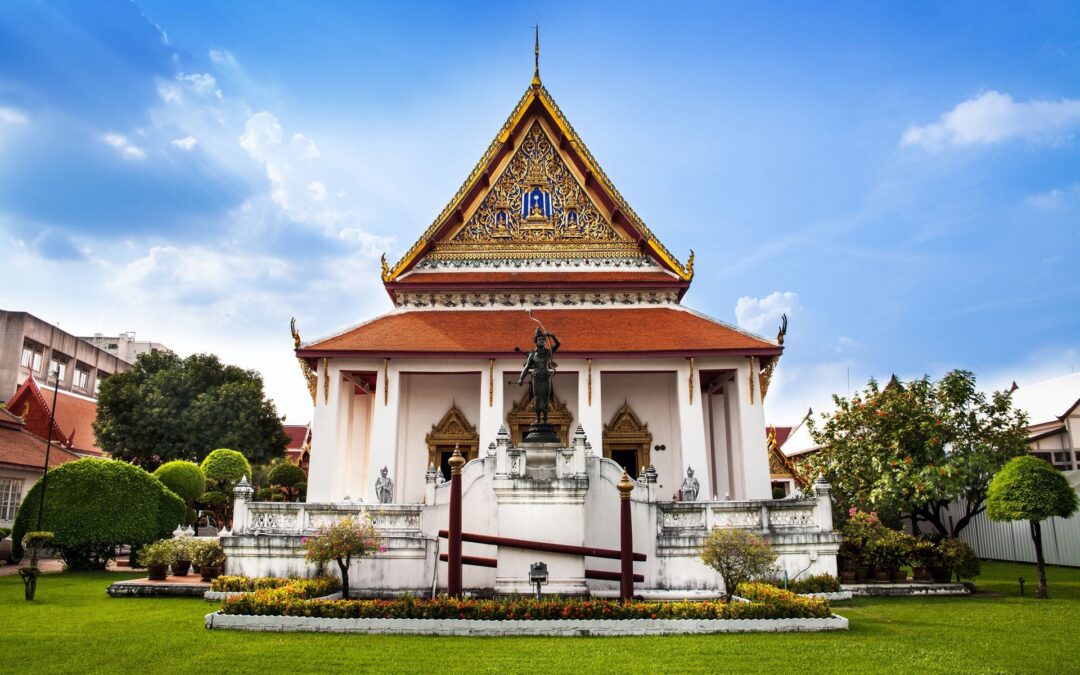
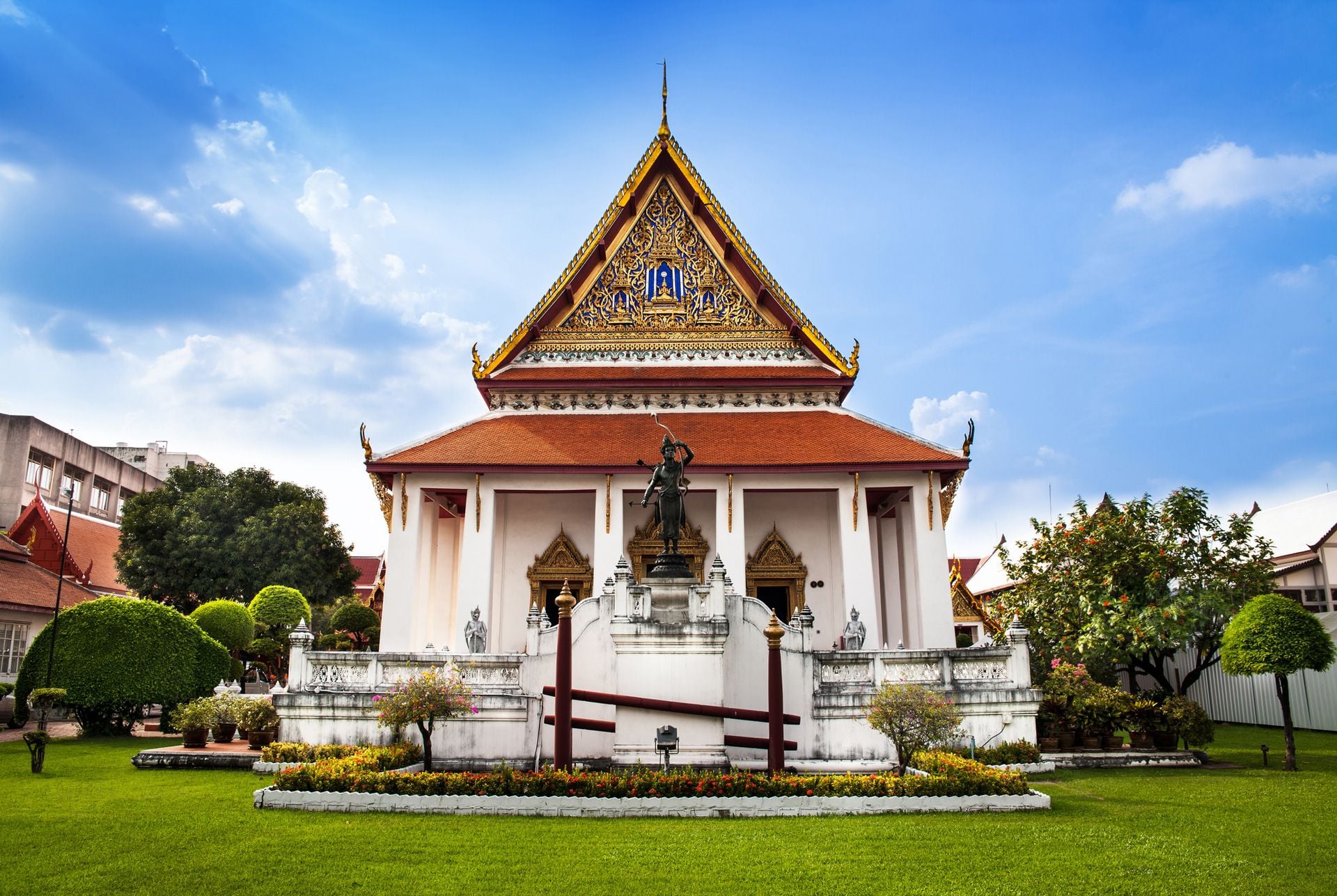
Phra Nakhon is one of Bangkok’s strongest cultural anchors. The Thailand 2026 Annual Meetings visitor guide describes the National Museum Bangkok as being amid the historic Phra Nakhon district, surrounded by temples, palaces and centuries of Thai heritage. It notes that the museum is located within the former Grand Palace Front Palace, originally built in 1782 for the Vice King, and converted into a public museum in 1887.
For condo buyers, that history is not only tourist information. It explains why older districts near the river, Sanam Luang, Grand Palace, Pak Khlong Talat and Charoen Krung can feel different from tower-led central areas. A buyer who values heritage may prefer slightly longer commutes if weekend access to Bangkok’s older cultural fabric is important.
Museum Siam and family-friendly learning
Museum Thailand lists Museum Siam in Phra Nakhon and identifies it as a public organisation connected with history and archaeology. Its location near historic Bangkok makes it useful for families and visitors who want a more accessible introduction to Thai identity and everyday culture.
For property buyers, the practical lesson is to think in routines. Can family members reach a museum by MRT, taxi, river connection or a short drive? Is there enough nearby food, shade and walking space to make the trip pleasant? A district with easy cultural outings can be more enjoyable for visiting relatives and children, even if it is not the most obvious investment address.
For families and part-time owners, repeatable cultural outings can matter as much as one-off attractions.
Queen Sirikit Museum of Textiles and premium visitors
The official Grand Palace page says the Queen Sirikit Museum of Textiles is located inside the Grand Palace at the Ratsadakorn-bhibhathana Building, and that the museum was established to preserve Thailand’s textile arts for future generations. It also lists visitor information, separate admission for museum-only visitors and the Phra Nakhon location.
This type of cultural depth supports Bangkok’s premium-city positioning. International buyers are not only looking for a place to sleep. Many want a city that can host parents, children, friends, clients and repeat guests. Museums, galleries and heritage districts give Bangkok an advantage because they make short stays richer and longer stays less repetitive.
How this affects district choice
Buyers who value museums do not all need the same district. Riverside and Charoen Krung buyers may enjoy easier access to heritage walks, galleries and boat routes. Silom and Sathorn buyers can reach old-town culture while keeping office access. Sukhumvit buyers may rely more on MRT, taxis or planned weekend trips. Rama IV and Khlong Toei buyers may benefit from improving links across central Bangkok.
The key is to test the trip, not only the map. Bangkok journeys vary by heat, rain, traffic and family tolerance. A museum that looks close may feel difficult with children. A district that looks further away may be easier if the MRT connection is simple.
Buyer checklist
Test weekend routes to Phra Nakhon, Charoen Krung, Riverside and central galleries.
Check whether MRT, BTS, taxi, boat or private car access works for the household.
Think about visiting relatives, children, retirees and part-time use, not only daily commuting.
Balance cultural access with hospitals, groceries, schools, parking and airport routes.
Treat museums as a liveability layer, not a replacement for building due diligence.
Buyer takeaway
Bangkok museum access can make condo ownership feel more meaningful, especially for foreign buyers who want to understand the city rather than simply use it. Culture does not replace the fundamentals of title, price, building management and transport, but it can make the right Bangkok base more enjoyable year after year.
IBP can help expat buyers compare Bangkok neighbourhoods by daily convenience, cultural access and long-term liveability. Read our Bangkok lifestyle guides or contact IBP Real Estate for a neighbourhood-led shortlist.
Wellness is becoming a practical property filter for many Bangkok expat buyers. It does not only mean a spa room, yoga deck or attractive swimming pool. It means how easily daily life supports sleep, exercise, healthcare, food, recovery time, movement around the city and a sense of calm. A condominium can look luxurious during a viewing and still be tiring to live in if ordinary routines are difficult.
Wellness-led buying starts with the ordinary daily route, not only the building brochure.
For foreign buyers, Bangkok’s wellness appeal is broad. The city offers private hospitals, dental clinics, physiotherapy, gyms, Pilates studios, parks, healthy restaurants, massage, international supermarkets, hotel facilities and regional flight access. The buying task is to convert that city strength into a building and neighbourhood that fit the owner’s actual lifestyle.
Wellness is daily convenience
A wellness-focused buyer should begin with the weekly routine. Where will morning exercise happen? How long is the walk to a park, gym or BTS station? Can groceries, medicine, dry cleaning and healthy meals be handled without sitting in traffic? Is the route comfortable during heat, rain and evening hours? These simple questions often reveal more than a long amenity list.
Bangkok districts offer different answers. Langsuan and Chit Lom can suit buyers who want parks, retail and central access. Phrom Phong and Thong Lo offer restaurants, clinics, gyms and international community depth. Sathorn and Silom can work for office access and Lumpini Park. Riverside areas may feel calmer, but need more transport testing. There is no universal best wellness district; there is a best fit for a household’s rhythm.
Healthcare access is a confidence factor
Bangkok’s private healthcare ecosystem is one reason many regional families, retirees and part-time residents feel comfortable owning property here. Buyers should still check real travel time, not only map distance. A hospital may be close by kilometre count but slow during peak traffic. For older owners, families with children or buyers managing regular treatment, reliable access can be a decisive liveability factor.
Routine care matters too. Dental clinics, pharmacies, physiotherapy, optical care, mental health support and health screening should be considered alongside emergency hospitals. A condo that makes ordinary care easy may support longer stays and reduce friction for family members visiting from overseas.
Regional connectivity supports Bangkok appeal for part-time residents and medical visitors.
Building amenities should be usable
A wellness amenity only adds value if residents actually use it. A gym with poor ventilation, limited equipment or crowded peak hours may not support the owner’s routine. A pool with little shade may be beautiful but impractical at midday. A sauna, yoga room or garden can be valuable, but buyers should inspect operating hours, maintenance, privacy and how busy the facilities feel.
Noise and air quality also affect wellness. Check whether the unit faces a main road, construction site, nightlife street, school, expressway or mechanical equipment. Ask about air-conditioning maintenance, water pressure, window sealing, waste areas and lift traffic. A healthy home is partly about what the resident does not have to notice every day.
Food, parks and recovery time
Bangkok makes healthy living easier when food and movement are nearby. A buyer who likes cooking should check supermarkets and delivery reliability. A buyer who eats out often should compare the local restaurant mix. A buyer who walks or runs should test pavements, crossings, shade and park access. A buyer who works across time zones may value quiet bedrooms and blackout curtains more than a dramatic lobby.
Wellness also includes recovery time. A long commute, difficult taxi pickup point or crowded lift can erode the value of a premium address. The best buildings reduce small daily decisions. They make it easy to exercise, eat well, see a doctor, receive guests, manage deliveries and leave for the airport without stress.
A good wellness address combines building facilities with easy healthcare, food and transport access.
The investment angle
Wellness-led liveability can support rental and resale demand because tenants increasingly compare lifestyle convenience, not just room size. A unit near healthcare, parks, gyms, grocery, transit and quality food options has a clearer story for expatriates and part-time residents. However, buyers should not overpay for a wellness label. The evidence still needs to be building-specific: rent comparables, common fees, tenant profile and resale liquidity.
Viewing checklist
Walk the neighbourhood in heat, rain, morning and evening conditions.
Test the route to hospital, clinic, pharmacy, supermarket, gym and park.
Use the building gym, pool and common areas at likely peak times where possible.
Check unit noise, light, air-conditioning, water pressure and lift wait times.
Ask how deliveries, guests, ride-hailing and maintenance requests are handled.
Match the wellness premium to actual rent and resale evidence.
Buyer takeaway
Bangkok can be a highly liveable wellness base for expat buyers, but the right purchase depends on routine. A strong wellness condominium is not defined by one amenity. It is the combination of quiet unit, practical neighbourhood, healthcare access, food options, movement and reliable management.
IBP can help foreign buyers compare Bangkok neighbourhoods by liveability, healthcare access, rental profile and resale logic. Read our expat living guides or contact IBP Real Estate for a lifestyle-led shortlist.
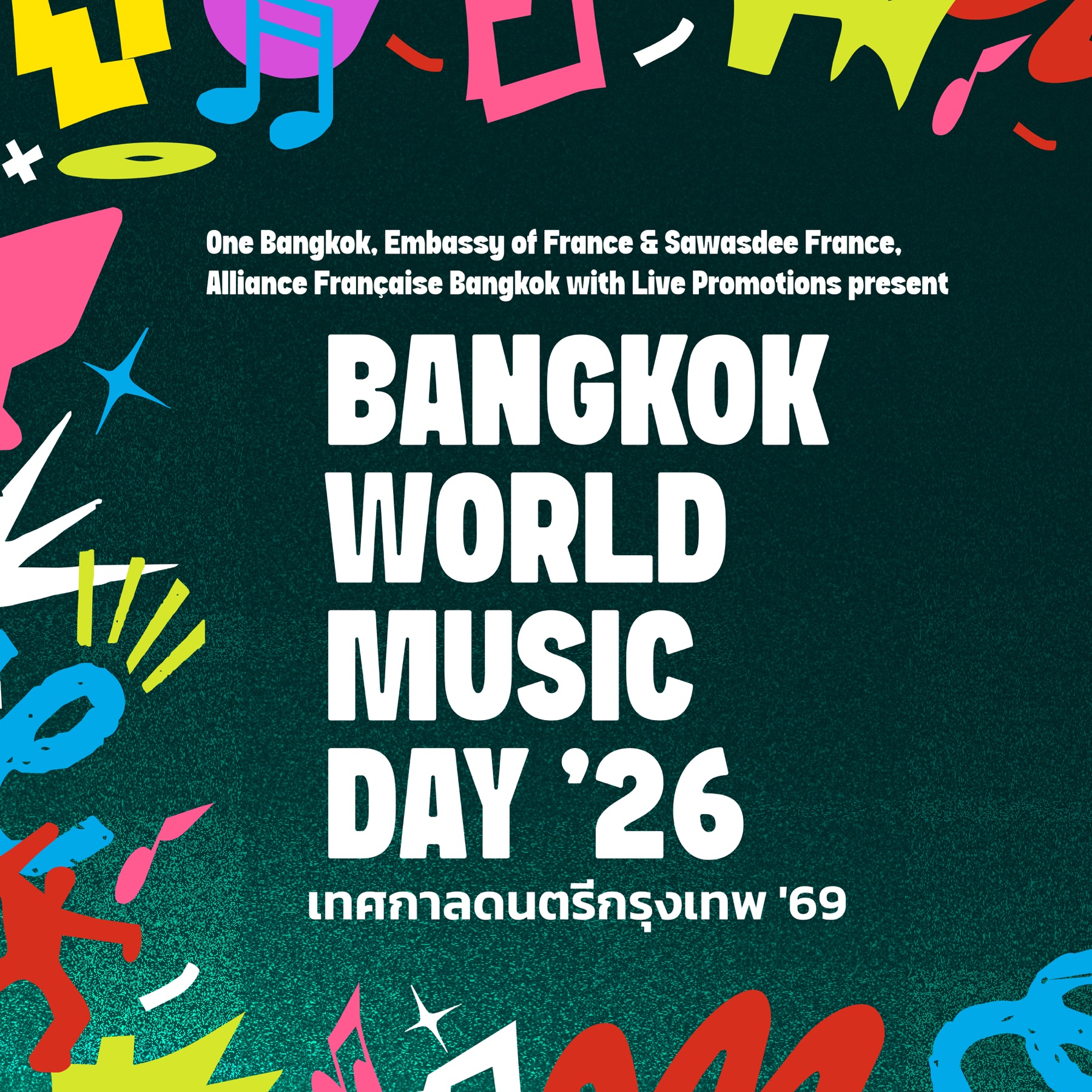
Bangkok World Music Day 2026 gives foreign residents and condo buyers a clear example of why central Bangkok is not only a place to invest, but also a place to live. One Bangkok, together with the Embassy of France in Thailand, Alliance Francaise Bangkok and Live Promotions, will stage the event on 13 June 2026 from 14.00 to midnight. The format combines free concerts, performances, activities, food and public culture across One Bangkok and Alliance Francaise Bangkok.
Bangkok World Music Day 2026 brings a free city-centre cultural programme to One Bangkok.
A downtown event with practical liveability value
For property buyers, cultural programming is not a decorative detail. It affects how a neighbourhood feels after work, on weekends and during visits from friends or family. A district that regularly hosts music, art, markets, sport and inclusive public events can feel more complete than a location that is only convenient for commuting.
Bangkok World Music Day is especially relevant because it sits in the Wireless Road and Rama IV corridor, close to Lumphini Park, Benjakitti Park, major offices, hotels, embassies, retail and central condos. Residents in nearby districts can treat the event as part of normal city life rather than a special journey across town. That is the difference between living near amenities and actually using them.
What is scheduled for 2026
The official programme describes 10 hours of free concerts, performances and activities open to all. After drawing nearly 7,000 attendees in 2025, the 2026 edition is planned across five stages, with more than 30 Thai and international artists. The line-up spans pop, indie, molam, hip-hop, jazz, electronic music and DJ sets, with collaborations between Thai and international performers.
The published stage plan includes One Bangkok Park, Chang Canvas, The Wireless Club, Alliance Francaise Bangkok and a busking stage. For residents, that variety matters because it creates different ways to join the day: a family-friendly afternoon, an early evening meet-up, a live performance after dinner or a later DJ set. The event also includes a food market, interactive activities and busking performances.
Large downtown events add to the practical appeal of central residential districts.
Culture, inclusion and global identity
World Music Day draws inspiration from Fete de la Musique, the French-born public music celebration that has expanded internationally. The Bangkok edition adapts that idea to a city where Thai, regional and global influences already mix naturally. For expats, this is part of Bangkok’s appeal: the city is international without feeling detached from local culture.
The 2026 event is also organised during Pride Month and includes programming that spotlights queer artists and communities. One Bangkok’s official description highlights ballroom culture, electronic music workshops and artistic exchange involving international partners. Inclusive events like this help Bangkok present itself as a welcoming city for a broad resident base, not only for short-term visitors.
Why this matters when choosing a condo
Foreign buyers often compare condos by BTS or MRT access, rent, size and developer reputation. Those filters are necessary, but they do not fully capture liveability. A home near parks, public events, cafes, galleries, music venues and quality retail can be easier to enjoy and easier to lease to tenants who want a full urban lifestyle.
The best purchase is still unit-specific. A buyer should check noise exposure, traffic patterns, lift access, parking, delivery flow and evening security. Being near events is positive when the building is well managed and the unit is positioned sensibly. It can be less attractive if the unit is exposed to avoidable congestion or if access is poor during peak periods.
For expat residents, walkable culture and evening programming are part of liveability.
Neighbourhoods that may benefit
Events at One Bangkok are most relevant for buyers looking at Wireless Road, Langsuan, Chit Lom, Ploenchit, Sala Daeng, Silom, Sathorn, Rama IV and parts of Sukhumvit that connect easily by rail or car. These districts already have strong lifestyle infrastructure, but large public programming adds another reason for residents to spend time locally.
For investors, that can help tenant storytelling. A landlord does not need to promise high returns or oversell a district. It is enough to show that the area supports a complete routine: work access, green space, dining, culture, wellness, shopping, hospitals and evening options. IBP’s Bangkok lifestyle and events coverage can help buyers understand which amenities are durable and which are seasonal.
A buyer-friendly way to use event news
Use events such as Bangkok World Music Day as evidence of district energy, not as the sole reason to buy. Ask whether the same area also performs well on transport, building quality, tenant depth and resale liquidity. A vibrant event calendar is most valuable when it reinforces fundamentals that are already sound.
If you are comparing central Bangkok condos for lifestyle and rental appeal, IBP can help map buildings against the amenities that residents use in real life. Culture, parks and events should sit beside the financial checks, not replace them.
Bottom line
Bangkok World Music Day 2026 strengthens the liveability case for central Bangkok. It shows a city investing in public culture, international collaboration and inclusive programming. For foreign condo buyers, that supports the broader Bangkok proposition: a globally connected capital where a property can be both an investment asset and a practical, enjoyable base.
Bangkok liveability is not only about malls, offices and rail stations. For many expat buyers, the city becomes easier to love when daily routines include art, heritage, libraries, cafes, museums and places to take visiting family. That is why the National Stadium and Jim Thompson area deserves attention from buyers who want central access with a cultural layer.
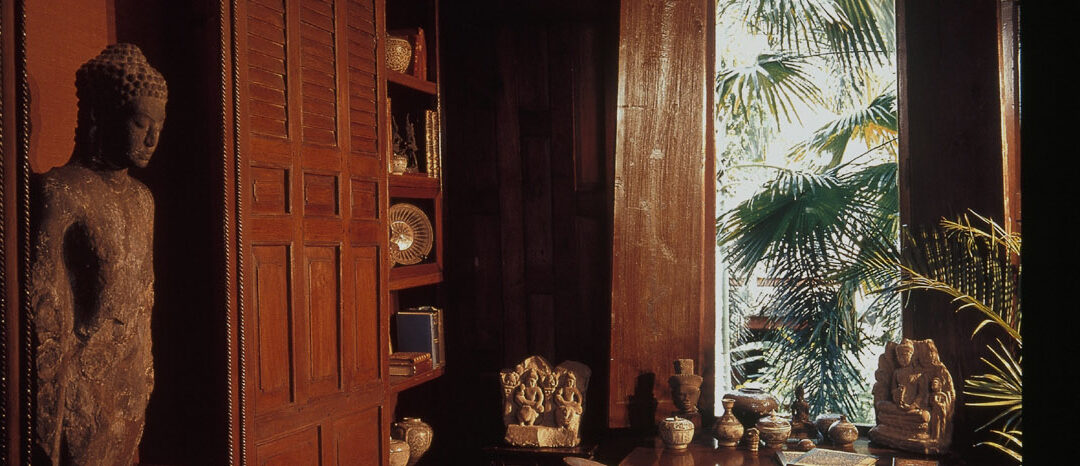
The Jim Thompson House Museum gives the National Stadium area a cultural anchor beyond shopping and commuting.
This is not a single condominium district in the way Thonglor or Phrom Phong is. It is a practical city pocket around BTS National Stadium, Siam, Rama I Road, Jim Thompson House, Jim Thompson Art Center and Bangkok Art and Culture Centre. For buyers comparing central Bangkok, it offers a different value proposition: immediate BTS access, art and heritage, strong retail nearby and quick movement into Siam, Chit Lom, Silom and Sukhumvit.
Why the area works for daily life
BTS National Stadium sits one stop from Siam, which means residents can reach Bangkok’s main interchange without relying on road traffic. That matters for commuters, students, part-time residents and owners who want a compact central base. The area also gives fast access to MBK, Siam Discovery, Siam Center, Siam Paragon, Pathumwan, Chulalongkorn University areas and the wider Rama I retail corridor.
The lifestyle difference is culture. Bangkok Art and Culture Centre describes itself as a public space for art and culture in Bangkok, with free admission and access from BTS National Stadium. Jim Thompson House presents the Bangkok home and Asian art collection of James H.W. Thompson, while Jim Thompson Art Center runs exhibitions and educational programmes in the same compound.
Arts access can make a central Bangkok neighbourhood feel more liveable for long-stay residents.
Who should consider it
The area can suit buyers who want central convenience but do not need to live in the middle of Sukhumvit nightlife. It may work for solo professionals, couples, students, academics, medical visitors using central hospitals, frequent travellers, cultural tourists who return often, and owners who want a pied-a-terre near Siam.
It may be less suitable for buyers who require a quiet low-rise residential feel, large family facilities or direct walking access to specific international schools. Some streets are busy, traffic around Siam can be intense, and unit selection must be careful. The right building matters more than the broad district label.
Rental logic for foreign owners
A condo near National Stadium or the Siam art corridor can appeal to tenants who value BTS access, shopping, university links and cultural activity. The tenant pool may include young professionals, lecturers, postgraduate students, designers, retail and hospitality workers, hospital visitors and long-stay residents who want a central but practical base.
Landlords should avoid assuming that every central unit rents easily. Tenant demand still depends on building age, lift condition, lobby quality, furnishing, light, noise, internet, storage, washing machine placement and the walk from station to lobby. A well-presented smaller unit can outperform a larger but dated unit if it fits the daily routine.
Culture, galleries and walkable errands help a condo work as a real home, not just an address.
What to check before buying
Walk from BTS National Stadium to the building in heat, rain and evening hours.
Check noise from Rama I Road, nearby schools, retail traffic and construction sites.
Compare access to Siam, Chit Lom, Silom, Sukhumvit and airport routes.
Inspect lobby, lifts, security, parking and parcel handling because central buildings work hard.
Model rent against realistic tenant budgets, not only central-city optimism.
Ask whether the future resale buyer is an owner-occupier, investor, student family or expat resident.
Culture as a property signal
Culture does not replace transport or building quality, but it can make a location more durable. People return to places where their routines feel rich: an exhibition after work, a museum with visiting parents, a cafe before a BTS ride, a bookshop, a gallery opening or a short walk to Siam. These details help Bangkok feel premium and liveable rather than only convenient.
For foreign buyers, that matters because a second home or rental property must compete for attention. A unit in a cultural pocket can be easier to explain to future tenants and guests when the daily lifestyle is clear. The best purchase still needs sensible pricing, strong management and a unit layout that works.
Buyer takeaway
The National Stadium and Jim Thompson area is a useful Bangkok option for expat buyers who want BTS access, Siam convenience and a real arts-and-heritage layer. It is not for every household, but it shows why Bangkok’s liveability is deeper than shopping alone.
IBP can help foreign buyers compare cultural, school, healthcare and transport-led Bangkok districts before choosing a condo. Read our Bangkok lifestyle guides or contact IBP Real Estate for a neighbourhood-led shortlist.
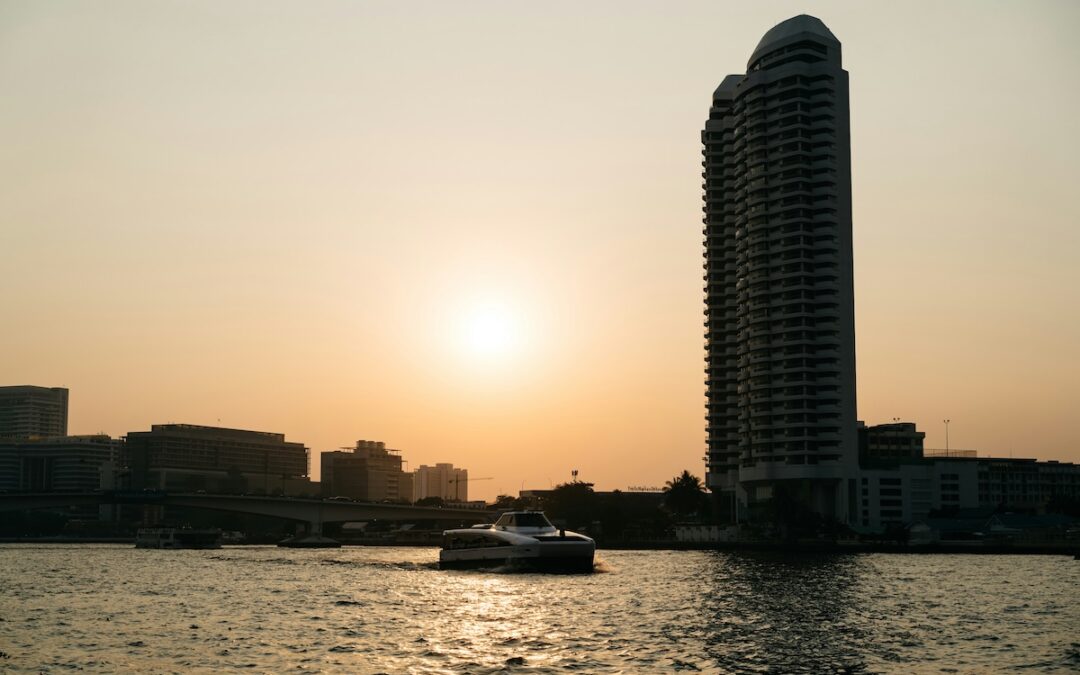
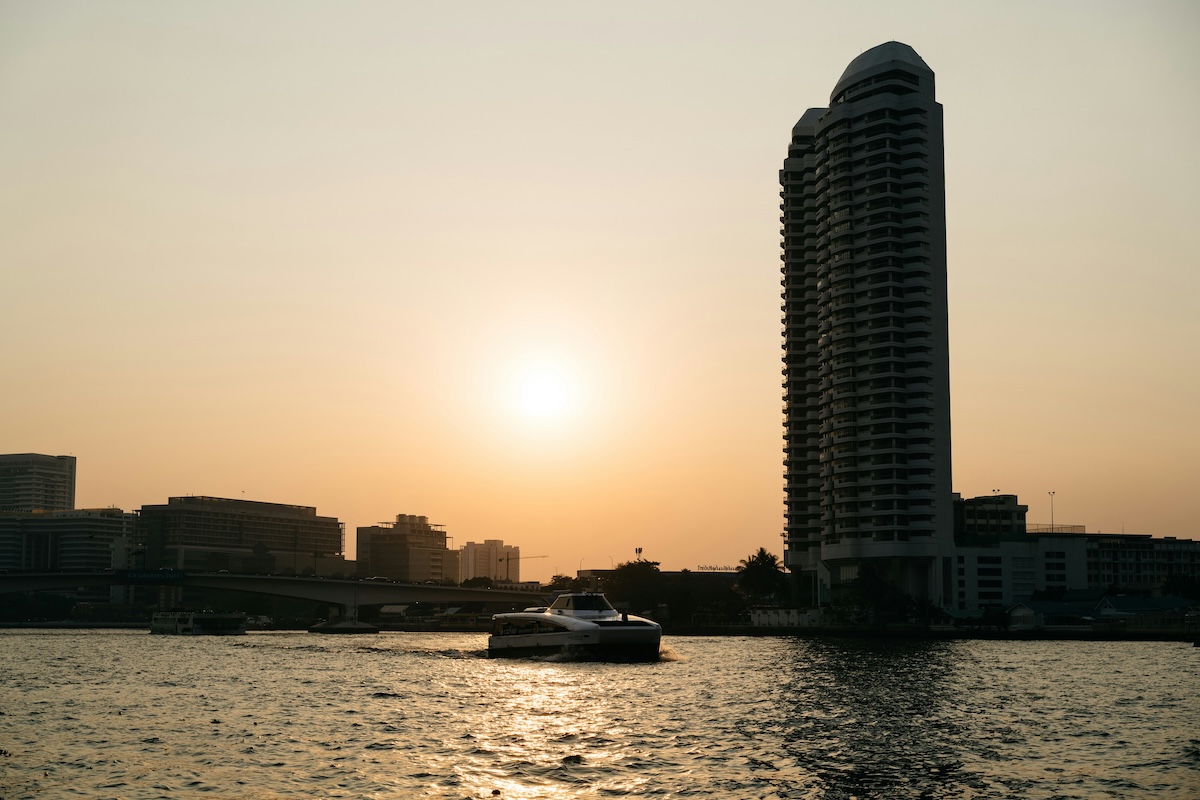
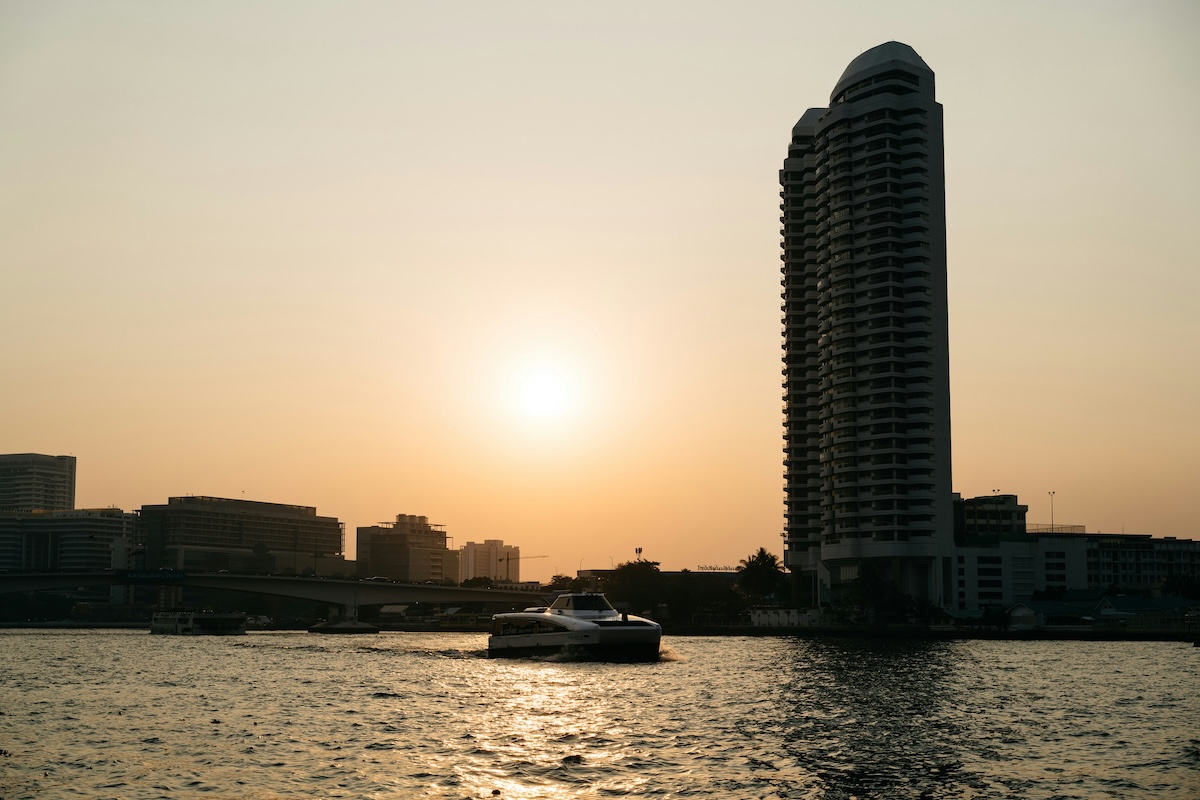
Bangkok riverfront living has a different mood from inner Sukhumvit, Langsuan or Sathorn. The Chao Phraya gives owners open views, hotel energy, evening light, boat movement, historic neighbourhoods and a calmer sense of space. For many expat buyers, that is exactly the reason to consider a riverfront condominium.
Riverfront living gives Bangkok buyers views, atmosphere and a different daily rhythm from inner Sukhumvit.
The river is not automatically better or worse than a BTS-centred district. It simply works differently. A buyer who understands the rhythm can find a highly liveable home. A buyer who only falls in love with a sunset view may later discover that commutes, school runs, supermarket trips or taxi access do not fit the household’s routine.
What riverfront living does well
The biggest advantage is atmosphere. Riverfront condos often feel more open than dense inner-city towers because views are not only across another building. Hotels, restaurants, galleries, temples, heritage streets, river piers and destination retail can make the area feel special without needing to leave Bangkok.
The river also works for buyers who want Bangkok to feel like a second-home city rather than only a work base. A weekend breakfast by the water, a boat ride to dinner, a walk through old commercial streets or a quiet evening view can make ownership more emotionally durable. That matters for buyers who plan to use the property themselves for years.
The best riverfront purchase still needs practical links to work, school, healthcare and transport.
The trade-offs to test
Transport is the main trade-off. Some riverfront buildings have shuttle boats, easy road links or quick access to BTS and MRT connections. Others feel close on a map but slow during rain, peak traffic or school-run hours. Before buying, test the real journey to the places that matter: workplace, school, hospital, supermarket, airport route, gym, favourite restaurants and friends’ neighbourhoods.
Buyers should also check flood management, lobby access during heavy rain, pier operating hours, shuttle frequency, parking, ride-hailing pickup points and visitor access. A beautiful building can become frustrating if ordinary movement is difficult. Ask how residents actually travel, not only how the sales brochure describes connectivity.
Which buyers may fit the riverfront
Riverfront living often suits owner-occupiers, retirees, regional families, part-time residents, hospitality-minded buyers and people who value views and neighbourhood character. It can also suit tenants who work in Sathorn, Silom, Charoen Krung, Khlong San, Rama III or near the river itself.
It may be less suitable for buyers who need daily walking access to many office towers, nightlife streets or a specific international school corridor. In those cases, a central BTS or MRT district may be more practical. The right answer depends on daily routine, not prestige.
Rental and resale logic
A riverfront condo can be attractive to tenants when the building has strong management, good views, sensible layouts and practical access. However, the tenant pool can be more specific than in central Sukhumvit. Some tenants love the river; others want to be directly beside a BTS station. Landlords should price and furnish for the actual tenant audience rather than assume every international renter wants a river view.
For resale, the most defensible riverfront units usually have clear view protection, good natural light, efficient layouts, maintained facilities and a location that can be explained quickly to both Thai and foreign buyers. A weak view, awkward road access or high common fee can reduce the advantage of a river address.
Daily errands and walkability should be tested as carefully as river views.
Viewing checklist
Visit at morning, school-run, evening and rainy-season times.
Test the route to BTS, MRT, pier, supermarket, hospital and main road.
Ask whether shuttle boats are frequent, reliable and resident-only.
Check flood management, lobby access, parking and ride-hailing pickup points.
Compare view quality by stack, height, bend of river and future obstruction risk.
Model rental demand from the likely tenant pool, not only lifestyle appeal.
Buyer takeaway
Bangkok riverfront living can be deeply rewarding for expat buyers who want space, views, heritage and hotel-style neighbourhood energy. It works best when the romance of the river is matched by practical daily movement and disciplined building checks.
IBP can help foreign buyers compare riverfront condominiums with BTS-led districts by lifestyle, rental demand and resale logic. Read our expat living guides or contact IBP Real Estate for a neighbourhood-led shortlist.
Bangkok’s liveability for foreign buyers is often discussed through parks, malls, hospitals and transport. For many modern expats, one more layer matters: the workday ecosystem. Coworking spaces, cafes, quiet lobbies, delivery access, gyms, grocery runs and short commutes can decide whether a condo feels usable for remote work, hybrid employment or a part-time Bangkok base.
A useful workday setting can make a Bangkok condo more comfortable for owners and tenants.
This does not mean every buyer needs a fashionable cafe downstairs. It means a purchase should be tested against the buyer’s weekly routine. A building that photographs well may feel awkward if the owner cannot take calls, collect parcels, grab lunch, meet a client, reach the BTS or find a quiet place to work when contractors are inside the unit.
For landlords, workday liveability can also support tenant appeal. Bangkok tenants increasingly compare buildings by how they function during ordinary days, not only by pool views or lobby design. A unit near the right everyday services can be easier to rent and easier to keep occupied.
Why workday routines affect property choice
Foreign buyers often visit Bangkok during a compressed viewing trip. They may see several properties, eat at destination restaurants and move around with an agent. That can hide the routine test. After purchase, life becomes more ordinary: morning coffee, online meetings, parcel deliveries, gym sessions, school pickup, supermarket trips, rainy-season taxis and evening meals.
A good Bangkok condo location reduces friction in those moments. The strongest neighbourhoods offer a mix of places to work, eat, exercise, shop and move. Phrom Phong, Thonglor, Ekkamai, Asoke, Ari, Chit Lom, Sathorn, Silom and Rama IV each offer different versions of this ecosystem. The right choice depends on the household’s work style, budget and transport needs.
Cafe and lunch options are part of the everyday infrastructure that helps a neighbourhood work.
Building coworking versus neighbourhood coworking
Some newer condominiums include coworking rooms, lounges, meeting pods or library-style spaces. These are valuable only when they are quiet, bookable, well maintained and sized for the resident population. A beautiful lounge can become difficult to use if there are too few seats, weak Wi-Fi, no call privacy or unclear rules.
Neighbourhood coworking is a separate advantage. A nearby serviced office, hotel lounge, cafe or flexible workspace gives owners an escape route when the unit is noisy, being cleaned or occupied by visiting family. Remote workers should test walking routes, noise, power sockets, seating comfort, internet reliability and whether the venue remains usable in the afternoon.
Cafe access is practical, not decorative
Cafe access matters because it creates flexibility. It helps with quick breakfasts, informal meetings, work breaks and weekend routines. But buyers should look beyond trendiness. A useful cafe neighbourhood has opening hours that match real life, seating that does not feel temporary, rain-friendly access, delivery options and enough variety that residents do not depend on one venue.
Food access should also include simple lunch and dinner choices. A district with only premium restaurants can be exciting, but day-to-day living is easier when local meals, supermarkets, bakeries, casual restaurants and international options sit close together. This is one reason mixed-use and retail-connected districts often feel easier for new expats.
Delivery, lobby and parcel management
Bangkok’s delivery culture is convenient, but the building must handle it well. Ask how food delivery, parcels, ride-hailing and visitors are managed. A crowded lobby or confusing access process can frustrate tenants and residents. For landlords, delivery and parcel rules should be explained before move-in so tenants do not clash with security or juristic staff.
Buyers should also check lift capacity, loading areas, parking, motorcycle access and whether drivers can stop safely nearby. These small details affect daily comfort, especially during rain or heavy traffic.
The best condo location supports ordinary weekday movement, not only weekend lifestyle.
How to inspect a workday neighbourhood
Visit on a weekday morning, lunch period and rainy evening, not only on a weekend.
Test the walk from building lobby to BTS, MRT, cafes, supermarket and main road.
Check whether building workspaces are quiet, bookable and actually used by residents.
Look for practical lunch, grocery and delivery options, not only destination dining.
Ask security how parcels, food delivery, guests and ride-hailing pickups are handled.
Compare the routine with likely tenant profiles if the unit will be rented out.
Buyer takeaway
Coworking and cafe access may sound like lifestyle detail, but it is really a liveability test. Bangkok works best for expat owners when the condo, building and neighbourhood make ordinary workdays simple. The easier the routine, the more likely the property will be used, leased and recommended.
IBP can help foreign buyers compare Bangkok neighbourhoods by daily routine, tenant demand and ownership practicality. Read our expat living guides or contact IBP Real Estate for a lifestyle-led property shortlist.
Bangkok green spaces are not only weekend extras. For foreign condo buyers, they affect how a neighbourhood feels after the viewing trip is over: morning walks, children’s routines, exercise, heat relief, meeting friends, pet-free outdoor time, and the mental comfort of having space beyond the building’s facilities.
Green-space access can change how a Bangkok condo feels during ordinary weekly routines.
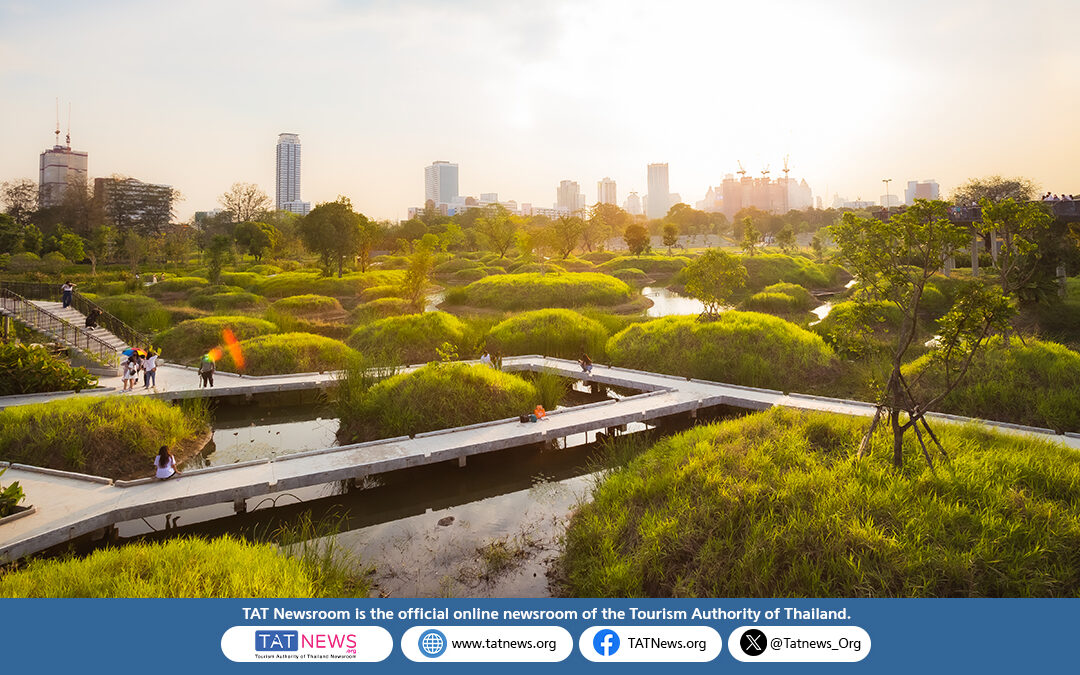
TAT’s recent Bangkok green-space feature highlighted the city’s mix of classic parks, modern wetlands and specialised urban forests. For property buyers, the lesson is practical. A condominium with good park access can feel more liveable than a similar unit that depends entirely on private facilities or air-conditioned malls.
Why parks influence condo decisions
Foreign buyers often start with BTS or MRT access, price per square metre, building age and facilities. Those checks are essential. But green-space access can influence whether an owner actually enjoys the unit and whether tenants renew. A gym inside the building is useful; a park nearby can change the daily routine.
For families, parks support school-day rhythm and weekend downtime. For remote workers, they provide a break from condo and cafe routines. For retirees and long-stay buyers, they can make Bangkok feel calmer and healthier. For landlords, nearby green space can make a listing easier to explain to tenants who are choosing between several central units.
Green space also helps buyers compare buildings with similar facilities. Two condominiums may both advertise pools, gyms and lounges, but the one with a usable park route can offer a fuller daily routine beyond the private compound. That matters when residents stay longer than a holiday and begin judging the neighbourhood week after week.
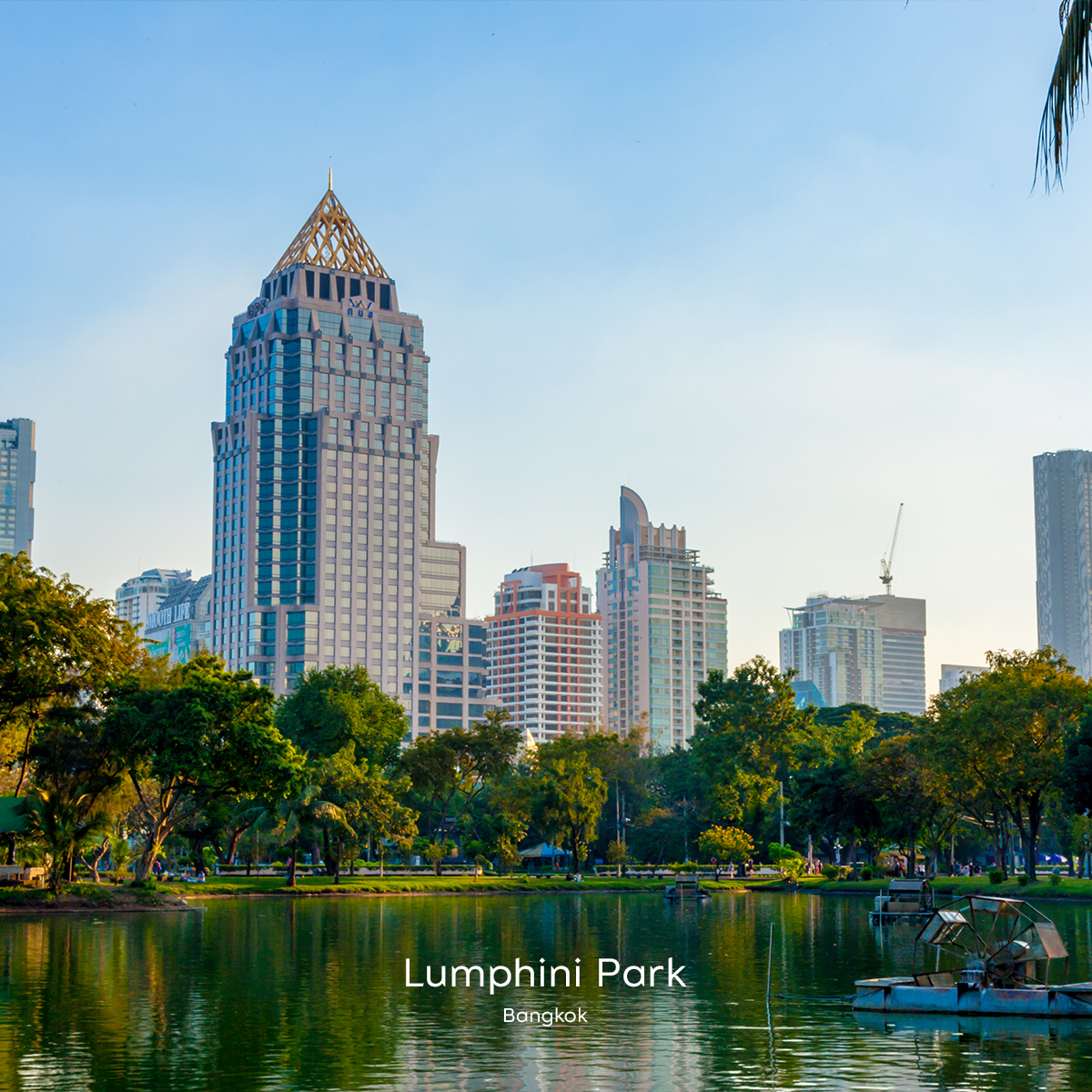
Lumpini remains a central reference point for buyers comparing Sathorn, Silom, Langsuan and Wireless Road.
Lumpini as a central benchmark
Lumpini Park remains one of Bangkok’s clearest liveability anchors. It influences how buyers read Langsuan, Chit Lom, Wireless Road, Silom, Sathorn and parts of Rama IV. A building with convenient Lumpini access can appeal to residents who want a central address without losing outdoor routine.
Buyers should still test the route. A condominium may look close to a park on a map but feel less convenient because of road crossings, heat, pavement quality or traffic. Walk the route in the morning and early evening. Check whether it works from the actual building entrance, not from the nearest corner on a map.
Benjakitti and the changing Sukhumvit edge
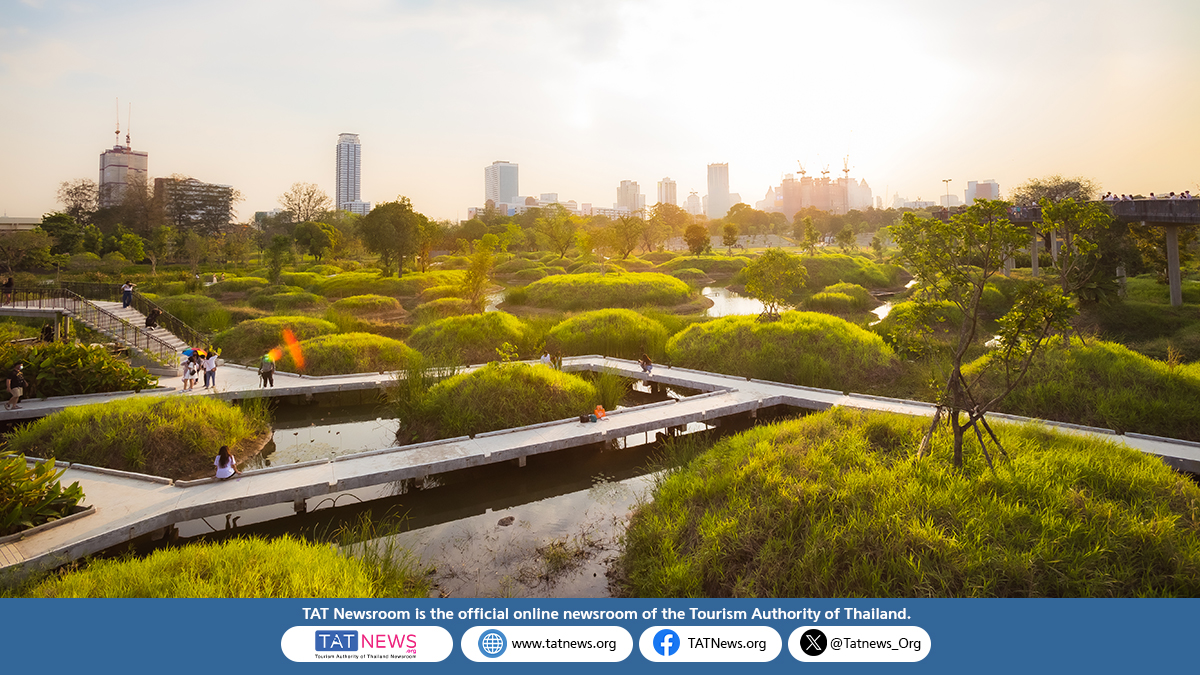
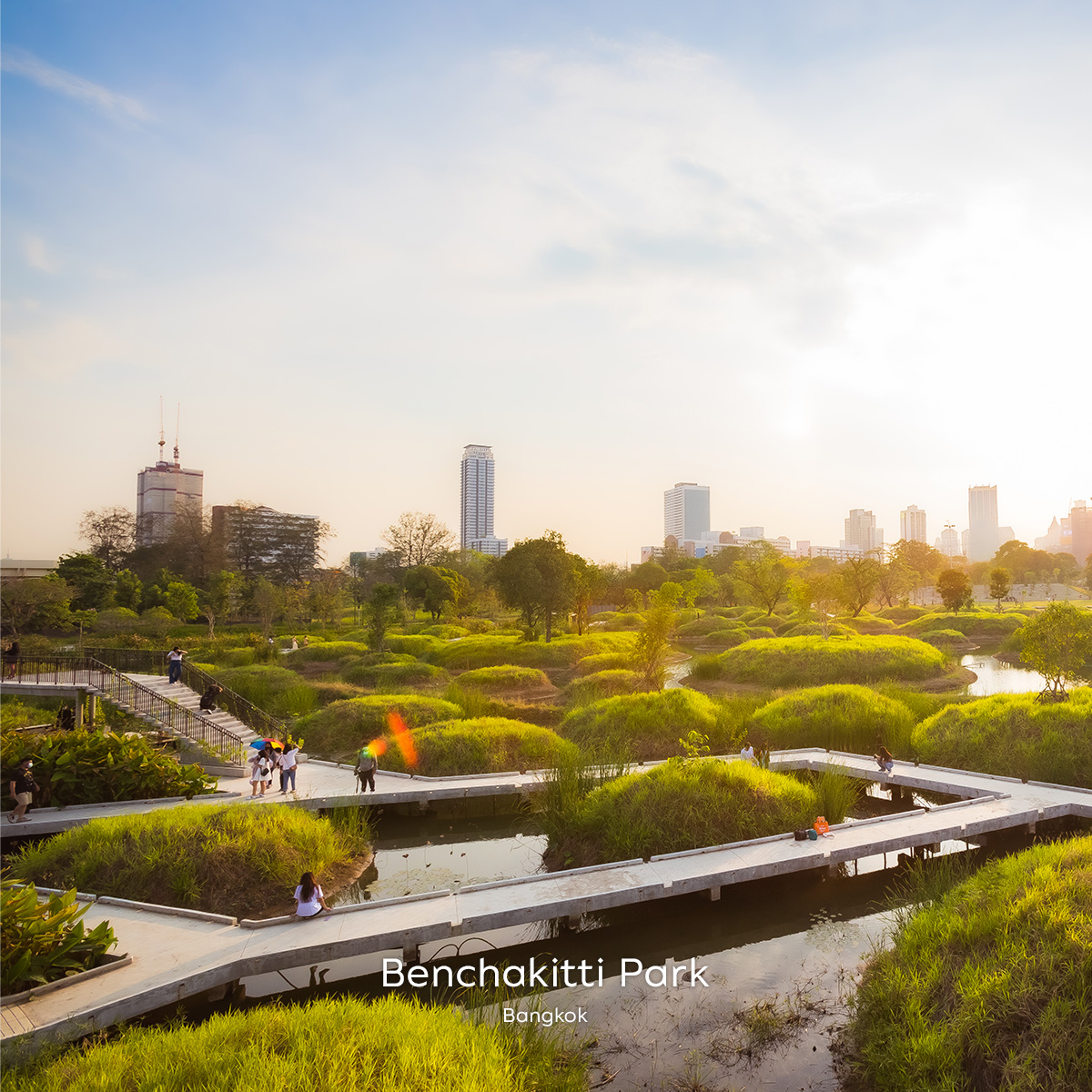
Benjakitti has changed the way many buyers think about Asoke, Sukhumvit 16, QSNCC and Rama IV. Its wetlands, skywalks and open paths add a more contemporary park experience to an area already known for offices, hotels, retail and transit. For some residents, that combination makes central Bangkok feel easier to live in.
This matters for investment because district identity is not fixed. Areas can become more attractive when public realm, transport and lifestyle uses improve together. A buyer should still compare rent and resale evidence, but better green infrastructure can strengthen the daily-use case for a location.
Benjakitti shows how newer green infrastructure can make dense districts feel more usable.
How to inspect green-space access
Walk from the building to the park at the time you would actually use it.
Check road crossings, lighting, pavement width, shade and taxi access.
Compare park access with grocery, dining, school, hospital and rail access.
Ask whether the building’s own facilities duplicate or complement the public green space.
For rentals, check whether similar units near parks command stronger tenant interest.
Do not overpay for a view alone
A park view can be valuable, but it should not replace the fundamentals. Confirm tenure, title, foreign quota, building condition, management quality, common fees, sinking fund, unit layout, noise and future construction risk. A view is only one part of ownership. Daily access and building quality may matter more than a distant green outlook.
Buyers should also consider whether the unit works during Bangkok’s hotter and wetter months. A park nearby is useful when the route is comfortable and the building supports easy daily movement. If access requires an awkward crossing or a long walk without shade, the value may be weaker than the map suggests.
Buyer takeaway
Bangkok’s parks help the city feel more liveable, premium and human. For foreign condo buyers, green-space access should be part of location due diligence alongside transport, building quality and price. The best locations are not only close to a park; they make the park part of an easy weekly routine.
IBP can help compare Bangkok neighbourhoods by liveability, rental demand and ownership practicality. Browse our Bangkok lifestyle guides or contact IBP Real Estate for a neighbourhood-led shortlist.
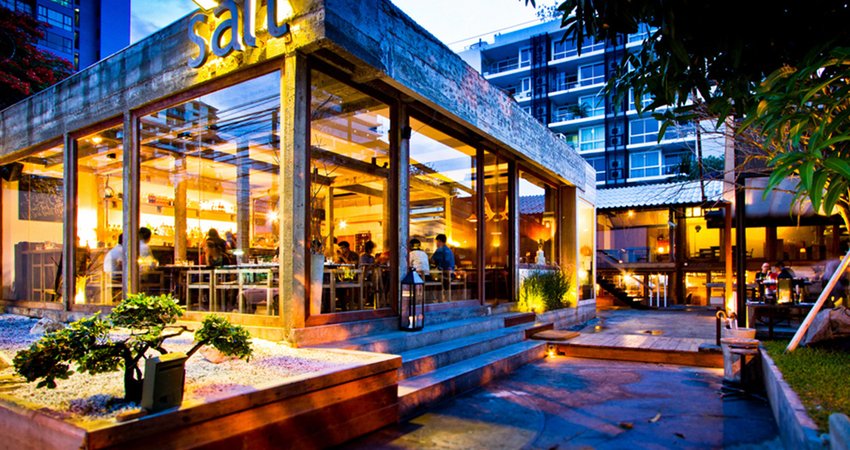
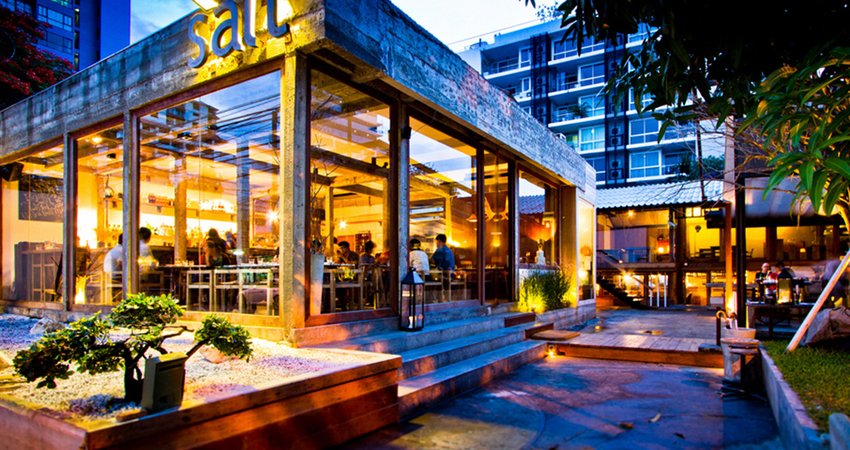
Bangkok’s dining culture is more than a lifestyle bonus for foreign condo buyers. It is part of the city’s liveability, soft power and repeat-visit appeal. That point was reinforced on 26 May 2026 when the Tourism Authority of Thailand celebrated Tasteful Thailand, a TAT-supported food documentary series for Tencent Video and WeTV, after it was named a Gold Winner in the General-Documentary category at the 47th Annual Telly Awards in the United States.
TATs Tasteful Thailand recognition points to food as culture, not only convenience.
The award itself does not tell a buyer which condominium to choose. It does, however, show why Bangkok continues to feel accessible and distinctive to international residents. Food gives newcomers a way to understand neighbourhoods, daily routines and local culture quickly. For expats, second-home owners and long-stay visitors, that matters.
TAT said the series presents Thai gastronomy as a meaningful travel experience rooted in ingredients, heritage and people. Across 10 short episodes, Tasteful Thailand traces ingredients and food cultures around the country, including Bangkok routes for Yen Ta Fo and scented sweets. For Bangkok property buyers, the message is simple: food culture is part of the city infrastructure that makes ownership more usable.
Why dining affects property decisions
Foreign buyers often rank transport, building quality and price first. They should. But daily dining access influences whether a location works after the purchase excitement fades. A good Bangkok address should make ordinary meals easy: breakfast before school, simple lunches, reliable delivery, nearby coffee, family restaurants, quality supermarkets, weekend dining and places to take visiting guests.
This is why some districts retain appeal beyond the building itself. Phrom Phong, Thonglor, Ekkamai, Ari, Chit Lom, Sathorn, Silom, Charoen Krung and riverside Bangkok all offer different food patterns. Some are restaurant-led, some are cafe-led, some are market-led and some are hotel or mall-led. The right neighbourhood depends on how the owner expects to live.
Dining depth helps Bangkok feel easier for new residents, repeat visitors and long-stay buyers.
Culture-led liveability
Bangkok dining is not only about high-end restaurants. Street food, markets, old shophouses, hotel dining rooms, Japanese enclaves, international groceries, Thai-Chinese kitchens, vegan cafes, bakery culture and delivery platforms all sit together. That variety reduces friction for foreign residents because they can enjoy local culture without losing practical choice.
For landlords, this can support tenant demand. A tenant relocating from overseas may compare several similar condo units, then choose the one with easier daily routines. The building with the better food and grocery ecosystem nearby can feel more liveable even if the facilities are similar. This is especially true for families, remote workers, retirees and tenants staying long enough to care about habits rather than tourist highlights.
How to inspect a dining neighbourhood
A buyer should walk the neighbourhood at the times they would actually eat. Morning coffee, weekday lunch, rainy evening takeaway and weekend dinner all reveal different strengths. Check whether sidewalks are comfortable, whether taxis can stop safely, whether delivery riders can access the building, whether restaurants stay open at useful hours and whether grocery access fits the household’s cooking style.
Also compare price points. A neighbourhood with only premium restaurants can be exciting for guests but less practical for everyday life. A stronger daily-use district usually offers a mix: local meals, mid-range restaurants, international options, supermarkets and a few special-occasion venues.
Neighbourhood food access can influence daily comfort as much as transport or facilities.
What foreign buyers should remember
Dining access should be tested during real daily routines, not only during a weekend viewing.
A strong food ecosystem can widen tenant demand and make owner use more comfortable.
Delivery convenience is useful, but walkable options still matter during traffic or rain.
Families should check breakfast, supermarket and casual dinner options, not only fine dining.
Investors should compare dining access with rent evidence, building quality and resale depth.
Buyer takeaway
Tasteful Thailand’s international recognition is a reminder that Bangkok’s food culture is a serious liveability asset. It helps the city feel premium, human and easy to return to. For property buyers, the practical lesson is to judge neighbourhood dining as part of the ownership experience, not as an afterthought.
IBP can help foreign buyers compare Bangkok neighbourhoods by lifestyle fit, rental appeal and daily convenience. Read our Bangkok lifestyle guides or contact IBP Real Estate for a neighbourhood-led condo shortlist.
Bangkok’s rainy season is part of normal city life, but foreign condo buyers should not ignore it. A building that feels easy on a dry viewing day can feel very different when heavy rain arrives at school pick-up time, during an airport transfer or just before a tenant’s office commute. The best rainy season condo choices are not necessarily the highest or newest buildings. They are the ones with practical access, good management and routines that still work in wet weather.
Rainy season living is mostly about routines, access and building management rather than dramatic weather.
In May 2026, the Bangkok Metropolitan Administration said it was preparing for the season with drainage-pipe work, canal clearing and pumping readiness. That city-level preparation matters, but it does not replace building-level due diligence. A buyer still needs to ask how the street outside the condo behaves, whether the entrance floods, how residents reach transit, and how the juristic team manages leaks, lifts and car-park access during storms.
Rainy season should be treated as a liveability test. If a unit is intended for personal use, wet-weather routines will shape daily comfort. If it is intended for rental, tenants will judge the building by how easily they can get to work, receive deliveries, use ride-hailing, keep shoes and laundry dry, and avoid repeated inconvenience.
Start outside the lobby
A polished lobby tells only part of the story. Walk the route from the building to the nearest BTS, MRT, pier, office shuttle, supermarket or main road. Check whether the pavement is level, whether there is shelter, whether puddles collect at the entrance, and whether cars can safely stop without blocking traffic. During rainy season, a five-minute walk with no shelter can feel much longer.
Foreign buyers should also check the approach road. Some Bangkok sois drain quickly. Others hold water after heavy rain. The difference affects taxi access, food delivery, school runs and tenant satisfaction. Ask the juristic office and nearby shop staff what happens after a downpour. Local answers are often more useful than a dry-season map.
City drainage preparation is a reminder to check each building’s own flood and access management.
Read city preparation as context
BMA’s May 2026 update described a shift from reactive flood response to more coordinated preparation, including drainage-pipe clearing, canal work and pumping-station readiness. For residents, this is encouraging because it shows the city is treating intense rain as an operational issue. For buyers, it is a reminder to check the micro-location rather than assuming the city can solve every access problem equally.
A building near a major road, rail station, canal, park or underpass can experience rain differently from another building only a few blocks away. The safest due diligence includes visiting after rain if possible, asking for building incident history, and checking whether the car park, basement, generator room, electrical rooms and lift lobbies are protected.
Covered access can be more valuable than a longer facility list
Some of Bangkok’s most comfortable rainy season addresses are not the most dramatic. They have sheltered drop-off points, practical taxi circulation, covered links to retail, a short route to rail, good parcel handling and reliable maintenance. These features are easy to underestimate in a sales gallery because they are not as photogenic as a pool deck. Tenants notice them quickly.
For families, covered access to schools, supermarkets and clinics can matter. For executives, the ability to move between condo, car and office without disruption can support a higher rent. For older residents, step-free access and safe pavements become part of the property’s liveability value.
Check the building envelope
Inside the unit, rainy season checks should include window seals, balcony drainage, air-conditioning condensate, bathroom ventilation, ceiling stains, swollen timber, musty smells and evidence of past leaks. In high-rise units, wind-driven rain can reveal problems that are invisible during normal viewings. In older buildings, small leaks may have been patched repeatedly rather than repaired properly.
Ask when the facade, roof, balconies and drainage pipes were last inspected. For resale units, request repair records if there has been water ingress. A beautiful view is less valuable if the balcony drains poorly or the window frame lets water in during heavy storms.
Covered links, short walks and reliable transport matter more during wet-season commutes.
Think about tenant routines
A rainy season rental strategy should be practical. Tenants may ask about washing machines, dryers, shoe storage, parcel areas, ride-hailing pick-up points, parking, building apps and how quickly maintenance requests are handled. Small details can make a unit feel easier to live in. A landlord who provides dehumidifying habits, clear air-conditioning servicing and sensible storage may reduce complaints.
If the target tenant is a foreign executive, the commute matters. If the target is a family, school and clinic routes matter. If the unit is near a lifestyle district, sheltered access to malls, grocers and restaurants matters. Rain does not make Bangkok less liveable; it makes convenience more visible.
When rainy season can be an advantage
Viewing during wet weather can help buyers negotiate and choose better. It reveals which buildings function well, which streets drain quickly and which lobbies manage traffic calmly. A buyer who only inspects in perfect weather may miss operational weaknesses that local tenants already understand.
Rainy season also highlights why Bangkok remains attractive. The city has dense retail, food delivery, transport options, private healthcare, serviced residences and neighbourhood amenities that keep daily life moving. Buyers who select the right building can enjoy that depth without treating every storm as a disruption.
Practical buying takeaway
Before committing, test the walking route, ask about flooding history, inspect the unit for water marks, confirm basement and car-park protection, check lift and generator maintenance, and understand how the juristic team communicates during storms. These checks are simple, but they can protect comfort, rentability and resale value.
For buyers relocating to Bangkok or choosing a rental investment, rainy season is a useful reality check. IBP’s expat living guides can help connect lifestyle needs with building-level due diligence before a purchase decision is made.