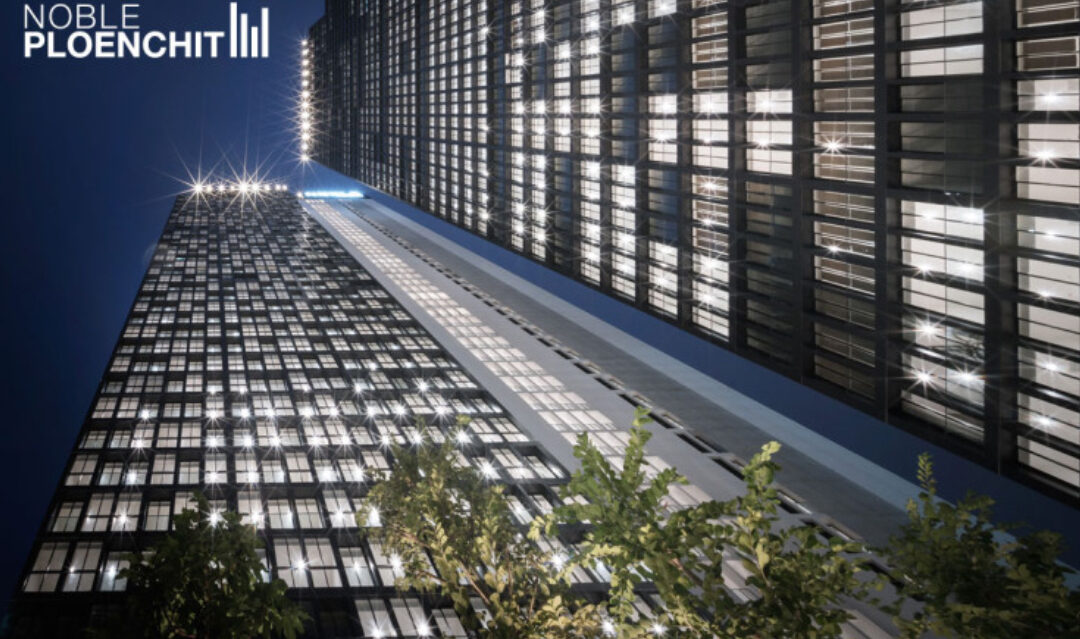
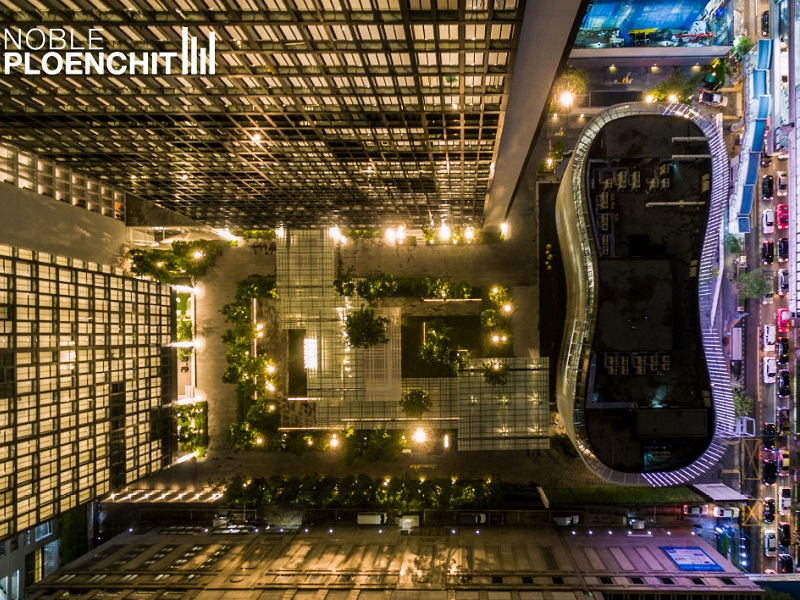
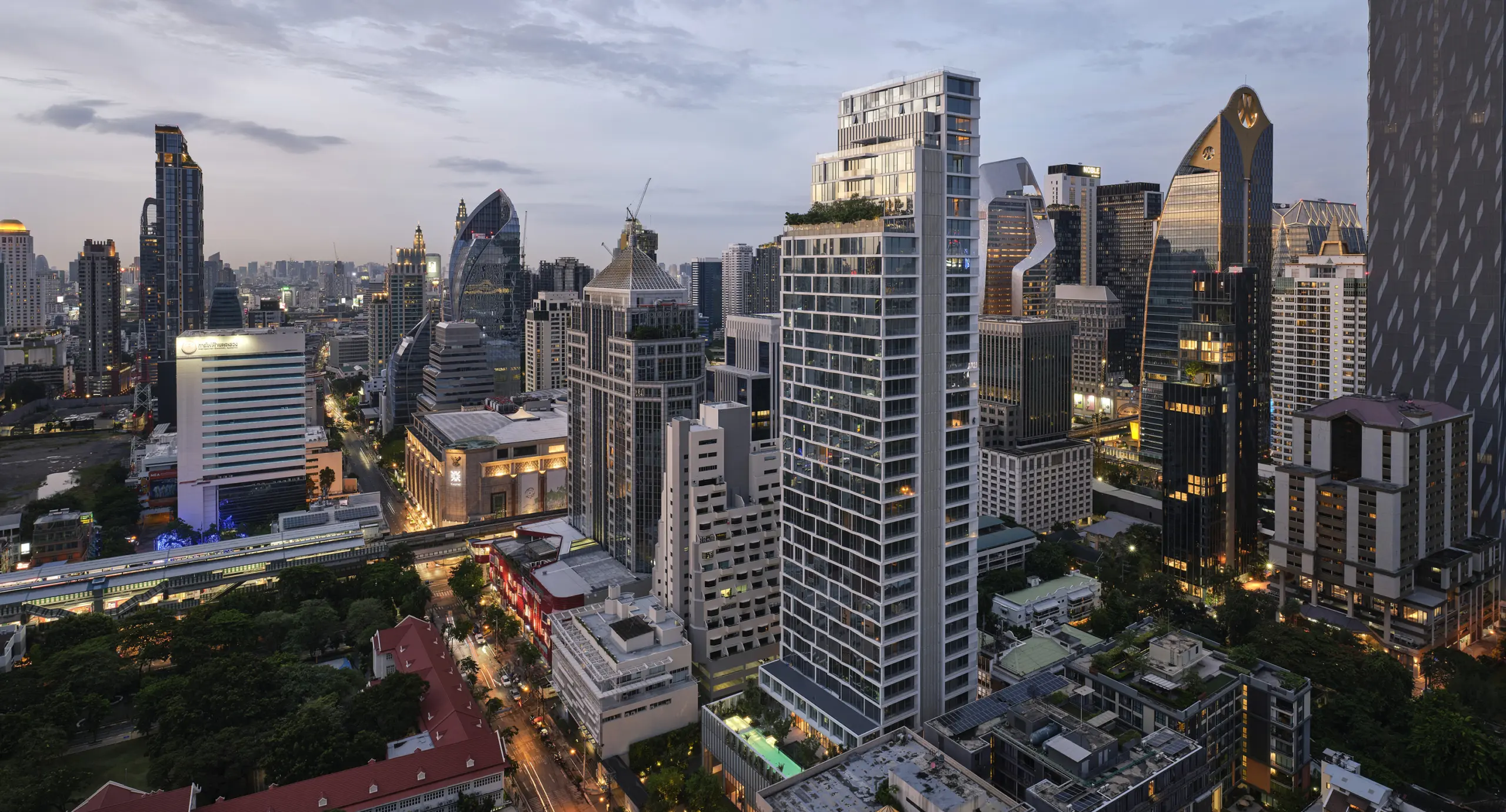
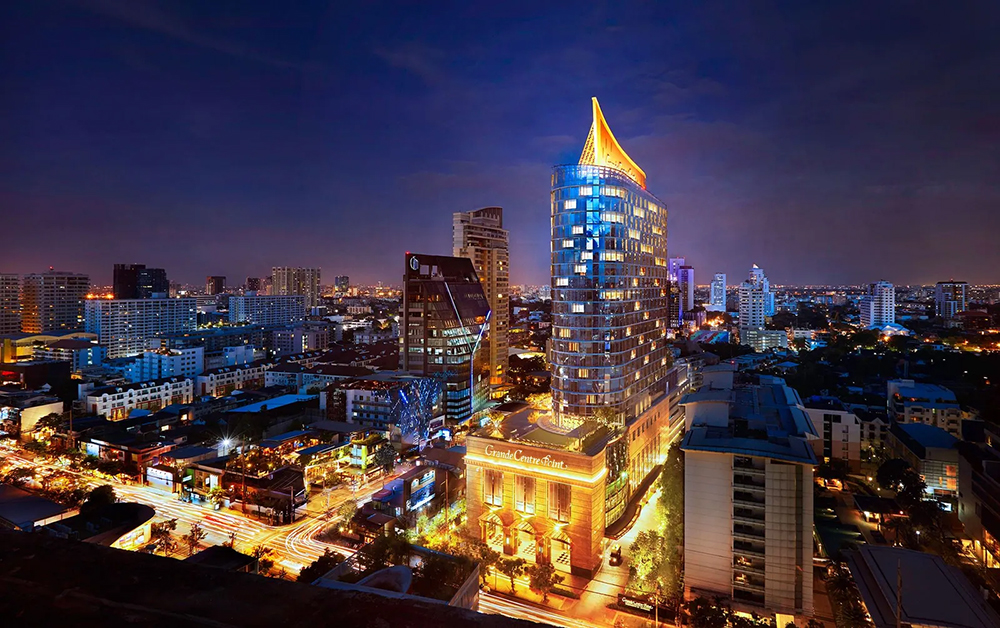
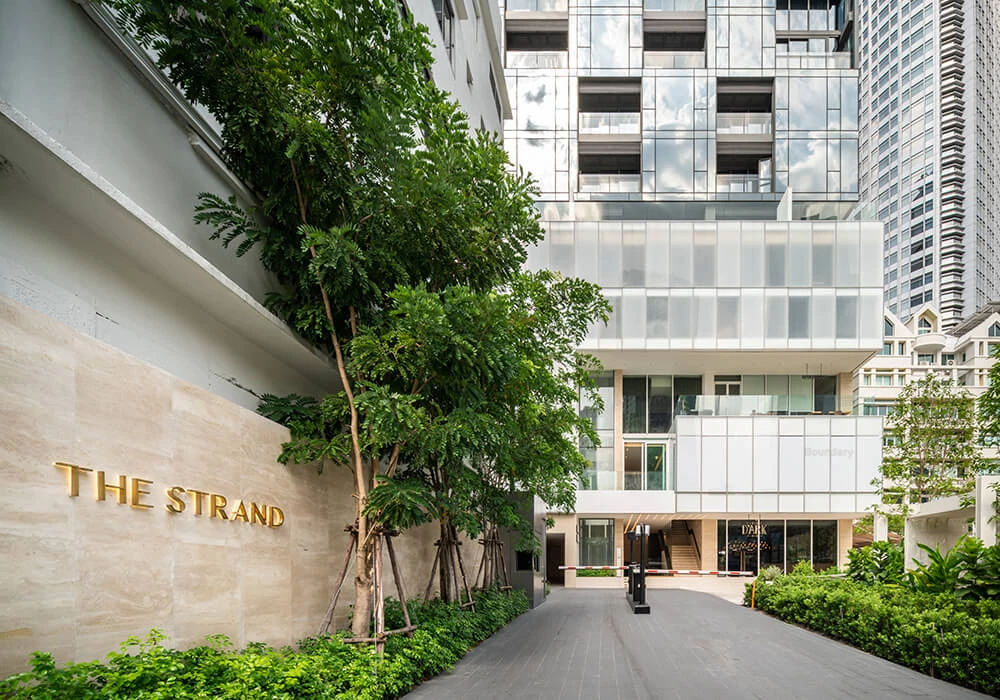
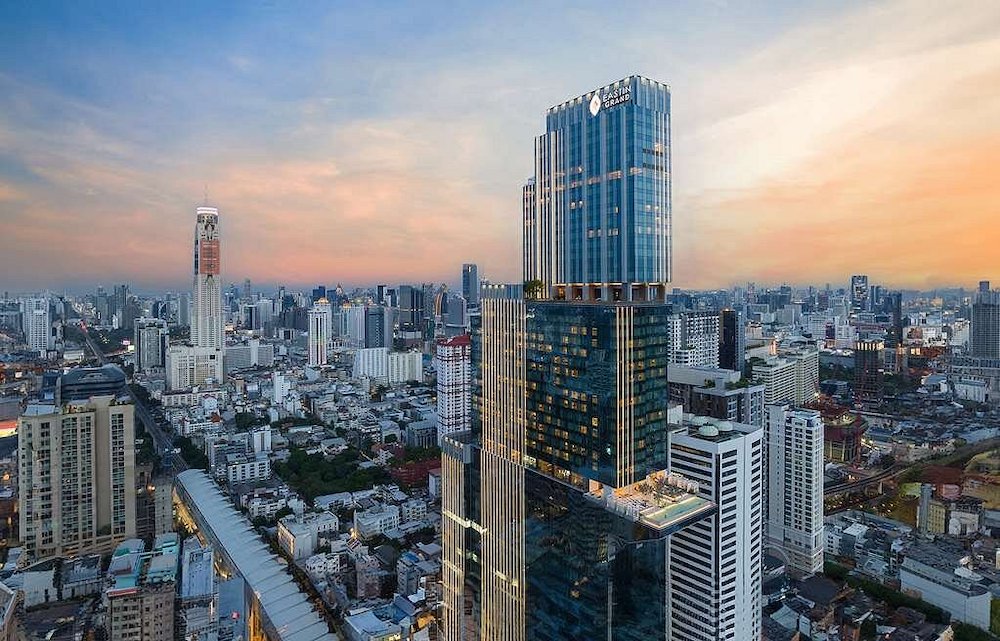
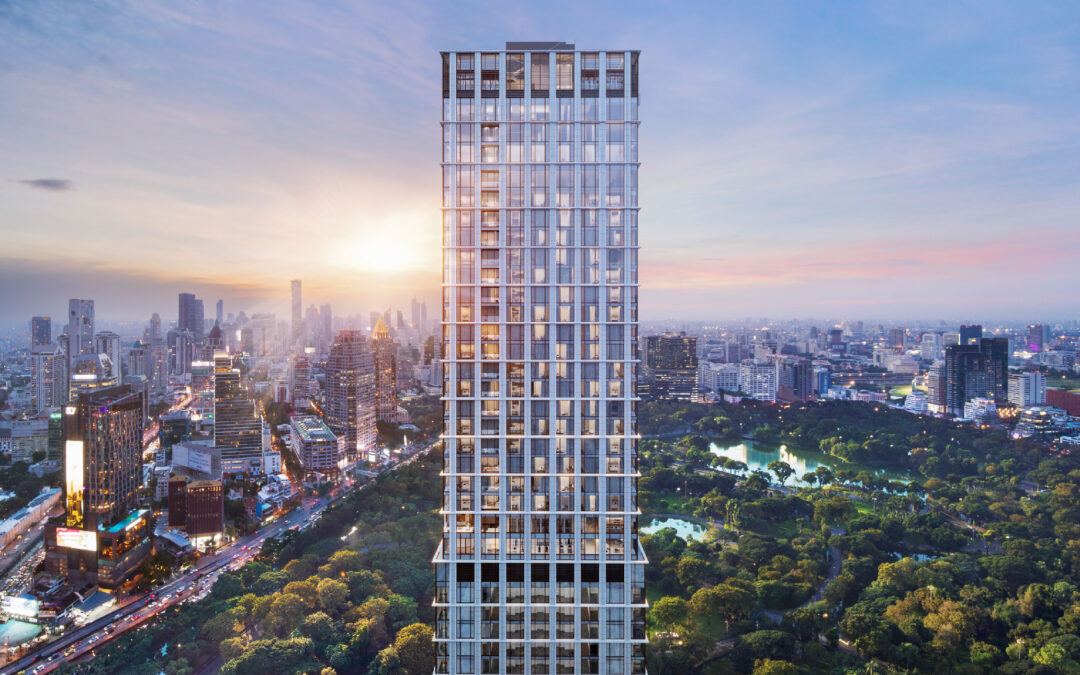
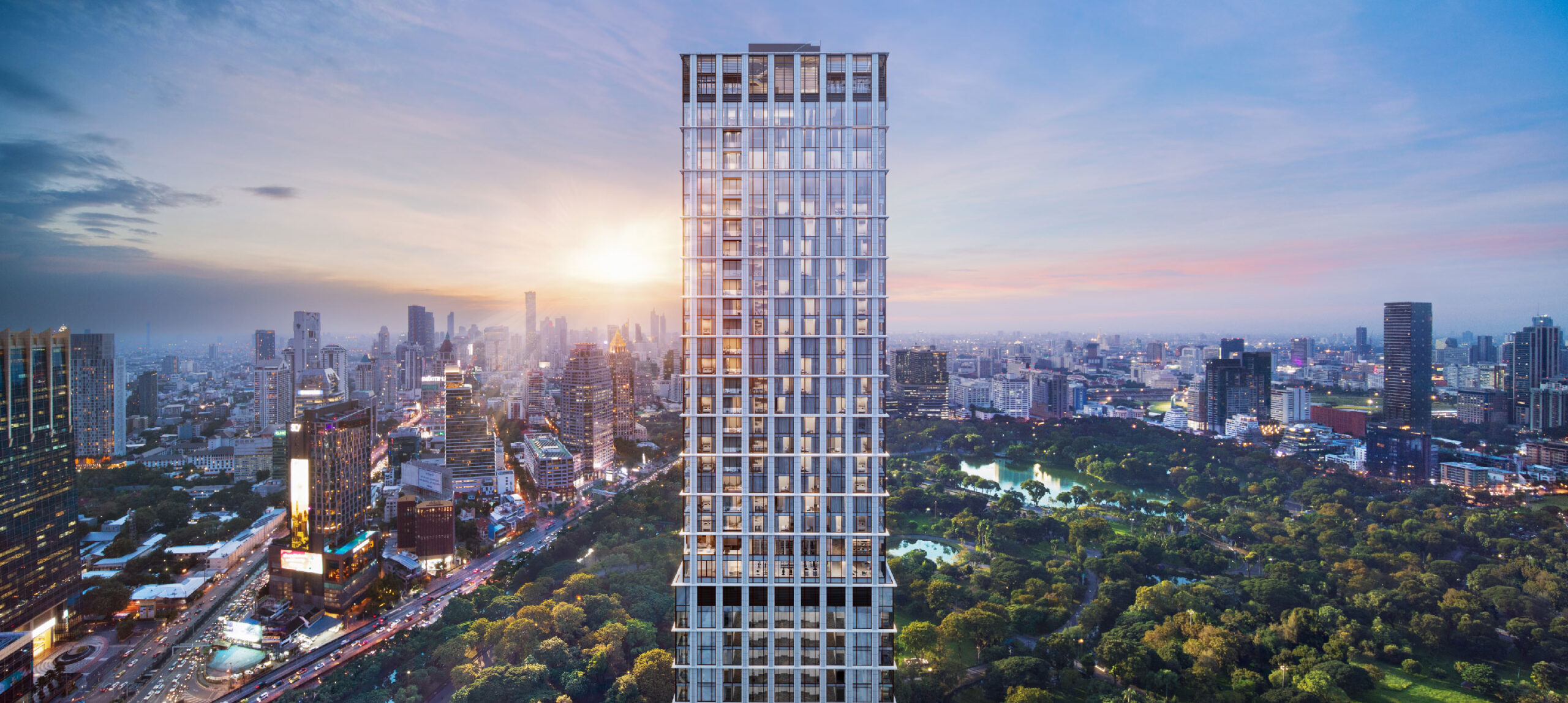
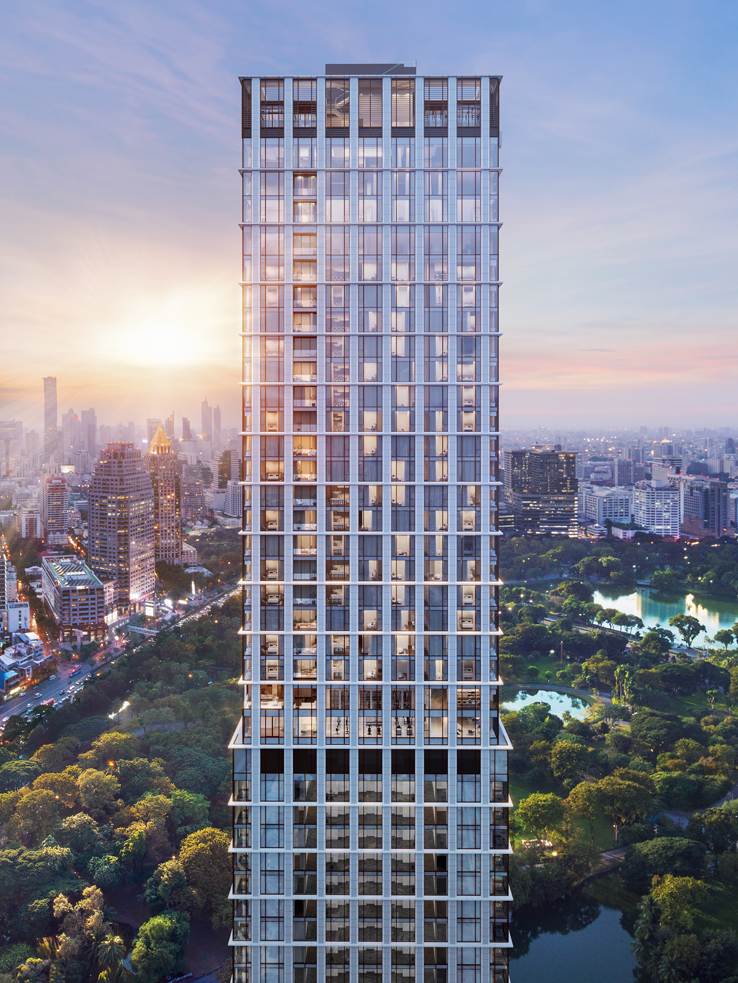
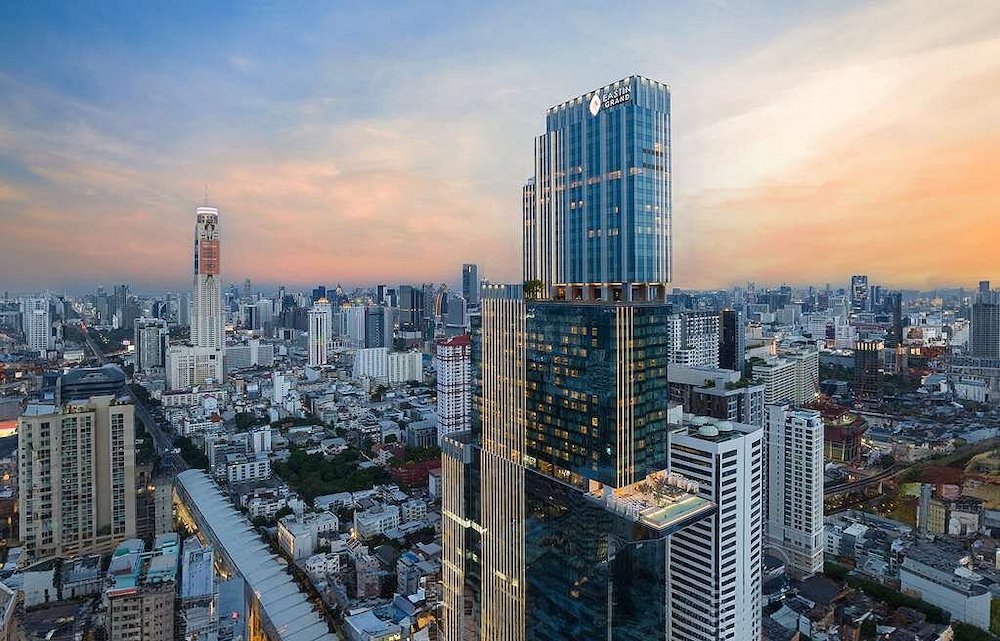
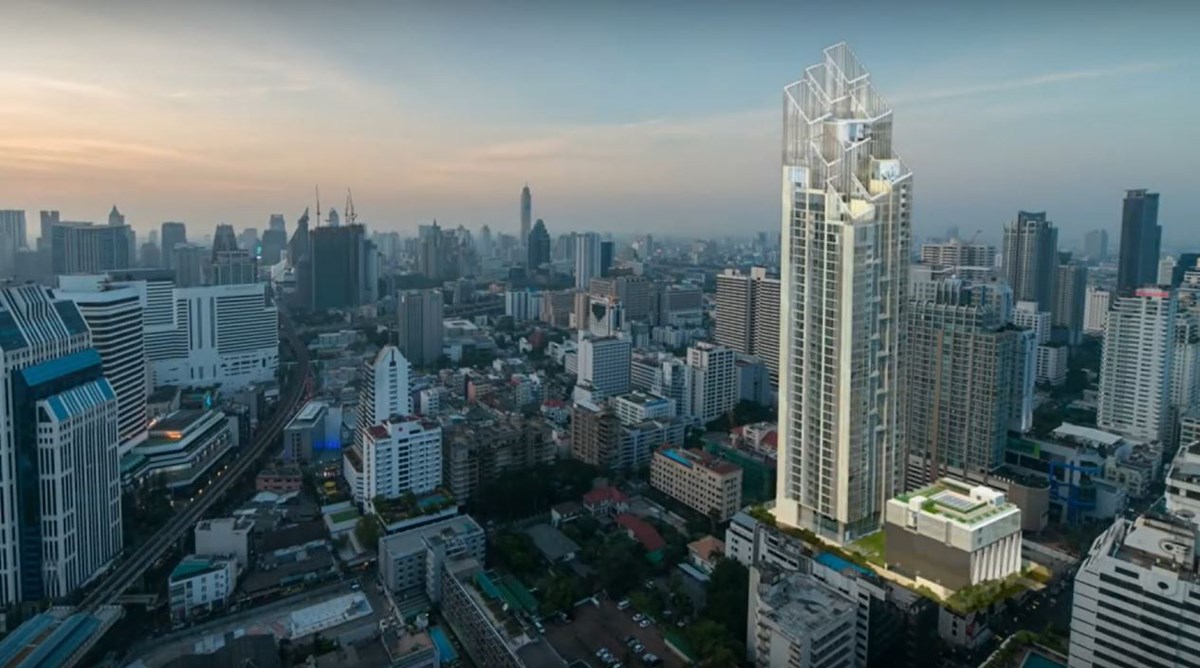
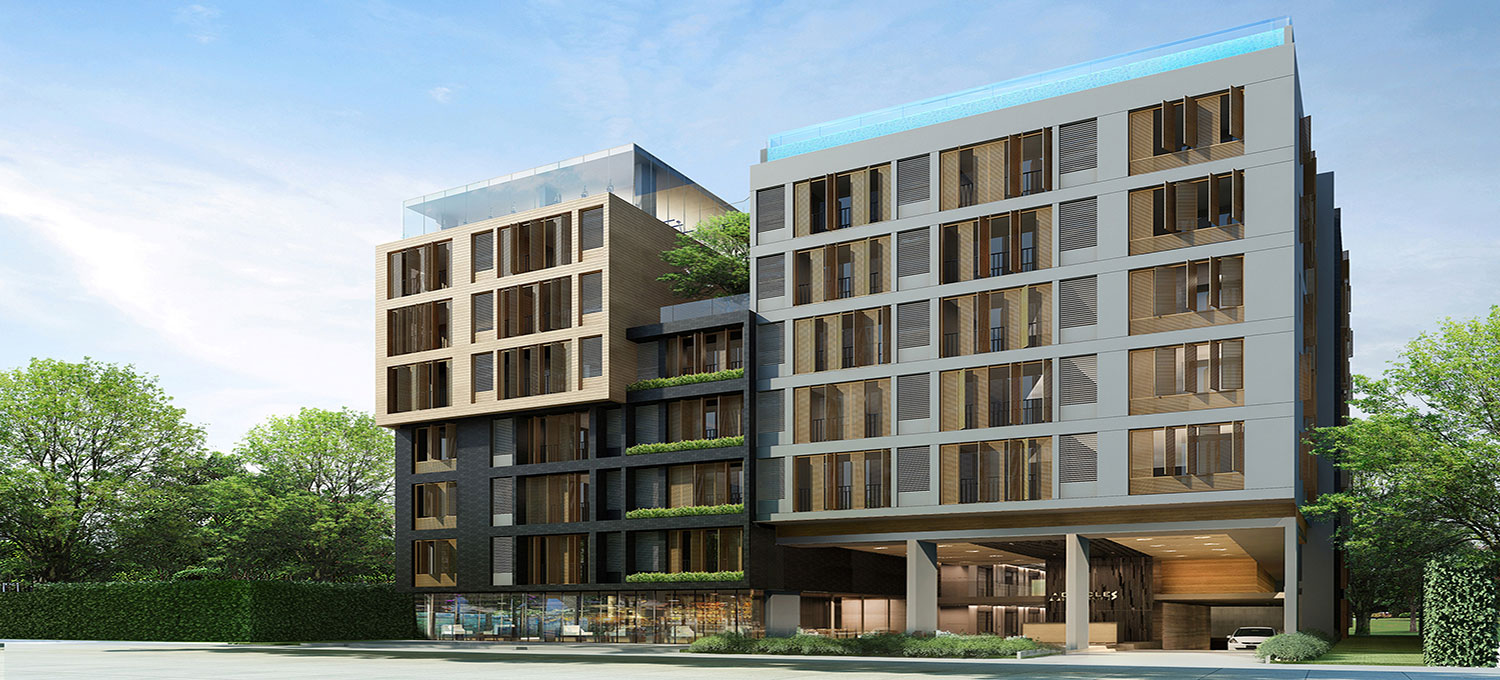
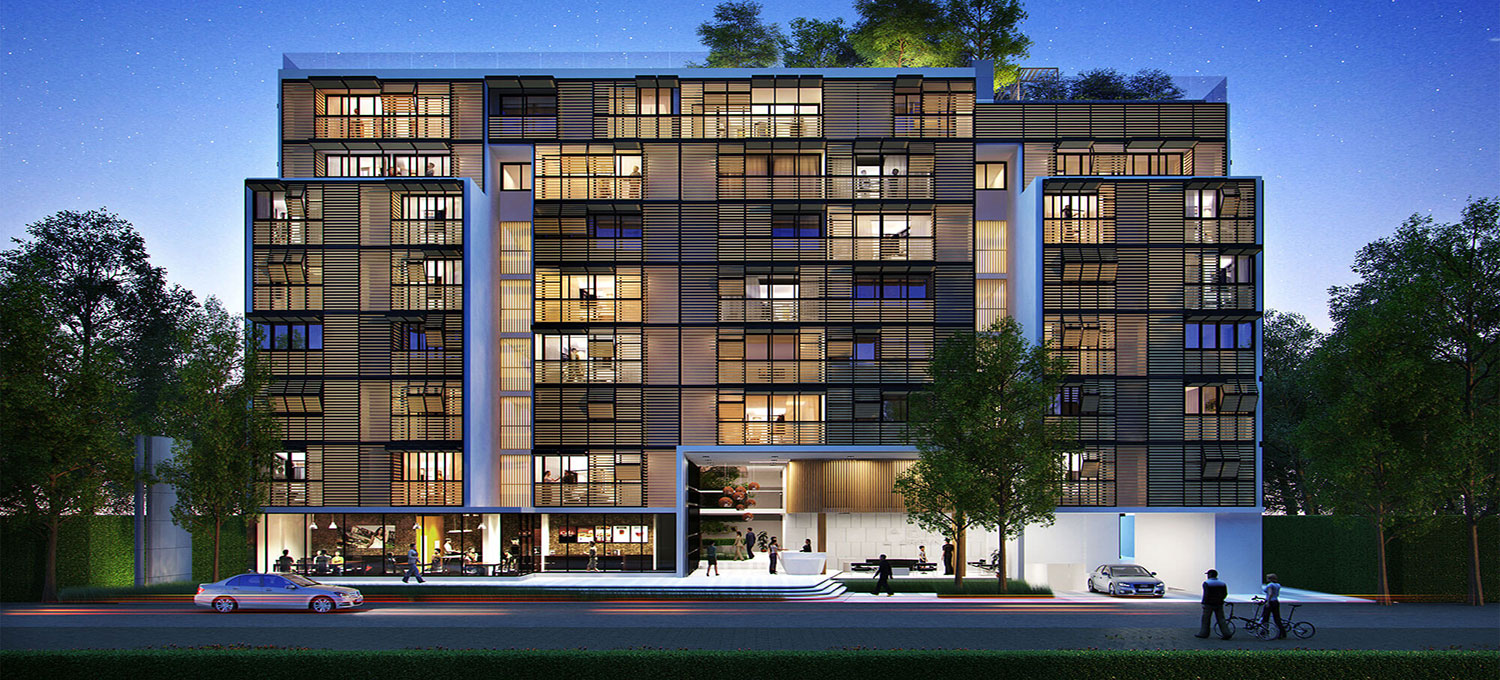
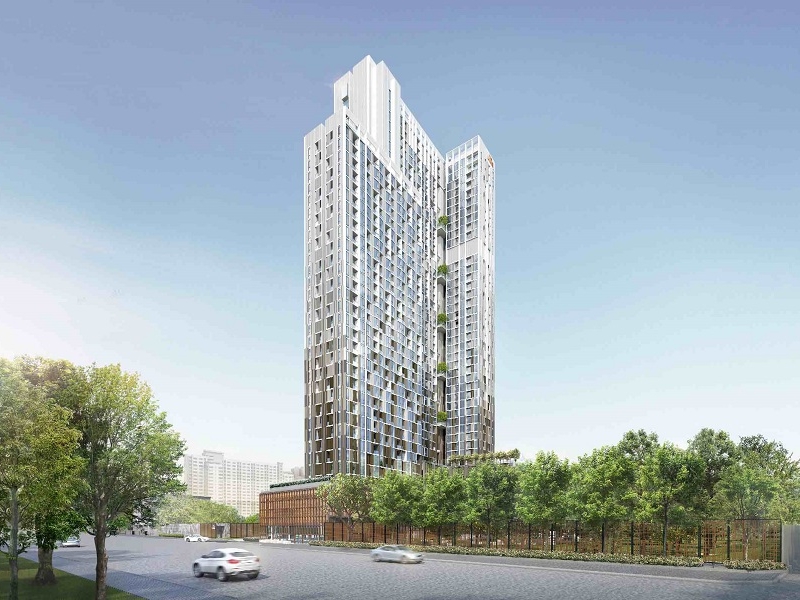
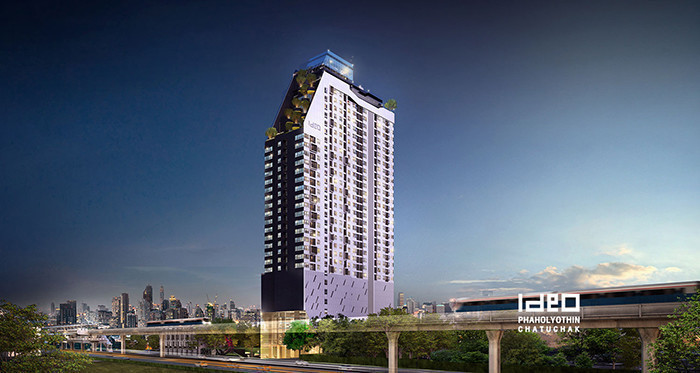
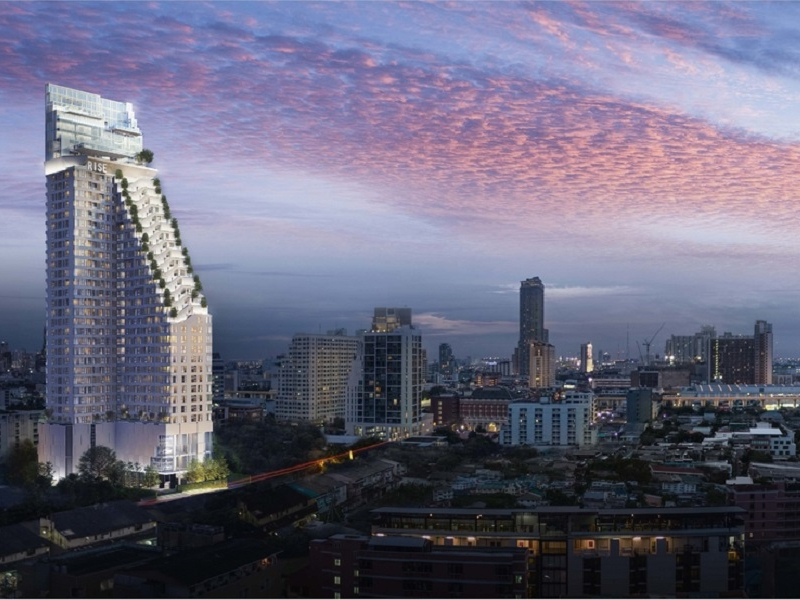
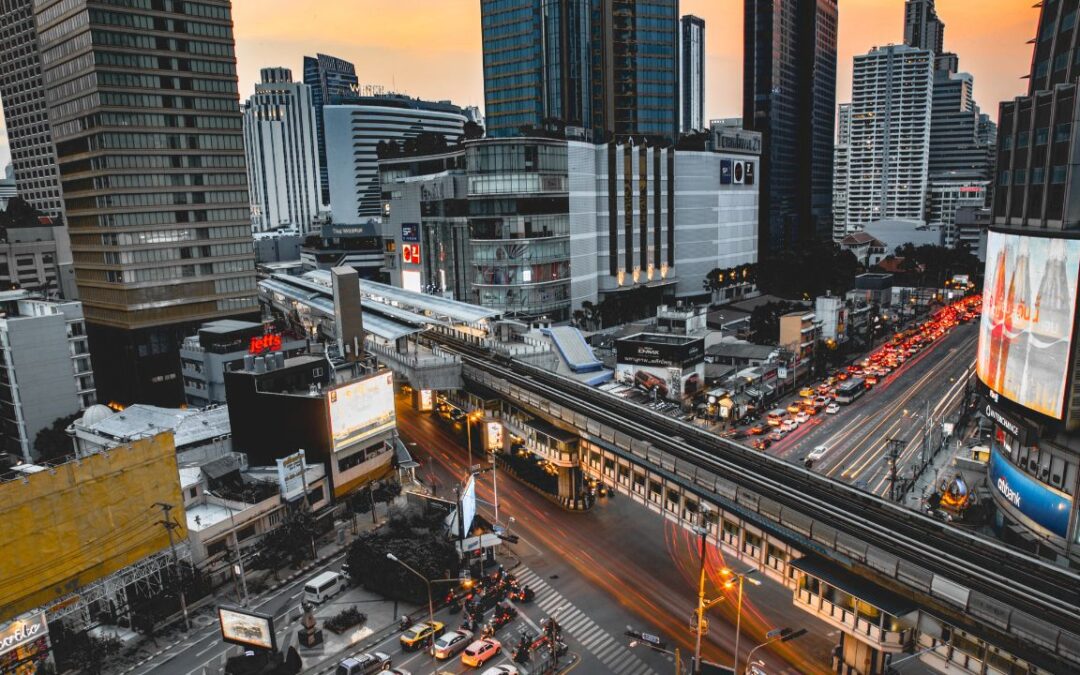
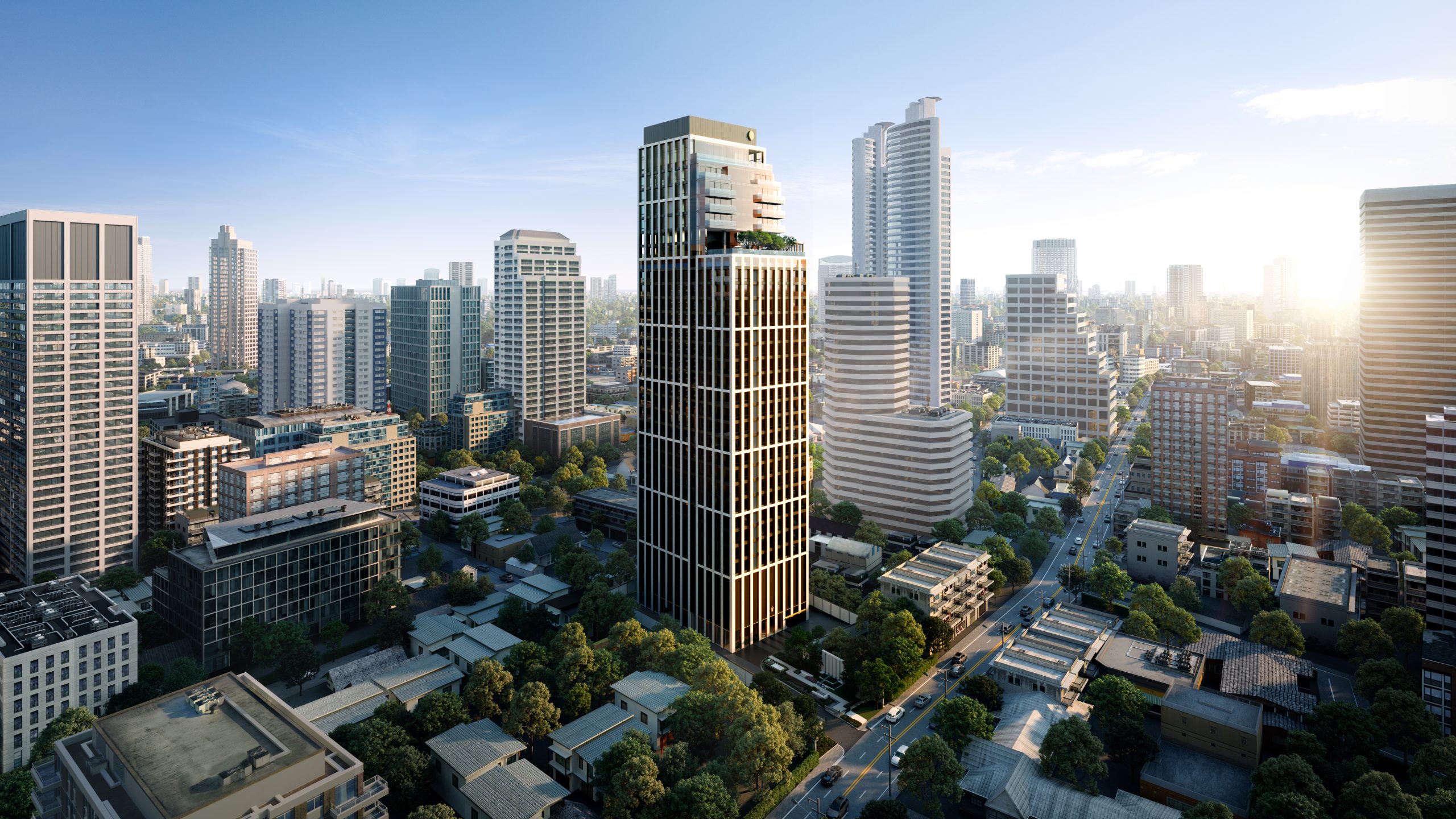
Ploenchit is one of Bangkok’s most recognisable central addresses for foreign condo buyers who want a polished, connected and international part of the city. It sits between the retail intensity of Chit Lom and the embassy, office and hotel presence around Wireless Road, with direct BTS access and a calmer tone than the busiest stretches of lower Sukhumvit.
For luxury condo buyers, the district is not only about prestige. The practical appeal is the mix of transport, offices, hospitals, hotels, embassies, parks, premium retail and established residential towers. That mix can support personal use, executive rental demand and resale confidence, provided the unit is bought at the right price and the building still performs well against newer competition.
Ploenchit appeals to buyers who want central access without a purely nightlife-led address.
Why Ploenchit works for foreign buyers
Ploenchit is useful because it shortens the distance between daily needs. A resident can reach the BTS, offices, international hotels, Central Embassy, Chit Lom, Langsuan, Wireless Road and the wider Sukhumvit corridor without feeling far from Bangkok’s core business and lifestyle areas. For buyers who divide time between Bangkok and overseas, that convenience matters. It makes short visits easier and keeps the unit understandable for tenants and future buyers.
The district also has a different character from some nearby areas. It is central, but it is not only a party or tourist address. It suits diplomats, regional executives, frequent travellers, medical visitors, couples without children and older residents who value clean access to premium services. That does not guarantee rent or resale, but it gives the buyer a clearer resident profile to test.
How to judge BTS access properly
Being near Ploenchit BTS is not the same as being easy to live in. Foreign buyers should walk the route at different times of day, checking pavement quality, shade, crossing points, motorcycle flow, lighting and whether the route feels natural with luggage or shopping. A building that looks close on a map may feel less convenient if the approach involves awkward crossings or heavy traffic frontage.
For rental demand, the walk matters because tenants compare buildings quickly. A slightly older project with a more practical walking route can compete well against a newer building with a less comfortable approach. Buyers should also check drop-off areas, taxi access, ride-hailing convenience and how the lobby handles busy periods. These details affect tenant satisfaction more than brochure language.
Building quality and long-term management matter as much as the district name.
Luxury positioning is not only finishes
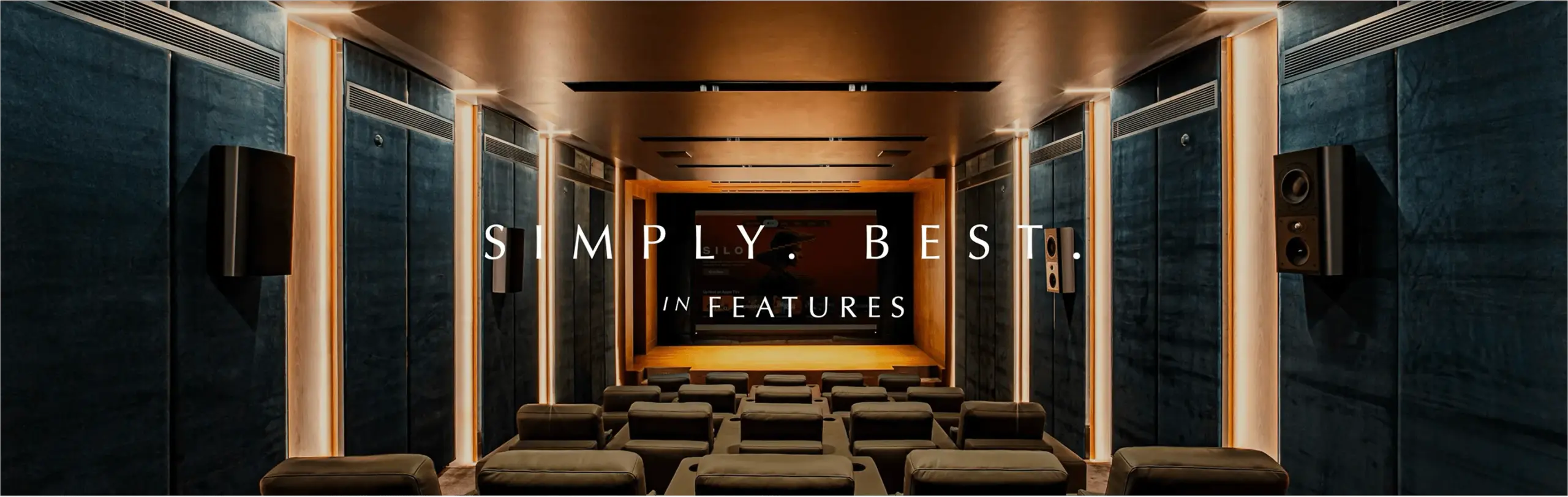
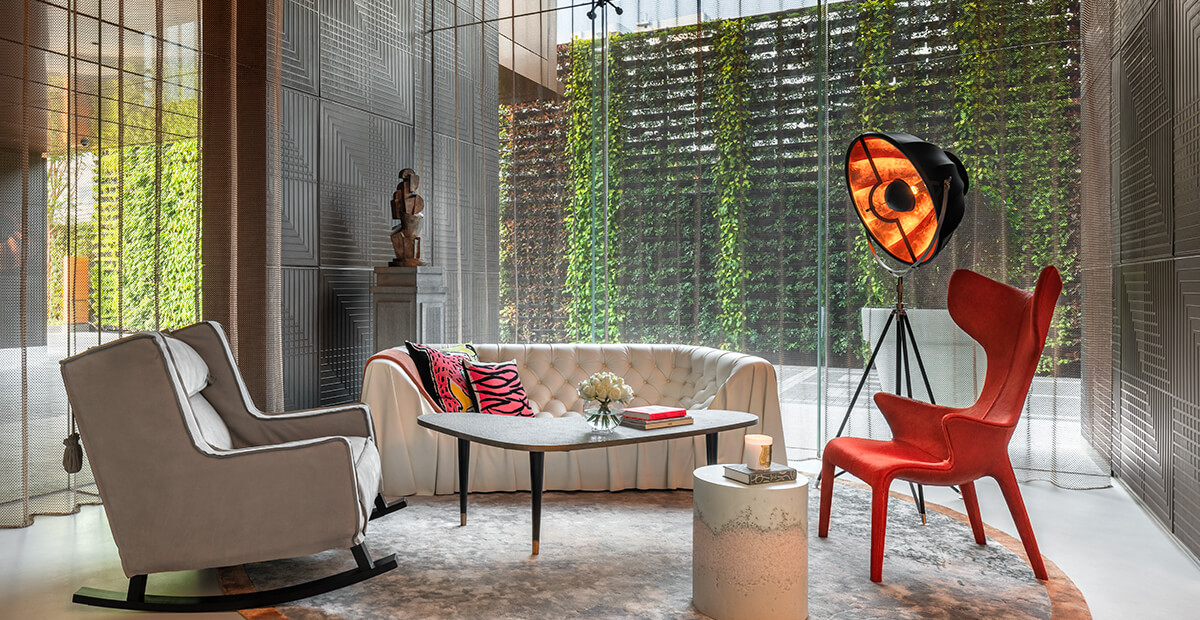
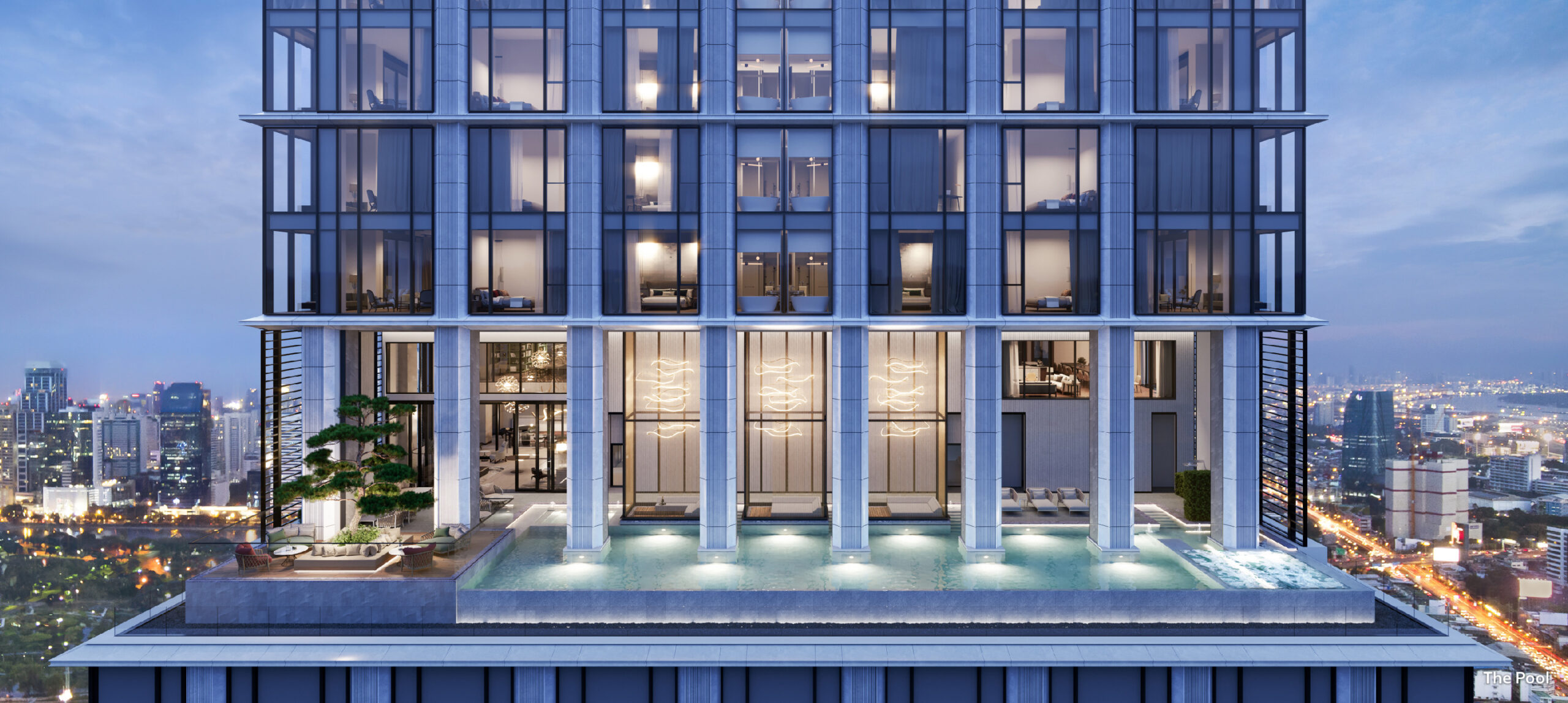
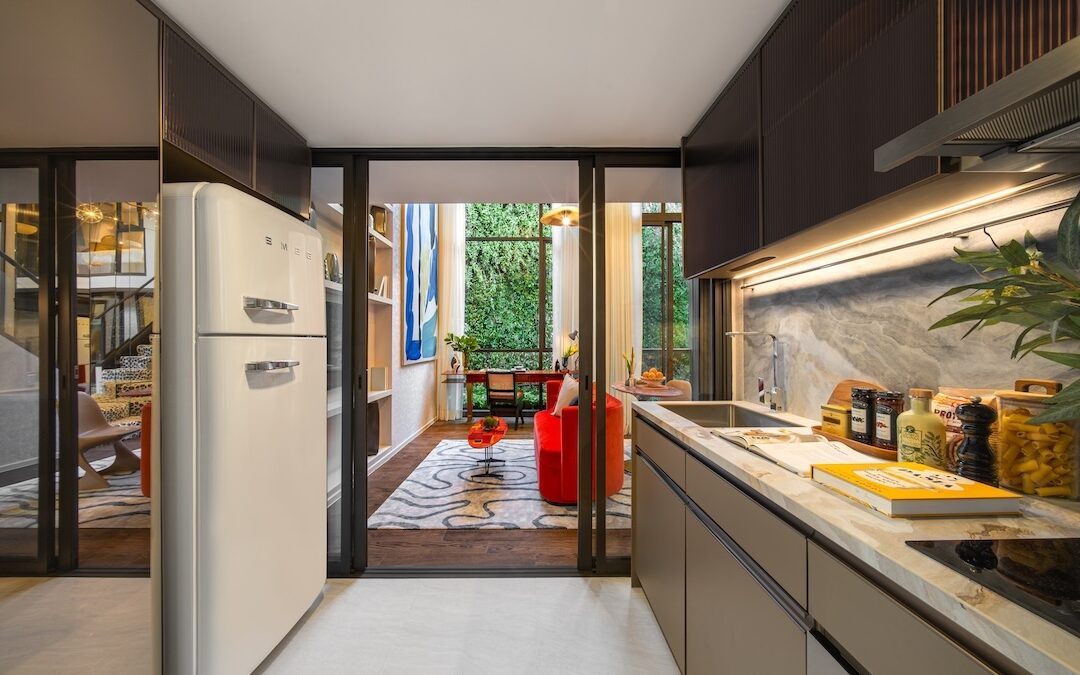
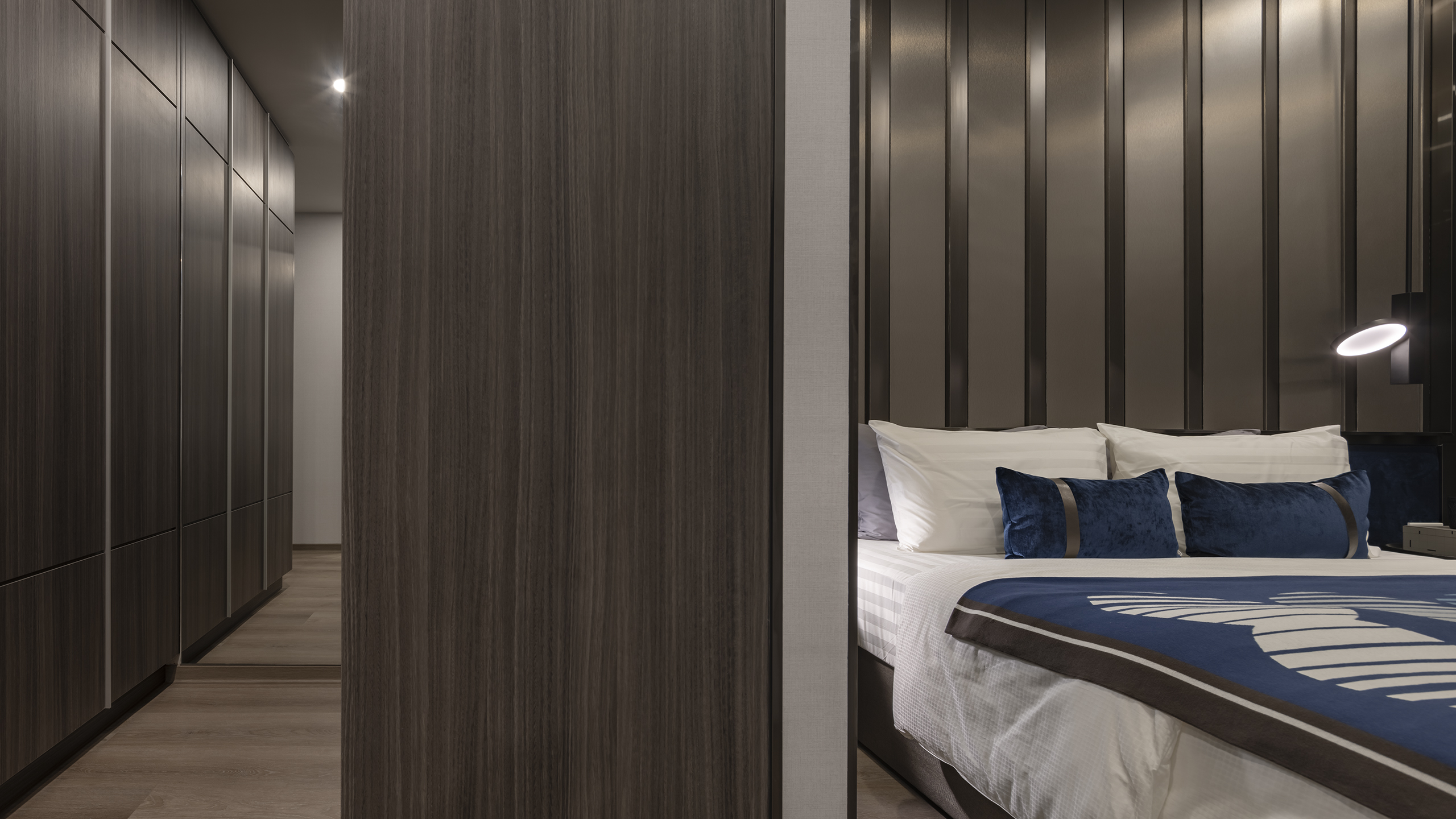
Ploenchit buyers should separate design quality from ownership quality. Marble, branded furniture and a dramatic pool photograph may help a unit lease, but long-term value depends on maintenance, juristic-person discipline, common-area condition, lift performance, parking, security and the profile of other owners. A luxury district cannot protect a poorly managed building forever.
In completed buildings, inspect the real common areas rather than relying on launch imagery. Look at corridor lighting, lift waiting times, smell, noise transfer, window seals, water pressure, gym maintenance and the condition of the pool deck. In newer projects, review the developer’s delivery record, expected common fees, sinking fund, warranty process and rules around short-term letting.
Rental demand and tenant fit
Ploenchit can appeal to tenants who want a premium but practical Bangkok base. Executives working around central business areas, consultants, embassy-linked residents and medical or wellness visitors may all consider the district. Unit size and layout should match that profile. A compact one-bedroom unit needs storage, a proper work area and easy maintenance. A larger two-bedroom unit should justify its rent through view, privacy, parking or family usability.
Investors should avoid assuming that every premium unit will rent quickly. Luxury tenants are selective. They compare nearby buildings, hotel residences, serviced apartments and newer launches. A unit that is overpriced, poorly furnished or difficult to access can sit vacant even in a strong district. The rent plan should include realistic vacancy and furnishing refreshes.
Resale depth and neighbouring districts
Ploenchit competes with Chit Lom, Langsuan, Wireless Road, Nana, Asoke and parts of Phrom Phong. Each district has a different buyer story. Chit Lom and Ratchaprasong lean heavily into retail and hotel energy. Langsuan offers a quieter luxury tone and park proximity. Asoke offers interchange convenience. Phrom Phong offers Japanese, dining and family depth. Ploenchit sits between these identities, which can be an advantage if the building itself is strong.
For resale, buyers should ask why a future buyer would choose this exact unit rather than a nearby alternative. The answer might be direct BTS access, a rare view, a sensible floor plan, lower density, strong building upkeep or a price that leaves room for renovation. If the only answer is “central location”, the buyer may be paying for a broad idea rather than a defensible asset.
A site visit should test walking routes, lobby condition, traffic and the daily feel of the address.
Due diligence questions before buying
Foreign buyers should review title, foreign quota, juristic-person records, common fees, sinking fund, renovation rules, parking rights, outstanding liabilities and any building restrictions that affect leasing. For resale units, inspect the air-conditioning, water systems, windows, electrical load, furniture condition and signs of water ingress. For new or off-plan units, understand payment schedule, completion risk and how the final unit area is measured.
Ploenchit is best for buyers who value centrality, international services and a premium residential tone more than bargain pricing. It can suit a foreign owner who wants Bangkok personal use now, rental flexibility later and a district that overseas buyers can understand quickly. It may be less suitable for buyers whose main target is maximum headline yield, because the entry price can be higher than emerging districts.
For a foreign buyer comparing Ploenchit with other central neighbourhoods, the next step is not simply to collect listings. It is to tour buildings, compare management quality and map each unit to a clear hold, rental and resale plan. IBP can help shortlist units that fit the buyer’s budget, ownership structure and intended use before negotiations begin.
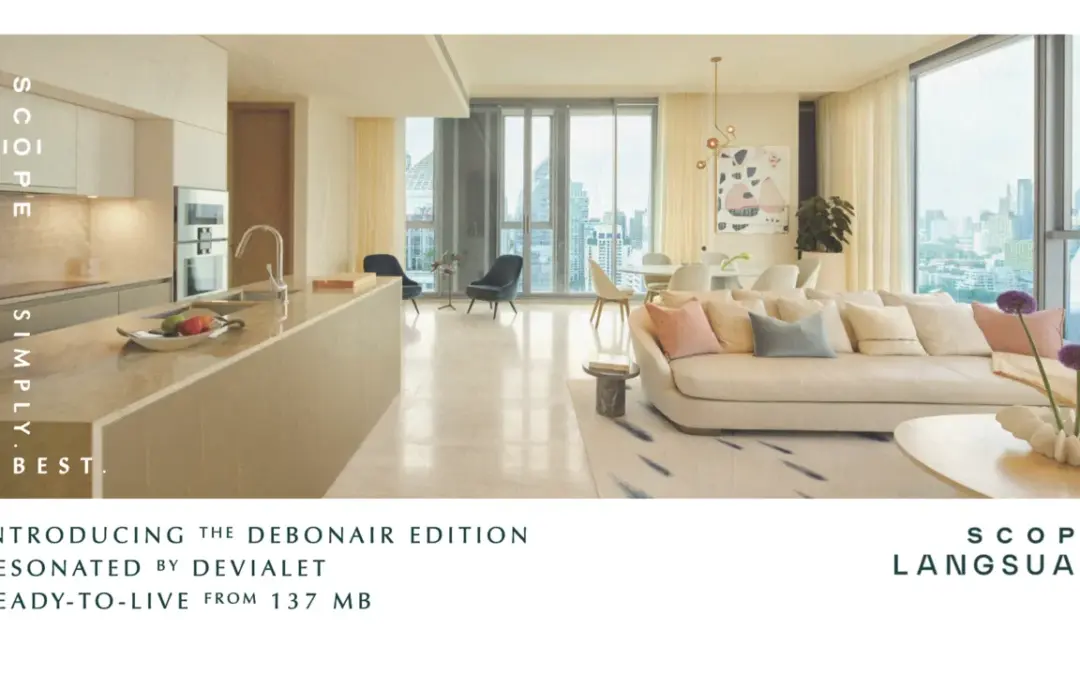
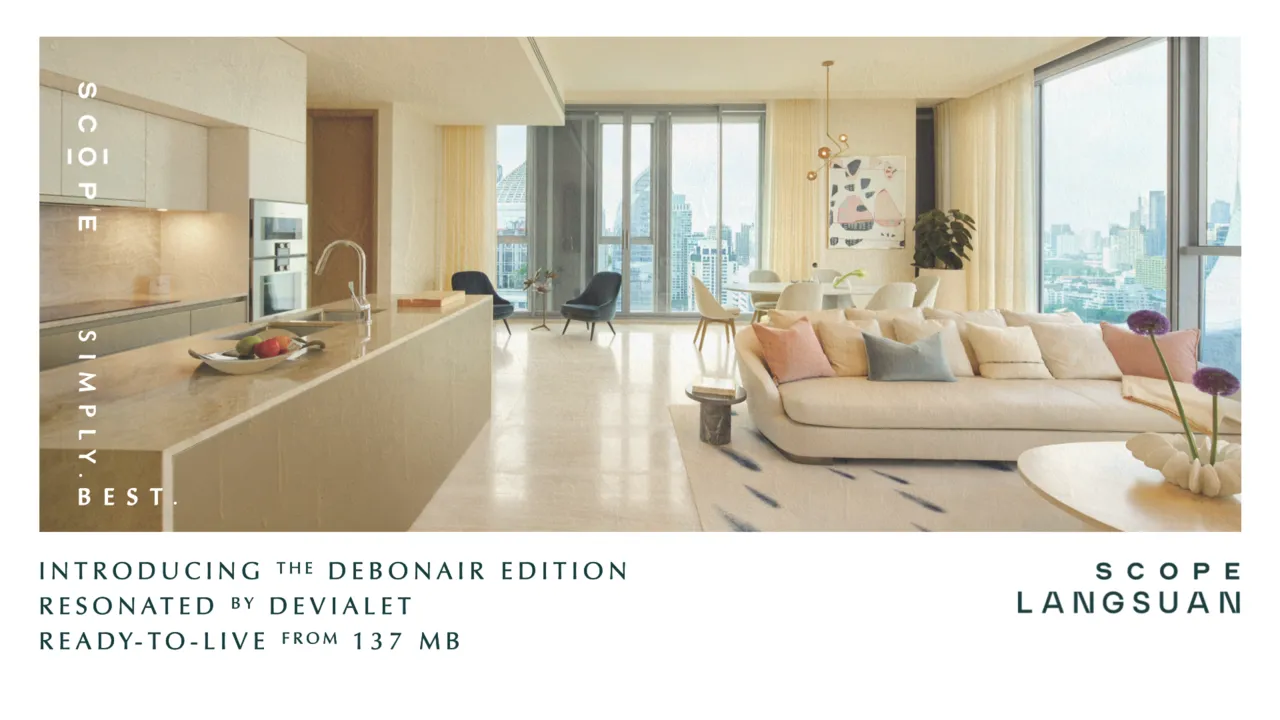
Langsuan is one of Bangkok’s most established luxury condo micro-locations, sitting between Lumpini Park, Chit Lom, Ratchadamri and the wider Ratchaprasong retail and hotel district. For foreign buyers, its appeal is different from Thong Lo or Phrom Phong. Langsuan is quieter, more compact and more park-led, with a prestige story built around privacy, walkability and central convenience.
Langsuan appeals to buyers who want a quieter luxury address close to Lumpini Park and central Bangkok services.
That does not mean every Langsuan unit is automatically a strong purchase. The best decisions come from comparing the exact walk, building service level, unit privacy, common-area maintenance, parking, view risk and resale audience. Luxury buyers should be selective because the address premium can be meaningful.
Why Langsuan attracts foreign buyers
Langsuan gives residents access to several parts of central Bangkok without feeling as exposed as some main-road locations. Lumpini Park is close by, Ratchadamri and Chit Lom connect to the BTS network, and major retail, hotels, offices, restaurants and embassies sit within a short city radius. For buyers who want a refined base rather than a nightlife-led district, that balance can be attractive.
The area can suit owner-occupiers, regional families, executives, retirees, second-home buyers and long-stay residents who value calm arrival, high service standards and easy access to healthcare, retail and park space. It can also suit investors targeting premium tenants, but only where the rent expectation matches the specific building and unit.
Facade, arrival sequence and service consistency matter as much as the prestige of the address.
Walkability should be tested carefully
Langsuan’s advantage is partly walkability, so buyers should test it in real conditions. Walk from the building to Chit Lom BTS, Ratchadamri BTS, Lumpini Park, nearby malls, supermarkets, hotels and restaurants. Check shade, pavements, crossings, evening lighting and rainy-season comfort. A prestigious address still needs a comfortable daily route.
Also consider how residents will use taxis and ride-hailing. Central Bangkok traffic can be slow, and a well-managed drop-off can make a large difference. A luxury condo should handle arrivals, visitors, deliveries and parking without making residents feel they are fighting the street every day.
Service level defines the luxury experience
In Langsuan, buyers are often paying for more than room size. They are paying for privacy, staff quality, lift performance, security, quiet common areas, maintenance, resident profile and a sense of order. These details should be inspected, not assumed. Watch how staff greet visitors, how parcels are handled, how contractors enter and whether common areas feel cared for outside the showpiece lobby.
For landlords, service quality helps tenant retention. Premium tenants may tolerate a compact layout if the building is well run, but they are less forgiving of slow repairs, tired lifts, noisy corridors or unclear management. Luxury is partly a management habit.
Interior quality should be weighed against layout, privacy, maintenance and the buyer’s likely holding period.
Unit planning still matters
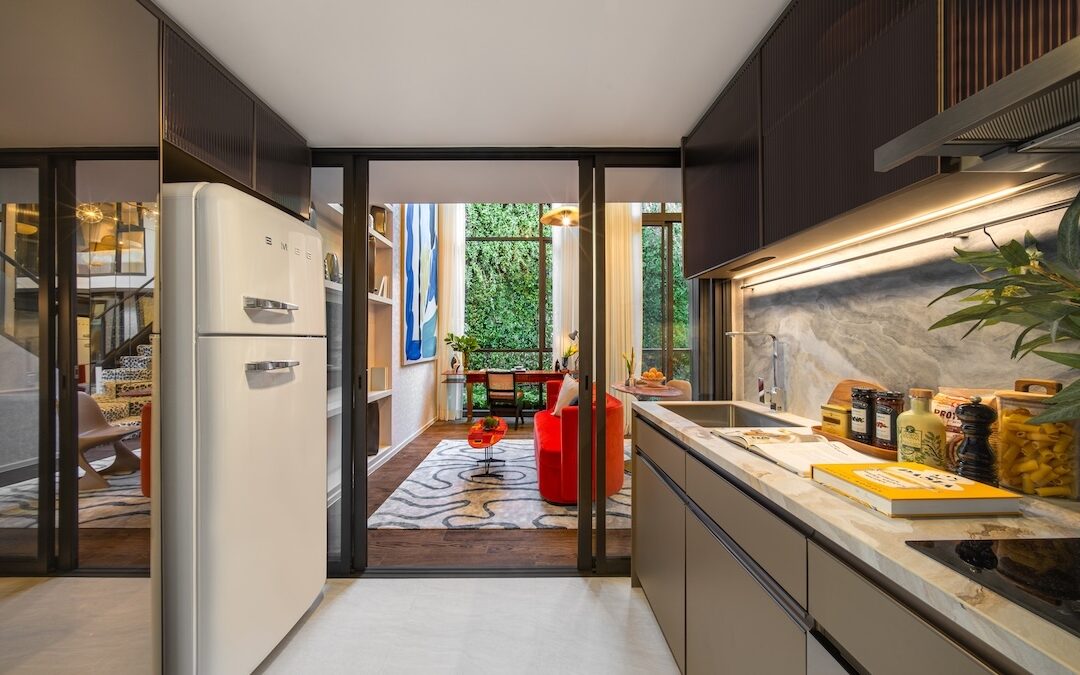
A Langsuan address cannot fix a poor unit. Buyers should assess ceiling height, natural light, storage, bedroom privacy, kitchen usefulness, bathroom quality, balcony function, air-conditioning, sound control and furniture flexibility. If the unit is intended for rental, the layout should match the target tenant rather than simply photograph well.
Privacy and view also deserve attention. Some units look towards park, city or neighbouring towers. The best view is not only the widest one; it is the view that supports comfort, light and resale without creating excessive heat, noise or privacy issues. Surrounding land and future obstruction risk should be considered before paying a view premium.
Compare Langsuan with nearby luxury districts
Foreign buyers should compare Langsuan with Chit Lom, Ratchadamri, Wireless, Ploenchit, Phrom Phong, Thong Lo, Sathorn and riverside options. Each has a different lifestyle and rental story. Langsuan is compelling when the buyer wants centrality with a quieter residential feel. It may be less compelling for someone who wants the deepest dining scene, direct mall living or the most active expatriate nightlife.
This comparison helps avoid overpaying for prestige. If a unit is priced above alternatives, the premium should be visible in service, scarcity, privacy, park access, building reputation or long-term resale appeal.
Owner-occupier and investor fit
Owner-occupiers should ask whether Langsuan matches the way they actually use Bangkok. The area can work beautifully for park walks, hotel dining, central errands and quieter evenings, but it may feel too restrained for buyers who want constant street energy outside the door. Lifestyle fit should be tested over a full day, not only during a polished viewing.
Investors should think about the future tenant’s reason for choosing Langsuan. A premium tenant may value privacy, service, park access, hospital access and a calm central address. If the unit does not deliver those benefits clearly, it may compete poorly with larger or livelier alternatives nearby.
Investor checklist
Walk to BTS stations, Lumpini Park and daily retail in normal weather.
Assess drop-off, parking, lift capacity and visitor handling.
Compare service quality with other luxury buildings nearby.
Check view, privacy, heat and future obstruction risk.
Match unit size and layout to a realistic tenant or resale buyer.
Benchmark against Chit Lom, Wireless, Ploenchit and Phrom Phong alternatives.
Buyer takeaway
Langsuan luxury condos can offer foreign buyers a refined central Bangkok base with park access, prestige and practical city reach. The right purchase should still stand up to disciplined checks on route, service, layout, privacy and exit audience. Buy the building and daily routine, not only the address.
IBP can help foreign buyers compare Langsuan with other premium Bangkok districts. Browse our district guides or contact IBP Real Estate for a luxury condo shortlist.
Thong Lo BTS is one of Bangkok’s most recognisable luxury condo addresses, but foreign buyers should still treat it as a district that needs careful comparison. The name carries strong lifestyle value. The best purchases come from understanding the exact station route, side-street depth, building quality, service level, tenant profile and resale audience.
Thong Lo buyers should compare station access, side-street depth and neighbourhood rhythm, not only the address.
Thong Lo can suit owner-occupiers who want dining, cafes, private clubs, wellness, Japanese and international services, boutique retail and quick Sukhumvit access. It can also suit investors who understand premium tenant expectations. It is less suitable for buyers who only want the cheapest entry price or who assume that any Thong Lo address will be liquid at exit.
Why Thong Lo remains attractive
Thong Lo’s strength is lifestyle density. Residents can reach restaurants, coffee shops, bars, supermarkets, clinics, salons, fitness studios, hotels, international services and nearby Ekkamai or Phrom Phong without leaving the wider Sukhumvit rhythm. The district is easy for many foreign tenants and buyers to understand because it already has an established premium reputation.
The BTS station gives the area a clear transport anchor, while Soi 55 and surrounding side streets create a deeper lifestyle market. That combination helps Thong Lo stand apart from purely rail-led districts. Buyers are paying for both access and the neighbourhood ecosystem.
Soi 55 visibility can help a building, but the exact walk, traffic pattern and arrival sequence still matter.
Station access is not the same for every building
A building can be in Thong Lo but still have a very different daily experience. Some projects are close to the BTS station. Others sit deeper inside Soi Thong Lo or on side sois where residents rely more on shuttle service, motorcycle taxis, private cars or ride-hailing. The address may be premium, but the route determines everyday comfort.
Foreign buyers should walk the route in heat, rain and evening traffic. Check pavements, crossings, lighting, drainage, taxi pickup and how a resident would return after dinner or shopping. If a building depends on a shuttle, ask about frequency, hours, pickup point and whether the service is controlled by the building or a third party.
Luxury means service, not only finishes
Thong Lo has many projects with attractive lobbies, branded furniture and dramatic amenity photography. Luxury buyers should look beyond the first impression. Check staff responsiveness, parcel handling, lift speed, guest control, maintenance quality, pool and gym upkeep, car access, privacy and how residents use the common areas.
For rental investors, service consistency matters because premium tenants expect problems to be solved quickly. A beautiful lobby will not protect the rent if the air-conditioning, lifts, parking or juristic communication are weak. Luxury is partly the absence of daily friction.
Luxury common areas should be judged by service, upkeep, resident profile and long-term management discipline.
Tenant profile and unit size
Thong Lo can appeal to expatriate executives, entrepreneurs, couples, Japanese and regional tenants, lifestyle-led owner-occupiers and people who want a Bangkok base with strong dining and services. But tenant depth depends on price, unit size and building reputation. A compact unit needs to compete with many alternatives. A larger unit needs a buyer or tenant willing to pay for space in a premium district.
Investors should check whether the unit’s layout matches the expected tenant. Storage, kitchen usefulness, work-from-home space, bathroom quality, balcony usability and noise control matter. A high rent expectation is easier to defend when the unit solves practical daily needs as well as lifestyle aspirations.
Compare with Ekkamai and Phrom Phong
Thong Lo should not be assessed in isolation. Ekkamai may offer a slightly different residential feel and sometimes a more practical price conversation. Phrom Phong has major malls, parks, Japanese services and strong international recognition. Chit Lom, Langsuan, Asoke and Ari may also compete depending on the buyer’s routine.
The right comparison prevents overpaying for the name. If a Thong Lo unit is priced well above nearby alternatives, the premium should be visible in station access, building quality, service, privacy, view, floor plan or tenant evidence. If the premium is only a fashionable address, the buyer should be cautious.
Resale discipline
Thong Lo’s resale appeal is real, but it is selective. Future buyers will compare building age, common fees, maintenance, unit condition, parking, competition and the number of similar units on the market. A dated unit in a tired building can struggle even in a famous district. A well-kept unit in a respected building can be easier to explain.
Foreign buyers should also think about exit audience. Is the likely future buyer an owner-occupier, a landlord, a Thai family, a regional investor or another foreign buyer? The clearer the audience, the easier it is to judge whether the current asking price is sensible.
Buyer checklist
Walk the real route to Thong Lo BTS and key daily services.
Test evening traffic, ride-hailing access and shuttle reliability.
Compare service quality, lift performance and common-area maintenance.
Match unit size and layout to a realistic premium tenant profile.
Benchmark against Ekkamai, Phrom Phong, Asoke and Langsuan alternatives.
Review resale competition before paying for the address premium.
Buyer takeaway
Thong Lo BTS luxury condos can be compelling for foreign buyers who value lifestyle, service and central Sukhumvit recognition. The district rewards selectivity. Buy the specific building, route, layout and management standard, not just the name. A disciplined Thong Lo purchase should still make sense when compared with nearby premium alternatives.
IBP can help foreign buyers compare Thong Lo with Ekkamai, Phrom Phong and other luxury Bangkok districts. Browse our district guides or contact IBP Real Estate for a tailored shortlist.
National Stadium BTS sits at the edge of Siam, Bangkok’s best-known retail and culture cluster. For foreign condo buyers, the area is not a typical residential district in the way Ari, Ekkamai or Phrom Phong might be. Its appeal is centrality: quick access to Siam, shopping, hotels, universities, museums, art venues, offices and multiple rail connections.
National Stadium buyers should test the walk between Siam, culture venues, transport and the exact building.
That centrality can make National Stadium useful for owner-occupiers who want a Bangkok base and investors who understand niche demand. It can also create traps. Some units feel more like city pied-a-terre stock than long-stay homes. Some buildings rely heavily on the Siam location story while offering limited privacy, storage, parking or neighbourhood calm. Buyers need to inspect the exact building, not only the station name.
Why foreign buyers consider National Stadium
The core advantage is simple: National Stadium is one BTS stop from Siam and close to one of Bangkok’s densest lifestyle zones. Residents can reach malls, restaurants, cinemas, art venues, hotels, language schools, universities and offices without depending on long road journeys. For a foreign buyer who visits Bangkok several times a year, that can be highly convenient.
The area also connects quickly to Ratchathewi, Phaya Thai, Chit Lom, Silom through interchange, and the wider Sukhumvit line. This makes it easier to explain to visitors and tenants who already know Siam as a reference point. A buyer who values culture, retail and short urban trips may find the location easier to use than a quieter suburb with larger units.
BTS access is most useful when the door-to-platform route stays practical in heat, rain and evening traffic.
Walk the real route
Do not judge the area from a map alone. Walk from the building to National Stadium BTS, Siam, Ratchathewi and nearby daily services. Check crossings, pavements, shade, crowding, lighting, rain exposure and traffic noise. Some routes are easy during the day and less comfortable late at night. Others are convenient for a single resident but awkward for families, older residents or people carrying luggage.
Buyers should also test taxi and ride-hailing access. Central Bangkok can be busy around shopping hours, events, school times and rain. A building with a sensible drop-off point, clear lobby and responsive security can feel much better than a building where every arrival becomes a traffic negotiation.
Understand the unit stock
National Stadium and the surrounding Siam-Ratchathewi area include a mix of older condominiums, newer high-rise projects, compact investor units and larger units aimed at central-city living. Investors should not assume all stock has the same audience. A compact one-bedroom may suit students, young professionals, short-term city users or a personal Bangkok base. A larger unit needs stronger proof of tenant depth and resale demand.
Compare floor plans carefully. Central units can be expensive on a total-ticket basis even when they are small. Storage, kitchen usefulness, washer space, work-from-home practicality, natural light and noise control matter. A unit that is pleasant for a three-day stay may be frustrating for a one-year lease.
Cultural access is part of the central Bangkok lifestyle story, but investors still need unit-level discipline.
Culture and retail are real lifestyle advantages
The area has a lifestyle story that many foreign buyers understand quickly. Siam’s retail cluster, art venues, museums, cinemas, hotels and restaurants can make the neighbourhood feel connected to Bangkok’s modern cultural life. This matters for owner-occupiers who want a base that is easy to enjoy immediately.
For landlords, lifestyle access can help marketing, but it should not replace rent evidence. Tenants may like Siam access, yet still choose another district if the unit is too small, noisy, expensive or difficult to reach with luggage and daily errands. Lifestyle is an advantage only when the building and price support it.
Building-level checks
Central locations can hide building weaknesses because the district story is strong. Buyers should inspect lift waiting times, corridor condition, lobby management, parcel handling, parking, visitor access, pool and gym quality, fire exits, security and juristic-person communication. If the building has many transient users, ask how that affects residents and common areas.
Noise should be checked in person. Traffic, events, schools, retail deliveries, construction and rail activity can all affect comfort. Higher floors are not automatically quiet. Visit at different times if possible and stand in the unit without sales conversation for several minutes.
Investment and resale logic
National Stadium’s resale story is based on scarcity of central convenience, not broad mass-market affordability. That means entry price discipline is important. Buyers should compare similar units around Siam, Ratchathewi, Phaya Thai, Chit Lom and Sam Yan rather than relying on one building’s asking prices.
For rental investors, ask who the tenant is likely to be and why they would choose this area over Sukhumvit, Silom, Ari or Rama 9. A clear answer may include Siam retail work, university access, a city base, car-free lifestyle or frequent travel across central Bangkok. If the tenant story is vague, the investment case is weak.
Buyer checklist
Walk the route to National Stadium BTS, Siam and daily services.
Check whether the unit works for long-stay living, not only short visits.
Test noise, privacy, lift use and lobby access at busy times.
Compare with Ratchathewi, Phaya Thai, Chit Lom and Sam Yan alternatives.
Review building rules on short stays, visitors, deliveries and parking.
Model rent and resale with conservative assumptions.
Buyer takeaway
National Stadium BTS can be a strong Bangkok base for buyers who value Siam access, culture, retail and rail convenience. It is not a district to buy casually. Foreign buyers should test the walking route, unit practicality, building management and tenant profile before paying for the central location premium.
IBP can help foreign buyers compare National Stadium with Ratchathewi, Siam, Chit Lom and other central districts. Browse our district guides or contact IBP Real Estate for a neighbourhood shortlist.
ONE89 Wireless is one of the clearest examples of how Bangkok’s premium condominium market is moving beyond a stand-alone tower story. It sits within One Bangkok, a large mixed-use district on Wireless Road, and is presented by the developer as part of a residential collection connected to offices, retail, hospitality, public space, culture and views towards Lumphini Park.
ONE89 Wireless is positioned around One Bangkok’s central mixed-use setting and Lumphini Park outlook.
For foreign buyers, that setting is the main point of interest. The question is not simply whether ONE89 Wireless looks luxurious. The more useful question is whether its location, ownership structure, amenity promise, mixed-use environment and resale audience fit the buyer’s long-term plan.
What the official project positioning says
One Bangkok’s residences page describes its residential offering as being in the heart of Bangkok with views of Lumphini Park and the city skyline. It lists ONE89 Wireless alongside EI8HTEEN SEVEN as part of the residence collection. The ONE89 Wireless page says the tower is designed by Skidmore, Owings & Merrill and will house 90 bespoke condominium residences with a focus on holistic quality of living and sustainable standards.
Those official points shape the buyer analysis. A low-density luxury tower within a major mixed-use district has a different appeal from a conventional high-rise on a side street. It may attract buyers who value address, architecture, services, park outlook, privacy and long-term district infrastructure more than maximum space per baht.
High-end amenities still need to be judged by usability, privacy, management and long-term maintenance.
Why mixed-use context matters
One Bangkok’s wider district gives ONE89 Wireless a strong context. Residents are not only buying a private unit. They are buying access to a planned urban environment with retail, hospitality, workplace, culture, green space and transport connections nearby. This can be valuable for owner-occupiers who want daily convenience without relying on long car journeys.
For investors, mixed-use context can help explain the property to a future tenant or resale buyer. A buyer can point to the surrounding district, park access and premium address rather than relying only on unit finishes. That does not remove investment risk, but it can make the asset easier to understand.
Check the ownership and leasehold details
Premium presentation should not distract from legal and commercial structure. Foreign buyers need to understand whether the interest being purchased is freehold or leasehold, the term, renewal assumptions, registration process, ongoing charges, transfer rules, foreign quota treatment where relevant, and the documentation required at the Land Office. These details should be checked with the developer, buyer’s lawyer and bank before any commitment.
This is especially important for high-value purchases because small wording differences can have large financial consequences. A buyer should not rely on brochure language alone. Ask for the contract pack, public disclosures, fee schedule, sinking fund details, management structure and any restrictions on resale or leasing.
Foreign buyers should connect the project’s design story with ownership structure, liquidity and exit audience.
Amenities should be judged by use, not render quality
ONE89 Wireless is visually positioned around high-end living, but serious buyers should ask practical questions. How private are the amenities? How many residences share them? What are the opening hours and guest rules? How will facilities be maintained? What services are included and what costs extra? How easy is it to move from the unit to retail, transport, parking, drop-off and delivery areas?
Luxury amenities create value only when they are well managed and actually used. A pool, lounge or wellness area can strengthen daily life and resale appeal, but it also needs staffing, maintenance and clear resident rules. Foreign buyers should ask how the juristic or management structure protects the experience over time.
Who is the likely buyer audience?
The likely audience for ONE89 Wireless is narrower than the audience for an ordinary central condo. It may include ultra-prime Thai buyers, internationally mobile families, regional executives, long-stay foreign owners, buyers who want park outlook and buyers who value a landmark mixed-use address. That can support prestige, but it also means liquidity depends on a smaller pool of qualified buyers.
Investors should be realistic. A premium asset may not rent or resell quickly if priced above the audience’s expectations. The unit needs a clear story: view, floor, layout, privacy, furnishing, services and ownership clarity. Without that, a famous address alone may not be enough.
Location strengths to test
Walking route to Lumphini Park, MRT access, retail and daily services.
Taxi, private-car and ride-hailing flow at peak times.
Privacy from nearby towers and future district activity.
Noise, heat and view durability from the exact unit stack.
Ease of explaining the address to future tenants or buyers.
Questions for foreign buyers
Does the contract structure match your intended holding period?
Are all recurring fees and service charges clear?
Is the unit suitable for personal use, investment, or both?
How does resale depth compare with other ultra-prime Bangkok options?
Would you still choose the unit without the broader One Bangkok story?
Buyer takeaway
ONE89 Wireless is a useful case study in Bangkok’s move towards district-led luxury living. Its appeal comes from the combination of a prime Wireless Road setting, One Bangkok’s mixed-use environment, park outlook, architecture and limited-residence positioning. Foreign buyers should match that appeal with careful checks on ownership structure, fees, unit fundamentals and resale audience.
IBP can help foreign buyers compare Bangkok luxury residences, branded living concepts and mixed-use districts with a practical investment lens. Explore our project reviews or contact IBP Real Estate for a confidential buyer brief.
Victory Monument is a transport-led Bangkok district that deserves a different kind of buyer analysis from the city’s polished luxury addresses. It is central, busy and highly connected, with BTS access, road links, buses, vans, hospitals, offices, schools, food streets and everyday services all competing for space around a major city node.
Victory Monument buyers should test the exact street route between transport, daily services and the building.
For foreign buyers, the attraction is practical access rather than resort-style calm. A Victory Monument condo can work for residents who want quick movement across Bangkok and for landlords targeting tenants who value convenience over a curated neighbourhood image. The risk is that convenience can be uneven. Traffic, walking routes, building age, noise and daily crowd flow need to be tested building by building.
Why Victory Monument deserves a careful look
Victory Monument BTS sits on the Sukhumvit Line, giving residents a direct rail route towards Phaya Thai, Siam, Chit Lom, Asok, Mo Chit and other central destinations. The area is also known as a road and public-transport hub, which can help residents who combine rail, taxi, bus, van and motorcycle-taxi trips during a normal week.
That mix can suit buyers who do not want to depend on one lifestyle corridor. A resident can reach central shopping, schools, hospitals, offices, government areas, local food streets and interchange points without living in the most expensive inner-city pockets. For investors, the question is whether a specific unit converts that access into a clean rental story.
Rail access gives Victory Monument a simple city-wide story, but the full daily route still matters.
Test the walking route carefully
The station name is only the start. Buyers should walk from the BTS platform to the building lobby at normal commute times, after dark and after rain if possible. Check pavements, crossings, shade, lighting, traffic, construction, motorcycle-taxi reliance and the final approach to the building. A project may look close on a map but feel less convenient when the road crossing or last stretch is awkward.
For rental units, the walk matters because tenants compare convenience quickly. If a tenant must cross difficult roads, pass a congested section or rely on a motorcycle taxi for a short trip, rent expectations should be more conservative. If the route is clear, safe and easy to explain, the unit becomes easier to market to office workers, students, medical visitors and long-stay residents.
Compare Victory Monument with nearby choices
Victory Monument should be benchmarked against Phaya Thai, Ari, Ratchathewi, Sanam Pao, Siam and selected Sukhumvit alternatives. Each area tells a different story. Phaya Thai has stronger airport-link and interchange appeal. Ari offers more neighbourhood charm and cafe-led living. Ratchathewi sits closer to Siam. Sanam Pao can feel quieter. Victory Monument is more transport-intensive and everyday-service focused.
This comparison helps prevent overpayment. A buyer should ask why a tenant or future purchaser would choose the exact Victory Monument unit over those nearby alternatives. The answer might be lower total ticket, better room size, stronger transport flexibility, hospital proximity, practical food options, good management or a layout that works better for daily life.
Building age, management and unit practicality separate good Victory Monument options from generic central claims.
Building age and management matter
Victory Monument has a mix of older condominium stock, compact investment units and buildings serving people who need central access at a disciplined budget. Older buildings may offer useful room sizes or central positions, but buyers should inspect lifts, corridors, facade, lobby control, parking, water systems, common areas and juristic communication. Newer buildings can be more polished, but they may also contain many similar units competing for the same tenants.
The best purchase is not always the newest building. It is the unit with a clear user profile, sensible management, practical access and a price that leaves room for normal rental and resale friction. A foreign buyer should review competing listings before assuming transport access alone will carry the investment.
Tenant and resale profile
Potential tenants may include young professionals, hospital-related visitors, students, office workers, government-area commuters, couples and long-stay residents who want a practical central base. That breadth is useful, but each unit type still needs a specific audience. A compact one-bedroom should be efficient and easy to furnish. A larger unit needs a clearer reason to choose Victory Monument over family-oriented districts or more premium addresses.
For resale, the story should be simple: BTS access, transport flexibility, everyday services, good building condition and a unit that remains usable. If the story depends only on saying central Bangkok, the future buyer may compare more aggressively on price. Strong resale logic usually comes from a specific unit that is easy to photograph, easy to reach and easy to explain.
When the district may not fit
Victory Monument is not the right answer for every foreign buyer. Someone seeking quiet resort-style facilities, river views, embassy-quarter prestige or a purely walkable cafe district may prefer another area. Families may need to weigh school routes, pavements, traffic and noise more heavily. Retirees may prefer a calmer neighbourhood unless the building has excellent access and support services.
This does not weaken the district’s case. It clarifies it. Victory Monument works best when the buyer values transport, centrality, practical services and a purchase price that reflects the area’s busy character. It works less well when the buyer is paying for a lifestyle image the district does not naturally provide.
Buyer checklist
Walk from BTS Victory Monument to the lobby in normal conditions.
Compare the unit with Phaya Thai, Ari, Ratchathewi, Sanam Pao and Siam alternatives.
Check lift capacity, common-area condition and juristic office responsiveness.
Review how many similar units are listed in the same building.
Match unit size and furnishing to a realistic tenant profile.
Test whether traffic, road crossings or noise change the daily living appeal.
Ask whether resale would be easy to explain in one clear sentence.
Buyer takeaway
Victory Monument can be a practical central BTS choice for foreign buyers who value transport, everyday services and price discipline. It is strongest when the building is well managed, the walking route is honest and the unit has a clear tenant or resale audience. Buy the specific unit and route, not only the transport-hub label.
IBP can help foreign buyers compare Victory Monument with Phaya Thai, Ari, Ratchathewi, Siam and Sukhumvit alternatives. Browse our district guides or contact IBP Real Estate for a Bangkok shortlist.
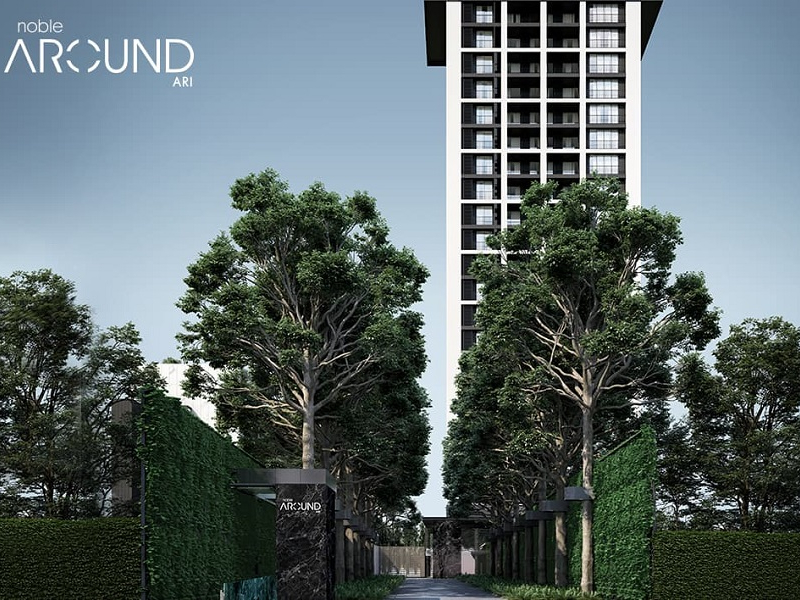
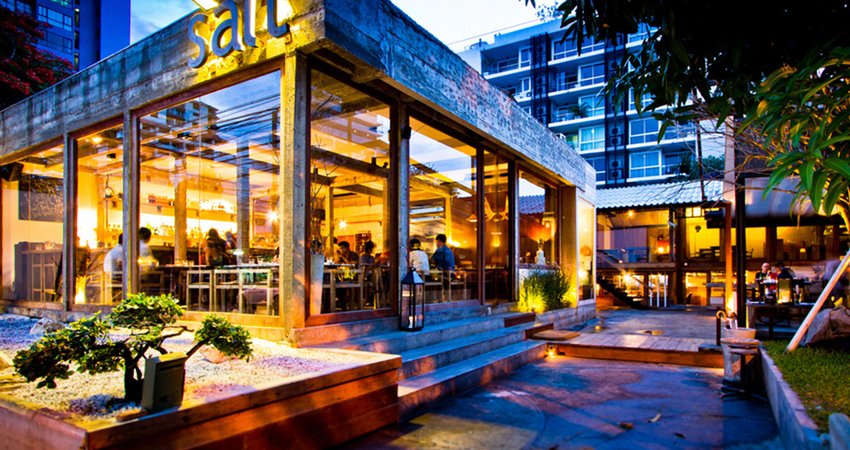
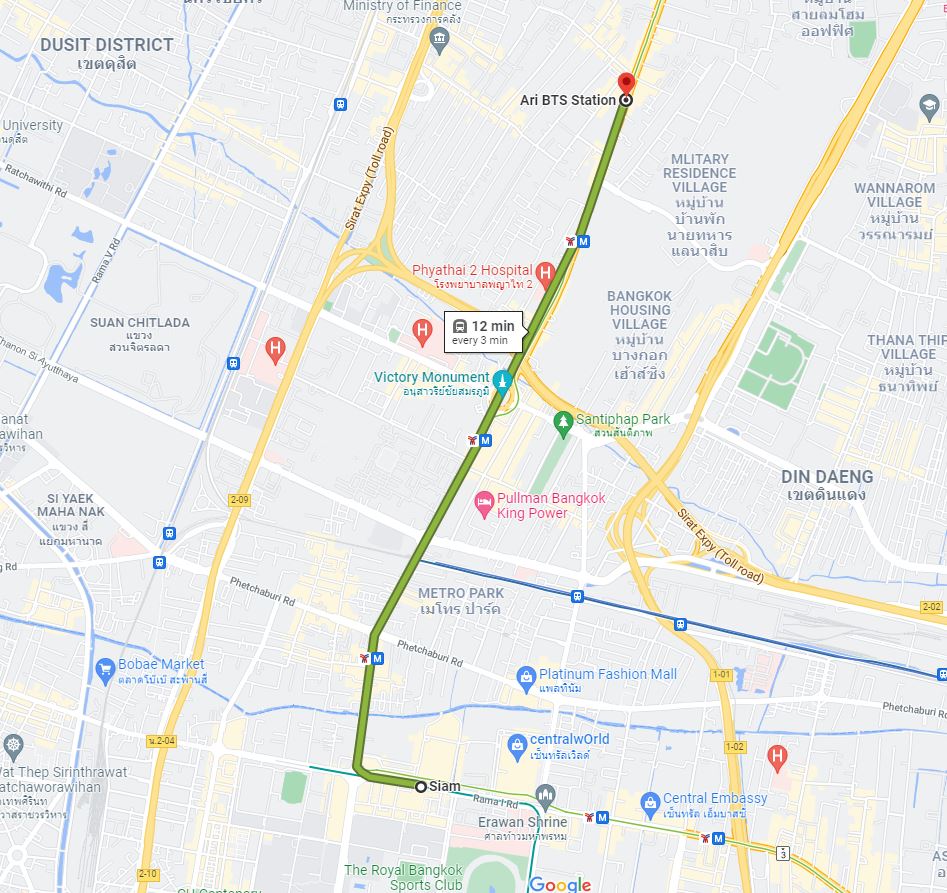
Ari BTS has long appealed to Bangkok residents who want a neighbourhood feel without leaving the central rail network. For foreign buyers, the district offers an interesting mix of cafes, local restaurants, offices, older residential streets, newer condominiums and fast access to Phaya Thai, Siam, Chatuchak and the north of the city.
Ari’s appeal is built around neighbourhood character, daily services and easy BTS access.
Ari is not usually bought as a pure trophy address. Its appeal is softer: daily convenience, lifestyle texture, a local professional tenant base and a calmer atmosphere than many prime Sukhumvit areas. That can be attractive, but buyers still need to check building quality, price discipline and exit depth carefully.
Why foreign buyers look at Ari
Ari sits on the BTS Sukhumvit Line, giving residents a simple connection towards Siam, Asok, Phaya Thai, Mo Chit and outer northern districts. This makes it useful for people whose work, school, healthcare or lifestyle routines are spread across several parts of Bangkok rather than concentrated in one expatriate enclave.
The neighbourhood is also known for cafes, casual dining, small offices, leafy side streets and a resident profile that includes Thai professionals, creatives, entrepreneurs and long-stay expatriates. For a landlord, that mix can create demand beyond one narrow foreign tenant group. For an owner-occupier, it can feel more lived-in than some investor-heavy condo zones.
The real walk to Ari BTS should be tested at commuting hours, not judged only by map distance.
Station access still needs a real walk
Ari’s lifestyle appeal can make buyers forgiving about distance. They should still walk the route from the station to the building at the times they would actually use it. Check pavements, shade, crossings, motorcycle-taxi dependence, lighting, rainy-season comfort and how traffic behaves around the soi entrance.
A building slightly further from BTS can work if the route is pleasant and the rent or purchase price reflects the distance. A building advertised as close to Ari may be less convenient if the actual route is awkward. Foreign buyers should judge the daily journey, not only the station name.
Building age and management matter
Ari has a mix of older condominiums, boutique projects and newer towers in the wider Phahon Yothin corridor. Older buildings can offer larger rooms or a quieter feel, but buyers need to check lifts, plumbing, facade condition, common areas, parking, juristic office responsiveness and future repair risk. Newer buildings may offer better amenities but can have smaller layouts or more competition.
Do not assume a charming neighbourhood will compensate for weak management. Tenants and future buyers still notice slow repairs, tired lobbies, poor security or unclear rules. Ari’s strongest purchases usually combine neighbourhood appeal with a building that feels reliable.
Ari buyers should compare building age, management and unit scarcity before paying a lifestyle premium.
Tenant profile and rent logic
Ari tenants may include Thai professionals, digital workers, consultants, NGO staff, embassy-linked residents, small-business owners and foreigners who prefer a less conventional Bangkok base. This can be positive, but investors should still ask what rent level that audience will realistically accept.
Compact one-bedroom units need efficient planning and good natural light. Larger units need a clear audience, such as couples, small families or work-from-home residents who value space and neighbourhood comfort. If the rent approaches more central alternatives, the unit must explain why Ari is the better choice.
Compare Ari with nearby alternatives
Ari should be compared with Saphan Khwai, Sanam Pao, Phaya Thai, Victory Monument and parts of Chatuchak depending on budget. Each area offers a different balance of rail convenience, lifestyle, building stock and price. A buyer should ask why a tenant or future purchaser would choose Ari over those options.
The answer may be food, atmosphere, access, building quality, quieter streets or a better room for the budget. If the answer is only that Ari is fashionable, the buyer should be cautious. Fashion can help interest, but it does not replace fundamentals.
Owner-occupiers and landlords may value Ari differently
An owner-occupier may accept a quieter soi, an older building or a larger room if the daily routine feels right. A landlord needs a sharper tenant story. The unit should be easy to describe in a listing: comfortable BTS access, a realistic rent, useful layout, good management and neighbourhood services that make weekday life simple.
This distinction matters when paying for charm. Personal affection for Ari can justify some trade-offs for a resident, but an investor should still ask how the next tenant or buyer will compare the unit against newer stock elsewhere on the BTS line.
What to inspect before buying
Walk to Ari BTS during commuting, evening and rainy conditions.
Check nearby cafes, restaurants, groceries, clinics and daily services.
Compare building age, lift capacity, security and juristic management.
Review competing units in Ari, Sanam Pao, Saphan Khwai and Phaya Thai.
Match the unit size to a real tenant or owner-occupier profile.
Test whether the price remains defensible without a lifestyle premium.
Buyer takeaway
Ari BTS can be a strong choice for foreign buyers who want Bangkok rail access with neighbourhood character. It works best when the buyer chooses the building as carefully as the district. Pay for usable layout, reliable management, a realistic tenant profile and a daily routine that genuinely fits Ari’s appeal.
IBP helps foreign buyers compare Ari with nearby BTS districts and other lifestyle-led neighbourhoods. Browse our district guides or contact IBP Real Estate for a district shortlist.
Udom Suk BTS sits in an upper Sukhumvit zone that can make sense for foreign buyers who want rail access, more practical pricing than prime Sukhumvit and a neighbourhood that still connects to Bang Na, Punnawithi, On Nut, Ekkamai and the wider eastern corridor. It is not a trophy address, and that is partly the point.
Udom Suk gives buyers an upper Sukhumvit alternative that needs careful route and building checks.
The district rewards buyers who are clear about daily routine. A good Udom Suk condo can offer useful BTS access, local food, community services, offices, schools, hospitals and expressway connections nearby. A weak choice can feel too far from the station, too dependent on motorcycles or too ordinary when compared with newer buildings in neighbouring districts.
Why buyers consider Udom Suk
Udom Suk appeals to buyers looking beyond the most expensive central stations. It can suit residents who want Sukhumvit access without paying a Phrom Phong or Thong Lo premium. It can also work for tenants whose lives connect eastwards towards Bang Na, BITEC, international schools, industrial estates, airport routes or workplaces outside the traditional central business district.
For investors, the district’s appeal is practical rather than glamorous. The target tenant may care about a clean building, realistic rent, efficient layout, BTS access and easy daily services. That can be a healthy investment story, provided the entry price and rental assumptions are conservative.
The right building can matter more than the station name when buyers compare upper Sukhumvit choices.
Station access needs a real walk
As with many Bangkok districts, the station name does not tell the whole story. Buyers should walk from the BTS to the building in daytime, evening and rainy conditions if possible. Check pavements, crossings, shade, lighting, motorcycle-taxi dependence, traffic at the soi entrance and whether the route feels comfortable for the intended resident.
A building that is slightly further away can still work if it has a reliable shuttle, good drop-off point, strong management and a sensible rent. A building advertised as close to the station may disappoint if the actual walk is unpleasant or the entrance is awkward. The real journey matters more than the brochure distance.
Compare nearby alternatives
Udom Suk should be compared with On Nut, Bang Na, Punnawithi, Bearing and parts of Ekkamai or Phra Khanong depending on budget. Each area has a different balance of rent, convenience, building age, retail access and tenant depth. A buyer should ask why a tenant would choose Udom Suk over those alternatives at the same rent.
Competition is important. If many similar one-bedroom units are available nearby, the target unit needs a clear advantage. That might be a better layout, lower total cost, superior management, easier BTS route, quieter position, stronger common areas or a furnishing package that suits long-stay tenants.
Daily services, retail access and last-mile travel shape how convenient Udom Suk feels in practice.
Daily services and neighbourhood comfort
Udom Suk is strongest when the buyer values everyday convenience. Look for grocery access, pharmacies, cafes, local restaurants, clinics, laundry, parcel handling, fitness options and quick links to larger retail centres. These details shape whether a tenant renews or an owner-occupier feels settled after the first few months.
Foreign buyers should also test night-time atmosphere. Some streets feel active and local; others are quieter and more residential. Neither is automatically better. The correct choice depends on whether the buyer wants a practical rental unit, a family base, a work-from-home apartment or a lower-key Sukhumvit home.
Building quality matters more outside prime locations
In a less trophy-led district, building quality becomes especially important. Buyers should inspect lift capacity, lobby control, parking, juristic office responsiveness, common-area condition, pool and gym maintenance, waste management, security and the quality of tenant communication. A well-run building can outperform a better-known address that feels tired.
Unit layout also deserves attention. Efficient one-bedroom units may lease well if the rent is realistic. Larger units need a clear audience, such as couples, small families, remote workers or buyers who value more space than central Sukhumvit provides. Do not pay for extra area unless the layout makes that area useful.
Owner-occupiers and landlords may choose differently
An owner-occupier may accept a quieter soi, larger room or lower-rise feel if it suits their personal routine. A landlord usually needs a sharper explanation for tenants who compare several BTS stations in one search. The same unit can therefore be sensible for one buyer and weak for another.
Before committing, decide whether the unit is primarily for personal use, long-term rental income or a future resale exit. That decision affects how much weight to give to school routes, office access, furnishing, parking, pet rules, shuttle services and building age. Udom Suk works best when the buyer’s purpose is clear.
Buyer checklist
Walk the route to Udom Suk BTS in realistic conditions.
Compare rent and resale competition with On Nut, Punnawithi and Bang Na.
Check whether the building has a real tenant profile, not only a low price.
Inspect management, lifts, security, parking and common areas carefully.
Test access to groceries, clinics, cafes, expressways and larger retail hubs.
Model a conservative exit, especially for generic units in crowded buildings.
Buyer takeaway
Udom Suk BTS can work for foreign buyers who want a practical upper Sukhumvit location with rail access and a value-led story. It is best approached with discipline. Buy the route, building quality, tenant profile and realistic price, not simply the idea of being on Sukhumvit.
IBP can help foreign buyers compare Udom Suk with On Nut, Bang Na, Punnawithi and other rail-led districts. Browse our district guides or contact IBP Real Estate for a neighbourhood shortlist.
Nana BTS is one of Bangkok’s most internationally recognisable Sukhumvit locations. It sits between Phloen Chit and Asoke, with hotels, serviced apartments, restaurants, nightlife, offices, medical access, embassies and rail links all close by. For foreign buyers, that visibility can be useful, but it also means the condo choice needs discipline.
Nana and Sukhumvit 11 need careful checks on access, noise, hotel activity and tenant fit.
The best Nana-area purchases are not simply the nearest units to the station. Buyers should compare street character, lobby control, noise, building age, tenant profile, unit orientation, parking, foot traffic and resale audience. Nana can work for rental investors and owner-occupiers, but the location rewards precise selection rather than generic confidence in central Sukhumvit.
Why foreign buyers consider Nana
Nana offers centrality. Residents can move quickly along the BTS Sukhumvit Line, reach Asoke’s MRT interchange, access Phloen Chit and Chit Lom, and use taxis or ride-hailing for hospitals, embassies, malls and offices. For visitors and new arrivals, the area is easy to understand because it is close to hotels, dining and daily services.
That accessibility can support rental demand from short- and medium-term expatriates, consultants, regional workers and tenants who want a central base without committing to the most family-oriented parts of Sukhumvit. However, demand is not automatic. Tenants will still compare the building, furniture, lift speed, security and street feel.
Side-street position can change the feel of a Nana-area condo as much as the BTS distance.
Street-by-street checks matter
Nana is not one uniform district. Sukhumvit 11, Sukhumvit 8, Sukhumvit 12 and smaller connecting streets can feel very different. Some routes are active late into the evening. Others are quieter or more residential. A buyer should walk the exact route from BTS to lobby during the day, after work and at night, not only during a scheduled viewing.
Check pavements, lighting, noise, traffic, motorcycle-taxi points, hotel entrances, bar frontage, construction and pickup areas. A building that is convenient for one tenant type may feel too busy for another. Matching the route to the target occupier is part of the investment decision.
Noise and privacy need careful testing
Central Sukhumvit can be lively, and Nana is no exception. Buyers should open windows and balcony doors during inspection, listen for road noise, music, generators, nearby venues, construction and elevated rail exposure. Higher floors can help, but they do not solve every sound issue.
Privacy also matters. Some units look toward hotels, serviced apartments, office buildings or neighbouring towers. If residents keep curtains closed most of the time, the unit may feel less spacious than the floor plan suggests. Orientation, window position and distance to adjacent buildings should be checked alongside the view.
Building management, lobby control and unit orientation are central to the Nana investment case.
Building management can decide the outcome
In an active district, building management is especially important. Lobby control, visitor registration, lift security, delivery procedures, parking access and common-area cleanliness all affect resident confidence. A condo can be centrally located but still underperform if the building feels loose, tired or poorly managed.
Investors should ask how the building handles tenants, contractors and visitors. Owner-occupiers should pay attention to the lobby atmosphere and common areas at different times. The more active the neighbourhood, the more the building itself needs to create calm and predictability.
Tenant profile and unit choice
Compact one-bedroom units may appeal to single professionals, consultants and residents who value central transport more than large internal space. Larger units need a clearer story, because families may prefer quieter streets, school access or parks. A two-bedroom Nana unit can work, but only if it solves a real resident need and is priced against nearby alternatives.
Furniture quality is also important. In a district with hotels and serviced apartments nearby, tenants compare convenience and presentation quickly. A tired unit may need to compete on price. A well-kept unit with good storage, practical appliances and a calm outlook can stand out.
Resale positioning
Nana’s resale story is central location, BTS access and international recognition. The risk is that buyers may discount units affected by noise, poor access, weak management or overly busy surroundings. Foreign investors should ask whether the unit would be easy to explain to a future buyer who is comparing Asoke, Phloen Chit, Chit Lom, Ekkamai and Thong Lo.
A strong resale unit should have a defensible building, a tolerable route, a layout that makes sense and a price that reflects both convenience and friction. Paying only for the station name can leave too little margin for the area’s practical trade-offs.
Buyer checklist
Walk the exact BTS-to-lobby route at several times.
Check night-time noise, hotel activity and venue exposure.
Assess lobby control, lift security and visitor procedures.
Match the unit size and furniture level to a realistic tenant profile.
Compare resale logic with Asoke, Phloen Chit and other Sukhumvit options.
Price any convenience premium against the building’s actual strengths.
Buyer takeaway
Nana BTS can be a useful Bangkok condo location for foreign buyers who want central Sukhumvit access and an internationally familiar rental story. The right unit needs more than proximity to the station. It needs a manageable street route, controlled building environment, realistic tenant fit and a clear resale case.
IBP helps foreign buyers compare Bangkok districts by transport, tenant demand, building quality and lifestyle fit. Browse our district guides or contact IBP Real Estate for a Sukhumvit shortlist.
Saphan Khwai is often overlooked by foreign buyers who already know Ari, Phaya Thai, Asoke or central Sukhumvit. That can be a mistake. The district sits on the BTS Sukhumvit Line, close to Ari’s lifestyle appeal, Chatuchak’s green and transport connections, and the practical Phahon Yothin corridor. For the right buyer, it can offer a useful blend of access, local life and value discipline.
Saphan Khwai and Phahon-Pradipat appeal to buyers who want BTS access with a less obvious central-Bangkok profile.
It is not a simple prestige district, and that is part of the point. Saphan Khwai requires careful building selection. Buyers should compare the real walking route, nearby services, unit layout, building age, management quality and resale audience before assuming the area is a cheaper substitute for Ari.
Why foreign buyers consider Saphan Khwai
The main appeal is rail-led convenience with a more local rhythm. Saphan Khwai BTS gives residents access south toward Ari, Phaya Thai, Siam, Chit Lom, Asoke and On Nut, and north toward Mo Chit and the wider northern corridor. For residents who work or study across several Bangkok districts, that can be practical.
The area also benefits from proximity to Chatuchak, Ari, Pradipat, Phahon Yothin, hospitals, local food, offices and weekend destinations. It can suit buyers who want Bangkok life to feel less polished than prime Sukhumvit but still connected enough for work, errands and visitors.
The district sits between Ari, Phahon Yothin, Chatuchak and northern Bangkok transport corridors.
Compare it with Ari, not only on price
Saphan Khwai is often discussed as an Ari-adjacent option. That comparison is useful, but price should not be the only lens. Ari has a stronger lifestyle brand, cafe scene and residential reputation with many expatriates and Thai professionals. Saphan Khwai may offer better value in some buildings, but the buyer needs to ask what they are giving up and what they are gaining.
If the unit is cheaper because the walk is less pleasant, the building is older, the facilities are weaker or the street feels less residential, the discount may be justified. If the building has a good route, efficient layout, calm management and practical services nearby, the value case becomes stronger. The investor should compare total liveability, not only station names.
Walking routes matter
A Saphan Khwai condo can look close to the BTS on a map but feel different in daily use. Buyers should walk from the station to the lobby at commute time, midday and evening if possible. Check crossings, shade, pavement quality, lighting, motorcycle-taxi conflict, food stalls, traffic noise and rainy-season comfort.
This is especially important for tenants. A tenant choosing between Ari, Saphan Khwai, Phaya Thai and Ladprao may accept a slightly less famous district if the route is easy and the rent is sensible. If the walk feels awkward, the unit may need to compete harder on price.
Building age, layout and management quality are especially important where buyers compare several nearby BTS options.
Building age and management can decide the investment
Saphan Khwai has a mix of older and newer condominium stock. Older buildings may offer larger layouts or lower entry prices, but they need careful checks on lifts, common areas, water systems, parking, security, juristic office responsiveness and future maintenance. Newer buildings may photograph better, but they can still face competition if many similar units are available.
Foreign buyers should inspect common areas slowly. Look at corridors, lobby condition, gym and pool maintenance, rubbish rooms, parking flow, staff communication and noticeboards. A building that feels well managed can support both tenant retention and resale confidence. A weak building can make a good location harder to monetise.
Tenant profile and resale audience
The likely tenant audience may include Thai professionals, young expatriates, hospital staff, consultants, students, creative workers and people who want access to Ari or Chatuchak without paying the highest central rents. That is a useful pool, but it is not unlimited. Investors should check active listings and understand what similar units are asking.
For resale, the buyer should be able to explain the property in one sentence. Examples include: a larger unit near BTS, a well-managed building with a practical Ari-adjacent lifestyle, a compact rental unit with a fair rent, or a home base with strong northern and central access. If the explanation is vague, the resale story may be weak.
What to inspect nearby
Daily services are part of the district’s value. Check supermarkets, local markets, pharmacies, clinics, cafes, gyms, laundries, parcel services and ride-hailing pickup points. Visit the area outside office hours. Some streets feel active and useful; others can feel noisy, narrow or less comfortable for walking.
Buyers should also consider weekend movement. Chatuchak and Mo Chit can bring crowds and traffic. That can be positive for lifestyle and retail access, but it may affect taxi times and quiet enjoyment. The right unit should benefit from access without sitting directly in the most disruptive movement pattern.
Buyer checklist
Walk the lobby-to-platform route in realistic conditions.
Compare the unit with Ari, Phaya Thai, Mo Chit and Ladprao alternatives.
Check building age, lifts, parking, security and common-area maintenance.
Test whether the rent assumption is supported by active competing listings.
Inspect noise, traffic, night-time atmosphere and weekend movement.
Choose a unit with a clear tenant and resale explanation.
Buyer takeaway
Saphan Khwai can make sense for foreign buyers who want BTS access, Ari proximity and a less obvious central-north Bangkok location. It rewards careful selection. Buy the route, building management, usable layout and realistic tenant profile, not only the idea of being one stop from Ari.
IBP can help foreign buyers compare Saphan Khwai with Ari, Phaya Thai, Ladprao and other BTS-led districts. Browse our district guides or contact IBP Real Estate for a neighbourhood shortlist.
Asoke is one of Bangkok’s most recognisable central condo districts for foreign buyers. The appeal is easy to understand: MRT and BTS interchange access, office demand, hotels, malls, restaurants, hospitals, international services and fast movement across Sukhumvit, Rama IV, Phetchaburi and Ratchadaphisek.
Asoke’s appeal comes from the overlap of MRT, BTS, offices, hotels, retail and central-city convenience.
That visibility is useful, but it can also make buyers overpay. Asoke is not a single product. A condo beside the interchange, a tower deeper in a soi, a branded residence, an older resale unit and a compact investment unit can all behave differently. Foreign buyers should judge the exact building and route, not only the district name.
Why foreign buyers consider Asoke
Asoke gives residents access to both the BTS Sukhumvit Line and the MRT Blue Line through the Sukhumvit-Asok interchange. That matters for tenants and owner-occupiers who move between Sukhumvit, Silom, Queen Sirikit National Convention Centre, Rama 9, Chatuchak, Bang Sue and central retail districts. Few Bangkok locations are easier to explain to a new arrival.
The district also has a deep weekday economy. Offices, embassies, hotels, serviced apartments, shopping centres, dining, nightlife, medical services and education options all support different types of demand. For landlords, this broad tenant base can be attractive. For owner-occupiers, it can make daily life convenient without needing a car for every errand.
The interchange premium needs discipline
Being near Asok BTS or Sukhumvit MRT can support value, but the premium should be tested. A building with a difficult walk, heavy traffic exposure, awkward pavement, poor drop-off or noisy surroundings may not feel as convenient as a map suggests. Buyers should walk the route from platform to lobby during office hours, evening rush and rainy conditions if possible.
Station access should be tested from the lobby to platform, not judged only by the district name.
Distance is not the only factor. Covered access, safe crossings, shaded pavements, lobby access, motorcycle-taxi reliance, traffic pinch points and lift queues all change the lived experience. A unit slightly farther away but easier to reach may be more comfortable than one that is technically closer but unpleasant to access.
Office demand is real, but tenants are selective
Asoke has strong office and hospitality demand, yet tenants still compare units closely. Rent, furniture, view, noise, building age, facilities, internet readiness, parcel handling and management quality all matter. A generic one-bedroom in a crowded building may need to compete on price if many similar units are available.
Foreign investors should define the target tenant. Is the unit for an expatriate executive, a regional consultant, a single professional, a couple, a hybrid worker or a long-stay visitor? The target audience affects size, furnishing, desk space, storage, kitchen expectations and tolerance for nightlife or traffic noise.
Premium Asoke condo choices still need building, layout and resale checks rather than brand-led assumptions.
Building quality separates similar locations
Asoke buyers should spend as much time inspecting the building as the view. Lift performance, common-area maintenance, lobby management, security, parcel handling, car access, swimming pool, gym and resident mix can make one tower more defensive than another. Older buildings may offer larger layouts, while newer or branded projects may offer sharper services and facilities.
Neither choice is automatically better. A larger older unit can be attractive if the building is well run and priced sensibly. A newer premium unit can be attractive if the entry price still leaves room for realistic rent and resale. The buyer’s job is to compare total cost and future competition, not follow a label.
Noise, privacy and light need real inspections
Asoke is busy. Road noise, rail exposure, nightlife, construction, office towers and hotel activity can all affect comfort. Buyers should inspect at more than one time if possible and should stand quietly with balcony doors open and closed. A strong district does not compensate for a unit that is difficult to live in.
Privacy also matters. Dense central locations can create direct views between towers. Tenants and future buyers may keep curtains closed if the exposure feels too close. This can reduce the practical value of natural light and view.
Resale logic in a famous district
A recognised district can help resale because buyers understand the location quickly. It does not guarantee liquidity. Asoke has many alternatives, and future buyers will compare across Sukhumvit, Phrom Phong, Nana, Phetchaburi, Rama 9 and Silom-Sathorn. The unit needs a clear reason to win.
That reason might be a rare layout, better access, stronger building management, attractive total price, durable view, larger usable area or premium service standard. If the unit’s only story is “Asoke”, the investor should be cautious.
Buyer checklist
Walk the route from BTS and MRT platform to lobby.
Inspect traffic, crossings, shade, rain exposure and night comfort.
Compare similar units in the building and nearby towers.
Check noise, privacy, light and air-conditioning load.
Define the likely tenant or future resale buyer.
Price the interchange premium against realistic alternatives.
Buyer takeaway
Asoke can be a strong Bangkok condo district for foreign buyers who value connectivity, services and a broad tenant base. It rewards precision. Buy the building, walk, layout and resale story, not only the interchange label.
IBP helps foreign buyers compare Asoke with Sukhumvit, Rama 9, Silom-Sathorn and other central Bangkok districts. Browse our district guides or contact IBP Real Estate for a location-led shortlist.
Sam Yan is a compact but important central Bangkok district for foreign buyers who want MRT access, university demand, office links, retail convenience and quick movement between Silom, Sathorn, Siam and Rama IV. It is not a pure luxury address and it is not only a student area. Its appeal comes from how many daily-city uses overlap in a small radius.
Sam Yan decisions should begin with the real station, street and lobby journey.
For investors, Sam Yan can offer a practical tenant story if the building, route and unit size are chosen carefully. For owner-occupiers, it can work as a central base with a more mixed, local and education-led rhythm than some parts of prime Sukhumvit. The correct purchase decision depends on the exact walk, building management and resale audience.
Why foreign buyers look at Sam Yan
Sam Yan sits on the MRT Blue Line and gives residents straightforward rail access towards Silom, Sukhumvit through interchange, Hua Lamphong, Queen Sirikit National Convention Centre and the wider city. It is also close to Chulalongkorn University, Rama IV, Si Phraya, Silom and the broader business corridor. That mix creates demand from several groups rather than one narrow tenant profile.
Buyers may consider Sam Yan when they want centrality but do not need the most internationally recognised Sukhumvit address. The district can appeal to professionals, university-linked residents, medical and education users, office tenants, city workers and owner-occupiers who value access to both commercial and cultural Bangkok.
Sam Yan buyers should compare new-building convenience with long-term layout and management quality.
Station access needs a street-level test
Sam Yan is walkable in parts, but buyers should test the real route. Check the distance from MRT platform to lobby, the quality of pavements, crossings, shade, lighting, traffic and rainy-season shelter. Also consider whether the route feels comfortable at night and whether taxis or ride-hailing cars can stop easily near the building.
A short map distance is not enough. Some routes may be busy, exposed or awkward with luggage. Others may feel more convenient because they connect through retail, covered areas or calmer streets. The strongest condo choice is usually the one where daily movement feels simple, not merely close on paper.
University and office demand are useful, not automatic
Education and office proximity can support rental demand, but investors should not assume every unit will perform well. Tenants still compare rent, layout, furniture, building age, facilities, noise and management. A studio or one-bedroom unit may suit a different audience from a larger unit aimed at couples or owner-occupiers.
Foreign buyers should ask who the unit is really serving. Is it a professional who wants MRT access? A university-linked tenant who values walking convenience? A couple wanting central lifestyle without prime-Sukhumvit pricing? A future owner-occupier who wants proximity to Silom, Sathorn and Siam? Each audience has different expectations.
The district’s appeal comes from rail, education, offices, retail and central-city access working together.
Retail and daily services strengthen the liveability case
Sam Yan’s appeal is not only transport. Daily convenience matters: supermarkets, casual dining, cafes, clinics, gyms, pharmacies, co-working options, cultural venues and quick access to larger shopping districts all support long-stay comfort. A resident who can handle ordinary errands locally is more likely to treat the district as a real home base.
Buyers should still check the immediate surroundings. A building close to retail can be convenient but busy. A quieter side street can feel calmer but may require a longer walk to services. Noise from traffic, schools, nightlife, construction or delivery activity should be inspected at different times.
Building quality matters in a compact district
Because Sam Yan is central and dense, small building differences can matter. Lift performance, lobby management, parcel handling, parking, maintenance, common-area quality and resident mix can affect both tenant retention and resale. Older buildings may offer more space, while newer projects may offer sharper facilities and smaller plans.
Neither age profile is automatically better. The buyer should compare total cost, usable space, furnishing, common fees, repair condition and the number of similar listings. If several comparable units are available, rent and resale assumptions should stay conservative.
Resale audience and exit strategy
Sam Yan’s resale story should be clear before purchase. A future buyer needs to understand why the unit works compared with Silom, Sathorn, Siam, Ratchathewi, Asoke or Rama 9 alternatives. The answer may be MRT access, education proximity, a stronger layout, better price, calmer building, or easier daily services.
If the unit has no clear advantage, it may become one more central condo listing competing on price. Foreign investors should therefore choose units with a defined tenant and resale audience, not only a fashionable district name.
Buyer checklist
Walk from Sam Yan MRT to the lobby at realistic times.
Check traffic, noise, lighting, shade and rainy-season comfort.
Identify the likely tenant or owner-occupier profile.
Compare building management, lifts, facilities and maintenance.
Review nearby competition before accepting rent assumptions.
Test the resale story against Silom, Sathorn, Siam and Rama IV alternatives.
Buyer takeaway
Sam Yan MRT can be a practical central Bangkok condo district for foreign buyers who value rail, education, offices and daily services. It rewards careful inspection. Buy the walking route, building quality, layout and resale logic, not only the central-city label.
IBP helps foreign buyers compare Sam Yan with other MRT and BTS-led Bangkok districts. Browse our district guides or contact IBP Real Estate for a location-led shortlist.