

“Scarce freehold” is one of the most persuasive phrases in Bangkok property marketing. It can describe a genuine investment advantage, but it can also compress several untested assumptions into two words. Foreign buyers should ask what is scarce, who values it and whether the specific unit will remain competitive when it is time to rent or sell.

Freehold tenure alone does not create scarcity. Many condominiums are freehold, and buyers usually compare several locations, buildings and unit types. A defensible scarcity case needs a limited substitute set, durable resident demand, sound building management and a purchase price that does not already overcharge for the story.
Define the claim precisely
Start by rewriting the sales claim in plain language. Is developable land limited within a short walk of a particular BTS or MRT station? Is the building one of few options with a certain unit size, outlook or residential character? Is the wider district tightly supplied, or is only one sales phase nearly sold out?
These are different propositions. A sold-out project may still face many resale competitors. A rare large layout may appeal to families but have a smaller buyer pool. A tightly held central address may be genuinely difficult to reproduce, yet an inefficient unit in that address can still be slow to sell.
Map realistic substitutes
Scarcity should be tested from the future buyer’s perspective. List the buildings and districts that someone with the same budget could reasonably choose. Include resale stock, completed developer inventory, nearby launches and locations one or two rail stops away. Buyers rarely restrict themselves to the boundary used in a brochure.
Compare total ticket size, usable area, station route, building age, common areas, ownership cost and the likely work required after transfer. A project can look unique until the search is widened to include an older but larger building or a newer project with a better daily routine.
Separate land scarcity from product scarcity
Central Bangkok land can be difficult and expensive to assemble, but land scarcity does not automatically make every unit on that land desirable. The building may contain many similar compact units, face weak views or offer layouts that date quickly. The property product still needs its own reason to win.
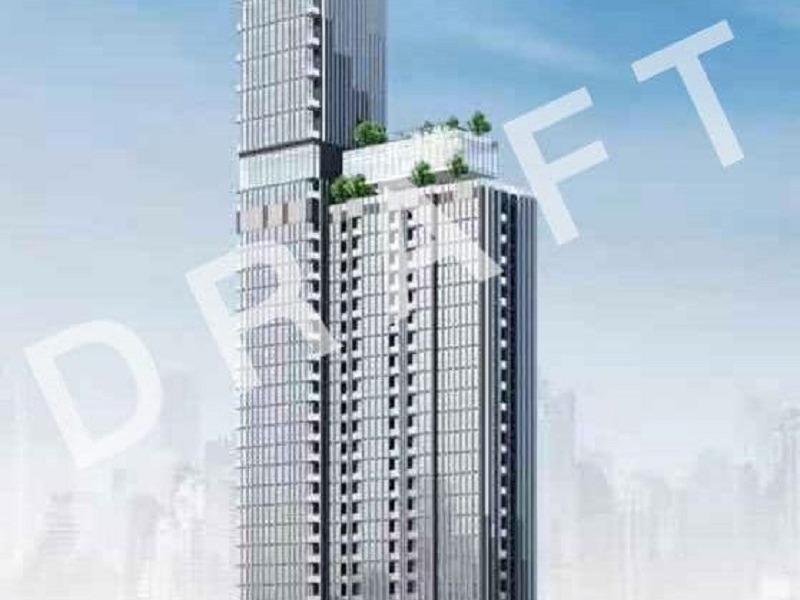
Product scarcity is more specific. It might come from a practical three-bedroom plan, a genuinely protected outlook, unusually low residential density, strong privacy, direct park access or a building quality that has been maintained over time. Each point should be observable and compared with alternatives.
Test whether demand is broad enough
A scarce asset has limited supply, but an investable scarce asset also needs buyers or tenants who care. Define the likely audience: local owner-occupiers, regional families, foreign executives, retirees, professionals or collectors of prime residences. Then ask what that group prioritises and whether the unit meets those priorities without explanation.
For example, a large unit can be rare but expensive to furnish and hold. A high-floor view can be distinctive but exposed to afternoon heat. A boutique building can feel private but have fewer owners sharing major maintenance costs. Scarcity is useful only when the trade-offs remain acceptable to the target market.
Inspect the building’s ability to preserve value
A rare address can lose appeal if the building is poorly managed. Review juristic-person records through suitable professional due diligence, common-fee collection, planned major work, sinking-fund position where relevant, lift and facade condition, security, fire systems and the quality of resident communication.
Buyers should also study the owner mix and resale environment. If many comparable units appear at once, the building can become its own largest competitor. If owners maintain units to very different standards, future buyers may use the weakest listings to negotiate against the strongest.
Do not pay twice for the same story
The most important investment question is price. A property can be genuinely scarce and still be a poor purchase if the asking price assumes flawless future demand. Compare the unit with documented live alternatives and, where available through appropriate advisers, relevant transaction evidence. Adjust for condition, floor, orientation, view, size, furnishing and transfer structure.
Build at least three scenarios: the intended holding case, a slower resale case and a case in which competing supply improves. The unit should not depend on rapid appreciation to cover an aggressive entry price, high ongoing costs or a narrow exit audience.
Check foreign-buyer relevance
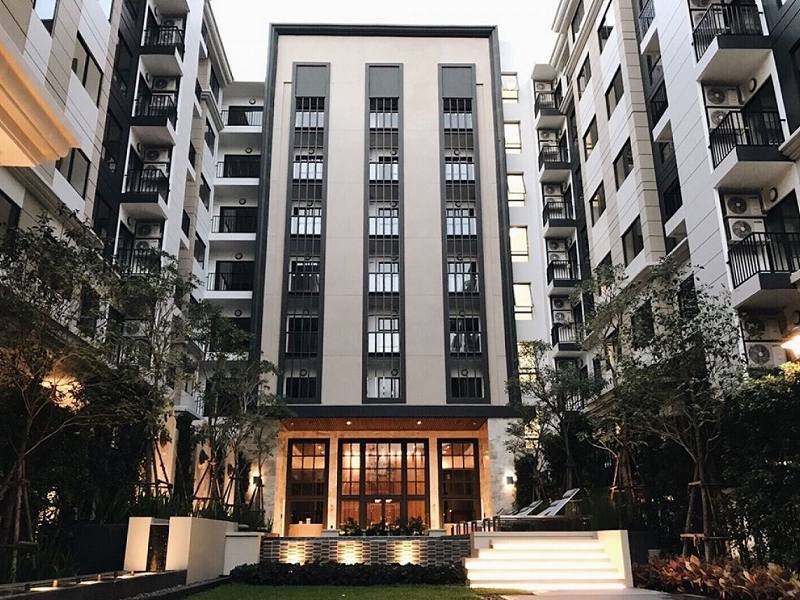
Foreign purchasers also need to confirm that the transaction structure, ownership eligibility, foreign-quota position and fund-transfer evidence suit their circumstances. Marketing language about freehold does not replace legal due diligence on the precise unit and condominium.
Liquidity may differ between local and foreign buyer segments. A future foreign buyer may value English-language records, transparent management, an easy transfer file and a location that can be understood remotely. An owner should preserve those practical strengths throughout the holding period.
A simple scarcity scorecard
- State exactly what is limited and within what geographic boundary.
- List realistic new-build, resale and neighbouring-district substitutes.
- Identify the resident group that values the scarce feature.
- Test building management and future capital-work exposure.
- Compare the unit’s layout, orientation and condition with direct rivals.
- Check whether the entry price already captures an excessive premium.
- Model a slower resale without relying on appreciation.
- Confirm the foreign-ownership and transaction file independently.
Investor takeaway
Bangkok condo freehold scarcity can support value, but only when the scarce feature is precise, useful and difficult to replace. The strongest investment case combines a defensible location, a practical unit, a well-run building, broad enough demand and a price that leaves room for uncertainty.
IBP can help foreign buyers compare central Bangkok opportunities without relying on sales labels alone. Explore our investment analysis and resale strategy guides, or contact IBP Real Estate for a matched-property review.