

Foreign buyers often ask whether a Bangkok condominium is a good investment. A sharper question is whether the unit will be liquid when the owner needs to rent, refinance, hold or sell. Liquidity is not the same as popularity. A fashionable district can still contain slow-moving units, while a quieter building can sell well if pricing, management and buyer audience are clear.
A liquidity scorecard helps turn that question into a disciplined review. It asks whether a future buyer can understand the asset quickly, whether tenants have a real reason to choose it, whether the building file is clean, and whether the price leaves enough room for transfer costs, furnishing, vacancy and negotiation. In a mixed 2026 economy, this matters more than a broad headline about Bangkok.

Why liquidity should come before yield
Yield is useful, but it can be fragile. A projected rent may assume a perfect tenant, no vacancy, no furnishing mistakes and no repair surprises. Liquidity asks a wider set of questions. If the tenant leaves, can the unit be re-let without a long gap? If the owner needs to sell, are there enough buyers for this size, view, age and price point? If financing conditions or local confidence soften, does the unit remain understandable?
Bangkok can be attractive because it combines regional business access, private healthcare, international schools, mass transit, tourism, hospitality and a large condominium culture. Those strengths help the market, but they do not rescue every purchase. A foreign buyer still needs to separate a genuinely liquid unit from one that simply looks attractive during a viewing.
Score the location by routine, not reputation
The first liquidity factor is daily routine. A unit near BTS, MRT, offices, hospitals, schools, supermarkets and restaurants has more possible users than a unit that depends on a single selling point. The test is practical: how would a tenant commute, buy groceries, get to healthcare, receive visitors and use weekends?
District reputation is only the starting point. Sukhumvit, Sathorn, Silom, Rama IV, Riverside, Ari and Ratchathewi all contain stronger and weaker pockets. A project may use a famous district name while sitting on a less convenient route. Walk the route yourself if possible, or ask for a street-level video at rush hour and at night. Liquidity often lives in those small details.
Score the building as a shared business
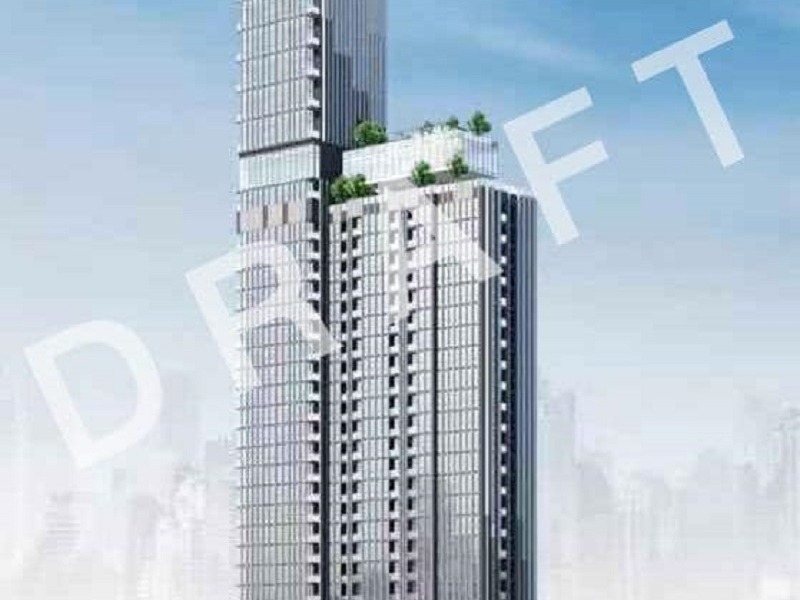
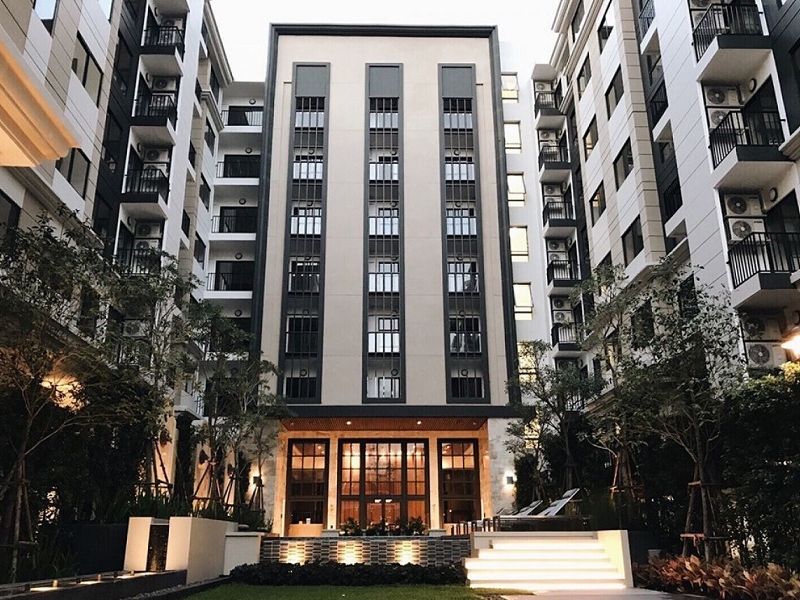
A condominium is a private unit inside a shared financial and management structure. The building needs common fees, staff, security, insurance, repairs, lift maintenance, rules and owner cooperation. A unit can be beautiful while the building story is weak. Future buyers will notice tired corridors, unresolved leakage, poor juristic communication or facilities that no longer match the common-fee level.
Ask how the building collects fees, maintains common areas, manages renovations and communicates with owners. Read recent meeting minutes where available. If the building is older, ask what large capital items are likely: lifts, waterproofing, facade work, piping, pool systems, access control and major repainting. A buyer who understands these issues before deposit has a stronger negotiating position and a clearer holding-cost model.
Score the unit for resale audience
Some units have a wide resale audience. A well-planned one-bedroom near a station may suit an investor, an owner-occupier, a tenant, a second-home buyer or a parent buying for a child. A larger riverfront unit may suit a smaller but wealthier audience that values view and service. Neither is automatically better. The risk appears when price and buyer audience do not match.
Layout is central. Awkward columns, poor storage, dark bedrooms, difficult furniture placement, noisy exposure and unusable balconies can make resale slower. Foreign buyers should compare the exact unit with competing units in the same building and nearby buildings. A discount may be justified if the unit has a structural drawback that future buyers will also see.
A simple buyer scorecard
- Transport: clear access to BTS, MRT, expressway, river pier or a genuine daily destination.
- Tenant depth: at least two realistic tenant groups, not one narrow assumption.
- Resale audience: a future buyer can understand the unit in one viewing.
- Building file: quota, common fees, rules and repair planning are checkable before deposit.
- Price discipline: the purchase allows for transfer costs, furnishing, vacancy and negotiation.
- Exit route: the owner can sell from overseas with good records, photos and market evidence.
Use current conditions as context, not a command
The Bank of Thailand’s current public pages show that official economic and monetary reporting is active through April 2026, with the next policy meeting scheduled later in June. That is useful context because liquidity is shaped by confidence, interest rates, bank lending, consumption, tourism and business activity. It is not a command to buy or wait.
A foreign cash buyer may feel insulated from Thai mortgage conditions, but local buyers, developers and sellers are not. If domestic credit is cautious, resale timing can lengthen. If tourism or corporate demand improves, selected rental markets may feel firmer. The scorecard keeps the buyer focused on unit-level evidence rather than trying to predict every macro movement.
Buyer takeaway
A liquid Bangkok condo is usually easy to explain: strong routine, sensible layout, credible rent, clean building file and a price that leaves room for the next buyer. When those pieces line up, Bangkok’s wider strengths can support the decision. When they do not, a famous address may still become a slow exit.
IBP Real Estate can help foreign buyers compare liquidity, rental demand and resale risk before reserving. Continue with our investment analysis and resale strategy guides for more buyer-side checks.