TAT’s Thailand Tourism Update at TTM+ 2026 is a useful confidence signal for foreign buyers watching Bangkok property. It is not a condominium market report, and it should not be treated as a direct price forecast. Its value is broader: it shows how Thailand is positioning tourism around quality, wellness, events, sustainability and international partnerships.
According to TAT’s 10 June 2026 release, the update was presented at Thailand Travel Mart Plus 2026 in Pattaya, held from 10 to 12 June at the NICE Pattaya Convention and Exhibition Center. TAT said Thailand had welcomed more than 14 million international visitors as of 2 June 2026, generating around 679 billion baht in tourism revenue.
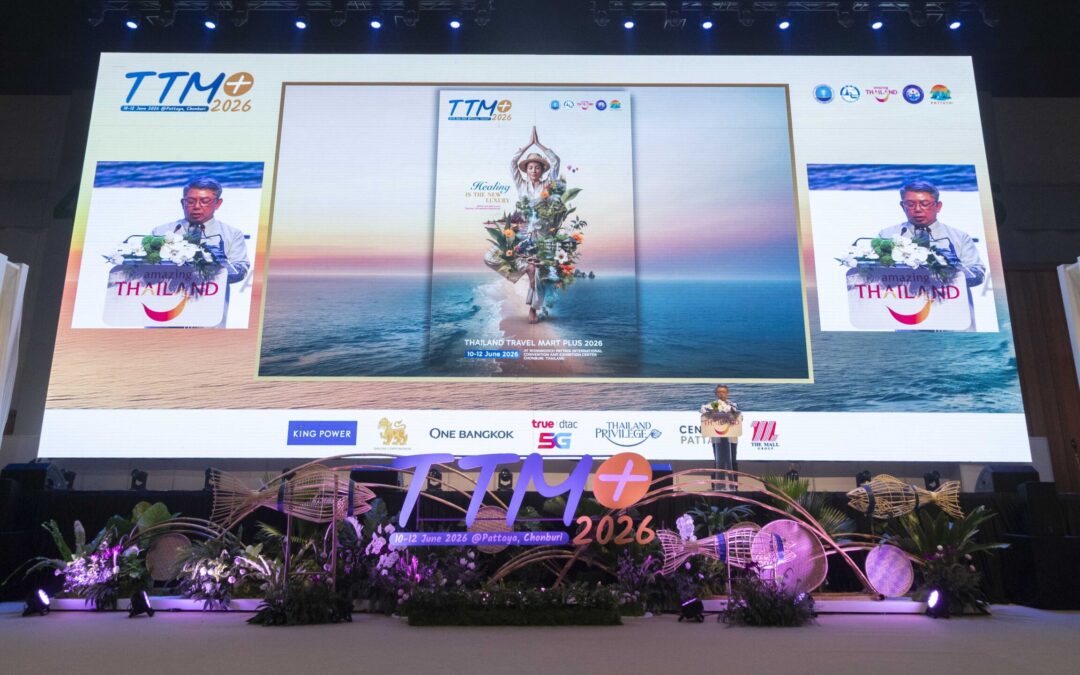
TAT presented its Thailand Tourism Update at TTM+ 2026 on 10 June 2026.
Why tourism quality matters to property
Foreign property buyers should care about tourism quality because Bangkok’s appeal is not only residential. The city sits inside a national visitor economy that supports hotels, serviced apartments, restaurants, hospitals, retail, events, transport, creative industries and business travel. When Thailand attracts higher-value visitors and repeat travellers, Bangkok often benefits as the main arrival, meeting and lifestyle hub.
TAT framed the 2026 direction as Value over Volume, linking wellness, meaningful travel, responsible tourism and stronger business partnerships. That matters for property because higher-quality demand can support longer stays, repeat visits, medical and wellness travel, executive travel and lifestyle-led relocation decisions.
Where Bangkok fits the travel chain
Bangkok is often the first and last stop for international visitors, even when the holiday is focused on beaches, wellness retreats or regional destinations. That gives the city repeated demand for airports, hotels, restaurants, shopping, hospitals, meetings and short-stay services. For condo buyers, the strongest implication is not short-term speculation; it is the long-term value of districts that remain useful to both residents and visitors.
This is why central, transport-connected and service-rich locations deserve close attention. Areas with strong rail access, private hospitals, retail clusters, international schools, parks and hotels can benefit from several demand streams at once. The buyer still needs to test the specific unit, but the surrounding ecosystem can make the rental and resale story easier to explain.
The numbers are useful, but not enough
TAT also said it is advancing projected tourism revenue of 2.65 trillion baht from domestic and international tourism, with 33 million international arrivals expected in 2026. Those figures give a broad confidence backdrop, but they do not mean every Bangkok condo will perform well. A buyer still needs to test building, price, tenant profile and exit liquidity.
The better use of the data is market framing. If tourism remains an important national growth driver, Bangkok condos near transport, hospitals, retail, event venues and lifestyle districts may have a more credible demand story than units that rely only on speculative appreciation.
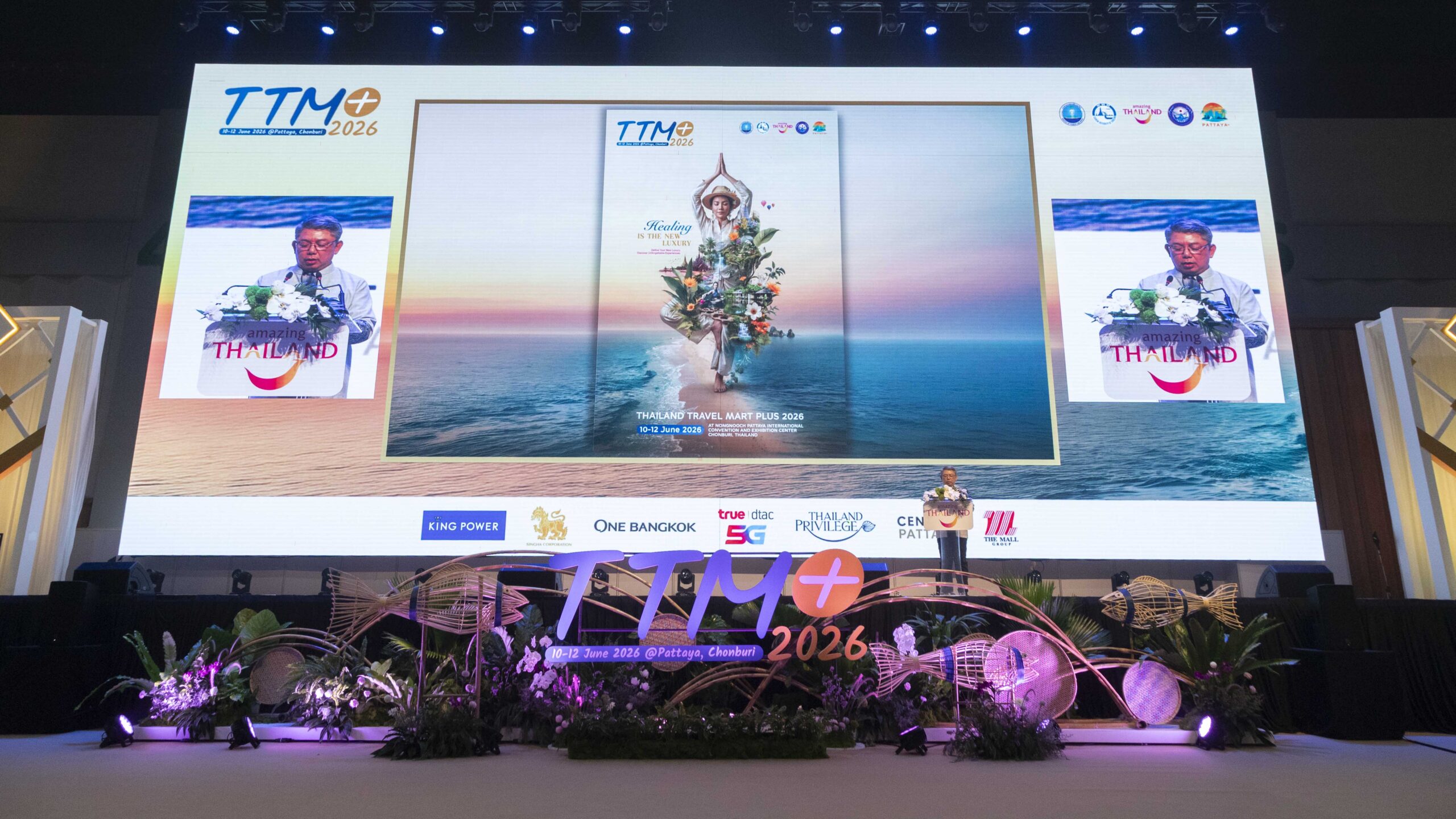
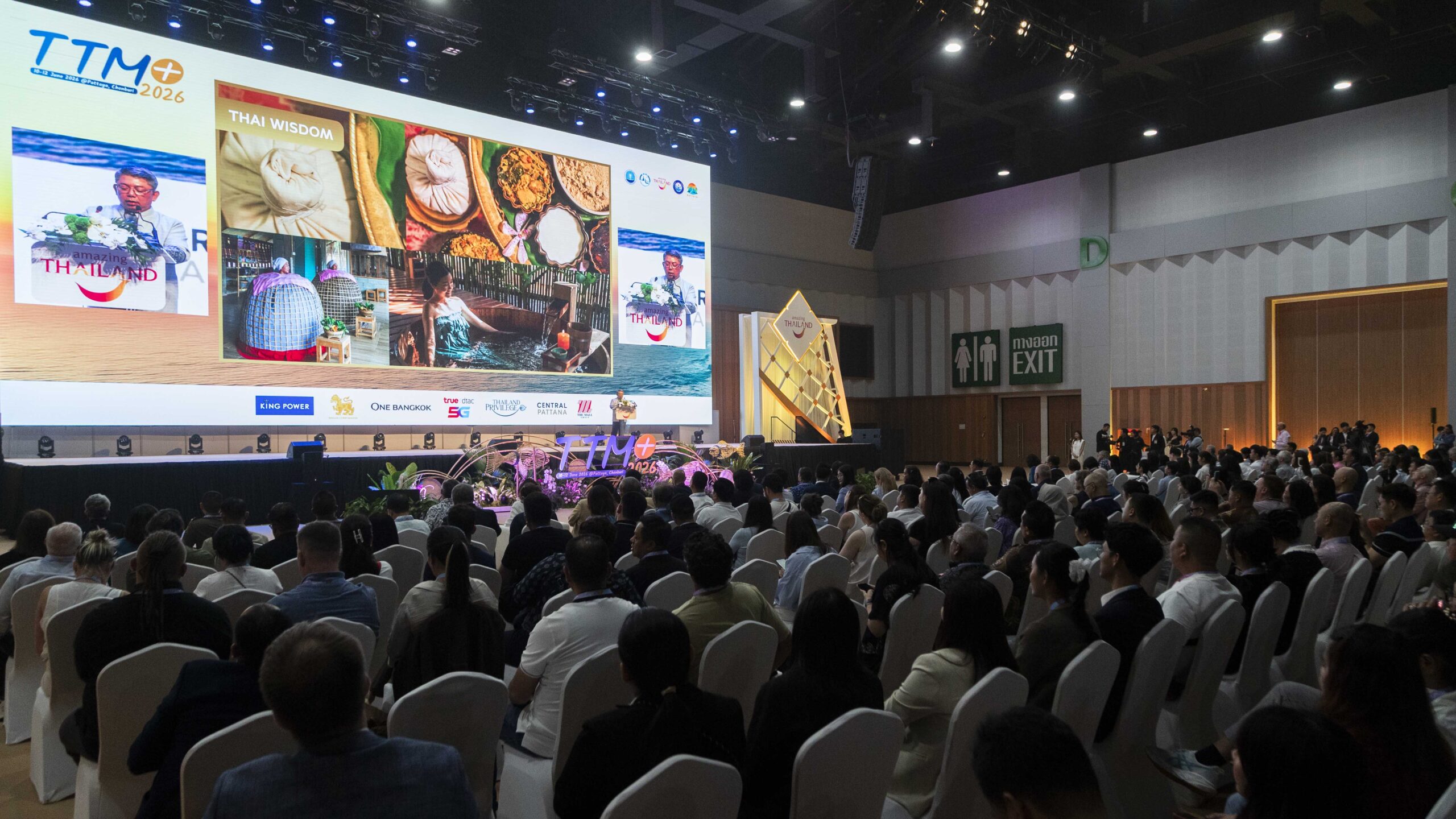
The update emphasised quality-led growth, wellness, sustainability and stronger international partnerships.
Wellness and events strengthen Bangkok positioning
The TAT update highlighted wellness, gastronomy, sustainable travel and major events. It referred to highlights such as InterPride 2026, the Global Wellness Summit in Phuket, the 2026 IMF-World Bank Group Annual Meetings, Pride Show Bangkok 2026, Tomorrowland Thailand, Wonderfruit, the Amazing Thailand Marathon Bangkok 2026, HYROX and Spartan Race Thailand.
For Bangkok property, this is important because a premium city is built through repeated reasons to visit and stay. Events fill hotels and restaurants, but they also shape how regional executives, families, retirees and lifestyle buyers experience the city. A buyer comparing Bangkok with other Asian cities should look at this cultural and event depth alongside price and ownership rules.
Property questions raised by the update
Which Bangkok districts benefit from transport, hotels, hospitals, retail and event access?
Does the target building appeal to long-stay visitors, relocating families or business travellers?
Can a tenant live well without needing a car for every daily task?
Do nearby services support wellness, dining, healthcare and repeat visitor routines?
Is the purchase price supported by rent evidence, not only tourism optimism?
Can the owner hold through softer tourism periods without forced selling?
For Bangkok property, tourism confidence matters most when it supports long-stay, business and lifestyle demand.
Buyer takeaway
TTM+ 2026 reinforces that Thailand is trying to move tourism toward value, wellness and sustainable demand. For Bangkok property buyers, that supports confidence in well-connected, service-rich districts, but it does not remove the need for unit-level due diligence.
IBP Real Estate can help foreign buyers connect Thailand economy signals with Bangkok condo selection. Continue with our Thailand economy updates and infrastructure articles for more context.
Thailand Travel Mart Plus 2026 has become more than a tourism calendar item for property watchers. The latest Tourism Authority of Thailand update, published on 2 June 2026, confirms strong international participation ahead of the 10 to 12 June trade event in Chon Buri. For Bangkok condo buyers, the point is not that a tourism event directly changes property prices. The point is that global tourism confidence supports the wider services economy that makes Bangkok easier to live in, rent out and visit.
TTM+ 2026 is a tourism trade signal, not a direct property price forecast.
The figures that matter
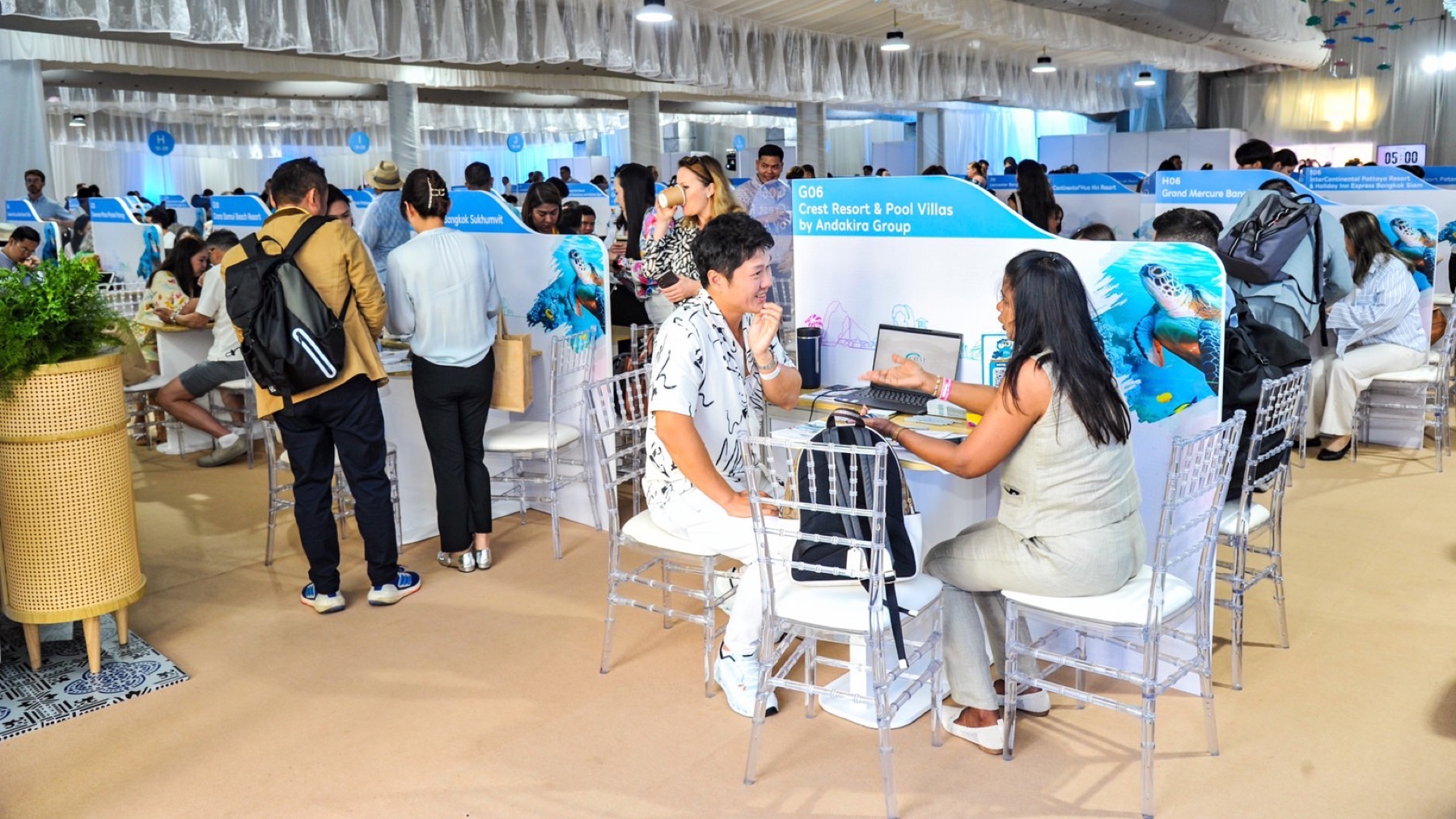
TAT says TTM+ 2026 will welcome 429 global buyers, 428 Thai sellers, more than 60 international media representatives and over 15,400 expected business appointments at the NICE Pattaya Convention and Exhibition Center. The buyer mix is also useful: ASEAN represents 33 percent, East Asia 28 percent, Europe 24 percent and the Americas 15 percent. TAT notes that participation from the Americas has increased, signalling renewed long-haul interest in Thailand’s tourism sector.
For property investors, these figures should be read as confidence indicators. They show that Thailand is still working to keep international travel partners engaged, to refresh product quality and to broaden demand beyond short-stay leisure. Bangkok benefits from that national positioning because it is the main aviation, corporate, retail, healthcare and cultural gateway for many visitors.
Why tourism confidence reaches Bangkok property
Bangkok’s condo market is not a hotel market, but the two are connected through employment, services and international visibility. A healthier tourism sector supports restaurants, retail, transport, wellness, hospitals, event venues, creative businesses and regional headquarters that depend on frequent visitors. Those sectors help shape the daily city experience for residents and the rental appeal for expats.
When foreign buyers ask why Bangkok remains attractive, the answer is rarely one factor. It is a combination of transport connectivity, value versus other major Asian cities, hospital access, dining, schools, culture, retail and regional business links. Tourism trade events reinforce that ecosystem by keeping Thailand visible to travel buyers, media and operators who influence future demand.
Tourism trade activity supports the services ecosystem that makes Bangkok attractive to residents and visitors.
Wellness and quality travel are property-relevant themes
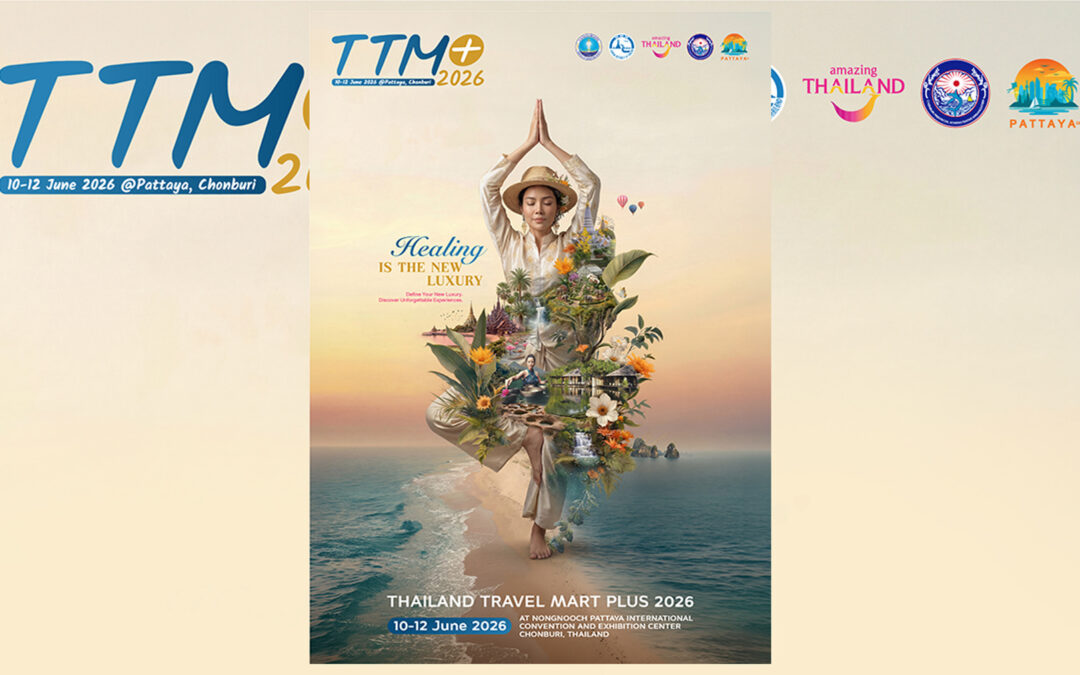
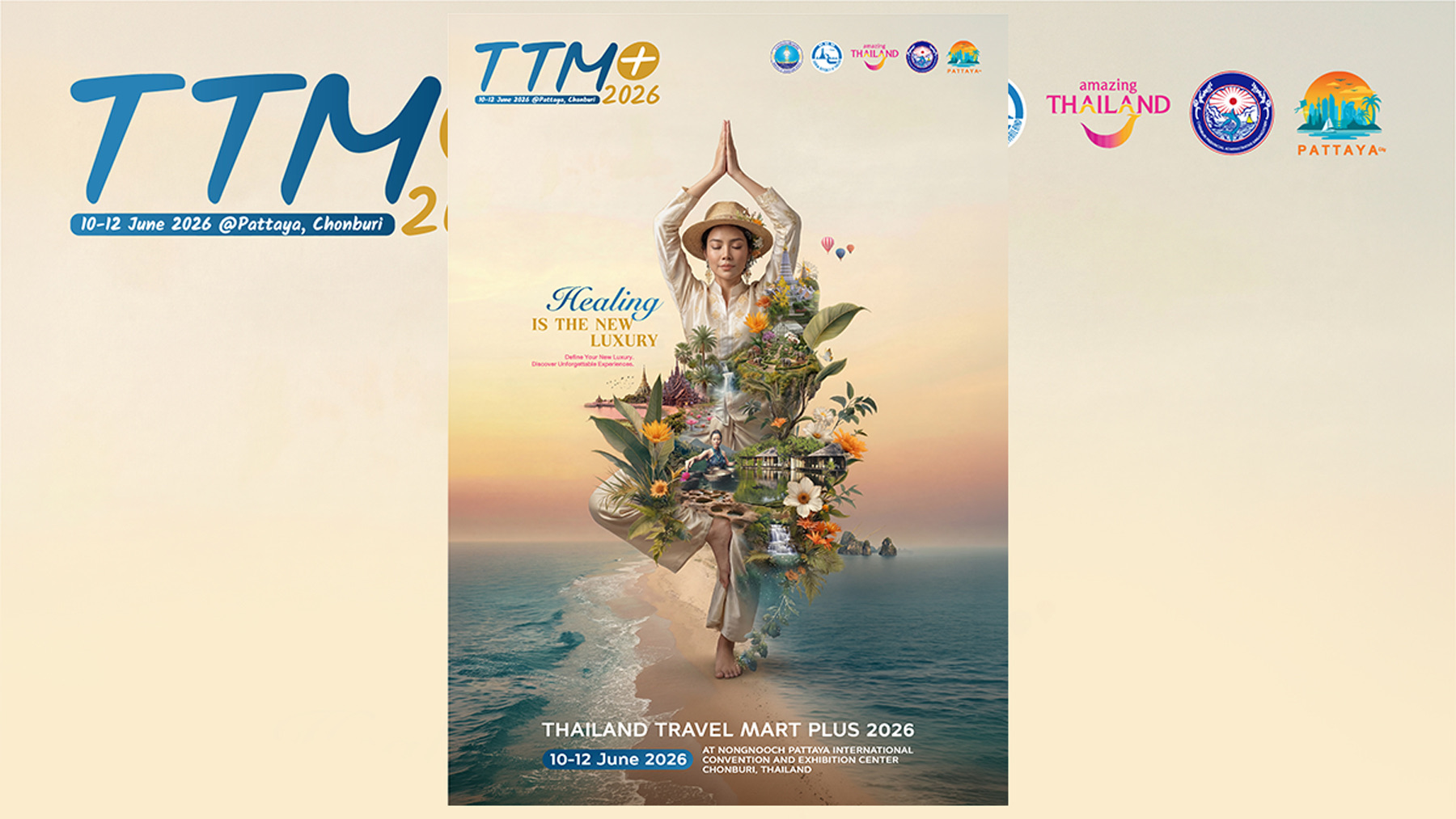
TTM+ 2026 is being presented under the theme Healing is the New Luxury, with attention on wellness tourism, Hidden Gems, sustainable travel, regional routes, digital trade support and major global events. That matters for Bangkok because premium residential demand increasingly overlaps with wellness, healthcare, private-club, lifestyle and flexible-work expectations.
Foreign buyers evaluating central Bangkok condos should think about how a building and district serve this quality-of-life demand. A unit near hospitals, parks, premium retail, fitness, dining, cultural venues and efficient transport may appeal to a wider resident profile. The theme also supports Thailand’s longer-term move away from volume-only tourism toward higher-value experiences, although investors should still test each property’s rental numbers carefully.
MICE, events and regional routes
TAT’s update highlights major global events, a Thailand Event Hub showcase, medical and wellness tourism programming, and pre- and post-tour routes across different regions. This is relevant to Bangkok because business travel and event demand often pass through the capital even when activity is distributed nationally. Visitors may arrive through Bangkok, meet partners in Bangkok, extend stays in Bangkok or use the city as a base before regional travel.
For condo investors, event-led travel can support serviced-apartment demand, executive leasing, short relocation stays and repeat personal visits. However, foreign buyers should avoid assuming that all tourism growth converts into condo rent. The better approach is to buy units that make sense for long-term tenants first, then treat tourism and event momentum as supporting context.
Wellness, events and regional routes are part of Thailand's quality-tourism positioning.
Sustainability and operating standards
TAT also says TTM+ 2026 will embed a Sustainable Event concept, including resource reduction, carbon tracking, waste separation, full-cycle management and redistribution of surplus food and reusable materials. This language may seem distant from condo buying, but it reflects a broader direction: international visitors and corporate tenants increasingly care about operating standards, not just location.
Bangkok landlords can apply the same thinking when selecting buildings. A well-managed condo with credible maintenance, efficient systems, clear waste handling, good security and reliable juristic communication is easier to defend over time. The building does not need to be the newest in the market, but it should feel professionally run.
What foreign buyers should take from TTM+ 2026
The key lesson is measured confidence. TTM+ 2026 shows active global engagement with Thailand’s tourism product at a time when many markets are competing for the same travellers. That supports Bangkok’s role as a connected, service-rich and internationally familiar city. It does not remove the need for property due diligence.
Buyers should still compare micro-locations, foreign quota, building finances, rental depth and exit liquidity. IBP’s investment analysis and condo due diligence checklist can help place macro confidence signals beside unit-level risk. Used properly, tourism news is context for a better property decision, not a substitute for one.
Bottom line
TTM+ 2026 is a positive signal for Thailand’s international tourism and service economy. For Bangkok property buyers, it supports the case for a globally connected city with strong lifestyle, healthcare and event infrastructure. The sensible investment response is to focus on condos that benefit from those strengths while still standing up to conservative rental and resale checks.