The Tourism Authority of Thailand’s latest South Africa roadshow is not a Bangkok condo story on the surface. It is a tourism trade story. But for foreign property buyers, it is useful because it shows how Thailand continues to work on long-haul demand, premium travel positioning and global market visibility.
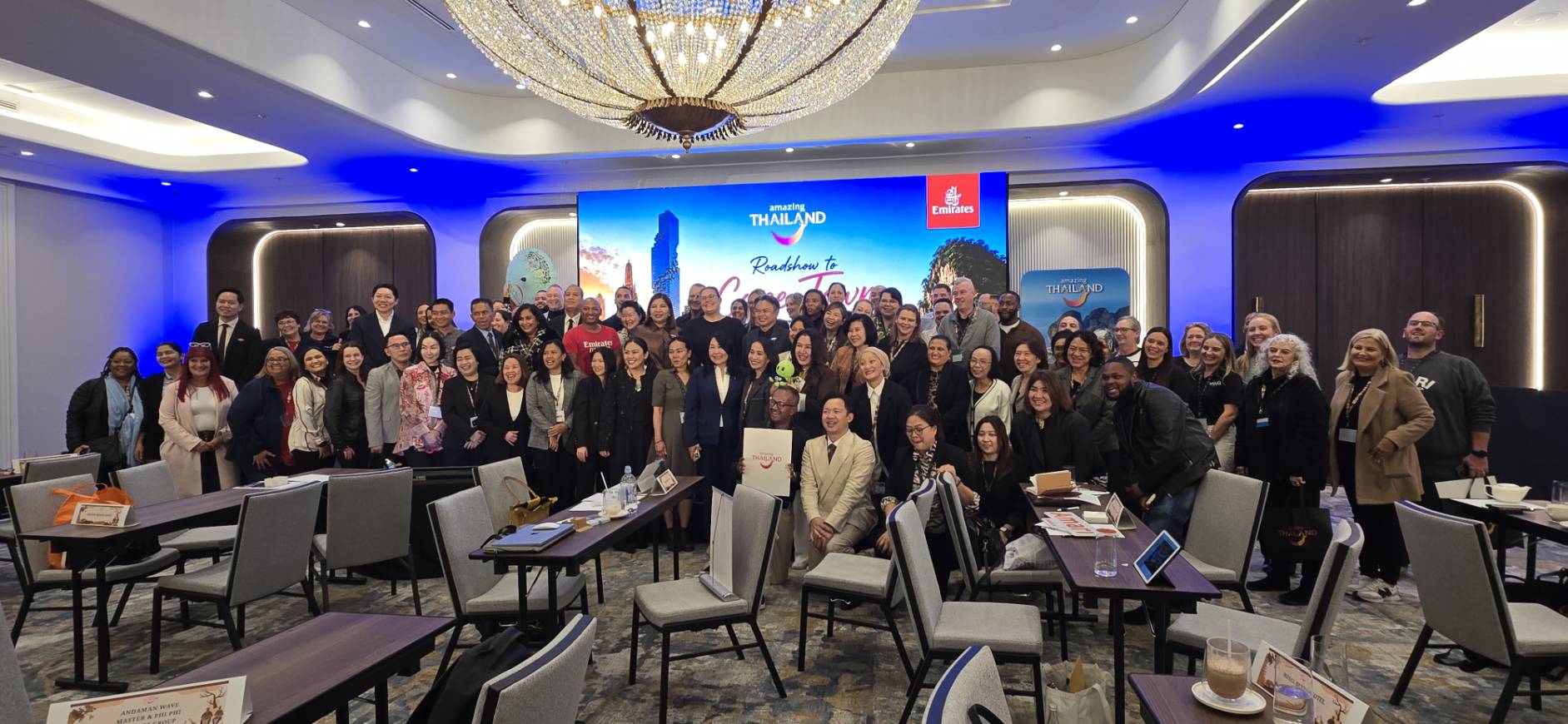
TAT’s South Africa roadshow connected Thai tourism sellers with long-haul travel partners.
TAT Newsroom reported that the Amazing Thailand Roadshow to South Africa 2026 took place from 22 to 26 June across Johannesburg, Durban and Cape Town, with Emirates as key airline partner. The aim was to connect Thai tourism sellers with South African travel companies, expand trade networks and stimulate demand for meaningful travel to Thailand.
Why long-haul tourism matters to property confidence
Bangkok property confidence is not driven only by local buyers. Foreign residents, regional executives, returning visitors, medical travellers, retirees, education-linked families and lifestyle buyers all contribute to the city’s international appeal. Long-haul tourism campaigns keep Thailand visible to people who may first visit as travellers and later consider repeat stays, longer residence or property ownership.
The South Africa roadshow was framed around quality-led demand rather than simple volume. That matters because Bangkok’s strongest property story is usually not about being the cheapest city. It is about being a connected, service-rich, culturally interesting and livable base within Southeast Asia.
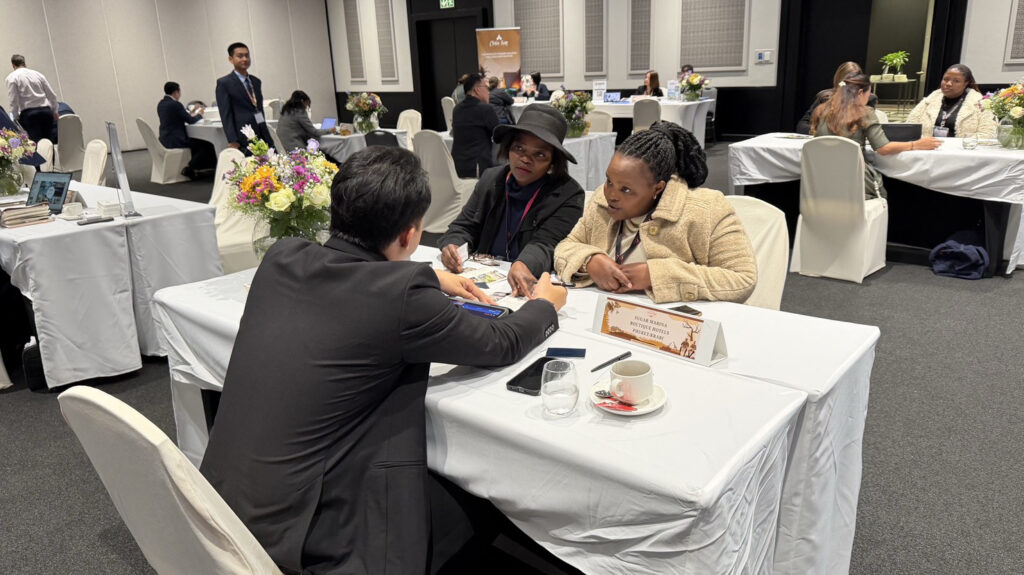
Business matching and destination updates help Thailand stay visible in long-haul travel markets.
What the roadshow involved
According to TAT, the roadshow brought together 20 Thai tourism sellers for tabletop sales sessions, market briefings, product presentations, business matching and networking activities. TAT said the programme aimed to create at least 1,800 business appointments and strengthen Thailand’s visibility among South African travel professionals.
The participating Thai sellers represented several destinations and products, including Phuket, Bangkok, Krabi, Hua Hin, Khao Sok, Ko Samui and Pattaya. Hotels and resorts formed the largest business category, supported by destination management companies and other tourism service providers. For Bangkok, the useful signal is that the capital remains part of the national destination mix presented to long-haul partners.
Bangkok’s role in a multi-destination trip
Many long-haul travellers do not experience Thailand through one location only. Bangkok can be the arrival point, shopping and dining base, hospital or wellness stop, cultural starting point, business meeting location and onward connection to beaches or regional destinations. This multi-destination role supports the city’s hotel, retail, restaurant, airport and serviced-residence ecosystems.
For property buyers, the link is indirect but important. A city that remains easy to sell internationally is easier to understand as a second-home or rental market. The strongest condo locations are those that connect naturally with transport, healthcare, retail, offices, schools and lifestyle services that visitors and residents already use.
Long-haul tourism activity supports Bangkok’s wider story as a regional lifestyle and investment base.
South Africa as a long-haul market
TAT stated that South Africa remains Thailand’s largest source market in Sub-Saharan Africa. The release said Thailand welcomed 72,418 South African visitors in 2025, up 6.61% year-on-year, while arrivals from Africa reached 196,984, up 17.96%. It also reported 8,912 arrivals from South Africa from 1 January to 28 February 2026, up 4.72% year-on-year.
These figures should not be read as a direct condo-demand forecast. They are better viewed as part of Thailand’s wider international confidence picture. Long-haul markets help diversify the visitor base and reinforce Bangkok’s role as a global city rather than a purely regional destination.
What buyers should and should not conclude
Buyers should not overpay for a condo because of one tourism roadshow. Property decisions still depend on unit price, building quality, legal due diligence, rental evidence, holding costs and resale depth. A tourism campaign cannot fix a poor layout or weak management.
The correct takeaway is more measured. Thailand is actively promoting quality long-haul demand, and Bangkok remains one of the destinations presented to overseas travel trade partners. That supports the broader narrative that makes Bangkok understandable to foreign buyers: connected, service-led, culturally rich and practical for repeat stays.
Buyer takeaway
TAT’s South Africa roadshow is a reminder that Bangkok property sits inside a wider national confidence story. Tourism, airline connectivity, retail, hospitality and cultural positioning all help international buyers understand why Bangkok remains a compelling base. The investment decision still needs discipline, but the city’s global visibility remains an important supporting signal.
IBP helps foreign buyers connect Thailand economy and tourism news with district-level property decisions. Read more in our Thailand economy and investment news archive or contact IBP Real Estate for a Bangkok property brief.
EVA Air’s new Washington DC-Taipei service gives Thailand another useful long-haul access signal. TAT Newsroom reported that the Tourism Authority of Thailand welcomed the scheduled route because it strengthens one-stop travel from North America to Bangkok and destinations across the kingdom.
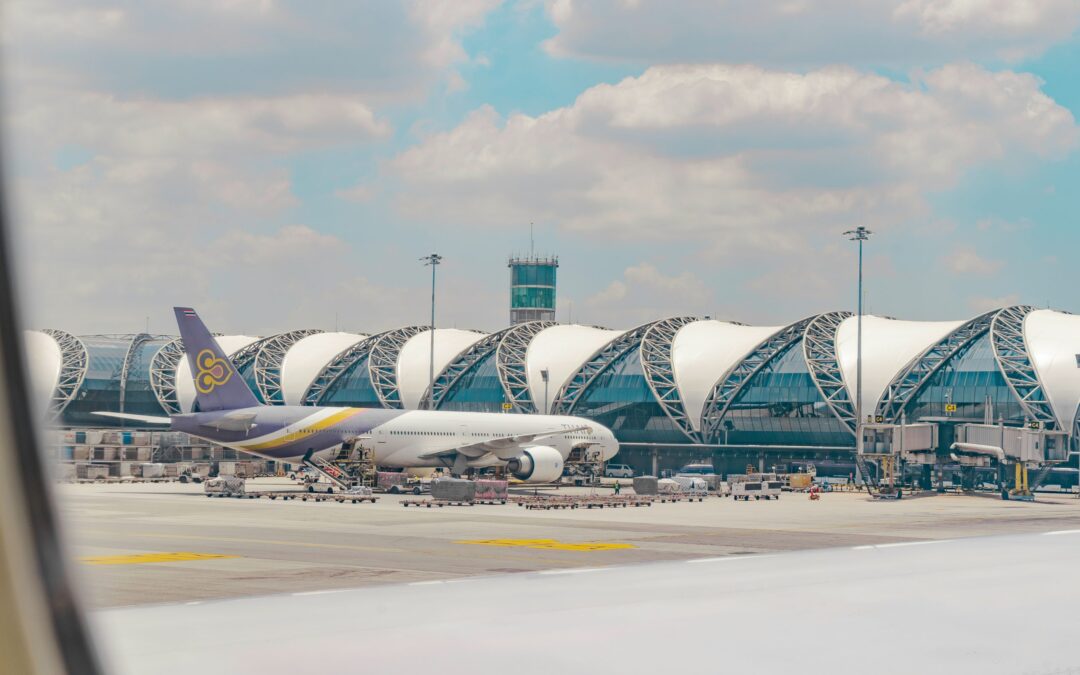
New long-haul access can strengthen the practical travel case for Bangkok as a property base.
For Bangkok property buyers, the point is not that one route changes condo values by itself. The more useful lesson is connectivity. Bangkok’s appeal to foreign residents and investors depends partly on how easy Thailand is to reach, how well regional travel works, and whether global visitors can imagine the city as a practical base rather than a remote holiday destination.
What changed
The Washington DC-Taipei service started on 26 June 2026 and operates four times weekly. TAT described it as an additional North American gateway for travellers connecting through Taipei to Thailand. The route is operated with a Boeing 787-9 Dreamliner, and Washington DC joins EVA Air’s wider North American network.
The same TAT update noted EVA Air’s existing Thailand-Taiwan connectivity, including Bangkok-Taipei services during the airline’s Summer 2026 schedule and onward access to Chiang Mai and Phuket. That network context matters because Thailand’s tourism and property appeal are not built around a single city pair. They depend on repeatable, multi-city access.
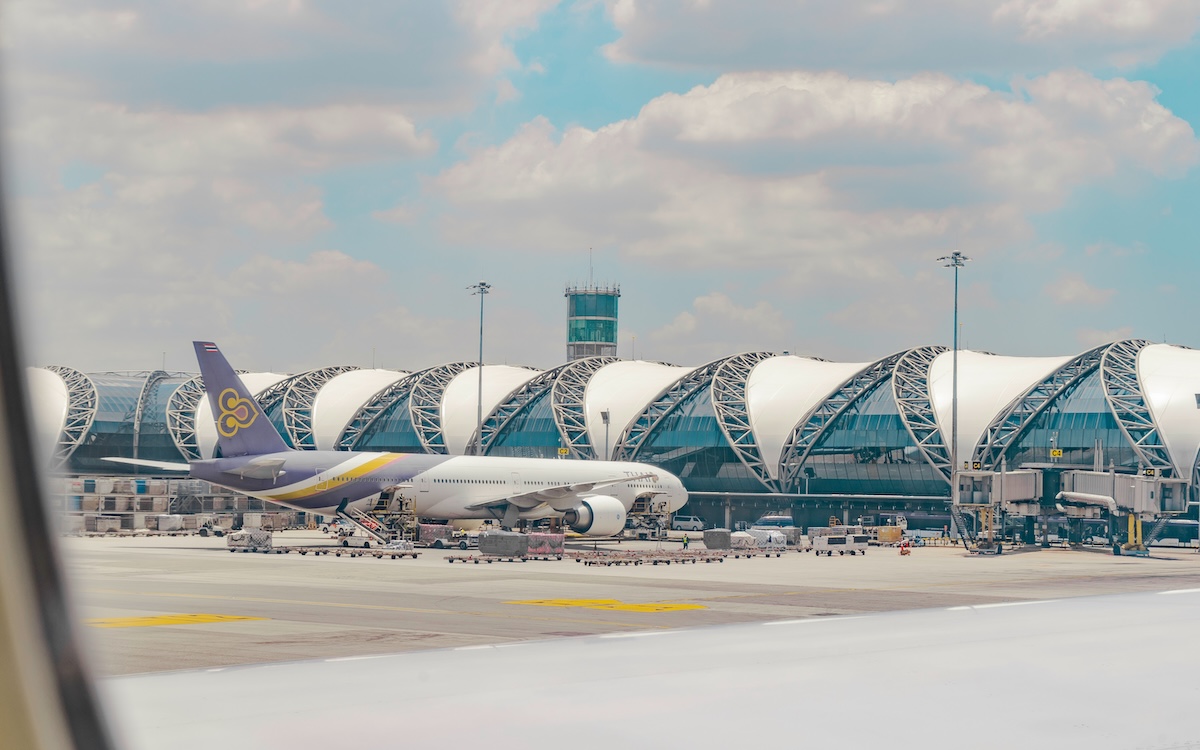
Air connectivity supports Bangkok’s role as a regional base for visitors, residents and investors.
Why North America access matters
North America is a long-haul market. Travellers need confidence that Thailand is reachable without excessive friction, especially if they are planning longer stays, wellness trips, family visits, business travel or exploratory property trips. More gateway options can make Thailand easier to include in a resident or investor’s travel pattern.
For Bangkok, this supports the city’s role as the arrival point, service hub and decision centre for many foreign buyers. A property tour, hospital visit, school search, business meeting or relocation trip often begins with flight convenience. Better one-stop access does not replace due diligence, but it can reduce practical barriers.
Connectivity is a property confidence factor
Foreign buyers often compare Bangkok with other regional cities. Air access is part of that comparison. A globally connected city is easier for owners to visit, easier for tenants to reach, and easier to explain to future buyers. This is especially relevant for second-home owners, regional executives, consultants, retirees and families who travel regularly.
Airport convenience also affects district choice inside Bangkok. A buyer who flies often may value direct road access, Airport Rail Link connections, expressway routes, luggage-friendly lobbies and buildings that can support lock-up-and-leave ownership. The macro connectivity signal should eventually translate into practical neighbourhood questions.
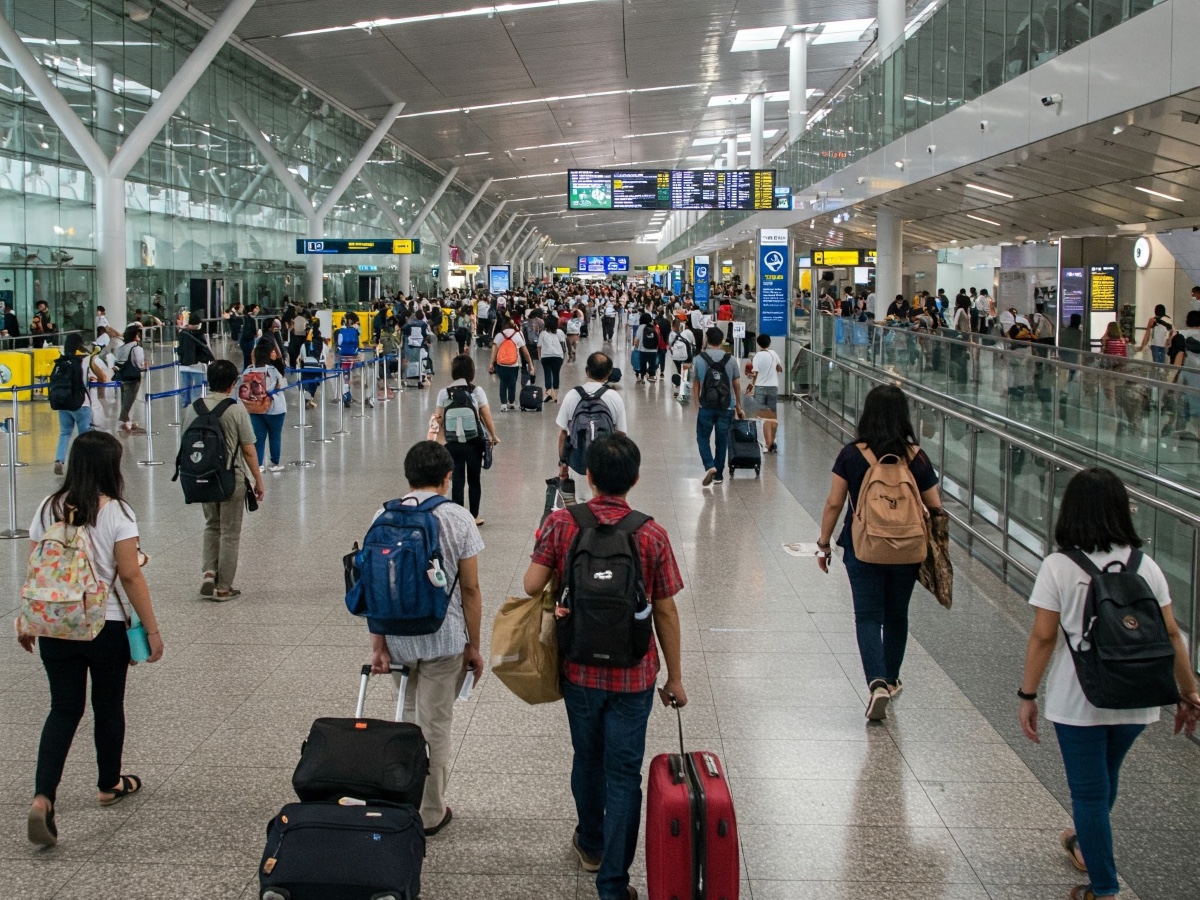
Foreign buyers should connect airport access with district choice, daily routines and resale positioning.
What buyers should not overread
An airline route is not an investment guarantee. Buyers should not pay more for a weak condo because a new service exists, and they should not assume tourism headlines automatically produce higher rent. Property still depends on entry price, tenant profile, building management, unit condition, ownership costs and exit liquidity.
The better reading is confidence-based. Thailand continues to promote long-haul access, quality travel and destination depth. Bangkok benefits when the wider travel system supports repeat visits, longer stays and easier exploration. Investors should use that context to support, not replace, building-level due diligence.
How to use the signal
Buyers can treat connectivity news as one part of a wider checklist. Is Bangkok becoming easier to reach from the buyer’s home region? Does the chosen district make airport travel practical? Can the building support overseas ownership? Is the unit attractive to tenants who travel often or work regionally? Those questions connect the headline to an actual property decision.
For North American buyers, the Washington DC-Taipei route may be another option to reach Thailand. For other foreign buyers, the principle is the same: Bangkok property is strongest when the city remains globally connected, regionally useful and easy to revisit.
Buyer takeaway
EVA Air’s Washington service is a positive connectivity signal for Thailand’s long-haul travel market. For Bangkok property, it reinforces the city’s role as a reachable, service-rich base for foreign residents and investors. The right response is disciplined: connect air-access confidence with district choice, ownership planning and careful unit selection.
IBP helps foreign buyers translate Thailand tourism, infrastructure and economy news into Bangkok property decisions. Read more in our Thailand economy and investment news archive or contact IBP Real Estate for a market brief.
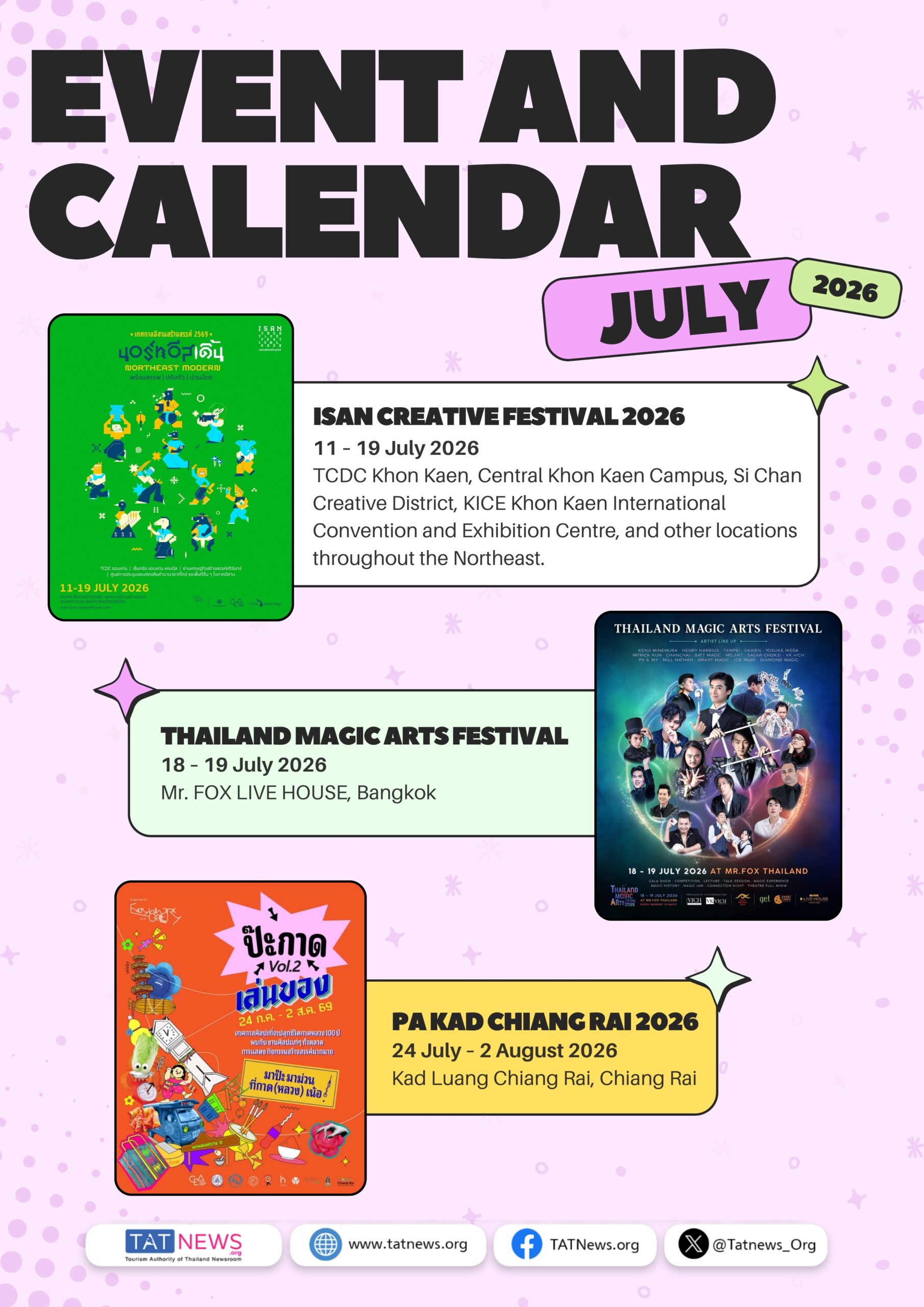
TAT’s July 2026 event calendar is not a condominium announcement, but it is useful evidence for foreign buyers trying to understand Thailand’s wider visitor economy. The calendar brings together religious festivals, motorsport, craft, music, family attractions, creative programming and Bangkok venue activity across the month.
TAT’s July 2026 event calendar highlights Thailand’s nationwide cultural and visitor-economy programme.
For Bangkok property, the relevance is indirect but practical. A city is easier to own in, rent out and revisit when it sits inside a country with a deep tourism calendar. Events encourage repeat travel, regional movement, hotel demand, retail spending, family trips and cultural visibility. They also remind buyers that Bangkok functions as both a destination and a gateway.
What the July calendar shows
The TAT calendar lists a wide range of July 2026 events, including Bangsaen Grand Prix, Samui Story Fun Fest, Isan Creative Festival, Hroi Raeng FEST, Tak Bat Dok Mai Khao Phansa and Ubon Ratchathani Candle Festival. The point for property buyers is not that every Bangkok condo benefits directly from each event. The point is that Thailand continues to present a broad calendar of reasons to visit and move around the country.
This matters because foreign buyers often assess Bangkok through more than unit price. They ask whether friends and family will visit, whether Thailand remains lively outside peak season, whether domestic travel is easy and whether a Bangkok base gives access to a full national lifestyle. A strong events calendar helps answer those questions.
Bangkok appears in the calendar through consumer, creative and family-friendly events at major venues.
Bangkok’s role in the programme
The calendar includes Bangkok-specific events such as Thailand Diecast Expo 2026 at ICONSIAM Hall from 10 to 12 July and Thailand Magic Arts Festival at Mr. FOX LIVE HOUSE on 18 and 19 July. These are not major infrastructure projects, but they are examples of Bangkok’s venue ecosystem: malls, halls, live houses and mixed-use destinations hosting specialised communities.
For residents, that makes the city feel active beyond offices and shopping. For landlords, it supports the idea that tenants choose Bangkok for convenience, events, retail, transport and lifestyle variety. For buyers of central and riverside condos, venue access can become part of the liveability story.
Tourism depth supports property confidence
Property confidence is strongest when it rests on several pillars. Bangkok has business districts, hospitals, schools, universities, transport links, retail, embassies and regional flights. Tourism adds another layer. When Thailand can offer beach events, cultural festivals, religious traditions, motorsport, creative festivals and family programming in one month, the country becomes easier to explain to internationally mobile buyers.
This does not mean investors should buy any unit near a mall or tourist route. It means they can use the tourism calendar as one macro signal among many. The unit still needs disciplined due diligence: sensible entry price, tenant profile, building quality, ownership costs and resale depth.
A varied events calendar helps position Bangkok as a resident city, visitor gateway and cultural base.
How foreign buyers can use the signal
Buyers should connect national tourism strength with district selection. A Bangkok condo that is easy to reach from airports, rail, riverside venues, retail centres and hotels can be more convenient for owners and visiting guests. A building near a strong lifestyle cluster may also appeal to tenants who want the city to feel active after work.
For owner-occupiers, the signal is personal. A Bangkok home can be a base for cultural weekends, family visits, beach trips, regional flights and city events. For investors, the signal is about tenant attraction and retention. People stay longer in cities that keep giving them things to do.
What not to overread
An event calendar does not guarantee rent growth or capital appreciation. Buyers should not use one tourism item to justify a weak purchase. Some event-driven demand is temporary and venue-specific. The more useful lesson is that Bangkok sits inside a country with a broad, continuing visitor proposition. That supports the city’s long-term attractiveness, but it does not replace unit-level diligence.
Foreign buyers should still compare competing buildings, check common fees, understand foreign quota, review title documents and model exit scenarios. Macro confidence is useful only when paired with a good asset.
Buyer takeaway
July 2026 Thailand events reinforce the country’s cultural depth and Bangkok’s role as a practical base for residents, visitors and investors. The right property response is not hype. It is to choose a condo where transport, venue access, building quality and daily liveability connect with Thailand’s wider tourism appeal.
IBP helps foreign buyers connect Thailand economy, tourism and lifestyle signals with Bangkok property decisions. Read more in our Thailand economy and investment news archive or contact IBP Real Estate for a Bangkok property brief.
Thailand’s Pay Like a Local cross-border QR payment push is a useful signal for Bangkok property buyers because it speaks to something practical: visitor convenience. TAT Newsroom reported on 26 June 2026 that the Tourism Authority of Thailand is highlighting Thailand’s readiness for Cross-Border QR Payment across the tourism sector under the Pay Like a Local concept.
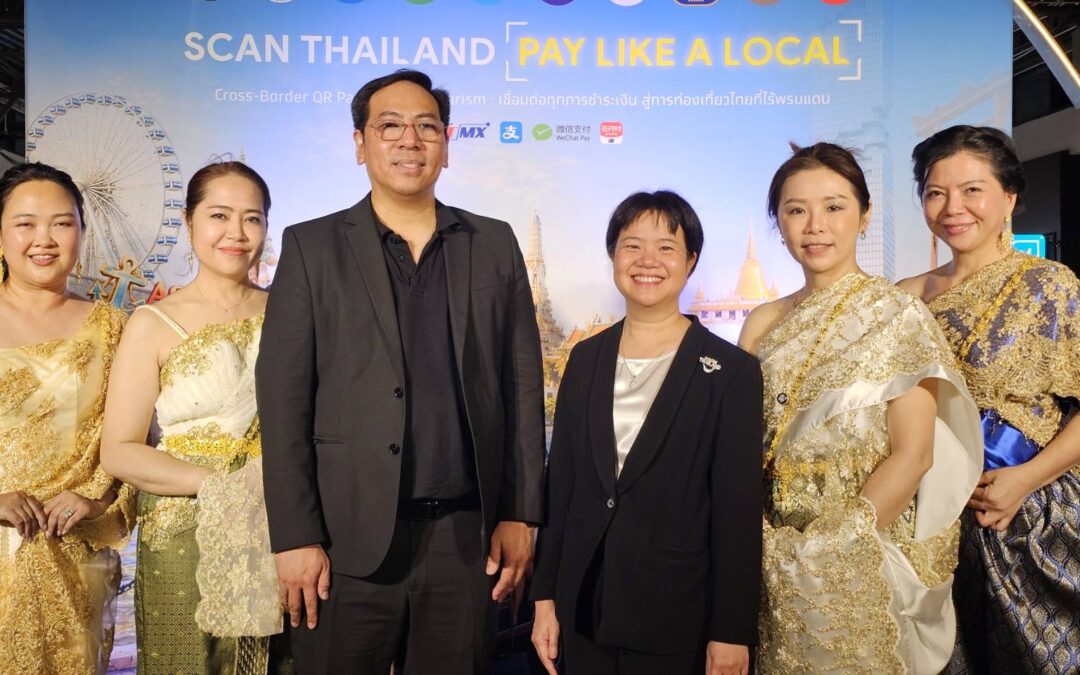
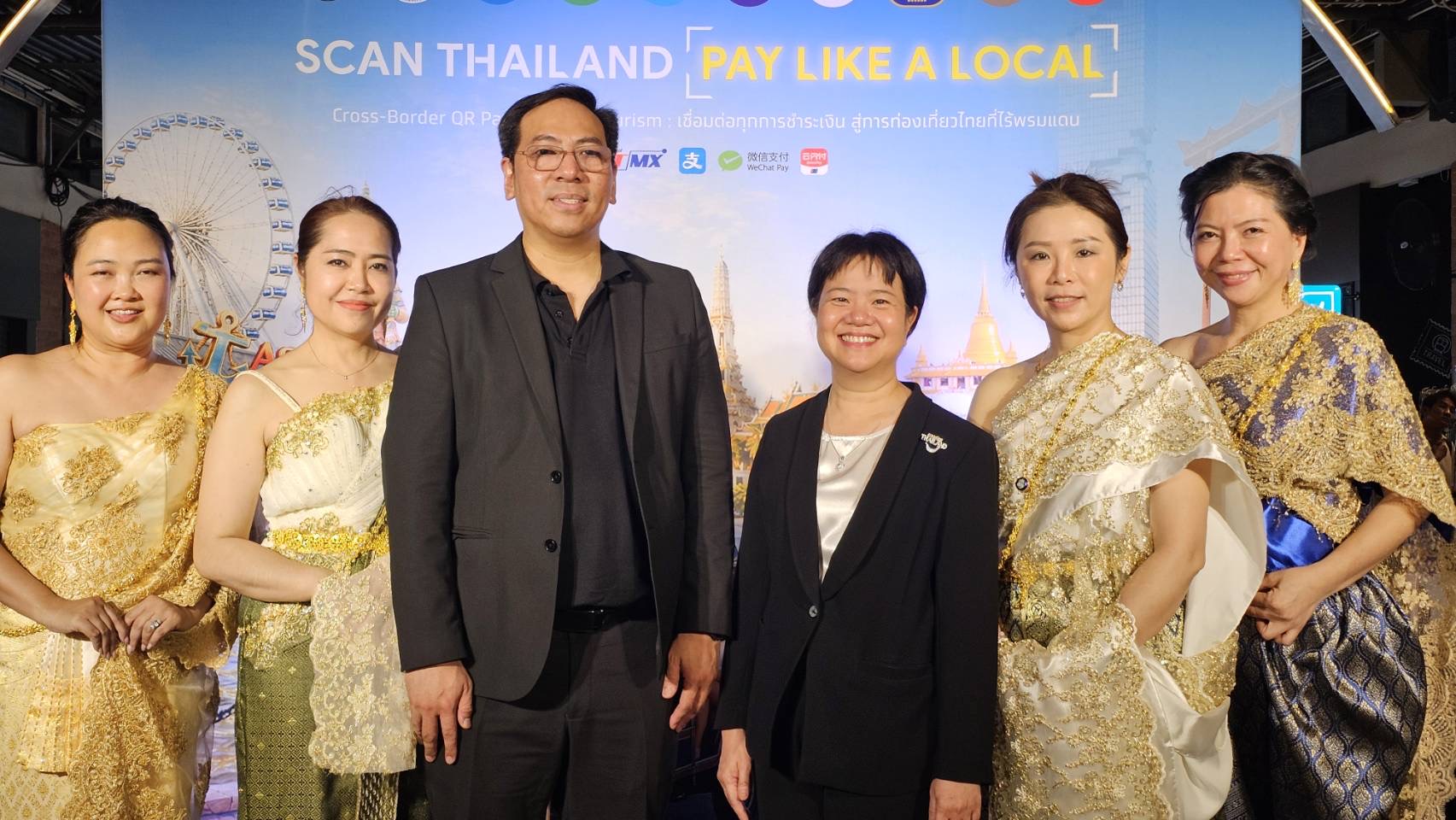
TAT is promoting cross-border QR payment readiness across Thailand’s visitor economy.
This is not a condo-price announcement. It should not be read as a reason to speculate. The property relevance is that Bangkok’s visitor economy becomes more comfortable when travellers can pay for food, shopping, attractions, taxis, services and tourism experiences in familiar digital ways. Convenience supports spending confidence, repeat visits and the city’s premium positioning.
What TAT announced
The official release says the initiative connects merchant adoption with traveller awareness, making digital payments more convenient for foreign visitors while opening new opportunities for Thai businesses. TAT is promoting QR payment convenience at attractions, shops, restaurants and tourism establishments nationwide through international marketing and publicity channels, particularly in East Asia.
The effort is advanced by the Bank of Thailand with eight participating banks: Krungthai Bank, Bangkok Bank, Kasikornbank, Siam Commercial Bank, Bank of Ayudhya, ICBC Thai, Bank for Agriculture and Agricultural Cooperatives, and CIMB Thai Bank. The release also names National ITMX, Alipay, WeChat Pay and UnionPay as payment and switching partners.
Merchant readiness matters because daily spending convenience shapes the visitor experience.
Why this matters to Bangkok
Bangkok is where many international visitors first experience Thailand’s retail, dining, medical, hospitality, cultural and transport ecosystem. A smooth payment environment makes the city easier for visitors from mobile-payment markets to navigate. TAT says the service is currently available to users from China, Singapore, Malaysia, Indonesia, Viet Nam, South Korea, Lao PDR, Cambodia and Hong Kong, with further expansion planned.
For property buyers, that matters because Bangkok’s strongest districts often depend on everyday convenience as much as headline attractions. Malls, restaurants, clinics, hotels, supermarkets, riverfront venues, night markets and cultural destinations all benefit when visitors can spend without friction. A city that is easy to use is easier to revisit, rent in and eventually consider as a second-home base.
The Asiatique activation
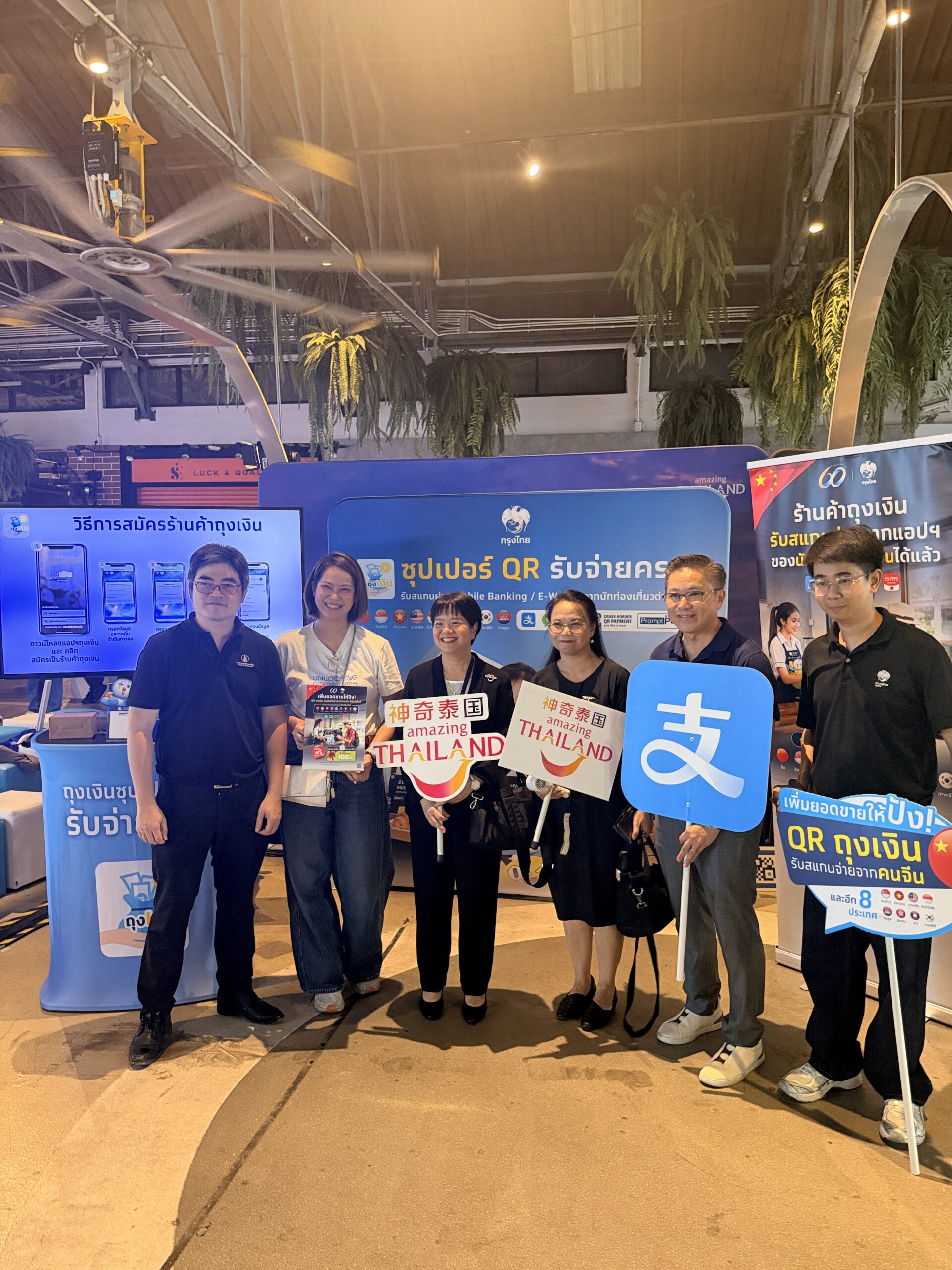
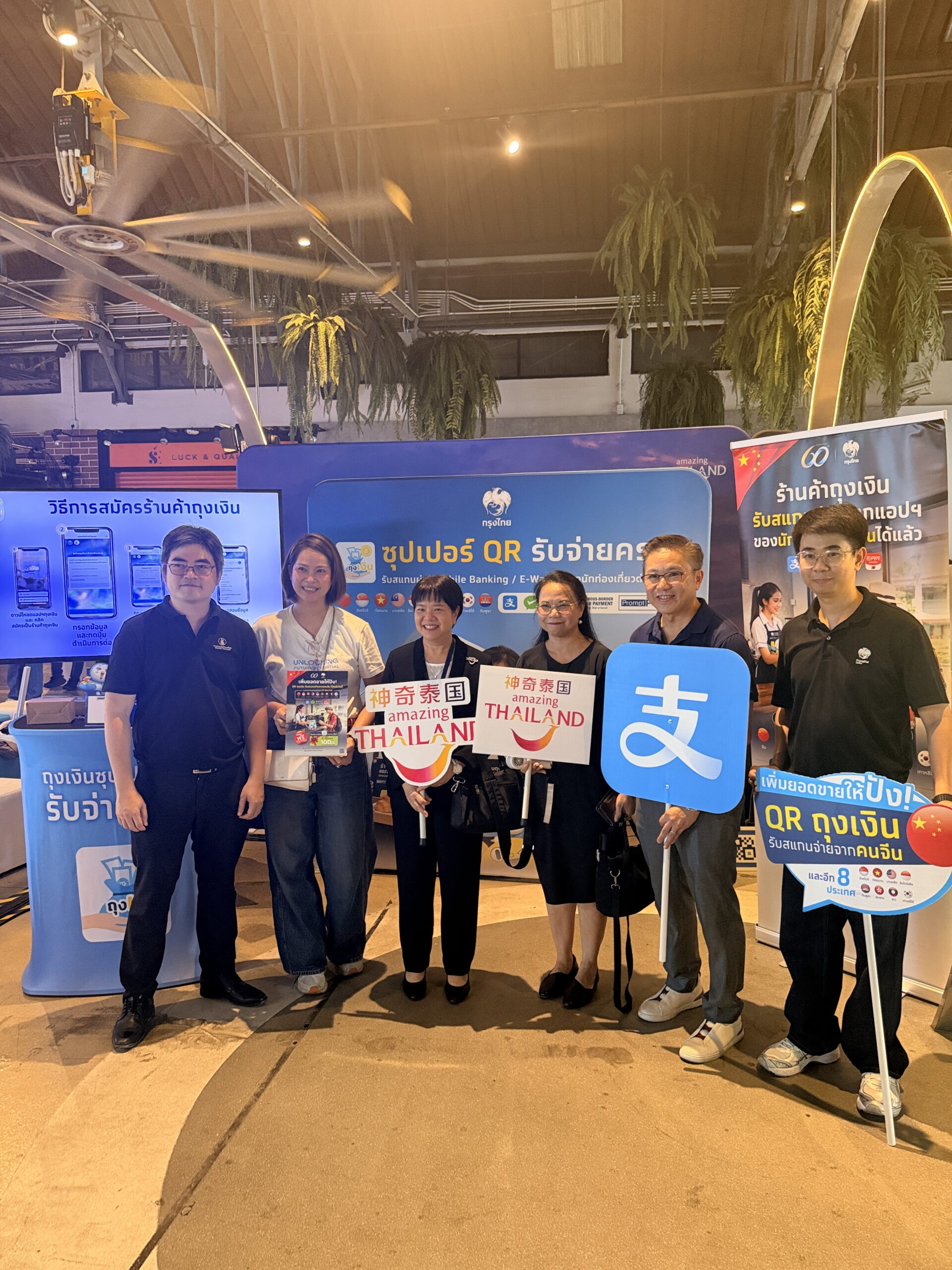
TAT said a Merchant Activation Roadshow was held at Asiatique The Riverfront Destination in Bangkok, between Warehouses 8 and 9. The event engaged shops, restaurants and tourism operators in preparing to accept QR payments. Participating merchants could consult partner banks, register for QR merchant services, visit partner booths and join awareness activities.
The Bangkok activation followed a pilot in Udon Thani on 31 March 2026, which TAT said prepared local operators for an expected rise in Chinese visitors. The first phase included a seminar for 52 operators and outreach to small businesses in local commercial areas.
Tourism, banking and payment partners are linking visitor behaviour with practical merchant adoption.
The property-confidence angle
Foreign buyers should use this news as background confidence, not a shortcut. Digital payment readiness helps the visitor economy, but an individual condo still has to stand on location, title due diligence, building management, unit layout, rent evidence and resale depth. A weak unit does not become a good investment because QR payments are easier.
The better lesson is that Thailand continues to modernise the practical visitor experience. For Bangkok, that reinforces the appeal of districts where international residents and visitors can move easily between rail, retail, healthcare, dining, riverfront attractions, hotels and work meetings. Buildings in these locations are easier to explain when they also offer strong management and sensible layouts.
What buyers should watch
Investors should look for locations where digital spending, retail depth and visitor services are visible in everyday life. This can include central shopping areas, hotel corridors, riverside destinations, medical hubs, mixed-use districts and station-led neighbourhoods. The more useful test is not whether a district appears in a press release, but whether a resident or tenant can live conveniently from the front door.
Pay Like a Local also shows why Bangkok’s investment story is increasingly about service infrastructure. Airports, rail, payments, hospitals, malls, tourism venues and hospitality all combine to make the city globally usable. Property buyers should connect that macro story to a disciplined unit-level checklist.
Buyer takeaway
Pay Like a Local supports Bangkok’s image as a modern, visitor-ready city. For foreign property buyers, the signal is practical rather than speculative: choose condos in districts where payment convenience, transport, services and lifestyle make daily life easier for tenants, visitors and future owners.
IBP helps foreign buyers connect Thailand tourism and economy news with Bangkok property decisions. Read more in our Thailand economy and investment news archive or contact IBP Real Estate for a Bangkok property brief.
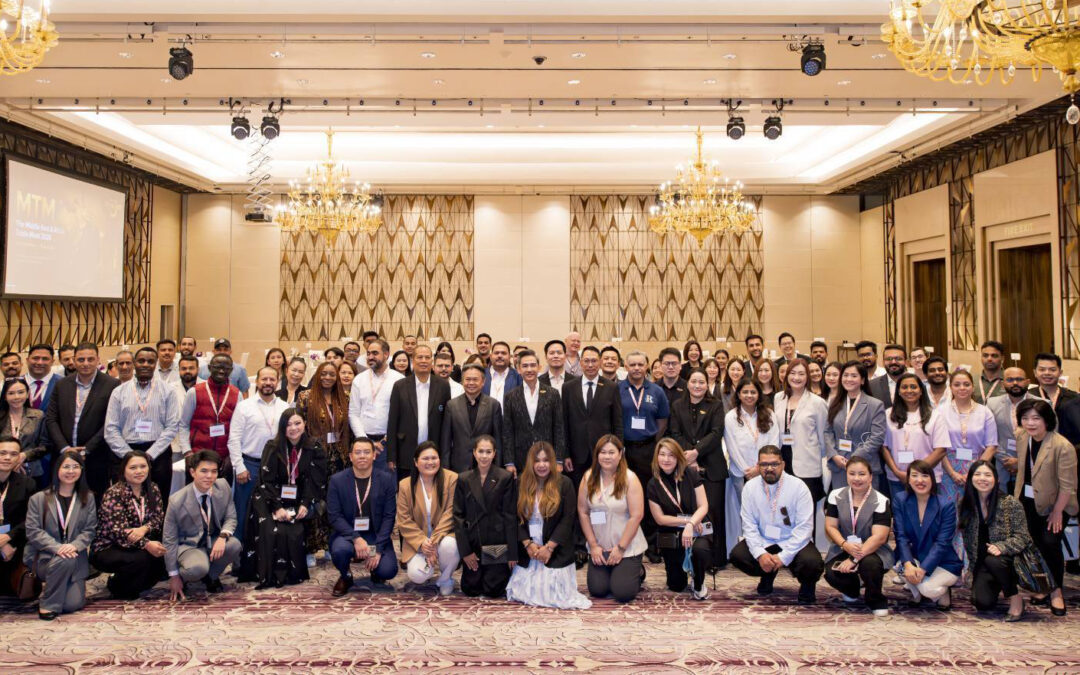
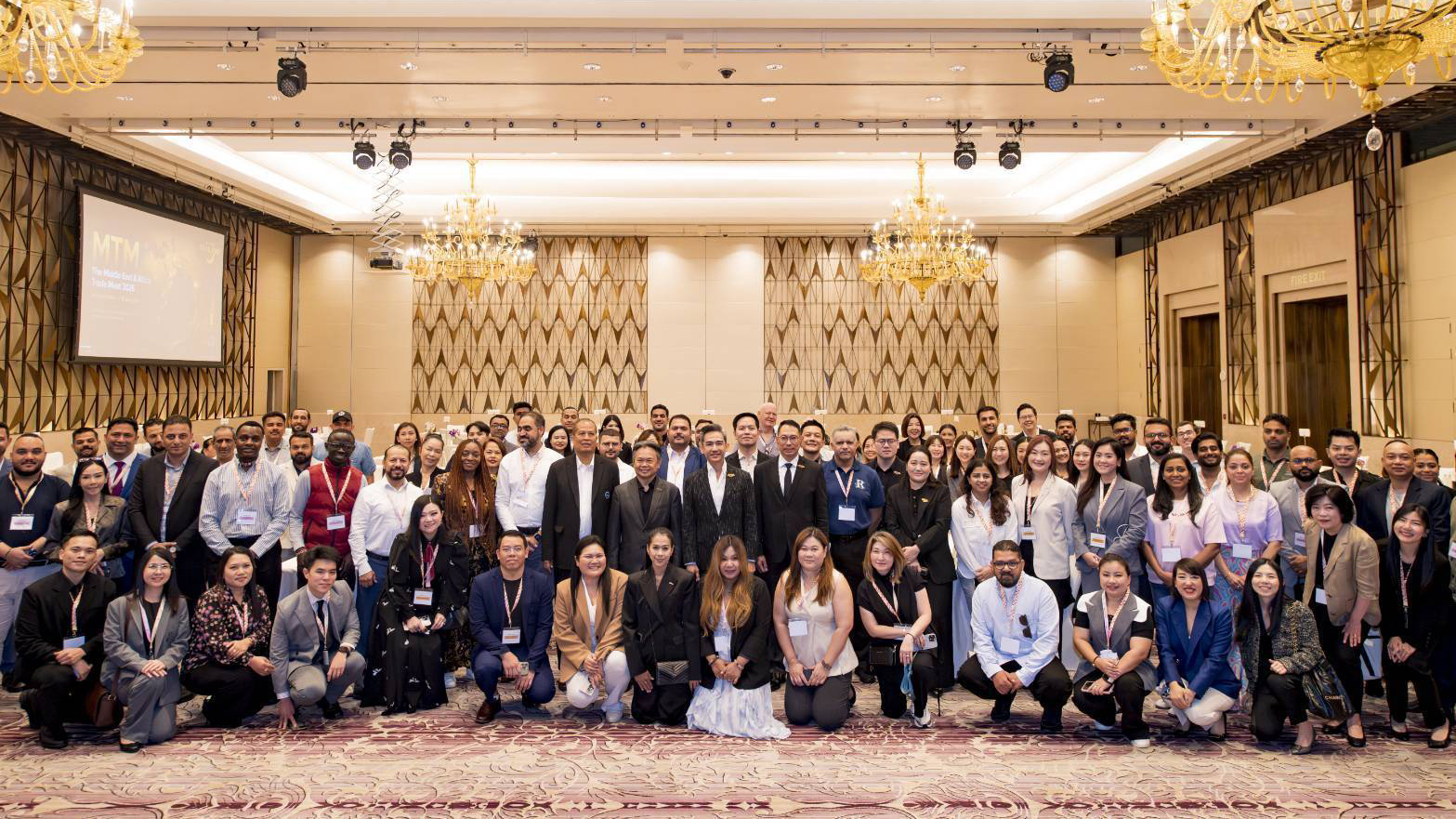
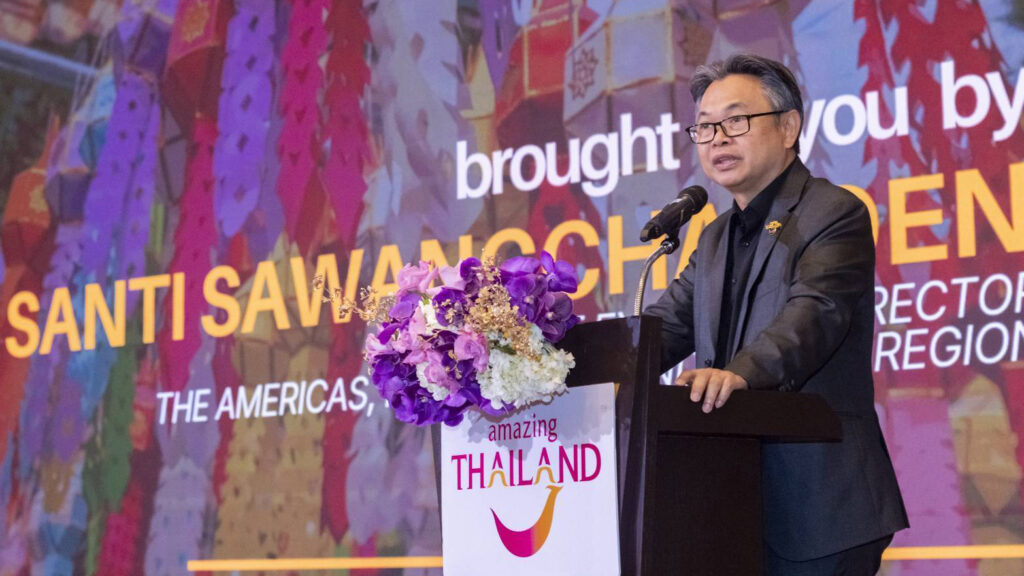
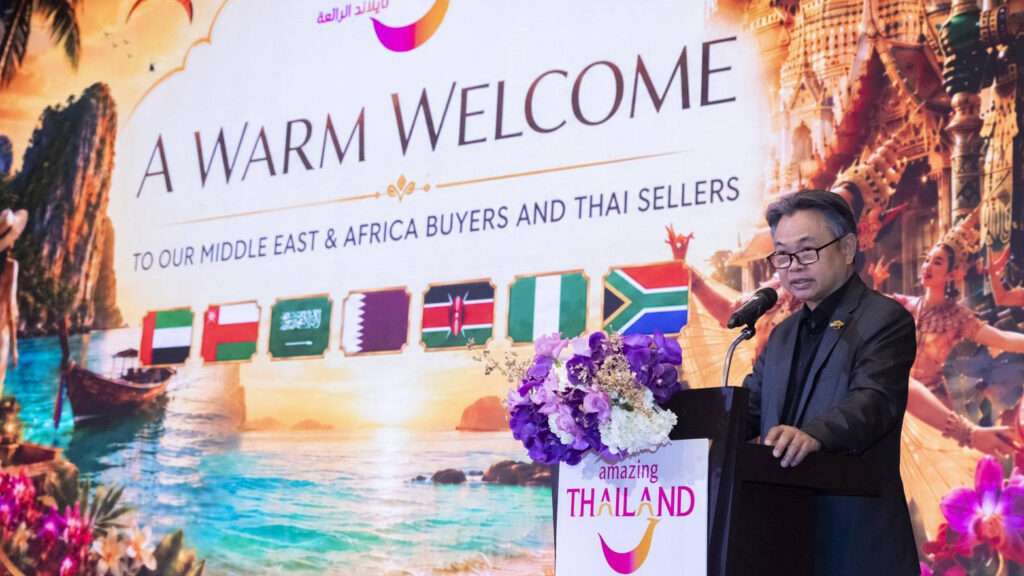
The Tourism Authority of Thailand’s Middle East and Africa Trade Meet 2026, or MTM 2026, gives Bangkok property buyers another useful tourism-confidence signal. TAT Newsroom reported that the Bangkok edition was held on 16 June 2026 at Siam Kempinski Hotel Bangkok, bringing regional travel buyers into direct discussion with Thai tourism suppliers.
MTM 2026 brought Middle East and Africa travel buyers together with Thai tourism suppliers in Bangkok.
For property buyers, the relevance is not that a trade meet changes condo prices. It does not. The relevance is that Thailand continues to build high-value visitor channels in markets that care about wellness, medical access, family travel, privacy, shopping, premium hospitality and year-round leisure. Bangkok is the main urban platform through which many of those experiences begin.
What TAT reported
TAT said 39 travel companies from the United Arab Emirates, Oman, Saudi Arabia, Qatar, Kenya, Nigeria and South Africa joined the Bangkok programme. Activities included a market briefing, Thailand Privilege Card presentation, B2B appointments and networking with Thai tourism suppliers. The aim was to deepen product knowledge and support future business from Middle East and Africa markets.
The Bangkok event followed a wider buyer programme linked to Thailand Travel Mart Plus 2026 in Pattaya, Chon Buri. TAT said 44 regional travel companies joined related TTM+ activities with support from Air Arabia and Oman Air, then experienced hospitality and product showcases before the Bangkok business-matching event.
TAT positioned MTM 2026 as a business platform for growth markets and quality-led tourism.
Why Middle East and Africa markets matter
The official release said Middle East and Africa markets generated more than one million visitor arrivals to Thailand in 2025 for the first time, up about 3% year-on-year. That is a tourism figure, not a property sales figure, but it helps explain why Thailand keeps investing in market-specific travel products.
For Middle Eastern travellers, TAT highlighted wellness, medical tourism, family travel, luxury experiences, privacy-led travel, premium hospitality and shopping. For African travellers, especially from South Africa, Kenya and Nigeria, it highlighted beach holidays, main tourism cities, shopping, nightlife, soft adventure, family attractions, gastronomy and value-led packages.
The Bangkok property angle
Bangkok benefits when Thailand’s visitor story becomes more diverse and higher value. The city offers airports, hospitals, hotels, malls, restaurants, serviced residences, private clubs, embassies, schools and business services. Those assets matter to frequent visitors and internationally mobile households who may later consider a Bangkok base.
This does not mean investors should buy any condo near a mall or hospital. The property decision still depends on entry price, legal due diligence, building management, rental evidence and resale depth. The correct interpretation is macro confidence: Thailand is working to keep premium travel demand broad, and Bangkok remains central to that effort.
It also reinforces why mixed-use districts and well-managed buildings remain easier to explain to foreign buyers. When a visitor can connect meetings, shopping, healthcare, dining and airport travel without friction, the idea of holding a Bangkok home becomes more practical.
Business matching supports Thailand’s wider travel, hospitality and visitor-readiness ecosystem.
What buyers should look for
Foreign buyers who want exposure to Bangkok’s premium positioning should still think at street and building level. A strong unit should connect easily to hospitals, retail, parks, rail, taxis, restaurants, hotels and airport routes. It should also have a layout and management standard that fit the target resident or tenant.
Middle East and Africa demand also reminds buyers not to view Bangkok only through one expat lens. Tenant and owner demand can come from many regions, each with different expectations around privacy, family space, food, healthcare, shopping and service. Buildings that handle these needs professionally may have a broader appeal.
Buyer takeaway
MTM 2026 supports the broader story of Thailand as a quality-led, globally connected travel market. For Bangkok property buyers, that is useful background confidence, not a reason to speculate. The right response is to choose condos where location, daily services, building quality and exit strategy align with Bangkok’s role as Thailand’s international base.
IBP helps foreign buyers connect Thailand tourism and economy news with practical Bangkok property decisions. Read more in our Thailand economy and investment news archive or contact IBP Real Estate for a Bangkok property brief.