Thailand is accelerating operational improvements at Suvarnabhumi Airport, with passenger flow, inter-agency data sharing and immigration technology at the centre of a review announced by the Tourism Authority of Thailand on 17 July 2026.
A multi-agency review on 16 July 2026 focused on passenger flow, coordination and service standards.
The programme matters to Bangkok property as part of the city’s international-connectivity story. A smoother gateway can support visitor confidence, business travel and Thailand’s premium positioning. It is not, by itself, a reason to expect higher condominium prices, and investors still need evidence for the exact district and unit.
What the official announcement covers
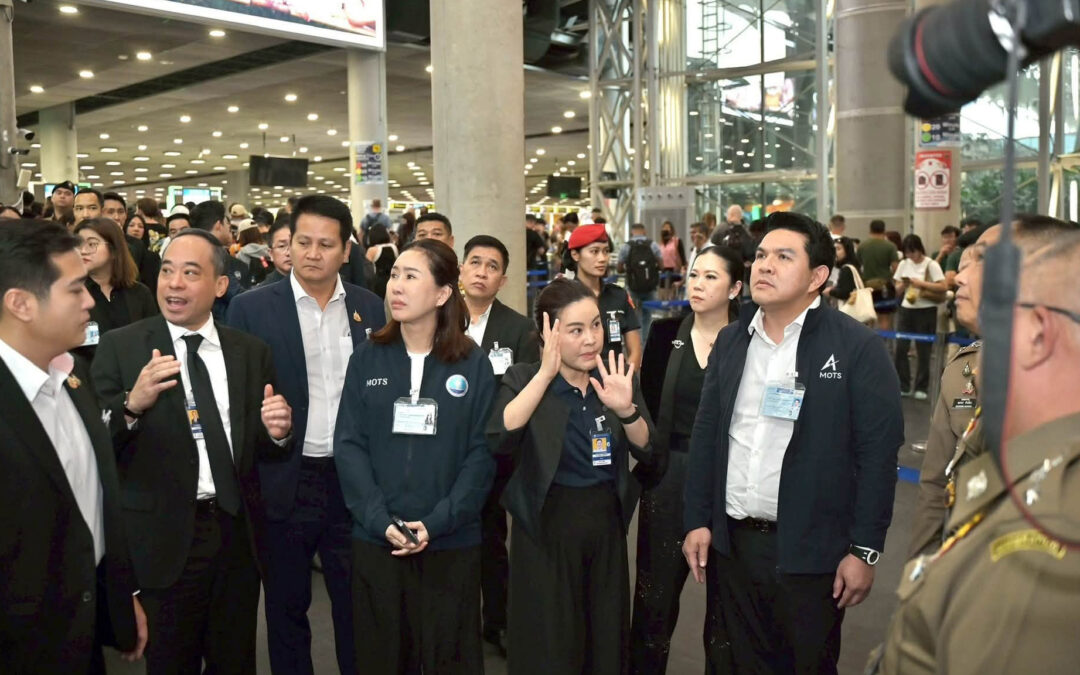
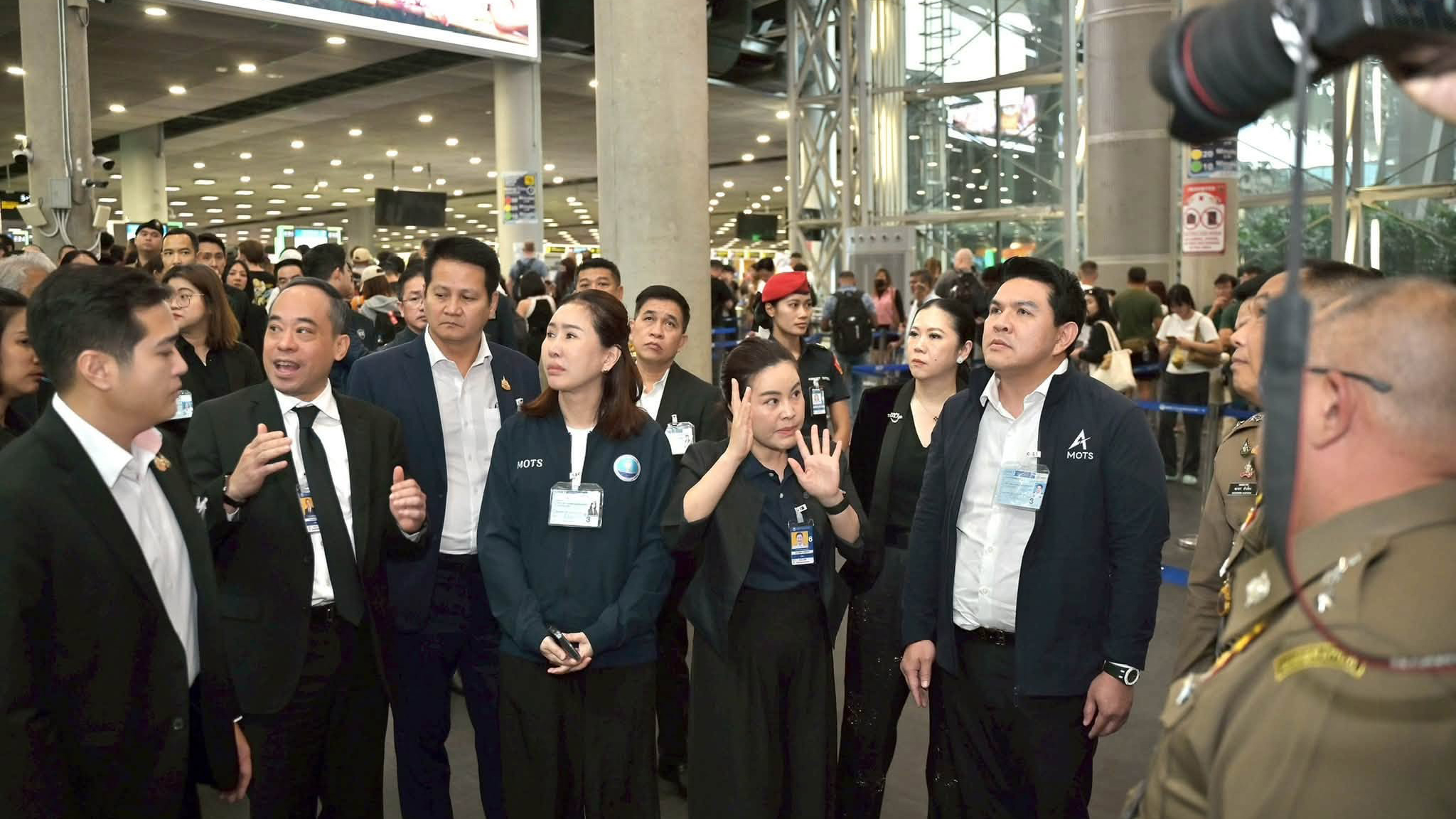
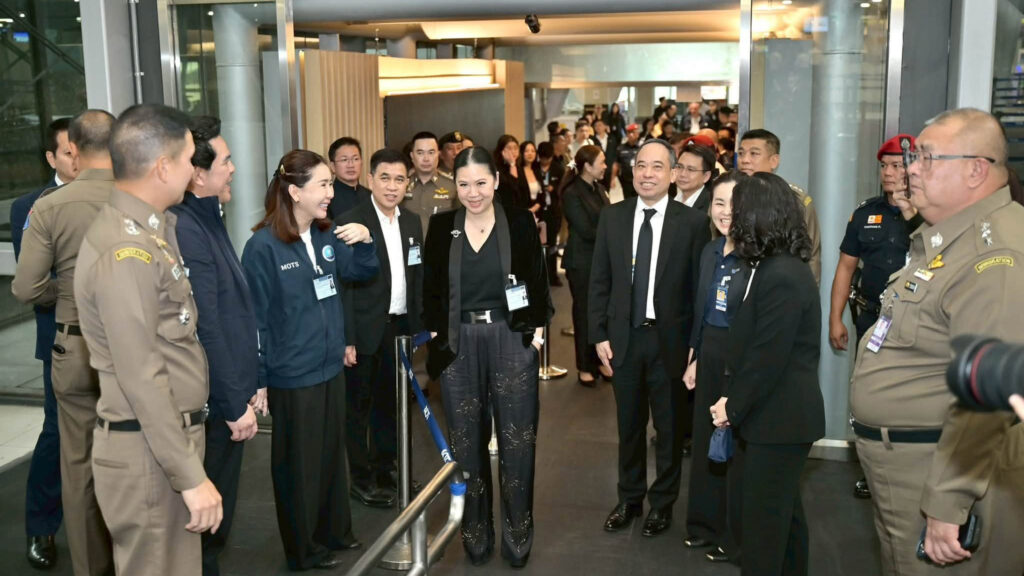
TAT said the Tourism and Sports Minister led a strategic review and operational inspection at Suvarnabhumi on 16 July. The Ministry of Transport, TAT, Department of Tourism, Tourist Police Bureau, Immigration Bureau and Airports of Thailand participated.
The agencies reviewed congestion management, passenger movement and service coordination. The stated approach builds on existing work rather than presenting a new terminal or rail project. Its focus is how the gateway operates for travellers now and through the next technology phase.
Data sharing is part of the capacity response
The release says agencies will strengthen real-time exchange of flight schedules and passenger-volume information. Better data can help staffing respond to peaks and allow airport, immigration and tourism services to coordinate more quickly when pressure builds.
Operational capacity is not only a question of floor area. Queue design, staff deployment, temporary waiting space and timely information can affect how effectively existing facilities handle demand. The review also covers passenger movement through immigration and other busy points.
The programme includes stronger data sharing, queue management and operational coordination at busy points.
Biometrics and automated channels are expanding
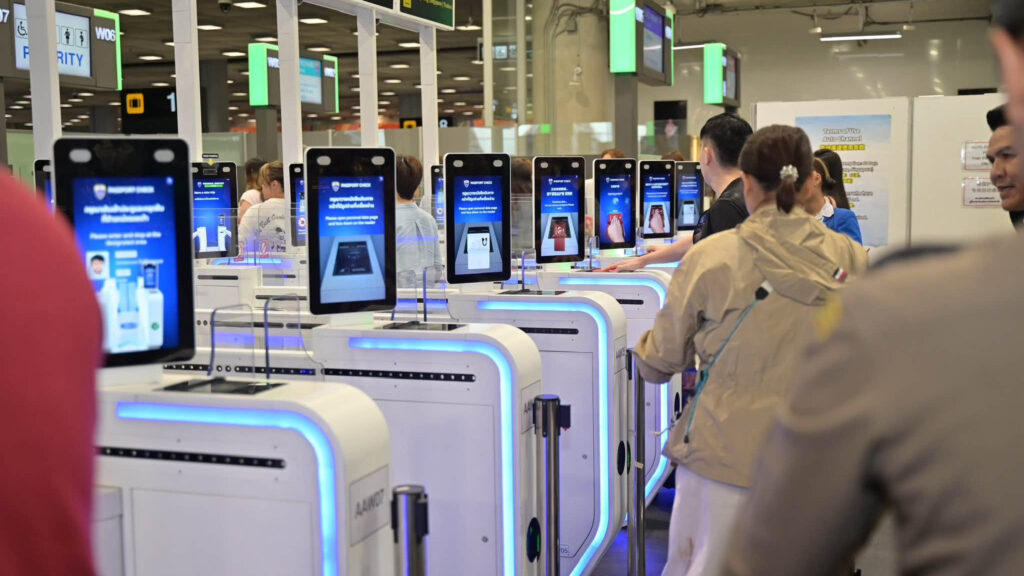
Technology is a central element. TAT reports that biometric identity checking will be expanded and automated passport-control capacity increased. At the time of the announcement, those channels were available to eligible passport holders from Singapore and Hong Kong.
The second phase is scheduled to begin in September 2026, and authorities will consider eligibility for travellers from other lower-risk markets. The official release says expanded automated-channel capacity is expected to reduce congestion in immigration areas by more than 50 per cent. That is an operational expectation to watch, not a completed result.
Why gateway quality matters to Bangkok
For an international buyer, the airport is often the first and last experience of the city. Predictable arrival, immigration and baggage processes make short business visits, viewing trips and repeat travel easier to plan. They also matter to executives, tourists, conference delegates and families moving between Bangkok and overseas markets.
Bangkok’s global appeal rests on a network: air services, airport access, urban rail, roads, hospitality, healthcare, retail and professional services. Improving one part can strengthen the whole journey, although the benefit will vary by traveller and location.
Expanded biometric and automated passport-control capacity is central to the announced improvements.
The property connection is indirect
Airport service improvements can reinforce confidence in Bangkok as a connected regional city. They may support hospitality, meetings, retail and corporate activity that feed the wider urban economy. However, an airport announcement does not establish rental demand for a particular condominium.
Investors should ask which tenant groups genuinely value frequent air access, how they travel to the airport and whether the unit also works for everyday life. A home still needs a defensible price, suitable layout, maintained building and realistic rent.
Different districts use connectivity differently
Residents near the Airport Rail Link may value a rail-led journey, while others choose expressways, taxis or private transport. Central business districts can benefit from broad international connectivity even when they are not geographically closest to Suvarnabhumi. East-Bangkok locations may offer road access but require careful peak-time testing.
Buyers should make the actual trip from a shortlisted building with luggage at a relevant time. Include the first and last mile, transfers, waiting and resilience when one route is disrupted. A map distance is not a complete connectivity measure.
What foreign buyers should monitor
First, watch whether the September phase begins as scheduled and which travellers become eligible. Second, look for measured changes in queue performance rather than relying only on targets. Third, track how flight schedules, passenger demand and ground transport interact with the service programme.
For property decisions, compare these gateway signals with leasing evidence, employment anchors and resident services. Connectivity is most valuable when it complements a neighbourhood that already works on ordinary weekdays.
A disciplined way to use the news
Treat the announcement as operational infrastructure context.
Distinguish scheduled measures from completed outcomes.
Test the real airport journey from a shortlisted building.
Identify tenants or residents who genuinely value air access.
Verify unit economics independently of the airport narrative.
Monitor the September technology phase and measured results.
Suvarnabhumi’s service programme supports Bangkok’s long-term case as an accessible international city, while careful property selection remains decisive. Read IBP’s infrastructure coverage and Thailand economy and investment news, or contact IBP Real Estate to connect citywide signals with a defensible shortlist.
Thailand’s tourism authorities are preparing a 2027 direction centred on value over volume. The Government Public Relations Department reported that the Tourism and Sports Minister opened the Tourism Authority of Thailand Action Plan 2027 meeting in Bangkok on 13 July 2026, setting out a push for higher-value, balanced and more resilient tourism growth.
Thailand’s tourism leadership met in Bangkok to set a value-over-volume direction for 2027.
This is relevant to Bangkok property because tourism supports a wide urban economy: hotels, restaurants, retail, wellness, culture, transport, events and professional services. It is not a forecast that condominium prices will rise. Foreign buyers should treat the plan as a confidence and positioning signal, then return to evidence for the exact district and building.
What the official direction says
The government release describes four broad strategic themes for TAT. “Shape market portfolio” focuses on high-value target markets. “Shape experience platform” moves from selling travel commodities towards value-driven experiences throughout the year. “Shape new growth engine” includes life economy, creative culture, subculture and sustainable tourism. The fourth theme concerns TAT’s own transformation into a high-performance organisation.
The announcement also emphasises information, technology, innovation, competitiveness and cooperation across the sector. TAT is expected to announce its 2027 marketing promotion plan in August 2026. Buyers should therefore understand the July statement as direction-setting; detailed campaigns and measurable outcomes will require later evidence.
The official direction combines high-value markets, year-round experiences, innovation and resilience.
Why value over volume matters
A volume-led tourism story counts arrivals. A value-led approach asks how visitors spend, how long they stay, which experiences they use and whether growth supports durable businesses and communities. For Bangkok, that can reinforce premium hospitality, dining, wellness, design, retail and cultural sectors that also shape resident liveability.
Higher-value visitors often expect reliable transport, quality accommodation, strong healthcare, safe public environments and internationally legible service. Investment in those capabilities can benefit residents as well as travellers. The property link is indirect but meaningful: a city that works well for demanding visitors can become easier to understand for executives, entrepreneurs, long-stay residents and regional families.
Bangkok is central to the premium-city story
Bangkok concentrates gateways, corporate offices, major hotels, restaurants, shopping, medical services, convention space and cultural venues. It can serve as both a destination and the first point of contact with Thailand. A visitor who returns for business, healthcare, events or lifestyle reasons may develop a deeper relationship with the city than a one-off leisure traveller.
That does not mean every tourist becomes a tenant or buyer. The more defensible property connection comes through employment, business formation, repeat travel and long-stay demand around real urban anchors. Districts with transport depth, established services and maintained public environments are better placed to translate a national strategy into everyday relevance.
For property buyers, the relevance lies in sustained business activity and premium city positioning, not a guaranteed price effect.
Year-round experiences can support steadier activity
The official plan’s 365-day experience theme aims to reduce reliance on a narrow seasonal proposition. Bangkok already has an advantage here because dining, shopping, wellness, healthcare, culture and events can operate across the year. Seasonal campaigns can add another reason to visit without requiring the city to depend only on weather.
For landlords and investors, steadier urban activity may be more useful than a short visitor spike. Yet ordinary residential condominiums should be underwritten on lawful, building-compatible rental demand rather than hotel-style occupancy assumptions. A strong tourism environment supports confidence; it does not override lease rules or due diligence.
Creative culture and wellness strengthen liveability
The life-economy and creative-culture themes matter beyond tourist spending. Wellness services, food, design, music, craft and cultural programming help make Bangkok attractive for residents who could choose among regional cities. They also give neighbourhoods a recognisable identity and can widen the reasons people stay longer.
Foreign buyers should look for genuine ecosystems rather than slogans. Check whether a district offers accessible healthcare, parks, dining, daily retail, transport and community life. Premium positioning is most resilient when these elements are already used by residents, not only planned for future visitors.
How property buyers should use the announcement
First, treat the plan as national context. It shows that tourism policy is prioritising quality, innovation, year-round experiences and resilience. Second, identify which Bangkok sectors and locations have a credible connection to those themes. Third, verify unit-level economics: purchase price, rent evidence, common costs, management, tenant audience and resale competition.
A buyer should not pay a premium simply because a project uses words such as wellness, culture or luxury. Inspect the service model, operating cost and real neighbourhood. If the unit works only when tourism targets are fully achieved, the investment case is too dependent on one policy narrative.
Signals to watch next
The detailed TAT 2027 marketing promotion plan expected in August 2026.
Campaigns aimed at high-value and repeat visitors.
Evidence of year-round events and experience development.
Business investment in hospitality, wellness, retail and culture.
Transport and public-realm improvements supporting city use.
Actual long-stay, employment and leasing evidence in relevant districts.
Thailand’s high-value tourism direction strengthens Bangkok’s case as a premium, globally connected city, but careful property selection remains essential. Read IBP’s Thailand economy and investment news and investment analysis, or contact IBP Real Estate to connect macro signals with a defensible Bangkok shortlist.