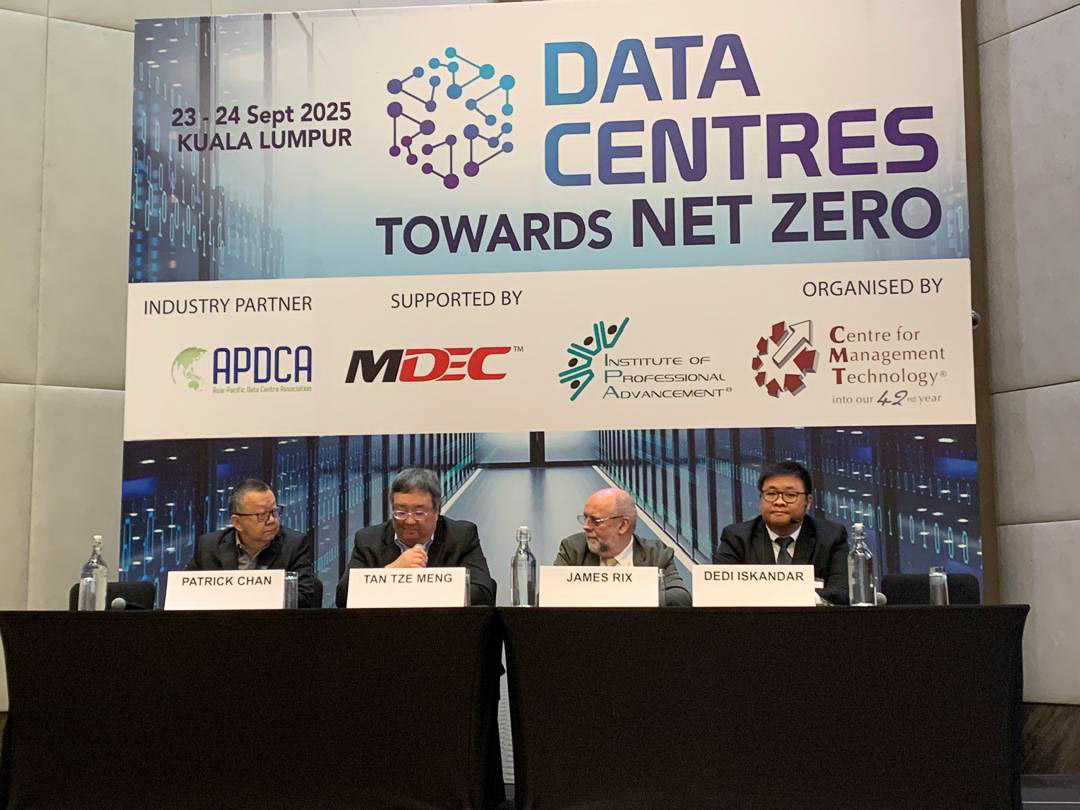
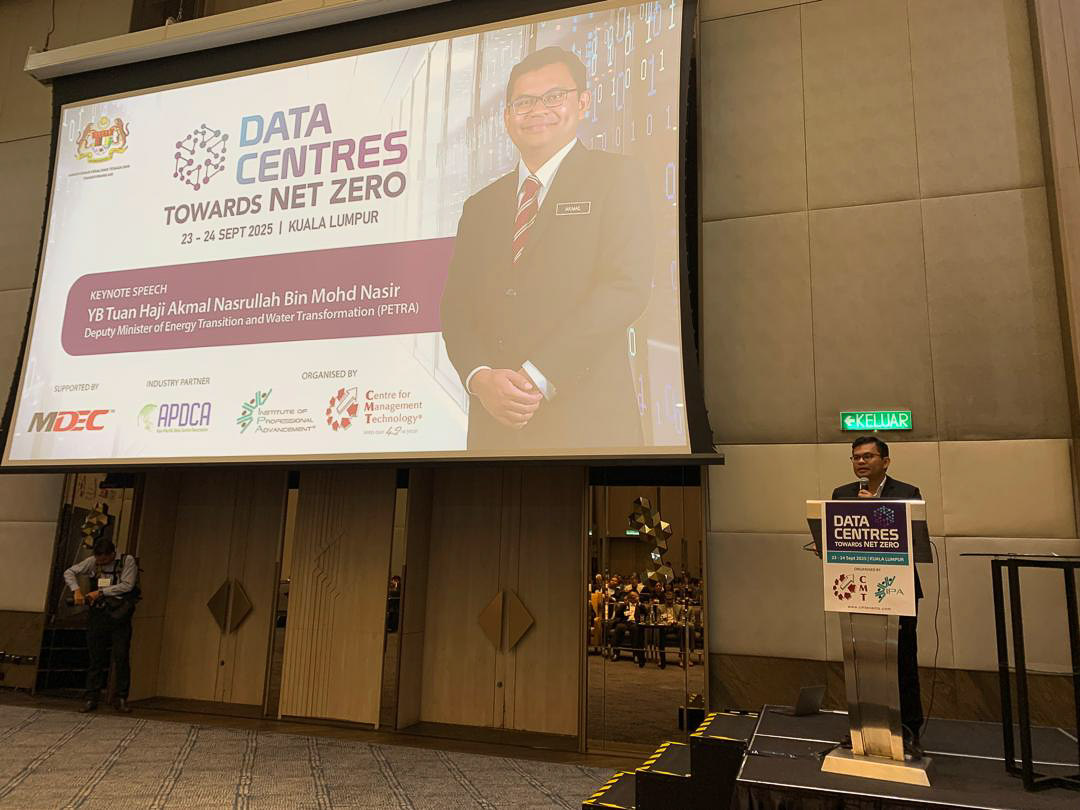
Bangkok’s next property confidence signal may come from a sector most condo buyers never see directly: data centres. The 2nd Low Carbon Data Centres conference is scheduled for 16-17 June 2026 at Hilton Sukhumvit Bangkok, bringing the digital infrastructure, energy, sustainability and investment conversation into the centre of the city.
The Board of Investment’s event calendar says Thailand’s BOI is supporting the conference, with a keynote on Thailand’s digital-green future by Suthiket Thatpitak-Kul, Deputy Secretary General of the BOI. The agenda matters because the data-centre story is no longer only about servers and land plots. It is increasingly about power supply, low-carbon energy, grid readiness, regulation, talent and investor confidence.
The 2nd Low Carbon Data Centres conference is scheduled for 16-17 June 2026 in Bangkok.
Why data centres matter to property buyers
A foreign condo buyer does not buy a Bangkok unit because a data centre opens outside the central business district. The link is broader. Data-centre investment points to a more sophisticated economy: cloud services, AI infrastructure, renewable energy procurement, engineering talent, legal services, finance, construction, facilities management and regional corporate activity.
Those sectors can deepen the professional base that supports Bangkok’s residential market. Executives, consultants, engineers, regional managers and service providers still need places to live, meet clients, access hospitals, travel internationally and host visiting teams. Bangkok’s central districts benefit when the national investment story becomes more technology-led and internationally connected.
The low-carbon angle is the important part
CMT’s event page says the Thai data centre market is projected to reach US$1.54 billion by 2030. It also points to sustainability as a key investment driver, including discussion around renewable power procurement and the regulatory environment. For Thailand, that is a useful shift. Large digital infrastructure can create pressure on power systems; the next phase of credibility depends on whether growth is matched with cleaner energy, grid planning and reliable regulation.
For Bangkok property, this is not a short-term rental headline. It is a medium-term confidence indicator. International investors want to see that Thailand can host high-value sectors while addressing energy and environmental constraints. If the country can do that, Bangkok’s premium residential market has a stronger economic backdrop than tourism and lifestyle alone.
Digital infrastructure is becoming part of Thailand’s wider investment and sustainability conversation.
What Bangkok gains from hosting the discussion
The location of the conference also says something about Bangkok’s role. Hilton Sukhumvit Bangkok places the event in a district where regional executives already understand hotels, serviced apartments, BTS access, restaurants, hospitals and premium condominiums. Even when industrial assets sit outside the city core, the meetings, advisory work and decision-making often happen in Bangkok.
That pattern is familiar across sectors. Manufacturing, logistics, energy and digital infrastructure may be physically spread across Thailand, but Bangkok remains the command centre for capital, law, banking, government meetings, headquarters, hospitality and international schooling. This is one reason foreign buyers often assess Bangkok as both a lifestyle city and an economic gateway.
How buyers should read the signal
The right conclusion is measured. A low-carbon data-centre conference does not make every condo a better investment. It does not remove vacancy risk, oversupply risk or the need to check building management. It does, however, support the argument that Thailand is competing for future-facing investment, not only leisure travel and traditional manufacturing.
Buyers should watch three practical indicators: whether BOI approvals turn into actual operating projects, whether power and renewable-energy policy become clearer, and whether international operators continue to choose Thailand for regional capacity. These are macro signals, so they should sit alongside micro checks on unit price, tenant profile and resale evidence.
For property buyers, the signal is about high-value economic activity, not a direct promise of condo returns.
Buyer takeaway
Bangkok property is strongest when the city’s liveability is supported by a credible national investment story. Low-carbon data centres fit that wider narrative because they combine technology, energy, infrastructure and international capital. Foreign buyers should read the June conference as one more sign that Thailand is trying to position itself around higher-value growth.
IBP Real Estate can help buyers connect macro investment signals with practical condo selection in Sukhumvit, Rama 9, Sathorn and other central districts. For more context, read our Thailand economy and investment news and infrastructure updates.
Central Pattana’s plans for The Central Phaholyothin are not only retail news. For foreign buyers watching Bangkok property, they are also a reminder that the city’s growth story is increasingly organised around large mixed-use districts rather than isolated shopping centres or single condominium towers.
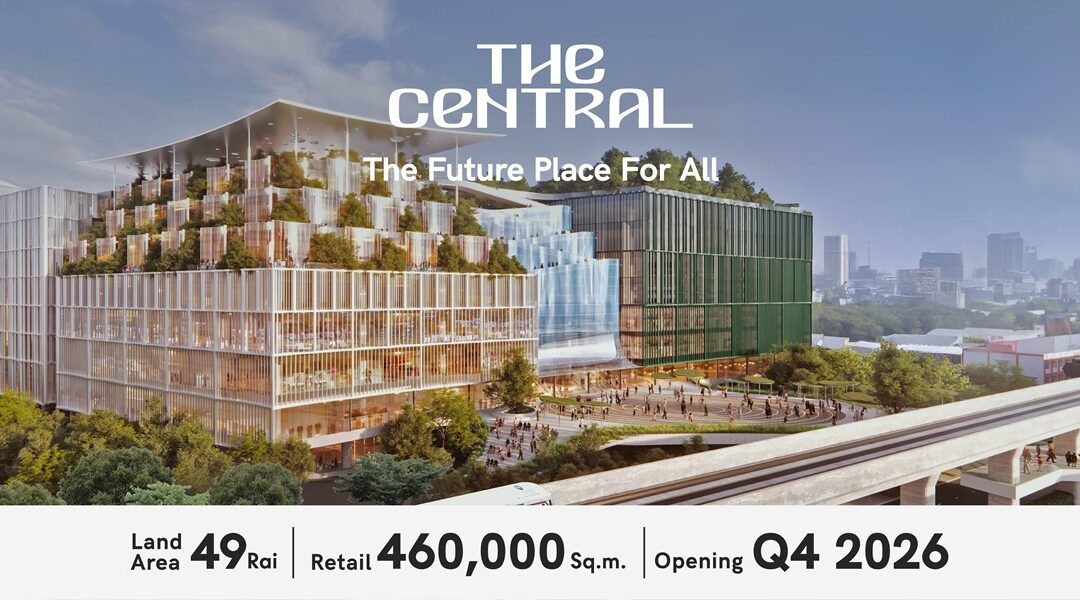
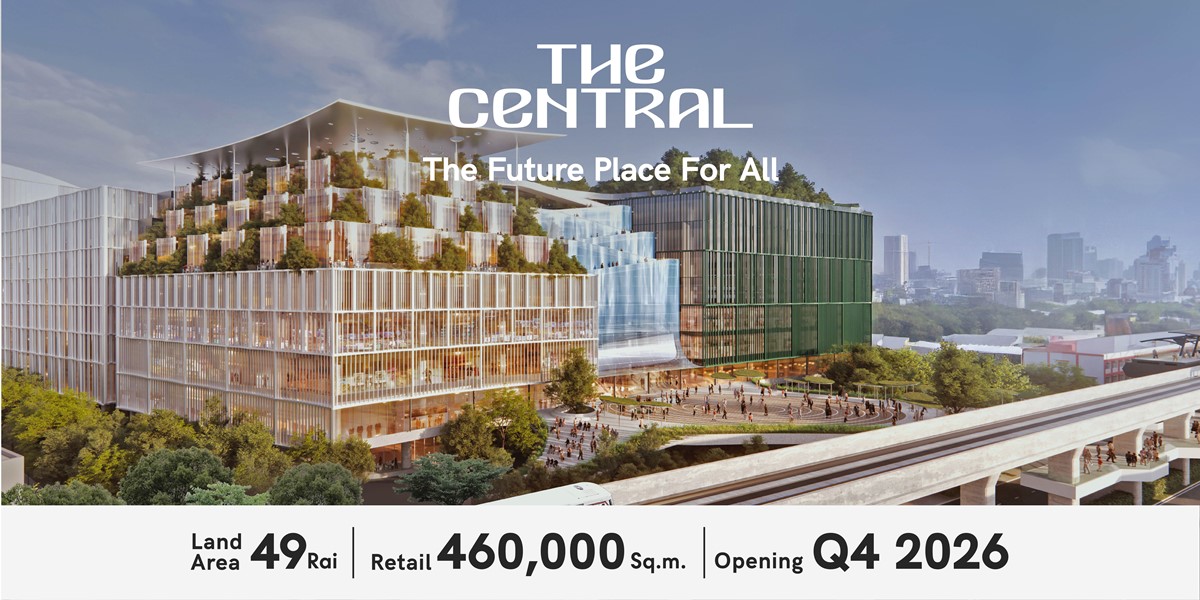
The official Central Pattana page describes The Central in the Phaholyothin area as a project on more than 49 rai of land, with retail gross building area of 460,000 sq m. It says the project is scheduled to open in the fourth quarter of 2026 and will grow alongside Central Ladprao, with global brands expected to open flagship stores as they enter the Thai market.
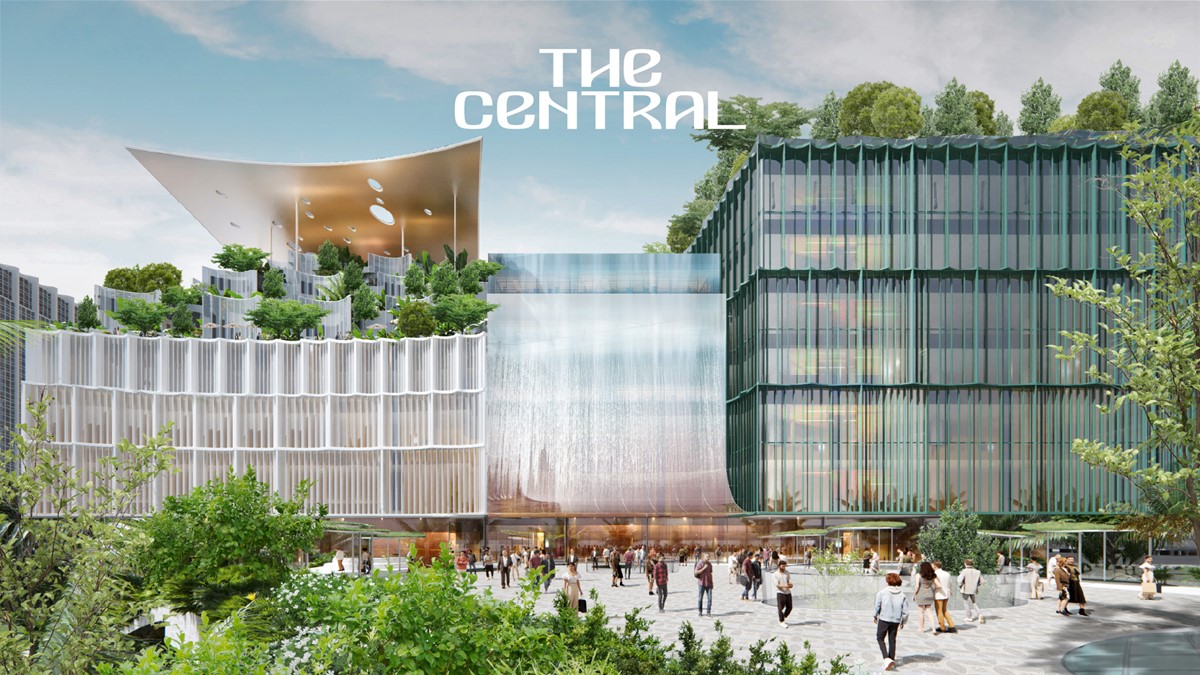
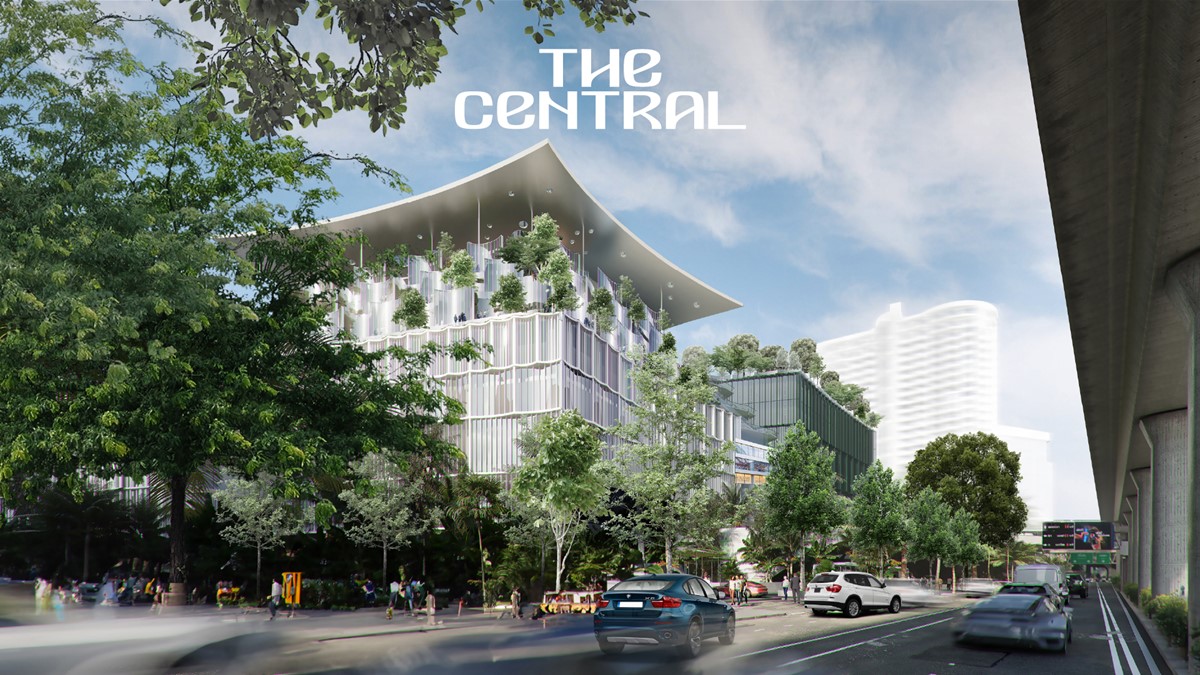
The Central Phaholyothin is positioned as a major retail-led landmark for north Bangkok.
Why this matters to property buyers
Large retail-led projects can influence property confidence in three practical ways. First, they make a district easier to live in by improving shopping, dining, services, entertainment and climate-controlled meeting places. Second, they support jobs and business traffic, which can deepen rental demand around transport nodes. Third, they help define how local buyers and overseas buyers describe a district. A clear district identity often matters when a condo is later rented or resold.
This does not mean every nearby condo automatically becomes a better investment. The benefit depends on walking routes, rail access, road congestion, competing supply, building quality and the price paid. Still, a major mixed-use anchor can give buyers a clearer framework for assessing long-term neighbourhood improvement.
Part of a broader five-year plan
Central Group’s 26 March 2026 corporate news release said Central Pattana is advancing a five-year investment plan for 2026 to 2030 valued at THB 110 billion, with an ambition to grow mixed-use developments to 33 projects by 2030. The same release framed the company’s strategy around mega-scale urban transformation projects, including north Bangkok, Rama 9 and the Ladprao-Phaholyothin corridor.
For Bangkok property, that breadth matters. It suggests that private-sector capital is still being deployed into urban districts, offices, hotels, residential projects and retail ecosystems even while parts of the housing market remain selective. Foreign buyers should read it as a confidence signal, not as a guarantee. Strong macro investment can support a district, but individual condo returns still depend on price, product and management.
Central Pattana says the project will grow alongside Central Ladprao and support the wider Ladprao-Phaholyothin district.
The Central District signal
The corporate update described The Central District as a collaboration to redefine Ladprao-Phaholyothin as a unified urban ecosystem. It said Central Ladprao and The Central Phaholyothin together span 96 rai, with combined gross building area of 770,000 sq m, comparable in scale to centralwOrld. That comparison is useful because centralwOrld is not just a mall in buyer perception; it is part of how Ratchaprasong is understood as a retail, hospitality and office hub.
North Bangkok has a different profile from the traditional foreign-buyer core. It is more local, more family-oriented in parts, and connected to universities, offices, transport corridors and Don Mueang access. The Central Phaholyothin could strengthen the area’s lifestyle proposition, but foreign buyers should still compare it against their actual tenant target. A tenant working around Ladprao, Ratchayothin, Kasetsart or Don Mueang may value the district differently from an expatriate working in Phrom Phong or Sathorn.
What to check around nearby condos
Whether the condo has a realistic walk, shuttle or rail route to the district’s key anchors.
Whether rental demand comes from local professionals, students, aviation-linked workers, office tenants or families.
Whether road congestion could reduce the practical benefit of new amenities.
Whether future residential supply may compete for the same tenant pool.
Whether the building’s management, common areas and unit layouts match the district’s expected buyer profile.
For condo buyers, the district signal matters most when it improves daily amenities, employment access and transport convenience.
Foreign-buyer takeaway
The Central Phaholyothin is a useful growth signal because it sits inside a larger shift: Bangkok’s major developers are still building mixed-use places that combine retail, work, hospitality, residence and daily services. For a foreign buyer, that supports confidence in Bangkok as a liveable and investable city, but it should not replace due diligence on a specific building.
The most practical approach is to map the project against completed condos and new launches within realistic travel distance, then compare tenant depth, resale evidence and total holding costs. District growth is helpful; overpaying for a weak unit because a landmark is coming nearby is still avoidable.