

Thailand Entry Funds Reminder And Property Confidence

Thailand Entry Funds Reminder And Property Confidence

Thailand’s latest proof-of-funds reminder is a practical travel notice, but it also matters for foreign buyers who treat Bangkok property ownership as part of a wider Thailand plan. On 6 July 2026, TAT Newsroom said foreign visitors should keep evidence of sufficient funds ready for possible immigration screening. TAT also stated that the notice does not introduce a new measure.

Official TAT proof of funds reminder for foreign visitors to Thailand
TAT described the proof-of-funds notice as a travel-preparation reminder, not a new measure.

For property buyers, the point is not alarm. The point is planning discipline. A serious Bangkok condo buyer may enter Thailand for viewings, bank meetings, transfer appointments, family visits, medical care or longer stays. Clear entry preparation reduces friction and supports confidence in the country as a repeat-visit destination.

What TAT clarified

TAT said the proof-of-funds requirement has been part of Thai immigration rules since 1980 under a Ministry of Interior announcement, with current amounts updated under a later announcement in 2000. Depending on entry category, visitors may be asked to show funds in Thai baht, an equivalent amount in another currency, or documents evidencing payment of an equivalent amount.

The amounts listed by TAT include 10,000 baht per person or 20,000 baht per family for Visa on Arrival and certain transit or visa-exempt cases under immigration regulations. For Tourist Visa and Non-Immigrant Visa categories, TAT lists 20,000 baht per person or 40,000 baht per family. TAT also says the requirement does not apply to children under 12.
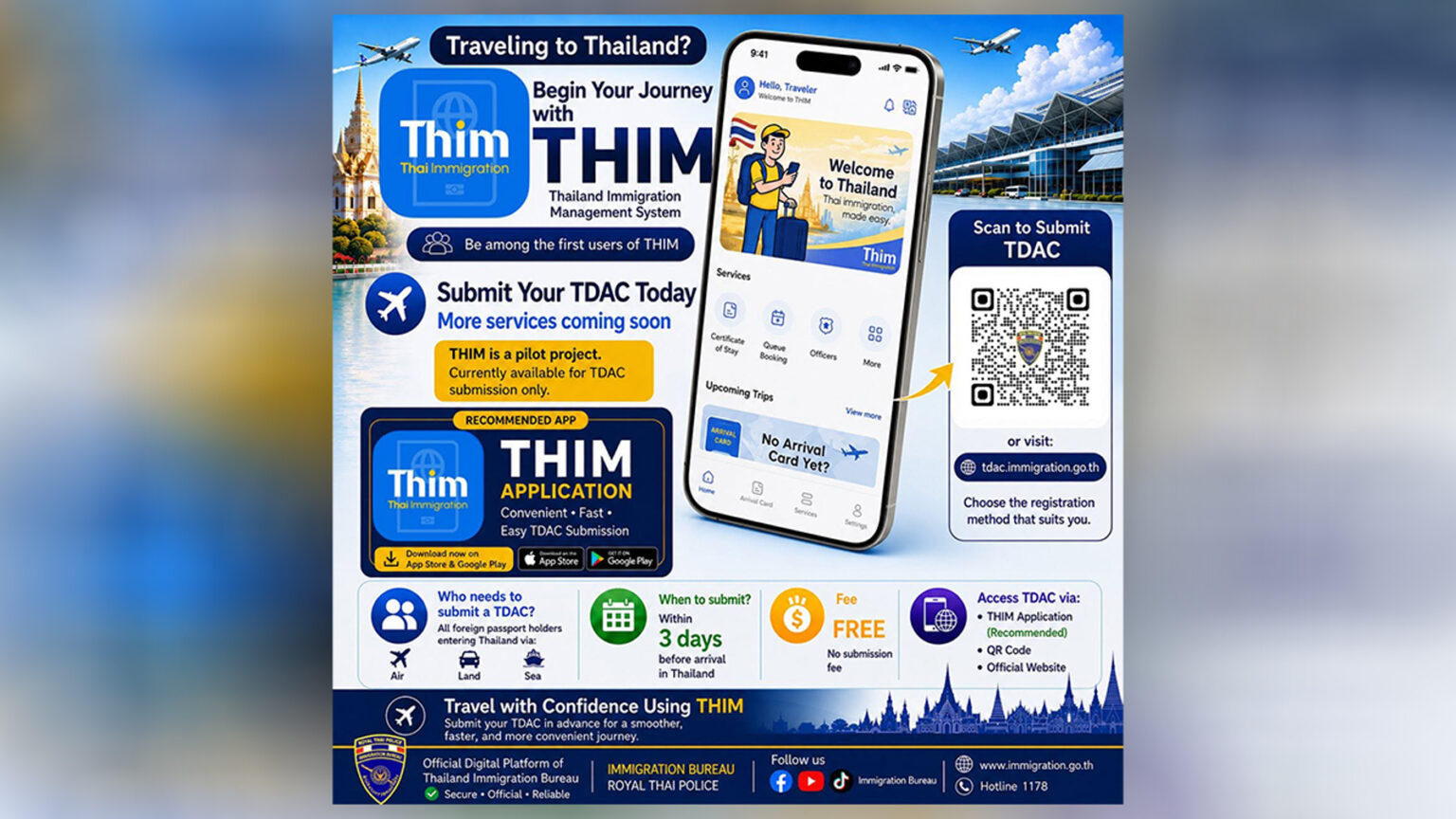
Official TAT image for Thailand Immigration Management app visitor registration
Clear entry processes help repeat visitors and property buyers plan Thailand trips with fewer surprises.

Why this matters for Bangkok property buyers

Foreign condo buyers often make several trips before and after purchase. A first trip may involve neighbourhood orientation and shortlisting. Later trips may involve reservation, due diligence, bank processes, transfer, furnishing, tenant setup or family relocation planning. Entry preparation should be treated as part of that project plan.

The reminder is especially relevant for buyers who assume property interest alone will make entry formalities automatic. It will not. Visitors still need valid travel documents, visa or visa-exemption eligibility, accommodation details, onward-travel evidence where required and the ability to follow Immigration Bureau instructions at the checkpoint.

Confidence comes from predictable rules

Rules can feel inconvenient, but clear reminders can also support confidence. Investors and residents prefer countries where procedures are visible and can be prepared for. When official agencies explain requirements, visitors can organise documents before flying rather than discovering them at the counter.

For Bangkok property, this fits a wider buyer mindset. The same discipline applies to remittance records, foreign quota checks, title documents, lease files, tax advice and property management authority. Thailand is attractive to many foreign buyers, but ownership still rewards organised paperwork.
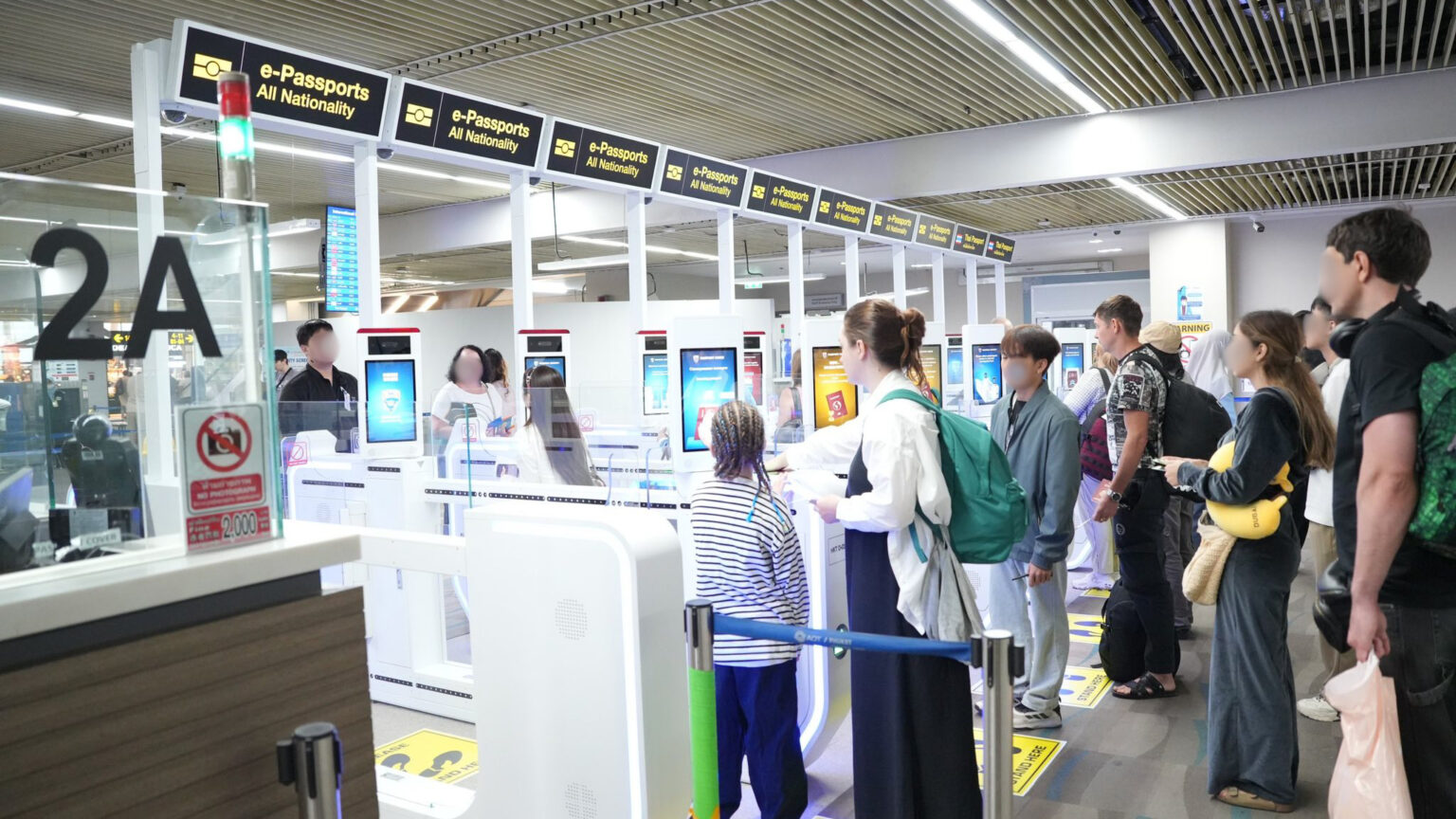
Official TAT image of automated passport channel at a Thailand airport
Airport and immigration readiness form part of Thailand’s wider visitor-confidence story.

Do not confuse visitor entry with ownership rights

The proof-of-funds reminder is an entry-screening matter. It does not change Thailand’s condominium foreign freehold rules, transfer process or land ownership restrictions. Buyers should keep those topics separate. A person may be eligible to buy a foreign-freehold condominium and still need to meet normal immigration requirements each time they enter the country.

Foreign buyers should therefore plan both sides: property legality and travel eligibility. A lawyer can advise on purchase documents. Immigration guidance should be checked with official channels, the Immigration Bureau, the Ministry of Foreign Affairs or the relevant Royal Thai Embassy or Consulate-General.

Practical preparation checklist

  • Check visa, visa-exemption or visa-on-arrival eligibility before travel.
  • Keep proof of sufficient funds or equivalent documents accessible.
  • Carry accommodation details and onward-travel evidence where relevant.
  • Keep property-viewing, hotel, hospital or meeting plans organised.
  • Confirm current guidance with official immigration or embassy channels.
  • Separate travel requirements from condo purchase due diligence.

Buyer takeaway

Thailand’s proof-of-funds reminder should be read as a planning prompt, not a property-market shock. Foreign buyers who prepare entry documents, purchase records and ownership logistics carefully are better placed to move through Bangkok property decisions calmly. Confidence comes from knowing what has to be checked before each step.

IBP helps foreign buyers connect Thailand policy, travel and ownership requirements with Bangkok property planning. Read more in our Thailand economy and investment news archive or contact IBP Real Estate for a Bangkok buyer brief.
Thailand will require all international arrivals to complete a Digital Arrival Card starting 1 May 2025

Thailand will require all international arrivals to complete a Digital Arrival Card starting 1 May 2025

Right, let’s talk travel updates for those of you keen on heading to Bangkok, or anywhere else in Thailand for that matter. There’s a significant change you absolutely need to be aware of, impacting pretty much everyone arriving in the country from this May.


Starting May 1st, 2025, Thailand is introducing a mandatory digital arrival card. It’s officially being called the Thailand Digital Arrival Card, or TDAC. This isn’t entirely new in concept; it’s the digital replacement for those little paper TM6 cards you might remember filling out on flights before they were paused. The plan was always to bring them back, just in a digital format.


So, who actually needs to complete this TDAC? The rule is quite broad: Pretty much everyone who is a foreign national arriving in Thailand. This applies whether you’re arriving by air, land, or sea. It even includes foreign residents who are returning to Thailand using their re-entry permits. Transit passengers need it too, but only if they pass through immigration. If you’re just changing planes and staying airside in the international zone, with your bags checked through, you generally don’t need to complete the TDAC.


Who is exempt? Thai citizens, naturally. Also, those transit passengers who don’t go through immigration. Diplomatic and consular staff using diplomatic passports are also exempt.


For everyone else, you need to know when to do it. The window for submission is up to three full days before your arrival. For example, if you’re landing on May 6th, you can submit your TDAC on May 3rd, 4th, 5th, or even on the 6th before you land. The system actually went live a little earlier, on April 28th, to allow people arriving right on May 1st to get theirs done.


Where do you complete it? It’s done online via the official Thailand Digital Arrival Card Portal website. On the portal, you’ll find a button labelled ‘arrival card’ to launch the form.


The information required is very similar to the old paper form. You’ll need to provide your full name, date of birth, nationality, passport number and expiry date. Standard identity details. You’ll also need your occupation, contact details, and trip specifics. This includes your date of arrival, flight number, your purpose for visiting Thailand (tourism, business, etc.), your planned departure date and flight number, and the address where you’ll be staying in Thailand, such as your hotel name and address. One additional item is a list of countries you’ve visited in the two weeks before arriving.


Once you fill in all the details and submit, you should receive a QR code confirmation. This is likely to come via email, potentially with a downloadable PDF attached. We’ve heard the system is quite fast, often providing a downloadable PDF on screen immediately after submission, with the email following quickly.


Now, for some practical advice: The absolute best way to handle this is to complete the TDAC before you even leave home. Do it well in advance of heading to your departure airport. Waiting until you’re at the gate or on the plane is definitely not recommended. Doing it in advance saves potential hassle at check-in and on arrival.


Will airlines check for this QR code? That’s still a little unclear. Some might, some might not, especially initially. However, the strong advice is to just assume they will check and have your QR code ready. It’s the safest approach to avoid being denied boarding at your departure airport, which is a serious possibility if you haven’t completed it. Don’t risk your whole trip for a form that should only take about 10 minutes to fill out.


The form itself is split into three main sections: personal information, trip and accommodation details, and a health declaration section.


Here’s a crucial ‘pro tip’ once you get your QR code confirmation: Save it digitally on your phone (screenshot, save the PDF), BUT also print out a paper copy. Technology can fail – phones die, apps glitch, Wi-Fi might be unavailable when you need it. Having that physical piece of paper can be a real lifesaver and provides peace of mind.


What if your plans change after you’ve submitted? Good news, you can update it. The portal has an update function. You’ll need your TDAC number from your confirmation, your passport number, date of birth, and nationality to log in. You can update things like your arrival date, flight number, or accommodation details if they change.


So, what happens if you just forget or don’t do it at all? It’s definitely not ideal. You will likely face significant delays and longer queues at immigration upon arrival in Thailand as you’ll have to complete it there. As mentioned, there’s also the potential risk of being denied boarding by your airline.


However, Thailand’s Immigration Bureau hasn’t left people completely stranded. There is a fallback option: They’ve set up kiosks or counters in the arrival halls for last-minute TDAC submission. Specific counters have even been mentioned at Suvarnabhumi Airport in Bangkok. But, and this is a big but, expect potentially long queues if you have to use these. This is very much an emergency option and absolutely not the recommended approach. Plan A is to do it before you leave home to avoid the stress and queues on arrival.


It’s worth noting that Thailand is following a trend here. This move to digital arrival cards is becoming a standard practice globally and aligns Thailand with neighbours like Singapore, which has its SG Arrival Card, and Malaysia, with its MDAC. It’s all about modernising, streamlining processes, and collecting data digitally.


For the absolute official details or if you have complex questions, always refer to the official sources. The Thailand Digital Arrival Card Portal itself is the primary place, and you should find a user guide and an FAQ section there.


To boil it all down for your readers heading to Thailand from May 1st, 2025: The Thailand Digital Arrival Card is mandatory for foreign nationals, and you must complete it before you arrive. The best approach is to do it within the 3-day window before travel, fill it out online, get your QR code, save it on your phone, and print a copy. Being prepared will make your arrival in Bangkok or elsewhere in Thailand much smoother. And perhaps pack a little extra patience, as any new system might have initial bumps, especially processing millions of travellers.


It’s interesting to see how travel is rapidly moving towards digital processes – boarding passes, visas, now arrival cards. It makes you wonder what’s next! But for now, the TDAC is the key thing to focus on for your upcoming trip.

Translate 翻译 »