Thailand’s government has placed transport connections back at the centre of its economic programme. In July 2026, the Ministry of Transport set out a direction covering 262 projects, while the Prime Minister later emphasised faster work on missing road and rail links as the wider southern Land Bridge approach is reviewed.
Rail plans matter to property buyers only when funded projects improve a resident's complete door-to-door journey.
For Bangkok property buyers, this is a signal to watch implementation rather than a reason to chase speculative maps. Better-connected infrastructure can support business activity and daily mobility, but the value of a condominium still depends on the exact station, street, building and purchase price.
What the July transport direction says
The ministry’s programme describes rail as a core network, supported by roads, waterways and aviation. Bangkok-related priorities include missing rail connections between Bang Sue, Phaya Thai, Makkasan, Hua Mak and Hua Lamphong, together with suburban Red Line extensions and other national transport projects.
Road priorities include motorways, expressways, ring roads and links intended to reduce bottlenecks. National rail and port projects are designed to improve passenger and freight movement beyond Bangkok. The common policy theme is connection: extracting more value from networks by closing gaps between them.
The Land Bridge is being reviewed, not a condo sales claim
On 22 July, the government said agencies should review the proposed southern Land Bridge approach while accelerating infrastructure that can be implemented sooner, particularly missing road and rail links. Buyers should avoid treating preliminary policy language as a completed investment decision.
The prudent distinction is between a strategic idea, an approved project, a funded contract, construction progress and an operating service. Each stage has a different level of certainty and a different time horizon. Property pricing should not assume that every announced benefit arrives on schedule.
The July transport direction puts greater emphasis on completing connections between existing networks.
Why national logistics can matter to Bangkok
Bangkok is Thailand’s principal corporate, financial and service centre. More efficient national transport can support trade, tourism, supply chains and business formation that use the capital for headquarters, professional services and regional management. That is the broad confidence channel relevant to housing demand.
The effect is indirect. A logistics announcement does not guarantee condominium appreciation or rent. Employment must be created, companies must occupy space and residents must choose particular neighbourhoods. Investors should look for evidence in office activity, hiring, household formation and actual transport use.
Bangkok rail gaps deserve close attention
Missing links inside the capital could improve interchange options and reduce fragmented journeys if they proceed as described. Stations that connect several systems may become more convenient for residents travelling between business districts, airports and suburban employment centres.
However, proximity measured on a map can mislead. Access depends on entrances, walking conditions, platform changes, service frequency and the complete journey. A project several years from operation should be discounted for delay, disruption and design change.
Construction can create short-term costs
Infrastructure work may bring noise, dust, traffic diversions and difficult pedestrian routes before benefits arrive. Some units face works directly while others gain accessibility with less disturbance. Buyers should inspect active sites and ask how construction logistics affect the exact frontage.
Future access can also attract new condominium supply. That may improve neighbourhood services but create rental and resale competition. An investor should examine planned projects, developable land and unit mix rather than assuming every home near a transport scheme becomes scarce.
Buyers should distinguish an operating station from a study, policy statement, tender or construction programme.
A practical infrastructure checklist for buyers
Identify the responsible agency and current project stage.
Separate policy, study, approval, tender, construction and operation.
Use conservative timing and allow for change.
Walk the exact route to existing and proposed access points.
Assess construction disturbance and future competing supply.
Test rent and resale without the infrastructure upside.
Track official updates instead of relying on sales graphics.
Monitor delivery through official agency updates, budget decisions, procurement notices and construction milestones. Repeated marketing claims without a traceable project stage should not be priced into a purchase.
Thailand’s transport direction supports a long-term case for connectivity, but disciplined buyers still begin with present-day usability. The strongest purchase is one that works now and may improve later—not one that depends entirely on an unbuilt line or a national headline.
Thailand’s Board of Investment listed a 3 July 2026 press release titled “Thailand Secures $4.1 Billion in EV Chain Investments as Southeast Asia Auto Hub Pivots to Next-Gen Tech.” For Bangkok property buyers, the headline is not a direct condo-market forecast. It is a wider confidence signal about how Thailand is trying to position its industrial base for the next phase of regional manufacturing.
Foreign condo buyers should read this kind of announcement carefully. Industrial investment does not automatically raise rents in a specific building, and it should never replace unit-level due diligence. But it can support the broader case for Bangkok as a regional headquarters, services, finance, logistics and lifestyle base for people connected to Thailand’s corporate economy.
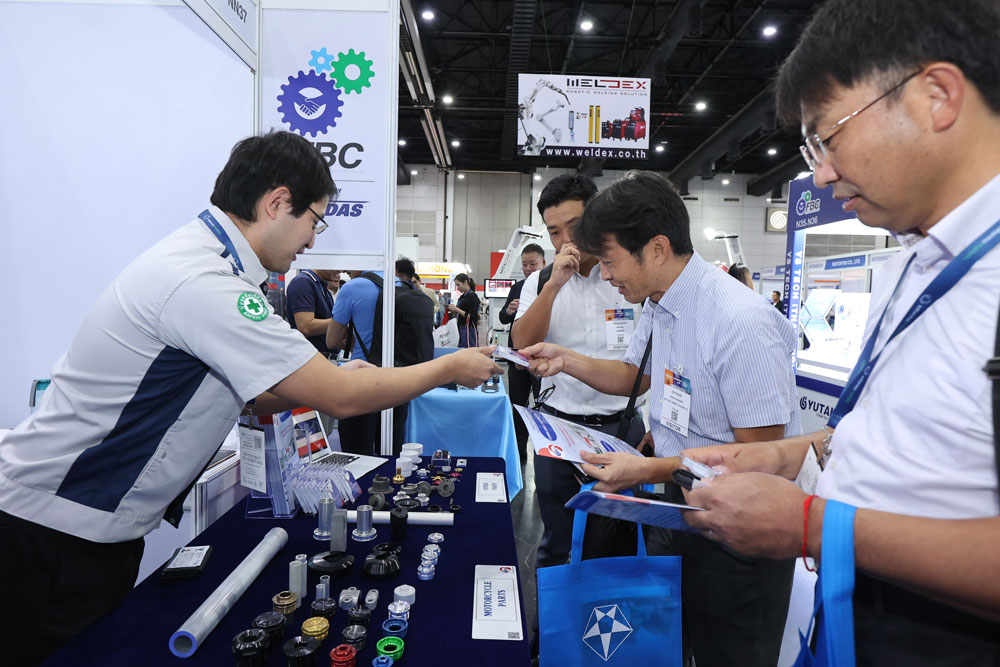
Corporate investment signals help buyers read the wider economy behind Bangkok housing demand.
What the BOI signal means
The verified headline points to EV-chain investment, not simply traditional vehicle assembly. That distinction matters because next-generation automotive investment can involve suppliers, engineering, logistics, software, batteries, testing, management, finance and regional coordination. Even when factories are outside Bangkok, many business decisions, professional services and international staff movements still connect back to the capital.
Bangkok is where many overseas executives arrive first, where advisers meet clients, where regional teams hold meetings, and where families often prefer to live because of schools, hospitals, international flights, shopping, dining and transport. That is why corporate investment news can be relevant to residential property, even when the physical industrial assets are in another province.
Why this matters to foreign property buyers
Most foreign buyers are not trying to predict one factory’s hiring plan. They are trying to decide whether Bangkok has enough long-term demand drivers to justify buying a condo rather than renting or waiting. A credible investment pipeline helps answer that question at a macro level. It suggests that Thailand is still competing for international capital, not relying only on tourism or domestic consumption.
This matters because Bangkok condo demand is built from several layers. There is Thai owner-occupier demand, foreign lifestyle demand, expatriate rental demand, regional business travel, medical and wellness visits, education, tourism and long-stay retirement interest. Corporate investment strengthens one of those layers by keeping skilled workers, consultants, entrepreneurs and executives connected to the city.
EV-chain investment is part of Thailand's broader push toward higher-value industry.
Do not turn macro news into a unit-level promise
The mistake is to treat national investment news as proof that any condo will perform well. Bangkok remains building-specific. A good macro story cannot rescue a weak layout, poor management, unrealistic rent, tired common areas or an entry price that already assumes perfect growth. Buyers still need to check foreign quota, title, juristic-person records, building age, tenant depth and resale competition.
Investment news is most useful as a filter for location strategy. If a buyer believes Thailand’s corporate base will keep broadening, districts with strong transport, international services and office access deserve attention. That may include established central areas, selected Sukhumvit nodes, Rama 9, parts of the riverside and locations connected to airports or mass transit. The right district depends on the buyer’s budget and holding period.
How EV investment can affect Bangkok indirectly
EV-chain investment can influence the property market through indirect channels. International suppliers may send staff to Thailand. Thai companies may expand professional teams. Banks, law firms, accounting firms, logistics groups and consultants may handle more cross-border work. Hotels, serviced apartments and condos can benefit when Bangkok remains the meeting point for those activities.
These effects are gradual. They do not appear as a sudden rent jump in every building. A sensible buyer watches for repeated signals: investment approvals, office take-up, transport improvements, airport connectivity, international school demand, healthcare growth and the ability of Bangkok districts to attract high-quality tenants. One headline is a clue, not a conclusion.
Bangkok remains the main decision-making and services hub for many regional business operations.
What buyers should watch next
Foreign buyers interested in the economic backdrop should track BOI investment updates, infrastructure progress, air connectivity, tourism quality, office market movement and major corporate location decisions. They should also compare those signals with on-the-ground property evidence: achieved rents, vacancy in the building, asking-price discounts, resale transaction depth and maintenance standards.
IBP’s Bangkok property market reports and rental yield guide can help buyers connect macro confidence with the building-level checks that actually protect capital. The strongest Bangkok property decisions combine both views: confidence in the city and discipline on the unit.
A measured confidence signal
The BOI’s July 2026 EV-chain headline is positive for Thailand’s investment narrative because it shows continued interest in higher-value industry. For Bangkok condo buyers, the useful conclusion is measured rather than speculative. A stronger corporate environment can support long-term city demand, but only a carefully chosen condo can turn that backdrop into a resilient ownership experience.
Foreign buyers should use this kind of news to stay engaged with Bangkok, then return to the practical questions: who will rent this unit, who will buy it later, how clean is the paperwork, and what happens if the holding period changes? That is where confidence becomes a defensible purchase plan.
The Tourism Authority of Thailand’s CF-Hotels platform has won the Green Leadership category at the Asia Responsible Enterprise Awards 2026. For Bangkok property buyers, this is not a direct condo-market event. It is a confidence signal about the direction of Thailand’s tourism economy, hotel standards and sustainable service infrastructure.
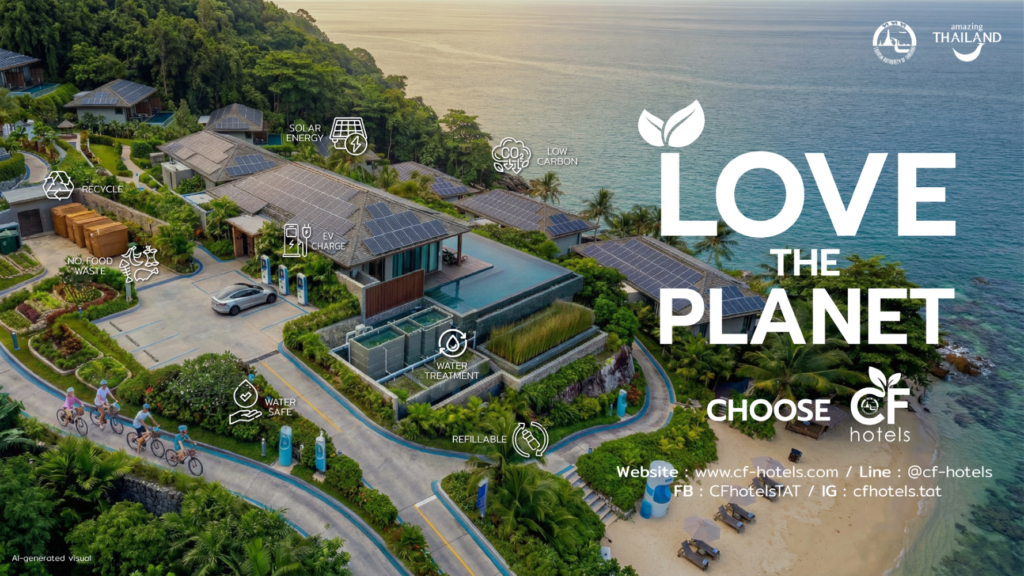
TAT framed CF-Hotels as a practical platform for measurable low-carbon tourism action.
TAT Newsroom reported from Bangkok on 2 July 2026 that the Carbon Footprint Hotels platform was recognised in Malaysia for turning low-carbon tourism policy into measurable hotel-sector action. The platform helps hotels and accommodation providers measure, manage and reduce greenhouse gas emissions through a standardised digital system.
Why sustainable tourism matters to property buyers
Foreign buyers often look at Bangkok property through transport, rent, lifestyle and price. They should also watch the quality of Thailand’s wider service economy. Tourism is one of the country’s global calling cards, and hotel-sector standards affect how international visitors, executives and long-stay residents perceive Bangkok and Thailand.
A credible low-carbon hotel programme does not make every condo a better investment. It does, however, show that Thailand is trying to compete on quality, data, sustainability and market access, not only on visitor numbers. That matters for buyers who want confidence in Bangkok’s long-term positioning as a sophisticated regional base.
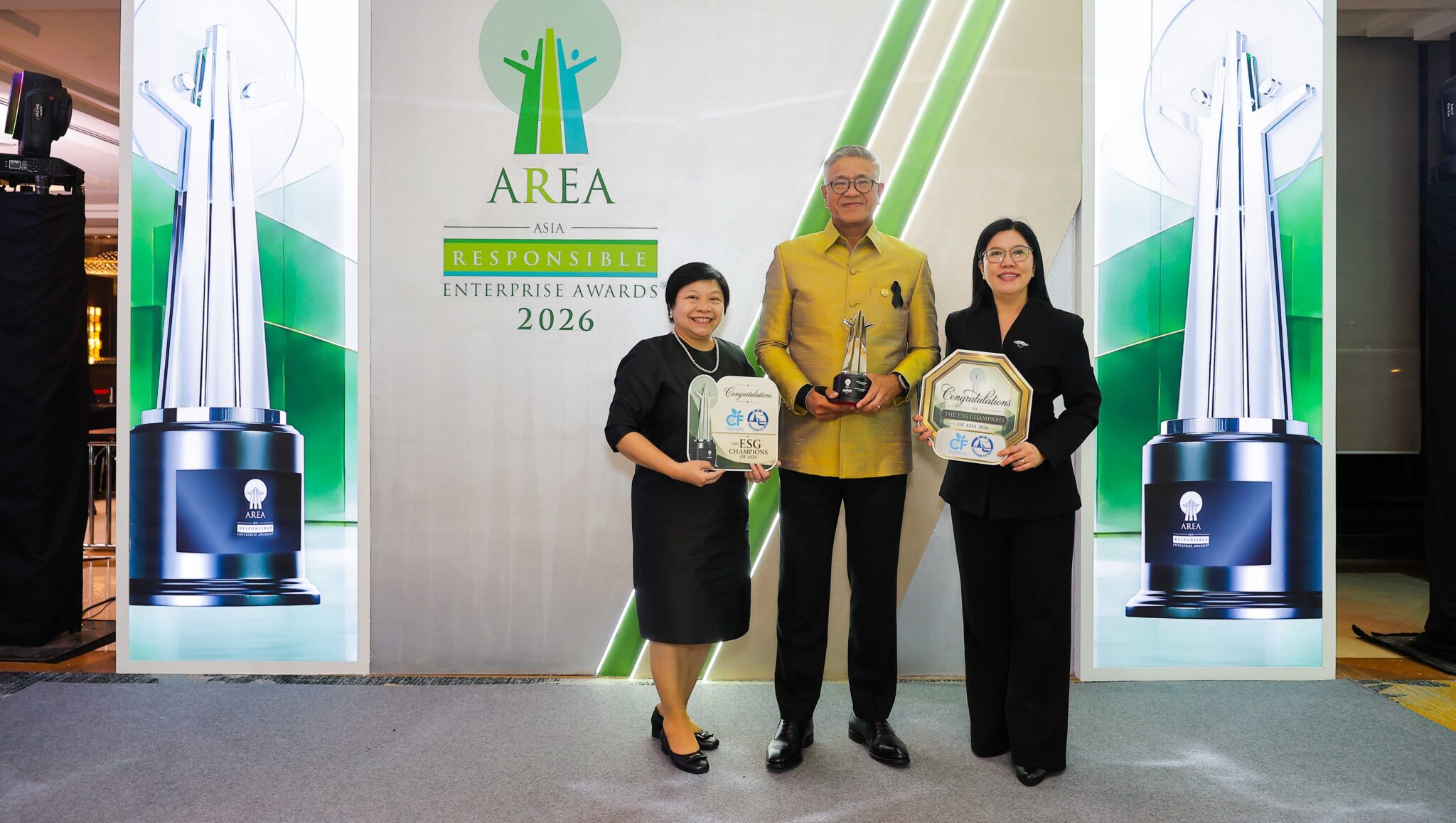
The AREA 2026 recognition gives Thailand another sustainable tourism credibility signal.
What TAT reported
According to TAT, CF-Hotels gives accommodation businesses, particularly small and medium-sized enterprises, free access to internationally aligned tools for greenhouse gas data collection and assessment. The platform also connects environmental data with green finance opportunities through cooperation with the Bank of Thailand and nine commercial banks under the Financing the Transition initiative.
TAT said the platform has expanded from 21 pilot hotels to more than 900 registered hotel accounts nationwide since becoming publicly active in 2024. It also reported recorded greenhouse gas reductions of 16,838.79 tonnes of carbon dioxide equivalent and more than 29.3 million baht mobilised through the ThaiCI Fund to support low-carbon transition.
Bangkok’s indirect benefit
Bangkok benefits when Thailand’s hospitality sector becomes more professional, transparent and sustainability-aware. The city is the main arrival point for many visitors, a business hub, a meeting destination and a place where travellers often turn into repeat residents, tenants or buyers. Stronger tourism infrastructure helps Bangkok remain easy to explain to international audiences.
For premium property, sustainability is increasingly part of the conversation. Buyers may ask about energy efficiency, building management, air-conditioning performance, waste handling, water systems and transport access. They may not choose a condo only because of sustainability claims, but they often prefer buildings and districts that feel modern, well-run and aligned with global expectations.
For Bangkok property buyers, the relevance is confidence in Thailand’s service economy and hotel-sector standards.
What buyers should not overread
An award for a tourism platform is not a property-price forecast. It should not be used to justify overpaying, ignoring vacancy risk or accepting weak building documents. Bangkok condo performance still depends on entry price, unit layout, building management, tenant depth, ownership costs and resale liquidity.
The sensible reading is macro confidence. Thailand’s tourism agencies, financial institutions and hotel operators are being pushed toward measurable standards. That can strengthen the country’s reputation with visitors and investors, especially those who compare Bangkok with other Asian cities on livability, governance, services and long-term resilience.
How investors can use the signal
Investors can fold this news into a broader checklist. Is Thailand still improving the quality of its tourism offer? Are public agencies using data and sustainability language that international partners understand? Are hotels, banks and service businesses being linked into practical transition programmes? These points do not replace unit-level due diligence, but they help explain why Bangkok remains relevant.
Owner-occupiers can read the signal differently. A city supported by better hospitality standards, greener travel narratives and stronger service systems is easier to live in and easier to invite family, clients or colleagues to visit. Bangkok’s property appeal is partly financial, but it is also about confidence in the city experience.
Buyer takeaway
The CF-Hotels award supports Thailand’s quality-tourism and sustainability story. For Bangkok property buyers, the importance is not speculation. It is the evidence that Thailand is investing in the systems behind premium travel, hospitality and long-stay confidence. The property decision still needs to be made at building and unit level.
IBP helps foreign buyers connect Thailand economy and tourism signals with Bangkok property decisions. Read more in our Thailand economy and investment news archive or contact IBP Real Estate for a Bangkok property brief.
Thailand’s latest recognition in the Travel + Leisure Luxury Awards Asia Pacific 2026 gives Bangkok property buyers another useful confidence signal. According to TAT Newsroom, Ko Samui topped the Best Islands list, Phuket ranked sixth and Ko Chang tenth, while Bangkok ranked second in the Best Cities category and Chiang Mai tenth.
TAT said Bangkok ranked second in the Best Cities category of the Travel + Leisure Luxury Awards Asia Pacific 2026.
This is not a property-price forecast. Awards do not make a weak condo strong, and they should never replace building-level due diligence. But for foreign buyers trying to understand Bangkok’s long-term appeal, the recognition is relevant because it supports Thailand’s premium destination story across both city and resort markets.
Why Bangkok’s city ranking matters
Bangkok’s second-place city ranking is important because it reflects more than tourism volume. TAT framed Bangkok’s appeal around culture, dining, shopping, hospitality, creativity and urban travel. These are the same qualities that help international residents and investors explain why Bangkok can work as a second home, regional base or long-stay city.
Foreign property demand is often confidence-led. Buyers want to feel that a city is globally understood, easy to visit, commercially active and attractive beyond a narrow expatriate niche. A recognised destination brand does not guarantee returns, but it makes the city easier to explain to future tenants, guests, family members and resale buyers.
Ko Samui topped the Best Islands list, adding to Thailand’s premium destination signal.
Thailand’s wider premium signal
The award results were not limited to Bangkok. Ko Samui, Phuket, Ko Chang and Chiang Mai also appeared in the rankings. That matters because many foreign buyers judge Bangkok within the wider Thailand lifestyle proposition. They may live in Bangkok, spend weekends on islands, work regionally, or hold the condo as a base for repeated travel.
When Thailand performs across islands and cities, the country’s destination brand becomes more resilient. Bangkok benefits from being the capital, main transport hub, business centre and gateway to that broader lifestyle network. For property buyers, this helps explain why central, well-connected condos can retain attention even when buyers also love Thailand’s resort markets.
What buyers should not overread
Awards coverage can create excitement, but buyers should keep the analysis grounded. A city ranking does not justify overpaying for a poor layout, ignoring common fees, accepting unclear title documents or assuming easy resale. Property returns still depend on the individual unit, building management, location depth, rent evidence, entry price and exit plan.
The correct use of this news is macro context. It strengthens the case that Bangkok remains visible to affluent regional and global travellers. It does not remove the need to compare competing buildings, test tenant demand and negotiate with discipline.
Thailand’s recognition across cities and islands strengthens the wider lifestyle case behind Bangkok property.
District-level implications
Bangkok districts that connect culture, shopping, dining, parks, hotels, hospitals and rail access are best placed to benefit from premium destination recognition. This includes parts of Sukhumvit, Silom-Sathorn, Langsuan, Chit Lom, Ratchaprasong, riverside Bangkok and emerging mixed-use districts close to major transport.
However, buyers should avoid thinking only in brand-name districts. A strong district still requires a good building and a practical unit. Conversely, a less famous area can work well if it offers transport, daily services, realistic pricing and a clear tenant audience.
Why this matters for foreign buyers
Foreign buyers need confidence that Bangkok will remain relevant to visitors, tenants, employers and lifestyle-driven residents. Awards such as this help confirm that the city is not relying on one single demand source. Bangkok’s appeal combines business access, culture, hospitality, food, shopping, healthcare, regional connectivity and the wider Thailand travel network.
That mix is one reason the city continues to attract buyers who want more than a holiday apartment. They want a base in a livable Asian capital with strong international recognition and frequent reasons to return.
Buyer takeaway
The Travel + Leisure Luxury Awards Asia Pacific 2026 recognition is a positive destination signal for Thailand and Bangkok. It should support confidence, not speculation. Foreign buyers should use it as part of the macro story while still choosing condos through conservative pricing, building quality, location and exit checks.
IBP helps foreign buyers connect Thailand tourism and economy news with Bangkok property decisions. Read more in our Thailand economy and investment news archive or contact IBP Real Estate for a Bangkok property brief.
Visa’s 2026 travel-intentions research gives Bangkok property buyers another useful confidence signal. TAT Newsroom reported on 2 July 2026 that the study ranked Thailand among the top five destinations visited by Asia Pacific travellers, alongside Japan, Australia, South Korea and Hong Kong.
TAT used Thailand destination imagery to frame regional travel demand and visitor confidence.
This is not a condo-price forecast. It is a demand and confidence indicator. Foreign buyers should read it as part of the wider story behind Bangkok property: Thailand remains familiar, accessible and experience-rich for regional travellers, while Bangkok is the country’s main gateway for flights, hotels, hospitals, shopping, events, business meetings and onward journeys.
What the study signal says
According to TAT, Visa’s 2026 Global Travel Intentions study covered more than 47,000 respondents worldwide, including over 17,000 in Asia Pacific markets. TAT said 63% of Asia-Pacific respondents travelled within the region, far ahead of other regions globally. Thailand’s top-five position therefore matters because it reflects regional familiarity, not only long-haul curiosity.
TAT also highlighted that 37% of Asia Pacific respondents plan trips around unique local experiences, especially food and culture. For Bangkok, that supports the city’s strongest liveability message: it is not only a transit point. It is a place where dining, heritage, shopping, healthcare, events and daily services create reasons for repeat visits and longer stays.
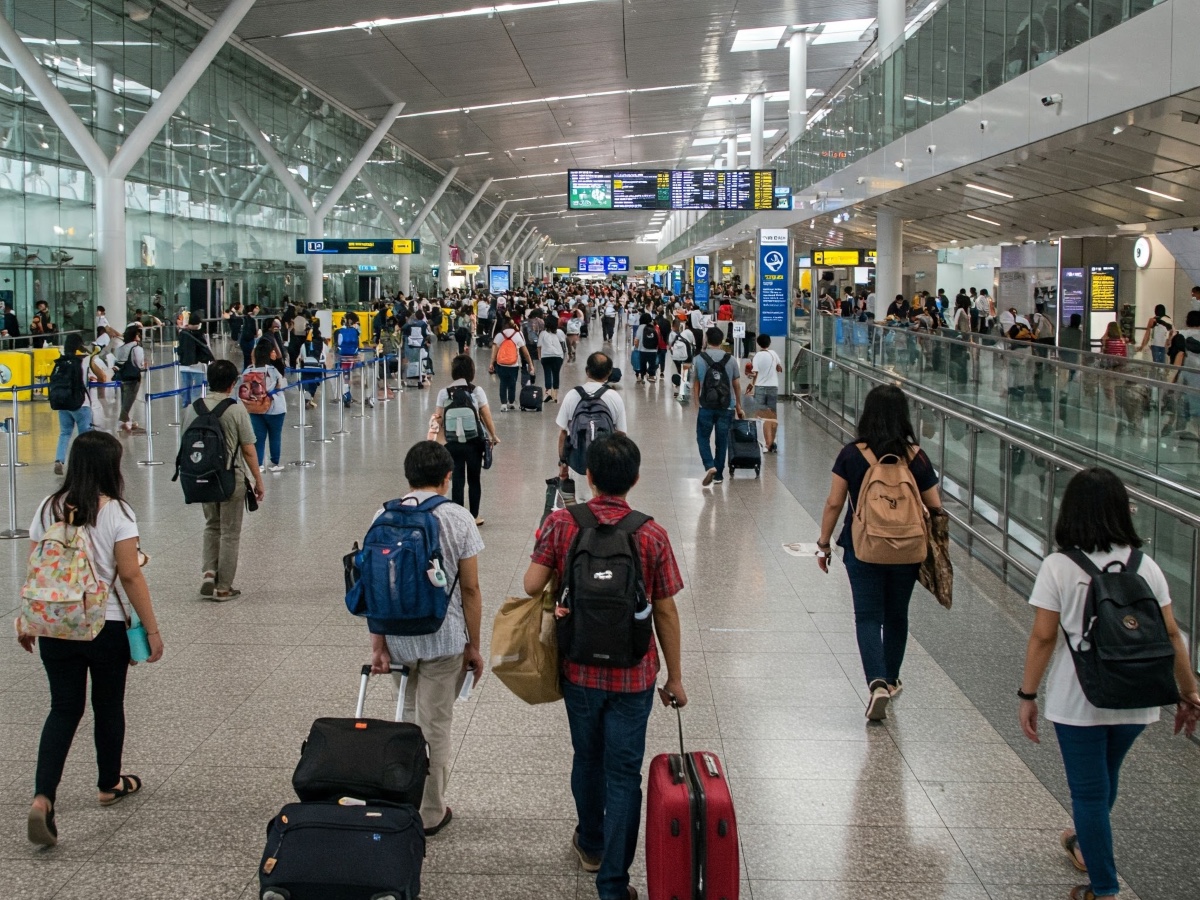
Bangkok’s events, transport and visitor infrastructure help convert tourism interest into repeat city familiarity.
Digital confidence is part of the property story
The release says nearly half of Asia Pacific respondents use AI tools to discover destinations and travel ideas. It also says 73% bring cards or mobile wallets on trips, with payment security and card acceptance among key considerations. This fits Thailand’s recent push to make visitor payments more convenient through cross-border QR readiness and wider digital travel services.
For property buyers, digital confidence matters because a city that is easier to plan, pay in and navigate is easier for repeat visitors to understand. A future tenant, second-home owner or investor may first experience Bangkok through a hotel booking, restaurant payment, clinic visit, shopping trip or event weekend. Smooth practical experiences make the city feel less foreign.
Why Bangkok benefits from travel familiarity
Bangkok is often the first and last stop in a Thailand trip. The city concentrates international flights, private hospitals, embassies, malls, hotels, serviced apartments, cultural sites, restaurants, schools, banks and professional advisers. When regional travellers remain confident about Thailand, Bangkok’s role as the practical entry point becomes more valuable.
This can support foreign-buyer confidence in selected districts. Areas with BTS or MRT access, airport routes, hospitals, premium retail, food, cultural venues and reliable building management are easier to explain to people who already know Thailand as a repeat destination. The strongest property cases connect that macro familiarity with a specific daily routine.
Cultural access is part of Bangkok’s long-stay and second-home appeal for foreign buyers.
What buyers should not overread
A travel study does not make every condominium a good investment. It does not remove foreign quota checks, title review, payment evidence, building due diligence, rent comparison or exit planning. A weak unit in a poor building remains weak even when Thailand’s travel brand is strong.
The sensible interpretation is confidence with discipline. Thailand’s regional travel appeal, food and culture demand, digital payment comfort and accommodation booking behaviour all support the broader case for Bangkok as a liveable, connected city. The property decision still needs to be made one building and one unit at a time.
That is why buyers should translate the tourism signal into local questions. Which district is easiest for repeat visitors to understand? Which building feels comfortable for a first month in Bangkok? Which unit can serve business trips, medical visits, family stays or a future tenant without complicated explanation? The macro signal is strongest when it leads to clearer micro decisions.
Buyer takeaway
Visa’s 2026 travel study reinforces Thailand’s position as a trusted regional destination and gives Bangkok property buyers useful context. The city benefits when travellers understand Thailand, spend confidently and return for food, culture, healthcare, business and lifestyle reasons. Foreign buyers should use that signal to shortlist better districts, not to skip due diligence.
IBP helps foreign buyers connect Thailand tourism and economy news with Bangkok property decisions. Read more in our Thailand economy and investment news archive or contact IBP Real Estate for a buyer brief.