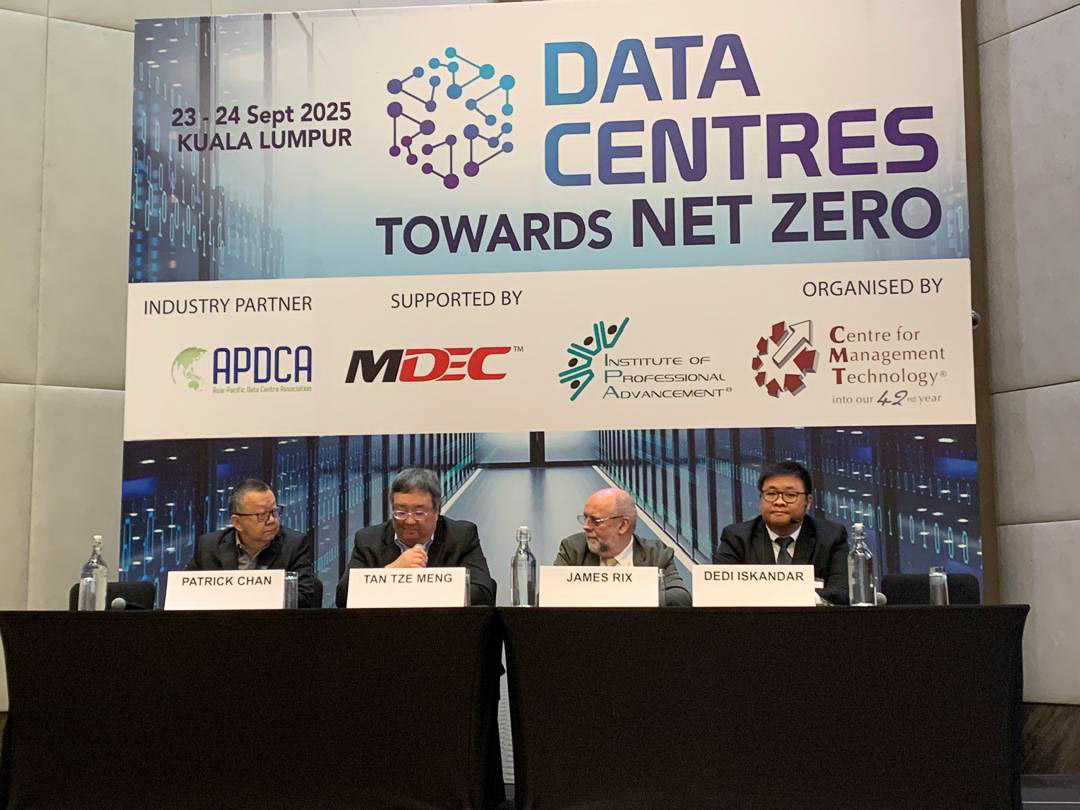
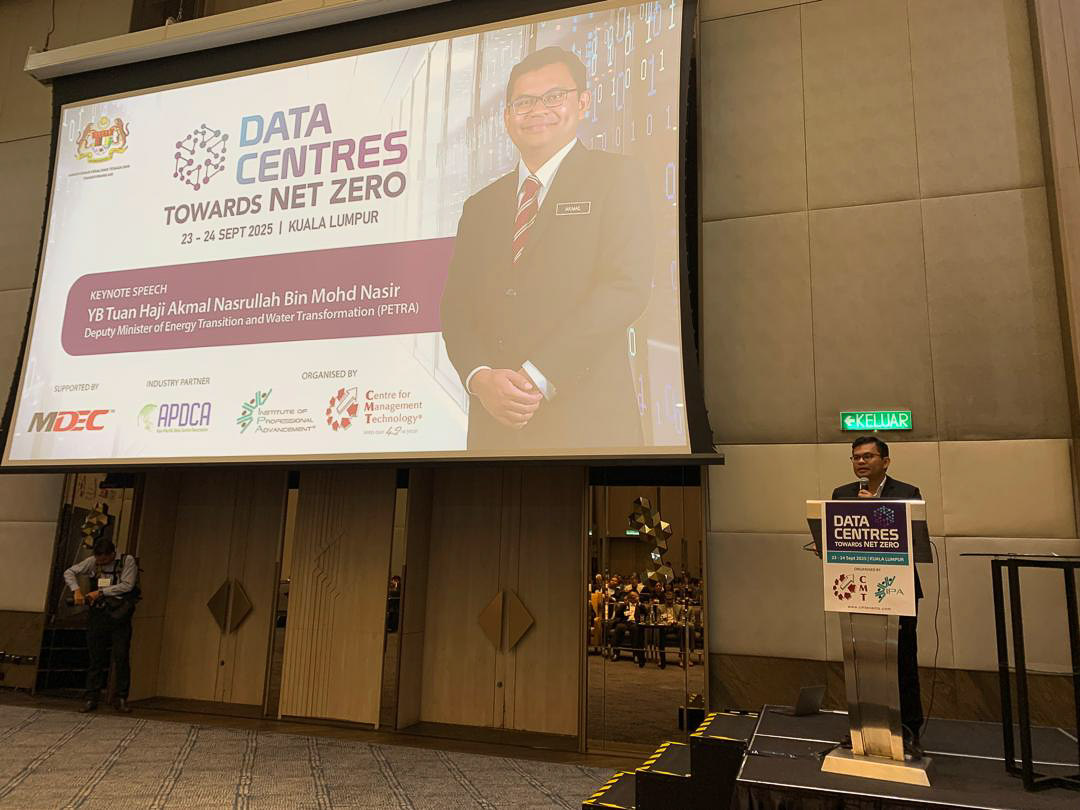
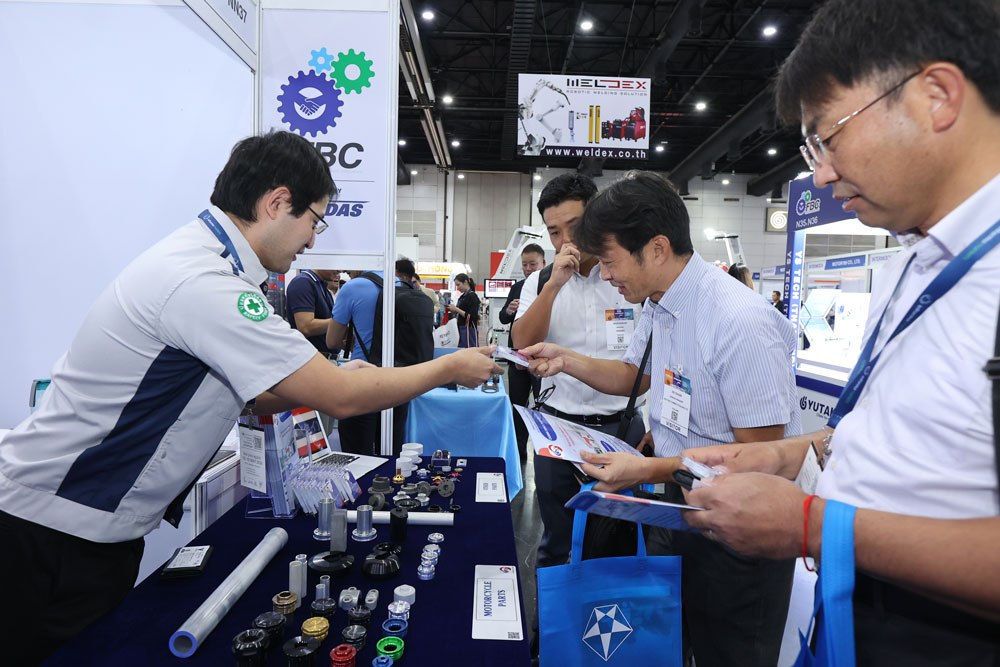
Bangkok’s next property confidence signal may come from a sector most condo buyers never see directly: data centres. The 2nd Low Carbon Data Centres conference is scheduled for 16-17 June 2026 at Hilton Sukhumvit Bangkok, bringing the digital infrastructure, energy, sustainability and investment conversation into the centre of the city.
The Board of Investment’s event calendar says Thailand’s BOI is supporting the conference, with a keynote on Thailand’s digital-green future by Suthiket Thatpitak-Kul, Deputy Secretary General of the BOI. The agenda matters because the data-centre story is no longer only about servers and land plots. It is increasingly about power supply, low-carbon energy, grid readiness, regulation, talent and investor confidence.
The 2nd Low Carbon Data Centres conference is scheduled for 16-17 June 2026 in Bangkok.
Why data centres matter to property buyers
A foreign condo buyer does not buy a Bangkok unit because a data centre opens outside the central business district. The link is broader. Data-centre investment points to a more sophisticated economy: cloud services, AI infrastructure, renewable energy procurement, engineering talent, legal services, finance, construction, facilities management and regional corporate activity.
Those sectors can deepen the professional base that supports Bangkok’s residential market. Executives, consultants, engineers, regional managers and service providers still need places to live, meet clients, access hospitals, travel internationally and host visiting teams. Bangkok’s central districts benefit when the national investment story becomes more technology-led and internationally connected.
The low-carbon angle is the important part
CMT’s event page says the Thai data centre market is projected to reach US$1.54 billion by 2030. It also points to sustainability as a key investment driver, including discussion around renewable power procurement and the regulatory environment. For Thailand, that is a useful shift. Large digital infrastructure can create pressure on power systems; the next phase of credibility depends on whether growth is matched with cleaner energy, grid planning and reliable regulation.
For Bangkok property, this is not a short-term rental headline. It is a medium-term confidence indicator. International investors want to see that Thailand can host high-value sectors while addressing energy and environmental constraints. If the country can do that, Bangkok’s premium residential market has a stronger economic backdrop than tourism and lifestyle alone.
Digital infrastructure is becoming part of Thailand’s wider investment and sustainability conversation.
What Bangkok gains from hosting the discussion
The location of the conference also says something about Bangkok’s role. Hilton Sukhumvit Bangkok places the event in a district where regional executives already understand hotels, serviced apartments, BTS access, restaurants, hospitals and premium condominiums. Even when industrial assets sit outside the city core, the meetings, advisory work and decision-making often happen in Bangkok.
That pattern is familiar across sectors. Manufacturing, logistics, energy and digital infrastructure may be physically spread across Thailand, but Bangkok remains the command centre for capital, law, banking, government meetings, headquarters, hospitality and international schooling. This is one reason foreign buyers often assess Bangkok as both a lifestyle city and an economic gateway.
How buyers should read the signal
The right conclusion is measured. A low-carbon data-centre conference does not make every condo a better investment. It does not remove vacancy risk, oversupply risk or the need to check building management. It does, however, support the argument that Thailand is competing for future-facing investment, not only leisure travel and traditional manufacturing.
Buyers should watch three practical indicators: whether BOI approvals turn into actual operating projects, whether power and renewable-energy policy become clearer, and whether international operators continue to choose Thailand for regional capacity. These are macro signals, so they should sit alongside micro checks on unit price, tenant profile and resale evidence.
For property buyers, the signal is about high-value economic activity, not a direct promise of condo returns.
Buyer takeaway
Bangkok property is strongest when the city’s liveability is supported by a credible national investment story. Low-carbon data centres fit that wider narrative because they combine technology, energy, infrastructure and international capital. Foreign buyers should read the June conference as one more sign that Thailand is trying to position itself around higher-value growth.
IBP Real Estate can help buyers connect macro investment signals with practical condo selection in Sukhumvit, Rama 9, Sathorn and other central districts. For more context, read our Thailand economy and investment news and infrastructure updates.
Thailand’s latest investment headlines are not only a technology story. They also matter for Bangkok property because large corporate commitments influence jobs, executive relocation, serviced-apartment demand, office ecosystems, infrastructure planning and confidence in the country’s long-term role as a regional business base.
In late April 2026, the Thailand Board of Investment reported more than 1.01 trillion baht in first-quarter investment applications across 624 projects. Digital investment dominated, with data centres and cloud services accounting for the largest share. On 6 May 2026, the BOI also announced six major project approvals worth a combined 958 billion baht, led by data infrastructure expansion and supported by power-readiness and clean-energy discussions.
Large investment commitments support the wider business ecosystem behind Bangkok property demand.
What was announced
The BOI’s first-quarter figures showed continued foreign direct investment momentum, with 427 FDI projects submitted and combined investment value of 965.869 billion baht. The highest-value investor economies included Singapore, the United Kingdom and Japan, followed by China, Hong Kong, Taiwan, the United States, the Netherlands, Malaysia and Sweden.
The subsequent May approvals included three data-centre and data-hosting projects with a combined value of 913 billion baht. The largest was a TikTok System Thailand project valued at 842 billion baht, involving additional servers and data processing infrastructure across Bangkok, Samut Prakan and Chachoengsao. Other approved data-centre investments included Skyline Data Centre and Cloud Services in Chachoengsao and Bridge Data Centres IIO Thailand in Chonburi.
Why this matters to Bangkok property buyers
Foreign condo buyers should avoid a simplistic conclusion that data-centre investment immediately raises condo prices. These projects are capital-intensive and often located outside central Bangkok. The more relevant property effect is indirect: they strengthen Thailand’s business-hub narrative, support specialist employment, deepen supplier networks and encourage international companies to keep regional teams in and around Bangkok.
Bangkok remains the residential, professional-services and lifestyle centre for many regional executives, even when industrial or digital-infrastructure assets sit in surrounding provinces. Senior staff, consultants, engineers, finance teams, legal advisers, cloud customers and visiting partners often use Bangkok as the living and meeting base. That can support demand for well-located rentals, serviced residences and premium condos over time.
Corporate activity and supplier ecosystems can translate into relocation and rental demand over time.
Power readiness is now part of the property story
The BOI announcement also highlighted electricity readiness, clean-energy access and faster investment facilitation. For data centres, power is not a background detail. It is central to project viability. The Board discussed urgent power supply needs, future Power Development Plan work, direct renewable power purchase agreements and green tariff options.
For property investors, this is worth watching because infrastructure credibility affects investor confidence. A country that can coordinate power, permitting, logistics and talent for large projects is better positioned to attract corporate occupiers. Corporate occupiers help sustain Bangkok’s office, hospitality, retail and rental ecosystems.
Bangkok’s role in the wider corridor
The geography of the approvals points to a broader metropolitan and Eastern-region story. Bangkok, Samut Prakan, Chachoengsao and Chonburi function as connected parts of the same investment corridor. Bangkok provides headquarters functions, international schools, hospitals, airports, embassies, law firms, banks, hotels and premium housing. Surrounding provinces provide land, industrial estates, logistics access and large-scale infrastructure sites.
This is one reason foreign buyers often look beyond a single building and ask whether Bangkok’s wider economy supports long-term confidence. A deeper digital and advanced-industry ecosystem does not remove property-market cycles, but it improves the case for Bangkok as a place where international professionals continue to live, work and spend.
Digital infrastructure, airports and business services together shape Bangkok’s regional hub appeal.
What buyers should watch next
The next signals are implementation, not headlines. Buyers should watch whether approved projects move from promotion to construction and operation, whether power and clean-energy mechanisms are clarified, and whether related hiring and supplier activity becomes visible. They should also watch office leasing, serviced-apartment occupancy and rental demand in districts used by international professionals.
At the condo level, the practical buying rules stay the same. Choose buildings with transport access, strong management, clear foreign quota, realistic rents and a credible resale market. Macro confidence is helpful, but it cannot rescue a poorly selected unit.
The foreign-buyer takeaway
Thailand’s data-centre investment wave reinforces a useful long-term theme: Bangkok is not only a tourism city. It is a corporate, digital, logistics and professional-services base for the wider region. That broadens the reasons foreigners may want to own or rent in the capital, especially in districts with easy airport access, business services and high-quality daily living.
IBP Thailand economy and investment news follows these signals through a property lens. Invest Bangkok Property can help you compare buildings, check documents and connect Bangkok market themes with unit-level due diligence before you commit capital.