
Thailand BOI Q1 Surge And Bangkok Property Confidence
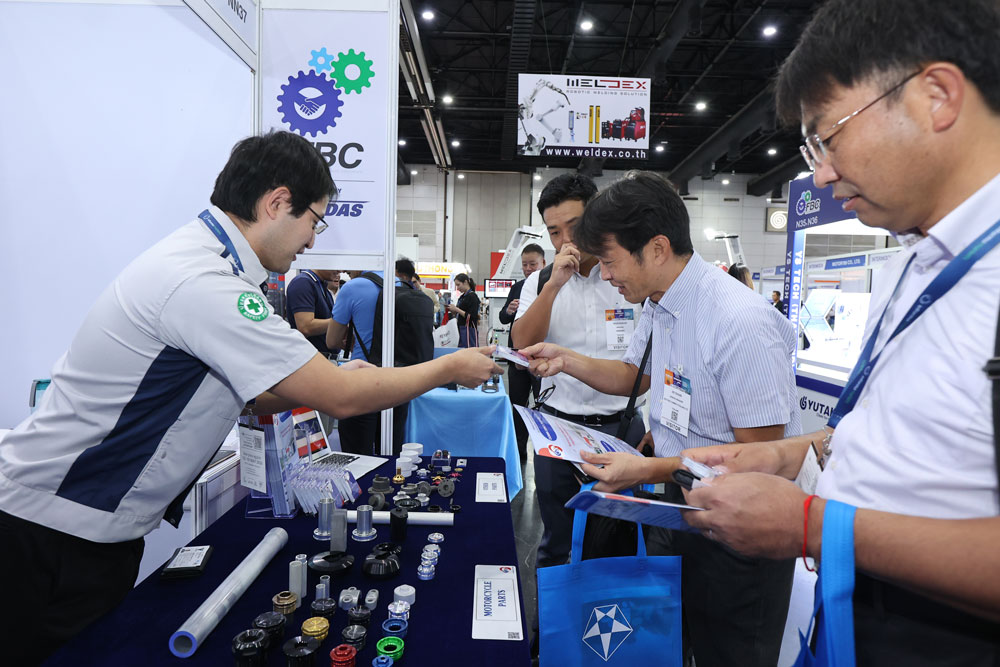
Thailand’s Board of Investment reported a striking first quarter for 2026. On 29 April 2026, BOI said investment-promotion applications exceeded 1.01 trillion baht, or about US$31.8 billion, across more than 600 projects. The agency said digital and AI-related investment led the surge, followed by electronics, clean energy, agriculture and food processing, logistics and automotive activity.
For Bangkok property buyers, this is not a direct price forecast. A data centre application or electronics project does not automatically make a condominium more valuable. The relevance is broader: strong investment interest supports Thailand’s role as a business base, and Bangkok remains the country’s headquarters, finance, legal, healthcare, education and lifestyle hub.
What BOI reported
BOI said 624 projects were submitted in Q1 2026 with a combined investment value of 1,016,962 million baht, about 2.4 times the same period last year. Digital investment accounted for 873,741 million baht across 48 projects, mostly data centres and cloud services. BOI also reported that foreign direct investment applications reached 965,869 million baht, with Singapore, the United Kingdom and Japan among the highest-value origin markets.
The scale of the digital number matters because it shows how Thailand is positioning itself in AI infrastructure, cloud services and advanced supply chains. Bangkok may not host every industrial asset, but it benefits from the decision-making, professional services, international travel, education and healthcare demand that often sits around such investment.
How this supports Bangkok living demand
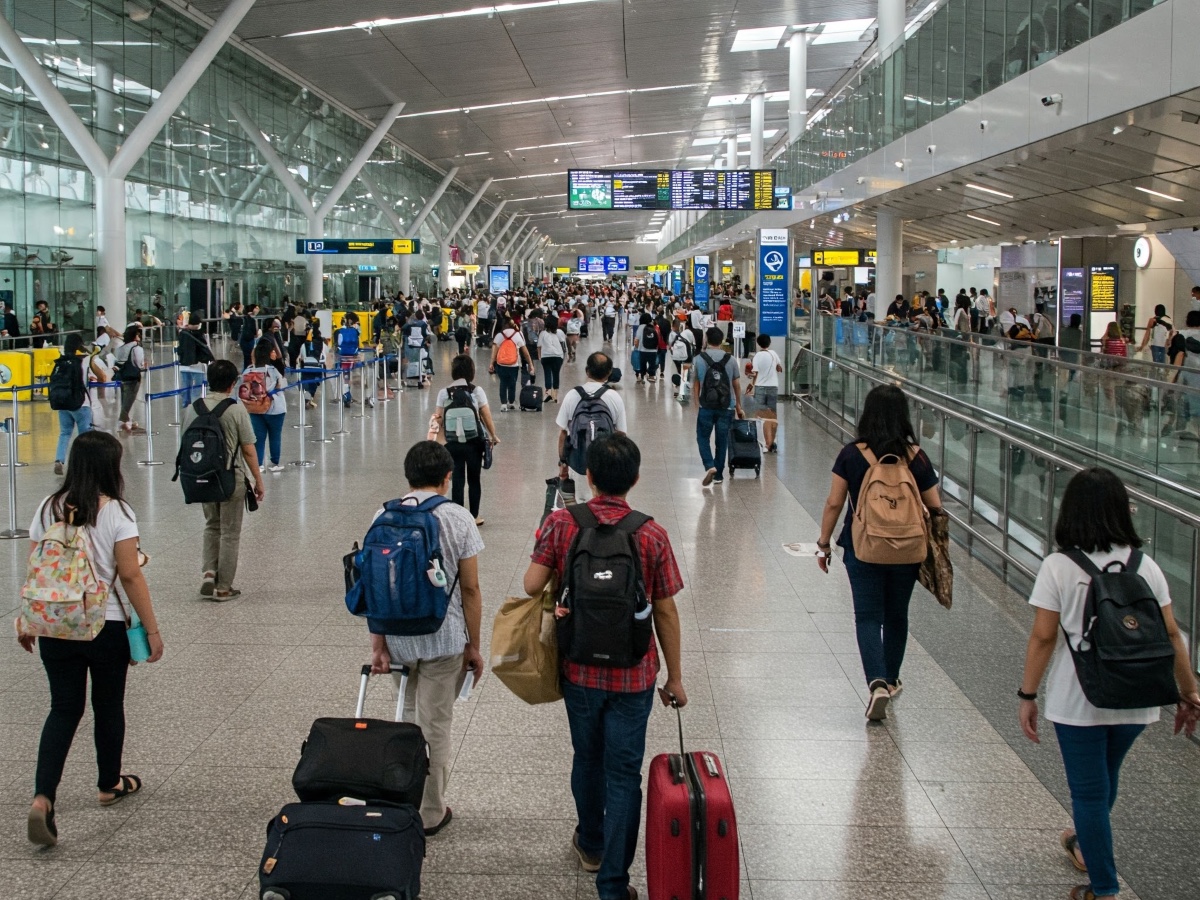
When multinational and regional companies commit capital, they need managers, engineers, consultants, bankers, lawyers, suppliers and visiting executives. Many of those people use Bangkok as their base even when factories, data centres or logistics assets are outside the inner city. That can support demand for well-located rentals, serviced residences, family apartments and owner-occupier purchases.
The strongest property connection is usually in districts with transport depth and daily-life infrastructure. Asoke, Phrom Phong, Thonglor, Sathorn, Rama IV, Phaya Thai, Bang Na and selected riverside areas each serve different professional and family routines. Buyers should use the BOI signal to ask which locations are most likely to benefit from real people living, working and travelling through Bangkok.
Digital and AI investment also changes the type of renter a buyer may encounter. A regional executive or technical manager may care less about nightlife and more about reliable internet, work space, quiet bedrooms, airport access and proximity to international schools or hospitals. That pushes investors to think beyond a generic “near BTS” checklist. The better question is whether the apartment supports a serious working life in Bangkok.
Why buyers should stay realistic
Investment applications are not the same as completed investment. Projects can be delayed, resized or affected by power, land, permits, financing and global demand. BOI’s own FastPass efforts show that implementation matters. Property buyers should therefore avoid turning application numbers into aggressive appreciation assumptions.
Bangkok’s condominium market also remains segmented. Some luxury and well-located assets may perform better than generic stock, while weaker units may remain difficult to rent or resell. Macro confidence cannot repair a poor layout, inconvenient location or overpaid purchase price.

How foreign buyers can use the signal
- Prioritise districts that connect business, schools, hospitals, airports and mass transit.
- Check whether the likely tenant is corporate, family, medical, student, retiree or lifestyle-led.
- Compare completed resale units with new-launch pricing before accepting a premium.
- Model rent and vacancy conservatively even when the macro story is positive.
- Keep legal ownership, foreign quota and payment documentation clean.
The BOI surge is encouraging because it suggests that Thailand remains visible to strategic investors despite global volatility. For Bangkok property, it supports a measured confidence story: the city continues to matter as a regional base, but the right purchase still requires careful unit selection, patient negotiation and realistic expectations about how long demand takes to show up in rents.
IBP can help foreign buyers translate Thailand investment themes into practical district and building choices. Read more in our Thailand economy and investment news or contact IBP Real Estate for a buyer brief.