
Thai Airways Connectivity And Bangkok Property
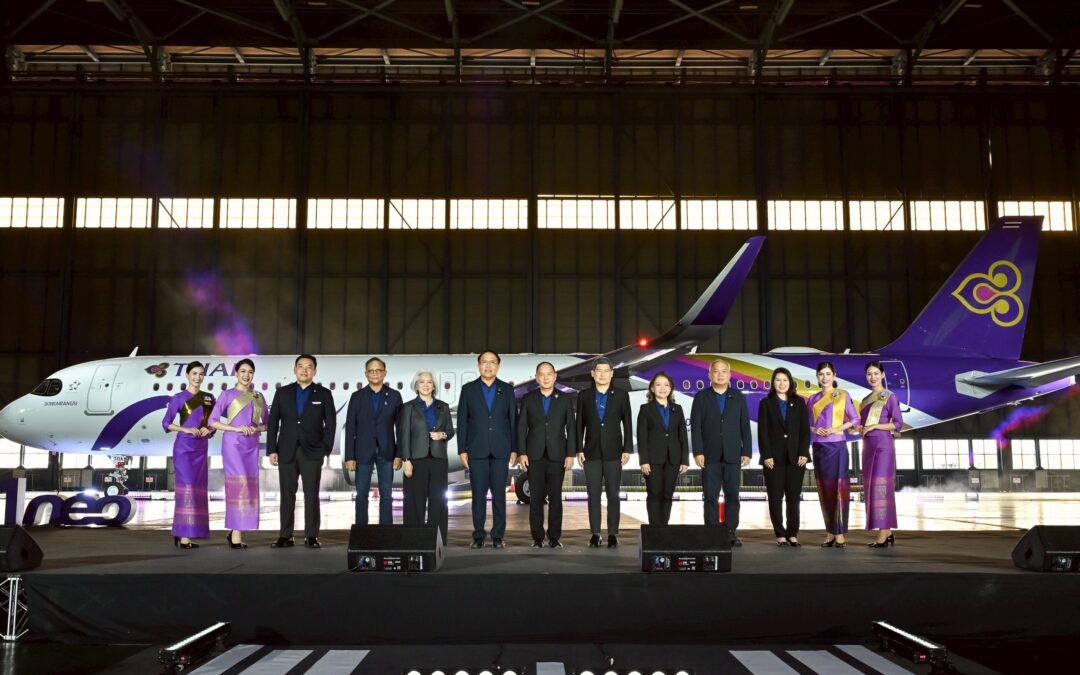
Bangkok property confidence is not built only inside condominium sales galleries. It is also shaped by how easily people, capital and companies can reach the city. Thai Airways’ latest investor materials give foreign buyers a useful aviation signal: Thailand’s flag carrier remains profitable, is modernising its fleet, and continues to operate a broad international network from Bangkok.
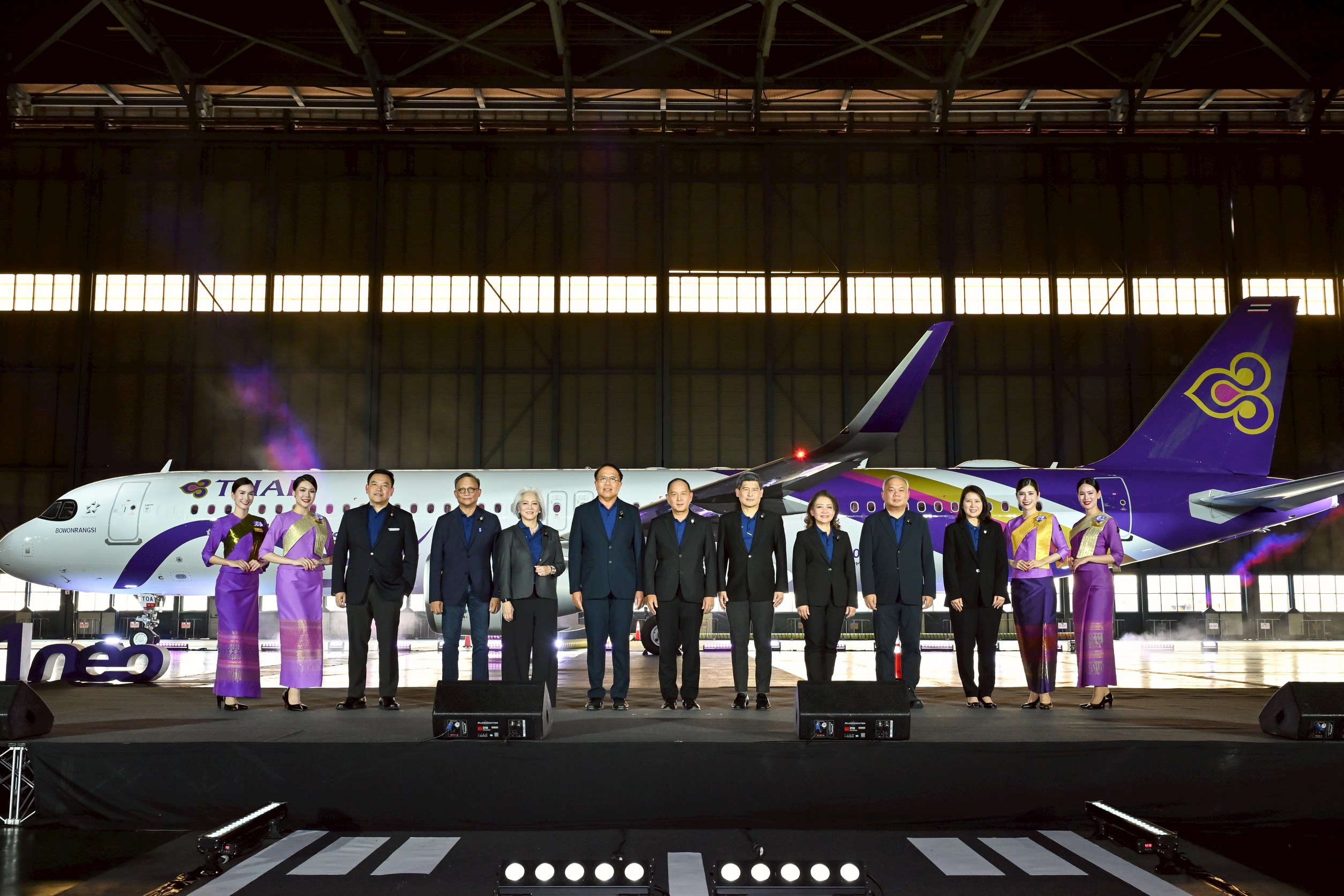
In its Management’s Discussion and Analysis for the first quarter of 2026, Thai Airways reported total revenues excluding one-time items of 51.029 billion baht and net profit of 10.107 billion baht. The airline carried 4.18 million passengers, operated 80 aircraft as of 31 March 2026, and reported a cabin factor of 83.1 percent. The same document said Thailand’s six main airports handled 36.8 million passengers in the quarter, up 5.8 percent year-on-year, with 22.4 million international passengers.
For property buyers, these are not direct rent forecasts. They are confidence indicators. A city that remains accessible to executives, tourists, students, medical visitors and long-stay residents has a stronger foundation than a city dependent on one local demand source.
Why airline performance matters to property
Foreign buyers often compare Bangkok with Singapore, Kuala Lumpur, Ho Chi Minh City, Tokyo, Seoul and Dubai. Airport access and airline networks are part of that comparison. Bangkok’s appeal improves when travellers can reach the city reliably for viewing trips, medical appointments, school visits, regional work, family use and future resale inspections.
Thai Airways’ route network is not the only measure of connectivity, but it is symbolically important. A stronger national carrier supports Thailand’s positioning as a regional hub, while Suvarnabhumi and Don Mueang give the Bangkok metropolitan area a broad airport platform. That matters to buyers who may live between countries or manage a Bangkok property from overseas.
The A321neo signal
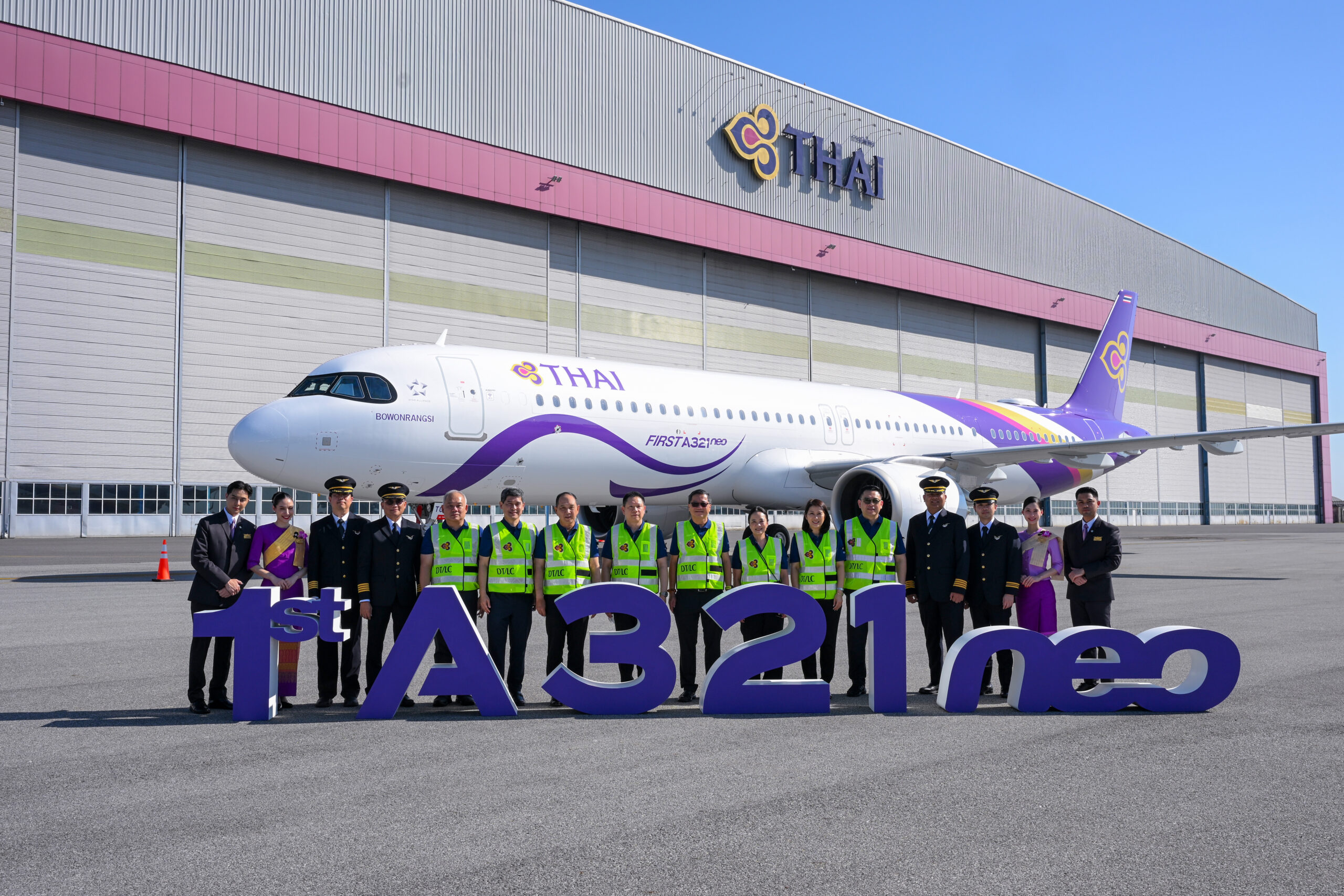
Thai Airways introduced its first Airbus A321neo in January 2026 for short- and medium-haul operations. The company described the aircraft as part of its fleet modernisation plan, with improved fuel efficiency, lower noise and an upgraded cabin. The aircraft was scheduled for Bangkok-Singapore, Bangkok-Phuket and Bangkok-Delhi services during its initial operating period.
This type of fleet investment matters because Bangkok’s property demand is tied to regional movement. Singapore, India, Phuket and other Asia-Pacific routes are not abstract aviation data points. They connect buyers, tenants, corporate travellers, families and tourists to the city. Better regional connectivity can make Bangkok easier to use as a second home, work base or investment inspection point.
Read the signal carefully
Buyers should not turn one airline result into a property-buying thesis. Thai Airways also reported that total revenue was slightly lower year-on-year and that passenger numbers decreased by 3.5 percent from the same period last year. The value of the aviation signal is not that every metric is perfect. It is that Bangkok remains a deep, active transport market even in a more uncertain global setting.
The sensible interpretation is selective confidence. International passenger movement, profitable airline operations and fleet renewal support the long-term case for Bangkok as a connected city. They do not rescue a weak unit, an inconvenient building or an unrealistic rent assumption.
Property districts most connected to the theme
- Sukhumvit and Phrom Phong for expatriate services, retail, hospitals and BTS access.
- Rama 9 and Makkasan for Airport Rail Link connectivity and office growth.
- Silom, Sathorn and Wireless for corporate, embassy and hotel demand.
- Riverside and old-city fringe areas for hospitality, culture and long-stay lifestyle use.
- Bang Na and eastern Bangkok for airport-side business, schools and industrial access.
The common thread is not simply distance to an airport. It is the combination of daily transport, healthcare, retail, schools, offices and reliable building management. A buyer who travels frequently should test the full route: airport to building, building to work or school, and building to daily services.
Investor takeaway
Thai Airways’ Q1 2026 performance and A321neo deployment add to the broader Bangkok connectivity story. Foreign buyers can read this as a positive city-level signal, especially when combined with airport passenger growth and Bangkok’s established role in tourism, business travel and regional living.
IBP can help buyers connect macro confidence signals with district-level property decisions. Read our Thailand economy and investment news or contact IBP Real Estate for a city-led buying discussion.