
Fly And Drive Tourism And Bangkok Property Confidence
Thailand’s latest tourism-connectivity push is not only a travel story. On 5 June 2026, TAT said it had discussed regional air connectivity and “Fly and Drive” tourism with the Ministry of Transport, the Department of Airports, Thai Airways International and related agencies. For Bangkok property buyers, the signal is about how Thailand is trying to support higher-value, more flexible visitor flows through its national gateway.
Bangkok remains the place where many overseas buyers first assess Thailand. Even when a trip includes Hua Hin, Krabi, Khon Kaen, Udon Thani or Nan, the decision-making often starts with international flights, hotels, hospitals, banks, lawyers and property viewings in Bangkok. Better regional connectivity can strengthen the wider Thailand story that gives foreign buyers confidence to spend more time in the country.
What TAT announced
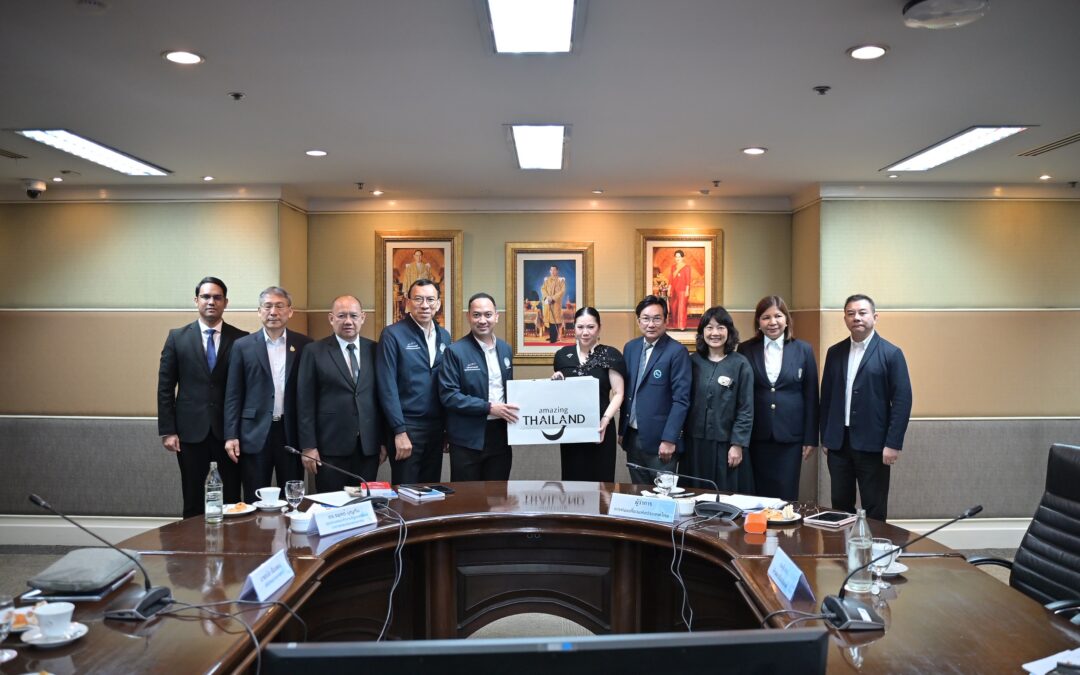
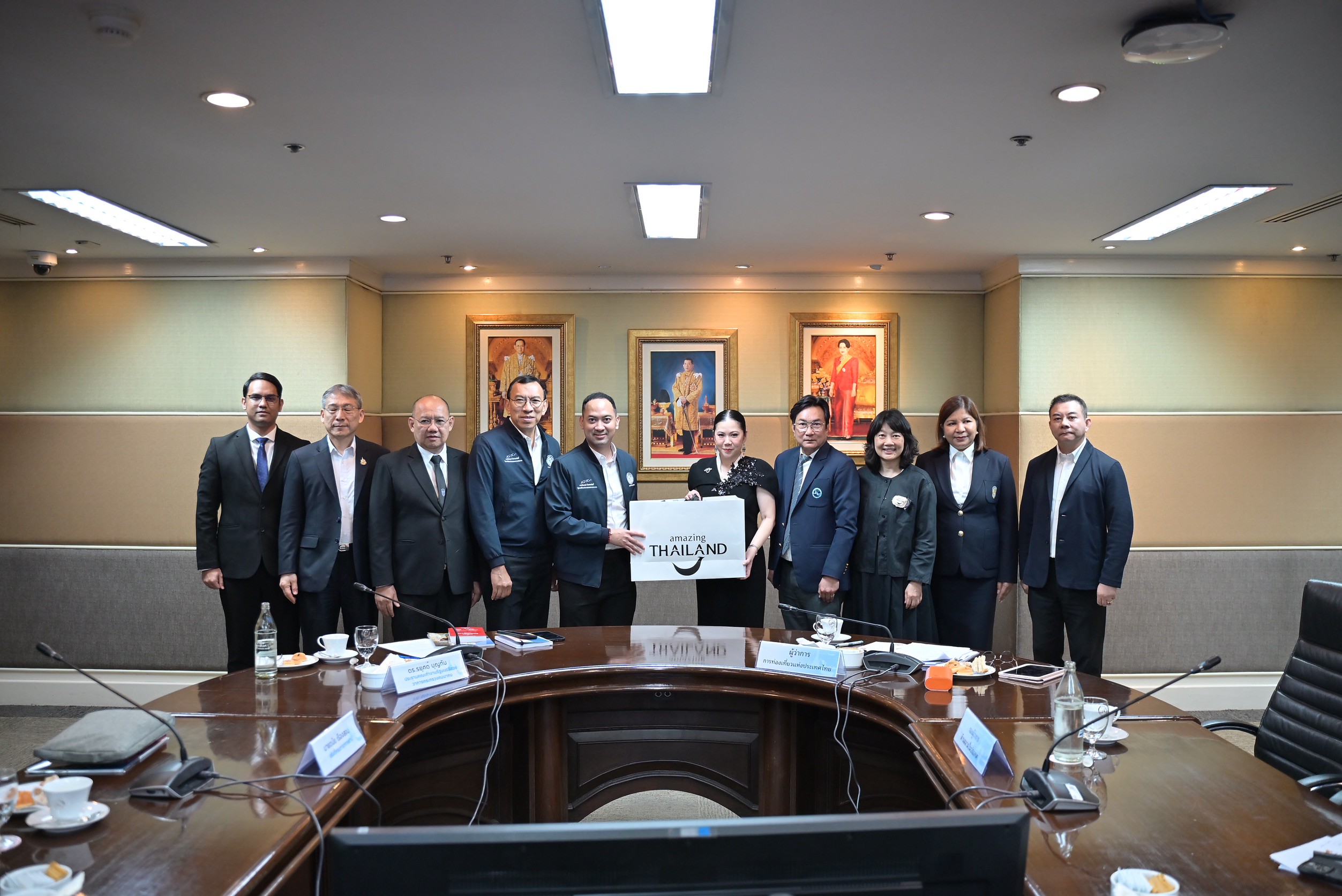
TAT said the meeting was held on 2 June 2026 and focused on linking tourism marketing, air route development and regional airport use to stimulate travel in the second half of 2026. The agency outlined marketing support for eight airport destinations under a “3-3-1-1” route focus from June to September 2026: Udon Thani, Ubon Ratchathani and Khon Kaen in the Northeast; Krabi, Nakhon Si Thammarat and Surat Thani in the South; Hua Hin Airport in Prachuap Khiri Khan; and Nan in the North.
The official release says the route focus is designed to encourage travellers to combine air travel with self-drive journeys to nearby destinations, improving access to high-potential areas beyond Thailand’s major gateways. It also notes directions around regional aviation hub positioning, short-stay experiences for transit passengers and premium air travel segments such as seaplanes, private jets and helicopters.
Why this matters to Bangkok
Bangkok benefits when Thailand feels easier to navigate. A foreign buyer may choose a Bangkok condo as a primary city base while using the rest of the country for leisure, family visits, medical recovery, golf, beaches or regional business. If more destinations become easier to combine with Bangkok, the capital’s role as a practical anchor becomes stronger.
This is especially relevant for buyers from markets where property decisions are tied to lifestyle flexibility. A Bangkok home is not just a unit near BTS; it can be a hub for a wider Thailand routine. Regional air links, airport convenience and short-stay travel experiences make that routine easier to imagine.

The value-over-volume angle
TAT framed the discussion in line with Thailand’s Value over Volume tourism strategy. That phrase matters for property confidence. A market that chases only arrival numbers can create pressure without improving spending quality. A market that improves access, experience and higher-value segments may do more for premium hospitality, healthcare, branded retail and residential demand over time.
For Bangkok condos, the connection is indirect but meaningful. High-quality tourism supports hotels, restaurants, medical services, private clubs, retail and serviced residences. Those services make the city more liveable for long-stay owners. They also support employment and business ecosystems that feed rental demand in central districts.
Do not overstate the signal
A Fly and Drive programme does not guarantee higher condo prices. It does not replace checks on unit price, building management, tenant demand, resale liquidity or foreign quota. Buyers should not treat any tourism campaign as a substitute for due diligence.
The better reading is that Thailand continues to invest attention in connectivity, traveller confidence and regional access. Those are supportive macro conditions. They help explain why Bangkok remains a serious property market for foreign buyers, but the investment still has to work at building and unit level.

What buyers should watch next
Foreign buyers should watch whether route support turns into practical traveller convenience: more reliable schedules, better airport processes, sensible transport links and joined-up marketing between Bangkok and regional destinations. They should also watch whether higher-value segments such as wellness, medical travel, business events and premium leisure continue to build around Bangkok as the main gateway.
For investors, the strongest property decisions will still combine macro confidence with micro evidence. A good Bangkok condo should have a clear tenant profile, resilient location, fair price and an exit route that makes sense even without perfect tourism growth.
Buyer takeaway
TAT’s Fly and Drive push reinforces the wider case for Bangkok as a globally connected, liveable and practical base. It supports the idea of Thailand as a multi-destination lifestyle country, with Bangkok acting as the service, finance and travel hub. That is relevant for foreign buyers, but it should be used as context, not as a promise of returns.
IBP Real Estate can help you connect national tourism and infrastructure signals with district-level condo choices in Bangkok. Continue with our Thailand economy and investment news and infrastructure updates for more buyer context.