
Thailand Sustainable Tourism Push And Bangkok Property
Thailand’s tourism story is increasingly about quality, resilience and standards, not only visitor numbers. That shift matters for Bangkok property because the capital benefits when Thailand is seen as a credible long-stay, business, wellness and lifestyle base.
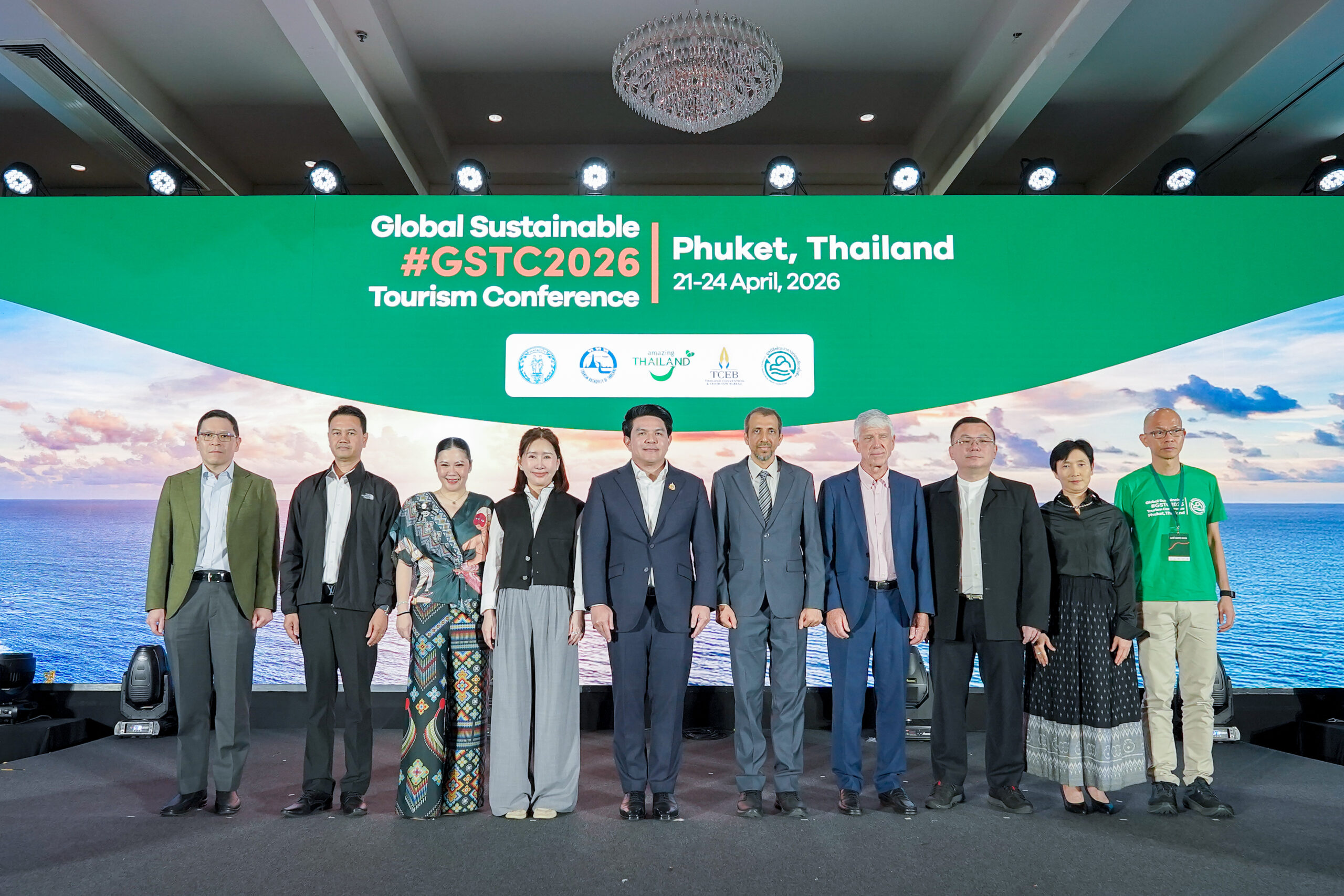
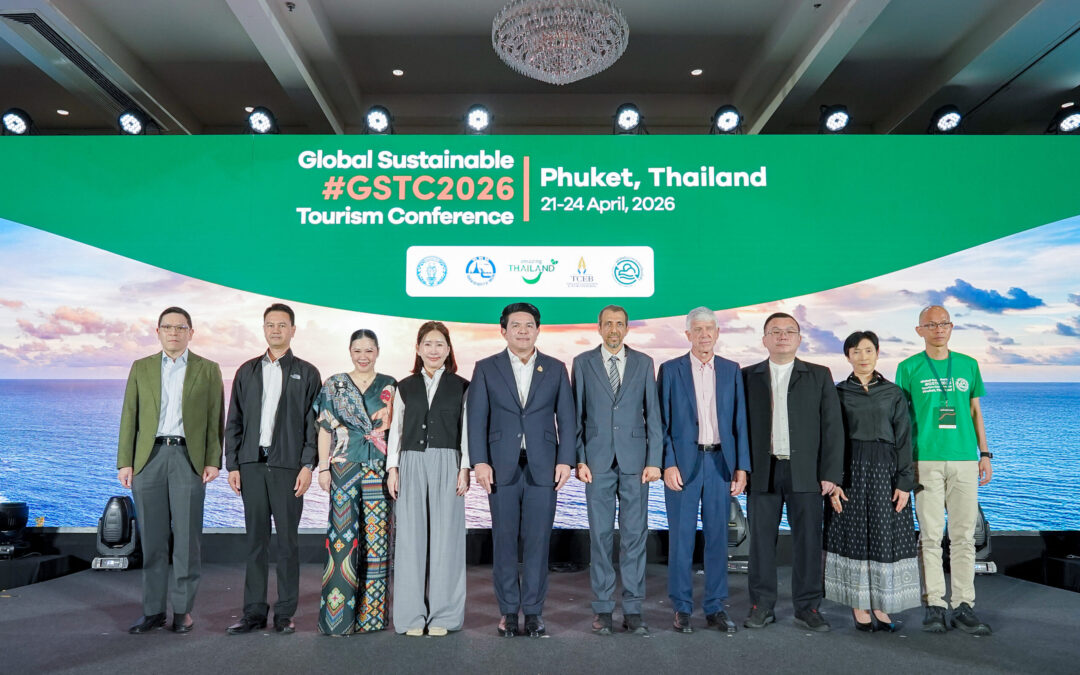
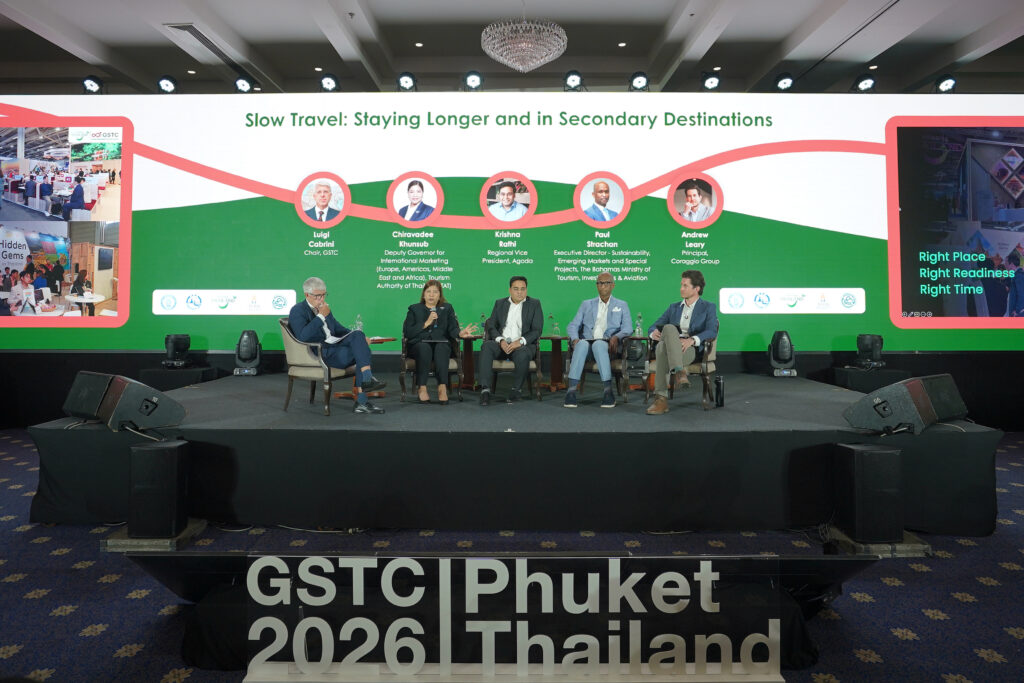
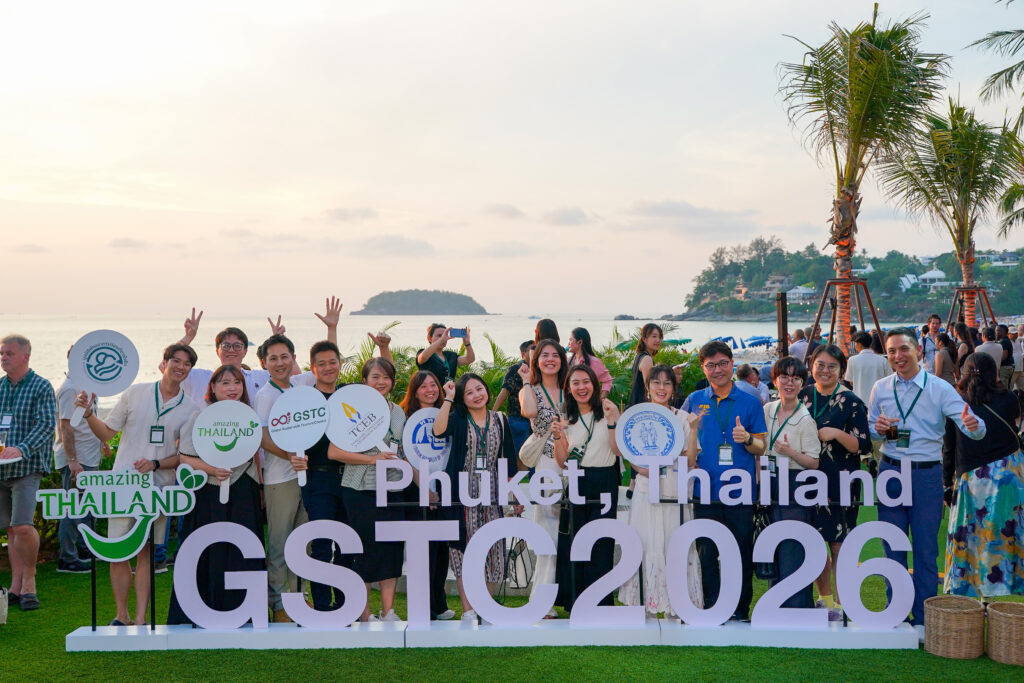
On 24 April 2026, the Tourism Authority of Thailand reported the conclusion of the Global Sustainable Tourism Conference 2026 in Phuket. The event ran from 21 to 24 April and brought together more than 660 delegates from 60 countries. TAT said the programme focused on sustainable hospitality, resilient cities and communities, and carrying capacity and visitor distribution management.
For Bangkok condo buyers, the direct point is not that a Phuket conference changes rents overnight. The more useful signal is strategic. Thailand is trying to position itself as a higher-value, better-managed destination with stronger international standards. That can support confidence among foreign residents, corporate travellers and investors who want a country to feel stable, liveable and globally connected.
Why value-led tourism matters
Tourism volume can fill hotels and shopping centres, but value-led tourism can do more for property demand. Longer stays, business events, medical travel, wellness trips and remote-work lifestyles create demand for neighbourhoods, services and housing. Bangkok is the natural hub for many of those flows because it concentrates airports, hospitals, embassies, schools, offices, retail, dining and rail links.
TAT’s 2026 direction has repeatedly emphasised value, sustainability and balanced growth. That is relevant to property because the strongest residential demand often follows confidence in the wider city experience. Foreign buyers are more comfortable purchasing when Thailand looks organised, internationally visible and serious about long-term destination quality.
Bangkok is the gateway city
Even when events are held outside Bangkok, the capital usually remains the entry point. Many international visitors arrive through Suvarnabhumi or Don Mueang, spend time in Bangkok before travelling onward, meet advisers or business partners in the city, and return for healthcare, shopping or onward flights. This gateway function supports serviced apartments, rental condos and mixed-use districts.
For investors, the practical question is where this demand concentrates. Areas with strong transport, hospitals, offices, conference hotels and lifestyle retail are better placed than isolated projects that rely only on a low purchase price. The tourism story supports Bangkok property most clearly when it intersects with daily convenience.
Resilient cities and residential confidence
The GSTC programme’s emphasis on resilient cities and communities is worth noting. Foreign property buyers increasingly care about flood management, walkability, public transport, energy efficiency, waste handling, urban parks and neighbourhood quality. These factors are not always captured in a simple price-per-square-metre comparison, but they influence whether a district remains desirable.
Bangkok still has infrastructure and urban-management challenges, yet the direction of travel matters. Buyers should watch locations where private investment, public transport, parks, hospitals and retail upgrades reinforce each other. A condo in a resilient, service-rich district should have a wider tenant and resale audience than a unit that depends only on a short-term discount.
What foreign buyers should take from the news
The sustainable tourism push should not be treated as a promise of capital gains. It is a confidence signal. It supports the case that Thailand wants to compete for quality visitors, international events, wellness travellers and responsible tourism spending. Bangkok property benefits indirectly when that positioning strengthens the country’s reputation.
Buyers should still underwrite each unit carefully. A good macro story cannot fix a poor building, weak title, unrealistic rent or difficult resale path. The better approach is to use the macro story to choose districts, then use due diligence to choose the unit.
Property angles to watch
- Districts near hospitals, hotels and conference venues.
- Mixed-use areas that combine work, retail, parks and rail.
- Buildings with professional management and strong maintenance records.
- Units suited to longer stays rather than only weekend tourism.
- Projects that can explain their tenant profile without relying on hype.
Thailand’s sustainable tourism agenda strengthens the country’s premium positioning. For Bangkok property, the clearest opportunity is not chasing every tourism headline. It is buying carefully in districts that convert international confidence into everyday residential demand.
Buyer takeaway
GSTC 2026 reinforces Thailand’s ambition to lead on sustainable, value-driven tourism. Foreign buyers should read that as a supportive backdrop for Bangkok, while still making unit-level decisions with conservative rental and resale assumptions.
IBP tracks the economic and tourism signals that shape Bangkok property demand. Read more in our Thailand economy coverage and infrastructure updates, or contact IBP Real Estate for location advice.