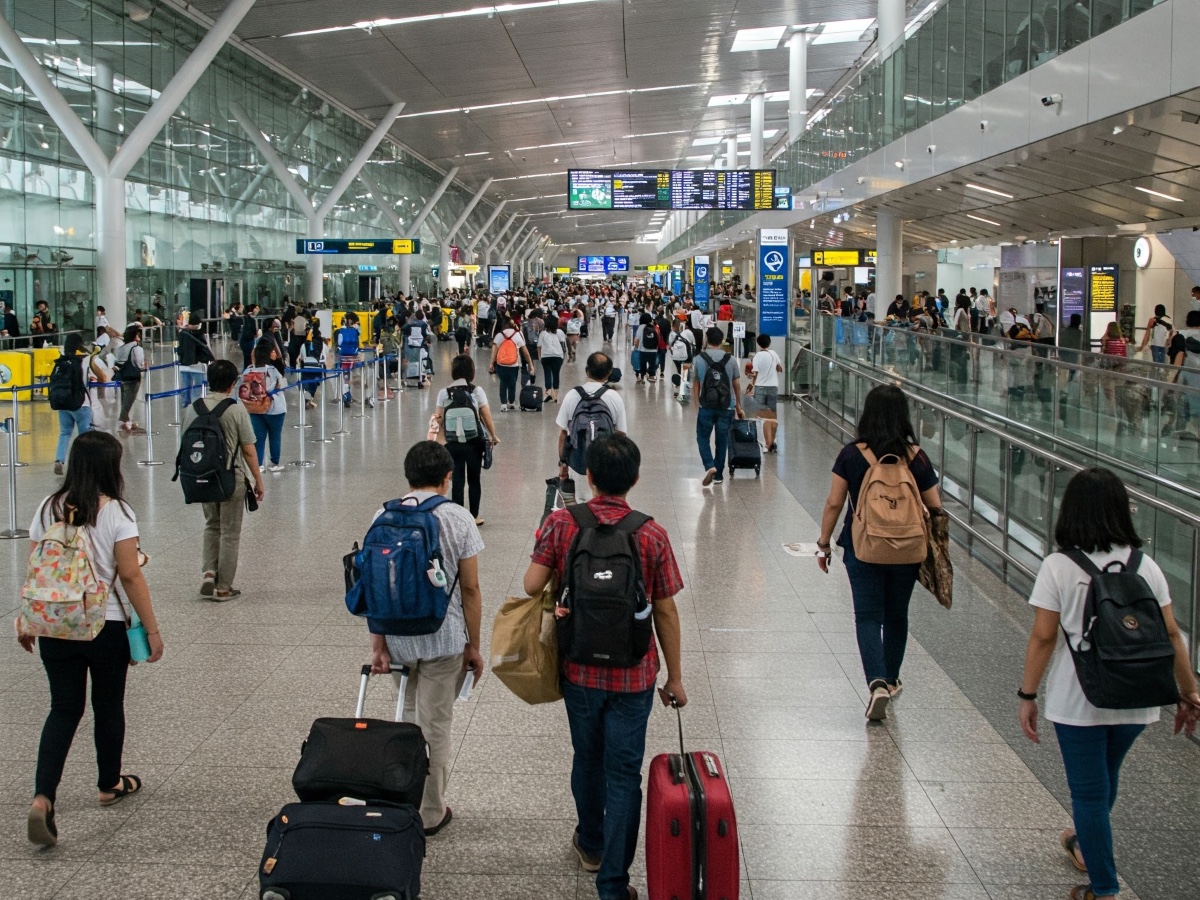
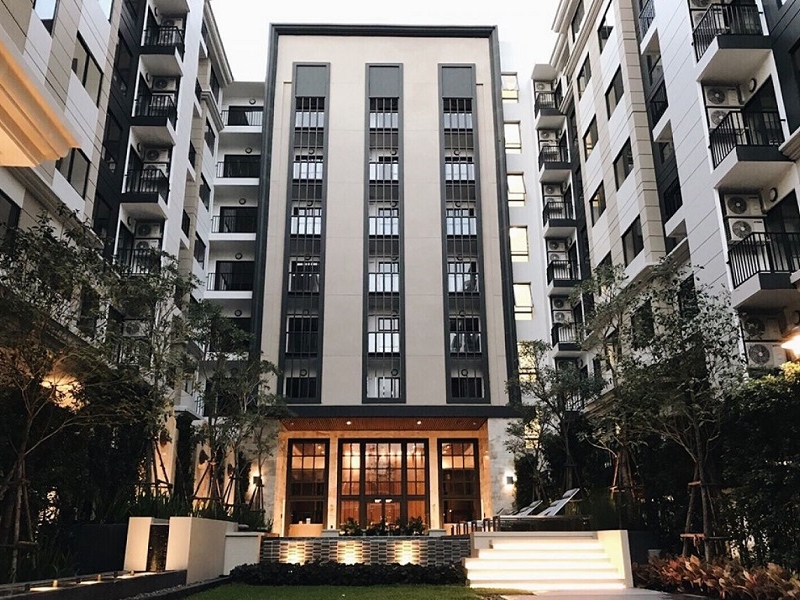
Silom-Sathorn is one of Bangkok’s clearest urban condo districts for foreign buyers because it combines offices, embassies, hotels, restaurants, hospitals, parks and rail links in a compact central area. It is also a district where buyers need precision. A unit can be in the right broad location but still feel inconvenient because of walking routes, traffic, building age or weak layout.
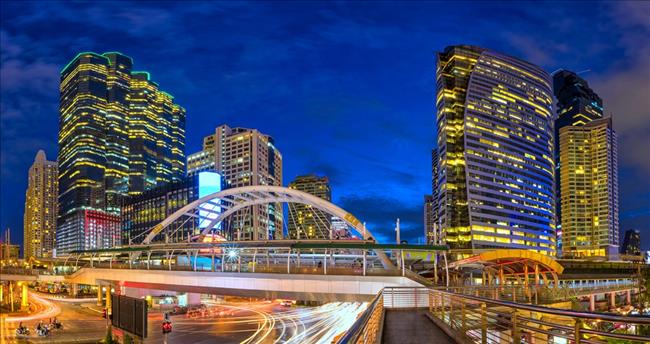
Silom-Sathorn remains one of Bangkok’s clearest office-led condo locations.
The area works best for buyers who understand the difference between being near the business district and being easy to live in. Silom, Sathorn, Sala Daeng, Chong Nonsi, Surasak, Saint Louis, Narathiwas, Rama IV and the riverside edges each create a different daily routine.
Why foreign buyers consider Silom-Sathorn
The district has a strong employment base, with offices, professional services, embassies, hotels and corporate tenants supporting weekday activity. This can help rental demand when a condo is well located and correctly priced. The area also has a mature lifestyle offer: dining, bars, gyms, supermarkets, medical access, parks, river connections and quick links into Siam, Ratchaprasong, Sukhumvit and the Chao Phraya corridor.
For owner-occupiers, Silom-Sathorn offers a central Bangkok lifestyle that feels more business-led and grown-up than some nightlife-heavy districts. For investors, the attraction is a broad tenant story, but that does not remove the need to compare buildings carefully.
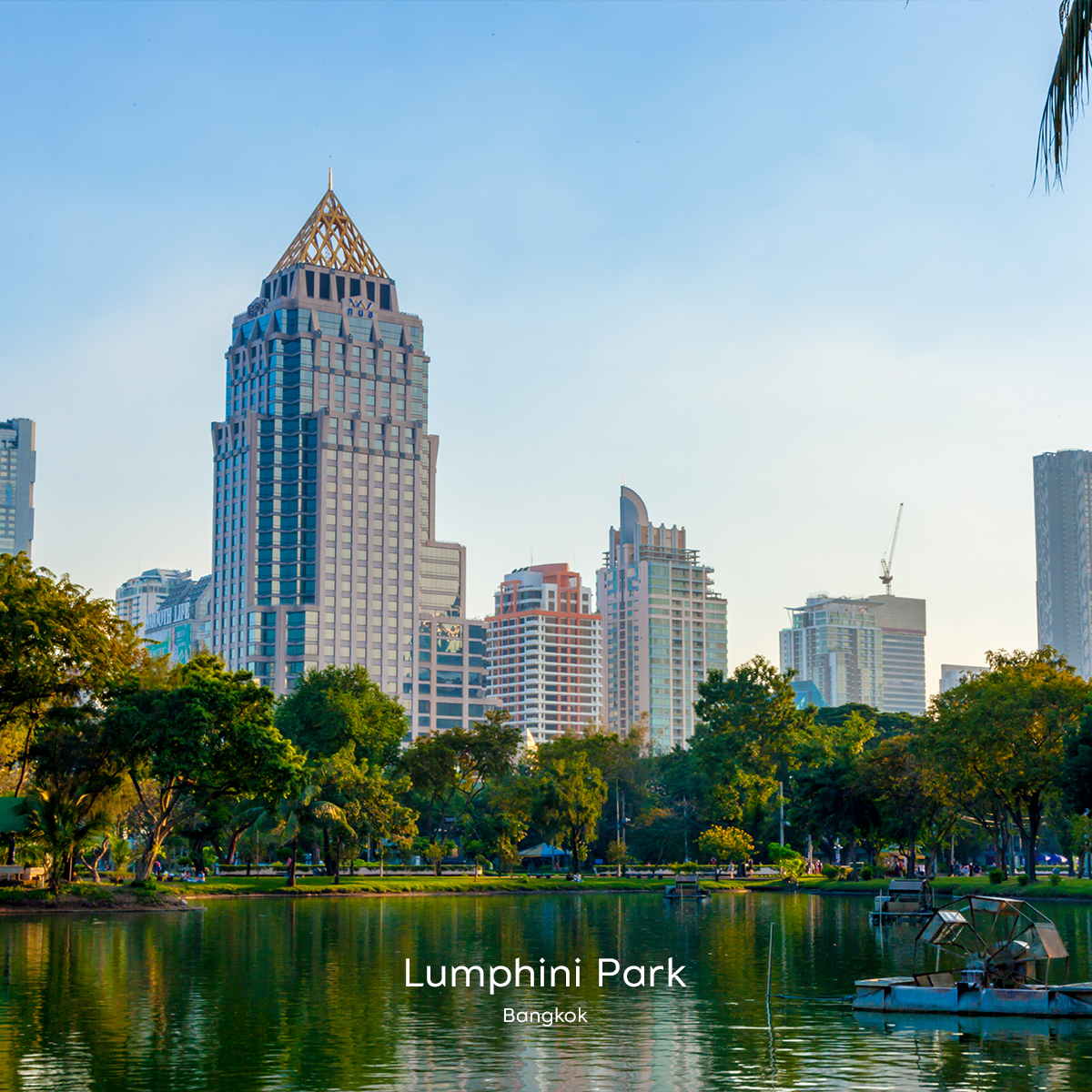
Park access can make dense office districts more liveable for long-stay residents.
Rail access needs real walking checks
BTS and MRT access can be excellent, but buyers should walk the actual route from station to lobby. Check shade, crossings, footpaths, lighting, construction, motorcycle-taxi reliance and rainy-season practicality. A building described as close to a station may still be frustrating if the final approach is awkward or exposed.
The most resilient locations are easy to explain: a clear walk to BTS or MRT, sensible road access, practical taxi pickup and useful daily services nearby. If the unit relies on a difficult side-street route, investors should be conservative about rent assumptions and resale timing.
Building age and management matter
Silom-Sathorn includes new luxury towers, established high-rises and older buildings with large layouts. Older condos can be attractive because they may offer more space or stronger locations, but buyers must assess lifts, facade condition, fire systems, common areas, sinking-fund planning, parking, juristic records and renovation rules.
A well-run older building can be more liveable than a newer tower with weak management. A poorly maintained building in a famous district can still be difficult to rent or resell. Foreign buyers should inspect the building as carefully as the private unit.
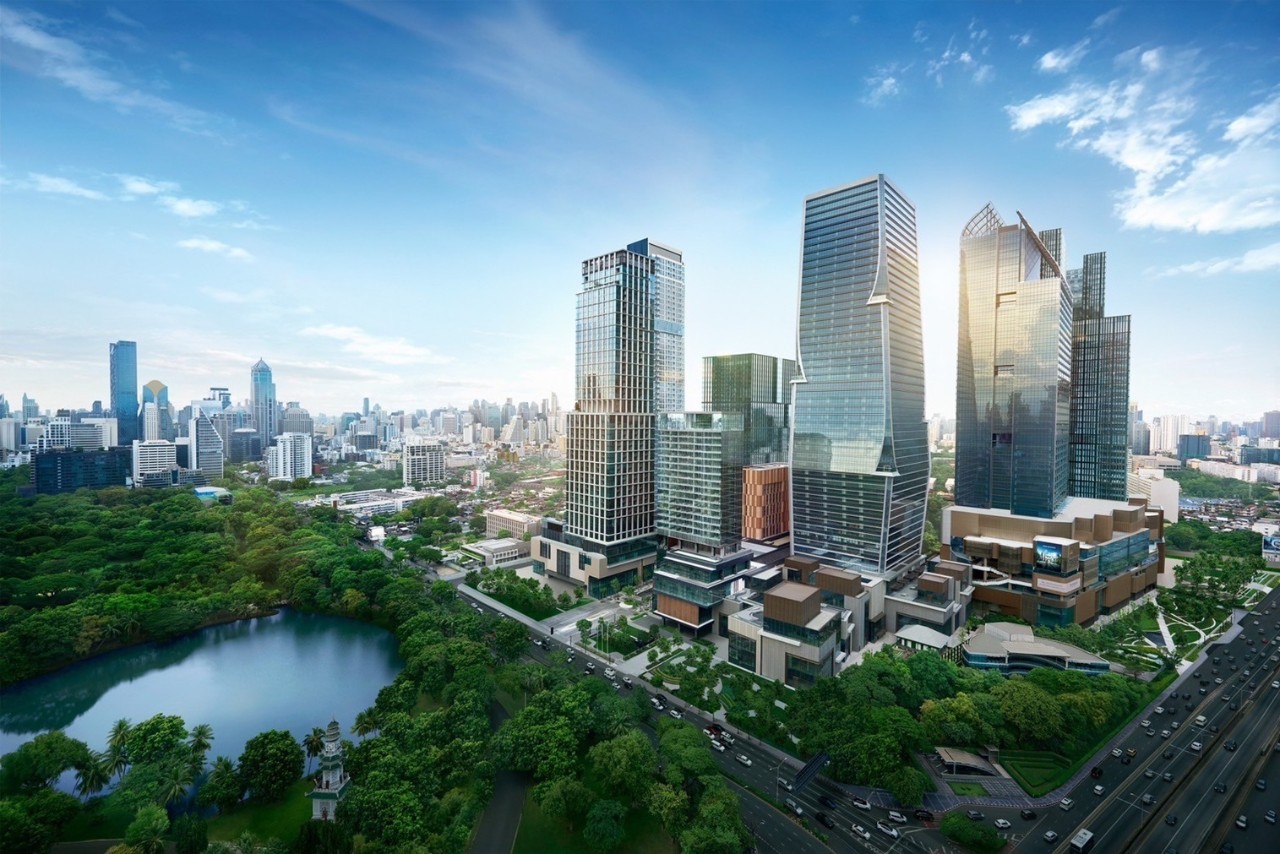
Rama IV, Langsuan and riverside links widen the district comparison for buyers.
Compare Silom, Sathorn and Rama IV separately
Silom tends to feel more retail, dining and MRT/BTS connected around Sala Daeng and Si Lom. Sathorn feels more office-led, especially around Chong Nonsi, Saint Louis and the main business corridor. Rama IV and the Lumpini edge bring park access and links towards Langsuan, Wireless and new mixed-use areas.
Those differences affect tenant fit. A corporate tenant may value a short office commute. A long-stay expat couple may want restaurants, park access and rail. A buyer planning personal use may care more about weekend walkability, hospital access and airport routes. The right unit depends on the intended user.
Luxury does not remove competition
Silom-Sathorn has premium projects and branded or hotel-style residences, but buyers should still compare value. A luxury lobby is useful only if the private unit has an efficient layout, good light, sensible maintenance costs and a clear resale audience. At higher budgets, the comparison expands to Langsuan, Wireless, Chit Lom, riverside, Phrom Phong and other premium districts.
Investors should avoid paying only for district prestige. Test whether the rent target is supported by competing listings, whether the unit photographs well, and whether the building offers a distinctive reason for tenants to choose it.
Rental and resale audiences
The rental audience in Silom-Sathorn can include corporate staff, embassy-related residents, consultants, medical visitors, long-stay professionals and couples who want a central base without living deep inside Sukhumvit. That breadth is useful, but each group values different details. Some prioritise a short walk to work. Others care more about park access, hospital routes, parking, larger layouts or a quieter side street.
For resale, the buyer pool may compare the district with Langsuan, Wireless, Riverside and Phrom Phong. A unit should therefore have a clean explanation: business-district access, park proximity, larger space, strong building management, or a distinctive lifestyle advantage. If the resale story is only that the address is central, the owner may struggle when competing listings offer newer facilities or easier rail access.
Buyer checklist
Walk the route to BTS, MRT, offices and daily services.
Visit at weekday peak, evening and weekend times if possible.
Compare building age, lifts, parking, juristic records and common areas.
Check whether the unit suits office tenants, couples, families or owner use.
Benchmark against Langsuan, Wireless, riverside and Sukhumvit alternatives.
Be conservative if many similar units are listed in the same building.
Buyer takeaway
Silom-Sathorn can be a strong Bangkok condo district for foreign buyers because it combines business demand with central lifestyle and transport. It rewards careful selection. Buy the walking route, building management, unit efficiency and tenant story, not only the address.
IBP can help foreign buyers compare Silom-Sathorn with other central Bangkok districts by budget, commute, building quality and resale plan. Browse our district guides or contact IBP Real Estate for a district shortlist.
Bangkok’s embassy districts are not one formal neighbourhood, but foreign buyers quickly recognise the pattern. Wireless Road, Ploenchit, Chit Lom, Langsuan, Ratchadamri and parts of Sathorn combine diplomatic missions, luxury hotels, grade-A offices, mature parks, hospitals, malls, private clubs and some of the city’s most established condominium addresses.
For expat households, the appeal is practical as well as prestigious. Living near an embassy cluster can make daily life feel more legible: international services are nearby, transport choices are broad, and visitors can understand the location quickly. For investors, the same features can support tenant demand, but only when the unit, price and building condition match what internationally mobile tenants expect.
Embassy-district living is about dependable access as much as prestige.
Where buyers usually mean
Wireless Road is the clearest shorthand because of its diplomatic presence, hotel brands, office towers and proximity to Ploenchit BTS. Langsuan and Chit Lom add a more residential feel, with strong access to Lumpini Park, Central Chidlom, Central Embassy, Ratchaprasong and the BTS network. Sathorn has a different rhythm: more office-led, closer to embassies, schools, hospitals and river access, with a strong weekday professional population.
These areas are not interchangeable. Wireless and Langsuan often suit buyers who want a quieter premium residential base near parks and malls. Chit Lom and Ratchadamri suit buyers who value retail, hotels and BTS convenience. Sathorn can suit professionals who prioritise offices, schools, expressway access and larger family layouts.
Why expats value the location
Embassy-district living reduces friction. Residents can reach international-standard hospitals, banks, hotels, serviced offices, restaurants, grocery stores, parks and shopping centres without repeatedly crossing the whole city. For new arrivals, that convenience can matter more than an extra few square metres of unit size. For long-stay residents, it can make Bangkok feel manageable during school runs, rainy-season traffic or frequent regional travel.
The district also helps with hosting. Visiting family, business partners or tenants can navigate well-known landmarks, hotels and BTS stations more easily than a less familiar suburb. That matters for owners who use the condo part-time and rent it out during other periods, or for investors targeting corporate tenants who compare Bangkok with Singapore, Hong Kong, Tokyo or Dubai.
For internationally mobile households, airport, expressway and rail access shape daily comfort.
What to check before buying
Prime location does not remove building-level due diligence. Some older buildings have generous layouts and mature management, but may need renovation, lift upgrades or careful review of common-area condition. Some newer buildings offer stronger amenities and design, but can trade at a premium that requires realistic rent assumptions. Foreign buyers should compare total cost, not only address prestige.
Walk the route from the condo to the nearest BTS or MRT station at midday and after rain. Check how cars enter and exit the building, how delivery drivers are managed, whether taxis can stop safely, and whether the lobby feels suitable for the tenant profile you want. The best embassy-district buildings make daily movements easy; weaker ones rely on the postcode to do too much work.
Useful liveability questions
Can a resident reach work, school, hospital, park and groceries without a long car journey?
Is the unit layout suitable for the likely tenant: single executive, couple, family or part-time owner?
Does the building allow pets, serviced-style living or flexible leasing if those are part of the strategy?
Are common fees, sinking funds and renovation rules proportionate to the building’s age and positioning?
Will the address still be easy to explain and resell if new luxury supply opens nearby?
Investment strengths and limits
Embassy-district condos can be attractive because the locations are difficult to replicate. Land is limited, surrounding amenities are mature and tenant demand is not tied to one single company or one single mall. That supports long-term confidence for buyers who select carefully.
The limitation is entry price. A premium address can produce a lower headline yield if the purchase price is too high or if the unit needs expensive renovation. Investors should model conservative rent, realistic vacancy and a patient exit. Lifestyle buyers should also avoid paying for amenities they will rarely use, especially if they travel often or spend most weekends outside the city.
The best condo choice depends on commute, school, healthcare and weekend routine.
How to choose between Wireless, Langsuan and Sathorn
Choose Wireless or Ploenchit if diplomatic, hotel and central-BTS access are the priority. Choose Langsuan if you want a calmer residential street feel while staying close to Lumpini Park and Chit Lom. Choose Chit Lom or Ratchadamri if retail and walkability are central to the lifestyle. Choose Sathorn if office access, schools, hospitals, embassies and larger layouts matter more than immediate shopping-mall convenience.
For many foreign buyers, the right answer is found by mapping a normal week rather than ranking districts abstractly. Where will you work, where will children go to school, where is your preferred hospital, how often will you travel, and will the condo be rented when you are away? Those answers quickly narrow the search.
Buyer takeaway
Bangkok’s embassy districts show why the city remains attractive to foreign owners: international connectivity, mature services, strong hospitality, reliable retail and a layered urban lifestyle. The best purchase is not simply the most prestigious address, but the building and unit that make daily life easy while preserving resale logic.
IBP Real Estate can prepare a building shortlist across Wireless Road, Langsuan, Chit Lom, Ratchadamri and Sathorn based on your budget, commute and ownership plan. Explore more in our expat living and district guides.