Break-even rent is the monthly income a Bangkok condominium needs to cover the costs an investor has chosen to include. It is not the highest rent shown in a listing, and it is not the same as gross yield. Used properly, it gives foreign buyers a disciplined way to test whether a unit can carry itself under realistic leasing conditions.
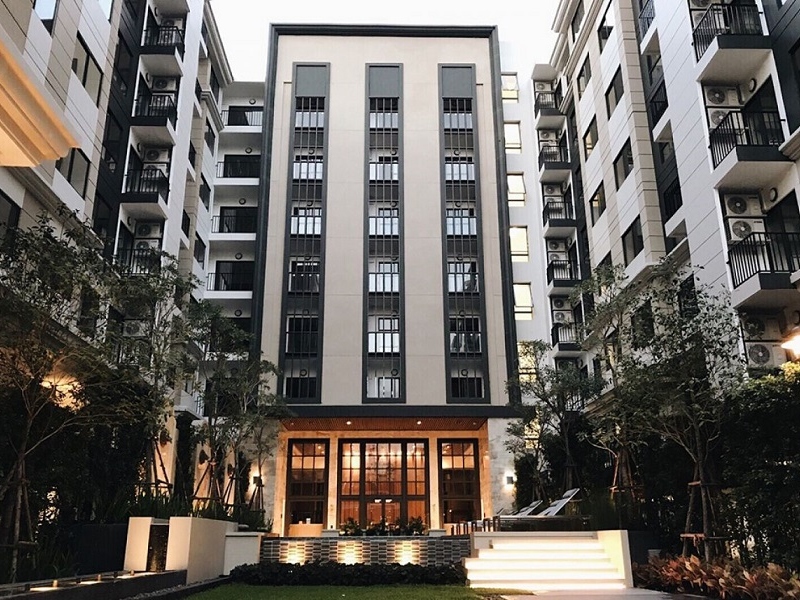
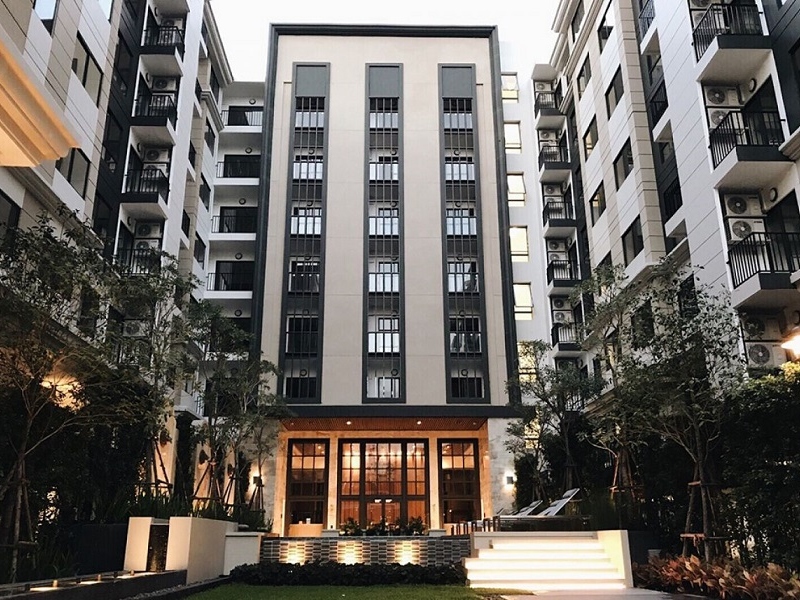
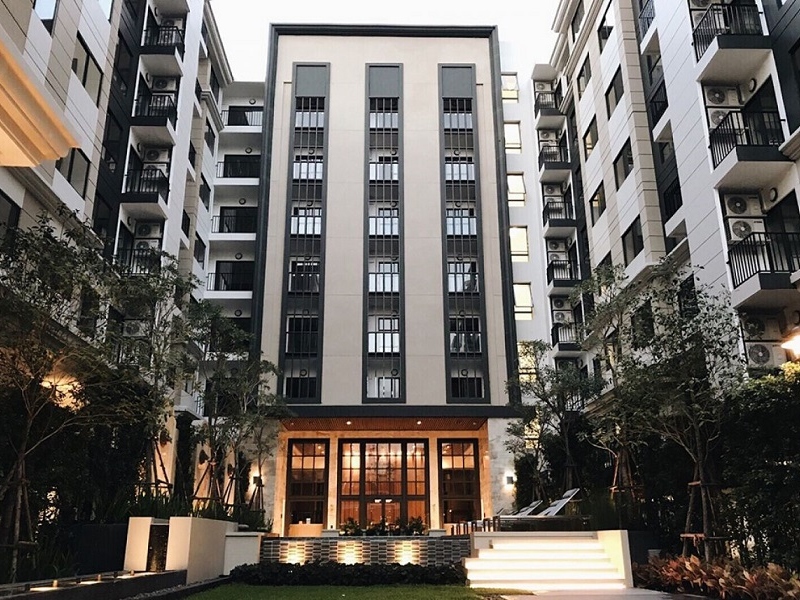
Break-even rent should be tested against the exact unit, building costs and realistic tenant market.
The calculation is most useful before purchase. It reveals whether the investment depends on an unusually strong rent, perfect occupancy or very low maintenance. It also helps compare two properties with different common fees, furnishing needs and tenant profiles. A lower-priced unit is not automatically safer if it needs a high rent relative to competing stock.
Choose what break-even means
There is more than one valid break-even figure. A basic operating break-even can cover recurring property costs such as common fees, management, insurance where applicable, routine maintenance and an allowance for vacancy. A cash-flow break-even can also include financing payments if the buyer uses debt. A full-return target can add an expected return on the capital invested.
Keep these versions separate. Calling every target “break-even” can disguise the difference between avoiding an annual cash loss and earning an acceptable return. A unit may cover common costs while still producing too little income for the purchase price, transfer expenses, furnishing and the owner’s opportunity cost.
Build the annual cost base
List recurring costs line by line. Depending on the property and ownership plan, these may include condominium common fees, management, insurance, accounting or tax support, routine servicing, utilities paid by the owner, internet, minor repairs and replacement of furniture or appliances. Use evidence from the actual building and management proposal where possible.
Add irregular costs through annual allowances rather than pretending they will never occur. Air-conditioning service, repainting, appliance replacement, deep cleaning and inventory refresh may not happen every year, but they belong in a long-hold model. Keep major capital work separate so the buyer can see whether a future building contribution or unit refurbishment would materially change the result.
Layout, condition and furnishing influence achievable rent as well as preparation and replacement costs.
Allow for vacancy and leasing costs
Break-even rent should be based on collected months, not automatically divided across twelve occupied months. If the model assumes a gap between leases, divide the annual cost by the expected number of rent-paying months. Keep leasing commission, tenant-finding costs and preparation expenses visible as their own lines.
This is where optimistic models often fail. The investor may quote a monthly asking rent, multiply it by twelve and treat the result as income, even though the unit needs time to prepare, market and hand over. A modest vacancy allowance can raise the rent needed to break even, especially when turnover costs are high.
Separate achievable rent from required rent
Calculate the required rent first, then estimate achievable rent independently. Use evidence from comparable units in the same building or a genuinely similar competitive set. Compare layout, floor, view, condition, furnishing, parking, pet policy and the walking route to transport. Asking rents are useful context but do not prove what tenants agreed to pay.
If achievable rent is only slightly above break-even, the margin for error is thin. A repair, a rent reduction or a longer vacancy can remove the surplus. A wider gap does not guarantee a strong investment, but it provides more resilience and more freedom to price competitively when the leasing market softens.
Run three practical cases
A base case should reflect the evidence the buyer considers most likely. A softer case can use lower rent, an extra vacant month or higher maintenance. A stress case can combine a longer gap with a major appliance replacement or one-off building cost. The objective is not to predict the precise future; it is to see which assumptions can break the plan.
Record every assumption beside the figure. That makes it easier to update the model when a new common-fee statement, management quote or comparable lease becomes available. It also prevents a buyer from unconsciously using conservative costs for one property and optimistic costs for another.
A useful break-even figure is compared with evidence from the real tenant pool and competing stock.
Use the tenant market as a reality check
The required rent must make sense for the resident who is likely to choose the unit. A compact unit near offices may compete on access and efficient furnishing. A family unit may depend on bedrooms, storage, school routes and building management. A luxury property may face a smaller tenant pool and higher expectations for service and condition.
Ask how many competing units are offered, how long similar stock remains available and whether owners are using incentives. If the break-even figure sits above well-presented competition, the investor needs a clear, defensible advantage. Hope that the market will “catch up” is not a substitute for present evidence.
Do not confuse break-even with investment quality
A low break-even rent can result from a sensible purchase price and controlled costs. It can also hide deferred maintenance, underfunded management or a unit that needs future capital. Review the building’s financial and physical condition alongside the spreadsheet. Cheap ownership today can become expensive when essential work is postponed.
Currency also matters to an overseas owner. Thai-baht rent may cover Thai-baht property costs while producing a different return in the owner’s home currency. Keep property break-even and personal currency objectives as related but distinct questions.
Break-even rent checklist
Define operating, cash-flow and return-target versions separately.
Use actual common fees and management terms.
Annualise maintenance and replacement allowances.
Model collected months rather than perfect occupancy.
Keep leasing commission and turnover work visible.
Compare required rent with achieved evidence.
Run base, softer and stress cases.
Update the calculation before every lease renewal.
A clear break-even figure does not promise profit, but it exposes fragile assumptions before money is committed. IBP helps foreign buyers compare rent evidence, building costs and tenant demand. Explore our investment analysis and rental market guides, or contact IBP Real Estate for a rental-led shortlist.
Bangkok condo investors often begin with a simple question: what rent can the unit achieve? That question matters, but it is not enough. A foreign buyer who wants to compare investment options needs to understand net yield, because the return that survives vacancy, fees, repairs, furnishing, tax, management and resale costs is the return that actually supports the holding plan.
Net yield starts with realistic income and all ownership costs, not only the headline rent.
Headline yield can make a unit look attractive on a spreadsheet. Net yield is more useful because it forces the buyer to test what has to happen for the investment to work in real life. It also helps buyers compare very different properties: a compact BTS unit, a larger family apartment, a branded residence, or an older building with a lower purchase price.
Start with a conservative rent
A sensible net-yield check begins with rent evidence, not hope. Look at current competing listings in the same building, nearby projects and similar unit types. Compare layout, furniture, view, floor, building age, station access and vacancy. If the rent assumption depends on your unit being the best-presented option in the building, the furnishing and management budget should reflect that.
Foreign investors should also avoid using only asking rents. Asking rent is a signal, but it may not show the rent that tenants actually accept. If several similar units are listed at lower levels, use the lower evidence unless there is a clear reason your unit should outperform. A cautious rent assumption makes the investment decision more durable.
Building charges, repairs and vacancy assumptions can change the return case materially.
Deduct the costs that owners really pay
Common-area fees, sinking-fund contributions, insurance, small repairs, appliance replacement, air-conditioning servicing, cleaning between tenants, advertising, agent commissions, property management and tax can all reduce the apparent return. Some costs are predictable. Others arrive irregularly, which is why investors should include an annual maintenance allowance rather than pretending the unit will remain cost-free.
Older buildings may have lower entry prices but higher repair and capital-planning risk. Newer buildings may have stronger facilities but higher monthly charges. A branded or luxury building may attract premium tenants, but it may also require more expensive furnishing and higher owner expectations. Net yield shows whether the whole package still makes sense after the glamorous details are paid for.
Vacancy is not a minor detail
Even a good Bangkok condo may not be occupied every day of the year. A lease can end unexpectedly, a tenant may negotiate a rent reduction, or the unit may need cleaning and repairs between occupants. Investors should model at least one vacancy allowance so the return case does not rely on perfect timing.
The vacancy assumption should match the unit type. A compact one-bedroom unit in a deep tenant market may re-let faster than an unusual high-budget unit with a narrower audience. A larger unit near schools may have stronger renewal potential but fewer replacement tenants if the timing is wrong. The correct vacancy allowance is not one universal number; it is a judgement about liquidity.
A disciplined net-yield check connects layout, tenant demand, furnishing and exit strategy.
Furnishing affects both income and cost
Furnishing is part of net yield because it affects both rent and capital outlay. A weak furniture package may save money on day one but reduce tenant appeal, increase vacancy and weaken listing photos. Overfurnishing can also hurt returns if the rent does not justify the spend. The best budget is tied to the tenant profile and the rent ceiling, not to personal taste alone.
Owners should budget for replacement cycles. Mattresses, sofas, curtains, appliances, air-conditioners and small kitchen items wear out. If the owner intends to hold for several years, the net-yield model should include periodic refresh costs. That is especially important for overseas landlords who rely on a manager to keep the unit presentation competitive.
Compare gross yield, net yield and exit value
Gross yield can help buyers screen options quickly, but it should not decide the purchase. Net yield is the operating return after ownership costs. Exit value is the resale case. A condo with a modest net yield may still be attractive if it has strong resale depth, excellent personal-use value or long-term district confidence. A unit with a tempting gross yield may be risky if resale demand is shallow or the building is deteriorating.
Foreign buyers should therefore ask three connected questions. Can the unit rent at a defensible level? Can it produce a reasonable net return after costs and vacancy? Can it be resold to a clear future buyer? If one answer is weak, the purchase price should compensate for that weakness.
Investor checklist
Use conservative rent evidence from comparable units.
Deduct common fees, management, repairs, tax, insurance and agent costs.
Include vacancy and cleaning time between tenants.
Budget for furnishing, appliance replacement and refresh work.
Compare net yield with resale depth, not only annual income.
Stress-test the return if rent falls or repairs arrive early.
Buyer takeaway
Bangkok condo net yield is a discipline, not a marketing number. It helps foreign investors see which units still work after real ownership costs and ordinary friction. The strongest purchase is usually not the one with the loudest rent promise. It is the one where rent, costs, tenant demand and exit strategy remain coherent under conservative assumptions.
IBP helps foreign buyers compare Bangkok condos by rent evidence, net-yield logic, building costs and resale plan. Read more in our investment analysis archive or contact IBP Real Estate for a yield-focused shortlist.
Bangkok remains attractive to many overseas property buyers because it combines regional connectivity, private healthcare, international schools, retail depth, restaurants, serviced apartments and a large expatriate tenant base. None of those strengths removes the need for disciplined rent underwriting. In a selective market, the question is not only what a unit could rent for in a strong month. The question is whether the owner can hold it comfortably through vacancy, refresh costs and slower tenant decisions.
A rent buffer helps foreign buyers separate city confidence from unit-level cash flow.
The 2026 backdrop supports that careful approach. CBRE’s Bangkok overall figures for Q1 2026 described a slow start for the condominium market, with only 12 new project launches and buyers taking longer to decide. The same update noted that Thailand’s tourism sector improved in Q1, even though international arrivals of 9.3 million were 2.4 percent lower year on year. This is exactly the mixed environment where foreign buyers should be confident about Bangkok as a city, but conservative about individual rent assumptions.
Build the buffer before the yield
A headline gross yield can be useful for screening, but it is a weak basis for a purchase decision. Gross rent usually ignores vacancy, agent fees, furniture replacement, repairs, common fees, insurance, local taxes, management time, currency movement and the owner’s exit costs. A rent buffer forces the buyer to ask whether the unit still makes sense after those items are included.
For a foreign owner, the buffer should also include distance. If the owner lives overseas, small problems can become expensive because every repair, key handover, tenant viewing and document request needs local coordination. A slightly lower headline rent in a well-managed building may be better than a higher theoretical rent in a building where maintenance, juristic communication or tenant turnover is difficult.
Start with the tenant audience
The most important rent question is who will actually rent the unit. A one-bedroom near a mass-transit station may appeal to single professionals, regional executives or medical visitors. A two-bedroom near a school corridor may suit expatriate families. A branded or hotel-linked residence may attract a tenant who values service, privacy and building prestige. Each audience has different lease length, furniture expectations, budget tolerance and sensitivity to commute time.
Buyers should avoid averaging all Bangkok rents into one assumption. Sukhumvit, Silom, Sathorn, Langsuan, Rama IV, Riverside and emerging MRT districts behave differently. Even within the same district, a better stack, practical layout, parking, noise level, view protection and elevator efficiency can change tenant response. A rent buffer should be based on comparable units in the same building or very close competitors, not a citywide estimate.
Building management, tenant profile and competing supply can matter more than a headline rent figure.
Use a net cash-flow view
A conservative owner should model at least three cases. The base case uses a realistic rent and normal vacancy. The downside case assumes a longer vacant period, a rent reduction or an unexpected repair. The stress case asks whether the owner can hold the unit for a year without a tenant while still paying common fees, utilities, minor repairs and management costs.
This does not mean the buyer expects the stress case to happen. It means the buyer is not forced into a poor resale decision if the rental market softens temporarily. Foreign buyers who buy with cash often have more flexibility than leveraged local buyers, but cash still has an opportunity cost. The capital should be placed where the risk-adjusted holding experience is acceptable.
Vacancy is not the only leakage
Vacancy is the obvious gap, but owners often underestimate refresh costs. Bangkok tenants compare units quickly. A clean sofa, sensible mattress, working appliances, fresh curtains, reliable air-conditioning and responsive repairs can help a unit lease faster. A dated unit may need a lower rent or longer marketing period even if the building is well located.
Common fees and sinking fund items should also be checked before purchase. A building with ageing lifts, facade work, water systems or major facility repairs may need higher owner contributions. That does not automatically make it a bad investment, but it should be reflected in the rent buffer and resale plan.
Location premiums must earn themselves
Prime addresses can deserve a premium, but only when the tenant audience recognises the value. Being near BTS, MRT, a hospital, a school, an office cluster or a major retail node is useful when it reduces daily friction. A famous district name alone is not enough if the actual walk is awkward, the road floods, taxis cannot stop easily or the building is noisy.
Foreign buyers should visit at different times of day and test the route a tenant would use. The best rental units feel easy on an ordinary Tuesday, not only attractive during a weekend viewing. That practical test is especially important in a year when buyers and tenants are both more selective.
A practical rent model should include vacancy, refresh costs and conservative resale timing.
Investor checklist
Compare rent against recent listings in the same building and nearby competing buildings.
Model base, downside and stress cases before negotiating the purchase price.
Check common fees, sinking fund history, likely repairs and juristic communication quality.
Budget for furniture refresh, appliance replacement and professional management.
Match unit size and furnishing to a clear tenant audience.
Treat tourism, office and lifestyle momentum as context, not a guarantee of rent.
Investor takeaway
Bangkok still offers a strong lifestyle and services platform for foreign owners. The safer approach in 2026 is to buy only when the rent buffer, building evidence and tenant audience are clear. A unit that can be held patiently is better than one that depends on optimistic rent growth from day one.
IBP can help overseas buyers compare Bangkok buildings by rent evidence, ownership costs and resale depth before capital is committed. Read our investment analysis guides or contact IBP Real Estate for a buyer consultation.